


We may earn a commission when you buy through links on this page, at no extra cost to you. Learn more.
This villa maria wine review finds that Villa Maria is a strong choice for shoppers seeking approachable New Zealand wines, particularly crisp Marlborough Sauvignon Blanc, expressive Pinot Noir, and food-friendly Chardonnay. The producer offers six main ranges, from fruit-forward Private Bin bottles to more site-focused Single Vineyard and premium Icon wines. Sauvignon Blanc is the natural starting point, but its broader portfolio makes the brand worth considering for red wine, rosé, and organic wine shoppers too.
Villa Maria has an established place in New Zealand wine, with a portfolio covering several grape varieties, growing regions, and quality levels. Its wines are not all designed for the same drinker: a fresh Sauvignon Blanc for a casual dinner serves a different purpose from a vineyard-specific Pinot Noir intended for a more considered meal. Understanding the range names, regional differences, and grape varieties makes choosing a bottle considerably easier.
Who Should Buy Villa Maria Wine
Villa Maria is particularly suitable for people who enjoy fruit-forward wines, fresh acidity, and recognizable grape varieties rather than heavily experimental styles. Its Marlborough Sauvignon Blanc is an especially sensible starting point for shoppers who appreciate lively citrus, tropical fruit, and herbal flavors.

The brand began in Auckland in 1961, when George Fistonich started with one acre of vines, according to distributor Winebow. It has since developed a broad New Zealand portfolio that includes wines from Marlborough, Hawke’s Bay, and Gisborne. That regional variety matters because a Marlborough Sauvignon Blanc and a Hawke’s Bay Chardonnay can offer noticeably different drinking experiences even when they carry the same producer name.
For someone buying wine for a casual meal, a family gathering, or an informal dinner party, the Private Bin and Cellar Selection ranges deserve attention first. These wines are positioned around approachable fruit expression and food compatibility. Their familiar grape varieties also make them relatively straightforward choices for shoppers who do not want to spend considerable time researching individual vineyards.
More experienced wine drinkers may prefer Reserve, Single Vineyard, or Icon bottlings. These ranges offer a more focused way to explore regional and site differences. Someone interested in the relationship between Marlborough’s individual vineyard locations and Sauvignon Blanc character, for example, can move beyond a general regional blend into named vineyard bottlings.
Villa Maria may be less suitable for someone whose main interest is inexpensive, sweet, uncomplicated wine. The portfolio contains different styles, but its New Zealand regional identity is particularly apparent in wines that emphasize freshness, acidity, and grape character. Shoppers who prefer noticeably sweet white wine should distinguish between dry Sauvignon Blanc and sweeter alternatives before purchasing.
It is also a useful producer to compare with other internationally distributed labels. Readers exploring villa maria wine alongside other recognizable brands can use grape variety, regional origin, and range positioning rather than brand familiarity alone to make a decision. A good buying choice depends on the style inside the bottle, not simply the name on its label.
Key Factors to Compare Before Buying
The most useful comparison points are grape variety, growing region, Villa Maria range, and intended drinking occasion. These four factors help distinguish a refreshing Marlborough white from a fuller Hawke’s Bay wine or a more structured single-vineyard bottle.
| Factor | Villa Maria options | What to expect | Best suited to |
|---|---|---|---|
| Grape variety | Sauvignon Blanc | Citrus, tropical fruit, fresh herbs, high acidity | Seafood, salads, light meals |
| Grape variety | Pinot Noir | Red fruit, lighter body, gentle to moderate tannin | Chicken, salmon, mushrooms |
| Grape variety | Chardonnay | Apple, citrus, stone fruit, potentially creamy textures | Roast poultry, creamy dishes |
| Region | Marlborough | Fresh, fruit-driven Sauvignon Blanc | Casual drinking and seafood |
| Region | Hawke’s Bay | Chardonnay and fuller-bodied red varieties | Roasted dishes and richer meals |
| Range | Private Bin | Fruit-forward regional expression | Everyday occasions |
| Range | Cellar Selection | Food-friendly styles | Entertaining and dinner |
| Range | Reserve and above | More selective fruit and vineyard expression | Exploration and special meals |
Grape variety is usually the easiest starting point. Sauvignon Blanc is known for high acidity and aromatic freshness, while Pinot Noir generally offers lower to medium tannin and more delicate red-fruit character. Chardonnay has medium acidity and can range from citrus-driven freshness to richer, more textured expressions depending on the winemaking approach.
Regional origin is the next consideration. Marlborough is particularly associated with Sauvignon Blanc, and Villa Maria’s range includes examples from different Marlborough subregions. Hawke’s Bay offers a broader environment for Chardonnay and red varieties, including Merlot and Cabernet Sauvignon. These distinctions help explain why two Villa Maria bottles can taste quite different.
The range name provides another useful clue. Private Bin is positioned around accessible fruit expression, while Cellar Selection emphasizes food-friendly wines. EarthGarden is the organic range, and Reserve, Single Vineyard, and Icon provide increasingly specific expressions of selected fruit and sites. The names indicate positioning, not a guarantee that every shopper will prefer a higher-tier wine.
Finally, consider the occasion. A bright Sauvignon Blanc may work particularly well as an aperitif or alongside grilled fish, while Pinot Noir offers more flexibility with roasted poultry and mushroom dishes. For a bottle intended to accompany a substantial dinner, matching the wine’s acidity, body, and tannin to the meal is more useful than choosing by label color.
Step-by-Step: How to Choose a Villa Maria Bottle
A simple selection process reduces the chance of buying a bottle that does not match your preferences. Start with the grape, narrow the choice by region and range, and finish by considering the food and serving conditions.
- Decide between white, red, and rosé. Choose white Sauvignon Blanc if you prefer fresh citrus and tropical fruit. Consider Pinot Noir if you want a lighter red, Chardonnay for a fuller white option, or rosé for a chilled, versatile alternative.
- Choose the grape variety. Sauvignon Blanc is a natural option for drinkers who enjoy crisp acidity. Pinot Noir suits people who like red berries and lighter tannins. Chardonnay is a sensible choice for someone who prefers a broader texture and moderate acidity.
- Look at the region. Start with Marlborough for Sauvignon Blanc. Consider Hawke’s Bay when exploring Chardonnay, Merlot, or Cabernet Sauvignon. Regional origin can offer more useful information about expected style than the producer name alone.
- Choose the portfolio range. Private Bin is a practical starting point for fruit-forward regional wines. Cellar Selection is worth considering for food-friendly bottles. EarthGarden is the organic option, while Reserve and Single Vineyard suit shoppers seeking more specific expressions.
- Match the wine to your meal. Pair Sauvignon Blanc with oysters, grilled white fish, goat cheese, or herb-based salads. Choose Pinot Noir for roast chicken, mushroom dishes, or salmon. Chardonnay can complement roast poultry and dishes with cream-based sauces.
- Consider the serving temperature. Serve light whites and rosé around 45–50°F, fuller whites around 50–55°F, and light reds around 55–60°F. Proper temperature helps preserve freshness and prevents aromatic wines from seeming overly alcoholic or muted.
- Plan how much to serve. A standard 750 ml bottle provides approximately five 5 oz glasses. For a dinner with four guests, one bottle provides a moderate first pour, while a second bottle allows for additional servings.
These steps are especially helpful when choosing between several Villa Maria labels in a retail store. A shopper who enjoys bright, aromatic whites can narrow the search to Sauvignon Blanc first, then decide whether a straightforward Private Bin bottle or a more selective Reserve expression is appropriate.
Tip: If this is your first Villa Maria purchase, start with Marlborough Sauvignon Blanc in the Private Bin range. Its recognizable citrus, herbal, and tropical-fruit profile provides a useful introduction before moving to Cellar Selection or Reserve bottlings.
Villa Maria Wine Types and Styles Explained
Villa Maria’s portfolio covers several familiar grape varieties, but its strongest identity is associated with New Zealand Sauvignon Blanc. Understanding the principal styles makes it easier to compare bottles without assuming that every wine from the producer has the same flavor profile.
Sauvignon Blanc
Sauvignon Blanc is the clearest starting point for understanding Villa Maria. Marlborough’s reputation for fresh, fruit-driven Sauvignon Blanc is central to the producer’s identity. Typical aromas can include passion fruit, grapefruit, lime, lemongrass, green herbs, and freshly cut grass.
Wine Enthusiast’s review of the 2025 Private Bin Marlborough Sauvignon Blanc describes lemongrass, basil, bell pepper, and white peach, together with pronounced acidity. The publication awarded that bottle 90 points. Its review offers a useful independent reference for shoppers who want to understand the style beyond the producer’s own description. Read the Wine Enthusiast review of Villa Maria Private Bin Sauvignon Blanc for the complete tasting assessment and bottle details.
The Cellar Selection Marlborough Sauvignon Blanc provides another example. Villa Maria describes passion fruit, citrus, fresh herbs, grapefruit, and rock melon, with a rounded finish supported by crisp acidity. Its winemaking description also explains that the grapes are harvested during cooler nighttime and early-morning conditions to protect aromatic character.
Pinot Noir
Pinot Noir is the main red-wine variety worth exploring in the range. It generally has lower to medium tannin and relatively high acidity, with red-fruit flavors such as cherry, cranberry, and raspberry. Compared with Cabernet Sauvignon, it usually feels lighter and more delicate.
Villa Maria’s portfolio includes Private Bin, Cellar Selection, Reserve, EarthGarden, and Single Vineyard Pinot Noir. Its named Single Vineyard wines include examples from Marlborough locations such as Taylors Pass and Seddon. These bottles provide an opportunity to compare site-specific expressions rather than treating every Pinot Noir as interchangeable.
Pinot Noir is particularly flexible with food. Try it with roasted chicken, grilled salmon, duck, or mushroom dishes. Its moderate tannin and bright acidity can complement savory ingredients without overpowering lighter proteins.
Chardonnay
Chardonnay is a useful alternative for drinkers who want a white wine with more body than a typical crisp Sauvignon Blanc. Depending on its production and regional expression, Chardonnay can show apple, pear, citrus, peach, cream, and subtle toasted notes.
Villa Maria offers Chardonnay across several portfolio levels, including Private Bin, Cellar Selection, Reserve, and Icon. Its product range includes Hawke’s Bay and East Coast bottlings as well as named vineyard wines. The Single Vineyard Keltern Chardonnay is one example of the more site-specific end of the portfolio.
Chardonnay works particularly well with roast chicken, grilled prawns, creamy pasta, and dishes featuring roasted vegetables. Serve a fuller-bodied version around 50–55°F rather than extremely cold, so its texture and aromatic details remain apparent.
Rosé and Other White Wines
Villa Maria also produces rosé, Pinot Gris, Riesling, Gewürztraminer, Albariño, and sparkling wines. These styles make the portfolio more versatile than a Sauvignon Blanc-focused reputation might suggest.
Rosé is a practical choice for warm-weather meals, outdoor entertaining, and dishes that sit between white-meat and lighter red-meat preparations. Pinot Gris can provide a broader fruit profile than Sauvignon Blanc, while Riesling is particularly useful for shoppers who appreciate high acidity and may prefer a touch of sweetness.
For sparkling wine, consider the difference between traditional bottle fermentation and tank-method styles before purchasing. Villa Maria’s portfolio includes sparkling options, including a Méthode Traditionnelle bottling. The method and sweetness designation can help establish whether a bottle is best suited to a celebratory toast or a meal.
Common Mistakes When Buying Villa Maria Wine
The biggest buying mistakes involve assuming all Villa Maria wines taste alike, confusing premium range names with personal preference, and overlooking the differences between grape varieties. A little attention to the label and intended occasion can prevent these problems.
Assuming every Sauvignon Blanc is identical. Marlborough Sauvignon Blanc is a recognizable style, but regional blending and vineyard selection can change the balance of fruit, acidity, and texture. Private Bin, Cellar Selection, Reserve, and Single Vineyard bottlings should not automatically be treated as identical alternatives.
Buying a red wine based only on familiarity with the producer. Pinot Noir and Cabernet Sauvignon have very different structures. Pinot Noir generally has lower tannin, while Cabernet Sauvignon has high tannin and a firmer structure. Someone who wants a delicate red should not assume that every red bottle from Villa Maria will provide that experience.
Confusing dry and sweet wine. Marlborough Sauvignon Blanc is generally a dry style, despite its ripe tropical-fruit aromas. Fruitiness does not necessarily mean sweetness. A drinker who prefers noticeably sweet wine should investigate the actual style rather than interpreting passion fruit or peach aromas as residual sugar.
Serving white wine too cold. Very cold temperatures can suppress aromatic detail. A Sauvignon Blanc served straight from a very cold refrigerator may initially seem less expressive than one allowed to warm slightly. Light whites are generally best around 45–50°F.
Serving red wine too warm. Room temperature in a warm home can be considerably higher than the ideal temperature for Pinot Noir. Serving light reds around 55–60°F helps preserve freshness and balance. A brief period in the refrigerator can bring an overly warm bottle closer to its preferred serving temperature.
Choosing the most expensive range automatically. A Single Vineyard or Icon bottle may offer more concentrated or specific regional expression, but that does not mean it will be more enjoyable to someone who prefers a simple, refreshing wine. Personal taste should come before portfolio hierarchy.
Ignoring the meal. A high-acidity Sauvignon Blanc may work beautifully with citrus-seasoned fish, while a fuller Chardonnay can suit roast poultry and cream-based dishes. Tannic reds can be challenging with delicate oily fish, and chili heat can feel more intense with high-alcohol or tannic wines.
Readers comparing Villa Maria with other familiar supermarket labels should make the same distinctions. For example, Barefoot wine and Villa Maria offer different brand identities and style selections. Comparing the actual grape, sweetness, and region is more useful than assuming that two widely distributed labels serve the same purpose.
Care, Serving, and Storage Tips
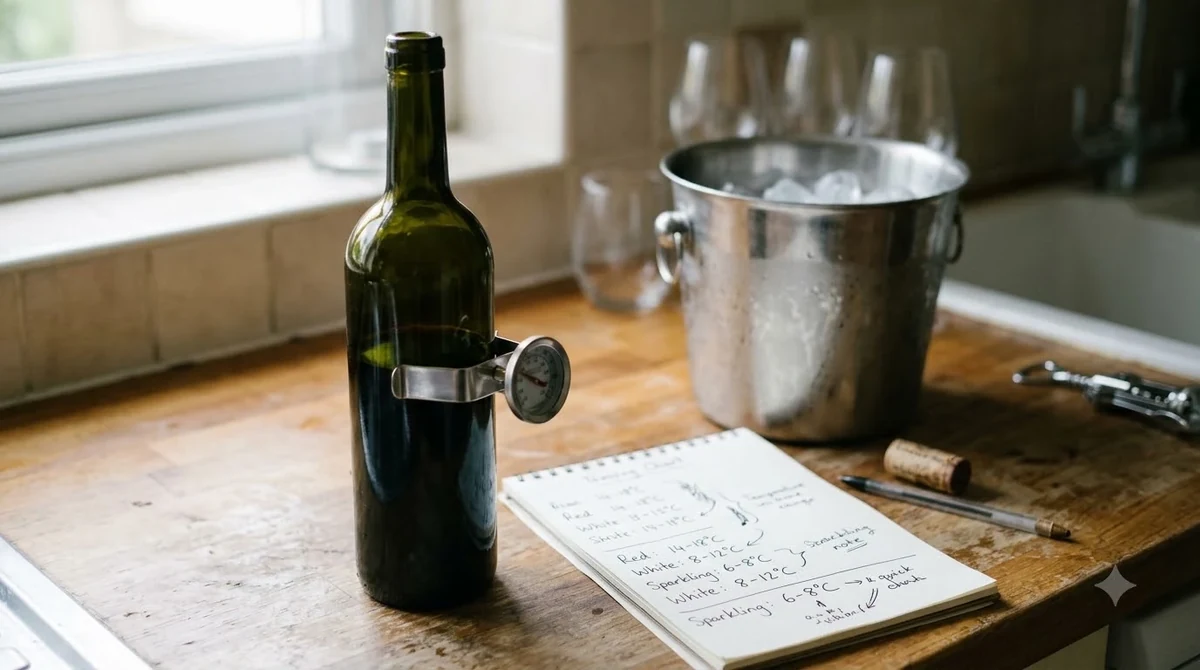
Correct storage and serving conditions help preserve the freshness and balance of Villa Maria wines. Light whites, fuller whites, rosé, and red wines benefit from slightly different temperatures, while opened bottles should be refrigerated to slow oxidation.
For serving, use the following temperature ranges as a practical reference:
- Sparkling wine: 40–50°F.
- Light white wines and rosé: 45–50°F.
- Fuller-bodied white wines: 50–55°F.
- Light red wines such as Pinot Noir: 55–60°F.
- Full-bodied red wines: 60–65°F.
- Sweet white wines: 43–50°F.
A standard 750 ml bottle produces about five servings when poured in 5 oz portions. That is a useful planning measure for dinner parties and tasting occasions. Smaller pours also leave more room in the glass for aromatic development, particularly with expressive Sauvignon Blanc and Pinot Noir.
Storage is equally important. Unopened bottles intended for short-term drinking should be kept away from direct sunlight, strong temperature changes, and excessive heat. For longer storage, a cool, dark environment near 55°F is a practical target. Bottles with traditional cork closures are generally stored on their sides to help prevent the cork from drying out.
After opening, refrigerate still wines and use a reliable closure to reduce air exposure. A typical guideline is three to five days for opened still wines, although the wine’s condition and storage method influence how long it remains enjoyable. Sparkling wine generally lasts one to three days when properly sealed with a sparkling-wine stopper and refrigerated.
Villa Maria Sauvignon Blanc is generally best appreciated for its fresh aromatic character, so leaving an opened bottle warm on a counter for several days is not ideal. If the bottle is not finished at dinner, close it promptly and return it to the refrigerator. Allow the remaining wine to warm slightly before serving it again.
Food pairing can also improve the experience. High-acidity Sauvignon Blanc is a natural match for acidic ingredients such as lemon and vinaigrette, provided the food does not overwhelm the wine. Salt and fat can soften tannin in red wines, while the lighter tannin of Pinot Noir makes it more adaptable to fish and poultry than a powerful Cabernet Sauvignon.
For shoppers who want to compare more producers before making a decision, the broader Wine Brands collection provides a useful starting point for exploring different wine regions and producer styles. Comparing regional identity, grape variety, and intended occasion helps make a purchase more meaningful than relying on packaging alone.
Frequently Asked Questions
Is Villa Maria an established New Zealand wine producer?
Yes. Villa Maria began in 1961, when George Fistonich planted one acre of vines in Auckland. Its development helped establish the producer as a recognizable name in New Zealand wine, particularly through its internationally distributed Sauvignon Blanc and broader regional portfolio.
Is Villa Maria Sauvignon Blanc suitable for beginners?
Yes. Its aromatic fruit profile makes the wine relatively easy to understand, even for someone who is new to New Zealand wine. A useful starting exercise is to compare citrus, tropical-fruit, and herbal aromas in the same glass before pairing the wine with food.
Does Villa Maria use screw caps on its wine bottles?
Villa Maria wines are available in screw-cap formats, although closure details can vary between individual bottlings and markets. A screw cap is a practical closure for preserving freshness and does not indicate that a wine is necessarily inexpensive or intended to be consumed immediately.
Can Villa Maria Pinot Noir be served slightly chilled?
Yes. A light red such as Pinot Noir can be served around 55–60°F, which is cooler than a typical warm room. This temperature can help emphasize fresh red-fruit aromas and keep the wine from feeling overly heavy.
How long can an unopened Villa Maria bottle be kept?
Storage potential depends on the specific wine, vintage, and production style. Fresh, fruit-forward Sauvignon Blanc is generally intended to emphasize youthful aromatic character, while more structured Reserve and Single Vineyard wines may have different development potential. Keep bottles away from heat and sunlight, and use the individual wine’s style and vintage when deciding whether extended cellaring makes sense.
Villa Maria is a worthwhile producer to explore if you enjoy New Zealand wines with clear fruit expression, fresh acidity, and a choice of familiar grape varieties. Start with Marlborough Sauvignon Blanc for the brand’s best-known style, then explore Pinot Noir, Chardonnay, and the more selective ranges as your preferences develop. The most suitable bottle is the one that matches your preferred grape, meal, and drinking occasion rather than simply the highest portfolio tier.
More in Wine Brands
 Vina Sol Wine Price: What to Expect and How to BuyUpdated Nov 21, 2026
 Villa Maria Wine Price: Compare Bottles and Find Better ValueUpdated Nov 21, 2026
 Underwood Wine Review: How to Pick the Right Bottle or CanUpdated Nov 21, 2026
 Villa Sandi Wine Price: Compare Bottles and Find the Right WineUpdated Nov 21, 2026
 Veuve Clicquot Yellow Label Review: How to Choose and Enjoy This ChampagneUpdated Nov 21, 2026
 Vega Sicilia Wine Review: Choose the Right Spanish WineUpdated Nov 21, 2026