

We may earn a commission when you buy through links on this page, at no extra cost to you. Learn more.
The typical unshackled wine price is about $18 to $26 for a 750 ml bottle, depending on the variety, vineyard origin, and retailer. Most standard bottles sit around the low-$20 range, making the California brand an accessible option for casual dinners, gatherings, and everyday wine drinking. Cabernet Sauvignon, Red Blend, Pinot Noir, Sauvignon Blanc, and Chardonnay offer several choices without requiring shoppers to move into a significantly higher price category.
Unshackled comes from The Prisoner Wine Company and has a recognizable identity built around approachable, fruit-forward California wines. Its selection includes both familiar red varieties and lighter white options, so the right purchase depends on more than the label or the number on the shelf. Understanding the differences between the bottles, their typical retail ranges, and their drinking styles makes it easier to choose a wine that fits the occasion.
Who This Is For: Understanding the Unshackled Wine Price Range
Unshackled is worth considering for shoppers who want recognizable California wine styles at a moderate retail price. Its standard bottles generally occupy the low-$20 range, while some retailer listings place individual selections below or above that level.
The range is particularly relevant to people who regularly buy Cabernet Sauvignon, Red Blend, Pinot Noir, or Chardonnay and want to compare different styles from the same producer. Rather than focusing exclusively on premium Napa Valley labels or inexpensive supermarket wines, Unshackled occupies a middle ground where variety, fruit character, and everyday accessibility are important considerations.
The brand is developed by The Prisoner Wine Company’s winemaking team. Distributor Kerry Wines identifies Chrissy Wittmann as the Director of Winemaking responsible for developing the range with her team. The wines are sourced from California’s Central Coast and North Coast growing regions, with the winemakers able to select grapes from different parts of the state.
That sourcing approach matters because California is not a single uniform wine-growing environment. Coastal influences, temperatures, vineyard elevations, and growing conditions can differ considerably between regions. Consequently, two Unshackled bottles made from different grape varieties or vineyard origins should not be expected to taste identical simply because they share a brand name.
There is also a useful distinction between Unshackled and The Prisoner. Although Unshackled was inspired by its parent company’s winemaking identity, Kerry Wines describes it as a separate entity with its own style and approach. Shoppers interested in exploring the wider producer portfolio can start with this overview of Wine Brands and compare the positioning of different California labels.
This guide is especially useful for three types of buyers:
- Everyday wine drinkers: People looking for a California bottle for dinner, informal entertaining, or a relaxed weekend gathering.
- Variety explorers: Shoppers who enjoy comparing Cabernet Sauvignon, Pinot Noir, Red Blend, and white wines without switching producers.
- Practical gift buyers: People who want a recognizable wine label with several familiar grape options and a moderate retail price.
It may be less suitable for someone specifically seeking an aged collectible, a single-vineyard prestige Cabernet, or a highly specialized regional expression. The brand’s appeal is centered more on accessible drinking and recognizable California fruit than on the exclusivity of rare production.
Key Factors to Compare Before Buying
The most useful comparison involves the grape variety, bottle size, vineyard origin, and retailer pricing. A difference of several dollars can reflect a different wine or sourcing designation rather than simply a retailer charging more for an identical bottle.
For a practical starting point, the following table summarizes representative Unshackled offerings and the producer’s displayed retail pricing. These figures are approximate US retail reference points drawn from The Prisoner Wine Company’s own collection, rather than guaranteed prices at every store.
| Wine | Representative vintage | Bottle size | Producer-listed price |
|---|---|---|---|
| Cabernet Sauvignon | 2023 | 750 ml | About $22 |
| Cabernet Sauvignon, Santa Ynez Valley | 2022 | 750 ml | About $26 |
| Red Blend | 2023 | 750 ml | About $22 |
| Pinot Noir | 2023 | 750 ml | About $22 |
| Sauvignon Blanc | 2023 | 750 ml | About $20 |
| Chardonnay | 2024 | 750 ml | About $20 |
According to The Prisoner Wine Company’s official Unshackled collection, standard Cabernet Sauvignon, Red Blend, and Pinot Noir are listed around $22, while Sauvignon Blanc and Chardonnay are listed around $20. Its Santa Ynez Valley Cabernet Sauvignon carries a higher displayed price of approximately $26. These are producer-listed prices, and actual retail prices vary by state and retailer.
Retailer listings demonstrate why it is useful to compare more than one store. Total Wine’s displayed selection places its 750 ml Cabernet Sauvignon and Red Blend at approximately $22, with Chardonnay around $18. H-E-B’s listing for the Cabernet Sauvignon shows a different retail reference of approximately $19. Prices vary by state and retailer, and local inventory can affect which varieties are available.
Four factors deserve particular attention:
- Grape variety: Cabernet Sauvignon generally has firmer tannins than Pinot Noir, while Chardonnay and Sauvignon Blanc offer white-wine alternatives.
- Appellation: A Santa Ynez Valley designation identifies a more specific California origin than a general California designation.
- Vintage: The year can differ between the available bottles, which is important when comparing listings that appear otherwise identical.
- Retailer: A grocery store, specialist wine merchant, and producer’s website may display different prices and selections.
Another useful consideration is whether a listing describes a single bottle or a mixed collection. The producer offers wine bundles alongside individual wines, and the total package price should not be mistaken for the price of one standard bottle.
For an accurate comparison, use the same bottle size and wine variety whenever possible. Comparing a 750 ml Cabernet Sauvignon with a different-sized gift package, for example, does not provide a meaningful indication of the underlying wine’s relative cost.
Step-by-Step: How to Find the Right Bottle
Choosing an Unshackled wine is easier when the process starts with the occasion and preferred flavor profile rather than the shelf price alone. A few straightforward checks can prevent confusion between the red varieties and help buyers select an appropriate white wine or sparkling alternative.
-
Decide whether you want red, white, or sparkling wine.
Start by identifying the type of wine needed for the meal or event. Cabernet Sauvignon and Red Blend are natural starting points for red-wine drinkers, while Sauvignon Blanc and Chardonnay suit buyers who prefer white wine. The producer also lists a sparkling option in its wider Unshackled collection.
-
Choose the grape variety that fits your preferences.
Cabernet Sauvignon is generally fuller-bodied, with more noticeable tannin. Pinot Noir usually offers lighter tannins and higher acidity, while Red Blend provides a different combination of grape characteristics. For whites, Sauvignon Blanc is typically more refreshing and acidic than Chardonnay.
-
Compare the bottle’s origin.
A general California designation and a Santa Ynez Valley designation are not interchangeable. The latter identifies a more specific growing area. The producer’s collection includes a Santa Ynez Valley Cabernet Sauvignon alongside a standard California Cabernet Sauvignon.
-
Check the vintage and bottle size.
Confirm that the two bottles being compared are both 750 ml and identify their respective vintages. For example, the producer lists a 2023 Cabernet Sauvignon and a 2022 Santa Ynez Valley Cabernet Sauvignon. Their different origins and vintages are relevant to a fair comparison.
-
Compare at least two retailers.
Check a specialist wine retailer and a local grocery retailer where possible. Total Wine and H-E-B provide useful examples of how the same broad wine category can appear at different retail prices. Local availability, state regulations, and delivery arrangements can also affect the final purchase.
-
Consider the food pairing.
Match the wine’s structure to the meal. Cabernet Sauvignon can work with grilled beef and aged cheese, while Sauvignon Blanc is a more natural choice for goat cheese, salads, and seafood. Pinot Noir is a useful option for poultry and mushroom dishes.
-
Check the purchase details before completing the order.
Review the producer, grape variety, vintage, bottle size, and shipping or pickup conditions. This is particularly important when a retailer groups several Unshackled varieties under one brand page and displays multiple similar-looking bottles.
A practical approach is to buy one bottle in a preferred variety before purchasing several bottles of an unfamiliar style. Someone who already enjoys structured California Cabernet may find the standard Cabernet a more predictable starting point than experimenting with a white variety or sparkling wine.
Tip: Compare like with like. A standard California Cabernet Sauvignon and a Santa Ynez Valley Cabernet Sauvignon are more useful comparison candidates than a Cabernet Sauvignon and a Chardonnay. Start with the same grape variety and bottle size before judging whether a higher-priced bottle offers a meaningful difference.
Types or Styles Explained: Which Unshackled Wine Should You Choose?
Unshackled offers several recognizable wine styles, each suited to a different drinking preference. Cabernet Sauvignon and Red Blend are useful choices for fuller red-wine styles, Pinot Noir provides a lighter red alternative, and the white wines offer more refreshing options for different meals.
Cabernet Sauvignon
Cabernet Sauvignon is a logical choice for drinkers who prefer dark fruit, noticeable structure, and firmer tannins. H-E-B describes the Unshackled Cabernet Sauvignon with aromas of plum and blackberry, alongside black stone fruit, clove, and herbal flavors.
H-E-B also identifies the listed Central Coast Cabernet Sauvignon as a 750 ml wine with 14.5% ABV. Its description mentions vibrant fruit, solid tannins, and balanced acidity. Those characteristics make it a sensible option for grilled beef, pork dishes, and flavorful hard cheeses.
The Cabernet Sauvignon may also appeal to shoppers who already enjoy California red wines and want a familiar grape variety. The standard California version and the Santa Ynez Valley bottling provide two distinct purchasing options within the range.
For more product-specific details, H-E-B’s Unshackled Cabernet Sauvignon listing provides the bottle size, alcohol content, regional designation, tasting description, and suggested food pairings.
Red Blend
Red Blend is a useful alternative for buyers who enjoy red wine but do not necessarily want a bottle centered on one grape variety. Blending can combine different grape characteristics to produce a particular balance of fruit, acidity, body, and tannin.
The producer lists a 2023 Unshackled Red Blend at approximately $22 for a 750 ml bottle. Total Wine also carries the brand’s Red Blend in the same standard size, making it one of the more straightforward alternatives to Cabernet Sauvignon.
For a meal involving grilled meats, burgers, tomato-based dishes, or a cheese board, a red blend can be a flexible option. Its actual structure depends on the blend composition, so buyers should avoid assuming that every red blend tastes like Cabernet Sauvignon.
Pinot Noir
Pinot Noir is generally the lighter-bodied red option for people who prefer brighter acidity and softer tannins. Compared with Cabernet Sauvignon, Pinot Noir usually has less gripping structure and can show more delicate red-fruit characteristics.
The producer lists a 2023 Unshackled Pinot Noir at approximately $22. It is worth considering for roast chicken, mushroom pasta, grilled salmon, and other dishes where a heavy Cabernet might overpower the food.
Pinot Noir is also a useful choice for people who want red wine served slightly cooler. A serving temperature around 55 to 60 degrees Fahrenheit can help retain freshness and keep the wine from seeming overly warm.
Sauvignon Blanc
Sauvignon Blanc is the natural choice for shoppers who prefer crisp white wine with refreshing acidity. The producer lists a 2023 Unshackled Sauvignon Blanc at approximately $20 for a standard bottle.
This style works particularly well with seafood, salads, goat cheese, and lighter meals. Its acidity can complement dishes with citrus, herbs, and vinaigrette, making it a useful contrast to richer red-wine options.
Serve a light white such as Sauvignon Blanc at approximately 45 to 50 degrees Fahrenheit. Excessive warmth can make a fresh white wine seem less refreshing, while very cold serving temperatures can mute some of its aromatic detail.
Chardonnay
Chardonnay is the broader, more versatile white-wine choice for buyers who prefer a rounder texture. The Unshackled range includes a 2024 Chardonnay, with the producer listing the bottle around $20.
Chardonnay can work with roast chicken, creamy pasta, seafood, and dishes involving butter or mild sauces. Its typical acidity is moderate compared with Sauvignon Blanc, so it is often a more comfortable match for richer preparations.
Serve fuller white wines at approximately 50 to 55 degrees Fahrenheit. Allowing the wine to warm slightly in the glass can also help its aromas become more apparent.
Sparkling Wine
The producer’s wider collection includes a 2018 Unshackled sparkling wine, although its availability is restricted to select states. It provides another style for shoppers who want bubbles rather than a conventional still wine.
Sparkling wine is a practical choice for celebrations, appetizers, seafood, and informal gatherings. A serving temperature of approximately 40 to 50 degrees Fahrenheit helps preserve its freshness and carbonation.
These varieties provide a useful starting point for comparing the unshackled wine range. The best choice depends on whether the buyer prioritizes fuller red fruit, softer tannins, refreshing acidity, or a more rounded white-wine texture.
Common Mistakes When Comparing Unshackled Bottles
The most common buying mistake is treating every Unshackled bottle as the same wine simply because the label belongs to one brand. Differences in grape variety, origin, vintage, and wine style can make two bottles substantially different drinking experiences.
One frequent misunderstanding involves the distinction between Cabernet Sauvignon and Red Blend. Both are red wines, and both may suit hearty meals, but Cabernet Sauvignon is associated with a single principal grape variety, whereas a red blend combines grapes. Their tannin structure, acidity, and fruit profile should not automatically be treated as identical.
Another mistake is assuming that the most expensive bottle is necessarily the best option. The producer’s displayed Santa Ynez Valley Cabernet Sauvignon costs more than its standard California Cabernet Sauvignon, but that does not mean every shopper will prefer it. A buyer who wants an everyday dinner wine may be perfectly satisfied with the standard bottling.
Shoppers should also avoid comparing the brand’s white wines directly with its red wines based on cost alone. Chardonnay and Sauvignon Blanc have different production and stylistic considerations from Cabernet Sauvignon and Pinot Noir. A small price difference does not indicate that one style provides more drinking value than another.
There are several other mistakes worth avoiding:
- Ignoring vintage differences: A 2022 Cabernet Sauvignon and a 2023 Cabernet Sauvignon are separate bottlings. The vintage should be included in any careful comparison.
- Assuming every bottle is widely available: The producer identifies its 2018 sparkling wine as available in select states, so distribution can differ across the country.
- Confusing brand identity with wine origin: Unshackled is a California brand with sourcing across multiple growing regions, not a single vineyard designation.
- Choosing by label alone: The wine’s grape variety and intended food pairing are more useful selection factors than the visual design of the bottle.
- Overlooking alcohol content: The listed Cabernet Sauvignon at H-E-B is 14.5% ABV, a relevant detail for shoppers comparing wine styles.
There is also a common misconception that a brand associated with The Prisoner must taste exactly like The Prisoner itself. Kerry Wines specifically describes Unshackled as a separate brand with its own style. The shared company connection provides useful background, but it should not replace an assessment of each individual wine.
Finally, avoid assuming that every retailer’s displayed selection represents the complete portfolio. Total Wine’s brand page, for example, shows three products, whereas the producer’s collection includes a broader selection of varieties and other offerings. A limited retailer assortment does not mean the producer makes only those three wines.
Care and Storage Tips for Getting the Most From Your Bottle
Proper storage and serving temperatures help preserve the wine’s intended character after purchase. Unshackled bottles should be protected from excessive heat, direct sunlight, and repeated temperature fluctuations, while opened wines should be refrigerated between servings.
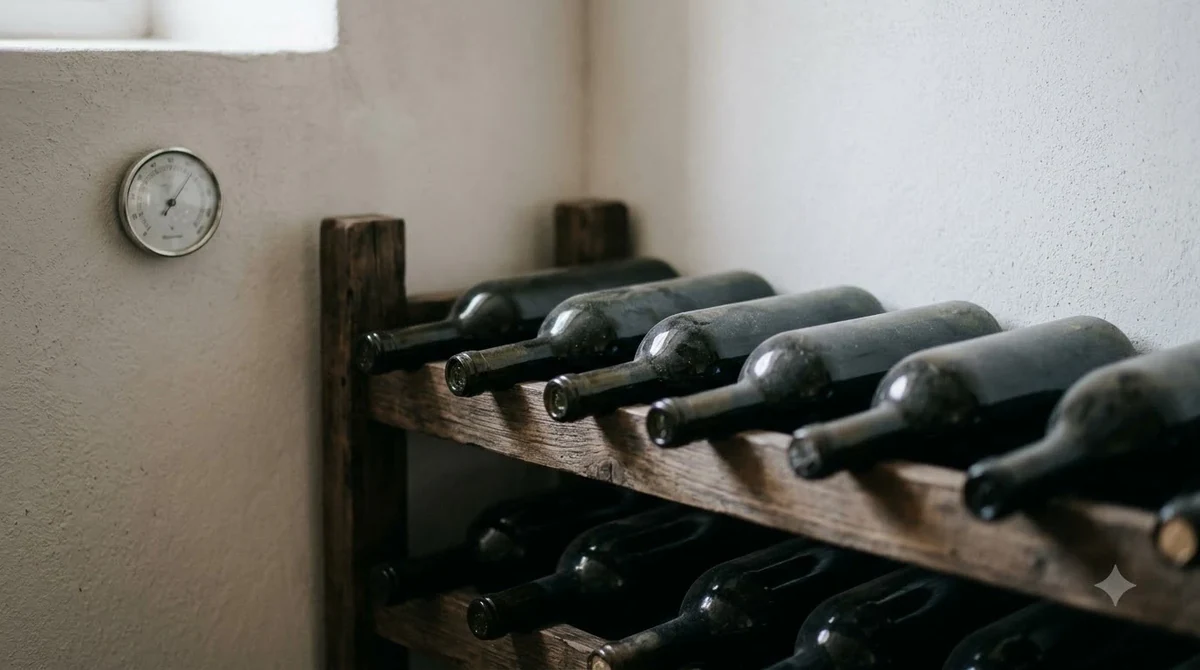
For unopened bottles with natural cork closures, horizontal storage helps keep the cork in contact with the wine. A relatively consistent temperature near 55 degrees Fahrenheit is a useful storage target. A dark cupboard, dedicated wine refrigerator, or cool storage area is preferable to a warm kitchen counter or a location near an oven.
For short-term storage, consistency matters more than creating elaborate conditions. Avoid leaving bottles in a parked car, near a sunny window, or beside heating equipment. These locations can expose wine to temperatures that change quickly and potentially damage its flavor.
Serving temperatures by style
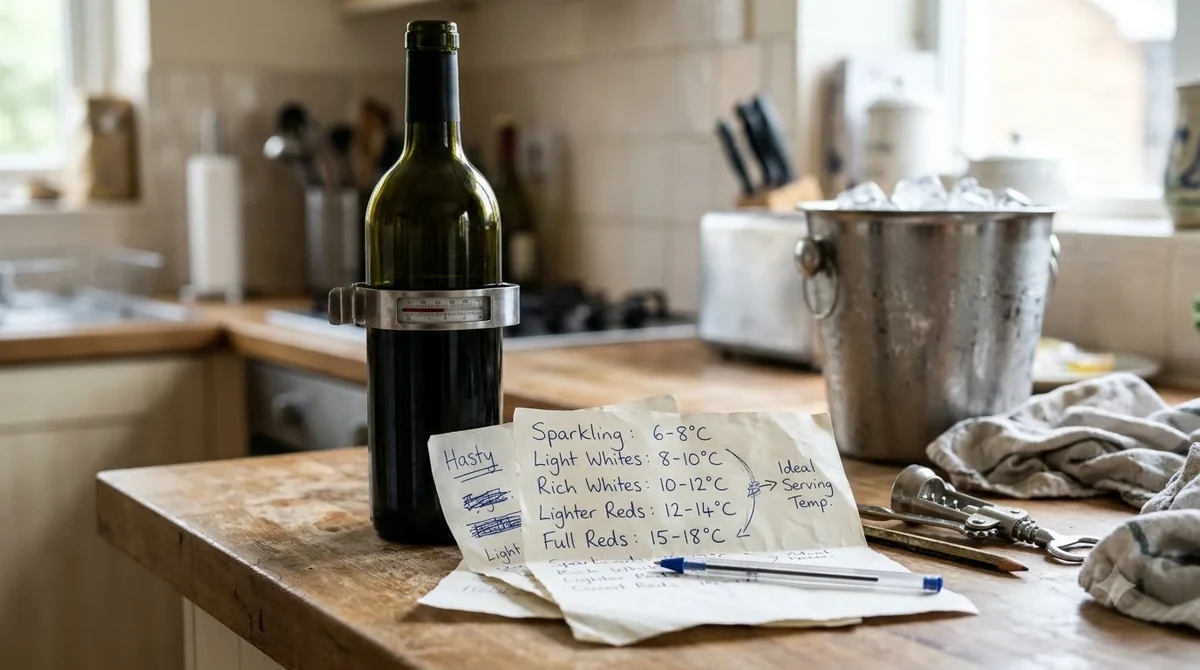
Different Unshackled varieties benefit from different serving temperatures. Red wine should not automatically be served at a warm room temperature, and white wine should not be so cold that its aromas disappear.
- Cabernet Sauvignon: Approximately 60 to 65 degrees Fahrenheit.
- Red Blend: Approximately 60 to 65 degrees Fahrenheit, depending on its structure.
- Pinot Noir: Approximately 55 to 60 degrees Fahrenheit.
- Sauvignon Blanc: Approximately 45 to 50 degrees Fahrenheit.
- Chardonnay: Approximately 50 to 55 degrees Fahrenheit.
- Sparkling wine: Approximately 40 to 50 degrees Fahrenheit.
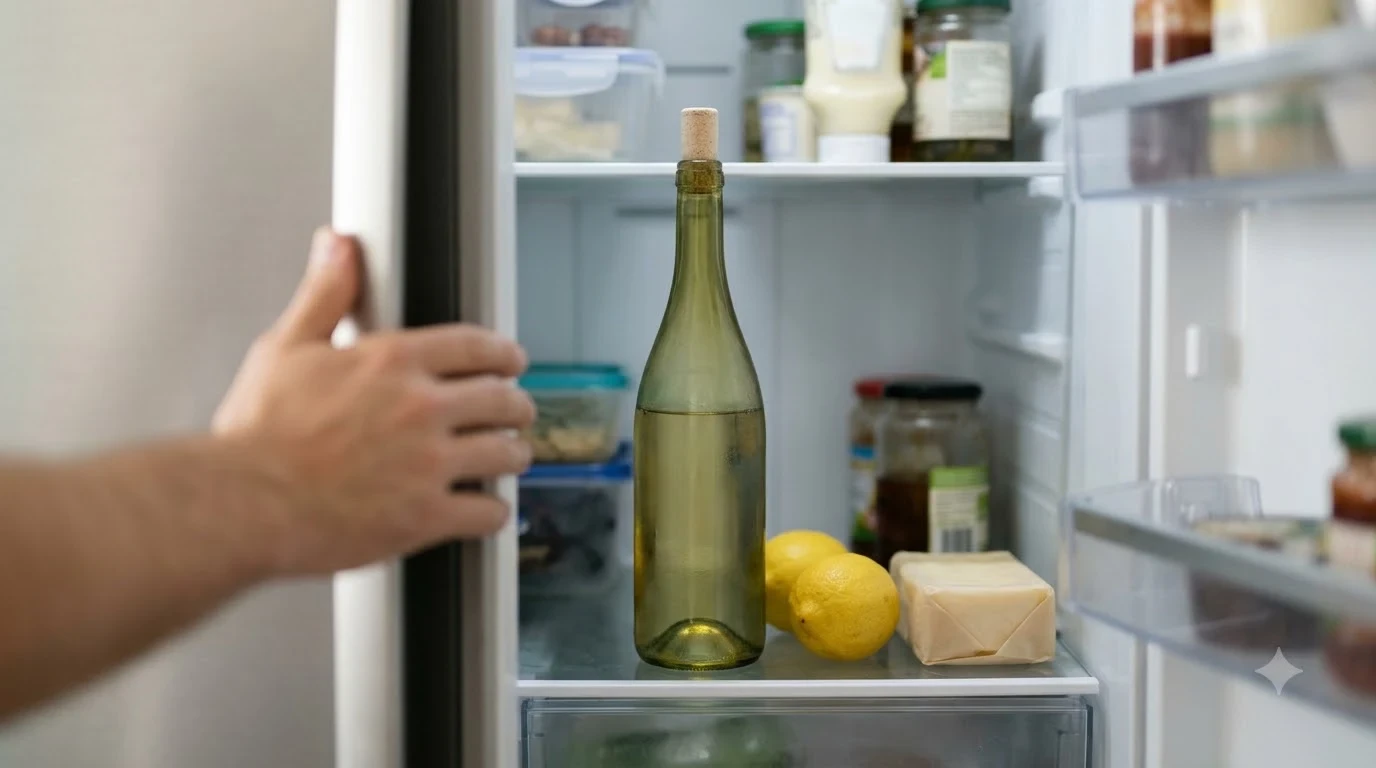
If a red wine has been stored in a warm room, a short period in the refrigerator can bring it closer to its preferred serving temperature. White wines can be removed from refrigeration briefly before pouring if they seem excessively cold.
Opening and preserving the wine
A standard 750 ml bottle provides approximately five servings when poured at 5 ounces each. This makes it relatively easy to estimate how many bottles are needed for a dinner or gathering without assuming that every guest will drink the same amount.
Young, fuller-bodied reds such as Cabernet Sauvignon can benefit from approximately 30 to 60 minutes of decanting. Exposure to air can soften the initial impression of a structured young red and allow its aromas to develop. A lighter Pinot Noir usually requires less aggressive aeration.
After opening, keep unfinished still wine refrigerated and use a suitable stopper to reduce air exposure. A typical opened still wine remains in reasonable drinking condition for approximately three to five days, although the result depends on the variety, storage conditions, and how much wine remains in the bottle.
Opened sparkling wine generally lasts approximately one to three days when properly sealed with a sparkling-wine stopper and refrigerated. Ordinary flat bottle stoppers are not as effective at maintaining carbonation. The wine may lose freshness and bubbles before the stated storage period has elapsed.
These practices are useful regardless of whether the bottle is Cabernet Sauvignon, Red Blend, Pinot Noir, Sauvignon Blanc, or Chardonnay. Good storage cannot improve a wine that has already been damaged by heat, but it can help preserve the quality of a properly stored bottle.
Frequently Asked Questions
These answers address common purchasing questions about the Unshackled range, its California origins, and the differences between individual bottles. They also cover a few details that are useful when shopping across different retailers.
Is Unshackled the same brand as The Prisoner?
No. Unshackled is a separate brand developed by The Prisoner Wine Company’s winemaking team. The two share a company connection, but the Unshackled range has its own identity and winemaking approach. Its bottles should be evaluated as individual wines rather than assumed to be replicas of The Prisoner’s signature red blend.
Does Unshackled wine come exclusively from Napa Valley?
No. Kerry Wines identifies the Central Coast and North Coast of California as sourcing regions for the brand. The producer also lists a specific Santa Ynez Valley Cabernet Sauvignon. This broader California sourcing approach means the brand is not limited to one Napa Valley appellation.
How much alcohol is in Unshackled Cabernet Sauvignon?
H-E-B lists its Unshackled Central Coast Cabernet Sauvignon at 14.5% ABV. That figure applies to the specific retailer listing and should not automatically be assigned to every Unshackled variety. Sauvignon Blanc, Chardonnay, Pinot Noir, and Red Blend may have different alcohol levels.
Does Unshackled offer wines in formats other than standard bottles?
The producer’s website includes half-bottle and magnum categories within its wider shopping portfolio. It also offers gift packs and wine bundles. These formats can be useful for smaller servings or larger gatherings, although individual availability varies by product and destination.
Who develops the Unshackled wine range?
Unshackled was developed by Chrissy Wittmann, Director of Winemaking at The Prisoner Wine Company, and her team. Their California-wide sourcing approach gives them access to grapes from different growing areas. This helps explain why the brand includes several varieties and regional expressions rather than relying on one uniform vineyard source.
Unshackled offers a practical selection of California wines, with standard 750 ml bottles generally positioned around the low-$20 range and some options priced higher or lower depending on the variety and retailer. Cabernet Sauvignon is a sensible starting point for structured reds, while Pinot Noir, Red Blend, Sauvignon Blanc, and Chardonnay provide alternatives for different preferences and meals. Compare the grape, vintage, origin, and local retail listing before choosing a bottle, and the range becomes much easier to shop confidently.
More in Wine Brands
 Underwood Wine Price: Compare Bottles, Cans, and Pack SizesUpdated Nov 21, 2026
 Zenato Wine Price: Compare Styles and Choose the Right BottleUpdated Nov 21, 2026
 Zuccardi Wine Price: Compare Bottles and Find the Right RangeUpdated Nov 21, 2026
 Yellow Tail Moscato Review: Taste, Sweetness and Serving TipsUpdated Nov 21, 2026
 Wolf Blass Yellow Label Review: Choose Your Best StyleUpdated Nov 21, 2026
 Wolffer Estate Rose Review: Choose the Right Bottle for Your TableUpdated Nov 21, 2026