

We may earn a commission when you buy through links on this page, at no extra cost to you. Learn more.
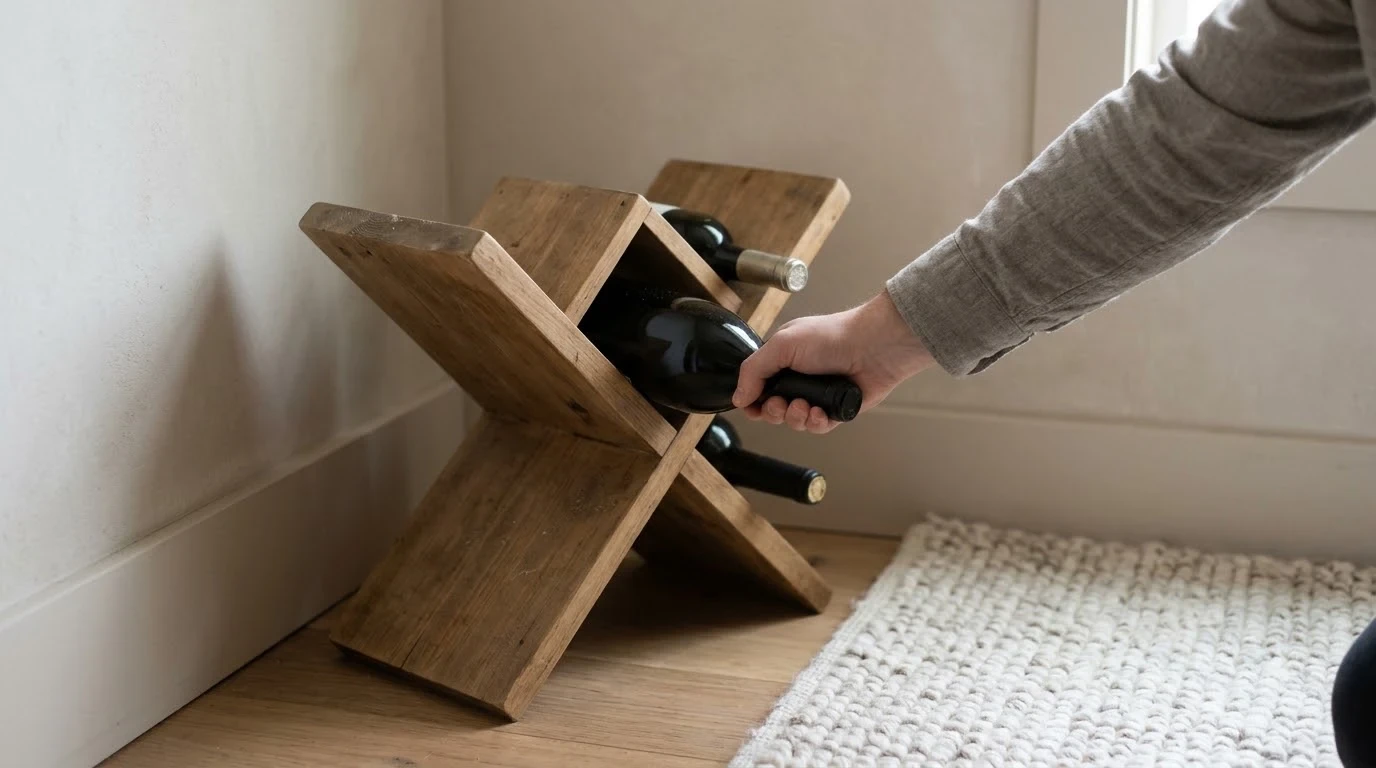
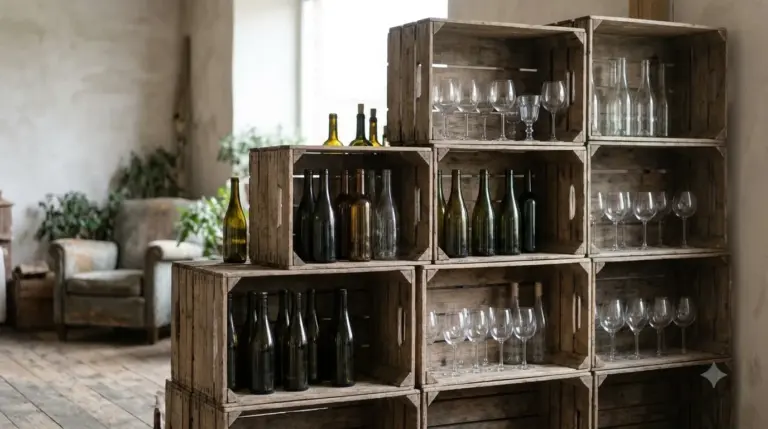
The best stackable wine racks are cube-style units in wood, plastic, or metal that add storage one layer at a time, and the right one depends on your space, the weight of your bottles, and whether you expect the collection to grow. Stackable designs fit into awkward corners and closets, but each material has trade-offs in cost, look, and cleaning, so compare them before buying.
This guide groups the best stackable wine racks by use case and material. Each section explains what the design does well, where it falls short, and what kind of home or collection it suits, so you can narrow the options before you shop.
Best Stackable Wine Rack Designs at a Glance
Stackable racks share one basic idea: each unit sits on the one below it and can be added as the collection grows. The table compares the common materials and designs on the points that matter most in a small kitchen, a dining room, or a closet.
| Design | Typical material | Bottle weight | Cleaning | Best setting |
|---|---|---|---|---|
| Plastic stacking cube | Plastic | Light to medium | Wipe clean | Small kitchens |
| Wood stacking cube | Cedar or fir | Medium | Dust and wipe | Dining rooms and dens |
| Metal stacking rack | Painted or coated metal | Medium to heavy | Wipe clean | Decor-focused spaces |
| Stainless steel unit | Stainless steel | Medium to heavy | Easy to clean | Kitchens and bars |
Best for Small Kitchens: Plastic Stacking Cubes
Plastic stacking cubes are the most flexible option for a kitchen counter or a narrow pantry shelf. The material is lightweight, and the cube shape lets you build a stack that fits the space rather than a fixed rack. Plastic is also the newest material used for designer racks, and the Wikipedia article on wine racks describes plastic designs as stackable into almost any shape.
Why it stands out: A plastic cube is inexpensive to start with and easy to rearrange when you move or change the layout. Because the units are light, a stack is simpler to lift onto a shelf, and it is less likely to damage a floor if one is bumped.
Keep in mind: Plastic may not feel as solid as wood or steel, and a tall stack of light units can shift if the bottles are heavy. Check the unit’s rated bottle capacity before loading a full stack, and place the bottom layer on a level surface.
Best for: small kitchens, apartments, and anyone who wants a movable rack.
Best for a Warm Wood Look: Cedar and Fir Stacking Cubes
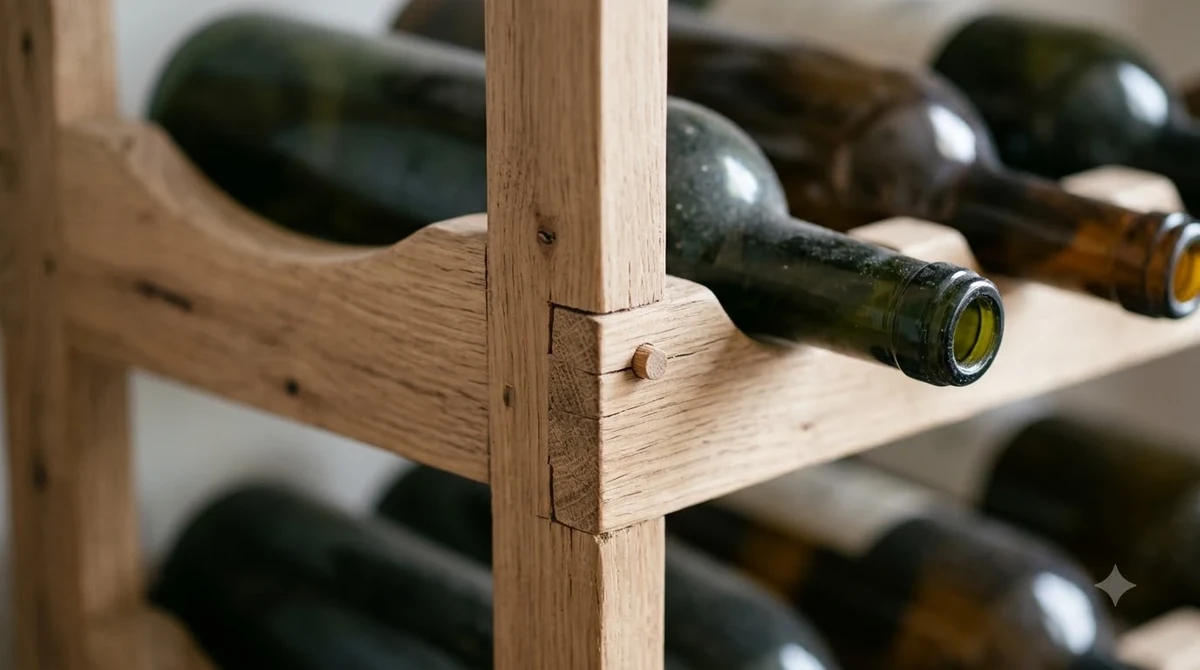
Wood is the most popular medium for wine racks, and stacking cubes in wood suit dining rooms and home bars where the rack is part of the decor. Cedar and fir are the woods most often named for racks, and each has a different character.
Why it stands out: Wood adds warmth to a room and handles a moderate bottle weight well. Stacking cubes in wood create a clean, built-in look without the need for shelves, and they can be sanded or refinished over the years to match a changing room.
Keep in mind: Cedar has a strong aroma, and the Wikipedia overview notes that this aroma can affect the wine through the cork. If you store wine for a long time, choose a rack in fir or another wood, or keep a stacked unit away from bottles you plan to age. Wood also needs dusting and occasional wiping to keep the finish looking good.
Best for: dining rooms, dens, and home bars with a warm, traditional style.
Best for Heavier Bottles: Reinforced Metal Stacking Racks
Metal stacking racks are a practical choice when the bottles are heavier, such as large-format bottles or a collection of full-bodied reds. Metal allows more shaped and open designs than wood, and it can be painted to match the room.
Why it stands out: Metal is sturdy and can hold more weight per layer than lighter materials, which makes a stack more stable. Painted or coated finishes can match decor, and the open shape lets you see the labels without pulling bottles out.
Keep in mind: Metal can scratch a floor or a wall if the feet are not protected, and coated finishes can chip over time. Look for rubber feet or pads, and confirm that each layer locks into the one below.
Best for: heavier bottles, larger collections, and decor-focused rooms.
Best for Easy Cleaning: Stainless Steel Stacking Units
Stainless steel units are common in kitchens and bars because the surface resists corrosion and staining and is easy to wipe down. They suit a rack that sits near food prep or a bar setup, where spills and fingerprints are part of daily use.
Why it stands out: Stainless steel does not stain the way wood can and holds up to frequent cleaning. Its clean lines fit modern kitchens, and the surface is easy to wipe after a spill without leaving residue behind.
Keep in mind: Stainless steel shows fingerprints and water spots, and a cold surface can feel sharp next to glasses. Check that the units are rated for the bottle weight you plan to store, since thin frames can flex under a full stack.
Best for: kitchens, bars, and spaces where easy cleaning matters most.
Best for a Growing Collection: Add-On Stacking Units
Add-on stacking units suit collectors who start with a few bottles and expect the number to grow. Because each layer is a separate unit, you can add capacity without replacing the whole rack or moving the existing bottles.
Why it stands out: A stack that grows one layer at a time avoids a large upfront purchase. Each new unit can be matched to the same material, which keeps the rack looking consistent as the collection expands, and separate units make it simple to reorganize by type or vintage.
Keep in mind: A tall stack can become unstable if the layers do not lock together, and adding layers can change the rack’s footprint. Plan the final height and check the wall or shelf clearance before buying the first unit.
Best for: collectors and households that plan to add bottles over time.
Stackable Wine Rack Reviews: Common Points to Check
Buyers reviewing stackable racks tend to focus on a few practical points, and those points are worth checking before you buy. Looking at the same details across designs makes it easier to separate a sturdy stack from one that wobbles or scratches a floor.
- Stability: Check how each layer locks to the one below, and whether feet or pads keep the stack from sliding.
- Capacity: Confirm the rated number of bottles per unit and per stack, and whether the rating assumes standard-size bottles.
- Finish: Note whether the surface is sealed, painted, or raw, since that affects cleaning and wear.
- Fit: Measure the space before buying, including the height of the top layer and the clearance around the stack.
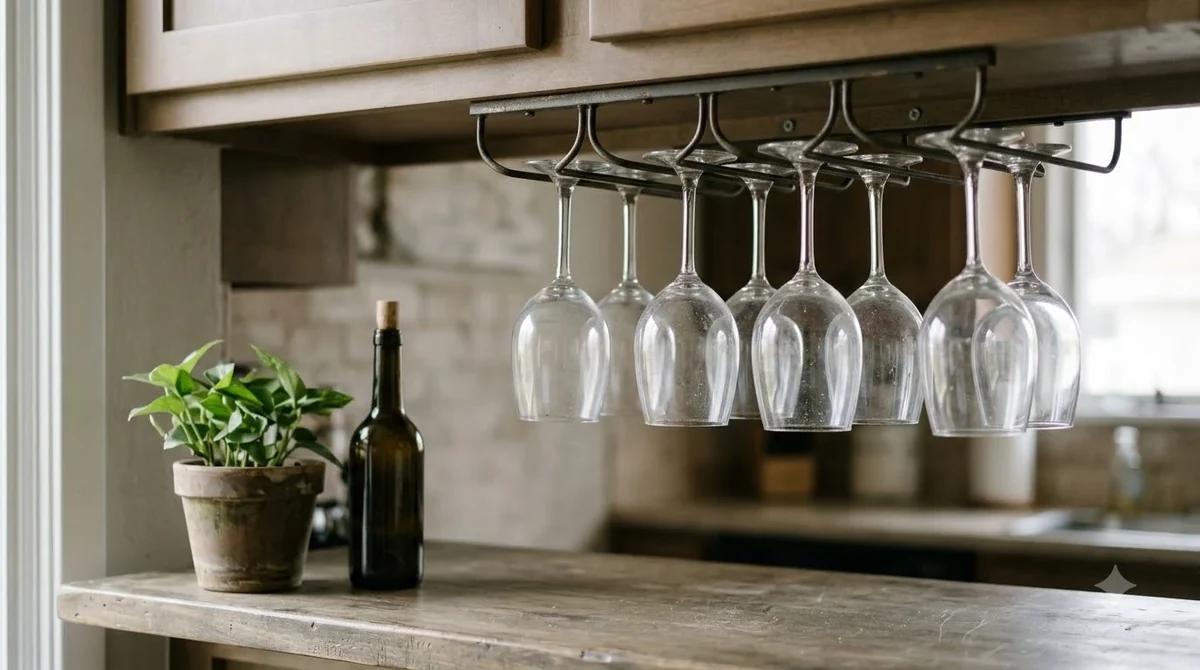
For a single-piece option, the wine rack guide covers floor and countertop designs, while the wall mounted wine rack guide suits tight spaces where a stack would take up too much floor. The Racks & Storage category groups the full set of options.
How to Choose a Stackable Wine Rack
Choosing a stackable rack comes down to space, bottle weight, and how many bottles you expect to store. Start with the footprint and height you can accommodate, then pick a material that suits the room and the bottles.
- Space: Measure the floor or shelf width, and the height from the top of the stack to the ceiling or cabinet.
- Bottle count: Estimate how many bottles you need now and in a year. Knowing how many bottles come in a case helps size the stack, and the guide on how many bottles are in a case of wine is a useful reference.
- Weight: Choose metal or reinforced units for heavy bottles and plastic for light loads.
- Look: Wood suits dining rooms, stainless steel suits kitchens, and painted metal suits decor-led spaces.
Frequently Asked Questions
What is the most popular material for a stackable wine rack?
Wood is described as the most popular medium for wine racks, and cedar and fir are named most often. Plastic and metal are common for stackable designs because they are lighter or easier to shape.
Does cedar affect the taste of wine?
The Wikipedia overview of wine racks notes that cedar’s aroma can affect the wine through the cork. If you store wine for a long time, a rack in a different wood or a non-aromatic material avoids that concern.
Are stackable wine racks stable?
A stack is stable when each layer locks to the one below and the bottom layer sits on a level surface. Keep the stack within the rated capacity and avoid overloading the top layers.
Can I add more units to a stackable wine rack later?
Many stackable designs allow you to add units as the collection grows. Confirm that new units match the same material and lock system, and that the total height still fits the space.
A stackable rack is a flexible way to store wine when floor space is limited and the collection may grow. Pick the material that suits the room and the bottle weight, measure the space, and start with the number of bottles you need now. For a bigger setup, the wine rack guide compares other storage formats.
More in Racks & Storage
 Best Wine Barrel Racks for Distinctive Bottle StorageUpdated Nov 20, 2026
 Best Wine Storage Tower: Sizing, Protection and Room LayoutUpdated Nov 18, 2026
 Best Pyramid Wine Rack: Materials, Sizes and Where It FitsUpdated Nov 18, 2026
 Best Kitchen Cabinet Wine Rack Insert for Built-In Bottle StorageUpdated Nov 18, 2026
 Best 16 Bottle Wine Rack Options for Kitchens, Bars and CellarsUpdated Nov 18, 2026
 Best 48 Bottle Wine Rack Options for Cellars, Kitchens, and Tight SpacesUpdated Nov 18, 2026