


We may earn a commission when you buy through links on this page, at no extra cost to you. Learn more.
This tisdale wine review finds that Tisdale is a practical California wine range for everyday drinking, with approachable varietals and options ranging from dry-style Cabernet Sauvignon and Pinot Grigio to sweeter Sweet Red. The most suitable bottle depends on whether you prefer structured reds, lighter whites, or fruit-forward wines with noticeable sweetness. Comparing grape varieties, residual sugar, alcohol levels, and food pairings makes it easier to select a bottle that matches your preferences rather than choosing by label alone.
Tisdale Vineyards is part of the E. & J. Gallo Winery portfolio and focuses on familiar California wine styles. Its official selection includes Cabernet Sauvignon, Chardonnay, Merlot, Pinot Grigio, Pinot Noir, Shiraz, Sweet Red, and White Zinfandel. That variety gives shoppers several different directions to explore, even though the wines share an accessible, everyday positioning. The important distinction is that these bottles are not interchangeable: a medium-bodied Cabernet, a citrus-forward Pinot Grigio, and a noticeably sweeter red serve different purposes at the table. This guide explains how to compare them, what to expect from the documented tasting profiles, and how to choose the right Tisdale bottle for your next meal.
Who Should Consider Tisdale Wine?
Tisdale is worth considering for shoppers who want familiar grape varieties, uncomplicated food pairings, and different sweetness levels within one brand. Its range is particularly useful for people who prefer to choose wine according to the meal or occasion instead of focusing exclusively on prestigious regions or collectible bottles.
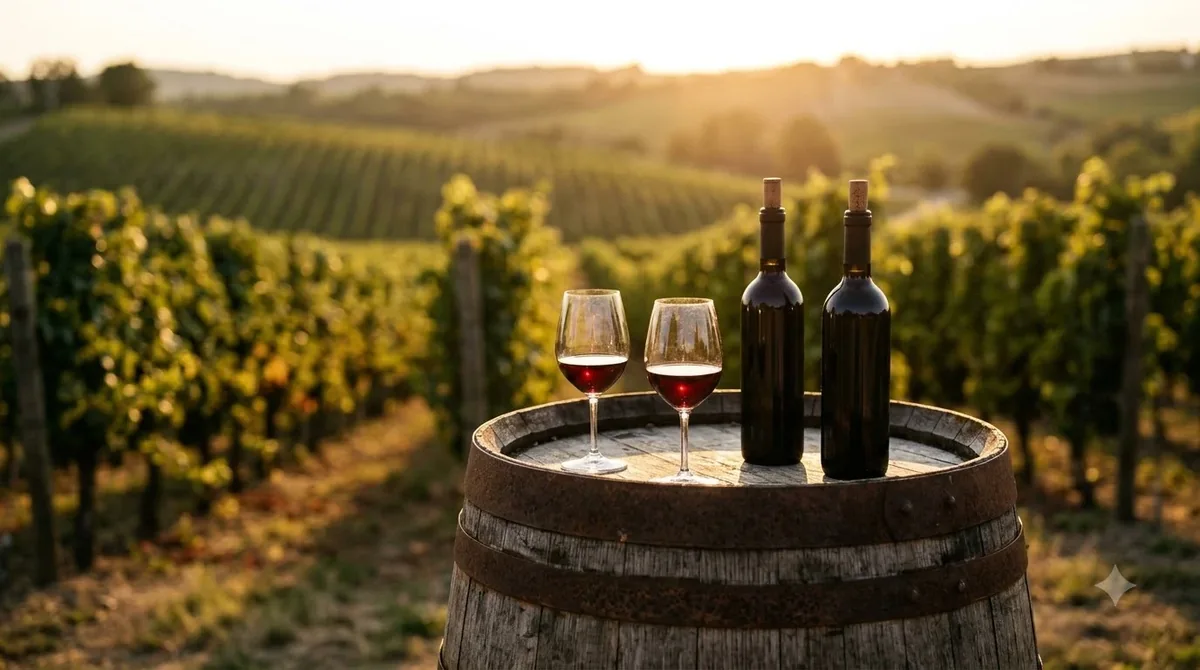
The brand’s selection covers several common preferences. Cabernet Sauvignon provides a medium-bodied red with blackberry, plum, vanilla, and toasted oak characteristics. Pinot Grigio takes a lighter approach, with citrus notes and a refreshing finish. Sweet Red offers a noticeably fruitier, sweeter experience, with black cherry and raspberry jam flavors. These distinctions give beginners a straightforward starting point.
For someone building familiarity with wine, this range offers an opportunity to compare different grape varieties without changing brands. A shopper can begin with Pinot Grigio for a lighter white, move to Merlot for a softer red, and try Cabernet Sauvignon when a fuller, more structured red sounds appealing. Someone who prefers a sweeter glass can explore Sweet Red or White Zinfandel instead.
Tisdale may also suit households that want an uncomplicated bottle for casual meals, weeknight cooking, or informal gatherings. The official portfolio emphasizes recognizable styles rather than unusual grape varieties or specialized production methods. That makes the wines easier to approach for people who already know whether they prefer red, white, or sweeter wine.
However, expectations matter. A shopper looking for a complex, age-worthy Cabernet from a famous Napa Valley appellation may have different priorities from someone looking for a straightforward California Cabernet to serve with burgers. Likewise, someone who enjoys sharply mineral-driven white wine may prefer a different Pinot Grigio producer. Tisdale makes more sense as an accessible everyday option than as a substitute for every premium regional expression.
It is also useful to distinguish between a brand’s overall reputation and an individual bottle’s characteristics. Not every wine in the range has the same sweetness, acidity, body, or alcohol content. Choosing according to those characteristics will produce a more satisfying experience than assuming all Tisdale wines share one flavor profile.
Key Factors to Compare Before Buying
The most useful comparisons are grape variety, body, sweetness, alcohol level, and intended food pairing. Tisdale’s official product information provides particularly helpful details for Cabernet Sauvignon, Pinot Grigio, and Sweet Red, including alcohol and residual sugar figures.
Start with the following comparison. It separates documented producer information from general grape-variety guidance, so shoppers can distinguish what is specifically listed for Tisdale from what is typical of the broader wine style.
| Wine | Style and body | Documented flavor profile | Alcohol | Residual sugar |
|---|---|---|---|---|
| Cabernet Sauvignon | Red, medium-bodied | Blackberry, plum, vanilla, toasted oak | 12% | 0.9 g/100 ml |
| Pinot Grigio | White, light-bodied | Citrus fruit, refreshing finish | 11.5% | 1.24 g/100 ml |
| Sweet Red | Red, medium-bodied | Black cherry, raspberry jam, velvety finish | 10% | 4.3 g/100 ml |
| Merlot | Red, generally medium-bodied | Typically plum and softer red or dark fruit | Not specified here | Not specified here |
| Chardonnay | White, generally medium-bodied | Depends on the wine’s fruit and oak treatment | Not specified here | Not specified here |
| Pinot Noir | Red, generally light to medium-bodied | Typically red cherry, raspberry, and earthy notes | Not specified here | Not specified here |
| Shiraz | Red, generally medium to full-bodied | Typically dark fruit and peppery characteristics | Not specified here | Not specified here |
| White Zinfandel | Pink, commonly off-dry | Typically strawberry and watermelon | Not specified here | Not specified here |
The first three rows contain figures published on Tisdale’s official product pages. The remaining descriptions are general grape-variety expectations, not verified tasting notes or technical specifications for individual Tisdale bottles. In particular, Chardonnay can vary considerably depending on fermentation and oak treatment, while White Zinfandel can range from lightly sweet to more noticeably sweet.
Residual sugar deserves special attention because it provides a more useful numerical comparison than vague descriptions such as fruity or smooth. Tisdale’s Cabernet lists 0.9 grams per 100 milliliters, Pinot Grigio lists 1.24 grams, and Sweet Red lists 4.3 grams. These figures establish that the Sweet Red has substantially more residual sugar than the other two documented examples. Fruit aromas alone, however, do not establish sweetness: a wine can smell like ripe berries while tasting dry.
Body is another important factor. Cabernet Sauvignon generally has higher tannin than Merlot or Pinot Noir, while Pinot Grigio is typically light-bodied and refreshing. These differences influence how a wine feels alongside food. A structured Cabernet can complement a rich steak, while a lighter white is usually more comfortable with grilled chicken or a simple salad.
For additional background on how brands organize different wine styles, the Wine Brands resource provides a useful starting point for comparing producers and their portfolios. It is particularly helpful when deciding whether a familiar varietal label is enough information or whether regional and production details deserve closer attention.
Tip: If sweetness is your main concern, compare residual sugar rather than relying on words such as fruity, smooth, or refreshing. Tisdale Sweet Red’s listed 4.3 g/100 ml is considerably higher than the 0.9 g/100 ml listed for its Cabernet Sauvignon.
Step-by-Step: How to Choose a Tisdale Bottle
A reliable selection process starts with the food or occasion, then narrows the choice according to grape variety, sweetness, and serving temperature. Following these steps makes the decision easier, especially when several familiar Tisdale labels are available together.
-
Decide whether you want red, white, or pink wine.
Begin with the broad category rather than the individual grape. Red wines are useful for many grilled dishes and richer meals, whites generally work well with lighter foods, and pink wines can provide a flexible middle ground. If you are serving several dishes, consider the dominant flavor and texture rather than trying to find one wine that matches every ingredient.
-
Choose the sweetness level.
For a comparatively dry-style selection, start by considering Cabernet Sauvignon or Pinot Grigio. Their published residual sugar figures are 0.9 and 1.24 grams per 100 milliliters, respectively. For a noticeably sweeter option, consider Sweet Red, which lists 4.3 grams per 100 milliliters. White Zinfandel is another style to investigate if you prefer pink wine with some sweetness, although its individual technical figures are not established in the official information used here.
-
Match the grape variety to your preferred texture.
Choose Cabernet Sauvignon if you enjoy more noticeable tannin and dark-fruit flavors. Merlot is generally softer and less tannic, while Pinot Noir tends to be lighter, with higher acidity. For whites, Pinot Grigio usually offers a lighter impression, whereas Chardonnay is generally broader in texture.
-
Consider the alcohol level.
The documented Tisdale Cabernet has 12% alcohol, Pinot Grigio has 11.5%, and Sweet Red has 10%. These differences may matter if you prefer a lighter-feeling wine. Alcohol is not the only factor affecting perceived body, but it is a useful point of comparison when deciding between bottles.
-
Plan the food pairing.
For grilled meat or hearty pasta, Cabernet Sauvignon is a natural candidate. For grilled chicken, salads, and light pasta, Pinot Grigio is the more obvious match. Sweet Red is recommended by the producer with spicy dishes and barbecue, where its sweetness can complement bold flavors.
-
Consider how many people will be drinking.
A standard 750 ml bottle provides approximately five servings when poured at 5 ounces each. That is a practical quantity for a small dinner, although the number of bottles needed depends on the number of guests and whether other beverages will be served.
-
Check local availability and the actual bottle information.
Use Tisdale’s official Where to Buy option or check established local wine retailers. Product availability and individual bottle details can differ between markets. Confirm the wine name and bottle format before purchasing, particularly if you are looking for one of the less widely stocked varieties.
This process is more dependable than choosing according to grape familiarity alone. Two red wines can have very different sweetness and tannin levels, and two white wines can offer very different levels of richness. Selecting according to the complete meal usually leads to a better match.
For a first purchase, Cabernet Sauvignon and Pinot Grigio make useful reference points because their official descriptions include specific flavor characteristics and technical details. Once you know whether you prefer the darker-fruited red or the citrus-forward white, you can explore the other varieties with a clearer idea of your preferences.
Tisdale Wine Types and Styles Explained
Tisdale’s official range contains eight listed styles, covering familiar red and white grape varieties as well as sweeter options. Understanding the general characteristics of each variety is the best way to narrow down the selection, although individual bottle profiles can differ from textbook descriptions.
Cabernet Sauvignon: A Red for Grilled Food
Cabernet Sauvignon is the strongest starting point for shoppers who enjoy dark-fruited red wine with a noticeable structure. Tisdale describes its version as medium-bodied, with blackberry and plum flavors supported by vanilla and toasted oak aromas. Its listed alcohol level is 12%, and its residual sugar is 0.9 grams per 100 milliliters.
Cabernet Sauvignon generally has high tannin, which creates a drying sensation in the mouth. This characteristic makes it a natural companion for protein-rich dishes such as grilled beef, burgers, and lamb. Fat and salt can soften the impression of tannin, making rich grilled food particularly suitable. Tisdale also recommends its Cabernet for pasta and grilled meats. Shoppers can consult the official Tisdale Cabernet Sauvignon description for the producer’s tasting notes, alcohol information, and pairing suggestions.
Merlot: A Softer Red Alternative
Merlot is generally a more approachable choice for someone who finds Cabernet Sauvignon too firm or drying. It typically has medium tannin, softer texture, and flavors associated with plum, cherry, and other ripe fruits. That makes it useful for everyday meals involving roasted chicken, meatballs, tomato-based pasta, or moderately seasoned beef.
Tisdale lists Merlot as one of its California varietal offerings. The exact alcohol level, residual sugar, and detailed tasting profile should not be assumed from the general characteristics of the grape. Its appeal is primarily as an alternative red style for shoppers who want to explore something softer than Cabernet Sauvignon.
Pinot Noir: A Lighter Red
Pinot Noir is generally lighter in body than Cabernet Sauvignon and has low to medium tannin with relatively high acidity. Typical flavors include cherry, raspberry, and sometimes earthy or savory notes. This combination makes Pinot Noir versatile with roasted poultry, mushrooms, pork, and dishes that would overpower a very tannic red.
Tisdale includes Pinot Noir in its California portfolio, giving shoppers another option beyond its Cabernet, Merlot, and Shiraz. People who prefer a lighter red with freshness rather than a powerful tannic structure may find this grape variety more suitable.
Shiraz: A More Expressive Red
Shiraz, also known as Syrah, is generally associated with darker fruit, spice, and a more substantial structure than lighter red varieties. Depending on its origin and winemaking approach, it can range from medium-bodied to full-bodied, with medium-plus or high tannin.
Tisdale lists Shiraz as one of its California wines. It is a sensible variety to consider with grilled pork, barbecue, sausages, and dishes with pronounced savory flavors. For heavily spiced food, however, pay attention to alcohol and chili heat: higher alcohol and tannin can make spicy sensations feel more intense.
Pinot Grigio: A Refreshing White
Pinot Grigio is the clearest choice in the Tisdale range for someone who wants a lighter white wine. The producer describes its version as light-bodied, with citrus fruit notes and a refreshing finish. Its listed alcohol level is 11.5%, and its residual sugar is 1.24 grams per 100 milliliters.
The official pairing recommendations include fresh salads, light pasta dishes, and grilled chicken. Pinot Grigio also generally works well with shellfish and simply prepared white fish because its lighter body does not overwhelm delicate flavors. Its acidity makes it a useful choice when a meal contains lemon, herbs, or other fresh ingredients.
Chardonnay: A Broader White Style
Chardonnay is a versatile grape that can produce very different wines depending on climate, fermentation, and aging. Some examples are crisp and citrus-driven, while others have a fuller texture with apple, tropical fruit, butter, or vanilla characteristics.
Tisdale includes Chardonnay in its California selection. Shoppers who enjoy a white wine with more weight than Pinot Grigio may want to investigate this bottle. However, a particular oak treatment or buttery flavor should not be assumed without specific product information confirming it.
Sweet Red: The Fruitier Choice
Sweet Red is the most clearly documented sweeter red option in Tisdale’s range. Its official description mentions black cherry and raspberry jam, a medium body, and a velvety soft finish. The wine lists 10% alcohol and 4.3 grams of residual sugar per 100 milliliters.
The producer specifically recommends serving it chilled with spicy dishes or barbecue. This pairing makes sense because sweetness can balance some heat and complement smoky or savory flavors. It is also a reasonable option for drinkers who find conventional dry reds too tannic or austere.
White Zinfandel: A Pink Wine Alternative
White Zinfandel is generally a pink wine made from red Zinfandel grapes, with a style that often emphasizes fresh berry flavors and some residual sweetness. It can be served as an informal aperitif or alongside lighter meals, picnic food, and mildly spicy dishes.
Tisdale includes White Zinfandel in its official portfolio. Shoppers should distinguish it from a dry Provence-style rosé: White Zinfandel is commonly sweeter, while many traditional dry rosés emphasize acidity and restrained fruit. This distinction matters if you prefer a refreshing, dry pink wine rather than a sweeter one.
For a closer look at the available red styles, the Tisdale red wine selection is a useful next step. Those more interested in lighter meals and white varieties can compare the Tisdale white wine options separately.
Common Mistakes When Choosing Tisdale Wine
The biggest buying mistakes come from treating all wines from one producer as if they taste alike. Sweetness, body, acidity, tannin, and food compatibility vary considerably between Cabernet Sauvignon, Pinot Grigio, and Sweet Red.
One common mistake is assuming that fruity aromas mean a wine is sweet. Cabernet Sauvignon can smell of blackberry and plum while remaining relatively dry. Sweet Red, on the other hand, has a higher listed residual sugar level and a flavor profile that includes raspberry jam. Aroma and actual sweetness are related but different characteristics.
Another mistake is choosing Cabernet Sauvignon simply because it is a familiar name. Cabernet generally has high tannin, which can feel drying when served with lean chicken, delicate fish, or very spicy food. A lighter Pinot Noir or a white wine may provide a better match for those meals. Tannin can work beautifully with a fatty steak, but it is not automatically the best option for every dinner.
Some shoppers also assume that every Chardonnay is heavily oaked or buttery. Chardonnay is a flexible grape, and its finished character depends on how it is made. A grape name alone does not establish whether a particular bottle is creamy, crisp, fruity, or oak-driven.
Ignoring serving temperature is another avoidable problem. Serving a full-bodied red too warm can make its alcohol seem more prominent, while serving a white wine too cold can mute its aromas. A useful starting point is 55 to 60 degrees Fahrenheit for lighter reds and 60 to 65 degrees for fuller reds. Light whites and rosé generally benefit from 45 to 50 degrees.
Food pairing mistakes can also change how a wine tastes. Acidic foods such as tomato sauce and citrus-heavy dishes can make a low-acidity wine seem flat. A wine with equal or higher acidity generally works better. Similarly, chili heat can become more pronounced alongside wines with high alcohol or tannin. Sweet Red may therefore be more comfortable with spicy barbecue than a strongly tannic Cabernet.
Finally, do not assume that the brand’s entire portfolio has identical technical specifications. The published alcohol and residual sugar figures for Cabernet Sauvignon, Pinot Grigio, and Sweet Red are specific to those wines. They should not be transferred to Merlot, Chardonnay, Shiraz, Pinot Noir, or White Zinfandel without supporting information.
Serving and Storage Tips for Tisdale Bottles
Correct serving temperature, glassware, and storage help preserve the character of an everyday wine. Tisdale bottles do not require elaborate preparation, but a few basic practices can make a meaningful difference at the table.
For white wines, serve Pinot Grigio around 45 to 50 degrees Fahrenheit. This temperature keeps the wine refreshing while allowing citrus aromas to remain noticeable. Chardonnay generally benefits from a slightly warmer serving range of 50 to 55 degrees, particularly if it has a fuller texture. Very cold white wine can lose much of its aromatic expression.
For red wines, a slight chill is often helpful. Pinot Noir can be served at approximately 55 to 60 degrees Fahrenheit, while Cabernet Sauvignon, Merlot, and Shiraz generally work well around 60 to 65 degrees. These ranges are cooler than the typical temperature of a warm room. Sweet Red can also be served chilled, consistent with the producer’s recommendation.
Use a standard wine glass with enough space to allow the aromas to collect. A larger red wine glass can help Cabernet Sauvignon release its fruit and oak aromas, while a smaller white wine glass can maintain the cooler temperature of Pinot Grigio. There is no need for specialized glassware to enjoy either wine.
Most everyday wines can be poured shortly after opening. Young, particularly full-bodied reds sometimes benefit from 30 to 60 minutes of aeration, but an extended decant is not automatically necessary for every bottle. A modest pour followed by a few minutes in the glass can be enough to reveal how the wine develops.
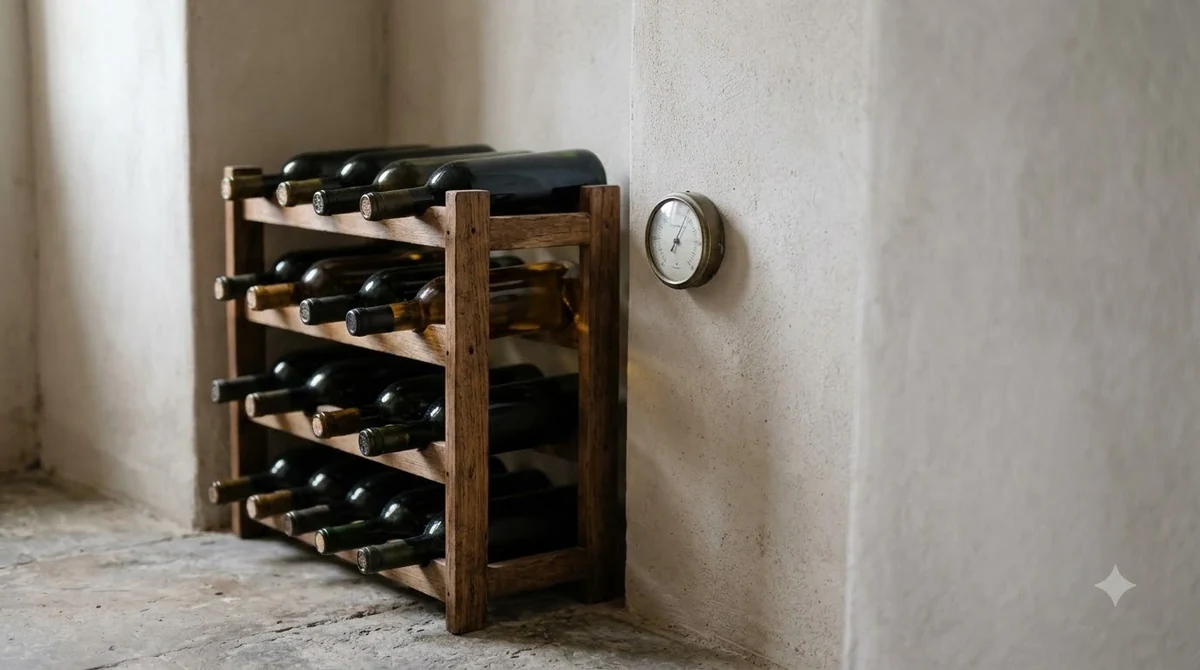
For storage, keep unopened bottles in a cool, dark place with a relatively stable temperature near 55 degrees Fahrenheit. Avoid direct sunlight, repeated temperature changes, and locations near ovens or heating appliances. Bottles sealed with traditional corks are generally best stored on their sides to help prevent the cork from drying out.
Once opened, close the bottle securely and refrigerate it. Most still wines are best consumed within approximately three to five days, although freshness depends on the wine, storage conditions, and how much air remains in the bottle. Allow refrigerated red wine to warm slightly before serving again. A bottle that smells stale, oxidized, or unusually vinegary may have passed its best drinking condition.
There is no need to save an inexpensive everyday bottle for a special occasion if the style is designed for immediate enjoyment. Tisdale’s familiar varietal range is best approached as wine to serve and enjoy rather than as a collection that requires extended cellaring.
Frequently Asked Questions
Is Tisdale wine made by Gallo?
Yes. Tisdale Vineyards appears in the official portfolio of E. & J. Gallo Winery. The Tisdale trademark information also identifies E. & J. Gallo Winery as the registered trademark owner. This establishes the brand’s corporate association without implying that every wine in the wider Gallo portfolio has the same production style.
Where is Tisdale Vineyards based?
The official Tisdale website identifies Modesto, California, in its copyright information. Gallo’s portfolio description also connects the brand with California valley vineyards and Sierra Mountain scenery. These references establish its California identity, although they do not identify a specific vineyard source for every grape in every bottle.
Does Tisdale offer wine in a screw-cap bottle?
Yes, a major US grocery retailer describes its Tisdale Cabernet Sauvignon 750 ml bottle as having a screw-cap closure. Screw caps are practical for casual meals and outdoor gatherings because they do not require a corkscrew. Closure details should not automatically be assumed to be identical across every Tisdale variety or market.
How many glasses are in a standard Tisdale bottle?
A standard 750 ml bottle contains approximately 25.4 US fluid ounces. At a conventional 5-ounce pour, that works out to approximately five glasses. Smaller tasting pours of 2.5 ounces would provide about ten servings, making the same bottle useful for a small comparative tasting.
Can Tisdale wine be used for cooking?
Yes. A dry-style Cabernet Sauvignon can be used in red wine pan sauces, beef braises, and tomato-based meat sauces, while Chardonnay can be useful in certain cream sauces and seafood preparations. Choose a wine whose flavor suits the finished dish, and avoid cooking with a noticeably sweet style unless the recipe specifically calls for sweetness.
Tisdale is a straightforward California wine range with useful choices for different everyday preferences, from the medium-bodied Cabernet Sauvignon to citrus-forward Pinot Grigio and sweeter Sweet Red. The best bottle is the one that matches your preferred sweetness, body, and meal rather than the most familiar grape name. Start with one of the documented styles, compare its characteristics with your preferences, and use that experience to explore the rest of the portfolio.
More in Wine Brands
 Underwood Wine Price: Compare Bottles, Cans, and Pack SizesUpdated Nov 21, 2026
 Zenato Wine Price: Compare Styles and Choose the Right BottleUpdated Nov 21, 2026
 Zuccardi Wine Price: Compare Bottles and Find the Right RangeUpdated Nov 21, 2026
 Yellow Tail Moscato Review: Taste, Sweetness and Serving TipsUpdated Nov 21, 2026
 Wolf Blass Yellow Label Review: Choose Your Best StyleUpdated Nov 21, 2026
 Wolffer Estate Rose Review: Choose the Right Bottle for Your TableUpdated Nov 21, 2026