

We may earn a commission when you buy through links on this page, at no extra cost to you. Learn more.
The typical trapiche malbec price in the United States is about $9 to $11 for a 750 ml bottle of the standard wine, based on retailer listings. Trapiche offers several Malbec expressions, so the standard Vineyards bottling should not be confused with Oak Cask, Broquel, or more premium selections. Comparing the specific label, bottle size, and retailer listing is the best way to determine whether a particular bottle represents good value.
Trapiche is an Argentine wine producer associated with Mendoza, a region particularly well known for Malbec. Its standard Malbec appeals to shoppers looking for a fruit-forward red that works with familiar meals, including grilled meat, pasta, and cheese. However, the Trapiche name appears on multiple wine ranges, and their production choices and positioning can differ considerably. Understanding those distinctions makes it easier to compare prices, choose the appropriate bottle, and avoid paying a premium for a wine that does not match your preferences.
Who This Is For: Understanding the Standard Trapiche Malbec
Trapiche Malbec is a practical choice for shoppers seeking an approachable Argentine red without moving into expensive reserve wines. Its Mendoza origin, recognizable dark-fruit profile, and versatile food-pairing options make it suitable for everyday meals and informal gatherings.
The standard Trapiche Malbec is particularly relevant to shoppers comparing bottles in the affordable Malbec category. H-E-B describes it as a representative expression of Mendoza, Argentina, and identifies plum, cherry, truffle, and vanilla among its defining characteristics. The combination gives shoppers a useful indication of the style: ripe fruit at the center, supported by softer savory and vanilla impressions.
Its versatility is another reason to consider this bottling. According to H-E-B, grilled meats, pasta, and semi-hard cheeses such as Gouda, Gruyere, and Edam are suitable companions. That makes it a sensible option for a weeknight dinner, a backyard barbecue, or a casual meal with friends.
Shoppers who are new to Argentine Malbec can also use Trapiche as a reference point for understanding the grape. Malbec generally produces deeply colored red wines with flavors that can include blackberries, plums, cherries, and other dark fruits. Its tannins provide structure, while acidity helps balance the ripe fruit character.
The standard bottle is not necessarily the right selection for everyone. Someone seeking a particularly concentrated, oak-influenced wine might prefer another Trapiche expression. A shopper who values freshness and straightforward fruit, on the other hand, may find the standard bottling more appropriate.
For a closer look at the producer’s range, the Trapiche Malbec overview provides useful background before comparing individual labels. It is also helpful to distinguish the regular Vineyards wine from bottles that have different production methods and positioning.
Key Factors to Compare When Shopping for Trapiche Malbec
The most useful comparison starts with the exact wine name, the 750 ml bottle format, and the retailer’s listed price. These details help separate the standard Malbec from other Trapiche bottlings and provide a more reliable basis for evaluating value.
| Comparison factor | What to look for | Why it matters |
|---|---|---|
| Standard bottle size | 750 ml | Provides a consistent comparison between retailers. |
| Standard retail range | About $9–$11 | Reflects the observed H-E-B and Target listings. |
| Grape variety | Malbec | Identifies the primary wine style. |
| Origin | Mendoza, Argentina | Identifies the wine’s regional origin. |
| Standard alcohol content | 13.5% ABV on Target’s listing | Helps shoppers understand the wine’s alcoholic strength. |
| Fruit characteristics | Plum and cherry | Indicates the central flavor profile. |
| Additional flavor notes | Truffle and vanilla | Provides clues about its savory and aromatic character. |
| Serving temperature | 60–65°F for a fuller red | Helps preserve balance and reveal aromas. |
Retailer comparisons provide a useful starting point. H-E-B displayed a 750 ml bottle at $8.96, while Target displayed the same standard wine format at $10.99; these listings support a typical observed retail range of about $9 to $11. Prices vary by state and retailer, and local inventory, distribution arrangements, and delivery pricing can change the amount shoppers encounter. Shoppers can review the H-E-B Trapiche Malbec product listing for its bottle size, displayed retail price, and product description.
Those two listings are more useful when treated as individual retailer observations rather than universal national prices. H-E-B specifically notes that its prices may differ between in-store, curbside, and delivery purchases. Target’s displayed price also relates to its own shopping availability and market conditions.
Compare the exact label before comparing costs
The Trapiche portfolio includes wines with different names, and this distinction is important. Oak Cask, Broquel, and Medalla should not automatically be treated as interchangeable with the standard Vineyards Malbec. Different vineyard selections, production choices, and oak contact can affect the finished wine and its retail positioning.
For example, the Oak Cask technical documentation describes a 100% Malbec wine with nine months of contact with oak. That is a different production profile from simply choosing the standard Trapiche Malbec by name. A shopper who compares those two wines should consider the intended style as well as the difference in their retail positioning.
Bottle size matters too. A 750 ml bottle is the conventional comparison unit, while larger formats contain more wine and can have different per-bottle costs. A comparison based only on the displayed bottle price can therefore give an incomplete picture of value.
Tip: Compare the complete wine name and bottle size before deciding whether a Trapiche listing is competitively priced. Standard Malbec, Oak Cask, and Medalla are different expressions, so a higher-priced bottle is not automatically a more expensive version of the same wine.
Step-by-Step: How to Buy Trapiche Malbec
A straightforward purchasing process can prevent confusion between Trapiche’s different Malbec labels. Start with the standard 750 ml bottle, establish a realistic retail comparison, and then consider whether another expression better matches your preferred style.
-
Identify the standard wine.
Look for Trapiche Malbec or Trapiche Vineyards Malbec. This is the relevant starting point if your objective is to compare the regular bottling rather than a reserve or specially named selection.
-
Confirm the bottle size.
Use 750 ml as your comparison standard. A bottle of this size contains approximately five standard 5 oz servings, making it useful for estimating how much wine a gathering requires.
-
Compare multiple retailers.
Review grocery stores, wine retailers, and local wine shops. The H-E-B and Target listings provide two useful examples of how the same standard bottle can appear at different retail prices.
-
Confirm the regional origin.
Look for Mendoza, Argentina, in the product description. This helps distinguish the wine from similarly named Malbec bottlings from other Argentine regions or countries.
-
Consider the flavor profile.
Choose the standard wine if plum, cherry, and softer vanilla characteristics appeal to you. If you prefer more noticeable oak influence, investigate the Oak Cask expression separately.
-
Match the wine with your meal.
Grilled beef, pasta, and semi-hard cheeses are natural options. Consider the seasoning, sauce, and intensity of the dish rather than choosing a wine based solely on the main ingredient.
-
Check local availability.
Retailer websites can show whether a particular location has the wine available for pickup or delivery. Availability and delivery eligibility may differ across states and individual stores.
This process makes price comparisons more meaningful because it keeps the product specification consistent. It also reduces the likelihood of comparing a standard Malbec against a premium bottling with a different winemaking approach.
Another useful consideration is how frequently the wine will be served. For an occasional dinner, one 750 ml bottle may be sufficient for a small group. For a larger gathering, calculating the number of standard servings before shopping can help prevent unnecessary purchases.
Types and Styles Explained: Standard, Oak Cask, and Other Trapiche Malbecs
Trapiche Malbec is not a single uniform wine style across the entire producer’s range. The standard Vineyards bottling offers a fruit-focused reference point, while Oak Cask has documented oak contact and other selections occupy different positions within the portfolio.
Standard Trapiche Malbec
The standard Malbec is the most relevant expression for shoppers researching the ordinary Trapiche Malbec retail category. H-E-B and Target both describe a Mendoza wine with plum and cherry characteristics, supported by truffle and vanilla notes.
Target lists its standard 750 ml bottle at 13.5% ABV. This provides a useful reference for shoppers comparing the product with other full-bodied Argentine reds. The producer’s separate Vineyards technical documentation identifies its Malbec as 100% Malbec and describes a production process involving 15 days of fermentation at 23–26°C.
The style is particularly suitable for people who enjoy ripe red and dark fruit without needing an elaborate wine presentation. Its food-pairing suggestions are also relatively flexible, making it a useful option for meals that include meat, pasta, and cheese.
Trapiche Oak Cask Malbec
Oak Cask is a distinct expression with more explicitly documented production details. Its technical documentation identifies the wine as 100% Malbec and specifies nine months of contact with oak.
The same documentation records fermentation at 23–26°C for 15 days and an alcohol content of 13.5%. Its tasting description includes plum, cherry, truffle, and vanilla, showing some overlap with the standard bottling’s fruit and savory characteristics.
However, the oak contact gives shoppers an additional production detail to consider. Someone who enjoys vanilla impressions and a more developed oak-associated profile may find this expression interesting. Someone who prefers uncomplicated fruit may be perfectly satisfied with the standard wine. The Trapiche Oak Cask Malbec technical specifications provide the documented production, tasting, and serving details.
Broquel and Medalla selections
Broquel and Medalla are other names shoppers may encounter while browsing Trapiche wines. They should be considered distinct selections rather than automatic substitutes for the standard Malbec.
When comparing these labels, pay attention to the specific grape, vineyard information, production details, and intended drinking style. A premium-sounding name alone does not establish whether the wine will suit an individual preference.
The same principle applies to vintage differences. A vintage identifies the harvest year associated with a wine, and variations in growing conditions can affect the resulting character. Two bottles carrying the same producer and grape name can therefore have slightly different expressions.
For shoppers who want to compare the sensory characteristics more closely, the Trapiche Malbec tasting notes provide additional context for understanding fruit, texture, and aromatic impressions before selecting a bottle.
Common Mistakes When Comparing Trapiche Malbec Prices
The most common purchasing mistake is assuming that every wine with Trapiche and Malbec on the label is the same product. Other errors include comparing different bottle sizes, overlooking retailer-specific pricing, and expecting a particular flavor profile without considering the production style.
Confusing the standard wine with Oak Cask
Oak Cask is not simply another name for standard Trapiche Malbec. Its documented nine months of oak contact establish a different production profile, which can affect how shoppers perceive its texture and flavor.
A comparison should therefore begin with the exact label. If a shopper wants the ordinary Mendoza Malbec, choosing a different Trapiche expression simply because the bottle carries the same producer name may result in a different experience.
Comparing different bottle sizes
A 750 ml bottle and a 1.5 liter magnum do not contain the same amount of wine. Comparing their total retail prices without accounting for volume can make one option appear less expensive when the per-volume cost tells a different story.
The easiest solution is to convert both bottles into a common unit. A 1.5 liter magnum contains twice as much wine as a standard 750 ml bottle. That simple calculation makes comparisons much clearer.
Assuming all retailer prices are identical
Retail pricing can vary according to store location, state regulations, distribution, and the sales channel. H-E-B explicitly distinguishes its in-store, curbside, and delivery pricing, while Target presents its own listing and availability information.
Consequently, a shopper should not assume that an online price will necessarily match the amount charged at a physical store. Checking the relevant location before completing a purchase is a more reliable approach.
Choosing solely by the producer’s name
Producer recognition is useful, but it does not replace understanding the individual wine. A shopper seeking fresh fruit might prefer one expression, while someone looking for more oak influence may choose another.
The grape variety, origin, production method, and intended drinking occasion all contribute to the purchasing decision. A little label comparison can be more valuable than simply choosing the most expensive bottle in the range.
Expecting the wine to suit every dish
Malbec is a flexible food wine, but pairing still matters. Its tannins can complement the protein and fat in grilled beef, while very delicate seafood dishes may be overwhelmed by a fuller red.
Spicy dishes also deserve consideration. Alcohol and tannin can intensify the perception of chili heat, so a heavily seasoned meal may call for a softer wine or a less aggressive preparation.
For shoppers exploring another accessible Argentine Malbec, Alamos Malbec offers a useful comparison point. Comparing the two producers by fruit profile, texture, food compatibility, and intended drinking occasion is more informative than treating all Mendoza Malbecs as identical.
Care and Storage Tips for Getting the Most From the Bottle
Correct storage and serving temperature can make a noticeable difference to the drinking experience. Keep the bottle away from excessive heat, serve the red slightly cooler than a warm room, and use appropriate storage practices after opening.
Serve at the right temperature
A fuller red wine generally benefits from serving at approximately 60–65°F. This is cooler than many indoor environments, particularly during warm weather, and helps maintain balance between fruit, alcohol, and tannin.
Trapiche Oak Cask’s technical documentation recommends 16–18°C, approximately 61–64°F. This falls within the recommended range for fuller reds and provides a useful reference for serving the wine.
If the bottle has been stored at room temperature in a warm kitchen, allowing it to cool before serving can help. Avoid serving it excessively warm, because elevated temperatures can make alcohol more prominent and reduce the impression of freshness.
Store unopened bottles correctly
Wine should be stored in a cool, relatively stable environment away from direct sunlight. A temperature near 55°F is a useful long-term storage target for bottles intended to be kept for an extended period.
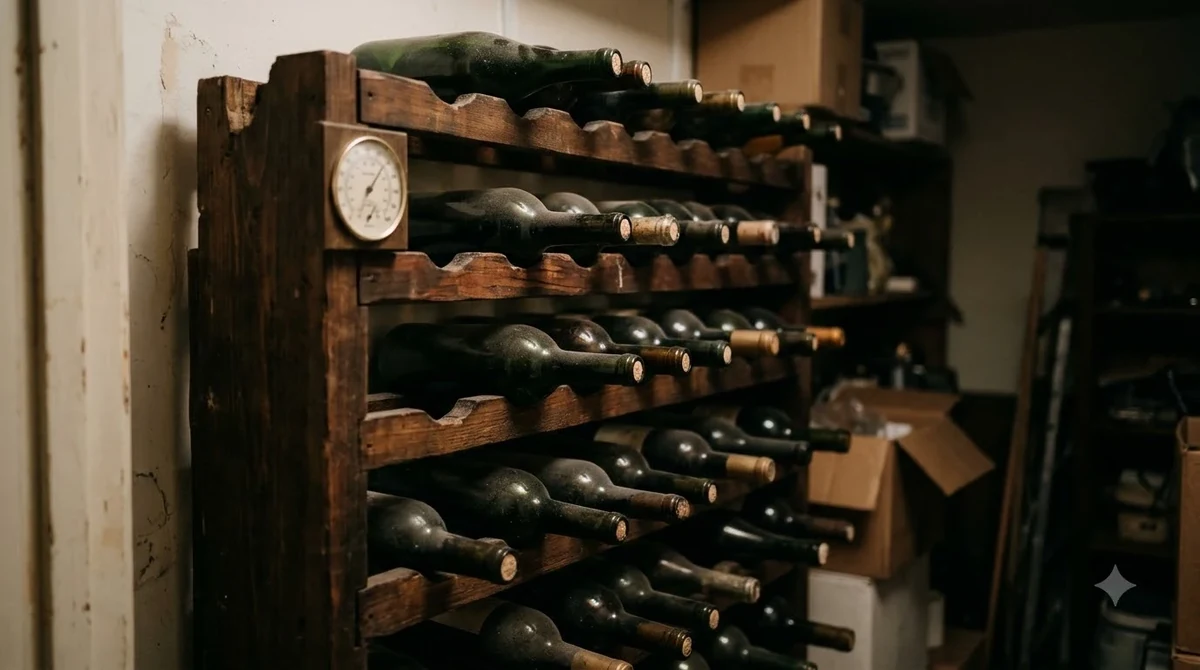
For bottles sealed with natural cork, horizontal storage helps keep the cork in contact with the wine. Avoid placing the bottle next to ovens, radiators, or other sources of heat, since temperature fluctuations can negatively affect wine quality.
Standard Trapiche Malbec is generally a practical wine to enjoy without treating it as a long-term cellar investment. For everyday purchases, keeping it in a cool, dark cupboard until serving is preferable to exposing it to bright light and heat.
Handle an opened bottle properly
Once opened, still red wine generally keeps for approximately three to five days in the refrigerator when properly resealed. The exact period depends on the wine’s condition, oxygen exposure, and storage temperature.
Refrigeration slows oxidation, even for red wines. Before serving the remaining wine, allow it to warm slightly toward the recommended drinking temperature rather than pouring it directly from the refrigerator.
Decanting and serving
Young, fuller-bodied reds can benefit from approximately 30–60 minutes of decanting when additional aeration helps open their aromas. This is an optional step rather than a requirement for every bottle of standard Trapiche Malbec.
Use clean wine glasses with enough room to allow the aromas to develop. A standard 5 oz pour from a 750 ml bottle produces approximately five servings, making it easy to plan for dinner parties and informal gatherings.
For a straightforward meal, serve the wine with grilled beef, pasta, or semi-hard cheese. These combinations work with the fruit and tannin structure without requiring elaborate preparation or specialized ingredients.
Frequently Asked Questions
How much does Trapiche Malbec cost in the United States?
Retailer listings provide a useful reference, although prices vary by location. The standard bottle is commonly encountered in the affordable Argentine Malbec category, while different Trapiche selections can occupy higher retail tiers. The vintage and bottle format also influence comparisons.
Is Trapiche Malbec made entirely from Malbec grapes?
The Oak Cask technical documentation specifically identifies that expression as 100% Malbec. The standard Vineyards technical documentation also identifies its Malbec as 100% Malbec. For a comparison involving a different Trapiche label, its individual product specifications provide the relevant information.
What is the difference between Argentine Malbec and French Malbec?
Argentine Malbec, particularly from Mendoza, is often associated with ripe plum, blackberry, and dark cherry characteristics. French Malbec from Cahors commonly has a firmer, more structured profile, with darker fruit and more pronounced tannic character. Climate and winemaking choices contribute to these stylistic differences.
Does Trapiche Malbec need to be decanted before drinking?
Decanting is optional for the standard bottling. A young, fuller-bodied red can benefit from 30–60 minutes of aeration, but many approachable Malbecs can be enjoyed directly after opening. The preferred approach depends on the wine’s condition and personal preference.
Can Trapiche Malbec be used for cooking?
Yes. Malbec can work in beef stews, tomato-based meat sauces, and pan sauces that benefit from red wine. Its dark-fruit character can complement browned meat and savory ingredients, although cooking wine should be selected for flavor rather than simply because it is inexpensive.
Trapiche Malbec is a useful option for shoppers seeking a Mendoza red with recognizable plum and cherry flavors, approachable food pairings, and an accessible retail position. Start with the standard 750 ml bottling when comparing prices, then consider Oak Cask or other selections if you prefer a different production style. Comparing the exact label and local retailer listings will help you choose the bottle that best fits your budget and dinner plans.
More in Wine Brands
 Underwood Wine Price: Compare Bottles, Cans, and Pack SizesUpdated Nov 21, 2026
 Zenato Wine Price: Compare Styles and Choose the Right BottleUpdated Nov 21, 2026
 Zuccardi Wine Price: Compare Bottles and Find the Right RangeUpdated Nov 21, 2026
 Yellow Tail Moscato Review: Taste, Sweetness and Serving TipsUpdated Nov 21, 2026
 Wolf Blass Yellow Label Review: Choose Your Best StyleUpdated Nov 21, 2026
 Wolffer Estate Rose Review: Choose the Right Bottle for Your TableUpdated Nov 21, 2026