

We may earn a commission when you buy through links on this page, at no extra cost to you. Learn more.
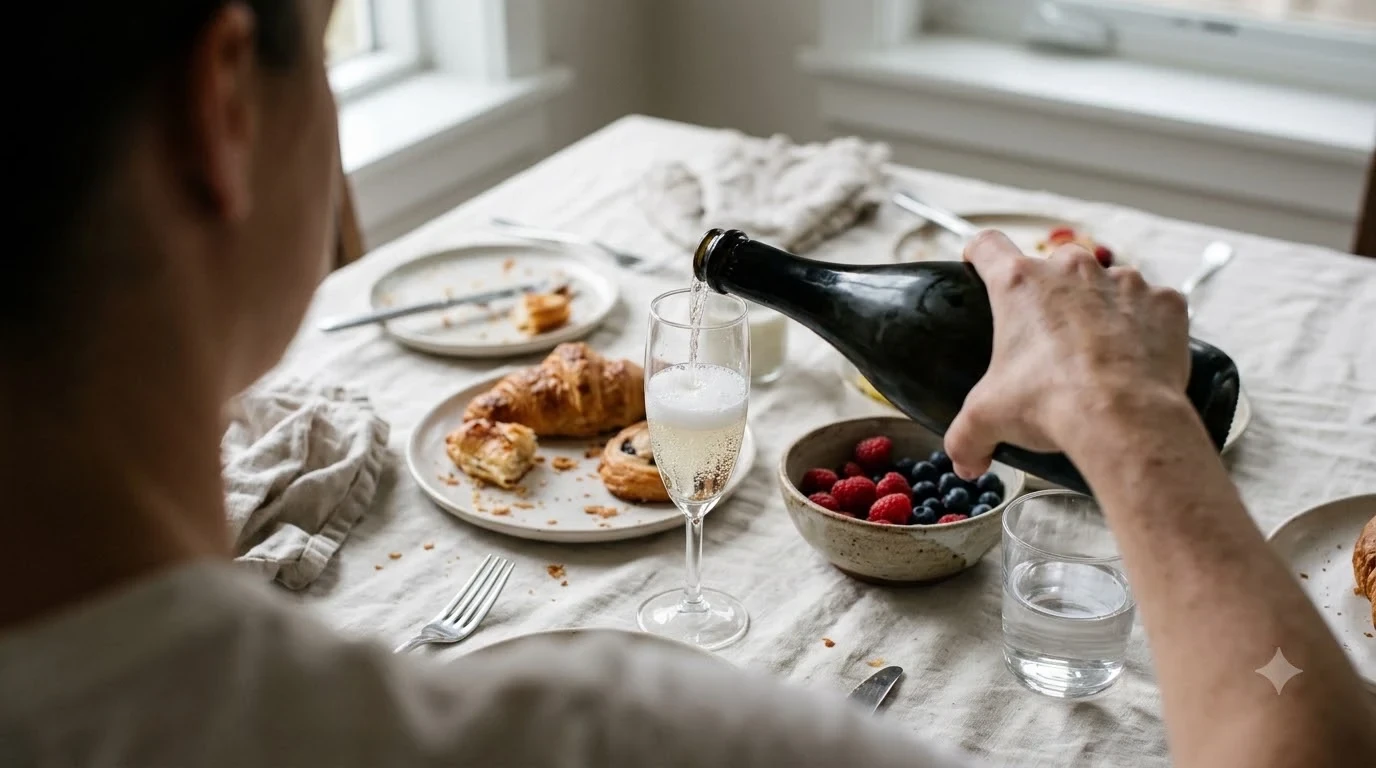
The taittinger wine price typically ranges from about $30 to several hundred dollars per 750 ml bottle in the United States, depending on the Champagne cuvée, vintage, bottle size and retailer. Standard Brut and Brut Réserve are generally the most accessible choices, while Prestige Rosé, vintage bottlings and Comtes de Champagne occupy progressively more premium price categories. Comparing the individual cuvée, rather than the Taittinger name alone, is the most useful way to understand what a bottle should cost.
Taittinger is a recognized Champagne house whose range extends well beyond its familiar non-vintage Brut. Buyers can choose from elegant rosé Champagne, Chardonnay-focused prestige bottlings, vintage releases and richer gastronomic styles. These wines differ in grape composition, production choices, positioning and availability, all of which influence their retail prices.
This guide explains the typical American retail price ranges, what separates the major Taittinger wines, and how to compare bottles before purchasing. Prices are estimates rather than fixed recommendations: state taxes, shipping, bottle format, vintage and retailer inventory can all change the final amount.
Who This Taittinger Price Guide Is For
This guide is intended for Champagne buyers who want to understand the differences between Taittinger’s everyday and prestige bottlings before spending money. It is particularly useful when comparing a standard 750 ml Brut with a rosé, vintage Champagne or a Comtes de Champagne release.
First-time Taittinger buyers will generally get the clearest starting point from Brut Réserve or the standard Brut bottling. These wines represent the house’s Chardonnay-influenced style without requiring the investment associated with its prestige cuvées. Taittinger describes Brut Réserve as a blend of Chardonnay, Pinot Noir and Pinot Meunier, with Chardonnay accounting for 40% of the composition.
Buyers planning a celebration may be more interested in Prestige Rosé, Brut Millésimé or Comtes de Champagne. These wines provide different expressions of the house, and their prices reflect more than the brand name. A vintage release, a particular vineyard selection or a prestige designation can make a substantial difference to the amount charged by retailers.
Collectors should pay particular attention to vintage, bottle condition, storage history and provenance. An older Champagne is not automatically more valuable or enjoyable than a younger one. A properly stored bottle from a desirable vintage can be attractive, but uncertain storage conditions make expensive purchases riskier.
For readers comparing producers, the broader Wine Brands collection provides a useful starting point for understanding how Champagne houses position their different cuvées. Taittinger is especially interesting because its range includes accessible non-vintage wines alongside highly regarded prestige bottlings.
Key Factors That Determine Taittinger Wine Price
The most important price differences come from the cuvée, vintage, grape selection, production style and bottle format. A standard non-vintage Brut and a Comtes de Champagne Blanc de Blancs may share the same producer, but they occupy very different positions in the Champagne market.
1. Cuvée and range position. Taittinger organizes its wines into different categories, including timeless cuvées, gastronomic selections and exceptional bottlings. Brut Réserve and Prestige Rosé belong to its timeless range, while Prélude Grands Crus and Brut Millésimé sit among its gastronomic offerings. Comtes de Champagne Blanc de Blancs and Comtes de Champagne Rosé represent the exceptional category, according to the producer’s official FAQ.
2. Vintage versus non-vintage production. Non-vintage Champagne combines wines from different harvests to maintain a recognizable house style. Vintage Champagne is associated with a particular harvest year and may command a higher retail price because of its positioning, selection and aging. The specific vintage also matters when comparing older bottles.
3. Grape composition. Chardonnay is central to Taittinger’s identity. Brut Réserve contains 40% Chardonnay, 35% Pinot Noir and 25% Pinot Meunier, according to the producer. A Blanc de Blancs bottling emphasizes Chardonnay, while rosé Champagne introduces a different style and blending approach.
4. Bottle size. A 375 ml half-bottle, 750 ml standard bottle and 1.5-liter magnum are not directly comparable by shelf price. Larger formats can also have different availability and packaging costs. Taittinger lists formats extending from 375 ml to 15 liters, although availability depends on the cuvée and market.
5. Retailer and market conditions. American retailers operate under different state regulations, distribution arrangements and inventory conditions. Shipping costs, taxes and local demand can also influence the amount paid. Taittinger’s official FAQ recommends contacting local retailers for the most accurate current pricing.
| Taittinger category | Typical US retail range | What to expect |
|---|---|---|
| Standard Brut / Brut Réserve | About $30–$65 | Non-vintage house style and versatile sparkling wine |
| Prestige Rosé | About $45–$100 | Rosé Champagne with a more distinctive presentation |
| Prélude Grands Crus | About $50–$90 | Grands Crus-oriented gastronomic bottling |
| Brut Millésimé | About $55–$125 | Vintage Champagne with harvest-year identity |
| Comtes de Champagne Blanc de Blancs | About $130–$325 | Prestige Chardonnay-focused Champagne |
| Comtes de Champagne Rosé | About $200–$450+ | Prestige rosé bottling with higher collector appeal |
These are broad indicative US retail ranges, not producer-set prices or guaranteed listings. They reflect the price positioning and tracked listings displayed by VinoAlert for Taittinger wines, including Brut Réserve, Prestige Rosé and Comtes de Champagne. Actual prices vary by state and retailer, and older vintages or unusual bottle formats may fall outside these ranges. The producer itself advises buyers to consult local retailers for current pricing.
For a closer look at the standard bottling, the Taittinger Brut page provides a useful reference point. Starting with this wine makes it easier to judge whether the extra cost of a rosé or prestige cuvée matches the occasion.
Step-by-Step: How to Compare Taittinger Bottles Before Buying
A good comparison starts with the exact cuvée and bottle size, then moves to vintage, retailer and intended use. Following a consistent process prevents buyers from mistaking a difference in format or release for a difference in value.
- Identify the exact wine. Start by distinguishing Brut Réserve, Prestige Rosé, Prélude Grands Crus, Brut Millésimé and Comtes de Champagne. Similar-looking labels can represent very different wines and price categories.
- Confirm the bottle format. Use 750 ml as the standard comparison size. A 375 ml half-bottle contains half the volume, while a 1.5-liter magnum contains twice the volume of a standard bottle.
- Separate vintage from non-vintage releases. Record the harvest year for vintage bottlings. For non-vintage Champagne, compare the same named cuvée rather than assuming that two differently packaged releases are identical.
- Check several established retailers. Compare at least three listings for the same wine and format. Wine comparison platforms such as VinoAlert can help identify the range of tracked listings, while individual retailers confirm their own availability.
- Calculate the cost per 750 ml equivalent. Divide the bottle price by its volume in milliliters and multiply by 750. This helps compare half-bottles, standard bottles and magnums fairly.
- Account for the complete purchase cost. Include applicable sales taxes, shipping and any delivery restrictions. A retailer with a lower shelf price may not have the lowest final cost.
- Match the wine to the occasion. Select standard Brut for flexible entertaining, rosé for a different Champagne expression, or Comtes de Champagne for a more special occasion.
For example, imagine comparing a 375 ml half-bottle with a 750 ml standard bottle. The half-bottle should not be judged solely by its lower shelf price because it contains only half as much Champagne. The same principle applies to magnums, which contain twice the volume of a standard bottle.
Tip: Compare identical cuvées and bottle sizes before judging whether one Taittinger listing represents better value. If two prices differ substantially, investigate the vintage, format, packaging and retailer before assuming the cheaper bottle is equivalent.
It is also helpful to keep the intended drinking date in mind. A non-vintage Brut is generally easier to select for an upcoming dinner because the house style is designed for consistency. A vintage or prestige bottle may require more research into its particular release and storage history.
Taittinger Champagne Types and Their Price Differences
Taittinger’s range includes several distinct Champagne styles, from approachable non-vintage Brut to Chardonnay-focused prestige wines. Understanding what each cuvée is designed to offer makes the price differences easier to interpret.
Brut Réserve and standard Brut
Brut Réserve is the logical starting point for buyers interested in the house’s signature style. Its official blend is 40% Chardonnay, 35% Pinot Noir and 25% Pinot Meunier. Taittinger says the wine draws on more than 40 vineyards and four different vintages.
The producer highlights fine bubbles, delicate fruit and honey aromas, with Chardonnay contributing freshness and refinement. Its multi-vintage composition helps create a consistent house expression. This combination makes Brut Réserve a versatile choice for aperitifs, seafood and a wide variety of meals.
For the producer’s own description of the blend and its style, see the official Taittinger Brut Réserve Champagne page.
In American retail listings, the standard Brut category generally sits below the prestige wines. VinoAlert displays Brut Réserve typical-price figures of approximately $32.89 and $60.39 across its tracked information, while its standard Brut listing displays a typical figure of $59.99. These figures illustrate why buyers should compare the exact listing and release rather than treating every Brut label as interchangeable. Retail prices vary by state and retailer.
Readers looking for more detail on the standard wine can also consult the Taittinger Brut tasting notes page.
Prestige Rosé
Prestige Rosé is the main choice for buyers who want a rosé expression from the house. It offers a different presentation and drinking style from standard Brut, making it suitable for celebrations, aperitifs and meals where a rosé Champagne is preferred.
VinoAlert lists Prestige Rosé with a starting price of approximately $46.64 in its tracked producer results. A broader indicative American retail budget is about $45 to $100 for a 750 ml bottle, depending on the retailer and release. Prices vary by state and retailer, and individual listings can sit outside this range.
Rosé Champagne can work particularly well with salmon, roasted poultry and dishes featuring red berries. Its food versatility is one reason it appeals to buyers who want something different without moving directly into the prestige Comtes category.
Prélude Grands Crus
Prélude Grands Crus occupies a more gastronomic position within the Taittinger portfolio. The producer identifies it as one of its gastronomic cuvées, alongside Brut Millésimé, Folies de la Marquetterie and Demi-Sec.
This bottling is worth considering for buyers who want to explore a more specialized Champagne style beyond standard Brut. Its Grands Crus positioning and place within the range help explain why it may cost more than the entry-level offerings.
Tracked VinoAlert listings show Prélude Grands Crus beginning around $50.48, with a broader indicative US retail budget of approximately $50 to $90 for a 750 ml bottle. The actual amount depends on the specific listing, retailer and availability. Prices vary by state and retailer.
Brut Millésimé
Brut Millésimé is Taittinger’s vintage Champagne offering. Unlike a standard non-vintage Brut, it carries the identity of a specific harvest year, making vintage selection an important part of the buying decision.
Vintage Champagne is particularly interesting for buyers who want to compare how different harvests express themselves. The vintage designation can also affect retail positioning, especially when older releases become less readily available.
VinoAlert displays Brut Millésimé listings starting around $57.06. A reasonable broad US retail comparison range is approximately $55 to $125 for a standard bottle, with particular vintages potentially costing more. Prices vary by state and retailer.
Comtes de Champagne Blanc de Blancs
Comtes de Champagne Blanc de Blancs represents one of the house’s prestige offerings. Its Chardonnay-focused identity connects directly with Taittinger’s emphasis on freshness, minerality and finesse.
VinoAlert lists Comtes de Champagne Blanc de Blancs with a typical tracked figure of approximately $140.20, while its producer listing includes individual releases and vintage-dependent prices. A broad American retail budget of about $130 to $325 for a 750 ml bottle is a useful starting point, although particular vintages can exceed that range. Prices vary by state and retailer.
This is a better choice for buyers specifically interested in prestige Champagne than for someone simply seeking a reliable bottle for casual entertaining.
Comtes de Champagne Rosé
Comtes de Champagne Rosé is another prestige cuvée, positioned above the more accessible rosé offering. Its place in the exceptional category reflects its different market positioning and the attention given to this top-end expression.
VinoAlert lists Comtes de Champagne Rosé Grand Cru from approximately $207.58. Buyers can use about $200 to $450 or more as a broad US retail planning range for a 750 ml bottle, recognizing that vintage, retailer and availability can create significant variation. Prices vary by state and retailer.
For most casual Champagne occasions, this level of spending is unnecessary. It is more appropriate for buyers seeking a special bottle, a prestige gift or a particular vintage for a collection.
Common Mistakes When Comparing Taittinger Prices
The most frequent buying errors involve comparing different cuvées, overlooking bottle sizes and assuming that an expensive Champagne is automatically the better choice. A little attention to the label and retailer listing can prevent these mistakes.
Comparing different cuvées as though they were identical
Brut Réserve and Comtes de Champagne Blanc de Blancs belong to the same producer, but they are not equivalent products. Their compositions, positioning and production choices differ. A price comparison that ignores these differences can create unrealistic expectations about what a bottle should cost.
Ignoring bottle volume
A half-bottle and a standard bottle should never be compared using their shelf prices alone. Taittinger lists a 375 ml half-bottle and 750 ml standard bottle among its available formats. The volume difference is significant enough to change the apparent value of a listing.
Assuming every vintage has the same value
Vintage releases can differ in market demand and availability. An older bottle may be more expensive because of its scarcity, but age alone does not establish quality or condition. Storage history is particularly important for older Champagne because prolonged exposure to heat and poor conditions can affect the wine.
Confusing retailer estimates with official prices
Price comparison platforms aggregate retail information, but their listings are not the same as a fixed producer price. Taittinger’s official FAQ specifically recommends checking with local retailers for current pricing. Use comparison websites as research tools and confirm the final purchase amount with the seller.
Paying for prestige without considering the occasion
A prestige Champagne can be an impressive gift, but standard Brut may be more suitable for a large dinner or informal gathering. Spending more does not automatically make the wine a better match for a particular menu or audience.
Food pairing matters as well. Champagne’s acidity makes it a natural partner for oysters, shellfish and fried foods. Richer dishes can also suit a fuller style, while delicate seafood generally benefits from a fresher, more restrained pairing. Selecting the right wine for the meal is more useful than choosing solely by price.
Storage, Serving and Bottle-Format Tips
Proper storage and serving help protect the value of a Taittinger purchase. Champagne is particularly sensitive to temperature changes, light and poor storage conditions, so handling the bottle correctly matters whether it is an accessible Brut or an expensive prestige cuvée.
Store bottles in stable conditions
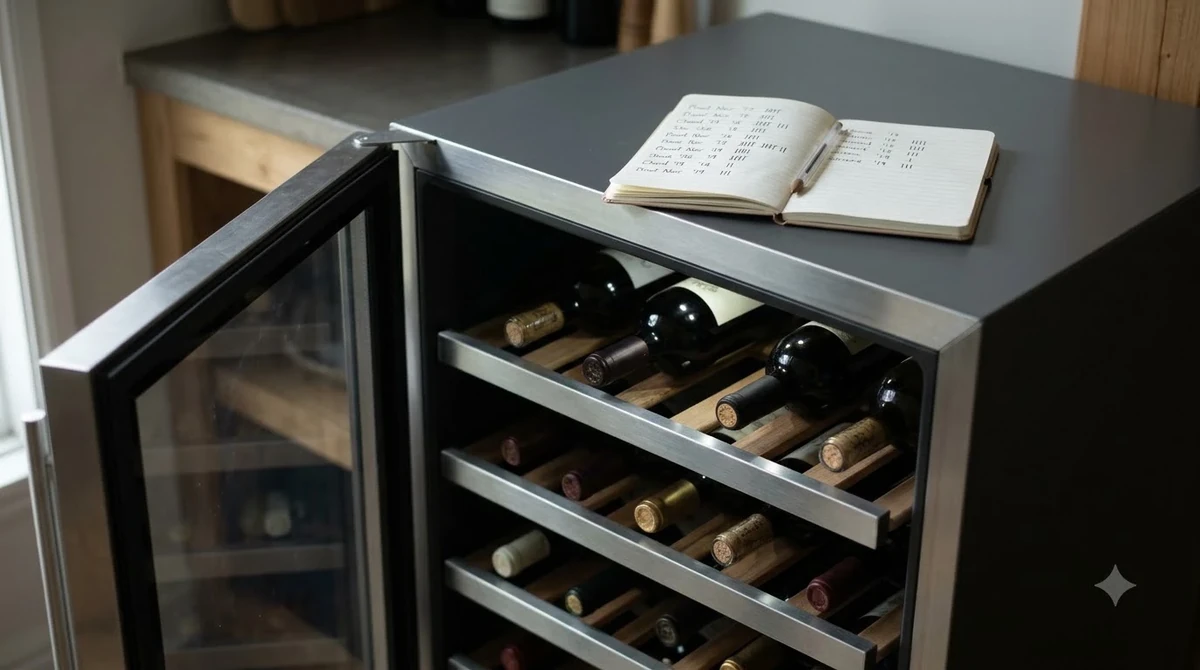
Around 55°F is a useful target for long-term wine storage. Keep bottles away from direct sunlight, heating equipment and repeated temperature fluctuations. Bottles with traditional cork closures are generally stored on their sides to help keep the cork from drying out.
For a bottle intended for an upcoming celebration, avoid leaving it in a warm kitchen or exposed to bright light. A stable, cool environment is preferable. Expensive vintage Champagne deserves particular care because the replacement cost can be considerably higher than that of standard Brut.
Serve at the right temperature
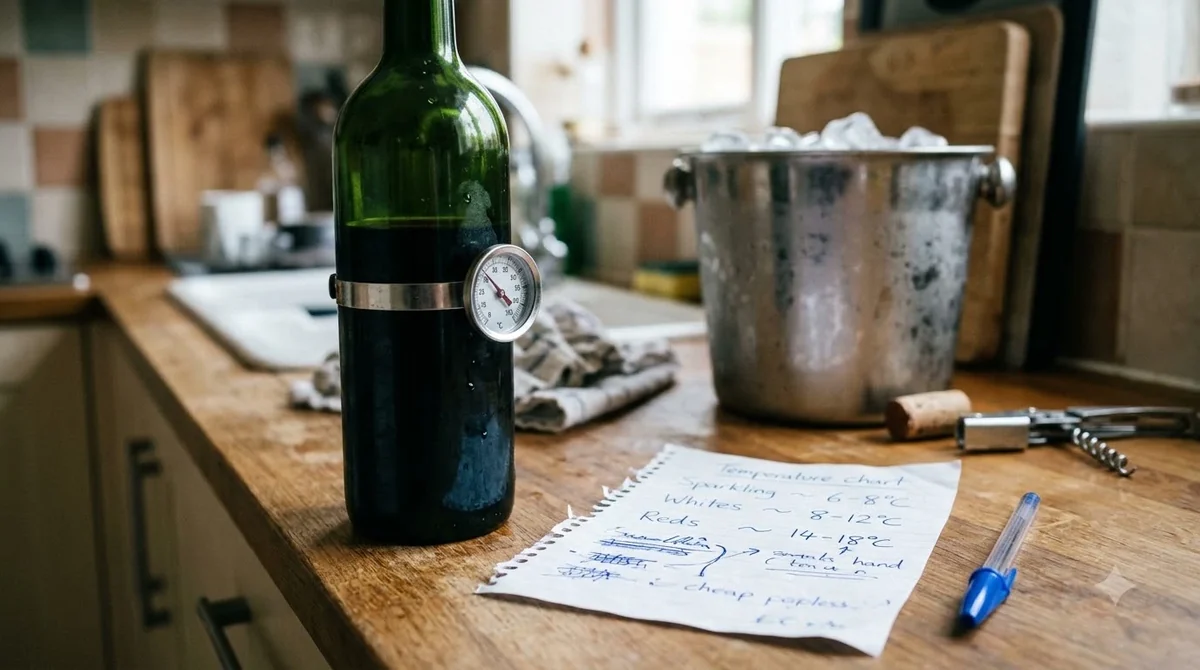
Champagne is best served chilled, generally around 40°F to 50°F. Very cold temperatures can mute aromas, while warm Champagne may feel less refreshing and can lose its sense of precision.
A practical approach is to chill the bottle in advance and pour it into appropriate sparkling-wine glasses. Avoid filling glasses to the rim, as a smaller pour helps preserve the bubbles and leaves room to appreciate the aromas.
Choose a suitable bottle size
The standard 750 ml bottle is the simplest format for most buyers. A typical five-ounce pour produces approximately five glasses from one standard bottle, making it convenient for a small celebration or dinner.
A 375 ml half-bottle is suitable for a smaller gathering, while a 1.5-liter magnum provides approximately ten standard five-ounce pours. Larger formats can make a striking presentation, but they may be harder to find and can involve substantially different retail pricing.
Preserve opened Champagne
Once opened, sparkling wine generally retains its best qualities for about one to three days in the refrigerator when properly sealed with a sparkling-wine stopper. Ordinary refrigerator storage without a suitable stopper can lead to faster loss of carbonation.
For a more expensive Taittinger bottle, avoid opening it too early if the occasion is still several hours away. Keep it chilled until serving and use a suitable stopper if any wine remains.
These simple practices help preserve the freshness, aromas and bubbles that make Champagne enjoyable. They also protect the value of a more expensive bottle, particularly when purchasing vintage or prestige releases.
Frequently Asked Questions
Is Taittinger pronounced differently from how it looks?
Yes. Taittinger’s official FAQ gives the French pronunciation as approximately “teh-tahn-zhay.” The phonetic transcription supplied by the producer is /tɛtɑ̃ʒe/. This is useful when asking for the wine at a restaurant or wine shop.
How many glasses can you pour from a Taittinger bottle?
A standard 750 ml bottle provides approximately five servings when each glass contains five ounces. A 1.5-liter magnum provides approximately ten equivalent servings. The number of glasses will change if smaller tasting pours or larger celebration servings are used.
Does Taittinger offer bottles larger than a magnum?
Yes. The official Taittinger FAQ lists larger formats including Jeroboam at 3 liters, Methuselah at 6 liters, Salmanazar at 9 liters, Balthazar at 12 liters and Nebuchadnezzar at 15 liters. Availability varies according to the Champagne cuvée and market.
Is Taittinger Champagne suitable for a wedding gift?
Yes. Standard Brut is a versatile option for a wedding celebration, while Prestige Rosé offers a more distinctive presentation. For a particularly important gift, a vintage or Comtes de Champagne bottling can provide a more specialized choice. Consider the recipient’s preferred Champagne style before choosing an expensive bottle.
Can Taittinger Champagne be kept for several years?
Some Champagne is suitable for further cellaring, but aging potential depends on the specific cuvée, vintage and storage conditions. A cool, dark environment with stable temperatures is essential. For a collectible bottle, retaining purchase documentation and storage records can also help establish its provenance.
The best Taittinger purchase depends on the Champagne style, bottle format and occasion rather than the producer’s name alone. Brut Réserve is a sensible starting point, Prestige Rosé offers a different expression, and Comtes de Champagne provides a more prestigious option for special occasions. Compare identical bottles across reputable US retailers, account for state and shipping costs, and choose the cuvée that fits the experience you want.
More in Wine Brands
 Underwood Wine Price: Compare Bottles, Cans, and Pack SizesUpdated Nov 21, 2026
 Zenato Wine Price: Compare Styles and Choose the Right BottleUpdated Nov 21, 2026
 Zuccardi Wine Price: Compare Bottles and Find the Right RangeUpdated Nov 21, 2026
 Yellow Tail Moscato Review: Taste, Sweetness and Serving TipsUpdated Nov 21, 2026
 Wolf Blass Yellow Label Review: Choose Your Best StyleUpdated Nov 21, 2026
 Wolffer Estate Rose Review: Choose the Right Bottle for Your TableUpdated Nov 21, 2026