

We may earn a commission when you buy through links on this page, at no extra cost to you. Learn more.
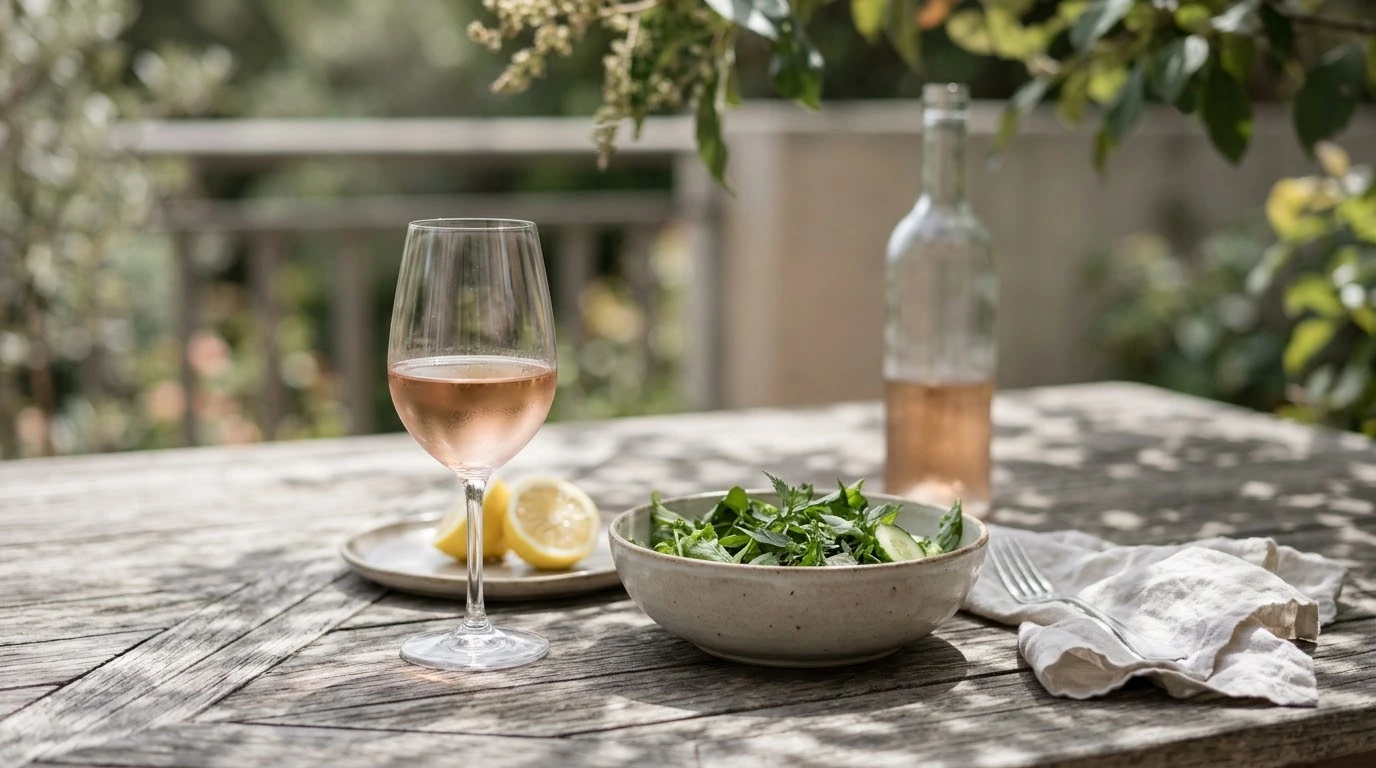
A stella rosa pink review finds a semi-sweet, gently sparkling Italian rosé best suited to drinkers who enjoy ripe strawberry flavors, a soft floral note, and a low 5% ABV. It is not a crisp, bone-dry rosé or a Champagne-style sparkler; expect noticeable sweetness and a light prickle rather than forceful bubbles. The bottle makes the most sense for casual sipping, fruit-forward cocktails, and pairing with mild cheese or salmon, while fans of dry, mineral-driven rosé may want a different style.
Stella Rosa Pink occupies a clear niche: it brings the accessible fruit character associated with Moscato into a pink, semi-sparkling wine. This guide explains what is in the glass, how sweet and fizzy it is, what to serve with it, and which details matter before choosing a bottle. Readers who want to compare more labels can also browse the broader Wine Brands category.
Who This Is For
Stella Rosa Pink is a good match for people who actively enjoy semi-sweet wine and prefer gentle bubbles over a fully sparkling texture. The producer identifies fresh, ripe strawberry and rose petal as its main flavors, and lists the wine at 5% alcohol by volume, making its fruit-forward profile and modest strength the two clearest reasons to consider it.
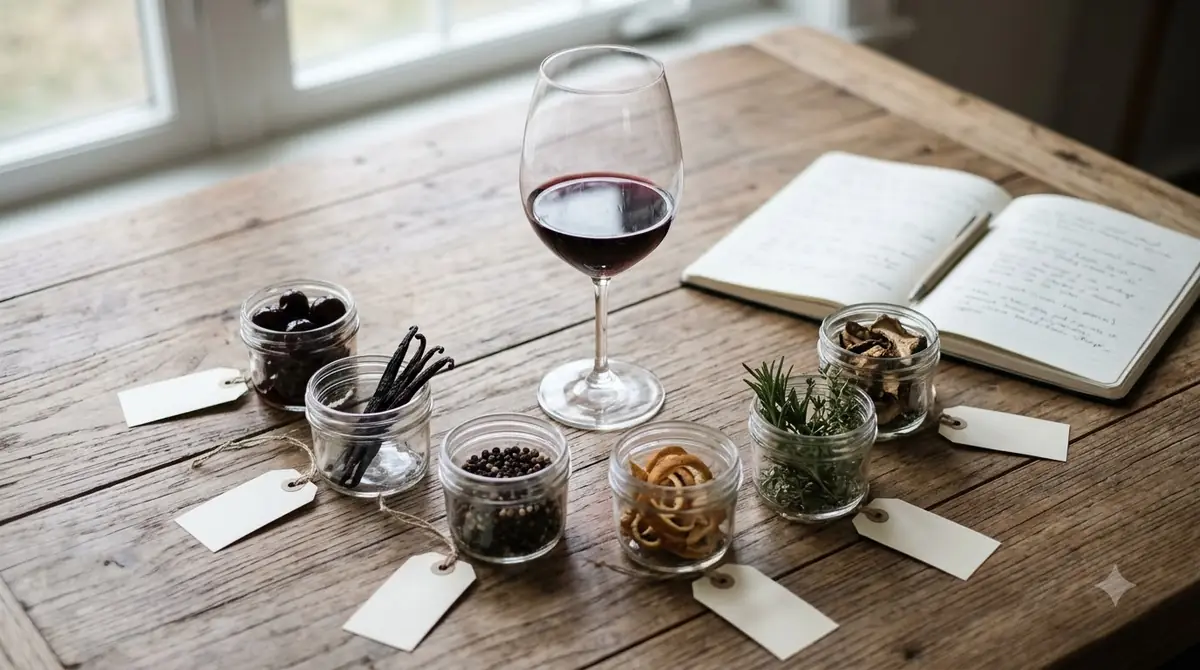
The style is especially approachable for a drinker who usually chooses Moscato, sweet rosé, or lightly sparkling fruit-led wine. The Stella Rosa Pink overview is a useful next stop for shoppers checking the specific bottle before comparing it with other rosés. Its acidity gives the sweetness some lift, but it is still designed to taste noticeably sweet rather than dry. A person who wants tart citrus, savory herbs, or a firm mineral finish should set expectations accordingly: those are not the defining features in the producer’s description. The wine’s central appeal is immediate strawberry fruit with a floral edge and a soft, fizzy feel.
It can also work for a casual gathering where guests have different levels of wine experience. A chilled bottle can be served on its own, poured over ice, or used as a fruit-forward cocktail base, according to the product listing. The producer suggests Gorgonzola, Brie, and braised salmon as pairings, which points toward salty, creamy, and gently rich foods rather than heavily spiced dishes. Those choices help make the wine feel like part of a meal instead of a sweet drink served in isolation.
Key Factors to Compare
Compare sweetness, sparkle, grape base, alcohol, and bottle size before deciding whether Stella Rosa Pink fits the occasion. Its 5% ABV and semi-sweet, semi-sparkling style are more useful buying clues than its pink color or the word rosé alone.
| Factor | What to expect | Why it matters |
|---|---|---|
| Wine style | Semi-sweet rosé | Noticeable sweetness suits fruit-forward wine drinkers; it is not a dry rosé. |
| Texture | Semi-sparkling | Expect a light prickle, not Champagne-level persistent bubbles. |
| Grape base | Moscato grapes | The Moscato base supports the wine’s ripe, aromatic fruit character. |
| Alcohol | 5% ABV | A lower-strength profile than many still table wines; it is still an alcoholic drink. |
| Common bottle format | 750 mL | A standard full-size bottle; the producer also lists 187 mL and 250 mL formats. |
| Serving pour | 5 fl oz | A practical tasting pour; a 750 mL bottle provides about five glasses. |
| Label nutrition | 100 calories and 14 g sugars per 5 fl oz | Retailer-provided label information gives a concrete reference for the listed serving. |
The producer describes the wine as made with Moscato grapes, while Kroger’s product description calls it a proprietary blend produced primarily from Moscato with other varietals. That distinction is useful: Moscato is the main reference point, but the wine should not be described as a single-variety bottling without qualification. For a closer look at the stated strength, the Stella Rosa Pink alcohol content details are relevant alongside the sweetness and serving-size information. The pink appearance and strawberry-and-rose profile belong to the finished blend, not to a promise that it tastes like fresh fruit juice.
The sweetness and carbonation also need to be assessed together. A little fizz can make a sweet wine feel lively, but it does not turn the wine dry. A reviewer at Wines & Words described the bubbles as less forceful than Champagne and found the sweetness more prominent than the individual flavor details. That is a subjective response, but it captures the main decision point: choose this bottle for sweetness and easy-drinking texture, not for complexity or a forceful sparkling-wine experience. The independent Stella Rosa review is useful as an example of how a drinker who prefers less-sweet wines may respond differently. The producer’s Stella Rosa Pink product page is the clearest source for the style description, grape base, ABV, and listed pairings.
Step-by-Step: How to Choose and Serve It
A useful buying decision starts with the occasion and the sweetness level, then moves to bottle size, temperature, and food. Five simple checks help prevent a mismatch between what the drinker expects and what this semi-sweet rosé actually delivers.
- Decide whether semi-sweet wine is welcome. Stella Rosa Pink is intended to taste sweet, with strawberry and rose petal notes. Choose it when those flavors sound appealing; do not pick it as a substitute for a dry Provence-style rosé or a crisp Sauvignon Blanc.
- Choose a bottle size for the group. The producer lists 187 mL, 250 mL, and 750 mL formats. A small bottle is useful for an individual serving or a low-commitment first try, while the 750 mL format suits sharing; a standard 5 fl oz pour gives about five glasses from the full-size bottle.
- Chill before opening. Serve rosé in the 45–50°F range. That temperature keeps the fruit clear and the sweetness refreshing without making the wine so cold that its strawberry and floral notes become difficult to notice.
- Pick food that can meet the sweetness. Try Brie, Gorgonzola, or braised salmon, which the producer names as pairings. Salty cheese and richer fish help balance the wine’s ripe fruit profile; for a sweet dessert, make sure the dessert is at least as sweet as the wine.
- Pour a measured first glass. Start with 5 fl oz in a wine glass, taste it alongside the food, and decide whether a smaller pour over ice or a cocktail serves the occasion better. The producer specifically lists serving it chilled, over ice, or mixed with a favorite spirit.
For a tasting comparison, serve a small pour beside a dry rosé rather than relying on the label color to predict flavor. A dry rosé will usually taste less sweet and may show more citrus, red currant, or savory notes, while Stella Rosa Pink centers on ripe strawberry and floral aroma. The side-by-side comparison quickly reveals whether the preferred style is fruit-forward and sweet or restrained and dry.
Food pairing can be adjusted to the meal rather than treated as a fixed rule. Brie and Gorgonzola offer creaminess and salt; a lightly seasoned salmon dish adds richness without burying the wine’s flavor. Avoid making a very hot chili dish the main pairing, because intense spice can overwhelm the wine’s delicate fruit and its sweetness will not reliably neutralize the heat. For acidic foods such as a sharp vinaigrette, choose a dish with moderate acidity so the wine does not seem flat by comparison.
Styles and Bottle Formats Explained
Stella Rosa Pink sits between still rosé and fully sparkling wine: it is semi-sweet and semi-sparkling, with Moscato as its primary grape reference. Recognizing that middle ground makes it easier to compare the bottle with Moscato, dry rosé, and traditional sparkling wine without expecting it to behave exactly like any of them.
Semi-sweet, semi-sparkling rosé
The style description sets two expectations. Semi-sweet means perceptible residual sweetness is part of the wine’s intended character; semi-sparkling signals a lighter carbonation than a bottle-fermented wine such as Champagne or Cava. An independent review noted a gentle level of fizz rather than the stronger bead associated with Champagne. That texture can make the wine easy to serve casually, although people looking for intense bubbles may find it restrained.
Moscato-led fruit character
The producer describes Stella Rosa Pink as a semi-sweet rosé made with Moscato grapes. Retailer descriptions add that the proprietary blend is primarily Moscato with other varietals, while the named tasting notes are strawberry and rose petal. This is a more reliable guide to the wine than assuming every pink wine is based on the same grapes. It should be thought of as a Moscato-led rosé blend, not as a classic dry rosé built around a stated Cabernet Franc, Grenache, or Pinot Noir recipe.
Small bottles and the standard bottle
The producer’s product pages list 187 mL, 250 mL, and 750 mL sizes. The smaller formats are practical for a single occasion or for sampling the style without opening a full bottle; the 750 mL format is the conventional size for a shared table. Because all three formats are listed within the same Stella Rosa Pink range, shoppers can select the amount that fits the moment rather than assuming a different size means a different style. The wider Stella Rosa wine range includes distinct blends, so a similar name alone does not predict grape mix, sweetness, or alcohol level.
Common Mistakes
The most common mistake is buying Stella Rosa Pink while expecting a dry, still rosé or a full-strength sparkling wine. The name and color may suggest a familiar rosé category, but the 5% ABV, semi-sweet profile, and gentle carbonation make it a different proposition.
Another mistake is assuming that the word Moscato means the finished wine will taste exactly like a white Moscato. Stella Rosa Pink is a rosé blend with a pink hue and a stated strawberry-and-rose-petal profile. Its primary grape reference is Moscato, but the producer and retailer describe it as a blend; the final impression comes from the blend and winemaking approach rather than a simple grape-name formula. A shopper who expects a crisp, neutral wine may find the aromatic fruit and sweetness more obvious than expected.
Serving it too warm can make the sweetness feel heavier, while serving it ice-cold can mute its aroma. Aiming for 45–50°F is a better starting point than leaving the bottle on a warm table or putting it in the freezer until nearly frozen. Very hot chili can overwhelm the wine’s delicate fruit, while an intensely acidic dressing can make a softer wine seem flat. Choose milder seasoning or a dish with balanced acidity, and match the wine’s sweetness with salty or rich elements rather than expecting it to solve every pairing problem.
Care and Storage Tips
Keep Stella Rosa Pink cool before serving and return the opened bottle to the refrigerator between pours. Rosé is best enjoyed chilled at 45–50°F, and a standard wine refrigerator or cool refrigerator shelf is more dependable than storing it in a warm kitchen or leaving it in direct sunlight.
For unopened bottles, a stable, dark place is better than a sunny counter or a cabinet beside an oven. A general wine-storage target is around 55°F, with minimal swings in temperature; store a cork-closed bottle on its side, while a screw-cap bottle can stand upright if that is more convenient. Since this wine is made for fresh fruit character and gentle sparkle, it is sensible to buy it for near-term drinking rather than treating it like a bottle intended for long cellaring.
Tip: Chill the bottle in the refrigerator, then pour a small 5 fl oz glass and keep the rest cold. If serving over ice, use a larger glass and avoid adding so much ice that the first sip tastes diluted.
After opening, reseal the bottle promptly and refrigerate it. A useful general reference for opened sparkling wines is about 1–3 days in the refrigerator, although a semi-sparkling wine can lose its lively texture sooner as carbon dioxide escapes. A sparkling-wine stopper can help preserve the remaining bubbles; check the aroma and flavor before serving another glass, and do not expect the carbonation to stay identical to the first pour.
Frequently Asked Questions
These details answer common label and serving questions that can matter after the style itself is a good fit. The exact product and bottle label are the most useful references for ingredient and packaging details.
Is Stella Rosa Pink vegan and gluten-free?
The producer identifies Stella Rosa Pink as both vegan and gluten-free. Those claims are listed on the official product page alongside its 5% ABV and Italian origin, making them product-specific statements rather than assumptions based on rosé wine generally.
Does Stella Rosa Pink contain added fruit juice?
Target’s ingredient listing says there is no added juice. It lists wine, water, grape must, sugar, natural flavors, and sulfur dioxide, so grape must is present even though the listing says no juice is added.
Does Stella Rosa Pink contain sulfites?
Target’s product information explicitly states that it contains sulfites. The retailer also includes sulfur dioxide in the ingredient list, which is identified there as an antioxidant.
Does the standard Stella Rosa Pink bottle have a screw cap?
Kroger’s listing for the 750 mL bottle identifies a screw top as a convenience feature. That closure means the bottle can be opened without a corkscrew, although the closure on an individual purchase should be checked before serving.
Does Stella Rosa Pink contain added sugar?
Target’s nutrition information lists 4 g of added sugars per 5 fl oz serving. That figure is separate from the 14 g of total sugars listed for the same serving, so the two numbers describe different parts of the nutrition label.
Stella Rosa Pink is a focused choice rather than an all-purpose rosé: it suits drinkers who want ripe berry flavor, floral notes, gentle fizz, and a semi-sweet finish. Choose it for a chilled casual pour or a cheese-and-salmon pairing, and choose a drier rosé or a more forcefully sparkling wine when crispness and complexity matter more.
More in Wine Brands
 Underwood Wine Price: Compare Bottles, Cans, and Pack SizesUpdated Nov 21, 2026
 Zenato Wine Price: Compare Styles and Choose the Right BottleUpdated Nov 21, 2026
 Zuccardi Wine Price: Compare Bottles and Find the Right RangeUpdated Nov 21, 2026
 Yellow Tail Moscato Review: Taste, Sweetness and Serving TipsUpdated Nov 21, 2026
 Wolf Blass Yellow Label Review: Choose Your Best StyleUpdated Nov 21, 2026
 Wolffer Estate Rose Review: Choose the Right Bottle for Your TableUpdated Nov 21, 2026