

We may earn a commission when you buy through links on this page, at no extra cost to you. Learn more.
stella rosa pink alcohol content is 5% ABV, according to the producer’s product listing. That makes it a lower-alcohol, semi-sweet rosé with gentle bubbles rather than a full-strength, dry table wine. The wine is made with Moscato grapes and is described by the brand with fresh strawberry and rose-petal flavors.
Knowing the alcohol percentage is useful, but it only tells part of the story. Bottle size, pour size, sweetness, temperature, and the style of its bubbles all affect how Stella Rosa Pink fits a meal or a casual glass. Here is how to read the 5% figure and what else to know before serving it.
What 5% ABV Means in a Glass
Stella Rosa lists this rosé at 5% alcohol by volume, or ABV. In practical terms, five percent of the wine’s liquid volume is alcohol: a 5-fluid-ounce pour contains about one-quarter fluid ounce of pure alcohol, while a full 750-milliliter bottle contains about 37.5 milliliters. The producer publishes the figure on Stella Rosa’s Pink product listing.
ABV is a concentration, not a measure of how sweet or fizzy a wine tastes. A wine can taste sweet and lively while still having a modest alcohol percentage, and a dry wine can have a higher ABV. Pink’s semi-sweet profile may make it seem especially easy to sip, so the percentage is a useful number to keep in mind rather than relying on flavor as a guide. The table below converts the stated 5% ABV into approximate volumes of pure alcohol. The figures are arithmetic estimates: multiply the wine volume by 0.05. They do not imply that every pour at home will be exactly the same size.
| Wine serving | Wine volume | Approximate pure alcohol at 5% ABV |
|---|---|---|
| 4 fluid ounces | 118 mL | 5.9 mL |
| 5 fluid ounces | 148 mL | 7.4 mL |
| 6 fluid ounces | 177 mL | 8.9 mL |
| Full bottle | 750 mL | 37.5 mL |
A typical wine pour is 5 ounces, and a 750-milliliter bottle holds just over 25 fluid ounces. That works out to about five pours of 5 ounces each, with a small amount left over depending on how carefully the bottle is divided. Smaller glasses do not change the wine’s ABV; they simply reduce the amount of wine in each serving. It is also helpful to separate the bottle’s stated alcohol percentage from the category name. “Rosé” describes a pink wine style, while “semi-sweet” describes its sweetness and “semi-sparkling” describes its gentle carbonation. None of those terms replaces the 5% ABV figure.
Moscato Grapes, Strawberry Flavor, and Rosé Style
Stella Rosa describes Pink as an all-natural, semi-sweet, semi-sparkling rosé made with Moscato grapes. Its producer highlights fresh, ripe strawberry and rose-petal flavors, a combination that gives the wine a fruit-forward profile with a floral note rather than the savory or earthy character associated with some dry rosés.
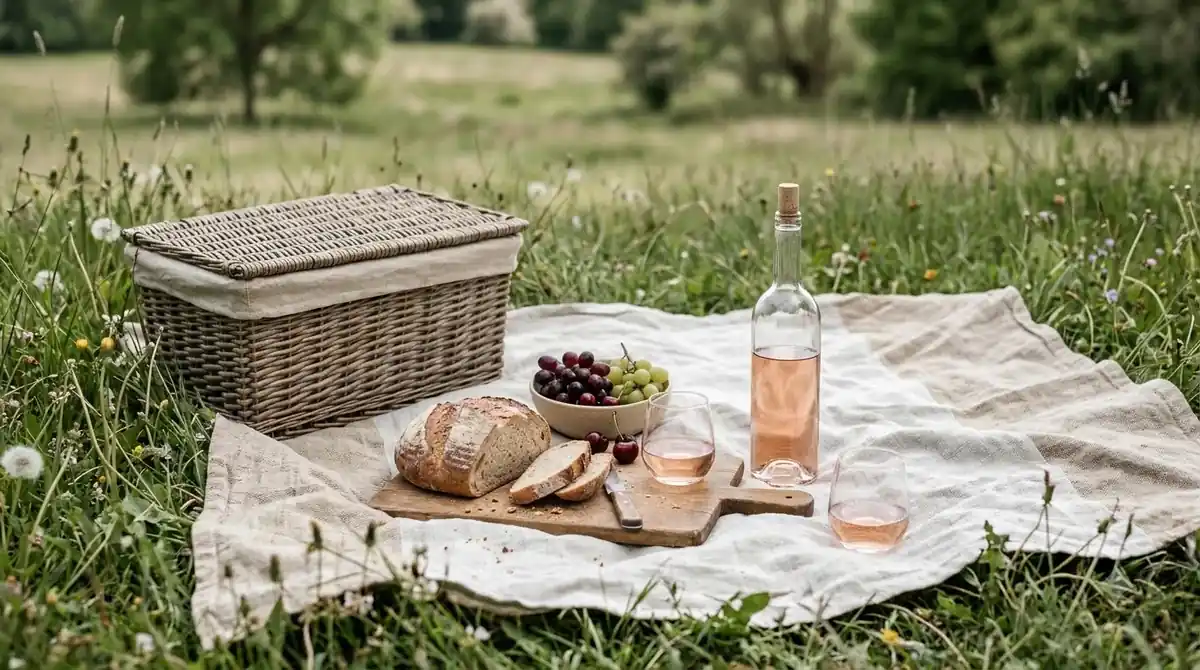
Moscato belongs to the broader Muscat family, a group of aromatic grapes known for expressive floral and fruit scents. Wine Enthusiast explains that Moscato is strongly associated with Piedmont in northwestern Italy, particularly the softly sparkling wines of Moscato d’Asti, but the grape family appears in many places and styles. The word “Moscato” therefore points to a grape family, not one single sweetness level or production method. In the glass, the strawberry description gives a useful starting point for what to expect. Think ripe red berries and a floral aroma, with sweetness making the fruit seem rounder. The pink color identifies the wine as a rosé, but it does not tell you whether the wine is bone-dry, off-dry, or sweet. The producer’s “semi-sweet” wording is the clearer guide to that part of the profile.
That distinction matters because Moscato can appear in still, gently sparkling, fully sparkling, dry, and sweet expressions. Wine Enthusiast notes that Moscato d’Asti is commonly lightly sparkling and often falls around 5% to 6% ABV. That general range gives useful context for Pink’s 5% listing, but it does not make Stella Rosa Pink the same wine as Moscato d’Asti. Pink is sold as its own semi-sweet rosé bottling. For readers who usually choose dry rosé, Pink is likely to feel noticeably fruitier and sweeter. It is better approached as a chilled, gently bubbly aperitif or companion to flavorful snacks than as a crisp, bone-dry Provence-style rosé. People who enjoy Moscato, fruit-led sparkling wines, or lightly sweet wines will recognize the broad appeal more quickly.
What Semi-Sparkling Bubbles Tell You
The producer calls Stella Rosa Pink “semi-sparkling,” so expect a softer, gentler bead of bubbles than the forceful mousse associated with many Champagne-style wines. The term describes the wine’s fizzy character, but it does not, on its own, identify the precise production method used for this particular bottle.
That difference is important because sparkling wines can be made in more than one way. VinePair’s sparkling-wine overview explains that the traditional method completes a secondary fermentation in the bottle, while the Charmat or tank method uses a sealed, pressurized tank for the fermentation that creates carbon dioxide. Those methods can produce distinct textures and flavor profiles, but the Stella Rosa product page does not name one of them for Pink. Do not assume that every gently bubbly Italian wine is Prosecco, either. Prosecco is a specific Italian wine category made primarily from Glera, while Moscato describes a grape family. Stella Rosa Pink is presented by its producer as a Moscato-based rosé, not as Prosecco. Similar bubbles do not make two wines identical in grape, sweetness, or origin.
Pink’s semi-sweet character and light fizz work together in the glass. A little carbonation can make fruit flavors feel lively and can refresh the palate between bites, while sweetness gives the wine a softer finish. The result is quite different from a sharply dry sparkling wine that emphasizes citrus, mineral notes, or yeasty flavors. For a broader comparison of sparkling styles, VinePair’s guide to sparkling wine methods explains how bottle fermentation and tank fermentation differ. Those are useful categories to understand, but the safest description of this bottle remains the one used by Stella Rosa: semi-sparkling rosé.
Best Serving Temperature and Pouring Approach
Serve Stella Rosa Pink well chilled, around 45°F to 50°F. That range suits light whites and rosés: cool enough to keep the wine refreshing, but not so cold that strawberry and rose-petal aromas disappear behind a sharp chill.
A refrigerator is usually the simplest route. Chill the bottle for a few hours before serving, then pour modest amounts so the wine stays cool in the glass. If it has been sitting on a warm counter, an ice bucket can bring it down more quickly; use a mix of ice and water so the bottle cools evenly rather than resting only against a few ice cubes. A white-wine glass or a small tulip-shaped glass is a practical choice. Either gives the wine room to release its aroma while keeping the bubbles visible. A narrow flute can preserve a stream of bubbles, but it can make the strawberry and floral notes harder to smell. There is no need for a large red-wine glass or a decanter for this light, semi-sparkling rosé.
Open the bottle carefully and avoid shaking it. Pour down the side of the glass at first to limit foam, then let the wine settle before topping up. A 5-ounce pour is a useful reference point for wine service, and it leaves enough room in most glasses to notice the aroma without filling the bowl to the rim. Because Pink is semi-sparkling, close the bottle promptly after pouring and return it to the refrigerator. A sparkling-wine stopper can help keep the remaining carbonation in place. For best quality, treat it as a wine to enjoy over the next day or two rather than leaving an opened bottle on the counter.
Tip: Chill the bottle to 45°F–50°F, then pour a small first taste. If the aroma seems muted, let the wine sit for a minute or two in the glass rather than warming the entire bottle.
Food Pairings for a Semi-Sweet Rosé
Stella Rosa specifically recommends gorgonzola, brie, and braised salmon with Pink. Those suggestions make sense for a wine with fruit-forward flavor, gentle bubbles, and some sweetness: creamy or salty foods can balance its soft profile, while the wine’s fruit character can complement savory dishes without demanding a heavily structured red.
Brie is a particularly easy place to start. Its creamy texture and mild flavor let strawberry and floral notes remain present, and crackers add a little salt and crunch. Gorgonzola has a stronger, saltier character, so use smaller portions and include plain bread, sliced pear, or crisp apple to keep the pairing balanced. The contrast between blue cheese and sweet fruit can be more appealing than pairing the wine with another sweet food. Braised salmon is the producer’s suggested main-course match. The cooking method gives the fish a tender texture, and a sauce with citrus, herbs, or a touch of fruit can connect with the rosé’s lively berry profile. Keep the sauce moderate rather than very hot or heavily smoky. The wine is gentle in body, so a thick, intensely spiced glaze can overwhelm it.
For a snack board, try fresh strawberries, raspberries, mild cheeses, salted almonds, and lightly salted crackers. The berries echo the tasting notes, while the cheese and nuts add savory depth. Fresh fruit is usually a better fit than very tart pickles or intensely vinegary condiments, which can make the wine’s sweetness seem more pronounced by contrast. Sweetness is also a useful guide for dessert. A wine should generally be at least as sweet as the dessert served with it; otherwise, the wine can taste thin or sour beside a very sugary dish. Pink can work with fruit tarts, strawberry shortcake, or a simple bowl of berries, but it may taste less satisfying with a dense, very sweet chocolate dessert. Use caution with chili heat. Spicy food can make alcohol feel warmer and can exaggerate the burn of chili, so a 5% ABV wine is not a guarantee that a fiery dish will taste mild. Choose gently seasoned food, such as a lightly spiced noodle salad, instead of a dish built around hot peppers. The best match lets both the food and the wine remain recognizable.
How Pink Compares With Other Stella Rosa Bottlings
Pink is the brand’s strawberry-and-rose-petal, Moscato-based rosé option, and its published alcohol content is 5% ABV. The most useful way to compare it with other Stella Rosa bottles is to consider the grape or flavor profile, sweetness description, color, and stated ABV for each specific bottling rather than assuming every wine under the same label has the same composition.
For a white-fruited alternative, our page on Stella Rosa Peach wine alcohol content looks at a different flavor expression. If you prefer a darker berry profile, compare it with the guide to Stella Rosa Black wine alcohol content. These are separate products, so use each bottling’s own product information when comparing alcohol percentages. There is also a distinct Platinum bottling, covered in our explanation of Stella Rosa Platinum alcohol content. The name alone does not tell you whether its alcohol level, sweetness, or bubbles match Pink. Comparing the actual details helps avoid a common mistake: carrying a number from one flavor to another without confirming that the two labels describe the same wine.
This kind of comparison is useful across the broader Wine Brands category, where a producer may sell several styles under one recognizable name. A brand family can include red, white, rosé, semi-sparkling, or more traditionally sparkling wines. The label name tells you who made the wine; the specific product description tells you what is in the bottle. For Pink itself, the key identifiers are straightforward: the producer lists 5% ABV, calls it semi-sweet and semi-sparkling, identifies Moscato grapes, and highlights strawberry and rose-petal flavors. Those details make it easier to recognize the intended style without treating every Stella Rosa product as interchangeable.
Frequently Asked Questions
Is Stella Rosa Pink gluten-free?
Yes. Stella Rosa’s product information describes Pink as gluten-free and vegan. Those are producer statements about the product, not a substitute for checking packaging or contacting the winery about a particular ingredient or production question.
What bottle sizes does Stella Rosa list for Pink?
The producer’s Pink page links to 187-milliliter, 250-milliliter, and 750-milliliter formats. Availability can differ by retailer and market, so the size shown by a shop may not include every format listed by the brand.
Does Stella Rosa publish an exact sugar amount for Pink?
The product page describes the wine as semi-sweet but does not provide a residual-sugar figure in grams per liter or grams per serving. “Semi-sweet” is a style description, not a precise nutrition calculation, so it should not be converted into an exact sugar number.
Is Stella Rosa Pink made in Italy?
Yes. The producer identifies the wine as a product of Italy. The current product page does not name a specific vineyard or designate a particular appellation for this bottling.
Is Stella Rosa Pink the same wine as Moscato d’Asti?
No. The brand describes Pink as a semi-sweet, semi-sparkling rosé made with Moscato grapes, while Moscato d’Asti is a distinct Italian wine designation associated with Piedmont. Sharing a grape connection does not make the two names interchangeable.
Stella Rosa Pink is listed at 5% ABV, with a semi-sweet Moscato-based profile, strawberry and rose-petal flavors, and gentle bubbles. Serve it chilled at 45°F–50°F, pair it with creamy cheeses or braised salmon, and compare each Stella Rosa bottling by its own published details rather than assuming the whole range has one alcohol level.
More in Wine Brands
 Louis Latour Wine Price: Compare Bottles by Style and TierUpdated Nov 20, 2026
 Yellow Tail Moscato Price: What to Expect Before You BuyUpdated Nov 20, 2026
 Sutter Home Sweet Red Review: Find the Right Food PairingsUpdated Nov 20, 2026
 Franzia Chillable Red Review: Find the Right Serving StyleUpdated Nov 20, 2026
 Veuve Clicquot Rose Review: Flavor, Food Pairings and Buying AdviceUpdated Nov 20, 2026
 Rombauer Wine Price: Compare Bottles Before You BuyUpdated Nov 20, 2026