

We may earn a commission when you buy through links on this page, at no extra cost to you. Learn more.
Stella Rosa Peach wine alcohol content is 5% ABV (alcohol by volume) for the standard 750 ml bottle. This makes it a relatively low-alcohol, semi-sweet, semi-sparkling white wine compared with conventional table wines, which commonly contain around 12% ABV. Made primarily with Moscato grapes and natural peach flavors, it combines ripe fruit character, honey notes, and gentle carbonation. A standard 5-ounce serving contains approximately 0.42 US standard drinks.
Stella Rosa Peach appeals to wine drinkers who enjoy fruity, approachable flavors without the higher alcohol concentration found in many traditional whites and reds. However, understanding its alcohol percentage involves more than reading the number on a bottle. Bottle size, serving volume, sweetness, carbonation, and differences between similarly named products all matter. This guide explains the wine’s strength, calculates the alcohol in different serving sizes, compares it with other wines, and covers practical serving and food-pairing advice.
Stella Rosa Peach Alcohol Content and ABV Explained
The standard Stella Rosa Peach contains 5% ABV, meaning alcohol accounts for approximately 5% of the finished wine’s volume. This is considerably lower than the approximately 12% ABV commonly associated with conventional table wine. The difference makes Peach a relatively light alcoholic wine by concentration, although it remains an alcoholic beverage.
The producer describes Stella Rosa Peach as an Italian semi-sweet, semi-sparkling white wine made with Moscato grapes. Its flavor profile emphasizes fresh white peach and honey rather than the pronounced grape, oak, or mineral characteristics associated with some traditional white wines. Natural carbonation contributes a gentle fizz that complements the fruit-forward style.
The official product listing identifies the standard 750 ml bottle at 5% ABV. An independent review from Tastings also lists the wine at 5% alcohol, providing additional support for that figure. Its review records 10% residual sugar and describes the wine as moderately sweet.
There is, however, a reason some online searches produce a different number. Wine.com displays a 5.5% ABV figure on its Stella Rosa Peach product entry. Different listings can reflect product variations, historical specifications, or differences between individual bottlings. For the standard product discussed here, the producer’s current 5% specification is the most useful reference. The official Stella Rosa Peach product description provides the manufacturer’s stated alcohol concentration and tasting information.
It is also important to distinguish alcohol percentage from sweetness. A wine can taste noticeably sweet without containing a high concentration of alcohol. Fermentation determines how much grape sugar becomes alcohol, while the remaining sugar contributes sweetness. Stella Rosa Peach combines a relatively low alcohol level with a semi-sweet flavor profile.
For a more complete understanding, ABV should be considered alongside the actual volume poured. A small glass of a higher-alcohol wine may contain a similar amount of alcohol to a larger glass of a lower-alcohol wine. The percentage describes concentration, not the total alcohol in every possible serving.
Tip: Use 5% ABV as the reference for standard Stella Rosa Peach. If comparing a differently named peach product, a special edition, or an older bottle, check its individual alcohol specification rather than assuming every version has the same percentage.
How Much Alcohol Is in Each Bottle and Glass?
The amount of alcohol consumed depends on both the wine’s ABV and the quantity poured. At 5% ABV, a 150 ml glass of Stella Rosa Peach contains approximately 7.5 ml of pure alcohol. A full 750 ml bottle contains approximately 37.5 ml of pure alcohol.
For a practical comparison, the following calculations use the producer’s 5% ABV specification. A standard US wine pour is approximately 5 fluid ounces, or 148 ml, while a 750 ml bottle provides approximately five such servings.
| Serving size | Approximate pure alcohol | Approximate US standard drinks |
|---|---|---|
| 100 ml | 5 ml | 0.28 |
| 150 ml | 7.5 ml | 0.42 |
| 187 ml | 9.35 ml | 0.53 |
| 250 ml | 12.5 ml | 0.71 |
| 375 ml | 18.75 ml | 1.06 |
| 750 ml | 37.5 ml | 2.12 |
These standard-drink estimates use the US definition of approximately 14 grams of pure alcohol per standard drink. The calculations convert the wine’s alcohol volume into an approximate equivalent using the density of ethanol. Small differences can occur because of rounding and the actual amount poured.
A 5-ounce serving of ordinary 12% ABV table wine contains approximately 0.6 fluid ounces of pure alcohol. The same serving size of Stella Rosa Peach contains approximately 0.25 fluid ounces. Consequently, the Peach serving has less than half the alcohol of that typical 12% wine serving.
Bottle size also changes the total amount available. Stella Rosa lists Peach in 187 ml, 250 ml, and 750 ml formats. The 187 ml bottle contains approximately 0.53 US standard drinks at 5% ABV, while the 250 ml format contains approximately 0.71. The larger bottle contains approximately 2.12 standard drinks in total.
These figures are mathematical estimates, not measurements of the alcohol in a particular glass. They assume that the wine contains exactly 5% alcohol and that the serving volume is accurate. A glass filled beyond 5 ounces naturally contains more alcohol than the standard-pour calculation suggests.
It is also useful to distinguish the bottle’s total alcohol from the number of servings it provides. Five 150 ml servings from a 750 ml bottle each contain approximately 7.5 ml of pure alcohol. Dividing the bottle into smaller pours changes the amount in each glass but does not change the total alcohol in the bottle.
How Stella Rosa Peach Compares With Regular Wine and Other Stella Rosa Varieties
Stella Rosa Peach has a relatively low alcohol concentration compared with many conventional wines. Its 5% ABV is less than half the concentration of a typical 12% table wine, and it is similar in alcohol strength to several other fruit-forward wines in the Stella Rosa range.
Comparisons become easier when the same serving size is used. A 5-ounce pour of a 5% wine contains approximately 0.25 fluid ounces of pure alcohol, whereas a 5-ounce pour of a 12% wine contains approximately 0.6 fluid ounces. The difference is substantial even though both drinks occupy the same amount of space in a glass.
| Wine style | Typical ABV | Alcohol strength |
|---|---|---|
| Stella Rosa Peach | 5% | Low |
| Stella Rosa Black | About 5% | Low |
| Stella Rosa Pink | About 5% | Low |
| Stella Rosa Platinum | Varies by product specification | Check individual listing |
| Typical table wine | About 12% | Moderate |
| Higher-alcohol wine | 14-15% | Higher |
The Stella Rosa Black range is another useful comparison because its commonly listed 5% ABV is close to the standard Peach specification. However, the flavors are different. Peach emphasizes white peach and honey, while Black is associated with darker berry fruit. Readers comparing these varieties can also explore Stella Rosa Black wine alcohol content.
Stella Rosa Pink offers another fruit-forward alternative. Its commonly listed alcohol concentration is also around 5%, making it a useful comparison for anyone choosing between different styles within the brand. The flavor profile and sweetness can vary, so alcohol concentration alone does not determine which bottle will taste best.
Stella Rosa Platinum deserves separate consideration because its product specifications should not automatically be treated as identical to Peach. The brand’s different wine styles can have distinct alcohol levels. See Stella Rosa Platinum alcohol content for a closer comparison.
For a broader overview of the producer’s wines, the Wine Brands section provides useful background for comparing wine styles and grape varieties. The main point is that Stella Rosa Peach belongs to the lower-alcohol category rather than the stronger table-wine category.
There is also a difference between a fruit-flavored wine and a fruit-based alcoholic drink. Stella Rosa Peach is described by its producer as a Moscato-based wine with natural peach flavors. Its alcohol content is therefore connected to the fermentation and blending process, not simply to the amount of peach flavor in the finished drink.
Sweetness, Moscato Grapes, and the Peach Flavor Profile
Stella Rosa Peach combines 5% ABV with a semi-sweet flavor profile, creating a wine that tastes fruitier and sweeter than many dry white wines. Its Moscato-based blend provides an aromatic foundation, while natural peach flavors contribute the recognizable white-peach character.
The producer identifies fresh, ripe white peach and honey as the main tasting notes. These flavors help explain why the wine works well as a casual aperitif or alongside lighter desserts. Its semi-sparkling character also provides a refreshing contrast to the sweetness.
Independent tasting information adds further detail. Tastings describes spiced peaches, sultanas, lemon basil, elderflower, and orange blossoms among the aromas and flavors. It also identifies apricot sorbet and a hint of sandalwood in the finish. These additional impressions illustrate how a peach-forward wine can have more complexity than its simple fruit description suggests.
The independent review awarded the wine 91 points and a Gold Medal. It also classifies the product as sparkling sweet flavored wine and describes its body as medium. These details provide additional context beyond the basic alcohol percentage. The Tastings review of Stella Rosa NV Peach provides its published alcohol figure, residual sugar information, and tasting impressions.
Understanding the relationship between sugar and alcohol
Grape sugar is the raw material yeast uses during fermentation to produce alcohol. When fermentation stops while some sugar remains, the resulting wine can retain sweetness. This helps explain why Stella Rosa Peach can taste sweet while containing only 5% ABV.
Residual sugar and alcohol are separate measurements. ABV measures the percentage of alcohol by volume, whereas residual sugar describes the sugar remaining after fermentation. A wine’s perceived sweetness is also influenced by acidity, fruit aromas, and carbonation.
Tastings lists 10% residual sugar for its reviewed Stella Rosa Peach. That figure provides additional context for the wine’s moderately sweet profile, although residual-sugar reporting conventions and individual product specifications should be considered when comparing different wines.
Sweetness can also make a wine seem less alcoholic than it really is. Peach and honey aromas can dominate the first impression, while the gentle carbonation contributes a refreshing sensation. Neither characteristic changes the actual ABV.
Is Stella Rosa Peach a sparkling wine?
It is more accurately described by its producer as semi-sparkling rather than fully sparkling. Its gentle carbonation creates a lighter, slightly fizzy mouthfeel without the intensity associated with many traditional sparkling wines.
The combination of sweetness, peach aromas, and bubbles makes it particularly suitable for chilled service. It can be enjoyed by itself, poured over ice, or incorporated into a fruit-forward mixed drink. Adding another alcoholic ingredient, however, changes the final drink’s alcohol concentration.
Its semi-sparkling character also distinguishes it from a conventional still Moscato. The bubbles contribute texture and freshness, while the remaining sweetness supports the ripe fruit profile. This makes it suitable for casual occasions where a strongly structured or very dry white wine might not be the preferred style.
Best Serving Temperature and Food Pairings
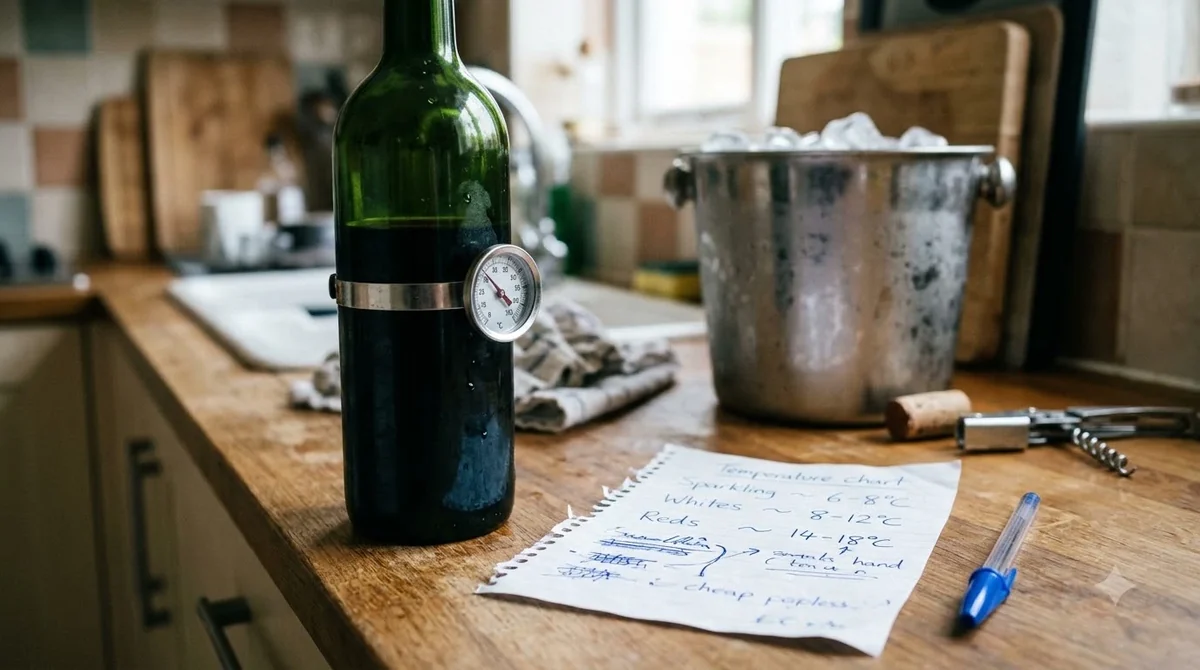
Stella Rosa Peach is best served chilled, around 45-50 degrees Fahrenheit. This temperature range is suitable for light white wines and helps preserve the wine’s fresh peach aromas, gentle acidity, and delicate carbonation.
Serving it too warm can make the sweetness feel more prominent and reduce the refreshing impression of its bubbles. Excessively cold temperatures can temporarily mute its peach and honey aromas. Refrigerating the bottle before serving is a straightforward way to reach an appropriate temperature.
The producer specifically recommends aged cheddar, Dubliner Irish cheddar, and summer salads featuring field greens and strawberries. These suggestions work because the wine’s sweetness and fruit character can complement savory cheese and fresh fruit without requiring elaborate preparation.
Cheese and savory foods
Aged cheddar offers a savory, concentrated flavor that contrasts with the wine’s ripe peach and honey notes. Dubliner Irish cheddar is another suitable option because its nutty, slightly sweet character complements the fruit-forward profile.
Soft cheeses can also work, especially when served with crackers, sliced apples, or fresh peaches. The combination of salt, fat, and fruit provides a pleasant contrast to the wine’s sweetness. Cheese boards containing mild cheddar, creamy cheese, and fresh fruit provide several complementary flavors without overwhelming the wine.
Salads and lighter meals
A summer salad with field greens and strawberries is one of the producer’s recommended pairings. Fresh strawberries echo the wine’s fruity character, while leafy greens provide a refreshing contrast. A mild vinaigrette can add acidity and keep the overall pairing balanced.
Grilled chicken, light pasta dishes, and mild seafood preparations are also reasonable choices. Avoid overly spicy sauces because alcohol can intensify chili heat, even in a wine with relatively low ABV. For a particularly simple meal, grilled chicken with a strawberry salad provides a combination of savory and fruity flavors.
Desserts and sweet pairings
Stella Rosa Peach can accompany vanilla gelato, chocolate mousse, and mixed nuts, which Tastings identifies as suitable pairings. Peach-based desserts and fruit tarts are other natural options. The general pairing principle is to choose a dessert that is no sweeter than the wine, so the wine does not taste excessively tart or thin alongside it.
For the best overall experience, serve the wine in a chilled white-wine glass or sparkling-wine flute. A regular wine glass is particularly useful if you want to appreciate its peach, honey, and floral aromas.
How to Store, Open, and Enjoy Stella Rosa Peach
Stella Rosa Peach is best enjoyed fresh, chilled, and with its natural carbonation intact. Proper refrigeration helps preserve its fruity aromas and refreshing texture after opening, while careful storage keeps the unopened bottle in good condition.
Before opening, store the bottle away from direct sunlight and excessive heat. A consistently cool storage location is preferable to a kitchen counter exposed to temperature changes. For longer-term wine storage, a cool environment near 55 degrees Fahrenheit is a useful general target.
Because Peach is semi-sparkling, opening the bottle carefully is important. Chill it first, remove the closure slowly, and avoid shaking the bottle. This helps reduce excessive foaming and preserves more of the wine’s carbonation.
What happens after opening?
Once opened, the wine gradually loses its carbonation through contact with air. Refrigerating the bottle with a suitable sparkling-wine stopper helps slow that process. For best quality, aim to finish an opened sparkling wine within approximately 1-3 days.
The wine may remain drinkable beyond that period, but its bubbles and fresh fruit aromas can become noticeably weaker. Leaving it uncovered at room temperature will generally accelerate the loss of freshness.
Unlike a full-bodied red wine, Stella Rosa Peach does not need decanting. It is designed for immediate enjoyment after opening, and exposing it to additional air does not provide a meaningful advantage.
Serving suggestions
For a simple serving, pour approximately 5 ounces into a chilled glass. This is a familiar standard wine serving size and provides a useful reference when comparing the amount of alcohol in different wines.
For a casual gathering, Peach can also be served over ice with fresh peach slices. Keep in mind that melting ice dilutes the wine and changes its flavor intensity. If mixing it into a cocktail, account for the alcohol contributed by any added spirits.
A fruit-forward spritzer is another straightforward option. Combining Peach with chilled sparkling water reduces the concentration of the finished drink while retaining some of its peach character. Fresh mint, sliced strawberries, or a thin peach wedge can add aromatic detail without requiring additional sweeteners.
For readers exploring the wider range, Stella Rosa Pink alcohol content offers another comparison point when deciding between fruit-forward wines with similar serving styles.
Frequently Asked Questions
Is Stella Rosa Peach wine naturally flavored or made with peach juice?
The producer describes its standard Peach wine as a Moscato-based blend with natural peach flavors. Its product description identifies fresh white peach and honey as the main flavor characteristics. The ingredient information for the standard product also identifies wine, water, grape must, sugar, natural flavors, and sulfur dioxide. It should therefore not be assumed to be a fermented peach-juice wine simply because peach is prominent in its name.
Is Stella Rosa Peach a vintage wine?
Stella Rosa Peach is listed as non-vintage by Wine.com and Tastings. Non-vintage wines are not identified with a single harvest year on the product listing. This allows the producer to maintain a consistent house style across different bottlings and production periods.
What does the 750 ml bottle size mean in US measurements?
A 750 ml wine bottle contains approximately 25.4 US fluid ounces. This is the standard full-size wine bottle format commonly used for still and sparkling wines. At a 5-ounce serving size, it provides just over five theoretical pours.
Does Stella Rosa Peach have a screw cap?
The standard retail product has been offered with a screw-top closure. This type of closure does not require a corkscrew and is convenient for casual serving. Packaging can vary between formats and production runs, so the closure should not be assumed to be identical across every bottle size.
Can Stella Rosa Peach be used to make a wine spritzer?
Yes. Its peach flavor and gentle carbonation make it suitable for a simple spritzer. Combining equal parts wine and chilled sparkling water creates a lighter, more diluted drink while allowing the peach aromas to remain noticeable. Fresh mint or a thin peach slice can provide an additional aromatic accent.
Stella Rosa Peach is a semi-sweet, semi-sparkling Moscato-based wine with a standard listed alcohol content of 5% ABV. Its fresh peach and honey character, gentle bubbles, and relatively low alcohol concentration make it a distinctive alternative to conventional table wines. For the clearest comparison, consider both the ABV and the serving size rather than relying on sweetness or flavor alone.
More in Wine Brands
 Louis Latour Wine Price: Compare Bottles by Style and TierUpdated Nov 20, 2026
 Yellow Tail Moscato Price: What to Expect Before You BuyUpdated Nov 20, 2026
 Sutter Home Sweet Red Review: Find the Right Food PairingsUpdated Nov 20, 2026
 Franzia Chillable Red Review: Find the Right Serving StyleUpdated Nov 20, 2026
 Veuve Clicquot Rose Review: Flavor, Food Pairings and Buying AdviceUpdated Nov 20, 2026
 Rombauer Wine Price: Compare Bottles Before You BuyUpdated Nov 20, 2026