

We may earn a commission when you buy through links on this page, at no extra cost to you. Learn more.
The stella rosa pink price for a standard 750 ml bottle is typically about $10 to $15 in WinesRate’s current U.S. retailer snapshot. That puts it in the accessible, casual-drinking range rather than the premium sparkling-wine category. Stella Rosa Pink is a semi-sweet, lightly sparkling rosé made with Moscato grapes, so the price makes the most sense when you compare like-for-like bottle sizes and account for local availability.
Stella Rosa Pink is easy to spot, but shoppers can still encounter different bottle sizes, store prices, and descriptions for the same pink wine. This guide explains what a fair shelf price looks like, what the bottle offers, and how to decide whether the standard size or a smaller format suits the occasion.
Who This Is For
Stella Rosa Pink suits shoppers who want a gently fizzy, fruit-forward rosé with noticeable sweetness and a modest alcohol level. The producer lists it at 5% ABV and describes fresh, ripe strawberry and rose-petal flavors, making it a different proposition from a dry, high-acid rosé or a full-strength sparkling wine.
It is a practical choice for casual gatherings, brunch-style meals, an afternoon patio pour, or people who prefer wine that does not taste austere or strongly tannic. Its semi-sweet profile can also appeal to drinkers moving from fruit-forward wine coolers toward wine made with grapes. It is not the most natural fit for someone specifically seeking bone-dry rosé, pronounced minerality, or a traditional Champagne-style bottle with a firm, persistent mousse.
The wine is produced in Italy, and the producer identifies Moscato grapes as its base; retailer information describes a blend led by Moscato with other varietals. For details on the bottling itself, see the Stella Rosa Pink profile. For context on the producer’s broader range, the Stella Rosa wine overview helps distinguish this pink bottling from other styles. Consider the occasion too: a 750 ml bottle suits sharing, while a smaller format may be more practical for one drink or a picnic.
Key Factors to Compare
Judge the shelf offer by bottle size first, then compare the listed style and alcohol level. Stella Rosa’s official product page identifies 187 ml, 250 ml, and 750 ml formats, while the standard bottle is the most useful basis for comparing store-to-store pricing.
In WinesRate’s retailer snapshot, the observed U.S. listings for the 750 ml bottle ran from $9.99 to $14.99 across eight stores in California and New York; the same page showed a separate listing for a smaller 250 ml format. Those are observed listings rather than a fixed national price, and prices vary by state and retailer. The 250 ml amount should not be treated as a cheaper equivalent to the full bottle without comparing the cost per ounce.
| What to compare | Documented detail | Why it matters |
|---|---|---|
| Small format | 187 ml | A compact option for one small pour or a tasting. |
| Mid-size format | 250 ml | More than a single small serving, but less wine than a standard bottle. |
| Standard format | 750 ml | The fairest size for most shelf-price comparisons. |
| Alcohol | 5% ABV | Useful when comparing the wine with stronger rosés or sparkling wines. |
| Style | Semi-sweet, semi-sparkling rosé | Sets expectations for sweetness and fizz. |
| Tracked standard-bottle range | $9.99–$14.99 (WinesRate) | Observed across 8 retailer listings in CA and NY, not a guaranteed price everywhere. |
The table combines the producer’s product information with WinesRate’s matched retailer listings. Compare price per fluid ounce when bottle sizes differ: a smaller shelf total can still mean a higher unit cost, and a multi-bottle promotion may require a minimum purchase. Style matters too: the producer calls this wine semi-sweet and semi-sparkling at 5% ABV, not a dry or fully sparkling rosé. The separate guide to Stella Rosa Pink alcohol content covers the strength question in more detail.
Step-by-Step: How to Judge a Shelf Price
A reliable comparison takes only a few checks: identify the exact pink bottling, match the bottle size, compare the local offer with a current reference range, and confirm that the store can actually sell it to you. This avoids paying a premium simply because a listing uses a slightly different product title or package image.
- Match the product name. Look for Stella Rosa Pink or Stella Rosa Stella Pink, the semi-sweet rosé rather than another pink-colored wine in the brand’s range. Confirm that the description mentions Moscato grapes and a semi-sweet, semi-sparkling style.
- Match the volume. Use 750 ml as the standard comparison point. If the shelf has a 187 ml or 250 ml bottle, treat it as a different purchase size and compare the unit cost rather than assuming the smaller package is proportionally less expensive.
- Use a current local reference. Compare the shelf tag with recent listings from more than one retailer. The WinesRate Stella Rosa Pink price tracker lists matched offers by store and size, but its current sample is concentrated in California and New York; it cannot guarantee the price in every state.
- Check the final checkout amount. Retail availability, local alcohol taxes, delivery charges, and retailer promotions can change what the shopper pays. A web listing can be useful for orientation, but it is not proof that the bottle is on the shelf at a nearby store.
- Decide whether the occasion justifies the format. A full bottle makes sense when several people will share it. A small bottle can reduce leftovers for an individual occasion, even when its cost per ounce is higher.
Tip: Compare the same 750 ml size at two or three retailers before buying. A small difference in the shelf total matters less than an apples-to-apples comparison of bottle size, local stock, and final checkout cost.
Store-to-store comparisons are most useful when the listings are close in date and show the same package. An old page can remain indexed after a store changes its assortment, and a price captured for one postal code may not be offered in another. When the online and in-store amounts differ, use the amount shown at checkout or on the shelf as the actionable figure, not a search preview or cached result.
For a quick second check, the producer’s own Stella Rosa Pink product page confirms the standard bottle’s style, grape description, alcohol level, and tasting notes. It is a better source for what is in the bottle than a retailer’s short category label, while store listings are more useful for understanding the price on a particular day.
Types or Styles Explained
Stella Rosa Pink is a semi-sweet, semi-sparkling rosé, not a dry still rosé and not a traditional fully sparkling wine. Its Moscato-led blend, strawberry-and-rose-petal profile, and 5% ABV are the main style cues to keep in mind when deciding whether it matches your taste.
The word rosé describes the pink style, while Moscato identifies the grape at the heart of the blend. Retailer information calls it a proprietary blend led by Moscato with other varietals, and the producer’s tasting note emphasizes fresh strawberry and rose petal. Expect a fruit-led impression rather than the citrus, herbs, or mineral edge associated with many dry rosés.
Semi-sweet means perceptible sweetness, not a bone-dry finish. The modest fizz gives the wine lift, but the product description does not present it as a high-pressure, traditional-method sparkling wine. Chill it well before pouring; a small white-wine glass or all-purpose stemmed glass gives the strawberry and floral aromas more room than a narrow flute. The producer suggests gorgonzola, brie, and braised salmon. Creamy cheese and richer fish can work with the wine’s fruit and gentle bubbles, while salty cheese can temper the perception of sweetness. Fresh berries and lightly salted crackers are easy additions; very spicy dishes are less suitable because alcohol can amplify chili heat.
Common Mistakes
The most common buying mistake is comparing a small bottle with a standard bottle as though they contain the same amount. The next is assuming that every rosé is dry, still, or similar in alcohol strength; Stella Rosa Pink’s semi-sweet style and 5% ABV make it a distinct choice.
Do not use another Stella Rosa flavor as a price match. The brand sells multiple styles, so a different pink, red, or fruit-named bottling is not automatically comparable. Verify the product name and its Moscato-led, semi-sweet description before treating a retailer’s listing as a reference; a similarly colored Moscato from another producer may be a taste alternative, but it is not the same item.
Do not treat an online offer as a guaranteed local shelf price. The tracked sample covers stores in two states, and prices or stock can change by retailer and delivery area. Use the range as a reference, then confirm the local listing before making a trip. Also distinguish semi-sparkling from fully sparkling: this wine has a lighter fizz and should not replace a traditional sparkling wine when pronounced bubbles are important. Finally, do not judge value by alcohol percentage alone. At 5% ABV, Stella Rosa Pink is lighter than many table wines, but the right bottle is the one whose sweetness, bubbles, format, and serving occasion fit the drinker. A dry rosé may suit a savory meal better, while this bottle may work better with fruit, mild cheese, or a relaxed snack.
Care and Storage Tips
Keep Stella Rosa Pink chilled before serving and return the bottle to the refrigerator after opening. Because it is a lightly sparkling wine, limiting warm time and exposure to air helps preserve the freshness and gentle fizz that make the style appealing.
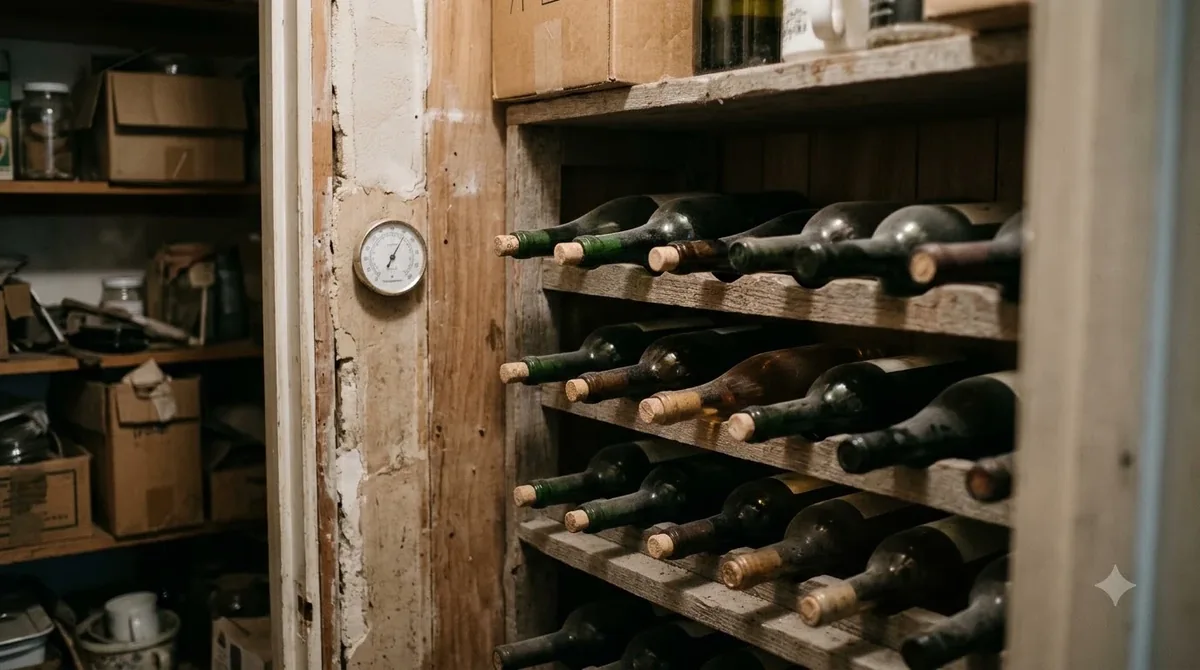
Store an unopened bottle in a cool, dark place away from sunlight, radiators, and temperature swings. A stable environment near 55°F is a useful general target for wine storage; bottles with natural cork are usually stored on their side, while screw-cap bottles can stand upright. This fruit-forward wine is intended for approachable drinking, so there is little reason to cellar it for years.
Serve it cold rather than at full red-wine temperature. A practical target is about 40–50°F for sparkling styles; chill the bottle in advance and use an ice bucket during a longer gathering. Very cold temperatures can mute aromas, so allow a few minutes in the glass if the strawberry and floral notes seem subdued. Avoid leaving an opened bottle in direct sun or on a warm outdoor table. A screw cap is listed by Kroger as part of the package, which makes opening straightforward and means a corkscrew is not needed for that presentation. Keep the cap clean between pours and close the bottle firmly before returning it to the refrigerator. Close the bottle promptly and refrigerate it after pouring. A sparkling-wine stopper can help retain carbonation; a lightly sparkling wine is best finished within about one to three days after opening, with the bottle refrigerated and firmly closed. Plan portions for the group and chill the bottle in advance rather than adding ice unless a deliberately diluted over-ice serve is intended.
Frequently Asked Questions
Is Stella Rosa Pink listed as a vintage wine?
The WinesRate matched listings identify the wine as NV, meaning non-vintage rather than tied to one named harvest year. That is common for approachable wines intended to deliver a consistent house style across releases. A retailer may still show a bottling or inventory code, which is not necessarily a vintage date.
How many servings are in a 750 ml bottle?
Using a standard 5-ounce wine pour, a 750 ml bottle yields about five servings. Actual pours at a party may be smaller or larger, so the number of glasses is a planning estimate rather than a fixed count. For a group, plan one bottle for roughly five modest glasses.
How large are the smaller bottles in fluid ounces?
The 187 ml format is about 6.3 U.S. fluid ounces, while 250 ml is about 8.5 fluid ounces. Those sizes are useful when you want less than a full bottle, but neither should be compared with a 750 ml bottle by shelf total alone. Unit cost gives a fairer measure of value.
Can Stella Rosa Pink be used in a wine cocktail?
Yes. The retailer product information suggests pouring it over ice or mixing it with a preferred spirit for a fruit-forward cocktail. Because the wine is already semi-sweet, start with a small amount of additional sweetener, if any, and use fresh citrus or soda water to keep the finished drink from becoming cloying.
Is Stella Rosa Pink the same as a traditional Champagne?
No. Stella Rosa Pink is identified by its producer as an Italian semi-sweet, semi-sparkling rosé made with Moscato grapes, not as Champagne. Champagne is a protected regional designation for sparkling wine from the Champagne region of France, so a pink color or bubbles alone do not make another wine Champagne.
For most shoppers, the simplest benchmark is WinesRate’s observed $10-to-$15 range for a 750 ml bottle, with local prices and stock confirmed before purchase. Match the size, choose the semi-sweet style because you enjoy it, and serve it well chilled for the strawberry and floral character to show clearly.
More in Wine Brands
 Underwood Wine Price: Compare Bottles, Cans, and Pack SizesUpdated Nov 21, 2026
 Zenato Wine Price: Compare Styles and Choose the Right BottleUpdated Nov 21, 2026
 Zuccardi Wine Price: Compare Bottles and Find the Right RangeUpdated Nov 21, 2026
 Yellow Tail Moscato Review: Taste, Sweetness and Serving TipsUpdated Nov 21, 2026
 Wolf Blass Yellow Label Review: Choose Your Best StyleUpdated Nov 21, 2026
 Wolffer Estate Rose Review: Choose the Right Bottle for Your TableUpdated Nov 21, 2026