


We may earn a commission when you buy through links on this page, at no extra cost to you. Learn more.
The wolftrap wine price typically falls around $9 to $16 for a 750 ml bottle of The Wolftrap Red at US retailers, depending on the vintage and seller. The South African range from Boekenhoutskloof includes red and white blends, so the bottle’s style also matters when comparing listings. Buyers should compare the vintage, bottle size, wine type, and retailer before deciding whether a listed price represents reasonable value.
The Wolftrap is an accessible introduction to South African blended wine, combining Mediterranean grape varieties with fruit-forward flavors and a food-friendly structure. Its red blend is the best-known option, but the white blend offers a different experience for people who prefer citrus, stone fruit, and refreshing acidity. Understanding the differences between these bottles makes it easier to shop with a clear budget and avoid paying more simply because two listings describe the wine differently.
Who This Wine Is For
The Wolftrap suits shoppers looking for approachable South African wine with more character than a simple everyday table wine. Its red blend emphasizes Syrah, Mourvèdre, and Viognier, while its white blend combines Viognier, Chenin Blanc, and Grenache Blanc.
The red is particularly suitable for people who enjoy dark fruit, moderate-to-firm tannins, and savory seasoning. The producer’s 2023 blend contains 79% Syrah, 20% Mourvèdre, and 1% Viognier. That composition helps explain its combination of black cherry, blueberry, plum, violet, and spice. It works well for shoppers who want a substantial red to accompany lamb, grilled beef, burgers, or roasted vegetables rather than a delicate, light-bodied wine.
The white is a better option for someone who prefers brighter fruit and a fresher finish. Its 2024 composition is 34% Viognier, 33% Chenin Blanc, and 33% Grenache Blanc. The producer describes peach, green apple, pineapple, citrus, and lemon zest, supported by lively acidity. These characteristics make it suitable for seafood, chicken, salads, and dishes with herbs or citrus-based sauces.
Both styles are useful for different occasions. A red bottle makes sense for a dinner involving grilled meat or a casual gathering with substantial food, while the white is more adaptable to lighter meals and warm-weather entertaining. Buyers comparing the range can also explore the wolftrap wine to understand the individual bottles before choosing a particular vintage.
There is also a practical reason to consider the range: it gives shoppers a recognizable producer and regional identity without requiring them to understand every South African wine-growing area. People exploring international bottles for the first time can use The Wolftrap as a starting point before branching out into other Wine Brands and grape combinations.
Key Factors to Compare Before Buying
A useful comparison starts with the vintage and bottle size, then moves to the style and retailer. These details matter because a 750 ml bottle of one vintage should not automatically be compared with a larger bottle or a different wine from the same range.
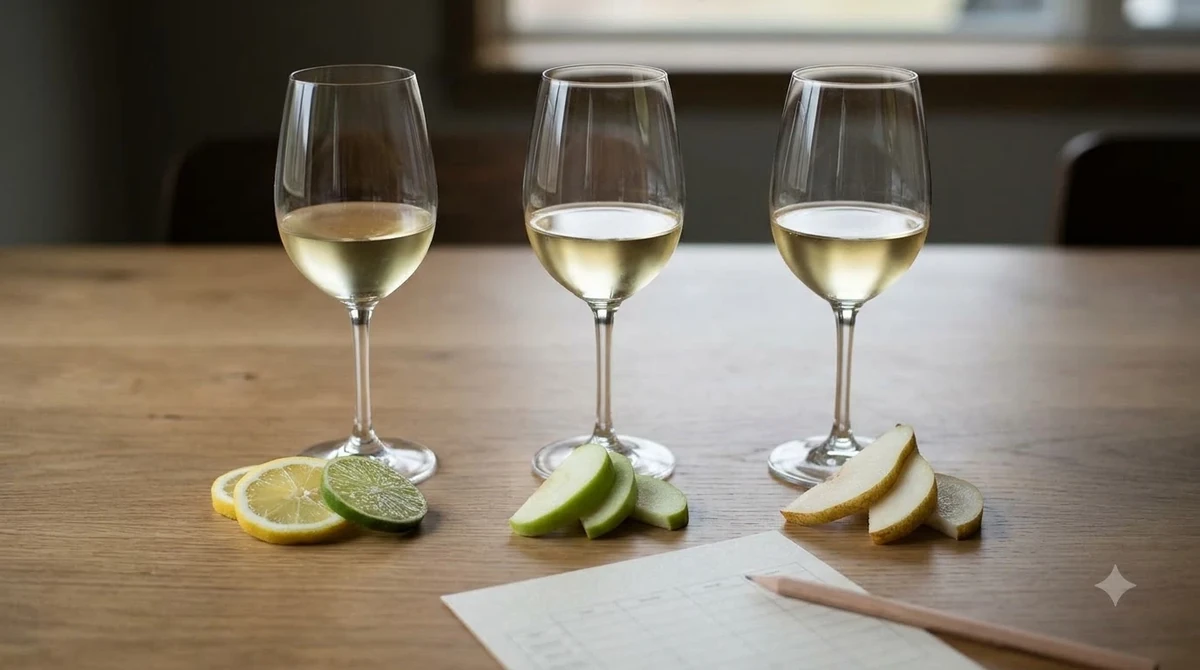
Vintage is especially important for The Wolftrap Red. The producer’s 2023 technical information gives a specific blend composition and wine analysis, while the retail listings show that different vintages can have different prices. A bottle carrying the same brand name does not necessarily have identical proportions, alcohol content, or tasting characteristics from one harvest to another.
Retailer pricing is another important consideration. Caveau’s US comparison places the 2024 Wolftrap Red at a typical price of approximately $13 for 750 ml, with observed retail listings ranging from about $10 to $16. Its 2023 comparison includes one observed listing at approximately $9. These are market observations rather than guaranteed prices, and prices vary by state and retailer. See Caveau’s Wolftrap Red vintage price comparison for the underlying retail comparison.
| Buying factor | What to compare | Why it matters |
|---|---|---|
| Vintage | 2023 versus 2024 | Different harvests can have different blends and retail listings. |
| Bottle size | 750 ml versus 1.5 L | Price per bottle is not the same as price per standard serving. |
| Wine style | Red versus white | The blends have different grapes, flavors, and food uses. |
| Red blend composition | 79% Syrah, 20% Mourvèdre, 1% Viognier in 2023 | Helps explain the wine’s fruit, spice, and tannin profile. |
| White blend composition | 34% Viognier, 33% Chenin Blanc, 33% Grenache Blanc in 2024 | Explains its stone-fruit character and refreshing acidity. |
| Retailer | At least 2 or 3 available listings | Shipping, local taxes, and stock can change the final cost. |
| Serving size | 5 oz per standard pour | A 750 ml bottle provides approximately 5 glasses. |
It is also useful to distinguish a typical retail range from a single listing. One shop might have a particular vintage available at the lower end of the market, while another may charge more because of its location, stock situation, or distribution costs. A comparison across multiple retailers gives a more realistic picture than treating the first result in a shopping search as the normal price.
For a fair comparison, use the same currency, vintage, and bottle size. If one listing is for a 1.5 L bottle and another is for 750 ml, compare their per-750-ml equivalents rather than assuming the larger bottle is automatically better value. Also consider whether the listing includes shipping and whether local taxes are added at checkout.
Step-by-Step: How to Buy The Wolftrap at a Sensible Price
Buying The Wolftrap is easier when the search follows a consistent order. Establish the wine style first, narrow the vintage, and then compare like-for-like retail listings before placing an order.
-
Choose between red and white.
Decide whether the occasion calls for the Syrah-led red blend or the Viognier, Chenin Blanc, and Grenache Blanc white. This prevents confusion between two bottles that share the same brand name but offer very different drinking experiences. -
Set a bottle-size preference.
Use 750 ml as the standard comparison size. If a 1.5 L bottle is available, divide its listed cost by two to calculate its equivalent cost per 750 ml before comparing it with smaller bottles. -
Identify the vintage.
Look at the year printed on the bottle or in the product listing. A 2023 red and a 2024 red should be treated as separate wines for comparison purposes, not as interchangeable listings. -
Check at least two or three retailers.
Compare the available listings for the same vintage and size. Caveau’s reported 2024 retail range of approximately $10 to $16 provides a useful reference, although individual shop prices can fall outside that range. -
Review the product description.
Look for the country of origin, grape varieties, wine style, and alcohol information. For the 2023 red, the producer specifies Western Cape origin and a blend of 79% Syrah, 20% Mourvèdre, and 1% Viognier. -
Calculate the final purchase cost.
Include shipping, applicable taxes, and any minimum-order requirements. A lower advertised bottle cost may not result in a lower total checkout amount if delivery charges are substantial. -
Consider when the bottle will be served.
A wine purchased for a dinner next weekend does not need the same storage planning as a bottle intended for a later occasion. Arrange delivery and storage so that the wine is not exposed to excessive heat or direct sunlight.
This sequence also helps separate an attractive listing from an appropriate purchase. For example, someone planning a lamb dinner has a good reason to choose the red blend, even if the white is listed at a similar price. Someone preparing grilled fish or a citrus-based chicken dish may find the white more suitable.
For shoppers building a mixed selection, buying one red and one white is another reasonable approach. The bottles can serve different meals, and comparing them side by side provides a better understanding of how the producer uses Rhône-inspired grapes and South African fruit.
Tip: Use the 750 ml 2024 Wolftrap Red’s approximately $10 to $16 observed US retail range as a comparison reference, not a guaranteed price. Compare the same vintage and bottle size at several retailers, and include shipping and taxes before deciding.
Types and Styles Explained
The Wolftrap range includes distinct red and white blends, each built around a different combination of grapes. Understanding their composition is more useful than relying on the brand name alone when choosing a bottle.
The Wolftrap Red
The red is based on Syrah, with Mourvèdre adding depth and a small amount of Viognier completing the blend in the producer’s 2023 specification. Syrah contributes dark fruit and a substantial structure, while Mourvèdre brings savory, smoky qualities. Viognier can add aromatic lift to the finished wine.
The producer describes the 2023 wine with blueberries, dark plums, black cherries, violets, rose petals, and garrigue. Further flavors include cured meat, coriander, cloves, and plum sauce. The result is a dry red with ripe fruit, noticeable but velvety tannins, and enough acidity to keep the finish from feeling excessively heavy.
Its listed alcohol content of 14.23% ABV is also relevant to serving decisions. This is a fuller red rather than a delicate wine that should be served close to refrigerator temperature. A serving temperature around 60 to 65 F allows the fruit and savory aromas to become more expressive without making the alcohol seem overly prominent.
The Wolftrap White
The white combines Viognier, Chenin Blanc, and Grenache Blanc in equal or nearly equal proportions. In the 2024 producer specification, Viognier makes up 34%, with Chenin Blanc and Grenache Blanc each accounting for 33%.
Viognier is responsible for much of the ripe peach and floral character, while Chenin Blanc contributes freshness and acidity. Grenache Blanc adds soft yellow-fruit notes and a zesty element. The producer describes a medium-to-full body, with citrus, peach, green apple, pineapple, and lemon zest.
Its 12.33% ABV makes it lighter in alcohol than the 2023 red according to the respective producer analyses. Serve it around 50 to 55 F, particularly when pairing it with grilled chicken, seafood, or dishes featuring fresh herbs. A temperature that is too cold can suppress the wine’s aromatic qualities.
How to Match Each Style with Food
The red is particularly well suited to food with protein, savory seasoning, and some fat. Grilled lamb, beef kebabs, burgers, mushroom dishes, and roasted vegetables are sensible pairings. Salt and fat can soften the perception of tannin, making the wine feel rounder alongside a substantial meal.
The white is more suitable for seafood, roast chicken, vegetable dishes, and foods with citrus or fresh herbs. Its acidity is particularly useful alongside dishes containing lemon, because acidic food generally needs a wine with equal or higher acidity to avoid making the wine taste flat.
Chili-heavy dishes require a little more thought. Alcohol and tannin can amplify the sensation of heat, so a heavily spiced dish may be more comfortable with the white than with the fuller red. For the red, moderate seasoning and roasted or grilled flavors are generally safer choices.
People who enjoy exploring different grape combinations may also find it useful to compare The Wolftrap with familiar international styles. For example, Barefoot wine offers a different brand proposition and a range of approachable styles, while The Wolftrap’s appeal comes from its South African origin and Rhône-inspired blending approach.
Common Mistakes When Comparing Prices
The biggest shopping mistake is treating every bottle labeled The Wolftrap as the same product. The range includes different wine styles, and vintages can have different compositions and characteristics.
One common error is comparing the red and white without recognizing that they are separate blends. The 2023 red is built around 79% Syrah, while the 2024 white uses 34% Viognier and equal 33% portions of Chenin Blanc and Grenache Blanc. Their production details, flavor profiles, and intended food pairings are different.
Another mistake is assuming that an older vintage should always cost more. Wine prices do not necessarily increase with age, particularly for accessible everyday blends. Retail stock, distribution, demand, and the number of available bottles can have a greater effect on the asking price than the number printed on the label.
Buyers should also avoid interpreting one retailer’s listing as the market average. Caveau’s comparison uses multiple US retail offers and distinguishes between vintages. Its 2024 comparison includes a range of approximately $10 to $16, whereas its 2023 comparison has only one observed price point. The difference in the number of listings matters because a single observation provides less information about the broader market.
There is also a difference between a bottle’s listed price and the final amount paid. Delivery charges, local taxes, retailer policies, and state shipping restrictions can change the total. A shopper should compare the final checkout cost rather than making a decision based only on the advertised bottle price.
Finally, do not confuse a bottle’s brand identity with a guarantee of identical production specifications across all years. The producer’s 2023 red information provides specific blend proportions and analysis, but those numbers should not automatically be applied to a different vintage. A careful buyer uses the technical information relevant to the bottle being purchased.
Care and Storage Tips
Good storage protects the wine’s flavor after purchase. The most important considerations are temperature stability, limited light exposure, and avoiding unnecessary movement or heat.
For unopened bottles intended for storage, a cool environment near 55 F is a useful target. Bottles with traditional cork closures are generally stored on their sides to help keep the cork from drying out. Avoid locations near ovens, heating equipment, sunny windows, or other sources of temperature fluctuations.
For a bottle intended to be opened soon, there is no need to treat The Wolftrap like a collectible wine. A stable, dark cupboard away from heat is more sensible than leaving the bottle on a kitchen counter where sunlight and changing temperatures may affect its condition.
Serving temperature has a noticeable effect on how the wine tastes. The red is best served around 60 to 65 F, while the white benefits from approximately 50 to 55 F. If the red has been stored in a warm room, a short period in a cooler environment can help bring it closer to its preferred serving range.
A young, fuller-bodied red may also benefit from a little air before serving. Allowing 30 to 60 minutes in a decanter can soften the initial impression and make the fruit and spice more expressive. Decanting is optional, however, and a standard glass with a few minutes of air can be sufficient for a casual meal.
After opening, reseal the bottle and refrigerate the remaining wine. Even red wine generally lasts longer when stored in the refrigerator after opening rather than being left on the counter. A reasonable general guideline for still wines is three to five days, although flavor and aroma gradually decline.
For the white, a sealed stopper and refrigeration help preserve freshness. For the red, refrigeration also slows oxidation; allow the remaining wine to warm slightly before serving again. Avoid repeatedly exposing either bottle to warm temperatures, since these changes can shorten its useful drinking window.
Buyers who are considering a larger bottle should also think about how many people will share it. A 750 ml bottle provides approximately five standard 5 oz pours. A 1.5 L bottle provides about ten such servings, so it may be more practical for a gathering than purchasing several smaller bottles.
Frequently Asked Questions
Is The Wolftrap made in South Africa?
Yes. The producer identifies the red and white wines discussed here as Western Cape wines from South Africa. The winery’s name, Boekenhoutskloof, also appears on the producer’s technical information and bottle descriptions.
Is The Wolftrap Red suitable for vegetarian meals?
It can work with vegetarian dishes featuring grilled mushrooms, eggplant, lentils, or roasted root vegetables. The producer’s 2023 technical information also identifies the wine as vegan, which may be relevant to shoppers checking production preferences rather than just food pairings.
Does The Wolftrap use screw caps or cork closures?
Closure type can vary by bottle and market, so it should not be assumed from the brand name alone. Buyers can inspect the bottle photographs or product information for the particular listing before purchasing.
Can The Wolftrap Red be served without decanting?
Yes. Decanting is not a requirement for enjoying the wine. A young bottle can be poured directly into a glass and allowed to breathe for several minutes, particularly when served with food.
Is The Wolftrap suitable for a wine gift?
It can be a practical gift for someone interested in South African wines or blended grape varieties. The red is a sensible choice for someone who prefers fuller wines, while the white offers a different option for someone who enjoys aromatic, fruit-driven whites.
The Wolftrap offers two distinct South African wine styles, with the red providing dark fruit and savory spice and the white emphasizing stone fruit and freshness. For buyers comparing the wolftrap wine price, the most useful approach is to match the vintage, style, and bottle size before comparing several US retailers. That makes it easier to choose a bottle that suits both the meal and the intended spending range.
More in Wine Brands
 Underwood Wine Price: Compare Bottles, Cans, and Pack SizesUpdated Nov 21, 2026
 Zenato Wine Price: Compare Styles and Choose the Right BottleUpdated Nov 21, 2026
 Zuccardi Wine Price: Compare Bottles and Find the Right RangeUpdated Nov 21, 2026
 Yellow Tail Moscato Review: Taste, Sweetness and Serving TipsUpdated Nov 21, 2026
 Wolf Blass Yellow Label Review: Choose Your Best StyleUpdated Nov 21, 2026
 Wolffer Estate Rose Review: Choose the Right Bottle for Your TableUpdated Nov 21, 2026