

We may earn a commission when you buy through links on this page, at no extra cost to you. Learn more.
This stella rosa platinum review finds that Stella Rosa Platinum is a good choice for wine drinkers who enjoy semi-sweet white wine, gentle carbonation, and approachable green apple, vanilla, and elderflower flavors. Made in Piedmont, Italy, this 5% ABV wine combines a proprietary grape blend with natural flavors and natural carbonation. Its sweet-leaning profile and light bubbles make it particularly suitable for casual gatherings, fruit-based desserts, and chilled sipping rather than traditional dry-white-wine occasions.
Stella Rosa Platinum occupies a particular place in the Stella Rosa range: it offers the easy-drinking character associated with the brand while emphasizing a combination of crisp fruit, fragrant vanilla, and floral notes. It is not intended to resemble a bone-dry Sauvignon Blanc or a complex, traditionally fermented Champagne. Instead, its appeal comes from accessible sweetness, moderate acidity, and a soft sparkling sensation. Understanding those characteristics makes it easier to decide whether this bottle belongs at your next dinner, celebration, or relaxed evening gathering.
Who This Wine Is For
Stella Rosa Platinum is best suited to adults who prefer approachable, fruit-forward white wine over sharply dry or heavily oaked styles. Its semi-sweet character, gentle carbonation, and relatively low alcohol level make it an accessible option for people exploring Italian wine without committing to a more structured or intensely flavored bottle.
The first group likely to appreciate this wine is drinkers who enjoy recognizable flavors. Green apple gives the wine a fresh-fruit direction, vanilla contributes a softer aromatic impression, and elderflower adds a floral element. These characteristics make it easy to understand without needing detailed knowledge of grape varieties, regional classifications, or winemaking techniques.
It is also worth considering for social occasions. A 750 ml bottle provides approximately five standard 5-ounce servings, making it suitable for a small gathering. The bubbles give each pour a celebratory quality, while the moderate sweetness makes it approachable for people who do not regularly choose traditional dry whites.
However, this is not the ideal purchase for every wine drinker. Someone who normally chooses Chablis, Sancerre, unoaked Chardonnay, or dry sparkling wine may find Platinum sweeter and more aromatic than expected. Those looking for pronounced oak, mineral complexity, or a long, restrained finish should consider a different style.
The wine also suits people interested in serving something different from conventional sparkling wine at informal occasions. Its natural carbonation creates a lively texture, but the overall experience remains softer and sweeter than many traditional sparkling wines.
For readers comparing different bottles from the producer, the wider Stella Rosa wine range includes several fruit-forward styles with different colors, sweetness levels, and flavor profiles. Comparing those options before purchasing can help establish whether Platinum is the right fit.
Key Factors to Compare Before Buying
The most useful buying criteria are sweetness, alcohol content, carbonation, flavor, and bottle size. These five details provide a clearer picture of the drinking experience than the wine’s packaging or collection name alone.
| Buying factor | Stella Rosa Platinum | What it means |
|---|---|---|
| Wine style | Semi-sweet white | Noticeable sweetness without being classified as a dessert wine |
| Carbonation | Naturally carbonated | Light, lively bubbles |
| Alcohol | 5% ABV | Lower alcohol than many conventional table wines |
| Standard bottle | 750 ml | Approximately five 5-ounce servings |
| Fruit character | Green apple | Fresh, crisp fruit impression |
| Additional aromas | Vanilla and elderflower | Soft, fragrant, floral character |
| Origin | Piedmont, Italy | Italian wine production |
| Vintage | Non-vintage | Not identified with one specific harvest year |
Sweetness deserves the most attention. Stella Rosa Platinum is described by retailers as semi-sweet rather than dry. That distinction matters because sweetness influences both food compatibility and the way the wine feels on the palate. People who enjoy Moscato, sweeter Riesling, or fruit-forward sparkling wine may find the profile familiar. Those who prefer crisp, bone-dry whites may want a different bottle.
Alcohol content is another important comparison point. Wine.com lists Platinum at 5% ABV, which is lower than the alcohol level of many conventional still wines. This makes the wine different in structure from a typical 12% to 14% ABV Chardonnay or Sauvignon Blanc. It does not, however, mean that the wine is alcohol-free or that its servings can be treated as interchangeable with nonalcoholic beverages.
Carbonation also changes the experience. Rather than presenting as a completely still white wine, Platinum has natural bubbles that contribute freshness and a slightly lively texture. The carbonation makes it particularly suitable for chilled service and casual celebrations.
Bottle size is worth considering as well. A standard 750 ml bottle holds approximately five 5-ounce pours. Smaller bottles can be convenient when only one or two servings are needed, while larger formats are more practical for gatherings where several people will be drinking the same wine.
Tip: Compare sweetness and alcohol percentage before comparing labels. A wine with attractive fruit imagery can still taste quite different from what you expect if you normally drink dry white wine.
For a more detailed explanation of the wine’s strength, serving implications, and label terminology, see the dedicated Stella Rosa Platinum alcohol content breakdown.
Step-by-Step: How to Choose and Serve Stella Rosa Platinum
Choosing and serving this wine correctly is straightforward. The most important steps are checking the bottle format, understanding the flavor profile, chilling it properly, and selecting foods that complement its sweetness.
-
Confirm that you want a semi-sweet wine.
Start by deciding whether a noticeable fruity sweetness appeals to you. Platinum is not a dry white wine, so someone who usually prefers crisp, restrained wines should approach it with different expectations. Its green apple and vanilla character makes more sense for drinkers who enjoy aromatic, approachable styles.
-
Choose the appropriate bottle size.
A 750 ml bottle provides approximately five standard 5-ounce servings. If you are organizing a small gathering, calculate the number of guests and likely pours before choosing how many bottles to purchase. A smaller format can make sense when you want to sample the wine without opening a full bottle.
-
Chill the wine before serving.
Place the bottle in the refrigerator ahead of your planned serving time. A serving temperature around 45–50 degrees Fahrenheit works well for light, semi-sparkling white wine. This temperature helps preserve the fresh fruit character and keeps the bubbles refreshing rather than allowing the sweetness to dominate.
-
Select appropriate glassware.
A small white-wine glass or sparkling-wine glass works well. Choose a glass with enough room to appreciate the green apple, vanilla, and floral aromas while retaining the wine’s carbonation. Avoid filling the glass to the rim; a 5-ounce serving leaves enough room for the wine’s aromatic character.
-
Pour gently.
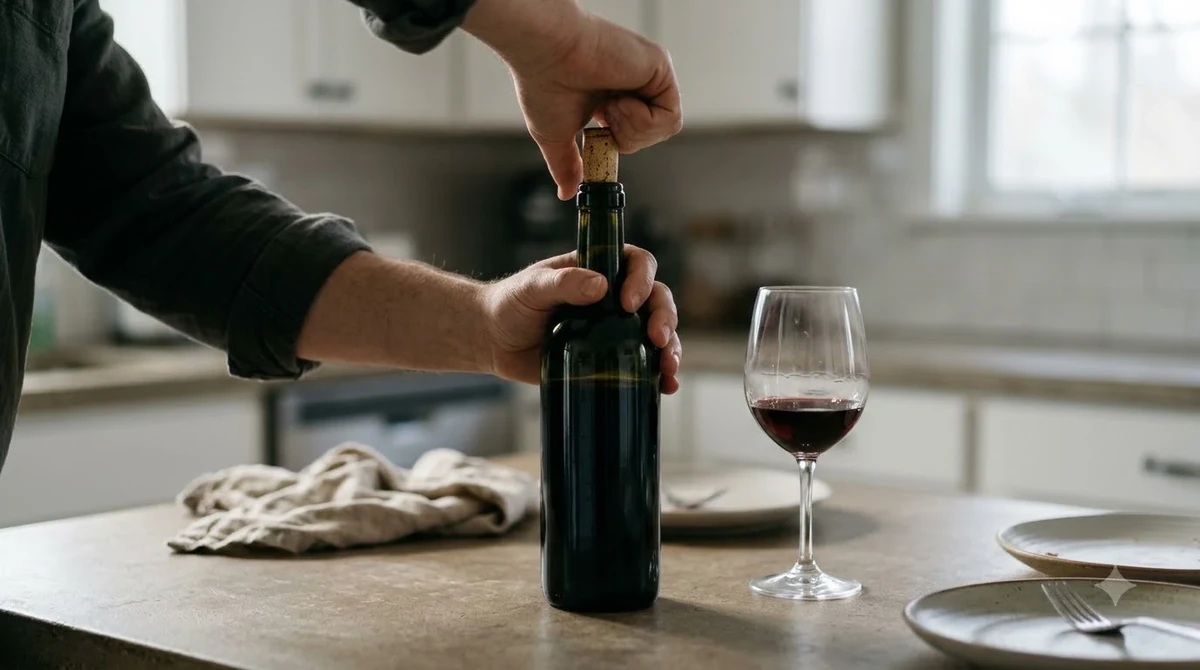
Open the bottle carefully and pour slowly down the side of the glass. This helps limit excessive foaming and preserves more of the natural bubbles. Allow a moment for the wine to settle before serving it alongside food.
-
Pair it with complementary flavors.
Fresh fruit, mild cheeses, grilled pork, and fruit-based desserts are sensible starting points. Avoid dishes with very aggressive chili heat or heavily tannic ingredients, since alcohol and tannin can intensify the sensation of spice.
-
Refrigerate the remaining wine.
If the bottle is not finished, close it with a suitable sparkling-wine stopper and return it to the refrigerator. Stella Rosa’s official guidance recommends consuming opened bottles within 2–3 days. The carbonation may become less pronounced during that period.
These steps are especially useful for first-time buyers because temperature and serving method influence the wine’s perceived sweetness. A properly chilled glass generally feels fresher and more balanced than a warm pour.
Types and Flavor Styles Explained
Understanding the wine’s components helps explain why Stella Rosa Platinum tastes different from many other Italian white wines. It is a proprietary blend with added natural flavors and natural carbonation, rather than a straightforward single-varietal dry white wine.
Green apple
Green apple is one of the most recognizable flavor references associated with Platinum. It gives the wine a fresh-fruit identity and helps offset the impression created by its sweetness. Think of crisp apple flesh rather than concentrated baked-apple or jam-like flavors.
This fruit character makes the wine particularly compatible with fresh fruit plates, mild cheeses, and lightly seasoned appetizers. Green apple also gives the wine a familiar aromatic direction for people who enjoy fruit-forward white wines.
Vanilla
Vanilla contributes a softer impression. It makes the aromatic profile feel rounder and gives the wine a dessert-friendly quality. It should not be confused with proof of oak-barrel aging: the producer’s product descriptions identify natural vanilla flavoring as part of the wine’s profile.
That distinction matters for buyers who associate vanilla with traditional oak-aged Chardonnay. Platinum is a different style, built around a proprietary blend, sweetness, and aromatic flavor characteristics.
Elderflower
Elderflower provides the floral side of the wine’s identity. Its fragrant character helps distinguish Platinum from simple sweet white wines that concentrate mainly on apple or peach flavors.
Floral aromas are particularly noticeable when the wine is served chilled but not excessively cold. They also make the wine a natural companion for fresh berries, fruit tarts, and lightly sweetened desserts.
Natural carbonation
Natural carbonation is another defining feature. According to Wine.com, the wine is naturally carbonated, while H-E-B explains that alcohol develops alongside carbonation during fermentation. This contributes to its semi-sparkling classification.
It is important not to confuse semi-sparkling wine with Champagne or traditional-method sparkling wine. Champagne and Cava undergo a second fermentation in the bottle, whereas Platinum’s production description emphasizes carbonation developing during fermentation. The resulting drinking experience is therefore different.
Sweetness and acidity
Although Platinum is semi-sweet, its acidity helps keep the flavor from feeling excessively heavy. H-E-B describes its natural acidity and low pH as balancing the inherent sweetness. This is an important characteristic because sweetness alone does not determine whether a wine feels refreshing.
The overall impression is a combination of fruit, aromatic sweetness, floral notes, and light bubbles. It is designed for immediate enjoyment rather than extended bottle aging or detailed analysis of vineyard expression.
Readers who want to explore the broader category can also compare Platinum with Moscato-based wines and other Italian aromatic whites. Those styles may share fragrant fruit characteristics, but they can differ considerably in sweetness, alcohol, acidity, and carbonation.
Common Mistakes When Buying and Drinking This Wine
The biggest mistakes involve expecting a dry wine, confusing semi-sparkling wine with Champagne, and overlooking the importance of serving temperature. A little preparation prevents most disappointments and makes the bottle easier to enjoy.
Expecting a dry white wine
One of the most common purchasing mistakes is assuming that every white wine has the same level of sweetness. Platinum is explicitly classified as semi-sweet, so it is not a direct substitute for a dry Pinot Grigio or Sauvignon Blanc.
Its green apple aromas may initially suggest freshness, but the vanilla and sweetness create a noticeably different profile. Buyers who want pronounced citrus, mineral character, and a crisp dry finish should consider a different category.
Assuming it is Champagne
The presence of bubbles does not automatically make a wine Champagne. Champagne is associated with a specific French region and production requirements, while Stella Rosa Platinum is an Italian semi-sparkling wine from Piedmont.
It is better to describe Platinum according to its actual style rather than comparing it too closely with traditional-method sparkling wines. Its natural carbonation and sweeter flavor profile create a more casual drinking experience.
Serving it too warm
Warm white wine can seem sweeter and less refreshing. This is particularly relevant with a semi-sweet wine that already has noticeable vanilla and fruit characteristics.
Serve Platinum around 45–50 degrees Fahrenheit rather than leaving the bottle on a warm dining table for an extended period. If guests are drinking slowly, keep the bottle in an ice bucket or return it to the refrigerator between pours.
Pairing it with overly spicy dishes
Sweet wine can work well with some spicy foods, but alcohol can amplify the perception of chili heat. Platinum’s fruitiness does not automatically make it suitable for every heavily seasoned dish.
Choose mild or moderately seasoned food instead. Grilled pork with a lightly sweet glaze, fresh fruit, and mild cheddar are more predictable combinations than intensely hot curries or dishes dominated by chili oil.
Using the wrong dessert pairing
A dessert should generally be no sweeter than the wine served alongside it. Otherwise, the wine can seem comparatively acidic, thin, or less expressive.
Fresh berries, apple pastries, and lightly sweetened vanilla desserts are better starting points than intensely sugary cakes with thick frosting. The goal is to let the wine’s own sweetness remain noticeable rather than making it seem less flavorful.
Ignoring the difference between aroma and grape variety
Green apple, vanilla, and elderflower describe the wine’s aromatic and flavor profile, not a complete list of its grape varieties. Wine.com describes the blend as proprietary, and H-E-B identifies Moscato Canelli as one of its grape components.
Buyers should therefore avoid assuming that Platinum is simply a bottle of Moscato or that every flavor reference represents a separate grape. Its identity comes from the combination of the blend, natural flavors, and production method.
Care, Storage, and Serving Tips
Stella Rosa Platinum is intended for relatively early consumption rather than long-term cellaring. Correct refrigeration, careful opening, and prompt consumption after opening help preserve its freshness and carbonation.
Before opening
Keep unopened bottles in a cool, dark location away from direct sunlight and significant temperature fluctuations. A consistent storage temperature is more important than placing the bottle in a decorative wine display.
For longer-term wine storage generally, a cool environment near 55 degrees Fahrenheit is a useful reference. However, Platinum is a fresh, semi-sparkling wine that is better purchased for relatively near-term enjoyment than treated as a collectible bottle.
Stella Rosa’s official FAQ gives its wines a general unopened shelf-life recommendation of 1–2 years and advises against keeping them longer. This is a useful purchasing consideration: there is little reason to buy a bottle specifically to age it for several years.
Chilling and opening
Refrigerate the bottle before serving and aim for approximately 45–50 degrees Fahrenheit. This temperature range helps maintain freshness while allowing the green apple, vanilla, and elderflower character to remain noticeable.
Open the bottle gently to avoid losing carbonation unnecessarily. Keep the bottle upright during serving and avoid vigorous shaking. If you are pouring several glasses, use a slow, controlled pour rather than rushing the wine into each glass.
After opening
Once opened, refrigerate the remaining wine. The producer recommends consuming opened Stella Rosa wines within 2–3 days. A suitable sparkling-wine stopper can help slow the loss of carbonation, although it cannot restore bubbles that have already escaped.
For the best experience, plan servings around the amount you expect to drink. A standard 750 ml bottle contains about five 5-ounce servings, so a small gathering may finish it in one sitting without leaving much wine for later.
Choosing the right occasion
Platinum works particularly well for casual celebrations, brunch-style gatherings, dessert courses, and informal evenings. Its semi-sparkling character gives it more occasion appeal than an ordinary still white wine, but its sweetness makes it less suitable for every formal dinner menu.
It can also be served over ice, as suggested in H-E-B’s product description. This changes the concentration and texture as the ice melts, so use a relatively small amount of ice and serve immediately if you want to retain the wine’s original character.
Another option is to use Platinum as a cocktail ingredient. Fresh apple slices, citrus peel, or berries can complement its existing aromatic profile. Avoid adding too much sweet syrup because the wine already has an identifiable sweet character.
For readers building a broader understanding of producers, grape varieties, and wine styles, the Wine Brands resource provides a useful starting point for comparing different labels and their approaches to winemaking.
For the manufacturer’s guidance on storage, dietary information, and product questions, consult the official Stella Rosa FAQ. Its recommendations are especially useful when checking how long an opened bottle should be kept.
Frequently Asked Questions
Does Stella Rosa Platinum contain caffeine?
Stella Rosa Platinum is a wine, and its published ingredient list does not identify caffeine as an ingredient. The listed components include wine, water, grape must, Moscato grape must, sugar, natural flavors, and sulfur dioxide. It should not be confused with a caffeinated wine cocktail or an energy drink.
Does Stella Rosa Platinum have a vintage year?
Wine.com identifies Stella Rosa Platinum as non-vintage. This means it is not presented as a wine from one particular harvest year. The non-vintage designation is common for wines where consistency of the intended house style is more important than highlighting an individual growing season.
Can Stella Rosa Platinum be used for a wine spritzer?
Yes. Its existing carbonation and fruit-forward profile make it suitable as a base for a simple spritzer. A small splash of chilled sparkling water and a thin green apple slice can provide a lighter presentation without introducing a competing flavor. Add the sparkling water immediately before serving to retain the liveliness of the drink.
Does Stella Rosa Platinum contain sulfites?
Yes. H-E-B identifies sulfur dioxide as an antioxidant in the ingredient list, and its product information explicitly identifies sulfites. The ingredient declaration is useful for people who need to pay attention to sulfite labeling when selecting wine.
Is Stella Rosa Platinum suitable for a traditional wine tasting flight?
It can be included in a tasting flight focused on sweet and semi-sweet aromatic wines. Place it alongside Moscato-style wines or other lightly sparkling whites rather than treating it as a direct comparison with dry, oak-aged Chardonnay. Serving the drier wines first and the sweeter wines afterward makes the differences easier to recognize.
Stella Rosa Platinum is a sensible choice for drinkers who enjoy semi-sweet white wine with natural carbonation and recognizable green apple, vanilla, and elderflower character. Its 5% ABV, Italian origin, and approachable flavor profile make it particularly suited to relaxed occasions and fruit-friendly food pairings. If you prefer dry, complex whites, it may not match your expectations; if you enjoy sweeter aromatic wines, it is a style worth considering for your next chilled pour.
More in Wine Brands
 Taittinger Brut Price: What to Expect for Your BottleUpdated Nov 21, 2026
 Sutter Home Sweet Red Price: Bottle Sizes and Buying TipsUpdated Nov 21, 2026
 St Francis Wine Review: Find the Right Sonoma Wine for Your TasteUpdated Nov 21, 2026
 Sofia Blanc De Blancs Review: Taste, Sweetness, Food Pairings, and Buying TipsUpdated Nov 21, 2026
 Smoking Loon Wine Review: Choose the Right Bottle for Your TableUpdated Nov 21, 2026
 Sofia Blanc De Blancs Price: What to Expect and How to BuyUpdated Nov 21, 2026