

We may earn a commission when you buy through links on this page, at no extra cost to you. Learn more.
This sassicaia wine review explains why Tenuta San Guido’s celebrated Bolgheri red is worth considering for collectors, special occasions, and Cabernet Sauvignon enthusiasts. Made primarily from Cabernet Sauvignon with Cabernet Franc, Sassicaia combines structured tannins, fresh acidity, concentrated dark fruit, and distinctive Tuscan coastal character. Understanding its vintage differences, ageing potential, serving requirements, and food compatibility helps buyers choose a bottle that suits their expectations.
Sassicaia occupies a distinctive position in Italian wine. It helped establish Bolgheri as an internationally recognized destination for Cabernet-based reds and became an influential example of the wines commonly called Super Tuscans. Produced by Tenuta San Guido, it is not simply another expensive Cabernet blend: its identity is tied to particular vineyard parcels, stony soils, maritime influences, and a consistent emphasis on balance. Whether selecting a young vintage for a future celebration or an older bottle for immediate enjoyment, buyers should understand what makes this wine distinctive before choosing.
Who This Is For
Sassicaia is especially suitable for buyers who appreciate structured Cabernet Sauvignon, refined oak influence, and wines that develop additional complexity with bottle age. It is a compelling choice for collectors and enthusiasts who value Tuscan wine history as much as the character in the glass.
The first audience is the Cabernet Sauvignon enthusiast. Sassicaia offers the familiar structure associated with Bordeaux varieties, including dark fruit, firm but refined tannins, and savory complexity. However, its Bolgheri origins give it a different personality from Cabernet Sauvignon produced in Napa Valley or Bordeaux. The coastal Tuscan environment and the estate’s varied vineyard elevations contribute to a wine that can combine concentration with freshness.
The second audience is the collector interested in wines with a documented history of development. Sassicaia’s first commercial vintage was 1968. Its reputation has been reinforced by decades of critical attention and vertical tastings. Decanter’s tasting of 10 vintages spanning 1999 through 2019 highlighted how individual growing seasons influence the wine while the estate maintains an identifiable style. The 1999, for example, remained lively at 23 years old when tasted from magnum.
Special-occasion buyers may also appreciate Sassicaia. It works particularly well for formal dinners, anniversaries, milestone celebrations, and thoughtful gifts for people who already enjoy premium Italian reds. Its recognizable name and established provenance make it an interesting conversation piece, while its structured profile gives it enough substance to accompany substantial food.
However, Sassicaia is not necessarily the right choice for someone seeking a soft, uncomplicated red for casual drinking. Cabernet Sauvignon contributes significant tannin, and the wine’s structure may be more demanding than that of a light-bodied Pinot Noir or an easy-drinking Merlot. Buyers who prefer sweet reds, low-tannin wines, or bottles intended for immediate uncomplicated enjoyment should consider their preferences carefully.
It is also important to distinguish interest in the wine from interest in its reputation. A famous label does not automatically make a bottle suitable for every meal or drinking occasion. Someone who enjoys fresh acidity, restrained elegance, and evolving aromas is more likely to appreciate Sassicaia than someone who wants an intensely sweet, heavily oaked, immediately accessible red.
Key Factors to Compare
The most important buying considerations are vintage, grape composition, vineyard origin, ageing, and bottle condition. These details influence how Sassicaia develops and whether a particular bottle is ready to drink or better suited to a cellar.
| Factor | What to Look For | Why It Matters |
|---|---|---|
| Producer | Tenuta San Guido | Confirms the estate responsible for the original Sassicaia. |
| Appellation | Bolgheri Sassicaia DOC | Identifies the wine’s specific Tuscan designation. |
| Main grapes | Cabernet Sauvignon and Cabernet Franc | Establishes its Bordeaux-variety character. |
| Vineyard altitude | 100 to 400 meters | Reflects the estate’s varied growing conditions. |
| Soil composition | Limestone, galestro, stones, pebbles, and clay | Provides context for the vineyard’s individual character. |
| 2022 maceration | 13 to 18 days | Shows the extraction period for that specific vintage. |
| 2022 wood ageing | Approximately 23 months | Indicates the time spent maturing in wood. |
| 2022 alcohol | 13.5% ABV | Provides a concrete reference for that vintage. |
| Bottle format | 750 ml | Standard format for approximately five 5-ounce servings. |
| Storage temperature | Approximately 55°F | Helps preserve the wine during long-term storage. |
Vintage selection deserves particular attention. Sassicaia is a vintage-specific wine, so the weather and growing conditions of a particular season affect its fruit concentration, acidity, tannin development, and drinking window. The 2022 vintage, for example, experienced considerable summer heat. Tenuta San Guido explains that Bolgheri’s favorable microclimate helped preserve freshness and acidity despite the conditions. Its producer information records approximately 23 months of wood maturation.
Compare that with the 2021 vintage, for which the estate describes approximately 24 months of ageing in wood. These figures show why buyers should avoid assuming that every Sassicaia vintage follows precisely the same production schedule. Small changes in growing conditions and winemaking decisions can produce meaningful differences in the finished wine.
Grape composition is another important consideration. Cabernet Sauvignon provides the principal structure, dark-fruit character, and tannin, while Cabernet Franc contributes additional aromatic detail and complexity. The proportions can vary with vintage. Buyers interested in the exact composition should consult the technical information for the particular release rather than assume that every bottle uses identical proportions.
The vineyard location also helps explain Sassicaia’s identity. Tenuta San Guido’s production area includes limestone-rich galestro, stones, pebbles, and partially clay-based soils. The vineyards occupy elevations between 100 and 400 meters above sea level. These different conditions contribute individual components to the finished blend and provide a more specific picture of its origin than the broad description of a Tuscan Cabernet blend.
Finally, examine provenance when buying older bottles. A well-preserved young wine can be a better purchase than an older bottle with uncertain storage conditions. For collectible wine, reliable sourcing, a sound capsule, appropriate fill level, and evidence of careful storage all deserve attention.
Step-by-Step: How to Choose Sassicaia
A good purchase begins with a clear drinking purpose and a realistic understanding of vintage development. Follow these steps to choose a bottle that matches the occasion rather than selecting solely by reputation.
-
Decide when the wine will be opened. Determine whether the bottle is intended for dinner next month, a celebration in five years, or a longer-term cellar collection. A relatively mature bottle may suit an upcoming occasion better than a youthful vintage that needs additional development. Decanter’s general guidance suggests that Sassicaia is often best after approximately 10 years, although individual vintages and storage histories matter.
-
Choose a vintage with the right character. Research the specific growing season rather than assuming that the newest release is automatically the best choice. A warm vintage may offer generous fruit and a fuller impression, while a cooler or more balanced season can emphasize freshness and definition. The 2008, for example, was highlighted in Decanter’s vertical tasting for its balance of concentration and freshness.
-
Confirm the producer and appellation. Look for Tenuta San Guido and Bolgheri Sassicaia DOC. Sassicaia has its own appellation, making it distinct from other wines simply described as Bolgheri reds or Super Tuscans. This distinction is particularly useful when shopping through merchants offering several premium Tuscan Cabernet blends.
-
Review the vintage-specific blend. Cabernet Sauvignon is the principal variety, accompanied by Cabernet Franc. If the exact composition matters to the purchase, consult the technical information for the particular vintage. The balance of the two grapes contributes to the wine’s structure and aromatic complexity, but the precise proportions should not be assumed to remain identical across releases.
-
Evaluate bottle provenance. Buy from a reputable wine merchant with clear information about storage and sourcing. For older vintages, examine the fill level, cork condition, capsule, label, and any available ownership or storage records. Avoid bottles showing unexplained leakage or obvious signs of heat exposure.
-
Plan the opening and serving conditions. Allow enough time to bring the wine toward approximately 60 to 65°F, the recommended range for full-bodied reds. Arrange suitable stemware and consider decanting a young bottle for 30 to 60 minutes. Older bottles may require gentler handling and a shorter period of air exposure.
These steps also help separate a purchase intended for enjoyment from one intended for collecting. A bottle purchased for a dinner should be selected according to its expected maturity and the menu. A bottle intended for long-term storage should receive more attention to provenance, cellar conditions, and the vintage’s potential for development.
For additional background on the producer and its place among important wine estates, the Wine Brands resource provides a useful starting point for comparing established producers and their regional identities.
Tip: If the bottle is intended for a dinner in the near future, prioritize drinking readiness and storage history over vintage prestige. A mature, properly stored Sassicaia is generally a more practical choice for immediate enjoyment than a very young bottle that may benefit from several additional years in the cellar.
Types or Styles Explained
Sassicaia is a single flagship wine rather than a large family of unrelated commercial styles. The most meaningful distinctions are between individual vintages, different stages of bottle maturity, and the wine’s relationship to the wider Bolgheri and Super Tuscan categories.
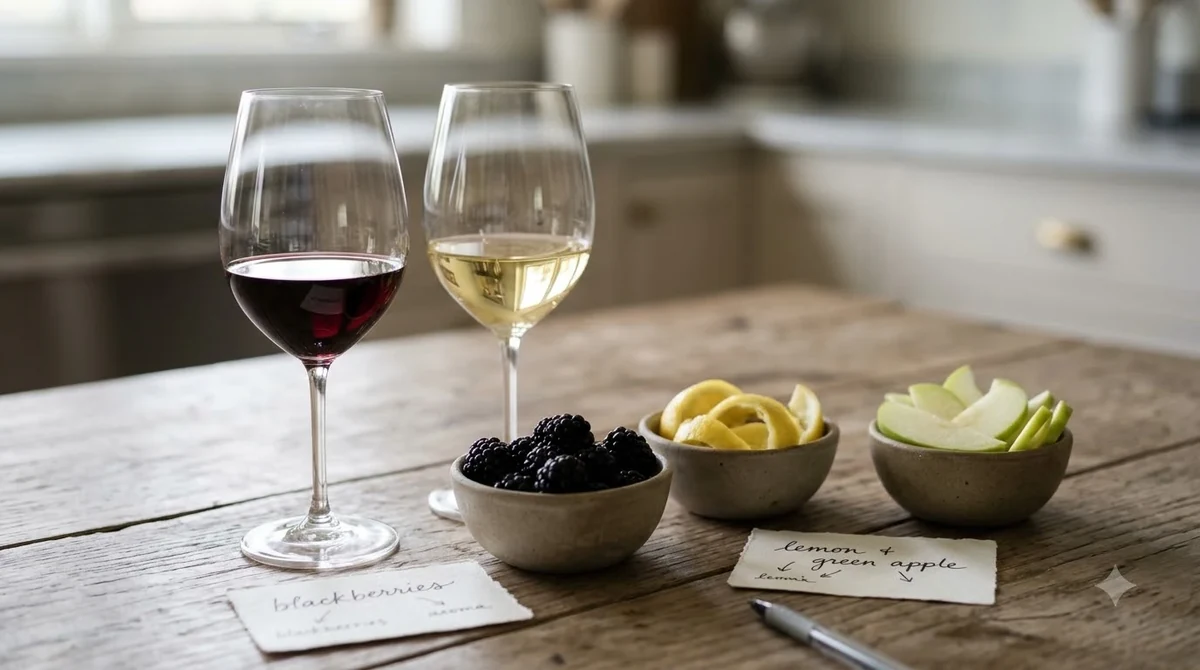
The classic Sassicaia profile is based on Cabernet Sauvignon and Cabernet Franc. It typically combines dark fruit, fresh acidity, refined tannins, savory notes, and oak-derived complexity. Depending on the vintage and its maturity, the aromatic range can include blackcurrant, blackberry, blueberry, tobacco, herbs, cedar-like impressions, and spice.
Wine Enthusiast’s review of the 2022 vintage specifically describes vanilla, tobacco leaf, wild blackberries, and blueberries. Its reviewer also highlights lively acidity, flexible tannins, and a warm citrus finish. These details illustrate an important point: Sassicaia’s structure is not simply about power. Acidity and aromatic freshness contribute to the wine’s overall balance.
Young Sassicaia generally presents more obvious primary fruit and firm tannins. A young bottle can show concentrated blackberry and cassis character, aromatic herbs, and a pronounced structural framework. Its oak influence may also be more apparent before extended bottle development integrates the different elements.
Young vintages are especially suitable for collectors who enjoy following a wine’s development. However, a young bottle should not automatically be treated as fully mature just because it has already spent considerable time ageing before release. Its subsequent development in bottle can add complexity and greater integration.
Mature Sassicaia develops additional aromatic complexity. With suitable bottle age, primary fruit can become more integrated with secondary and tertiary characteristics such as tobacco, dried herbs, leather, cedar, earthy notes, and savory spice. The tannins may feel more polished, while the wine’s aromatic profile becomes more layered.
Decanter’s vertical tasting provides a helpful illustration of vintage variation. The 1999 showed remarkable liveliness at 23 years old in magnum, while the 2005 retained energetic freshness and dry, defined tannins. The 2013 was described as particularly harmonious, and the 2017 demonstrated freshness despite a very hot and dry growing season.
Sassicaia and the Super Tuscan category should also be distinguished. Super Tuscan is a broad descriptive term for important Tuscan wines that use international varieties or combinations outside traditional local appellation conventions. Sassicaia is one of the most historically influential examples, but not every Super Tuscan is Sassicaia or shares its exact style.
Its dedicated Bolgheri Sassicaia DOC further distinguishes it from the broader category. This appellation reflects the importance of the wine’s specific estate and production origin. It should not be confused with a generic designation for any Cabernet-based red made in Tuscany.
For readers exploring the estate’s broader identity, Sassicaia wine offers a useful way to understand the producer’s signature bottle. Those specifically interested in its grape-based structure can also explore Sassicaia red wine for additional context about its red-wine character.
Common Mistakes
The most frequent buying and serving mistakes involve treating all vintages as identical, opening young bottles without preparation, and confusing Sassicaia’s reputation with an expectation of immediate drinking pleasure. Avoiding these errors makes the experience more rewarding.
Assuming every vintage tastes the same is a particularly common misunderstanding. The blend and estate identity provide continuity, but seasonal conditions can influence fruit ripeness, acidity, tannins, and overall weight. The 2011 vintage, for instance, experienced hot and dry conditions across much of Tuscany, yet Decanter notes that Tenuta San Guido’s vineyard elevations and woodland protection contributed to a successful result.
The 2017 vintage provides another example. Although the growing season was extremely dry and hot, Decanter’s vertical tasting described the resulting wine as fragrant, harmonious, and fresh. This demonstrates why vintage selection should involve producer-specific information rather than broad assumptions about the weather in Tuscany.
Opening a young bottle immediately before dinner can also limit its aromatic expression. Cabernet Sauvignon has naturally high tannin, and a youthful Sassicaia can feel firm when first poured. Giving it 30 to 60 minutes in a decanter can help expose additional aromas and soften the immediate impression of its structure.
That does not mean every bottle needs prolonged aeration. An older vintage may be more fragile, particularly if it has already developed substantial tertiary complexity. Extended exposure to oxygen can cause delicate aromas to fade. A mature bottle should be opened carefully and assessed gradually rather than automatically receiving the same treatment as a young one.
Serving it too warm is another avoidable mistake. Full-bodied reds served at typical warm room temperatures can seem more alcoholic and less balanced. Sassicaia generally benefits from a serving temperature around 60 to 65°F. A short period of cooling may be appropriate if the bottle has been kept in a warm room.
Pairing it with unsuitable food can also diminish its character. Highly spicy dishes may make the alcohol and tannins seem more pronounced. Delicate white fish, especially oily fish, can clash with the structure of a tannic Cabernet-based red. Very sweet desserts are another poor choice because the wine can seem bitter or sour beside them.
Instead, match Sassicaia with dishes that have enough flavor, protein, and richness to complement its structure. Grilled beef, roasted lamb, braised short ribs, game, and aged hard cheeses are generally more appropriate choices. Salt and fat can soften the perception of tannin, while savory cooking methods complement the wine’s herbal and dark-fruit characteristics.
Ignoring provenance when buying older vintages can be more damaging than choosing a less fashionable vintage. A poorly stored bottle may have lost freshness, developed premature oxidation, or suffered from heat exposure. For collectible wines, the seller’s storage practices and the bottle’s physical condition should be treated as essential purchase considerations.
Care and Storage Tips
Proper storage and serving make a substantial difference to Sassicaia, especially if the bottle is intended to develop for years. Consistent cool temperatures, limited light exposure, and careful handling help protect its aromas and structure.
Store unopened bottles horizontally when they have natural cork closures, allowing the cork to remain in contact with the wine. A storage temperature near 55°F is a useful target. Avoid frequent temperature changes, direct sunlight, strong vibration, and locations near ovens, radiators, or other heat sources.
Temperature stability is particularly important for wines intended for extended ageing. A cellar that remains consistently cool is preferable to a storage area that repeatedly warms and cools. High temperatures can accelerate development and damage delicate aromas, while repeated fluctuations can create additional stress on the closure.
Humidity also matters. A moderately humid environment helps prevent natural corks from drying out, although excessive humidity can damage labels and encourage mold growth on exterior surfaces. Bottles should be kept in a clean, dark storage area where their condition can be monitored.
Serve at the appropriate temperature. For a full-bodied red such as Sassicaia, approximately 60 to 65°F is a practical target. If the bottle has been stored at cellar temperature near 55°F, allow it to warm gradually after opening. Avoid aggressive warming or placing the bottle beside a heat source.
Use suitable glassware. A large red-wine glass with enough room for swirling helps concentrate the aromas while allowing them to develop. Pouring approximately 5 ounces into a glass provides adequate space for assessing the wine without filling the bowl too high. A standard 750 ml bottle supplies roughly five servings of this size.
Decant according to age. A young, structured Sassicaia can benefit from approximately 30 to 60 minutes of aeration. This allows the wine to open gradually and makes its fruit, herbal, and oak-derived characteristics easier to appreciate. The actual time should depend on the bottle’s behavior rather than a fixed rule.
Older bottles require a different approach. Stand the bottle upright before opening if sediment may have accumulated, and pour slowly to avoid transferring it into the glass. A light decant immediately before serving may help separate sediment, but unnecessary prolonged aeration can reduce the wine’s remaining aromatic intensity.
Preserve opened wine carefully. Recork the bottle promptly and keep it refrigerated after serving. Even red wine benefits from refrigeration once opened because cooler conditions slow oxidation. Before serving the remaining wine, allow it to return toward the appropriate drinking temperature.
For still wines, approximately three to five days in the refrigerator is a general practical guideline, although the actual condition depends on the wine’s age, oxygen exposure, and closure. A mature Sassicaia may show changes sooner than a younger, more structured bottle. If preserving an expensive bottle matters, minimizing air exposure and using a suitable wine-preservation closure can help.
Collectors should also maintain basic cellar records. Record the vintage, purchase source, purchase date, storage location, and intended drinking period. Such information is useful when comparing bottles from different vintages or deciding which bottle to open for an upcoming occasion.
For more regional context, Sassicaia Bolgheri wine provides a useful starting point for understanding how the coastal Tuscan origin contributes to the wine’s distinctive identity.
For a closer look at the estate’s production details, the official Tenuta San Guido Sassicaia 2022 page explains the vineyard conditions, harvest, maceration, and wood maturation behind that particular vintage.
Frequently Asked Questions
Is Sassicaia considered a Super Tuscan?
Yes. Sassicaia is widely recognized as one of the pioneering Super Tuscans because it helped establish the importance of international grape varieties in Tuscany. Its dedicated Bolgheri Sassicaia DOC makes it unusual within that broader category. It is therefore both a historically influential Super Tuscan and a wine with its own appellation.
Does Sassicaia contain Sangiovese?
The defining Sassicaia blend is based on Cabernet Sauvignon and Cabernet Franc rather than Sangiovese. This is an important distinction from many traditional Tuscan reds, which rely heavily on Sangiovese. Its Bordeaux-variety foundation is central to the wine’s historical identity.
Is Sassicaia suitable for a vegetarian dinner?
Yes. It can complement vegetarian dishes built around grilled eggplant, roasted mushrooms, lentils, and aged hard cheeses. The strongest pairings generally include savory ingredients, substantial textures, and enough richness to balance Cabernet Sauvignon’s tannins. Very delicate salads and lightly seasoned vegetables may be overwhelmed by its structure.
What is the difference between Sassicaia and Bolgheri Rosso?
Bolgheri Rosso is a broader appellation category covering red wines from the Bolgheri area, while Bolgheri Sassicaia DOC identifies Sassicaia specifically. The latter is associated with Tenuta San Guido and its dedicated estate wine. The distinction is important because a red wine labeled Bolgheri Rosso is not automatically Sassicaia.
Can Sassicaia be enjoyed without decanting?
Yes. Decanting is a serving choice rather than an absolute requirement. A mature bottle with developed aromas may be more enjoyable when poured directly into glasses, while a younger vintage can benefit from additional air. Tasting a small initial pour before deciding how long to aerate is a practical approach.
Sassicaia remains an important choice for enthusiasts who appreciate structured Cabernet-based reds, Tuscan provenance, and the ability of a wine to develop over time. Its combination of dark fruit, freshness, refined tannins, and vintage variation makes it particularly rewarding when the bottle is selected and served with care. For the most satisfying experience, choose a vintage suited to the occasion, verify its provenance, and give the wine appropriate attention during serving and storage.
More in Wine Brands
 Underwood Wine Price: Compare Bottles, Cans, and Pack SizesUpdated Nov 21, 2026
 Zenato Wine Price: Compare Styles and Choose the Right BottleUpdated Nov 21, 2026
 Zuccardi Wine Price: Compare Bottles and Find the Right RangeUpdated Nov 21, 2026
 Yellow Tail Moscato Review: Taste, Sweetness and Serving TipsUpdated Nov 21, 2026
 Wolf Blass Yellow Label Review: Choose Your Best StyleUpdated Nov 21, 2026
 Wolffer Estate Rose Review: Choose the Right Bottle for Your TableUpdated Nov 21, 2026