


We may earn a commission when you buy through links on this page, at no extra cost to you. Learn more.
This ruffino wine review finds that Ruffino is a versatile Italian wine producer worth considering for approachable Chianti, structured Chianti Classico, premium Tuscan reds, and refreshing sparkling wines. Its range covers everyday meals and more formal occasions, with Sangiovese-based wines providing a recognizable Tuscan identity. Beginners can start with the classic Chianti, while experienced drinkers may prefer Riserva Ducale, Riserva Ducale Oro, or the winery’s other estate selections.
Choosing a Ruffino bottle involves more than recognizing its familiar name or traditional Italian presentation. The winery produces wines across several appellations, grape varieties, and styles, so understanding the differences between its entry-level Chianti, Chianti Classico, Riserva, and Toscana IGT selections makes a meaningful difference. This guide examines Ruffino’s background, its principal wine categories, food-pairing strengths, buying considerations, and practical serving recommendations to help you select a bottle that suits your preferences.
Who This Is For: Understanding Ruffino’s Wine Range
Ruffino is a practical choice for wine drinkers who enjoy Italian character, food-friendly acidity, and a selection that extends from uncomplicated reds to more structured regional wines. Its history dates to 1877, and its modern portfolio includes wines from Tuscany, Veneto, and Friuli Venezia Giulia.
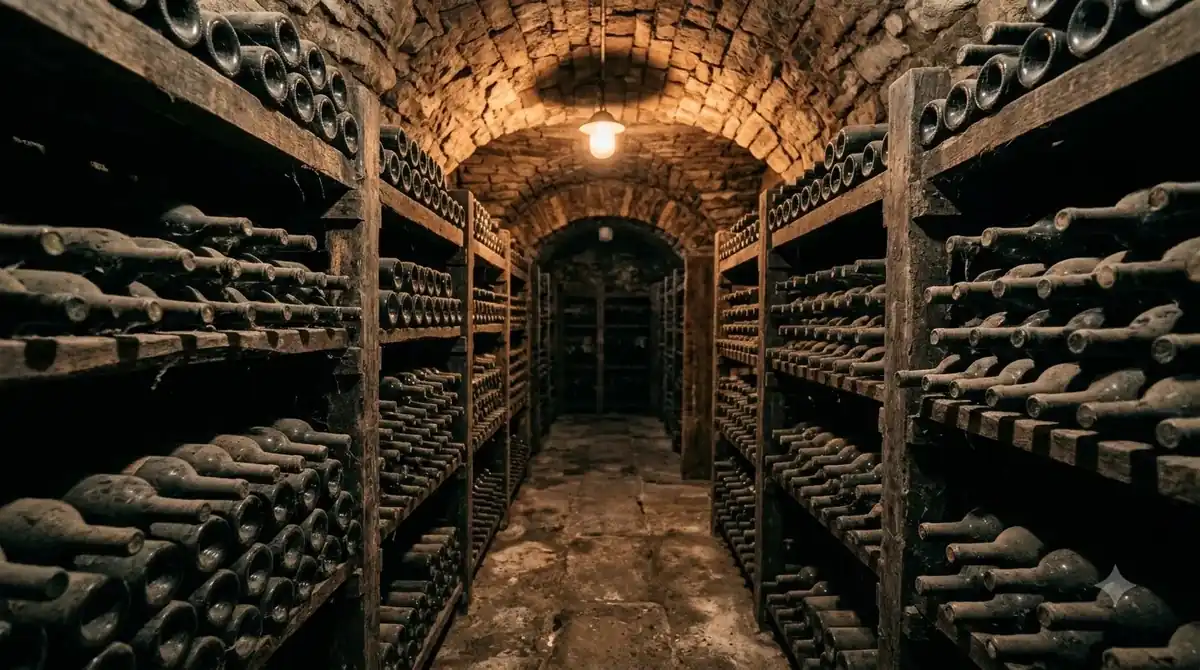
The winery was established by cousins Ilario and Leopoldo Ruffino in Pontassieve, Tuscany. Their ambition was to create quality wine with broader appeal, helping introduce Tuscan wine to consumers outside Italy. That international outlook remains an important part of the brand’s identity. Ruffino has built a recognizable reputation around Chianti while expanding into other Italian regions and wine categories.
For someone new to Italian wine, the standard Chianti range provides a relatively straightforward introduction to Sangiovese-based drinking. These wines generally offer red cherry, fresh berry, herbal, and earthy characteristics, supported by acidity that works well with food. Drinkers who prefer softer, uncomplicated reds may also appreciate Ruffino’s broader Toscana IGT selections, depending on their grape composition.
More experienced buyers have several reasons to explore the upper end of the portfolio. Riserva Ducale represents a more developed expression of Chianti Classico, while Riserva Ducale Oro and Romitorio di Santedame occupy the Gran Selezione category. Ruffino also produces Brunello di Montalcino and Bolgheri wines, which offer different interpretations of Tuscany’s regional character.
Ruffino is especially relevant to four types of buyers:
- Italian wine beginners: Those who want a recognizable producer and an accessible introduction to Chianti and Sangiovese.
- Everyday wine drinkers: Those looking for a red that works with pizza, tomato-based pasta, grilled vegetables, and casual dinners.
- Chianti enthusiasts: Those interested in comparing Chianti DOCG, Chianti Classico, Riserva, and Gran Selezione.
- Exploratory wine buyers: Those who want to move beyond red wine into Pinot Grigio, Orvieto, rosé, Prosecco, and other Italian styles.
There are also reasons to consider other producers. Someone who consistently prefers plush, low-acidity wines may find traditional Sangiovese-driven Chianti too tart. Likewise, a drinker looking specifically for powerful Cabernet Sauvignon or heavily oaked Chardonnay may find Ruffino’s regional Italian focus less aligned with those preferences.
The central buying principle is to choose Ruffino according to the wine’s appellation and grape composition rather than assuming every bottle has the same flavor profile. The brand is broad enough to serve different occasions, but the individual wines are not interchangeable. Readers exploring the wider Ruffino wine range can use the same approach when comparing bottles from different Italian regions.
Key Factors to Compare Before Buying Ruffino
The most useful factors are appellation, grape variety, aging, acidity, tannin, and intended drinking occasion. Comparing these characteristics helps distinguish a simple Chianti from a more developed Chianti Classico Riserva or a premium Tuscan blend.
Start with the designation printed on the bottle. Chianti DOCG and Chianti Classico DOCG refer to different protected wine origins, while Toscana IGT allows producers greater flexibility in grape selection and blending. Brunello di Montalcino DOCG identifies another distinct Tuscan category with its own production requirements.
Sangiovese is particularly important when assessing Ruffino’s red wines. It typically brings noticeable acidity, red cherry flavors, and savory herbal or earthy characteristics. Depending on the wine’s structure and production, tannins can range from moderate to firm. Merlot generally contributes softer texture, while Cabernet Sauvignon can add darker fruit and more pronounced tannin.
| Wine category | Main grape direction | Typical character | Best use |
|---|---|---|---|
| Chianti DOCG | Sangiovese-led blend | Fresh cherry, herbs, lively acidity | Pizza and pasta |
| Chianti Classico DOCG | Sangiovese-led | Red fruit, savory notes, firmer structure | Roasted meat and tomato dishes |
| Chianti Classico Riserva | Sangiovese with complementary grapes | More developed flavors and oak influence | Grilled meat and richer sauces |
| Gran Selezione | Estate-focused Sangiovese expressions | Concentrated fruit and structured tannins | Special dinners and cellar exploration |
| Toscana IGT | Varies by wine | Different combinations of Tuscan and international grapes | Comparing modern Tuscan styles |
| Brunello di Montalcino | Sangiovese | Structured, savory, age-worthy character | Roasts and substantial meat dishes |
| Pinot Grigio | Pinot Grigio | Fresh citrus and orchard fruit | Seafood and light meals |
| Prosecco | Glera | Fresh, fruity sparkling character | Aperitifs and celebrations |
Ruffino’s 1877 Chianti DOCG provides a useful example of how the producer approaches its traditional red category. The official product information identifies a blend containing 70% Sangiovese and 30% Merlot, Cabernet Sauvignon, and other complementary varieties. Its grapes come from vineyard areas between 200 and 350 meters in elevation, and the wine is aged in stainless steel and concrete tanks. The official Ruffino 1877 Chianti product information provides the producer’s grape composition and serving recommendation.
By comparison, the producer’s Riserva Ducale Chianti Classico combines Sangiovese, Cabernet Sauvignon, and Merlot. Ruffino specifies 24 months of aging in stainless steel vats and large oak casks for this wine. That extended maturation is one of the important distinctions to consider when comparing it with the straightforward 1877 Chianti.
Acidity and tannin deserve particular attention. Sangiovese’s naturally lively acidity helps it complement tomato sauce, cured meats, and other savory foods. Cabernet Sauvignon generally has higher tannin, while Merlot is typically softer. These differences can influence whether a wine feels refreshing, firm, round, or particularly structured.
Tip: If you are uncertain which Ruffino red to choose, begin with the Chianti category for everyday meals. Move toward Chianti Classico Riserva or Gran Selezione when you want greater structure, more developed flavors, and a wine suited to a more substantial dinner.
For a closer look at the traditional category, the Ruffino Chianti selection provides a useful starting point for understanding the winery’s Sangiovese-led style.
Step-by-Step: How to Choose the Right Ruffino Bottle
A straightforward selection process starts with the occasion, then considers grape variety, appellation, structure, and food pairing. Following these five steps can prevent the common mistake of choosing a wine based only on its label.
-
Identify the occasion.
For a casual weekday dinner, consider an approachable Chianti or Pinot Grigio. For a weekend meal involving grilled beef, roasted lamb, or slow-cooked meat sauce, a Chianti Classico Riserva or Brunello di Montalcino may be more appropriate. Prosecco is a natural direction for an aperitif or celebration.
-
Choose your preferred grape style.
Look for Sangiovese if you enjoy tart cherry, herbs, savory flavors, and refreshing acidity. Merlot-containing blends may offer softer fruit and texture, while wines containing Cabernet Sauvignon can bring firmer tannins and darker fruit. Pinot Grigio is a sensible alternative if you prefer crisp white wine.
-
Compare the appellation.
Chianti DOCG offers a straightforward regional introduction. Chianti Classico DOCG focuses on the historic central Tuscan wine area, while Riserva and Gran Selezione identify more specific categories with additional production requirements. Brunello di Montalcino is another distinct appellation rather than simply a higher level of Chianti.
-
Consider the wine’s structure.
Think about acidity, tannin, body, and oak influence. A lively, fruit-focused Chianti can suit tomato-based dishes, while a structured Riserva may be better suited to grilled steak or roasted lamb. If you dislike firm tannins, look for a softer Merlot-influenced selection or choose a white wine instead.
-
Match the bottle to your meal and serving conditions.
Plan the food pairing before opening the wine. Serve full-bodied Ruffino reds around 60–65°F, lighter reds around 55–60°F, and light whites around 45–50°F. Allow young, full-bodied reds approximately 30–60 minutes to breathe when their structure benefits from aeration.
This process also makes it easier to compare different bottles without getting distracted by packaging. A familiar Ruffino label can identify the producer, but the appellation and wine category provide much more useful information about what is inside the bottle.
For example, someone preparing spaghetti with a rich tomato and beef sauce might choose a Sangiovese-led Chianti. A person preparing grilled ribeye with roasted mushrooms could consider Riserva Ducale or a Brunello selection. A seafood lunch with grilled shrimp and lemon dressing would be better served by Pinot Grigio than by a tannic red.
Those distinctions matter more than simply selecting the most expensive or prestigious category. The right wine is the one whose structure and flavor complement the occasion.
Types and Styles Explained: From Chianti to Prosecco
Ruffino’s portfolio includes traditional Tuscan reds, modern regional blends, white wines, rosé, and sparkling selections. Understanding the major categories makes it easier to find a bottle that matches your preferred flavor profile.
Classic Chianti
Chianti is the natural starting point for exploring Ruffino. Its 1877 Chianti DOCG reflects the winery’s long association with the region and uses a Sangiovese-led blend. The producer identifies 70% Sangiovese in this wine, supported by Merlot, Cabernet Sauvignon, and other complementary grapes.
Expect the general Chianti style to emphasize fresh red fruit, lively acidity, and savory herbal notes. It is a practical match for tomato-based pasta, pizza, grilled sausages, and uncomplicated meat dishes. Its food-friendly acidity helps balance the richness of cheese and olive oil.
For drinkers who want to understand the producer’s identity without starting with a more elaborate wine, classic Chianti is a sensible first selection.
Chianti Classico and Riserva
Chianti Classico represents a more geographically specific Tuscan wine category. Its traditional Sangiovese character can show red cherry, dried herbs, earthy undertones, and a firm acidic backbone. It is particularly useful alongside food because the acidity works well with savory ingredients.
Ruffino’s Riserva Ducale is an important example. The winery identifies the wine as a flagship with a history dating to 1927. Its blend combines Sangiovese, Cabernet Sauvignon, and Merlot, with 24 months of aging in stainless steel vats and large oak casks.
Wine Enthusiast’s review of the 2022 Riserva Ducale describes damp soil, pepper, graphite, and black cherry aromas, followed by tart berry flavors and lively acidity. The publication awarded that particular vintage 90 points and reported 14% ABV. These details provide a useful independent reference, although an individual vintage should not be treated as a guarantee of identical characteristics in every release. Read the Wine Enthusiast review of Ruffino 2022 Riserva Ducale for its full tasting assessment.
For a more developed Chianti Classico expression, Riserva Ducale is worth considering. It can complement grilled beef, roasted pork, mushroom dishes, and pasta with meat-based sauces.
Gran Selezione and Premium Tuscan Reds
Ruffino also produces Chianti Classico Gran Selezione wines, including Riserva Ducale Oro and Romitorio di Santedame. These selections represent a more specialized part of the portfolio and are suitable for drinkers interested in comparing estate-focused Tuscan wines.
Gran Selezione is not simply another name for any expensive Italian red. It is a regulated Chianti Classico category with additional requirements concerning grape sourcing, aging, and minimum quality standards. Its wines can provide more concentrated fruit, greater structure, and a more detailed expression of their vineyard origins.
Beyond Chianti Classico, Ruffino offers Brunello di Montalcino, including Greppone Mazzi. Brunello is made from Sangiovese and is generally associated with pronounced structure, firm tannins, and savory complexity. It is a strong candidate for roasted beef, lamb, and other substantial dishes.
The winery’s Toscana IGT portfolio includes Modus and Modus Primo. These wines offer another way to explore Tuscan blending, with a broader approach to grape selection than traditional appellation-specific categories. They are particularly interesting for people who want to compare classic Sangiovese expressions with modern Tuscan blends.
White Wines and Rosé
Ruffino’s identity is closely associated with red wine, but its white selection deserves attention. Pinot Grigio is a useful option for those who prefer light-bodied wine with refreshing acidity, citrus, and orchard-fruit characteristics.
Orvieto Classico provides a different Italian white wine experience. It is associated with the Orvieto area of central Italy and typically offers a fresh, approachable profile. Both categories can complement grilled fish, shellfish, vegetable appetizers, and light pasta dishes.
Ruffino also produces rosé, including Aqua di Venus Rosé. Rosé is useful for meals where a full-bodied red feels too heavy but a white wine seems less suitable. Its fruit-driven character can work with grilled chicken, salads, Mediterranean vegetables, and lighter appetizers.
Prosecco and Sparkling Wines
Prosecco provides an alternative to Ruffino’s still wines. Traditional Prosecco is produced primarily from Glera grapes using the tank method, which helps retain fresh fruit and floral characteristics. It generally offers lively bubbles, citrus, pear, and apple notes.
Ruffino’s sparkling range also includes Prosecco Rosé. These wines can be served before a meal, alongside light appetizers, or as part of a celebration. Sparkling wines are generally best served between 40 and 50°F.
For anyone comparing different sparkling styles, sweetness terminology is important. Brut Nature and Extra Brut are among the driest categories, followed by Brut, Extra Dry, Dry, Demi-Sec, and Doux. Extra Dry is actually sweeter than Brut, an important distinction for shoppers who assume the opposite from the name.
The breadth of the selection is one of Ruffino’s practical strengths. A household can explore Italian reds, whites, rosé, and sparkling wine from one producer without being limited to a single grape or appellation. Readers interested in comparing other producers can also explore our broader Wine Brands resource.
Common Mistakes When Choosing Ruffino Wine
The biggest mistakes involve treating every Ruffino red as identical, confusing Chianti with Chianti Classico, and overlooking acidity or tannin when planning a meal. A little attention to these details makes the buying decision much easier.
Assuming All Chianti Is the Same
Chianti DOCG and Chianti Classico DOCG are not interchangeable geographical designations. They represent different production areas and wine categories. Chianti Classico also has its own Riserva and Gran Selezione classifications, which have specific production requirements.
Someone buying Ruffino’s 1877 Chianti should not automatically expect the same structure or development as Riserva Ducale. The wines serve different purposes, even though both are associated with the Chianti tradition.
Choosing Only by the Label
Packaging can make a bottle recognizable, but it cannot tell you everything about the wine’s structure. A traditional bottle shape or distinctive label does not automatically mean the wine will be more powerful, more acidic, or more suitable for aging.
Pay attention to the appellation, grapes, alcohol level, and production details instead. Ruffino’s official product descriptions provide useful information about the blend and aging approach for individual wines.
Ignoring Tannin and Acidity
Food pairing is one of the most important considerations with Sangiovese-based reds. Their acidity can complement tomato sauces and other acidic dishes, while salt and fat can soften the perception of tannin.
For example, a young Chianti can work particularly well with pizza topped with tomato sauce and cheese. A structured Riserva may be more appropriate for grilled steak or lamb. By contrast, a tannic Cabernet-heavy wine is generally not the best choice for delicate oily fish because the combination can create an unpleasant metallic impression.
Serving Red Wine Too Warm
Many drinkers serve red wine at ordinary room temperature, but a warm room can make alcohol seem more prominent and reduce the impression of freshness. Full-bodied Ruffino reds generally benefit from a serving temperature around 60–65°F, while lighter reds are better around 55–60°F.
Chilling a bottle briefly before serving can help, especially in a warm environment. The goal is not to serve red wine cold but to preserve its fruit, acidity, and balance.
Pairing Wine with the Wrong Level of Sweetness
Dry wine with a very sweet dessert can taste thin or sharply acidic. A useful pairing principle is to choose a wine at least as sweet as the dessert. For savory meals, match acidity with the dish’s acidity and consider how salt, fat, and spices affect tannin and alcohol.
Spicy dishes require particular attention. High alcohol and tannin can amplify chili heat, so a lighter, lower-tannin wine or a refreshing white may be a more comfortable match than a powerful red.
Another mistake is assuming that the highest category is always the correct purchase. A Gran Selezione may be more structured and complex, but a simple Chianti can be more enjoyable with a casual pizza night. Choose according to the meal and your own preferences.
For drinkers who generally prefer fuller-bodied bottles, comparing the producer’s Ruffino red wine selections by grape composition and appellation is more useful than choosing solely by category or label design.
Care and Storage Tips for Ruffino Wines
Correct storage and serving conditions help preserve the wine’s intended character. Temperature, light exposure, oxygen, and serving glassware all influence how Ruffino wines perform after purchase and opening.
Store Unopened Bottles Properly
For bottles with natural cork closures, horizontal storage helps keep the cork in contact with the wine. A consistent temperature near 55°F is a useful general target for longer-term storage. Avoid frequent temperature fluctuations, direct sunlight, and locations near ovens or heating equipment.
For everyday bottles intended for relatively early consumption, a cool, dark cupboard may be sufficient if it maintains stable conditions. More structured wines, including Brunello and selected Chianti Classico Riserva bottles, can benefit from more careful storage when the intention is to keep them for longer.
Use the Right Serving Temperature
Temperature influences the balance between fruit, acidity, alcohol, and tannin. Serving wine too cold can suppress aromas, while excessive warmth can make alcohol seem stronger and the wine feel heavier.
- Prosecco and other sparkling wines: 40–50°F.
- Light whites and rosé: 45–50°F.
- Full-bodied whites: 50–55°F.
- Light reds: 55–60°F.
- Full-bodied reds: 60–65°F.
- Sweet whites: 43–50°F.
Ruffino specifically recommends 60–64°F for its 1877 Chianti and Riserva Ducale. This provides a useful reference for serving those wines without making them excessively warm.
Decant When Appropriate
Young, full-bodied reds can benefit from approximately 30–60 minutes of aeration. This is particularly useful when serving a structured wine with noticeable tannins. Decanting can help expose the wine to oxygen and make its aromas easier to appreciate.
Not every Ruffino bottle requires decanting. A lighter Chianti intended for an ordinary dinner can often be opened and served directly. Older bottles also require more care because extended exposure to oxygen can cause delicate aromas and flavors to fade.
Preserve Opened Wine
After opening a still Ruffino wine, replace the closure securely and refrigerate the bottle. Even red wine benefits from refrigeration once opened because cooler temperatures slow oxidation. Allow the remaining red wine to warm toward its recommended serving temperature before pouring another glass.
Typical storage windows after opening are approximately:
- Sparkling wine: 1–3 days with a suitable sparkling-wine stopper.
- Still red and white wine: 3–5 days when properly sealed and refrigerated.
- Fortified wine: Several weeks, depending on style and storage conditions.
- Bag-in-box wine: Approximately 4–6 weeks after opening, depending on the product and storage.
These are general guidelines rather than guarantees. The actual drinking window depends on the wine’s structure, closure, oxygen exposure, and storage temperature. Sparkling wine can lose carbonation more quickly than still wine, so an appropriate stopper is particularly helpful.
For serving, a standard five-ounce pour is a practical measure. A 750 ml bottle provides approximately five standard glasses, making it easy to estimate quantities when preparing dinner for guests.
Frequently Asked Questions
Is Ruffino considered a premium Italian wine producer?
Ruffino operates across several quality categories, from accessible Chianti to estate-focused Tuscan wines. Its Riserva Ducale Oro and Romitorio di Santedame belong to the Chianti Classico Gran Selezione category. The producer also offers Brunello di Montalcino and Bolgheri wines, demonstrating that its portfolio extends beyond everyday Italian wine.
Does Ruffino produce organic wine?
Ruffino’s broader portfolio has included organic wine offerings, including Prosecco BIO and Pinot Grigio BIO. Organic certification applies to specific products rather than automatically covering every bottle from the producer. Buyers interested in certified organic wine should look for the relevant certification on the individual product.
What does the black rooster symbol on Chianti Classico bottles mean?
The black rooster, known as the Gallo Nero, is the historic emblem of the Chianti Classico Consortium. It identifies wines associated with the protected Chianti Classico appellation rather than ordinary Chianti. The emblem is a useful geographical distinction when comparing Italian red wine labels.
Is Ruffino wine suitable for vegetarian meals?
Many Ruffino styles can complement vegetarian dishes, including tomato pasta, mushroom risotto, grilled eggplant, and roasted peppers. Sangiovese-based reds work particularly well with savory tomato preparations because of their acidity. Pinot Grigio and Orvieto are useful alternatives for lighter vegetable dishes and herb-based sauces.
Does Ruffino make wine without alcohol?
Constellation Brands identifies Ruffino Alcohol Removed Sparkling Wine as part of the brand’s newer portfolio innovations. This is distinct from traditional Prosecco and should not be assumed to have the same alcohol content or production characteristics. Consumers specifically seeking an alcohol-removed option should select the dedicated product rather than a conventional sparkling wine.
Ruffino offers a broad introduction to Italian wine, with its Chianti range providing an accessible starting point and its Riserva, Gran Selezione, and Brunello selections offering more structured alternatives. Its Pinot Grigio, Orvieto, rosé, and Prosecco also make the producer relevant beyond red wine. Start with the style that matches your meal, then explore other appellations to discover which expression of Italian wine best suits your preferences.
More in Wine Brands
 Santa Rita Wine Price: Compare Bottles Across Every BudgetUpdated Nov 21, 2026
 Santa Margherita Wine Review: Find the Right Italian Wine for Your TableUpdated Nov 21, 2026
 Schmitt Sohne Wine Review: Find the Right German Wine for Your TasteUpdated Nov 21, 2026
 Riunite Wine Review: Find the Right Italian Wine for Your TasteUpdated Nov 21, 2026
 Robert Mondavi Private Selection Wine Review: Choose the Right BottleUpdated Nov 21, 2026
 Sangre de Toro Wine Review: Choose the Right Spanish RedUpdated Nov 21, 2026