

We may earn a commission when you buy through links on this page, at no extra cost to you. Learn more.
For shoppers searching piper heidsieck brut review, the key verdict is a fresh, Pinot Noir-led Champagne with citrus, orchard fruit, toasted notes, and enough texture to work at the table. Piper-Heidsieck Cuvée Brut is a multi-vintage Champagne designed for aperitifs, celebrations, and food pairings rather than only ceremonial toasts. Its strongest points are its recognizable fruit-and-brioche profile and broad food flexibility; its limitation is that the accessible style may not deliver the depth sought by collectors of more layered Champagne.
This guide explains what is in the bottle, how its blend shapes the flavor, what to compare before buying, and how to serve it well. The focus is the house’s signature Cuvée Brut, not the separate rosé, vintage, or extra-brut bottlings.
Who This Is For
Piper-Heidsieck Cuvée Brut suits drinkers who want a dry, lively Champagne with enough fruit and texture to please a mixed group. It is a practical choice for a first Champagne purchase, an aperitif before dinner, or a bottle to open with seafood, sushi, and young cheeses.

The style suits someone who likes fresh fruit balanced by savory detail. The producer lists pear, white peach, citrus, and orange blossom, followed by toasted bread, almonds, and mint. Independent notes add green apple, brioche, stone fruit, and a creamy texture.
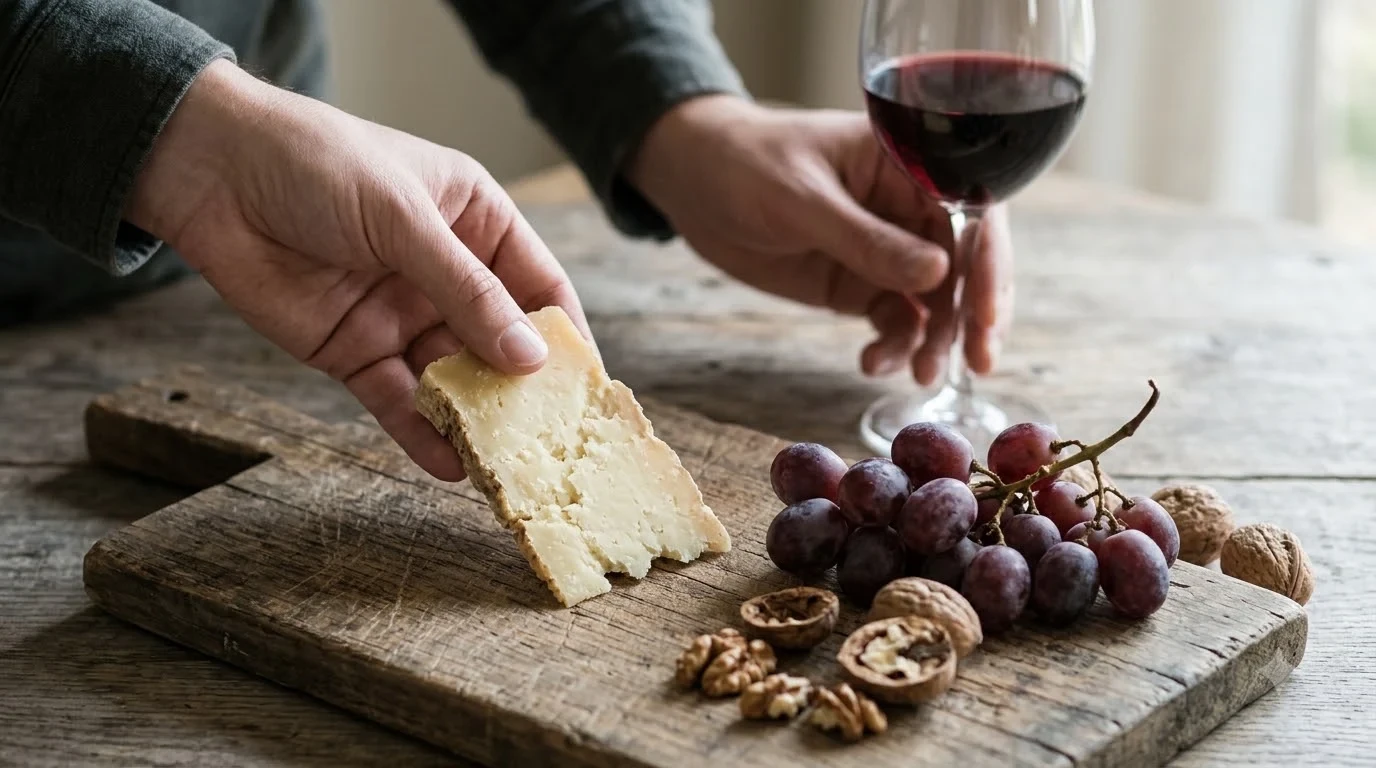
It also works across a meal: tuna or salmon sushi, oysters, mackerel, prawns, and young Comté connect with its acidity, bubbles, and savory notes. It can carry an evening without requiring a different wine for every course, especially with lighter dishes.
The main caveat is depth. One independent review finds the cuvée expressive and easy to enjoy but short on notable complexity. That may suit a party or mixed group, though drinkers seeking pronounced lees character, a strong sense of place, or the development of a vintage bottling may want a more layered style. Readers comparing the standard bottling with the wider house range can use this overview of Piper-Heidsieck wine; the rosé, vintage, and extra-brut releases should not be assumed to taste like Cuvée Brut.
Key Factors to Compare
Start with the blend, the level of dryness, and the cellar time, because those details explain most of the wine’s style. Piper-Heidsieck lists the following specifications for Cuvée Brut, while the producer’s tasting page supplies the aromatic and serving guidance.
| Buying factor | What the figures mean | Cuvée Brut details |
|---|---|---|
| Grape blend | The blend sets the balance of structure, fruit, and freshness. | 50% Pinot Noir, 30% Meunier, 20% Chardonnay |
| Source vineyards | A broad selection helps the house compose a consistent multi-vintage style. | More than 100 Champagne crus |
| Lees ageing | Time on lees contributes texture and yeasty, toasted notes. | At least 24 months |
| Post-disgorgement ageing | Rest after disgorgement allows the wine to settle before release. | At least 6 months |
| Dosage | Brut denotes a dry category, not a wine with zero sugar. | 8 g/L, identified as Brut |
| Alcohol | Alcohol level is useful when matching the wine to a menu and occasion. | 12% ABV |
| Serving temperature | Chilling keeps the mousse lively while allowing aromas to show. | 8–10°C (46–50°F) |
| Cellaring guidance | The house gives a flexible window rather than a fixed drink-by date. | Five years or more |
Pinot Noir makes up 50% of the blend and gives it much of its frame. Meunier contributes 30%, supporting a fruit-forward center, while 20% Chardonnay helps keep the profile lively. The more than 100 crus supply different sites and harvests for a recognizable multi-vintage house style.
Ageing helps explain the bread and almond notes. The house lists at least 24 months on lees and 6 months after disgorgement; lees ageing can add pastry and nut-like flavors. Dosage is 8 grams per liter, within the Brut limit of less than 12 grams, so the wine is dry without being zero-dosage.
Before you buy, make sure the name refers to Cuvée Brut rather than another Piper-Heidsieck bottling. The house also makes rosé and other cuvées, and the grape proportions, sweetness, and flavor emphasis can differ. The Piper Heidsieck Brut page is the useful product-specific starting point; for sensory detail, compare the house profile with these Piper Heidsieck Brut tasting notes.
Step-by-Step
A simple buying sequence keeps the decision tied to the actual bottle and the occasion. Confirm the cuvée, decide whether Brut is the right sweetness level, then plan the food and serving temperature before opening it.
- Confirm the bottling. Look for Piper-Heidsieck Cuvée Brut, the house’s signature multi-vintage Champagne. Do not treat the rosé, vintage, or extra-brut releases as identical versions of the same wine; they are separate styles.
- Decide whether Brut fits your palate. The producer lists 8 grams of dosage sugar per liter. Comité Champagne defines Brut as less than 12 grams per liter, so expect a dry profile with fruit, not a sweet sparkling wine and not a zero-dosage Champagne.
- Choose the bottle size around the gathering. A standard 750 ml bottle gives about five 5-ounce pours. That is enough for a small toast or a couple of guests at the table, while a larger group may need more than one bottle.
- Match the menu to freshness and texture. Sushi with tuna or salmon, oysters, prawns, fresh mackerel, and young Comté are logical options. The citrus and acidity help with briny or rich seafood, while the bubbles refresh the palate between bites.
- Chill it without freezing it. Aim for 8–10°C, or 46–50°F. The Champagne trade body recommends an ice bucket with water and ice for about 20–30 minutes, or several hours in the refrigerator.
- Serve it in a glass that shows the aromas. A tulip-shaped glass gives the wine room to open while concentrating the aromas near the rim. A flute can still be used for a formal toast, but a wider bowl is more revealing when you want to notice pear, citrus, almond, and toast.
For a gift, consider the recipient’s usual sparkling-wine preferences. Someone who likes crisp, dry styles and food pairings is a more natural match than someone who expects noticeable sweetness. After a long journey, let the bottle settle before serving.
For dinner, build around oysters or smoked fish, followed by prawns with light butter sauce or young Comté. Strong chili heat and very sweet desserts are less natural matches; a dessert sweeter than the Champagne can make the wine taste sharper.
Types or Styles Explained
Cuvée Brut is a multi-vintage Champagne with a dry Brut dosage and a blend led by Pinot Noir. The combination gives it more body than a very lean, all-Chardonnay style while retaining the lift that makes Champagne useful as an aperitif.
Each grape has a different role. Pinot Noir contributes structure and body; Meunier brings roundness and orchard fruit; Chardonnay adds freshness, citrus, and floral notes. These are typical cues, not a promise that every bottle will show each aroma equally clearly.
The multi-vintage approach combines wines from different harvests and Champagne crus, giving the winemaking team more components to balance and helping the signature cuvée remain recognizable. Brut describes sweetness, not the whole flavor profile: Comité Champagne sets the category below 12 grams of sugar per liter, while Piper-Heidsieck’s technical sheet lists 8 grams per liter. Extra Brut and Brut Nature sit lower, while Demi-Sec and Doux are sweeter; the label does not tell you how much toast, fruit, acidity, or texture will appear in the glass.
For a more exact flavor reference, start with the producer’s Cuvée Brut tasting profile. It describes pear, white peach, citrus, and orange blossom, followed by toasted bread, fresh almonds, and mint. That set of flavors explains why the wine can suit both a simple aperitif and seafood with a little richness: the fruit keeps it approachable, while the toast and almond notes give it a savory edge.
Common Mistakes
The most common mistake is treating every Champagne marked Brut as interchangeable. Brut describes sweetness; blend and cellar ageing determine whether a wine feels lean, creamy, fruity, or strongly yeasty.
Do not assume that Brut means bone-dry or sugar-free. Piper-Heidsieck lists 8 grams per liter for Cuvée Brut, and the Comité Champagne definition allows Brut wines to contain less than 12 grams per liter. This is dry enough for savory food and aperitif service, but a drinker who wants no added dosage should look for Brut Nature or another clearly identified zero-dosage style rather than relying on the word Brut alone.
Avoid serving it straight from the freezer or warm on the counter. Too cold can mute aromas; too warm can make it feel less brisk. The producer and Comité Champagne recommend 8–10°C, reached in a refrigerator or ice bucket.
Food choice matters too. Champagne’s acidity suits seafood and citrus-led dishes, but a very sweet dessert can make dry Brut seem austere. Acidic food needs equal or higher wine acidity; lemon-dressed seafood is a more natural fit than an unseasoned, creamy dish. Cuvée Brut is not tannic like Cabernet Sauvignon, so bubbles and acidity provide the palate-cleansing effect. Also, do not expect it to taste like an aged vintage Champagne or an extra-brut bottling: this cuvée puts fruit and freshness ahead of a highly distinctive single-year expression.
Care or Storage Tips
Serve Cuvée Brut well chilled, then protect the bottle from heat, light, and unnecessary movement. Good storage preserves its freshness, and the right glass helps its fruit, bubbles, and toasted notes come through.
Tip: Chill the bottle to 8–10°C (46–50°F) before opening. An ice bucket with a mix of water and ice for 20–30 minutes is a practical method; keep the cork pointed away from people and turn the bottle, not the cork, as you ease it open.
For unopened bottles, the Champagne trade body recommends 10–15°C and 60–80% humidity. Protect them from light, vibration, and strong odors, and keep the space ventilated. Bottles may be stored upright or on their sides; a dark, stable cabinet matters more than bottle position. The producer gives Cuvée Brut a cellaring potential of five years or more, a flexible guide rather than a requirement to hold every bottle.
After opening, use a purpose-made sparkling-wine stopper and refrigerate the bottle. The Comité Champagne advises that a special airtight stopper is the right tool and specifically rejects the old spoon-in-the-neck trick. As a practical drinking window, aim to finish an opened sparkling wine within one to three days; the bubbles and freshness fade even when the bottle is sealed. Keep it cold between pours, and do not leave it open on a warm dining table for the entire evening.
Choose a tulip glass for a meal or focused tasting: its bowl gives aromas room to gather, while the narrower opening concentrates them. A flute is fine for a quick toast, but offers less room to assess texture, and smaller pours keep the wine colder as it warms. To open it, hold the cork after removing the wire cage and foil, angle the bottle away from everyone, and rotate the bottle slowly; Champagne is pressurized, so do not shake it or point the neck toward a person or fragile object.
Frequently Asked Questions
These quick answers cover label terms, pouring, and practical handling details that can help you buy and serve Piper-Heidsieck Cuvée Brut with confidence.
Is Piper-Heidsieck Cuvée Brut a vintage Champagne?
A vintage Champagne’s printed year identifies the harvest from which its grapes came. A single-year bottling is therefore distinct from this house’s multi-vintage cuvée.
Is a coupe an acceptable glass for Piper-Heidsieck Brut?
Yes, a coupe can be used for a celebratory presentation. The Comité Champagne favors a tulip glass for aroma because its bowl gives the wine room to develop and its rim gathers the bouquet.
How many smaller glasses can one 750 ml bottle fill?
The Comité Champagne says a standard 75 cl bottle can provide about six 12.5 cl flutes. The number changes with pour size, so a generous restaurant-style pour will yield fewer servings than a small reception pour.
Should an opened Champagne bottle stand upright?
Either upright or on its side is acceptable according to the Comité Champagne. The important details are a proper sparkling-wine stopper and cool storage, rather than the bottle’s position in the refrigerator.
What does Brut Nature mean compared with Brut?
Brut Nature contains less than 3 grams of sugar per liter and has no dosage sugar added, according to the Comité Champagne. That is a drier category than Piper-Heidsieck Cuvée Brut, which is listed at 8 grams per liter.
Piper-Heidsieck Cuvée Brut is a strong fit for drinkers who want a dry, fresh Champagne with a fruit-led center, a toasty finish, and genuine food flexibility. Choose it for aperitifs, seafood, sushi, and relaxed celebrations; look elsewhere within the Champagne category if your priority is a more austere dosage or a highly developed vintage character.
More in Wine Brands
 Zuccardi Wine Price: Compare Bottles and Find the Right RangeUpdated Nov 21, 2026
 Yellow Tail Moscato Review: Taste, Sweetness and Serving TipsUpdated Nov 21, 2026
 Wolf Blass Yellow Label Review: Choose Your Best StyleUpdated Nov 21, 2026
 Wolffer Estate Rose Review: Choose the Right Bottle for Your TableUpdated Nov 21, 2026
 Wolf Blass Yellow Label Price: What to Expect for Each BottleUpdated Nov 21, 2026
 Yellow Tail Pinot Grigio Price: Compare Bottle Sizes and Retail CostsUpdated Nov 21, 2026