

We may earn a commission when you buy through links on this page, at no extra cost to you. Learn more.
This norton wine review finds Bodega Norton a strong choice for shoppers seeking approachable Argentine wines, particularly Mendoza Malbec, Cabernet Sauvignon, and versatile white wines. Founded in 1895, the winery offers several ranges, from accessible varietal bottles to more ambitious estate and cellar selections. The best bottle depends on whether you prefer soft fruit, firmer tannins, regional character, or a wine suited to a particular meal.
Argentine wine has earned an international reputation for Malbec, and Norton is one of the historic producers behind that reputation. Its portfolio extends well beyond a single grape, however, with Merlot, Cabernet Sauvignon, Chardonnay, Sauvignon Blanc, Torrontés, sparkling wines, and distinctive premium selections. Understanding the differences between its collections makes shopping easier, especially when several bottles carry the same producer name.
Who This Is For
Norton is worth considering for shoppers who want recognizable Argentine varieties, a producer with a long history in Mendoza, and a portfolio that covers several drinking occasions. Its Malbec selections are a natural starting point, while Cabernet Sauvignon, Merlot, and white wines provide alternatives for different preferences and meals.
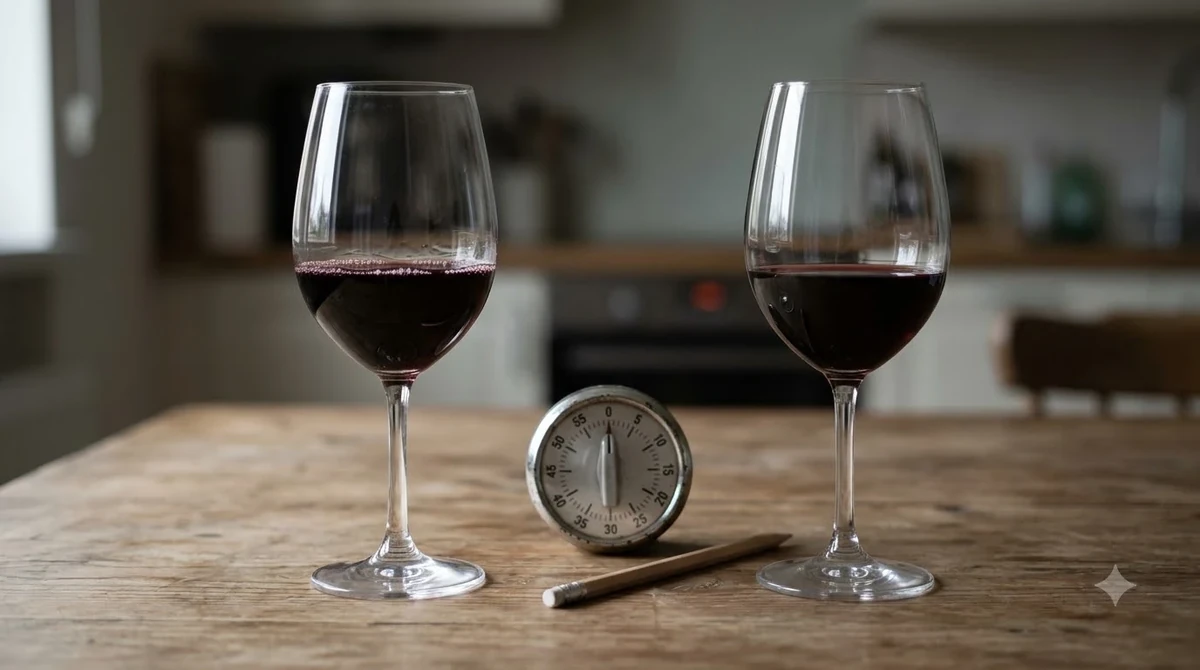
Malbec drinkers are the most obvious audience. Mendoza Malbec commonly offers dark and red fruit, moderate-to-full body, and noticeable but approachable tannins. Norton has several Malbec options, including its Colección de los Andes, Reserva, and DOC bottlings. These labels make it possible to compare different expressions of the grape without leaving the same producer.
Shoppers exploring Argentine wine may also appreciate Norton’s geographic background. The winery was founded in Perdriel, within Luján de Cuyo, Mendoza, in 1895. Its vineyard network includes several properties at different elevations, along with selected Uco Valley producers. This gives the winery access to grapes from distinct growing environments rather than relying on one vineyard site.
People who prefer variety have additional choices. Norton makes Cabernet Sauvignon for drinkers who want firmer structure, Merlot for those who favor softer tannins, and Chardonnay or Sauvignon Blanc for white-wine occasions. Torrontés adds another Argentine grape to the selection, offering a more aromatic alternative to familiar international varieties.
However, Norton may not be the first choice for someone seeking only very light-bodied reds, delicate low-tannin wines, or highly specialized small-production bottlings. Its portfolio includes different styles, but shoppers should pay attention to the grape and collection rather than assuming every Norton wine has the same weight or flavor profile.
For shoppers comparing producers, the broader Wine Brands category offers useful context for understanding how wineries organize their collections and communicate differences in quality and style.
Key Factors to Compare
The most useful comparisons involve grape variety, wine range, vineyard origin, structure, and intended drinking occasion. These five factors help distinguish a straightforward Norton Malbec from a more structured Reserva or a geographically defined DOC bottling.
| Factor | What to Look For | Why It Matters |
|---|---|---|
| Grape variety | Malbec, Cabernet Sauvignon, Merlot, Chardonnay, or Sauvignon Blanc | Determines the basic flavor profile and structure. |
| Wine range | Colección, Reserva, DOC, Family Cellar, or Concept | Helps distinguish different portfolio purposes. |
| Region | Luján de Cuyo or Uco Valley | Identifies the growing area behind the wine. |
| Body and tannin | Light, medium, or full-bodied; soft or firm tannins | Helps match the wine to personal preferences and food. |
| Serving temperature | 55–60°F for lighter reds; 60–65°F for fuller reds | Helps preserve freshness and balance. |
| Serving size | 5 oz per glass | A standard 750 ml bottle provides approximately five glasses. |
Start with the grape. Malbec is a practical choice for drinkers who enjoy ripe plum, blackberry, cherry, and moderate-to-full body. Cabernet Sauvignon generally brings more pronounced tannins and firmer structure, with dark fruit and cassis characteristics. Merlot tends to be softer, making it an option for people who prefer less aggressive tannins.
White-wine shoppers should distinguish between Chardonnay and Sauvignon Blanc. Chardonnay typically has medium acidity and can offer a rounder mouthfeel, while Sauvignon Blanc usually has higher acidity and a fresher citrus-oriented character. Torrontés is another useful alternative for people interested in aromatic Argentine white wine.
The collection name is the next important detail. Norton uses several portfolio categories rather than one uniform range. Colección de los Andes provides familiar varietal choices, Reserva offers another tier of wines, and the winery’s Family Cellar category includes more premium selections. Estate wines communicate a closer connection to specific Mendoza growing areas.
Origin matters particularly for DOC Malbec. Norton’s DOC bottling is identified as 100% Malbec from Luján de Cuyo, produced under the region’s Controlled Designation of Origin requirements. That makes it a more geographically specific selection than a bottle identified only by grape and country.
Finally, consider how the wine will be served. A bottle intended for grilled beef can have more tannin and body than one selected for a casual lunch. For a broader understanding of the red styles available, compare the selections in Norton red wine before deciding which grape and range best match the occasion.
Step-by-Step: How to Choose a Norton Wine
A simple buying process prevents confusion between similar labels and helps narrow the portfolio to a bottle that fits your taste. Start with the occasion, identify your preferred grape, and then compare the range and regional designation.
- Decide whether you want red, white, or sparkling wine.
For a familiar red, begin with Malbec or Cabernet Sauvignon. Choose Chardonnay or Sauvignon Blanc for a white-wine occasion, or investigate Norton’s sparkling collection if the bottle is intended for a celebration.
- Identify your preferred level of tannin.
Choose Malbec if you enjoy fruit-forward reds with moderate-to-full structure. Cabernet Sauvignon generally offers higher tannin, while Merlot usually provides a softer experience. Pinot Noir from another producer would be a better comparison if you specifically want a lighter red with lower tannin.
- Choose a Norton collection.
Look at Colección de los Andes for familiar varietal selections, Reserva for wines in a distinct estate range, and DOC for a geographically defined Malbec. Family Cellar is the category to explore when you want to consider Norton’s premium selections.
- Compare the origin.
Luján de Cuyo is central to Norton’s identity, while the winery also works with Uco Valley producers. If regional specificity matters, the Norton DOC Malbec is especially straightforward because its grapes come exclusively from Luján de Cuyo.
- Think about the meal.
Malbec is a natural match for grilled beef, burgers, and roasted mushrooms. Cabernet Sauvignon works with fattier beef dishes, while Merlot is useful for meatloaf, roast chicken with savory seasoning, and mushroom dishes.
- Check the bottle details.
Compare the grape, collection, vintage, alcohol percentage, bottle size, and any stated production details. Similar Norton labels can represent different wines, so the name alone should not determine your selection.
- Plan the serving conditions.
Allow fuller reds to reach approximately 60–65°F before serving. Lighter reds are generally more enjoyable around 55–60°F. If a young, full-bodied red seems especially concentrated, consider decanting it for 30–60 minutes.
This process also helps when comparing Norton with other widely distributed producers. For instance, Barefoot wine offers a useful reference point for shoppers who are familiar with approachable mainstream labels and want to understand how an Argentine winery’s portfolio differs in grape origin and regional identity.
Tip: If you are buying Norton for the first time, begin with a familiar grape such as Malbec or Cabernet Sauvignon before moving to DOC or premium Family Cellar selections. Comparing two bottles from the same grape category can reveal more about the winery’s range than choosing two unrelated varieties.
Types or Styles Explained
Norton’s portfolio includes several red and white grape varieties, as well as sparkling wines and different collection categories. Understanding these styles is more useful than treating Norton as a single type of wine.

Malbec
Malbec is the most natural place to begin for shoppers interested in Norton. Argentine Malbec is often associated with ripe plum, blackberry, black cherry, and dark-fruit flavors. Its tannins can range from relatively smooth to firm, depending on vineyard origin, winemaking, and the particular bottling.
Norton offers several Malbec expressions, including Colección de los Andes, Reserva, DOC, and other estate selections. The DOC bottling is particularly distinctive because the winery identifies it as 100% Malbec sourced exclusively from Luján de Cuyo. This makes it a clear option for shoppers who want to focus on a specific Mendoza appellation.
Malbec pairs naturally with grilled steak, lamb, roasted eggplant, and aged hard cheeses. Salt and fat soften tannin, which is why a well-seasoned ribeye or a fatty burger can work particularly well with a structured Malbec.
Cabernet Sauvignon
Cabernet Sauvignon is a good alternative for shoppers who enjoy firmer structure. It typically has higher tannin than Merlot and Pinot Noir, with flavors that can include blackcurrant, blackberry, plum, and savory herbal notes.
Norton offers Cabernet Sauvignon in several collections, including Reserva and Colección de los Andes. The winery describes its Colección Cabernet Sauvignon with blackberry, ripe plum, and roasted red pepper characteristics. These characteristics make the grape suitable for people who enjoy darker fruit and a more structured finish.
Pair Cabernet Sauvignon with grilled beef, lamb chops, and dishes containing roasted vegetables. Its tannin can work well with protein and fat, although highly spicy food can make the alcohol and tannin seem more pronounced.
Merlot
Merlot generally provides softer tannins than Cabernet Sauvignon and a rounded fruit profile. Cherry, plum, and raspberry are familiar flavor associations, making the grape a useful choice for people who want a red wine with less firmness.
Norton includes Merlot in its Colección de los Andes and Reserva selections. The winery describes its Colección Merlot as smooth and balanced, with cherry and raspberry aromas. The variety is useful when planning meals that include roasted chicken, pork, grilled vegetables, or tomato-based pasta with moderate seasoning.
White Wines
Norton makes several white wines, including Chardonnay, Sauvignon Blanc, and Torrontés. These varieties offer different combinations of acidity, aromatic intensity, and body.
Chardonnay typically has medium acidity and can provide a fuller mouthfeel than Sauvignon Blanc. It is a flexible partner for roast chicken, creamy pasta, seafood, and vegetable dishes. Sauvignon Blanc usually has higher acidity, making it particularly useful with salads, fresh goat cheese, shellfish, and citrus-seasoned fish.
Torrontés is especially interesting for people exploring Argentine wine. It is an aromatic white grape that can show floral and stone-fruit aromas while retaining a refreshing character. Norton’s description of its Colección Torrontés highlights jasmine and peach. It works with herb-seasoned chicken, fresh cheeses, and moderately spicy dishes, provided the wine has sufficient fruit to balance the seasoning.
For shoppers who prefer white bottles, the dedicated Norton white wine selection is a more relevant starting point than comparing only the winery’s Malbec and Cabernet offerings.
DOC and Reserva Selections
DOC and Reserva are useful terms to understand, but they should not be treated as interchangeable. Norton’s DOC Malbec has a specific regional identity and a stated composition of 100% Malbec from Luján de Cuyo. The DOC designation therefore communicates more than a grape name.
Reserva is a separate portfolio category that includes Malbec, Cabernet Sauvignon, Merlot, and Chardonnay. It offers shoppers several varietal choices within the same named range. Rather than assuming that every Reserva bottle tastes alike, compare the grape and the producer’s individual description.
Family Cellar, Estate, and Concept Wines
Norton describes Family Cellar as a premium range created and selected by its winemaking team. Estate Wines represent wines sourced from vineyards in Luján de Cuyo and the Uco Valley. Concept Wines, meanwhile, are described by the winery as young and fresh brands with individual identities.
The sparkling collection adds another category to the portfolio. Sparkling wine is useful for aperitifs, celebrations, and lighter meals. If the bottle is labeled Extra Brut, Brut, or another sweetness designation, remember that sparkling-wine terminology follows a specific scale. Brut Nature is drier than Extra Brut, while Extra Dry is actually sweeter than Brut.
For more specific producer information, Norton’s official Estate Wines portfolio lists its Reserva, DOC, Select, and Colección de los Andes selections. This is a useful way to distinguish the available grape varieties and collection names before choosing a bottle.
Common Mistakes When Buying Norton
The most common buying errors involve assuming all Norton wines taste alike, confusing collection names, and overlooking the difference between grape variety and regional designation. A few straightforward checks can prevent disappointing choices.
Assuming Every Norton Bottle Is Malbec
Malbec is strongly associated with Norton, but the winery also produces Cabernet Sauvignon, Merlot, Chardonnay, Sauvignon Blanc, Torrontés, and sparkling wines. A shopper looking for a white wine should not dismiss the producer simply because its reputation is closely connected with red wine.
Check the variety before choosing a bottle for a meal. A Cabernet Sauvignon and a Chardonnay will behave very differently with food, even though both come from the same producer.
Confusing DOC With a Generic Malbec
A DOC designation communicates a specific regional connection. Norton’s DOC Malbec is made entirely from Malbec grown in Luján de Cuyo. That is a more precise origin statement than simply identifying a wine as Argentine Malbec.
However, DOC should not automatically be interpreted as a guarantee that every drinker will prefer the wine. Personal taste, vintage conditions, food, and serving temperature remain important. A straightforward varietal bottling may be more suitable for someone who wants a casual, fruit-driven red.
Expecting Every Reserva to Have the Same Structure
Reserva is a collection designation, not a grape variety. Norton offers several Reserva wines, and their structural differences reflect the varieties involved. A Cabernet Sauvignon will generally have firmer tannins than a Merlot, while Chardonnay will have an entirely different profile.
For this reason, compare wines by grape first and collection second. This prevents a shopper from expecting a softer Merlot experience from a Cabernet Sauvignon simply because both bottles belong to Reserva.
Serving Red Wine Too Warm
Many people serve full-bodied reds at ordinary room temperature, which can be considerably warmer than ideal. Excess warmth may make alcohol seem more prominent and reduce the impression of freshness.
A fuller Norton red is generally better served around 60–65°F, while lighter reds benefit from approximately 55–60°F. A brief period in the refrigerator can help a warm bottle reach a more suitable temperature.
Pairing Tannic Reds With Delicate Seafood
Cabernet Sauvignon and structured Malbec are not ideal partners for every fish dish. Tannic red wines can clash with oily fish and delicate seafood, particularly when the preparation is lightly seasoned.
For salmon or grilled tuna, a lighter red with modest tannin may work better than a powerful Cabernet. Chardonnay or Sauvignon Blanc can also provide a more natural pairing, depending on the sauce and cooking method.
Choosing by Label Appearance Alone
Different Norton collections can have distinctive packaging, but the visual identity is not a reliable substitute for the wine’s grape, origin, or production details. Two bottles from the same producer can offer significantly different drinking experiences.
Read the variety and collection name together. A DOC Malbec, a Reserva Cabernet Sauvignon, and a Colección de los Andes Chardonnay represent three different choices, despite sharing the Norton name.
Care or Storage Tips
Proper storage and serving conditions help preserve the fruit, acidity, and structure of Norton wines. Temperature, light exposure, bottle position, and the time between opening and serving all influence the drinking experience.
Store Bottles Correctly
Store cork-finished bottles on their sides in a cool, dark place near 55°F. Horizontal storage helps keep the cork in contact with the wine, reducing the risk of it drying out. Avoid locations near ovens, radiators, sunny windows, and appliances that produce frequent temperature changes.
Consistent temperature is more important than constantly moving a bottle between warm and cold environments. A dedicated wine refrigerator is useful, but a stable, dark storage area can also work for bottles intended for relatively short-term drinking.
Serve Red Wines at Suitable Temperatures
For fuller-bodied Norton Malbec and Cabernet Sauvignon, aim for 60–65°F. Merlot and other lighter reds are generally more enjoyable around 55–60°F. These ranges help preserve fruit character without allowing alcohol to dominate the aroma.
White wines need cooler conditions. Serve light whites and rosé at 45–50°F, while fuller Chardonnay styles are generally better around 50–55°F. Sweet white wines can be served around 43–50°F.
Use Decanting Selectively
Not every Norton bottle requires decanting. A straightforward young Malbec may be ready to drink shortly after opening. A young, full-bodied red with pronounced tannins may benefit from 30–60 minutes of aeration before serving.
Decanting can help a concentrated red become more expressive, but it does not guarantee that a wine will improve. Taste the wine after opening and decide whether additional air would be helpful.
Preserve Open Bottles
After opening, reseal still wines and keep them in the refrigerator. Most opened still wines are best consumed within approximately 3–5 days, although the precise window depends on the wine’s condition, storage, and exposure to oxygen.
Even red wines benefit from refrigeration after opening. Allow a serving to warm slightly in the glass before drinking if it seems too cold. This is generally more effective than leaving an opened bottle on a warm kitchen counter.
A 750 ml bottle provides approximately five standard 5 oz glasses. If serving Norton at dinner, pour moderate servings so that the wine has room to develop in the glass and guests can compare it with the food.
Match the Serving Style to the Occasion
For a steak dinner, a structured Malbec or Cabernet Sauvignon is a practical choice. Serve it with grilled beef, roasted potatoes, and mushrooms. The combination of protein and fat helps soften the perception of tannin.
For a lighter meal, choose Sauvignon Blanc or Chardonnay and pair it with grilled fish, chicken, or vegetables. Acidic foods need wines with equal or higher acidity to prevent the wine from tasting flat. Highly spicy food requires additional care because alcohol and tannin can intensify the impression of chili heat.
Norton’s official winery history provides further background on its Mendoza origins, its 1895 foundation, and its early role in exporting Argentine Malbec. That history helps explain why the producer remains closely associated with the development of Argentine wine.
Frequently Asked Questions
Where is Bodega Norton located?
Bodega Norton is located in Perdriel, Luján de Cuyo, in Mendoza, Argentina. The winery’s property is approximately 20 minutes from Mendoza city according to its tourism information, making it accessible to visitors staying in the regional capital.
Who founded Bodega Norton?
English engineer Edmund James Palmer Norton founded the winery in 1895 after arriving in Argentina to work on railway construction across the Andes. He purchased a vineyard in Perdriel and established the winery using vines imported from France.
Does Norton make wine from old vines?
Yes. Norton identifies several old-vine properties, including Finca Lunlunta, where a Malbec vineyard dates to the 1920s. Its Finca Agrelo property also contains vineyards with an average vine age of approximately 93 years, according to the winery’s vineyard information.
What is the difference between Luján de Cuyo and the Uco Valley?
Both are important Mendoza growing areas, but they are distinct wine-producing regions with different vineyard locations and growing conditions. Norton owns vineyards in Luján de Cuyo and works with selected producers in the Uco Valley, giving its winemaking team access to a broader selection of vineyard sources.
Can Norton wines be visited at the winery?
Yes. Bodega Norton offers guided wine experiences, tastings, and dining at its Mendoza property. Its visitor experiences include vineyard and cellar visits, while some activities allow guests to explore the winery’s historic facilities and wine heritage.
Overall, Norton is a worthwhile producer to explore if you enjoy Argentine wines and want choices beyond a single Malbec bottling. Start with the grape and collection that match your preferences, then explore its Luján de Cuyo and Uco Valley selections to discover the range of Mendoza wine styles.
More in Wine Brands
 Veuve Clicquot Wine Price: Compare Bottles and Choose the Right ChampagneUpdated Nov 21, 2026
 Unshackled Wine Price: What to Expect for Every BottleUpdated Nov 21, 2026
 Trimbach Riesling Price: What to Pay for a Quality Alsace WhiteUpdated Nov 21, 2026
 Tisdale Wine Review: How to Choose the Right BottleUpdated Nov 21, 2026
 Trapiche Malbec Price: What a Bottle Typically CostsUpdated Nov 21, 2026
 Tignanello Wine Review: Understand Its Style, Quality, and Best UsesUpdated Nov 21, 2026