


We may earn a commission when you buy through links on this page, at no extra cost to you. Learn more.
This mirassou wine review finds that Mirassou is a practical choice for everyday California wine, particularly if you enjoy approachable fruit-forward reds, easy-drinking whites, and uncomplicated food pairings. Its lineup includes Pinot Noir, Cabernet Sauvignon, Merlot, Chardonnay, Pinot Grigio, and Moscato. The best bottle depends on whether you prefer dry or sweet wine, lighter or fuller body, and refreshing acidity or softer fruit flavors.
Mirassou has a long California winemaking heritage, but its modern appeal is centered on accessible wines for ordinary meals, casual gatherings, and relaxed evenings. Rather than approaching the brand as a collection of expensive cellar bottles, it makes more sense to compare its individual varieties and choose according to your taste. This guide examines the available styles, explains what to look for, and offers practical advice on selecting, serving, and storing a bottle.
Who This Is For: Mirassou Wine Buyers and Everyday Drinkers
Mirassou is worth considering for drinkers who want recognizable grape varieties, approachable fruit flavors, and wines that can accompany familiar meals. Its California portfolio covers several useful styles, from lighter Pinot Noir and refreshing Pinot Grigio to fuller Cabernet Sauvignon and sweet Moscato.

One advantage of choosing a brand with several familiar varieties is that shoppers can start with a grape they already understand. Someone who enjoys red wine but dislikes heavy tannins can investigate Pinot Noir or Merlot. A drinker who prefers crisp whites can consider Pinot Grigio, while someone who likes sweeter wines has Moscato as another option.
The brand also has a substantial historical connection to California wine production. According to its official history, the Mirassou winemaking tradition stretches back more than 160 years. The brand describes its roots in California grape growing and highlights its historical connection to Pinot Noir. That background gives the name an established identity, although heritage alone does not determine whether an individual bottle will suit a particular palate.
Mirassou is particularly relevant for several types of buyers:
- New wine drinkers: Familiar varieties make it easier to understand the differences between lighter reds, fuller reds, dry whites, and sweeter whites.
- Casual dinner hosts: Pinot Noir, Chardonnay, and Merlot offer flexible options for common dishes such as poultry, pasta, and grilled foods.
- Fruit-forward wine fans: The producer emphasizes recognizable fruit characteristics across its red and white selections.
- Sweet wine drinkers: Moscato provides an alternative to dry Chardonnay and Pinot Grigio.
- California wine enthusiasts: The brand’s historical association with California makes it an interesting name to recognize when browsing domestic wines.
However, Mirassou is not necessarily the right choice for someone seeking highly specialized vineyard expressions, collectible vintage bottles, or elaborate cellar-aging projects. The brand’s accessible positioning makes more sense for uncomplicated drinking than for shoppers whose primary concern is rarity or extensive bottle development.
Another important consideration is consistency between the varieties. A positive experience with Mirassou Pinot Noir does not automatically mean that its Chardonnay or Moscato will suit the same drinker. Each grape has a different balance of acidity, sweetness, tannin, and body. Choosing by variety is more useful than buying every bottle simply because it carries the same label.
Key Factors to Compare Before Choosing a Bottle
The most useful comparisons involve grape variety, sweetness, body, acidity, tannin, and intended food pairing. These characteristics determine how a Mirassou wine will feel in the glass and whether it fits the occasion.
| Wine style | Typical character | Body | Best starting point |
|---|---|---|---|
| Pinot Noir | Cherry, raspberry, strawberry | Light to medium | Salmon and poultry |
| Merlot | Plum, black cherry, soft fruit | Medium | Roast chicken and burgers |
| Cabernet Sauvignon | Blackcurrant, dark fruit, oak | Full | Steak and grilled beef |
| Chardonnay | Peach, nectarine, citrus, oak | Medium | Chicken and whitefish |
| Pinot Grigio | Citrus, pear, fresh fruit | Light | Seafood and salads |
| Moscato | Sweet fruit and floral aromas | Light to medium | Fruit desserts and mild cheeses |
The table provides a general guide to grape varieties rather than a guarantee that every Mirassou bottling will display precisely the same characteristics. Vintage, grape sourcing, and winemaking decisions can influence the finished wine. The producer’s own descriptions are particularly helpful for its Pinot Noir and Chardonnay.
Sweetness and dryness
Sweetness is one of the first things to establish before purchasing wine. Dry wines have little perceptible residual sweetness, while sweeter wines retain more sugar and can taste noticeably different alongside food.
Mirassou Pinot Noir and Cabernet Sauvignon are sensible starting points for shoppers who generally prefer dry reds. Chardonnay and Pinot Grigio are useful options for people looking for white wines without the pronounced sweetness associated with dessert-style selections. Moscato is the more natural starting point for someone who enjoys sweet, aromatic wine.
Do not confuse fruitiness with sweetness. A Pinot Noir can smell strongly of ripe cherries and strawberries while still finishing dry. Likewise, Chardonnay can have pronounced peach and tropical fruit aromas without tasting like a sweet wine.
Body, acidity, and tannin
Body describes the weight of wine on the palate. Pinot Noir generally has a lighter body than Cabernet Sauvignon, while Chardonnay tends to have a medium body that can feel fuller if it has undergone malolactic fermentation or oak treatment.
Acidity contributes freshness and makes a wine feel lively. Sauvignon Blanc and Riesling generally have higher acidity than Chardonnay, while Moscato typically has low-to-medium acidity. Pinot Noir generally combines relatively high acidity with low-to-medium tannin, making it useful with foods that would overwhelm a more tannic red.
Tannin creates a drying sensation, particularly around the gums. Cabernet Sauvignon generally has high tannin, while Merlot tends to be softer and Pinot Noir is usually less tannic. These differences matter at dinner: salt and fat can soften tannin, whereas chili heat is amplified by alcohol and tannin.
Alcohol and bottle information
Alcohol content offers another point of comparison. Mirassou’s official Pinot Noir page lists 13.9% alcohol for the wine described there. Wine Enthusiast lists 13.5% alcohol for its reviewed 2022 Mirassou Pinot Noir. Those figures refer to different wine descriptions and should not be treated as a universal specification for every vintage.
A standard 750 ml bottle provides approximately five conventional servings when each pour is 5 oz. This is a useful planning figure for a dinner with several guests. It also helps shoppers compare bottle sizes and decide whether one bottle will be sufficient for a particular occasion.
Step-by-Step: How to Choose the Right Mirassou Wine
Choosing a bottle becomes easier when the decision follows a consistent process. Start with your preferred color and sweetness level, then consider body, food, serving temperature, and the occasion.
-
Decide between red and white.
Start with red wine if you prefer cherry, berry, plum, or darker fruit characteristics. Choose white if citrus, pear, peach, or tropical fruit sounds more appealing. Mirassou offers both categories, so this first decision narrows the options considerably.
-
Determine whether you prefer dry or sweet wine.
For dry red wine, begin with Pinot Noir, Merlot, or Cabernet Sauvignon. For dry white wine, consider Chardonnay or Pinot Grigio. If pronounced sweetness is a priority, investigate Moscato rather than assuming every fruit-forward wine is sweet.
-
Match the wine’s body to your preference.
Choose Pinot Noir if you prefer a lighter red, Merlot if you want a softer medium-bodied style, or Cabernet Sauvignon if you enjoy a fuller wine with more noticeable tannin. For white wine, Pinot Grigio is generally lighter than Chardonnay.
-
Consider the meal.
Think about the dominant ingredient and preparation method. Salmon and poultry are natural candidates for Pinot Noir, while whitefish and chicken work well with Chardonnay. Rich grilled beef generally benefits from the structure of Cabernet Sauvignon.
-
Consider the occasion.
A relaxed afternoon gathering may call for an aromatic Moscato or refreshing Pinot Grigio. A dinner involving roast chicken or pasta might suit Pinot Noir or Merlot. A steak dinner provides a stronger reason to choose Cabernet Sauvignon.
-
Compare the actual bottle information.
Look at the grape variety, California origin, alcohol percentage, bottle size, and vintage where applicable. If you are comparing two different vintages, remember that their flavor balance and alcohol content may differ.
-
Plan the serving temperature.
Chill whites and sweet wines before serving, and avoid presenting red wines excessively warm. Pinot Noir benefits from a cooler serving temperature than a full-bodied Cabernet Sauvignon.
Tip: If you are unsure which Mirassou bottle to select for a mixed group, start with Pinot Noir for a versatile red option and Chardonnay for a food-friendly white. Add Moscato if some guests prefer noticeable sweetness.
This process also helps prevent a common shopping mistake: choosing a bottle solely because its grape name sounds familiar. Someone who loves soft Merlot may find a high-tannin Cabernet Sauvignon less enjoyable, even if both wines come from the same producer. A little attention to body and structure can make a meaningful difference.
For shoppers who want a broader introduction to the producer’s offerings, the Mirassou wine overview provides another useful starting point. Comparing the available varieties before deciding on a bottle is generally more productive than treating the brand as one single flavor profile.
Types or Styles Explained: Red, White, and Sweet Mirassou Wines
Mirassou’s portfolio covers several familiar California wine varieties, each serving a different drinking preference. The official portfolio identifies Pinot Noir, Chardonnay, Moscato, Cabernet Sauvignon, Merlot, and Pinot Grigio as part of its selection.
Mirassou Pinot Noir
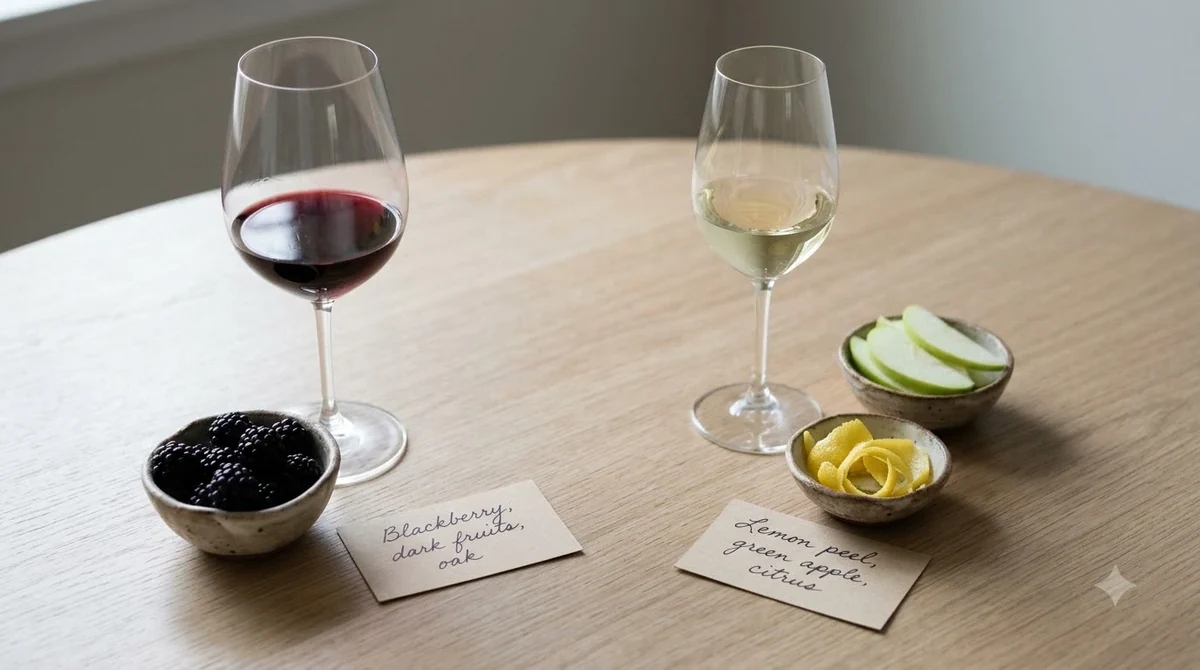
Pinot Noir is one of the most interesting varieties in the lineup for drinkers who enjoy red wine without excessive weight or tannin. Mirassou describes its Pinot Noir as light-bodied and bright, with ripe red and black cherry, raspberry, strawberry jam, pomegranate, oak, and vanilla characteristics.
The producer also provides useful information about its winemaking approach. It says most of the grapes used for the described Pinot Noir were harvested at night and cold-soaked for 24 hours before fermentation. The wine subsequently underwent malolactic fermentation, a process that can help create a softer mouthfeel.
Wine Enthusiast provides an independent perspective through its review of the 2022 California Pinot Noir. The publication describes strawberry, raspberry, cola, dried herbs, and a dry finish. It awarded the wine 88 points, placing it in its Very Good category. The reviewer also characterized it as an easy-drinking weekday selection. Read the Wine Enthusiast review of Mirassou 2022 Pinot Noir for the full tasting assessment and vintage-specific details.
These descriptions make Pinot Noir a logical first bottle for people who prefer fruit-forward reds and relatively moderate structure. It can accompany salmon, poultry, pasta, and lighter meat dishes. Serve it at approximately 55–60°F rather than allowing it to become excessively warm.
For a more focused look at the red selections, the Mirassou red wine discussion is a useful companion to this buying guide.
Mirassou Cabernet Sauvignon
Cabernet Sauvignon is generally a better fit for drinkers who enjoy fuller-bodied red wine and more pronounced tannin. Typical Cabernet characteristics include blackcurrant, dark cherry, plum, and sometimes cedar or oak-derived notes.
Its structure makes it particularly suitable for meals involving substantial protein and fat. Grilled steak, roast beef, and lamb are natural pairing candidates. Salt and fat can soften the sensation of tannin, helping the wine feel more balanced alongside a rich meal.
Cabernet Sauvignon is not automatically a better choice than Pinot Noir. It simply offers a different experience. Someone who wants a lighter red for salmon may prefer Pinot Noir, whereas someone serving grilled beef may appreciate Cabernet’s additional structure.
For serving, a full-bodied Cabernet generally works best around 60–65°F. Excessive warmth can make alcohol seem more prominent and reduce the impression of freshness. A young, particularly concentrated full-bodied red may also benefit from 30–60 minutes of decanting, although that step is not necessary for every bottle.
Mirassou Merlot
Merlot is a useful middle ground between lighter Pinot Noir and more tannic Cabernet Sauvignon. Its typical profile includes plum, black cherry, and soft dark fruit. It usually has medium tannin and a rounder impression than Cabernet.
This makes Merlot suitable for people who enjoy red wine but find particularly structured bottles challenging. It can work with roast chicken, meatloaf, burgers, tomato-based pasta, and moderately rich dishes.
Merlot is also a practical option for gatherings where guests have different levels of wine experience. Its generally softer structure can make it approachable without requiring a preference for sweetness. However, the actual balance of a particular bottle depends on the wine’s production and vintage.
Mirassou Chardonnay
Chardonnay is the natural choice for drinkers who enjoy white wine with more body and texture than a very light, crisp selection. Mirassou describes its Central Coast Chardonnay with nectarine, peach, tropical fruit, oak, and citrus notes.
The official production description provides additional detail. The grapes are membrane-pressed and cold-settled before fermentation in upright stainless-steel tanks, with a maximum stated fermentation temperature of 68°F. The producer also describes partial sur lie aging and partial malolactic fermentation. These techniques can contribute to texture and a rounded impression.
The producer identifies whitefish, chicken, and cheese as suitable pairings. That makes Chardonnay particularly useful at dinner, especially when the food includes creamy sauces, roasted poultry, or richer fish preparations.
Serve full-bodied white wines at approximately 50–55°F. Excessive chilling can make aromatic and textural characteristics less apparent, while overly warm Chardonnay may feel heavy. A moderate serving temperature allows the fruit and acidity to remain noticeable.
Mirassou Pinot Grigio
Pinot Grigio is a sensible option for shoppers who prefer refreshing white wine with a lighter body. Typical characteristics include citrus, pear, apple, and delicate floral or mineral impressions, depending on the wine’s origin and production style.
It is particularly useful as an aperitif or alongside lighter dishes. Seafood, salads, grilled vegetables, and simply prepared chicken are natural companions. Its lighter structure can also work better than Chardonnay with delicate foods that would be overwhelmed by a fuller white wine.
Serve light white wines around 45–50°F. This temperature range helps preserve their refreshing character while allowing some aroma to emerge as the wine warms in the glass.
Mirassou Moscato
Moscato is the selection to investigate if sweetness and aromatic fruit are more important than dryness. Typical Moscato characteristics include peach, orange blossom, floral aromas, and sweet fruit. It generally has a lighter body and less tannin than red varieties.
This style can accompany fruit desserts, mild cheeses, and lightly sweet pastries. It is also useful for casual occasions where guests prefer something sweeter than a conventional dry white wine.
One important pairing principle applies: the wine should be at least as sweet as the dessert. Otherwise, a sweet dish can make the wine seem thin, sharp, or unexpectedly sour. Serve sweet white wines around 43–50°F to retain freshness without suppressing their aromas.
Common Mistakes When Buying and Serving Mirassou Wine
Most disappointing wine purchases result from a mismatch between the bottle and the drinker’s preferences. Understanding sweetness, tannin, food compatibility, and temperature helps prevent the most common problems.
Assuming every red wine tastes alike
Pinot Noir, Merlot, and Cabernet Sauvignon have distinctly different structures. Pinot Noir generally has lower-to-medium tannin and relatively high acidity. Merlot is usually medium-bodied with softer tannins, while Cabernet Sauvignon generally has higher tannin and a fuller body.
Buying Cabernet simply because it is a recognizable grape can be disappointing for someone who prefers lighter reds. Similarly, a Pinot Noir enthusiast may find a particularly structured Cabernet more intense than expected.
Confusing fruit aromas with sweetness
Ripe cherry, strawberry, raspberry, and peach aromas do not automatically indicate residual sugar. A wine can smell sweet because of its fruit characteristics while remaining technically dry. Mirassou’s Pinot Noir, for example, is described by Wine Enthusiast as finishing dry despite its strawberry and raspberry notes.
Moscato is a more appropriate starting point for someone specifically seeking a sweet wine. Understanding this distinction helps shoppers avoid selecting a dry red when they actually want a sweet, dessert-friendly drink.
Serving red wine too warm
A common mistake is serving every red at room temperature without considering how warm the room actually is. A full-bodied red is generally best around 60–65°F, while lighter reds such as Pinot Noir are better around 55–60°F.
Serving a bottle at an excessively warm temperature can make alcohol more noticeable and reduce freshness. A short period of refrigeration before serving can help bring the wine into a more suitable range.
Pairing wine with food that fights its structure
High-tannin Cabernet Sauvignon can work well with fatty steak because fat and salt soften the sensation of tannin. However, a strongly tannic red is generally a poor partner for delicate oily fish. Pinot Noir is usually a more flexible red option for salmon and similar dishes.
Acidity also matters. Foods with pronounced acidity need wine with equal or higher acidity to maintain balance. A low-acid wine beside a strongly acidic tomato dish can taste flat, while an appropriately fresh wine can make the pairing more harmonious.
Spicy food requires particular attention. Alcohol and tannin can intensify chili heat, so a highly alcoholic, tannic Cabernet is not always the best choice for a very spicy meal. A softer wine with moderate alcohol or an appropriate sweeter white may provide a more comfortable pairing.
Expecting an old vintage to taste like a new release
Wine changes over time, and a bottle’s vintage can affect its freshness, fruit expression, and overall balance. A producer’s current product description may include information about an older harvest rather than the precise characteristics of the latest bottle.
Independent reviews are also vintage-specific. Wine Enthusiast’s review of the 2022 Mirassou Pinot Noir describes that particular wine, not every Pinot Noir carrying the brand name. It is better to use such reviews as evidence of a specific bottling than as a permanent guarantee.
Care and Storage Tips for Mirassou Bottles
Proper storage and serving make a noticeable difference to the drinking experience. Protect unopened bottles from heat, light, and temperature fluctuations, then refrigerate opened wine to slow oxidation.
Store unopened bottles correctly
A cool, dark storage location near 55°F is a useful target for still wine. Bottles with traditional cork closures are generally stored on their sides to keep the cork in contact with the wine. This helps prevent the cork from drying out and losing its seal.
Avoid placing bottles near ovens, radiators, sunny windows, or other sources of heat. Repeated temperature changes can affect wine quality, while direct sunlight can damage delicate aromas and flavors.
Mirassou’s accessible styles are generally more suitable for enjoying according to their intended drinking character than for assuming that extended cellaring will improve every bottle. Pinot Noir, Chardonnay, and Moscato should be selected primarily for their current drinking appeal unless specific vintage and aging information suggests otherwise.
Use the right serving temperatures
Temperature affects aroma, acidity, alcohol perception, and texture. Serving a wine too cold can hide its aromatic characteristics, while excessive warmth can make it seem heavier and less refreshing.
- Pinot Noir: 55–60°F.
- Merlot: approximately 60–65°F.
- Cabernet Sauvignon: 60–65°F.
- Chardonnay: 50–55°F.
- Pinot Grigio: 45–50°F.
- Moscato: 43–50°F.
These are useful serving ranges rather than strict requirements. A bottle can warm gradually in the glass, allowing its aromas to become more noticeable as the temperature rises.
Preserve opened wine
Once a bottle has been opened, oxygen gradually changes its flavor and aroma. Replacing the cork or using a suitable wine stopper and refrigerating the bottle can slow this process.
As a general guideline, opened still wines remain enjoyable for approximately three to five days when refrigerated and properly sealed. The precise window depends on the wine’s condition, exposure to air, and storage temperature.
Remove the bottle from the refrigerator shortly before serving if the wine needs to return to its ideal temperature. A red wine does not need to sit in a warm room for several hours. A little temperature adjustment is generally sufficient.
Pour sensible serving sizes
A conventional wine serving is approximately 5 oz. Since a standard bottle contains 750 ml, it provides about five servings. This makes it easier to plan quantities for a dinner or small gathering.
For a tasting involving multiple Mirassou varieties, smaller pours allow guests to compare the differences between Pinot Noir, Cabernet Sauvignon, Chardonnay, and Moscato without committing to a full glass of each. This approach is especially useful for introducing new wine drinkers to different styles.
Frequently Asked Questions
Is Mirassou considered an old California wine brand?
Yes. The Mirassou name is associated with a California winemaking tradition dating back to the nineteenth century. Its official history describes more than 160 years of grape growing and winemaking in California. The brand’s historical roots are distinct from the age of any individual bottle or vintage.
Does Mirassou make wines from grapes other than Pinot Noir and Chardonnay?
Yes. Its official portfolio also identifies Moscato, Cabernet Sauvignon, Merlot, and Pinot Grigio. These varieties cover different preferences, including fuller dry reds, lighter whites, and sweeter aromatic wines. Portfolio availability can vary between retailers and locations.
Is Mirassou Pinot Noir suitable for a wine tasting party?
Yes. Pinot Noir can be useful in a tasting because its fruit characteristics and relatively moderate tannin make it easy to compare with other red varieties. A 5 oz conventional serving is a useful reference point, although smaller tasting pours are more practical when several wines are being served. Compare its cherry and raspberry characteristics with the darker fruit and firmer structure of Cabernet Sauvignon.
Can Mirassou Chardonnay be served with a cheese board?
Yes. Chardonnay can work with mild and medium-intensity cheeses, particularly creamy varieties and young semisoft cheeses. Its fruit characteristics can complement the richness of these foods. Very salty or intensely aged cheeses may require a different wine balance, so the strength of the cheese matters.
Does Mirassou Pinot Noir need to be decanted?
Usually, a young, approachable Pinot Noir does not require extensive decanting. Opening the bottle shortly before serving is often sufficient to release its aromas. Decanting is more commonly useful for young, full-bodied reds that benefit from 30–60 minutes of aeration or for older wines that contain sediment.
Mirassou is a sensible brand to explore if the goal is an approachable California wine rather than a highly specialized cellar selection. Pinot Noir is a particularly interesting starting point, while Chardonnay, Merlot, Cabernet Sauvignon, Pinot Grigio, and Moscato provide alternatives for different tastes and meals. Compare the grape varieties, choose according to your preferred sweetness and body, and serve each bottle at an appropriate temperature for the most enjoyable experience.
More in Wine Brands
 Underwood Wine Price: Compare Bottles, Cans, and Pack SizesUpdated Nov 21, 2026
 Zenato Wine Price: Compare Styles and Choose the Right BottleUpdated Nov 21, 2026
 Zuccardi Wine Price: Compare Bottles and Find the Right RangeUpdated Nov 21, 2026
 Yellow Tail Moscato Review: Taste, Sweetness and Serving TipsUpdated Nov 21, 2026
 Wolf Blass Yellow Label Review: Choose Your Best StyleUpdated Nov 21, 2026
 Wolffer Estate Rose Review: Choose the Right Bottle for Your TableUpdated Nov 21, 2026