


We may earn a commission when you buy through links on this page, at no extra cost to you. Learn more.
This Matua wine review finds that Matua is a strong choice for drinkers who enjoy fresh, fruit-forward New Zealand wines, particularly crisp Marlborough Sauvignon Blanc. Founded by brothers Bill and Ross Spence in 1974, the winery helped establish New Zealand Sauvignon Blanc as an internationally recognized style. Its range also includes Pinot Noir and other regional expressions, offering options for different meals and preferences. The best bottle depends on whether you prefer bright citrus acidity, lighter red fruit or a different style of white wine.
Matua has an interesting position in the New Zealand wine market: it combines an important pioneering history with accessible wines intended for everyday drinking. Its reputation is closely associated with Sauvignon Blanc, but understanding its regional origins, grape varieties, serving requirements and packaging options makes choosing a bottle easier. This guide examines what the brand offers, what its wines generally taste like and how to decide whether Matua deserves a place in your wine collection. Readers exploring the wider category can also browse these wine brands to compare producers and discover other styles.
Who This Is For
Matua is particularly appealing to people who enjoy refreshing white wines, recognizable fruit flavors and uncomplicated food pairings. Its Sauvignon Blanc is the natural starting point, although Pinot Noir provides an alternative for drinkers who prefer red wine with lighter tannins.
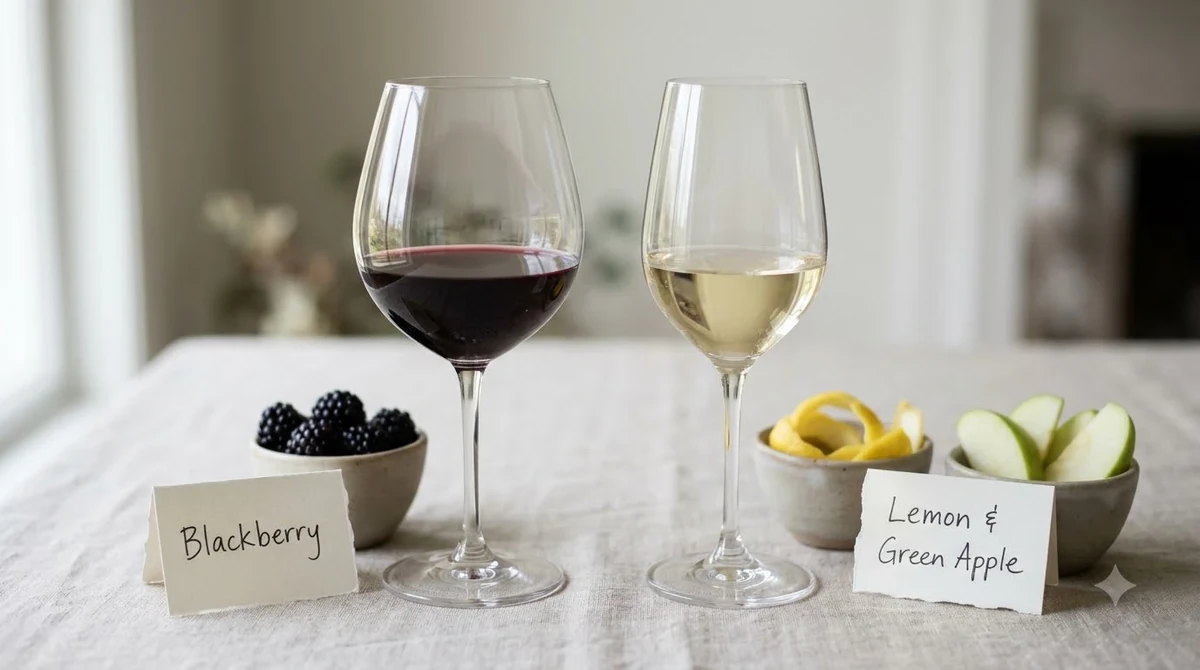
New Zealand Sauvignon Blanc has a distinctive reputation for lively acidity, citrus character and aromatic intensity. Matua has a particularly strong connection to this style because its founders produced the country’s first Sauvignon Blanc in 1974. According to the winery’s history, that original production consisted of just 400 bottles. Its background gives the brand an important place in New Zealand wine history rather than making it simply another producer using the country’s best-known grape variety.
For someone new to New Zealand wine, Matua offers a relatively straightforward introduction. Its Marlborough Sauvignon Blanc is a sensible choice for drinkers who enjoy grapefruit, lemon, tropical fruit and fresh herbal aromas. Those who prefer softer red wines can explore Pinot Noir, particularly if they enjoy cherry flavors and restrained tannins.
The brand is also worth considering for people who regularly serve wine with seafood, salads, grilled chicken or casual outdoor meals. Matua offers different packaging formats, including standard bottles and its 1.5-liter Bagnum pouch, which contains the equivalent of two 750 ml bottles. That larger format can be useful for gatherings where several people are sharing the same wine.
However, Matua may not be the first choice for someone specifically seeking powerful, heavily oaked Chardonnay, intensely tannic Cabernet Sauvignon or complex, long-aged reds. Its best-known identity centers on freshness and approachable drinking rather than imposing structure or extended cellar aging.
Key Factors to Compare Before Buying
Choosing Matua wine is easier when you compare grape variety, regional origin, acidity, alcohol content and bottle format. These characteristics influence how a particular bottle tastes, how it pairs with food and when it is most enjoyable.
| Factor | What to Look For | Why It Matters |
|---|---|---|
| Grape variety | Sauvignon Blanc or Pinot Noir | Determines the wine’s basic flavor and structure. |
| Region | Marlborough, Nelson or Central Otago | Provides context for the wine’s regional character. |
| Sauvignon Blanc ABV | 13% in Wine Enthusiast’s reviewed 2024 vintage | Helps identify the alcohol level of that particular bottle. |
| Pinot Noir ABV | 12.5% in Wine Enthusiast’s reviewed 2020 vintage | Offers a reference for a previously reviewed red. |
| Standard bottle | 750 ml | Approximately five standard 5 oz pours. |
| Bagnum | 1.5 liters | Contains the equivalent of two standard bottles. |
| Serving temperature | 45–50°F for light whites; 55–60°F for light reds | Helps preserve freshness and aromatic expression. |
One important distinction is that alcohol content is not identical across every Matua wine. Wine Enthusiast lists the 2024 Matua Marlborough Sauvignon Blanc at 13% ABV and the 2020 Matua Marlborough Pinot Noir at 12.5% ABV. These are specific reviewed vintages, not permanent specifications for every bottle the winery produces. Matua also confirms that alcohol percentages can change according to wine and vintage. Its official wine FAQ provides additional information about alcohol percentages, packaging and serving recommendations.
Acidity is another major consideration. Sauvignon Blanc generally has high acidity, creating the mouthwatering sensation that makes it particularly refreshing alongside seafood and citrus-based dishes. Pinot Noir usually has lower to medium tannin and good acidity, making it a more flexible red wine for lighter meat dishes and mushroom-based recipes.
Packaging matters if you plan to serve wine to a group. A standard 750 ml bottle provides approximately five 5 oz glasses, while a 1.5-liter Bagnum provides approximately ten. The pouch is useful when portability and reduced packaging weight matter more than presenting a traditional glass bottle.
For a closer look at alcohol percentages and how they vary across different bottles, see this guide to Matua wine alcohol content.
Step-by-Step: How to Choose Matua Wine
A simple selection process can help match a Matua bottle to your preferences without relying entirely on brand recognition. Start with the grape variety, then consider your meal, preferred flavor intensity and serving occasion.
-
Decide between white and red wine.
Start with Sauvignon Blanc if you enjoy refreshing white wine with pronounced acidity. Choose Pinot Noir if you prefer red fruit, softer tannins and a lighter overall structure. This first decision eliminates much of the uncertainty when comparing bottles.
-
Consider the flavor profile you enjoy.
For citrus, passion fruit, green herbs and grapefruit, Sauvignon Blanc is the logical starting point. For cherry, red berries and earthy spice, consider Pinot Noir. Wine Enthusiast’s review of the 2024 vintage describes lemon, basil and tomato leaf, while its review of the 2020 Pinot Noir highlights cherry and earthy spice.
-
Match the wine with your meal.
For oysters, grilled shrimp, white fish and fresh salads, Sauvignon Blanc is usually the better match. For roasted chicken, grilled pork, mushrooms or other richer dishes, Pinot Noir offers a different kind of balance. Think about the acidity and weight of the food rather than simply matching white wine with fish and red wine with meat.
-
Check the vintage and alcohol percentage.
Look at the vintage and ABV before buying. The 13% figure associated with the reviewed 2024 Sauvignon Blanc should not automatically be applied to a different vintage. The same applies to the 12.5% figure for the reviewed 2020 Pinot Noir.
-
Choose an appropriate packaging size.
A 750 ml bottle makes sense for a small dinner or an individual occasion. For a picnic or gathering, Matua’s 1.5-liter Bagnum offers twice the volume of a conventional bottle. Cooler cans are another format offered by the brand, although availability varies by wine and retailer.
-
Serve the wine at the right temperature.
Chill Sauvignon Blanc to approximately 45–50°F. For Pinot Noir, aim for approximately 55–60°F. Matua’s Chill Check snowflake is available on selected bottles and turns blue when the wine reaches the intended chilled temperature.
-
Evaluate the overall experience.
Consider whether the wine’s acidity, fruit intensity, texture and finish suit your preferences. A lively Sauvignon Blanc may be excellent for someone who enjoys crisp whites but less appealing to a drinker who prefers soft, rounded wines with lower acidity.
Tip: If you are buying Matua for the first time, begin with the Marlborough Sauvignon Blanc. It represents the winery’s best-known style and provides a clear introduction to the citrus-driven character associated with New Zealand Sauvignon Blanc.
Matua Wine Types and Styles Explained
Matua’s strongest identity is Sauvignon Blanc, but its New Zealand sourcing also includes other grape varieties and regional expressions. Understanding the differences between the main styles helps prevent choosing a bottle simply because it carries a familiar label.
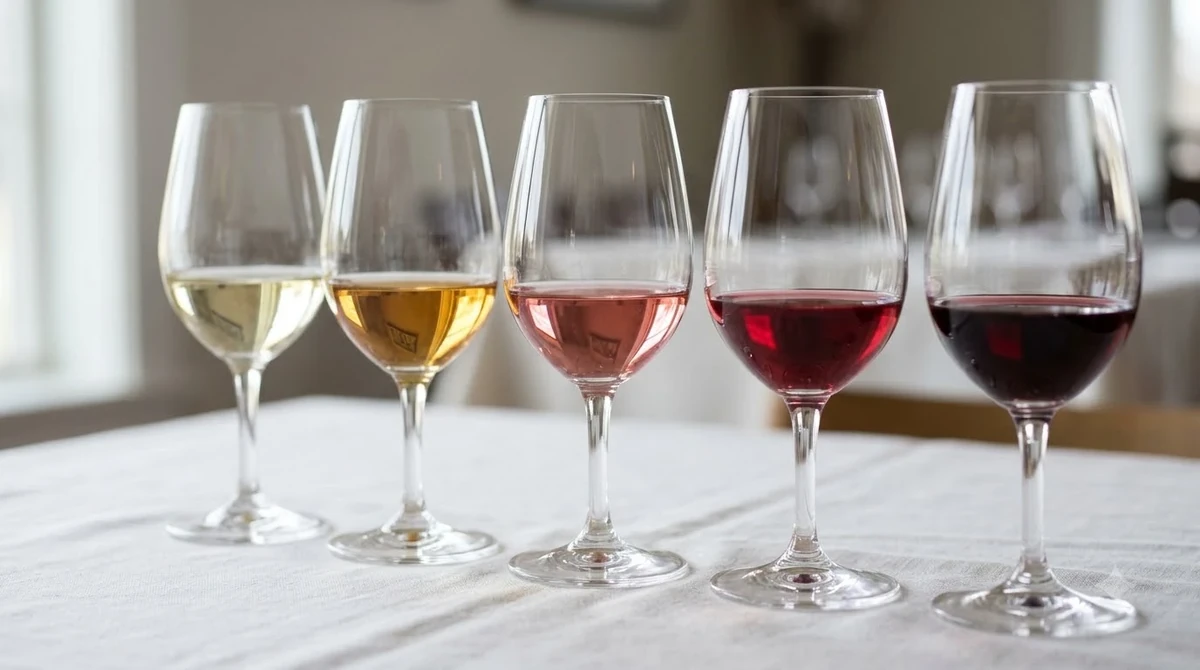
Marlborough Sauvignon Blanc
This is the most recognizable Matua style and the natural first bottle to consider. Marlborough is an important New Zealand wine region, particularly known for aromatic Sauvignon Blanc with fresh citrus, tropical fruit and herbal characteristics.
Matua describes its Sauvignon Blanc as crisp, vibrant and fruit-forward. Its official description highlights zesty citrus and tropical fruit, while Wine Enthusiast’s review of the 2024 vintage identifies lemon, fresh basil, tomato leaf and green beans. The publication also notes pronounced acidity and enough fruit concentration to provide balance. The Wine Enthusiast review of Matua’s 2024 Sauvignon Blanc provides a useful vintage-specific reference for these characteristics.
These characteristics make the wine particularly suitable for people who enjoy lively whites rather than rich, buttery styles. It can be served with grilled prawns, fish tacos, goat cheese salads and dishes featuring lemon or fresh herbs. It also works as an aperitif when served properly chilled.
Pinot Noir
Matua Pinot Noir is an alternative for people who want a red wine without the heavier tannin structure associated with varieties such as Cabernet Sauvignon. Pinot Noir typically offers red fruit, moderate acidity and a lighter body, although its character varies with region and winemaking.
Wine Enthusiast’s review of the 2020 Matua Marlborough Pinot Noir describes translucent cherry color, primary red fruit and earthy spice. The publication also notes a lightweight palate and gentle tannins. This suggests an approachable red rather than a particularly powerful or heavily structured wine.
Its food-pairing possibilities include roast chicken, grilled pork, mushrooms and moderately rich dishes. A slightly cooler serving temperature of 55–60°F helps preserve freshness without making the wine taste excessively warm or alcoholic.
Other Regional Expressions
Matua’s official history identifies Marlborough, Nelson and Central Otago as important parts of its South Island grape-growing network. These regions have different growing conditions and can contribute different characteristics to the wines.
Central Otago is particularly associated with Pinot Noir in Matua’s regional description. The winery highlights its cool nights and rugged terrain as important elements of the region’s character. Nelson, meanwhile, is described as a close relative of Marlborough with a different climate and landscape.
The distinction matters because New Zealand wine should not be treated as one uniform style. Two Sauvignon Blancs from different regions can have noticeably different aromatic intensity and texture, while Pinot Noir can vary in fruit character and structure according to its growing conditions.
Alternative Packaging Formats
Matua also offers different packaging formats depending on the wine and retail market. The Bagnum is a notable option because its 1.5-liter capacity is equivalent to two regular bottles. It is designed for situations such as picnics, parties, beach days and outdoor gatherings.
The winery also identifies Cooler cans as part of its packaging range. These provide another format for occasions when carrying a full-size bottle is inconvenient. The available grape variety, volume and retail availability can differ, so the format should be treated as a purchasing consideration rather than an indication of wine quality.
Common Mistakes When Buying Matua Wine
The most common purchasing mistakes involve assuming that every Matua bottle tastes alike, confusing regional styles and expecting a refreshing Sauvignon Blanc to behave like a rich, full-bodied white. A little attention to grape variety and serving conditions makes a noticeable difference.
Assuming Every Sauvignon Blanc Is Identical
Even within Marlborough, Sauvignon Blanc can vary in intensity, fruit expression and texture. Matua’s 2024 review demonstrates a profile that combines lemon and green herbal notes with strong acidity. Another vintage may show a different balance of tropical fruit, citrus and herbal character.
Consequently, it is better to treat tasting descriptions as useful indications rather than guarantees that every bottle will deliver precisely the same experience. Vintage variation and growing conditions influence the finished wine.
Expecting a Sweet White Wine
Fruit aromas do not necessarily indicate sweetness. A Sauvignon Blanc can smell strongly of passion fruit, ripe citrus or tropical fruit while still tasting dry. Matua’s signature style is described as crisp and fresh, making it a better fit for drinkers who enjoy aromatic whites with refreshing acidity than for those specifically seeking dessert wine.
If sweetness is your priority, look for a wine explicitly described as sweet or off-dry rather than assuming that a tropical aroma means the wine contains substantial residual sugar.
Serving White Wine Too Warm
Warm Sauvignon Blanc can seem less refreshing, with its acidity and alcohol becoming more noticeable. Serving it at approximately 45–50°F generally produces a cleaner, more balanced impression. Conversely, extremely cold wine can suppress aromatic expression, so leaving a bottle out briefly after refrigeration may improve the experience.
Expecting Pinot Noir to Have Cabernet-Level Tannin
Pinot Noir is naturally different from Cabernet Sauvignon. Cabernet generally has high tannin, while Pinot Noir has lower to medium tannin and often a more delicate structure. Someone expecting a powerful red with a drying finish may find Matua Pinot Noir relatively light.
Ignoring the Meal
High-acid Sauvignon Blanc can work particularly well with acidic ingredients such as lemon and vinaigrette because the wine’s acidity can match the food. Pinot Noir is more appropriate for richer meat and mushroom dishes. However, very spicy food can make alcohol and tannin seem more pronounced, so an especially hot dish may not be the ideal match for a structured red.
It is also useful to avoid pairing strongly tannic reds with oily fish. Pinot Noir’s lighter tannin structure generally makes it more flexible, but the preparation and sauce still influence the final pairing.
For another familiar, approachable American wine brand, readers can compare Matua’s New Zealand-focused style with Barefoot wine. The comparison is particularly useful for shoppers deciding whether they prefer New Zealand Sauvignon Blanc’s pronounced acidity or a different everyday wine style.
Care and Storage Tips for Matua Wine
Proper storage and serving help maintain Matua’s fresh fruit character, especially in aromatic white wines. Temperature, exposure to oxygen and the amount of time after opening all influence how the wine develops.
Storing Unopened Bottles
For longer storage, keep wine bottles on their sides in a cool, dark location near 55°F. Avoid placing them beside ovens, radiators or sunny windows, where temperature changes can accelerate deterioration. Consistent conditions are more useful than frequent movement between different storage locations.
Matua’s Sauvignon Blanc is generally best approached as a fresh, fruit-driven wine rather than a bottle purchased primarily for extended cellaring. If you want its characteristic citrus and herbal freshness, drinking it while young is a sensible approach. Pinot Noir can also be enjoyed relatively young, depending on the particular wine and vintage.
Chilling Before Serving
Serve Matua Sauvignon Blanc at approximately 45–50°F. A refrigerator provides a convenient starting point, although the exact time required depends on the bottle’s initial temperature and refrigerator conditions. Matua’s Chill Check snowflake offers an additional visual indication on selected bottles; its blue color signals the intended chilled temperature.
For Pinot Noir, a temperature around 55–60°F is preferable. If it has been refrigerated, take it out briefly before pouring so the aromas can become more expressive. Serving red wine excessively warm can make its alcohol seem more prominent and its fruit less balanced.
Preserving Opened Wine
Once opened, reseal the bottle and keep it refrigerated, including red wine. Matua recommends enjoying a standard bottle within a few days for the freshest flavor. A practical general guideline for still wines is approximately three to five days under refrigeration, although freshness varies with the wine, closure and amount of air remaining in the bottle.
The Bagnum packaging is designed to reduce contact between the wine and air after opening. Matua says this format helps preserve freshness longer than a traditional opened bottle. Its pouch construction also makes it convenient to transport and store, although the recommended consumption timeframe on the packaging should guide use.
Using the Right Glass
A standard white wine glass is suitable for Sauvignon Blanc because its shape allows the citrus and herbal aromas to develop while keeping the wine easy to drink. Pinot Noir generally benefits from a larger bowl that provides space for red fruit and earthy aromas to open.
There is no need for elaborate equipment to enjoy Matua. A clean glass, appropriate serving temperature and properly stored bottle are sufficient for most everyday occasions.
Frequently Asked Questions
Who owns Matua wine?
Matua’s historical founders were brothers Bill and Ross Spence. Their original business developed from a small winery in West Auckland, and the brand subsequently became an established New Zealand wine producer. The original founders’ involvement and the brand’s current corporate ownership are separate questions.
What does the MOKO illustration on Matua labels represent?
Matua explains that its MOKO illustration is inspired by the traditional Māori art of tā moko. The winery describes it as a representation of its connection to New Zealand, its heritage and the pioneering spirit associated with its founders. The design is an important part of the brand’s visual identity.
Are Matua wines made with screw caps?
Matua explains that screw caps are used on its wines and describes them as a way to protect freshness by limiting oxygen exposure. They are also practical because they make bottles easier to open and reseal without a corkscrew. The specific closure can depend on the bottle and packaging format.
Are Matua wines suitable for serving at outdoor events?
Yes. Matua specifically identifies picnics, beach days, boats and backyard gatherings as suitable occasions for its Bagnum format. The 1.5-liter pouch is lighter to carry than two standard glass bottles and contains the same total volume. Its BPA-free packaging is designed specifically for storing wine.
Can you visit Matua’s winery and cellar door in New Zealand?
Matua states in its official FAQ that its cellar door sites are not currently open to the public. This means visitors should not assume that a winery visit or public tasting can be arranged. Retail availability and winery tourism are separate matters.
Matua is a worthwhile starting point for anyone interested in New Zealand wine, especially drinkers who appreciate crisp Sauvignon Blanc with citrus, tropical fruit and herbal character. Its Pinot Noir and alternative packaging formats provide additional choices for different meals and occasions. Start with the Marlborough Sauvignon Blanc if you want the style most closely associated with the brand, then explore other regional expressions as your preferences develop.
More in Wine Brands
 Underwood Wine Price: Compare Bottles, Cans, and Pack SizesUpdated Nov 21, 2026
 Zenato Wine Price: Compare Styles and Choose the Right BottleUpdated Nov 21, 2026
 Zuccardi Wine Price: Compare Bottles and Find the Right RangeUpdated Nov 21, 2026
 Yellow Tail Moscato Review: Taste, Sweetness and Serving TipsUpdated Nov 21, 2026
 Wolf Blass Yellow Label Review: Choose Your Best StyleUpdated Nov 21, 2026
 Wolffer Estate Rose Review: Choose the Right Bottle for Your TableUpdated Nov 21, 2026