


We may earn a commission when you buy through links on this page, at no extra cost to you. Learn more.
Macari wine price typically ranges from roughly $15 to $85 per 750 ml bottle across current U.S. retail listings, depending on style and release, according to Vintage Mattituck and DailyVino; prices vary by state and retailer. Entry-level whites, rosé, and some blends sit near the lower end, while selected reds and limited bottlings cost more. Macari is a Long Island producer, so its range includes cool-climate whites, Cabernet Franc-led reds, and sparkling wines.
The smartest way to shop Macari is to compare the wine style, bottling name, vintage, and seller together. A Sauvignon Blanc or rosé can be a sensible first bottle, while a Cabernet Franc, Syrah, or special red blend may suit a longer dinner or a cellar-minded purchase. The price tiers below are practical buying brackets rather than fixed winery prices.
Who This Is For
Macari suits shoppers who want to explore Long Island wine beyond the region’s best-known supermarket labels. Its home base is Mattituck on the North Fork, and the winery describes a nearly 500-acre vineyard and farm there. That sense of place matters if you are curious about maritime-climate wines, especially whites with lively acidity and reds built around Bordeaux varieties such as Cabernet Franc and Merlot.
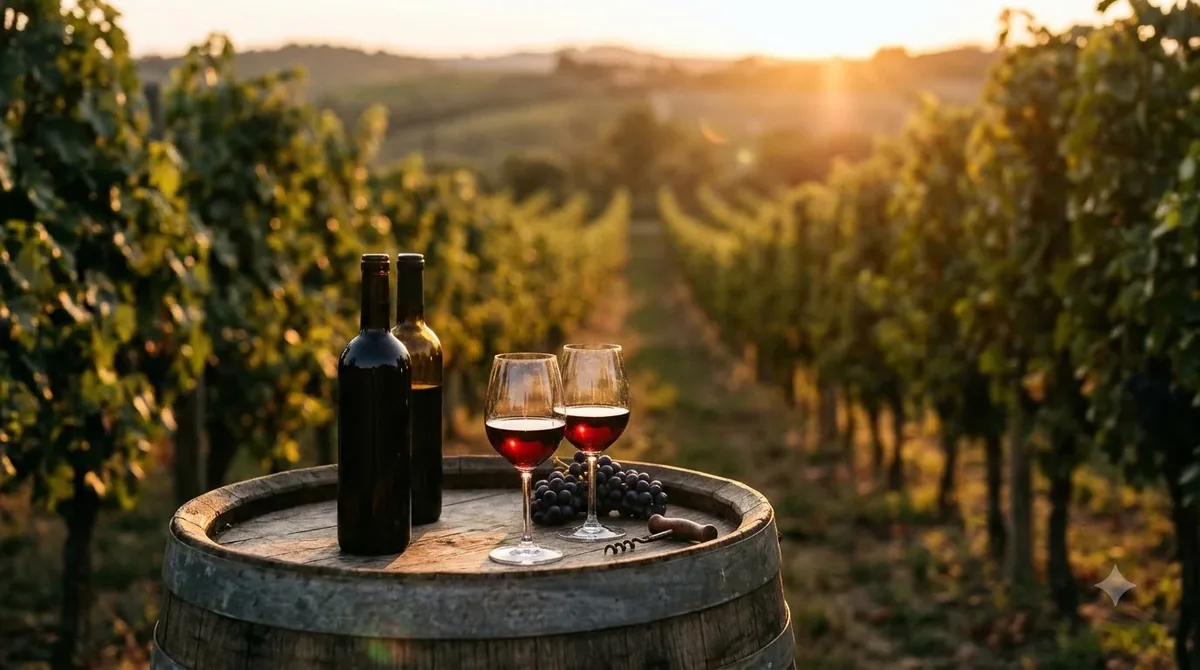
The range also works for buyers who want more than one style from a single producer. A household that prefers white wine can look at Katherine’s Field Sauvignon Blanc or Estate Chardonnay; a rosé drinker can choose the winery’s pink bottling; and red-wine fans can compare Cabernet Franc, Syrah, Merlot, or blends such as Dos Aguas Red and Bergen Road. That variety makes Macari useful for a mixed dinner table, although the higher-tier bottles are a different purchase from an everyday bottle.
Macari is less suited to someone whose only goal is the lowest possible bottle price. Its core wines sit above many mass-market labels, and premium releases can cost more. For a very different national-market segment, compare the broad distribution and style range in our Barefoot wine overview; region, production scale, grape, and style all affect what shoppers pay.
Key Factors to Compare
Macari bottle prices make the most sense when grouped by style and release tier, not treated as one flat brand average. Vintage Mattituck’s visible 750 ml listings put entry whites, rosé, and Sette Red around $15 to $25, core reds around $26 to $45, and Horses Pét-Nat around $24 to $29; DailyVino lists Sparkling Horses near $32 and selected premium reds around $45 to $85. Prices vary by state and retailer.
| Buying tier | Examples listed by retailers | Practical 750 ml range | What to compare |
|---|---|---|---|
| Entry / everyday | Dos Aguas White, Katherine’s Field Sauvignon Blanc, Estate Chardonnay, Rosé, Sette Red | About $15–$25 | Vintage, grape, and whether the bottle is on a temporary promotion |
| Mid-tier reds | Dos Aguas Red, Cabernet Franc, Syrah | About $26–$45 | Varietal versus blend, oak influence, and intended meal |
| Sparkling / special bottlings | Horses Cabernet Franc Pét-Nat and selected Sparkling Horses wines | About $24–$32 | Production method, sweetness, and whether it is pét-nat or another sparkling style |
| Premium / limited reds | Bergen Road and selected library or special releases | About $45–$85 | Vintage, availability, and whether the seller lists a current or older release |
These are observed retail brackets, not a permanent Macari price schedule. Vintage Mattituck lists entry and mid-tier Macari 750 ml bottles, while DailyVino’s broader catalog includes more expensive red blends and special wines. Vintage, stock, bottle size, and seller can all change the displayed range, so use the bands to judge scale rather than expect every label to be available everywhere.
Compare like with like: a 750 ml Sauvignon Blanc should be matched with a similar vintage and sales channel, not a library Cabernet Franc or a case-only offer. Include shipping, taxes, and any minimum order in the total, and distinguish the amount charged today from a crossed-out regular price.
For more context on the producer and its bottlings, use this Macari wine overview alongside the retailer’s live selection. A useful wider category reference is the Wine Brands directory, especially if you are comparing producers rather than looking for one specific grape.
Step-by-Step: How to Shop for a Macari Bottle
A simple buying sequence prevents a name or premium-looking label from doing all the work. Start with the occasion, decide which style fits the food and guests, and only then compare the current vintage and retail range.
- Set the occasion. For a casual weeknight meal or an aperitif, start with Sauvignon Blanc, rosé, or a lighter white blend. For grilled meat, braised dishes, or a dinner where red wine is central, compare Cabernet Franc, Merlot, Syrah, or a red blend. This first decision narrows the list more effectively than sorting only by price.
- Choose a grape or style. Sauvignon Blanc is the crisp, citrus-led direction; Chardonnay is the fuller white option; Cabernet Franc can give you a red with fresh acidity and herbal character; and Syrah is generally the more powerful red-wine choice. If you want bubbles, determine whether you are looking at a pét-nat such as Horses rather than assuming every sparkling bottle is made the same way.
- Check the exact bottling and vintage. Macari’s catalog includes labels such as Katherine’s Field, Lifeforce, Dos Aguas, Bergen Road, and Horses. Similar grape names do not guarantee the same cuvée or production approach. Confirm the vintage shown in the listing and whether the seller is offering a single bottle, a case, a pre-arrival wine, or a library release.
- Compare the full purchase cost. Put two or three matching listings side by side, using the same bottle size and approximate vintage. Add shipping and tax before deciding that an online listing is less expensive than a nearby store. Also check whether the seller ships to your state; retailers can impose limits that differ from the winery’s direct policies.
- Buy the amount you can use. One 750 ml bottle gives about five standard 5 oz pours, which is enough for a small dinner but not a large gathering. If you are unfamiliar with a label, buy one bottle before committing to a case. If you already know the wine and plan to serve it repeatedly, a case offer can make sense only after the per-bottle cost and storage conditions are clear.
You do not need to start with the most expensive wine. A lower-tier white or rosé can show whether you like the producer’s style before you move to Cabernet Franc or a premium blend. A higher price may reflect a different grape, smaller release, vintage, or seller markup, so check the reason rather than assuming that cost alone signals a better fit.
For a sparkling alternative, compare Macari’s Horses Cabernet Franc Pét-Nat with our La Marca Prosecco page. Prosecco is typically made from Glera by the tank method; Horses is described as ancestral-method Cabernet Franc. Both suit celebrations, but they are distinct styles.
Types or Styles Explained
The range includes crisp whites, rosé, still reds, blends, and sparkling bottles, so the label name is as important as the Macari name. Start with the style that matches your usual preference, then move across the range when you want to try something different.

Whites: Sauvignon Blanc and Chardonnay
Katherine’s Field Sauvignon Blanc is the starting point for shoppers who like bright acidity and citrus. Retailer notes mention lime, gooseberry, and kiwi, while Total Wine describes melon and stone fruit with citrus and pear. Those flavors suit shellfish, goat cheese, vinaigrette salads, and simply prepared white fish.
Estate Chardonnay offers a different texture. Chardonnay generally has medium acidity and can feel rounder than Sauvignon Blanc beside roast chicken, creamy pasta, or fish with butter sauce. Dos Aguas White is a blend option. Katherine’s Field, Lifeforce, Estate, and Dos Aguas are distinct bottlings, not interchangeable names for one generic white.
Rosé and sparkling wine
Macari Rosé is a practical choice for warm-weather meals, picnic food, grilled vegetables, and seafood. Serve it cool, around 45–50°F, rather than refrigerator-cold for a long stretch; a little warmth can make the fruit and texture easier to notice. Rosé also works with foods that are awkward matches for many tannic reds, including salmon, tuna, and dishes with herbs or tomato.
The Horses Cabernet Franc Pét-Nat is a more distinctive sparkling option. Vintage Mattituck describes the 2025 bottling as a naturally sparkling rosé made from 100% Cabernet Franc using the ancestral pétillant naturel method, with strawberry, raspberry, peach, rhubarb, herbs, and delicate brioche notes. The retailer suggests brunch, seafood, and charcuterie as food matches. Serve sparkling wine at about 40–50°F and open it carefully because the bottle is carbonated.
Reds and blends
Cabernet Franc suits drinkers who like fresh acidity and savory detail rather than the heaviest tannin. Macari also lists Merlot, Syrah, Dos Aguas Red, and Bergen Road. Merlot is usually softer and medium in tannin; Syrah generally has medium-plus to high tannin and a fuller profile. These differences help match the wine to roast poultry, burgers, lamb, or steak.
A blend is not automatically simpler than a varietal wine. A named blend may be a specific house expression, while a varietal label gives a clearer cue about its leading grape. Ask for the blend composition when it is not shown. Serve lighter Cabernet Franc or Merlot around 55–60°F and fuller Syrah nearer 60–65°F.
Common Mistakes
The biggest shopping errors are comparing unlike bottles, assuming a label has the same price everywhere, and buying a special release without knowing what makes it different. A little attention to the vintage, seller, and style can prevent most of those problems.
Do not compare a single bottle with a case-only offer as though they were identical. A per-bottle case price still requires paying for the full case and storing it. Also avoid comparing different Sauvignon Blanc or Cabernet Franc vintages as though the price gap alone measured quality; availability and stock can differ.
Do not treat every Macari wine as a premium red. The lineup includes whites, rosé, sparkling wine, and pricier reds or limited releases. An easy aperitif does not call for the same bottle as a cellar-minded dinner, so check the label and style before ruling the brand in or out.
Third, do not forget delivery rules. A retailer’s shipping policy can differ from the winery’s direct policy, and state alcohol laws can limit availability by destination. Verify shipping eligibility before placing an order, especially when the bottle is not sold locally.
Finally, avoid treating an online price tracker as a promise of stock. A comparison page can display several vintages, case-only listings, and pre-arrival offers at the same time. Read the details for bottle size, vintage, offer type, and seller before comparing. If the listing is for an older release or a small-production bottling, the available range can be narrow and can change as inventory moves.
Care or Storage Tips
Good storage protects the wine’s value after you have paid for it. Keep bottles away from heat, light, and large temperature swings, and serve each Macari style at a temperature that lets its acidity, fruit, or structure show clearly.
For bottles with a cork, store them on their side in a dark place near 55°F when possible. A cool, stable closet or wine refrigerator is better than a kitchen counter above an oven or a sunny shelf. Avoid repeated vibration and temperature cycling. If you plan to keep a premium Cabernet Franc, Syrah, or red blend for more than a short period, stable conditions matter more than displaying the bottle where it gets noticed.
Match serving temperature to body: sparkling wine at 40–50°F, rosé and lighter whites at 45–50°F, fuller Chardonnay at 50–55°F, lighter reds at 55–60°F, and fuller Syrah at 60–65°F. A room that feels comfortable can be too warm for red wine, so a short refrigerator rest may help.
Tip: Chill white or rosé a few hours before serving, then let it warm briefly if its aromas seem muted. For a young, full-bodied red, consider 30–60 minutes of decanting; skip decanting sparkling wine to preserve its bubbles.
Re-cork opened still wine and keep it in the refrigerator, including red wine. Most opened still wines keep for roughly three to five days; sparkling wine is best within one to three days when sealed with a sparkling-wine stopper. A 750 ml bottle provides about five 5 oz servings, useful when calculating how many bottles to serve at dinner.
Frequently Asked Questions
Can Macari ship wine to every U.S. state?
No. Macari’s winery FAQ says it ships by UPS within the United States but excludes Alabama, Utah, Rhode Island, Delaware, and Alaska. Destination rules can change, so confirm eligibility with the winery before ordering.
Can visitors walk in for a tasting at the Mattituck winery?
Walk-ins are served on a first-come, first-served basis, and Macari says it cannot guarantee seating without a reservation. Tastings begin at 11 a.m., even though the tasting room’s posted opening hours begin earlier on some days.
How many wines are included in a standard Macari tasting flight?
The winery describes its Seasonal Tasting as a five-wine flight for parties of up to six guests. The experience is scheduled for a two-hour table reservation, which makes booking ahead useful for a planned visit.
Are children and dogs allowed at Macari’s tasting room?
Children are welcome in the tasting room, but the winery says its Barrel Cellar experience is limited to guests 21 and older. Dogs may join guests on the lawn when leashed, but they are not allowed indoors or on the covered deck.
What does Macari Wine Club membership add beyond bottle shipments?
The winery describes seasonal shipments in spring, summer, fall, and winter, with access to small-production wines, pre-releases, and limited library vintages. Members also receive tasting or winemaking notes and pairing suggestions with their selections.
For most shoppers, Macari is best approached as a producer with several clear price tiers rather than one standard bottle cost. Start with the grape and occasion, compare the same size and vintage across sellers, and reserve the premium tier for a bottle whose style or release genuinely interests you. Before ordering, check shipping eligibility and current stock so the range you use for comparison matches the bottle you can actually buy.
More in Wine Brands
 Underwood Wine Price: Compare Bottles, Cans, and Pack SizesUpdated Nov 21, 2026
 Zenato Wine Price: Compare Styles and Choose the Right BottleUpdated Nov 21, 2026
 Zuccardi Wine Price: Compare Bottles and Find the Right RangeUpdated Nov 21, 2026
 Yellow Tail Moscato Review: Taste, Sweetness and Serving TipsUpdated Nov 21, 2026
 Wolf Blass Yellow Label Review: Choose Your Best StyleUpdated Nov 21, 2026
 Wolffer Estate Rose Review: Choose the Right Bottle for Your TableUpdated Nov 21, 2026