

We may earn a commission when you buy through links on this page, at no extra cost to you. Learn more.
This marchesi di barolo wine review finds a traditional Piedmont producer worth considering for structured Nebbiolo reds, distinctive single-vineyard Barolo and approachable regional wines. The winery combines a history closely connected to Barolo’s development with a broad portfolio that includes Barbaresco, Barbera, Dolcetto, Arneis and Moscato. Its Cannubi bottling is particularly interesting for drinkers seeking aromatic complexity, firm structure and an expressive connection to an important Barolo vineyard. The best bottle depends on whether you want a serious cellar candidate, a traditional dinner wine or a lighter introduction to Piedmont.
Marchesi di Barolo occupies an unusual position in Italian wine: its identity is connected not only to the history of a famous appellation but also to the development of the modern wine style associated with that appellation. That background makes the producer interesting to experienced Nebbiolo enthusiasts, although its range extends well beyond expensive, age-worthy reds. Understanding the different vineyard selections, grape varieties and wine styles is the key to choosing a bottle that matches your preferences.
Who This Is For
Marchesi di Barolo is particularly suitable for wine drinkers who appreciate Italian regional identity, aromatic red wines and traditional food pairings. Its range also gives curious beginners an opportunity to explore several Piedmont grape varieties without limiting themselves to powerful Barolo.
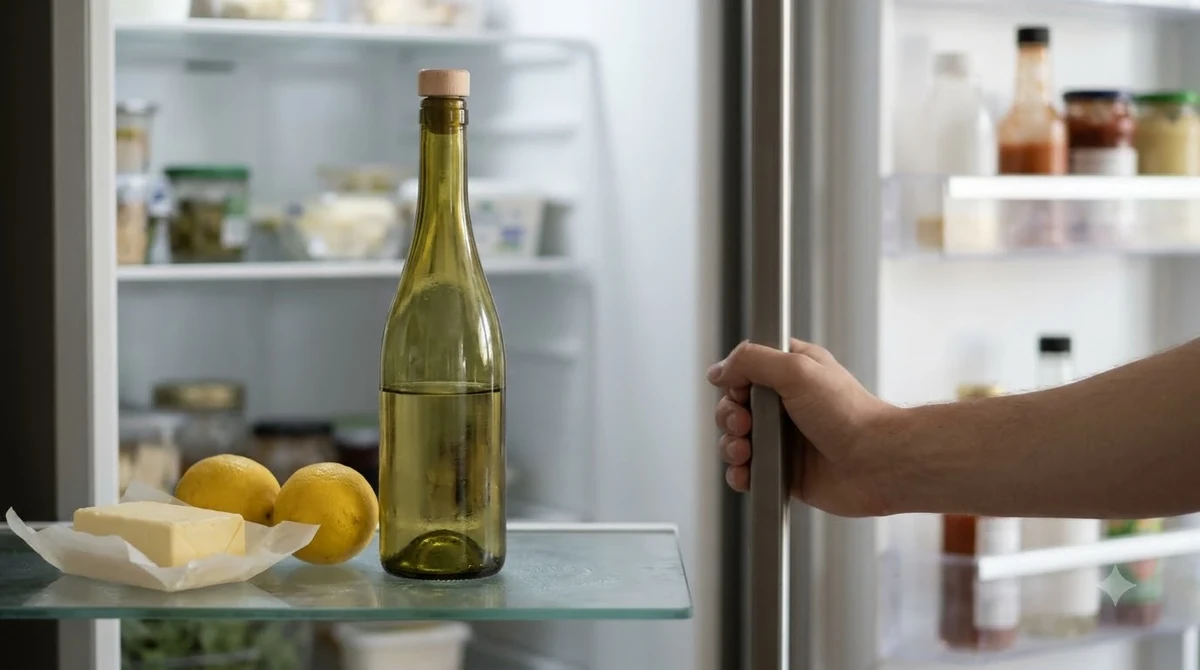
For Nebbiolo enthusiasts: The winery’s Barolo bottlings deserve the closest attention. Nebbiolo is known for its pronounced acidity, substantial tannin and complex aromas, often combining cherry, rose, violet, herbs, licorice and earthy impressions. These characteristics create wines that can feel firm and somewhat demanding in their youth. Drinkers who enjoy structured reds and are willing to give a bottle time in the glass are likely to appreciate this style.
The Cannubi selection is particularly relevant for enthusiasts interested in vineyard expression. Marchesi di Barolo identifies Cannubi, Sarmassa and Coste di Rose as important historic Barolo selections. These wines offer an opportunity to explore how vineyard location and growing conditions contribute to differences in aroma, texture and overall personality. Cannubi is a sensible starting point for someone interested in understanding the winery’s more distinctive Barolo offerings.
For Italian wine newcomers: The producer’s wider portfolio is important because Barolo is not the only option. Barbera can provide a fruitier, more immediately accessible experience, while Dolcetto generally offers a less tannic approach to Piedmontese red wine. Moscato and Arneis provide alternatives for drinkers who prefer aromatic or white wines. These different styles make the winery relevant to households with several wine preferences.
For food-focused buyers: Traditional Piedmontese dishes provide a natural setting for these wines. Barolo works particularly well with braised meat, game, filled pasta and mature cheese. Barbera is a useful alternative for tomato-based dishes and everyday Italian cooking, while Arneis offers a white-wine option for lighter meals. People who primarily enjoy soft, low-tannin reds with little acidity may find young Barolo more challenging than other wines in the range.
Readers comparing producers across Italy can also explore marchesi antinori wine, which provides a different perspective on Italian winemaking. For a broader introduction to producers and regional styles, the site’s Wine Brands resource offers useful additional context.
Key Factors to Compare Before Choosing
The most useful buying decision involves comparing grape variety, appellation, vineyard origin, structure and intended drinking occasion. A Barolo DOCG from Cannubi is a substantially different proposition from a bottle of Barbera d’Alba or Roero Arneis, even though all can come from the same producer.
| Factor | What to Look For | Why It Matters |
|---|---|---|
| Grape variety | Nebbiolo, Barbera, Dolcetto, Arneis or Moscato | Determines the fundamental flavor, acidity and tannin profile. |
| Appellation | Barolo DOCG, Barbaresco DOCG, Roero Arneis DOCG or Barbera d’Alba DOC | Identifies the wine’s geographical and production identity. |
| Vineyard selection | Cannubi, Sarmassa or Coste di Rose | Helps distinguish individual Barolo vineyard expressions. |
| Alcohol | Cannubi specification: 14% ABV | Provides useful context for serving and food pairing. |
| Body and tannin | Structured Nebbiolo versus softer Dolcetto or Barbera | Helps match the wine to personal preferences and meals. |
| Serving temperature | 55–60°F for lighter reds; 60–65°F for fuller reds | Helps preserve aroma without emphasizing alcohol. |
| Food pairing | Braised meat, filled pasta, cheese or lighter dishes | Balances acidity, tannin, fat and flavor intensity. |
Grape variety should be the first consideration. Nebbiolo has high natural acidity and substantial tannin, which explains why Barolo can feel more structured than many familiar international red wines. Barbera generally has generous acidity but softer tannin, making it a useful alternative for people who enjoy fresh red-fruit flavors without the pronounced grip of Nebbiolo. Dolcetto tends to offer a different balance of fruit, moderate acidity and relatively accessible texture.
The appellation is equally important. Barolo and Barbaresco are both prestigious Nebbiolo-based wines from Piedmont, but they represent separate geographical identities. A Barolo DOCG designation identifies a wine made under the Barolo production rules, whereas Roero Arneis DOCG identifies a white-wine category based on Arneis. Reading the complete appellation is more useful than relying on the producer’s name alone.
Vineyard selection becomes especially relevant when comparing premium Barolo bottles. Marchesi di Barolo identifies Cannubi, Sarmassa and Coste di Rose as important selections. Cannubi has particularly detailed published vineyard information, including its elevation, exposures and soil composition. Those details provide context for the wine rather than guaranteeing that one vineyard will suit every drinker’s palate.
For an additional comparison within Italian wine, feudi di san gregorio wine is another useful producer reference, although it represents a different regional wine identity and should not be treated as a direct Barolo substitute.
Step-by-Step: How to Choose a Marchesi di Barolo Bottle
A simple selection process can prevent buyers from choosing a wine based on prestige alone. Start with the grape variety, narrow the choice by appellation and vineyard, and then consider the meal and the intended drinking occasion.
-
Decide whether you want red or white wine.
If you want a traditional Italian red, begin with Barolo, Barbaresco, Barbera or Dolcetto. If you prefer white wine, investigate Arneis. Moscato is another possibility if you want a distinctly aromatic style that can be sweeter than conventional dry table wine.
-
Choose your preferred level of structure.
For substantial tannin, complexity and a long dinner, Nebbiolo-based Barolo is the logical starting point. If you prefer softer tannins and accessible fruit, consider Barbera or Dolcetto instead. This distinction is particularly important for drinkers accustomed to Merlot or lighter Pinot Noir.
-
Decide whether vineyard specificity matters.
If you want to explore an individual Barolo site, look at Cannubi, Sarmassa and Coste di Rose. Cannubi is especially useful as a reference because the producer publishes detailed information about its vineyard and wine. A more general Barolo bottling may be a more straightforward introduction to the appellation’s overall character.
-
Match the bottle to the meal.
Choose structured Nebbiolo for braised beef, roasted meats, game or rich filled pasta. Barbera can be more practical with pizza, tomato sauces and grilled sausages. Arneis is worth considering for seafood, vegetable dishes and lighter poultry preparations.
-
Plan the serving temperature.
Serve a lighter red around 55–60°F and a full-bodied Barolo closer to 60–65°F. The winery specifies 18°C, approximately 64°F, for Cannubi. Avoid serving a powerful red at an excessively warm room temperature, which can make alcohol more prominent and reduce aromatic definition.
-
Allow time for the wine to open.
A young, structured Barolo can benefit from decanting for approximately 30–60 minutes. This gives the wine time to release its aromas and can make its tannins seem more integrated during the meal. Older bottles require more care because prolonged exposure to oxygen can diminish delicate mature aromas.
-
Consider how soon you plan to drink it.
For a bottle intended for a special dinner several years from now, a structured Barolo may be more appropriate than an immediately approachable regional red. For a casual meal this weekend, Barbera or Dolcetto may offer a more convenient drinking experience.
This sequence is more reliable than automatically choosing the most prestigious label. A wine that suits the food, drinking occasion and preferred texture will generally be more satisfying than a bottle selected solely because its appellation sounds impressive.
Tip: If you are new to Nebbiolo, begin with a bottle of Barbera or a less ambitious Nebbiolo-based wine before committing to a structured Barolo. This gives you a useful reference for the grape’s acidity, aromatic character and tannin.
Types and Styles Explained
Marchesi di Barolo offers wines across several Piedmont appellations and grape varieties. Understanding these categories is essential because the winery’s identity is much broader than its famous Barolo label.
Barolo DOCG
Barolo is the producer’s signature category and the most historically significant part of its range. It is made from Nebbiolo, a grape known for pronounced acidity, substantial tannin and distinctive aromas. Depending on the vineyard and vintage, the wines can show red cherry, dried flowers, rose, violet, licorice, spice and earthy notes.
The Cannubi selection illustrates the more specific side of the range. Marchesi di Barolo describes its Cannubi wine as 100% Nebbiolo with 14% ABV. The published tasting description mentions ruby color with garnet highlights, rose, vanilla, spices and roasted nuts. The palate is characterized as full-bodied, elegant and supported by soft, enveloping tannins.
Cannubi is not simply a label variation. The winery describes the vineyard as a gradually rising hill in central Barolo, with elevations between 275 and 320 meters. Its soil includes Sant’Agata fossil marl, while the site’s east, southeast and south exposures contribute to its growing conditions. The combination of geography and soil makes Cannubi a particularly interesting choice for people who enjoy exploring vineyard differences. The producer’s official Cannubi wine and vineyard description provides further details about its grape composition, tasting profile and recommended food pairings.
Barbaresco DOCG
Barbaresco is another important Nebbiolo appellation represented in the winery’s portfolio. Like Barolo, it offers a structured red-wine style, but its separate geographical identity makes it a distinct category rather than an alternative name for Barolo.
Marchesi di Barolo expanded its presence in Barbaresco through the acquisition of Cascina Bruciata in 2016. This estate is associated with the winery’s wider regional activity. For buyers, Barbaresco is a useful comparison when exploring the different expressions of Nebbiolo within Piedmont.
Barbera
Barbera is a practical choice for people who enjoy lively acidity and fruit-forward red wines. Compared with Nebbiolo, Barbera generally has softer tannins, making it more approachable for everyday meals. Its flavors commonly include cherry, plum and other red or dark fruit impressions.
It is especially versatile with Italian cooking. Try it with tomato-based pasta, pizza, roasted vegetables or grilled sausages. Its acidity can provide a refreshing counterpoint to richer food, while its softer tannins make it less demanding than a young Barolo.
Dolcetto
Dolcetto offers another route into Piedmontese red wine. Its name can suggest sweetness, but the wine is generally dry. It often emphasizes dark fruit, moderate acidity and a softer overall drinking experience than Nebbiolo.
This style is useful for casual meals, charcuterie and uncomplicated pasta dishes. Buyers seeking a full-bodied, cellar-worthy red should not automatically assume Dolcetto will deliver the same structure as Barolo. The two wines serve different purposes.
Roero Arneis DOCG
Arneis is a white grape associated with the Roero area. Marchesi di Barolo produces Roero Arneis from vineyards in Corneliano, Monteu Roero and Vezza d’Alba, including the Bricco Bastia and Valpura vineyard sites.
The Consorzio del Roero reports that the producer’s Arneis spends three to six months aging on fine lees in stainless steel tanks. This approach provides information about its production style without suggesting that it has the same characteristics as oak-aged white wines. Arneis is a useful choice for people looking for a Piedmont white to serve with seafood, vegetables or lighter dishes.
Moscato
Moscato provides an aromatic alternative to the winery’s structured reds. Moscato wines are commonly recognized for floral aromas, fresh fruit and varying degrees of sweetness. Their lighter structure and pronounced aromatics make them suitable for different occasions from those associated with Barolo.
For anyone building a small selection from one producer, the contrast between Nebbiolo and Moscato demonstrates the diversity of Piedmont’s native grapes. The right choice depends on sweetness preference, food and the desired style of the occasion.
Common Mistakes When Buying and Serving
The most common mistake is assuming every wine from Marchesi di Barolo should be treated like a young Barolo. The winery produces several grape varieties with different levels of acidity, tannin, body and sweetness, so applying one serving or buying strategy to the entire portfolio can lead to disappointing results.
Confusing Barolo with an Easy-Drinking Red
Barolo is not usually the best choice for someone seeking a soft, uncomplicated red to drink immediately after opening. Nebbiolo’s high tannin and acidity create a distinctive structure that can be demanding in young wines. Drinkers who prefer a plush, low-tannin style may be happier with Barbera or Dolcetto.
That does not mean Barolo must always be difficult to enjoy. Appropriate serving temperature, food and aeration can make a substantial difference. A protein-rich meal and some time in a decanter can help the wine feel more balanced, particularly when the bottle is young.
Serving Barolo Too Warm
Serving a full-bodied red at excessive room temperature is a frequent mistake. Warm wine can emphasize alcoholic heat and make its aromas feel less precise. For a full-bodied Barolo, a temperature of approximately 60–65°F is a useful target. Cannubi’s producer-listed serving temperature of 18°C, approximately 64°F, falls within this range.
If the bottle has been stored in a warm kitchen, allow it to cool before serving. A short period in a cool environment can help bring the wine closer to its recommended temperature. Avoid serving it excessively cold, however, because low temperatures can make tannins seem harder and reduce aromatic expression.
Ignoring Food Pairing
Barolo can be challenging alongside dishes that are too light or delicate. A simple white fish preparation, for example, may be overwhelmed by the wine’s tannin and intensity. Richer meat dishes, game, braised beef and mature cheeses generally offer a more suitable match.
Salt and fat can soften the perception of tannin, which explains why a structured red often works well with rich food. Acidic dishes also require attention: food with high acidity is generally easier to pair with wine that has equal or greater acidity. Chili heat can become more pronounced alongside alcoholic, tannic reds, so very spicy preparations are not the most natural companions for young Barolo.
Assuming All Cannubi Bottles Taste Identically
Vintages matter. Weather conditions during the growing season can influence fruit ripeness, acidity, tannin development and overall balance. A particular vineyard’s identity provides a useful starting point, but it does not mean every vintage will have identical aromas, texture or aging potential.
Wine.com, for example, publishes tasting information for the 2020 Marchesi di Barolo Cannubi that includes dried flowers, orange peel, licorice root and mineral impressions. The producer’s general Cannubi description emphasizes rose, vanilla, spices and roasted nuts. These descriptions are complementary rather than a promise that every vintage will present precisely the same profile.
Over-Decanting Mature Bottles
Decanting can be useful, but longer is not always better. Young Barolo can benefit from approximately 30–60 minutes of aeration, while older bottles may have delicate aromas that disappear with excessive oxygen exposure. For mature wine, careful opening and gentle handling are preferable to automatically applying a long decanting period.
Care and Storage Tips for Marchesi di Barolo Wines
Good storage and serving practices help preserve the qualities that make Piedmont wines appealing. Temperature stability, protection from light and sensible handling are particularly important for Nebbiolo wines intended for longer cellaring.
Store Bottles Horizontally
For bottles sealed with natural cork, horizontal storage helps keep the cork in contact with the wine. A cool, dark environment near 55°F is a useful general target. Avoid locations exposed to direct sunlight, heating equipment or repeated temperature fluctuations.
Consistency is more important than trying to create perfect cellar conditions for a short period. A bottle kept in a stable, appropriately cool location is generally better protected than one repeatedly moved between warm and cold environments. Barolo intended for longer aging deserves particularly careful storage.
Use the Right Serving Temperature
Full-bodied reds such as Barolo are generally best served around 60–65°F. Lighter reds can be served cooler, around 55–60°F. White wines such as Arneis generally benefit from a cooler serving temperature, commonly around 45–50°F for light-bodied white styles.
Do not rely on the traditional idea that all red wines should be served at whatever temperature a heated dining room happens to be. Modern indoor temperatures can be considerably warmer than ideal red-wine serving conditions. Slightly cooling the bottle before opening is often a practical solution.
Decant According to Age and Structure
Young, structured Barolo can benefit from approximately 30–60 minutes in a decanter. This provides time for the aromas to develop and can make the wine more expressive alongside a meal. If the wine initially seems closed or particularly firm, giving it additional time in the glass may be more useful than immediately pouring another glass.
Older Barolo requires a different approach. Mature wines may have developed delicate tertiary aromas, including dried flowers, leather, earth and savory notes. These characteristics can be lost if the wine receives too much oxygen. Open mature bottles carefully and taste periodically rather than assuming that longer aeration will improve them.
Preserve Open Bottles
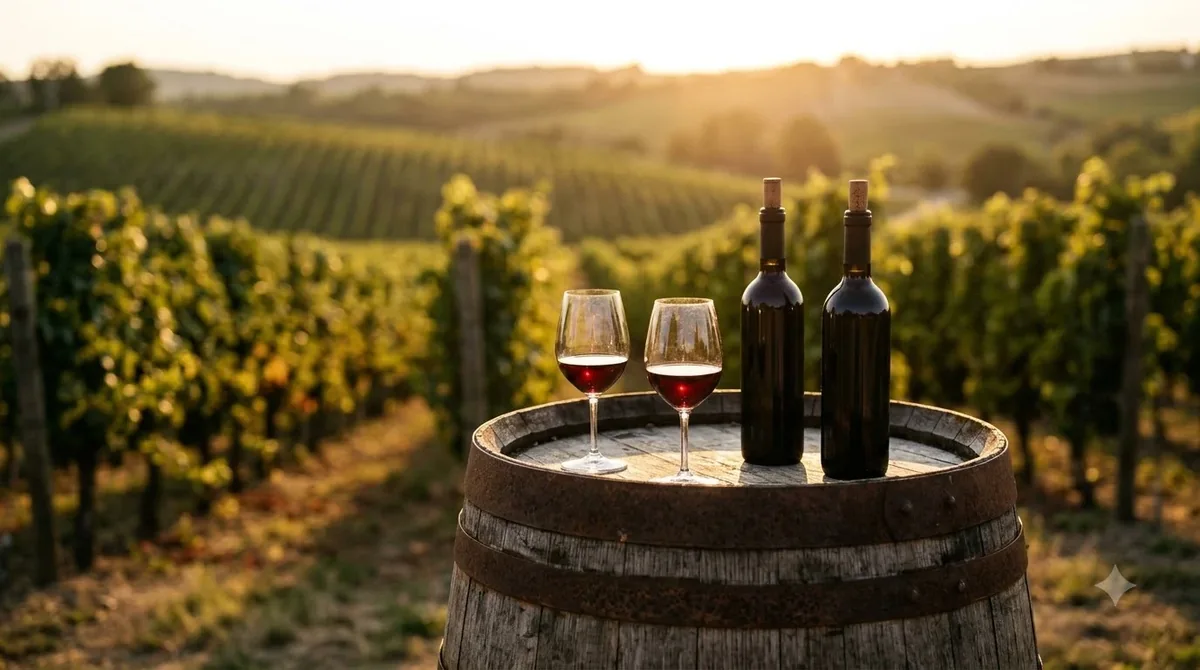
After opening, reseal still wines and store them in the refrigerator. Most still wines remain in reasonable drinking condition for approximately three to five days, although delicate older wines may decline sooner. Bring a red bottle back toward its preferred serving temperature before pouring another glass.
For a 750 ml bottle, the standard serving measure is approximately five 5-ounce glasses. This makes it practical to plan a bottle around a dinner of several people while leaving a reasonable amount for the following day if the bottle is properly preserved.
Ultimately, Marchesi di Barolo rewards buyers who choose according to style rather than reputation alone. Cannubi is a compelling starting point for Nebbiolo enthusiasts, while Barbera, Dolcetto and Arneis provide more flexible alternatives for different meals and drinking preferences.
Frequently Asked Questions
Is Marchesi di Barolo the same as Barolo wine?
No. Marchesi di Barolo is a winery, while Barolo is a protected wine appellation in Piedmont. The producer makes Barolo alongside several other wines, including Barbaresco, Barbera, Dolcetto, Arneis and Moscato. A bottle bearing the winery’s name is therefore not automatically a Barolo.
What does DOCG mean on a Marchesi di Barolo label?
DOCG stands for Denominazione di Origine Controllata e Garantita, an Italian designation for wines subject to geographical and production requirements. It identifies a regulated appellation rather than a quality score awarded to an individual bottle. Barolo DOCG and Roero Arneis DOCG represent different wine categories with different grape and production requirements.
Is Cannubi a separate grape variety?
No. Cannubi is a vineyard designation in the Barolo area, not a grape. Marchesi di Barolo’s Cannubi bottling uses 100% Nebbiolo, while the vineyard itself is associated with a particular combination of soils, elevation and exposure. Its identity comes from the growing site rather than a different grape variety.
Can Marchesi di Barolo wines be served in ordinary red wine glasses?
Yes. A reasonably large red wine glass with a bowl that allows swirling is suitable for Nebbiolo and Barolo. A wider bowl can help release aromas from a structured wine, while a smaller glass is generally adequate for casual Barbera or Dolcetto service. Specialized glassware is not essential for enjoying the wines.
Does Marchesi di Barolo offer winery visits?
Yes. The producer operates historic cellars in Barolo and provides information about visits and tasting experiences through its official website. The winery lists its historic cellar address as Via Roma 1, 12060 Barolo, Italy. Visitors should arrange an experience through the winery’s booking information before traveling.
Marchesi di Barolo is a worthwhile producer to explore if you enjoy the character of Piedmont and want more than one style from a single winery. Start with its Barolo or Cannubi for a traditional Nebbiolo experience, or choose Barbera, Dolcetto or Arneis for a more approachable introduction to the region. Its combination of historic significance, vineyard-focused production and grape diversity makes it a useful name to know when selecting Italian wine.
More in Wine Brands
 Zenato Wine Price: Compare Styles and Choose the Right BottleUpdated Nov 21, 2026
 Zuccardi Wine Price: Compare Bottles and Find the Right RangeUpdated Nov 21, 2026
 Yellow Tail Moscato Review: Taste, Sweetness and Serving TipsUpdated Nov 21, 2026
 Wolf Blass Yellow Label Review: Choose Your Best StyleUpdated Nov 21, 2026
 Wolffer Estate Rose Review: Choose the Right Bottle for Your TableUpdated Nov 21, 2026
 Wolf Blass Yellow Label Price: What to Expect for Each BottleUpdated Nov 21, 2026