

We may earn a commission when you buy through links on this page, at no extra cost to you. Learn more.
This louis martini wine review finds that Louis M. Martini is a strong choice for drinkers who enjoy structured California Cabernet Sauvignon, distinctive vineyard expressions, and classic Napa Valley red wines. The winery offers everything from approachable Napa Valley selections to concentrated single-vineyard Cabernet Sauvignon and premium bottlings such as Lot No. 1. Its portfolio also includes Merlot, Cabernet Franc, Zinfandel, Petite Sirah, Malbec, and Sauvignon Blanc, giving shoppers alternatives to its signature red grape.
Louis M. Martini is one of the established names associated with Napa Valley Cabernet Sauvignon. Founded in St. Helena in 1933, the winery has developed a portfolio that reflects both its historical identity and changing winemaking priorities. Understanding the differences between its standard Napa Valley wines, vineyard-designated bottles, and more ambitious selections makes it easier to choose a bottle that suits a particular meal, occasion, or drinking preference. This guide examines the winery’s background, wine styles, tasting characteristics, buying considerations, and practical serving recommendations. Readers exploring other producers can also browse the site’s Wine Brands collection for additional winery profiles.
Who Should Consider Louis M. Martini Wine
Louis M. Martini is particularly appealing to drinkers who appreciate Cabernet Sauvignon with recognizable California fruit, substantial structure, and a connection to established Napa Valley vineyard sites. Its range includes wines for people who want a familiar regional Cabernet as well as bottles that highlight individual vineyards and more concentrated expressions.
The winery’s history begins with Louis M. Martini, who established the St. Helena operation in 1933 after identifying Napa Valley as a promising location for quality grapes. His early emphasis on Cabernet Sauvignon helped establish the winery’s identity. His son, Louis P. Martini, continued that work and contributed innovations in grape selection and vineyard management. The family’s involvement helped make the name closely associated with the development of California wine. The winery’s official history and winemaking background provide additional context for understanding its long-standing focus on Napa Valley Cabernet.
Today’s portfolio is broader than the traditional Cabernet-centered image might suggest. The winery lists Cabernet Franc, Merlot, Malbec, Petite Sirah, Sauvignon Blanc, and Zinfandel alongside several Cabernet Sauvignon bottlings. This variety matters because shoppers do not necessarily need to choose a powerful Cabernet to explore the producer. Someone who prefers a softer red can consider Merlot, while a drinker seeking more peppery fruit can investigate Zinfandel.
The wines are especially suitable for people who enjoy pairing reds with substantial food. Cabernet Sauvignon generally has high tannin, making it a natural companion for grilled beef, lamb, and other protein-rich dishes. However, the winery’s different vineyard selections can vary in concentration, aromatic character, and structure. A bottle intended for a special dinner may therefore call for a different choice from one intended for an ordinary weeknight meal.
Shoppers looking for delicate, light-bodied reds may find the Cabernet-focused selections more substantial than they prefer. Likewise, someone who wants a simple, immediately refreshing white wine should look beyond the winery’s main red portfolio and consider its Sauvignon Blanc. The important distinction is not whether every bottle suits every drinker, but whether the producer offers a style that matches the occasion.
Key Factors to Compare Before Buying
The most useful buying considerations are the grape variety, vineyard designation, intended drinking occasion, and overall structure. Comparing those characteristics is more informative than choosing a bottle simply because its label carries a familiar Napa Valley name.
| Buying factor | What to look for | Why it matters |
|---|---|---|
| Grape variety | Cabernet Sauvignon, Merlot, Cabernet Franc, Zinfandel | Determines the general body, tannin, and flavor profile. |
| Origin | Napa Valley or a named vineyard | Helps distinguish regional blends from site-focused wines. |
| Structure | High, medium, or softer tannin | Influences food compatibility and drinking experience. |
| Alcohol | Compare the stated ABV between bottles | Provides context for perceived warmth and weight. |
| Serving temperature | 60–65°F for full-bodied reds | Helps preserve fruit, balance, and aromatic definition. |
| Decanting | 30–60 minutes for young, full-bodied reds | Allows a structured wine to open before serving. |
| Bottle format | 750 ml standard bottle | Provides approximately five standard 5-ounce pours. |
Start by deciding whether the occasion calls for a regional Cabernet or a more specific vineyard expression. Napa Valley Cabernet Sauvignon is generally the most straightforward starting point because it communicates the grape and broad geographic origin without requiring extensive knowledge of individual vineyard sites. A vineyard-designated bottle offers a more focused comparison, particularly for someone interested in how different locations influence Cabernet Sauvignon.
Next, consider the wine’s structure. Cabernet Sauvignon typically has high tannin, while Merlot generally has medium tannin and a softer texture. Cabernet Franc can offer a different aromatic profile, including herbal and peppery elements, while Zinfandel often emphasizes ripe fruit and spice. These distinctions are useful when selecting wine for guests with different preferences.
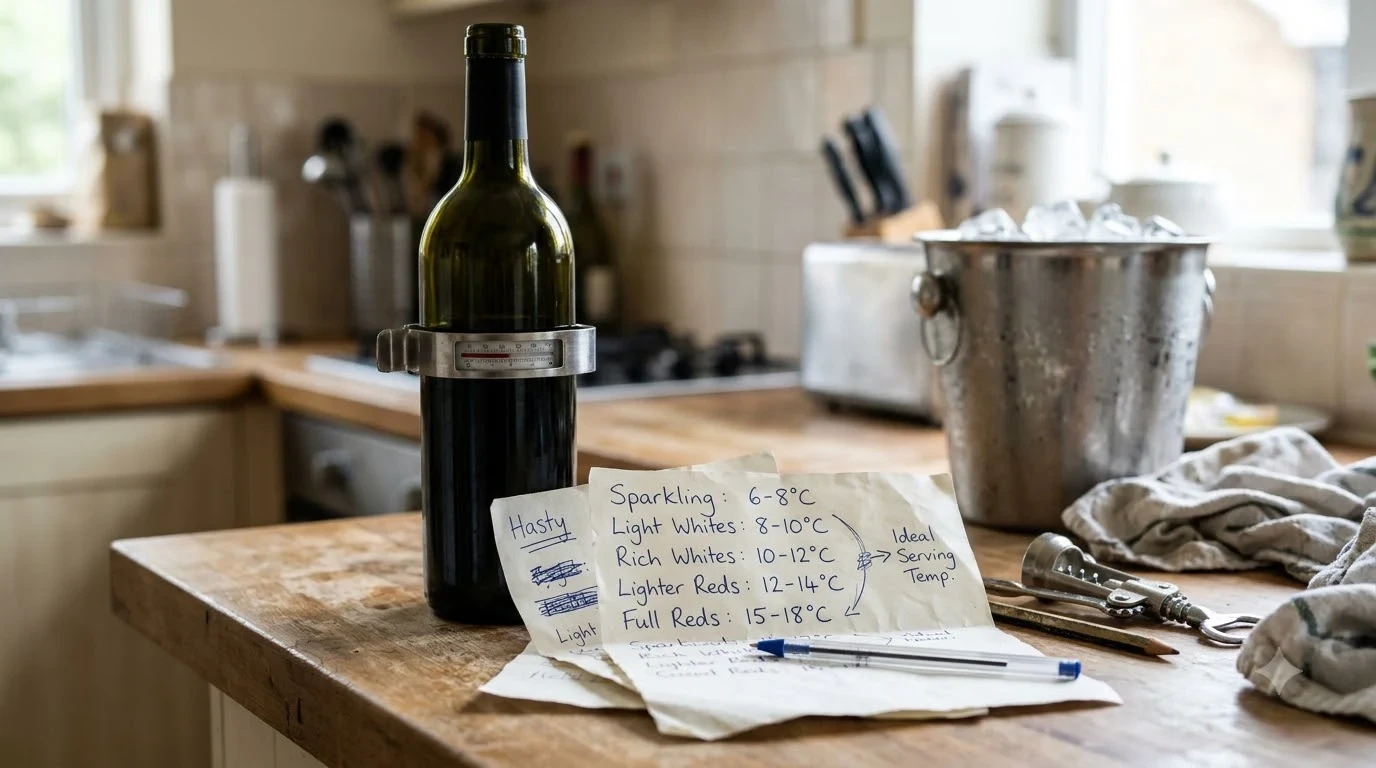
Finally, consider the food and serving conditions. A full-bodied Cabernet is generally best served around 60–65°F rather than at a warm room temperature. Young, concentrated bottles can benefit from 30–60 minutes of decanting. These two practical details can make a meaningful difference, particularly when serving a more structured vineyard-specific wine.
Tip: If you are buying Louis Martini for the first time, begin with a Napa Valley Cabernet Sauvignon before moving to vineyard-designated selections. This provides a useful reference point for comparing the winery’s more specialized bottles.
Step-by-Step: How to Choose a Louis Martini Bottle
A straightforward selection process starts with the occasion and moves toward the grape, origin, and desired drinking experience. Following a few practical steps can prevent shoppers from selecting a wine that is more powerful, specialized, or food-focused than they actually want.
-
Decide what kind of wine you enjoy.
Start by identifying whether you usually prefer Cabernet Sauvignon, Merlot, or another red variety. If you enjoy firm tannins, dark fruit, and substantial structure, Cabernet Sauvignon is the natural starting point. If you prefer a softer red, consider the Napa Valley Merlot instead.
-
Choose between regional and vineyard-specific wines.
A Napa Valley designation is appropriate for someone looking for a broader regional expression. A Monte Rosso, Mount Veeder, Stagecoach, or Cypress Ranch designation offers a more focused experience tied to a named vineyard. These selections make particularly interesting comparisons for people who enjoy exploring the influence of growing locations.
-
Compare the tasting descriptions.
Look for fruit, spice, and savory characteristics that match your preferences. Black currant, dark cherry, blackberry, and cocoa are useful clues for shoppers who enjoy darker fruit profiles. Bay leaf, pepper, mint, earth, and herbal notes suggest additional complexity beyond straightforward ripe fruit.
-
Match the wine to the occasion.
For a casual meal, a regional Cabernet or Merlot may be sufficient. For a dinner featuring grilled steak or roasted lamb, a more structured vineyard-designated Cabernet can make sense. A bottle such as Lot No. 1 is worth considering when the intention is to explore a more ambitious Cabernet selection.
-
Plan the serving conditions.
Prepare full-bodied red wines for service at approximately 60–65°F. If the bottle is young and concentrated, allow 30–60 minutes in a decanter before pouring. This avoids serving the wine excessively warm or opening a structured bottle immediately before the main course.
-
Consider the number of guests.
A standard 750 ml bottle provides approximately five 5-ounce glasses. For a dinner with four adults, one bottle can provide a moderate serving for each person, although additional wine may be needed if the meal lasts several hours or the group wants a second pour.
This approach also helps when comparing different bottles from the same producer. Rather than assuming that a higher vineyard designation automatically means a better match, consider whether its structure, flavor profile, and intended drinking experience align with your preferences. A well-chosen regional Cabernet can be more satisfying than a more ambitious bottle that does not suit the meal. For more background on the producer’s range, see the site’s Louis Martini wine overview.
Louis Martini Wine Styles and Vineyard Expressions
The winery’s portfolio combines familiar varietal wines with vineyard-focused Cabernet Sauvignon and other distinctive selections. Understanding the major categories makes it easier to compare the bottles without treating every red as interchangeable.
Napa Valley Cabernet Sauvignon
Napa Valley Cabernet Sauvignon is the logical starting point for anyone exploring the producer. Cabernet Sauvignon generally combines dark-fruit characteristics with high tannin and enough structure to complement substantial food. Depending on the vintage and winemaking choices, the wine may show black currant, cherry, plum, cocoa, cedar, or herbal characteristics.
The winery’s Napa Valley identity is supported by its historical emphasis on the grape and its broader collection of vineyard-specific Cabernet bottlings. A regional wine is useful when shoppers want to experience the producer’s general style without concentrating on one particular vineyard. It also makes a helpful comparison bottle when exploring the more specialized releases.
Monte Rosso Vineyard Cabernet Sauvignon
Monte Rosso is one of the winery’s historically important vineyard names. Its 2021 Cabernet Sauvignon is described by the producer with red currant, dark cherry, boysenberry, and cardamom. This combination gives shoppers an idea of the wine’s intended aromatic direction: dark and red fruit supported by a distinctive spice character.
The Monte Rosso designation is especially relevant to drinkers who enjoy comparing wines by origin. Rather than considering Cabernet Sauvignon a uniform style, these bottles encourage attention to the particular characteristics associated with a vineyard. The winery also offers Monte Rosso Zinfandel, providing another opportunity to explore the same named location through a different grape variety.
Mount Veeder and Stagecoach Vineyard Cabernet
The 2021 Mount Veeder Cabernet Sauvignon is described with blackberry, boysenberry, licorice, and cardamom. These notes suggest a dark-fruited expression with pronounced spice and a substantial Cabernet character. It is an appealing direction for someone who enjoys wines with concentration and distinctive aromatic detail.
The 2021 Stagecoach Vineyard Cabernet Sauvignon has a different descriptive profile, including boysenberry, raspberry leaf, earth, and black tea. Independent assessment also provides useful context. Wine Enthusiast reviewed the 2022 Stagecoach Cabernet Sauvignon and described concentrated blackberry, black currant, cinnamon, pepper, sage, and herbal characteristics, alongside substantial tannic structure. Its reported alcohol content was 15.2% ABV, illustrating why the wine may feel particularly powerful to some drinkers.
Lot No. 1 and The Gryphon
Lot No. 1 represents a more ambitious Cabernet Sauvignon selection within the winery’s portfolio. The 2021 bottling is described with black currant, dried bay leaf, red cherries, and dark chocolate. These characteristics make it particularly interesting to people who enjoy a combination of ripe fruit and savory complexity.
The Gryphon provides another expression of the winery’s Cabernet identity. Its 2023 release is described with boysenberry, mint, fennel, and star anise. The winery presents this wine as a return to a classic table-oriented Napa Cabernet approach, emphasizing varietal character and liveliness. These two bottlings are worth considering for shoppers who want to explore different interpretations of the producer’s premium Cabernet range.
Merlot, Cabernet Franc, and Other Varieties
Not every Louis Martini shopper needs to choose Cabernet Sauvignon. The 2023 Napa Valley Merlot features cherries, cardamom, and red plums. Merlot generally has medium tannin and a softer texture than Cabernet Sauvignon, making it a useful alternative for drinkers who want a red wine with less aggressive structure. Readers interested in this category can also explore the site’s Louis M. Martini red wine selection.
The 2023 Napa Valley Cabernet Franc offers boysenberry, pomegranate, fresh tarragon, and white pepper. Its fruit and herbal characteristics make it a distinctive option for someone who enjoys aromatic reds. The collection also includes Malbec and Petite Sirah, which provide further opportunities to explore varieties beyond the winery’s main Cabernet focus.
For white-wine drinkers, the 2025 Napa Valley Sauvignon Blanc is described with passionfruit, grapefruit, and lemongrass. Sauvignon Blanc generally has high acidity, making it suitable for seafood, salads, and dishes featuring fresh herbs. The variety also offers a useful contrast to the winery’s fuller-bodied red wines. Readers comparing the winery’s heritage and labels can find additional background in the Louis M. Martini wine profile.
Common Mistakes When Choosing Louis Martini Wine
The most common buying mistakes involve assuming that all Cabernet bottlings taste alike, overlooking the importance of serving temperature, and choosing a wine without considering the meal. Paying attention to these details helps create a more satisfying experience.
One mistake is treating Napa Valley Cabernet Sauvignon and single-vineyard Cabernet Sauvignon as identical categories. Both may use the same principal grape, but their geographic descriptions and individual tasting profiles are different. The winery’s Monte Rosso, Mount Veeder, Stagecoach, and Cypress Ranch releases demonstrate how several bottles can share a grape variety while offering different aromatic characteristics.
Another mistake is assuming that a stronger wine is automatically better. Alcohol content, tannin, acidity, fruit concentration, and personal preference all contribute to the drinking experience. A bottle with substantial tannin may be appropriate for a grilled steak dinner but feel unnecessarily heavy alongside a light lunch. Wine should be selected according to the occasion rather than perceived prestige alone.
Serving temperature is another frequent source of disappointment. Full-bodied reds are often served too warm because people assume that every red wine should be poured at ordinary room temperature. A temperature around 60–65°F is a better starting point for full-bodied Cabernet Sauvignon. Excessive warmth can make alcohol seem more prominent and reduce the impression of freshness.
Food pairing mistakes can also make a wine seem less balanced than it actually is. High-tannin Cabernet Sauvignon can work well with protein-rich dishes because protein and fat help soften the perception of tannin. However, very spicy food can make alcohol and tannin feel more pronounced. Oily fish can also clash with tannic reds, so a fresh Sauvignon Blanc is generally a more suitable direction for dishes such as simply prepared grilled white fish.
Finally, avoid assuming that every vintage has the same drinking window or flavor profile. A young, concentrated Cabernet may need additional time in a decanter, while a more approachable bottle can be enjoyed sooner. Individual vineyard wines should also be evaluated according to their own characteristics instead of relying entirely on the reputation of the producer.
Serving, Pairing, and Storage Tips
Correct serving conditions help Cabernet Sauvignon express its fruit, structure, and aromatic complexity. For Louis Martini’s full-bodied red wines, temperature, decanting, glassware, and food selection all contribute to the overall experience.
Serve full-bodied red wines at approximately 60–65°F. This is slightly cooler than many homes, so a bottle stored at ordinary indoor temperature may benefit from a short period of cooling before opening. Avoid serving it excessively cold, since low temperatures can make tannins feel more pronounced and mute some aromatic characteristics. A suitable red-wine glass with enough room for the wine to move helps release aromas during service.
For a young, full-bodied Cabernet Sauvignon, allow approximately 30–60 minutes of decanting. This gives the wine time to interact with oxygen and can help soften the initial impression of a firm structure. More delicate or older wines may require a different approach, so decanting should not be treated as a universal requirement. Pour a small sample first to assess whether the wine already appears open and expressive.
Food pairing is relatively straightforward when the wine’s tannin and body are considered. Cabernet Sauvignon generally works well with grilled ribeye, roast beef, lamb chops, and hearty mushroom dishes. Salt and fat can soften the perception of tannin, while the savory flavors of grilled meat complement dark-fruited wines. A rich beef stew or slow-roasted short ribs can also provide a satisfying match.
Merlot is a useful alternative for dishes that do not need such a firm red wine. Consider roast chicken with mushrooms, pork tenderloin, or a medium-bodied pasta dish. Cabernet Franc can work particularly well with herb-seasoned dishes because its aromatic character can complement rosemary, thyme, and fresh herbs. Zinfandel is another option for barbecue, particularly when the food has smoky and peppery flavors.
For Sauvignon Blanc, consider seafood, goat cheese, green salads, and dishes with lemon or fresh herbs. Its higher acidity can stand up to acidic ingredients more effectively than many softer wines. When pairing wine with a particularly sweet dessert, choose a wine at least as sweet as the dessert itself; otherwise, the wine may taste unexpectedly sour or thin.
Storage is equally important. Keep unopened bottles in a cool, dark location with a relatively stable temperature near 55°F. Bottles with natural corks should generally be stored on their sides to keep the cork from drying out. Avoid frequent temperature changes, direct sunlight, and locations near appliances that generate heat or vibration.
After opening, reseal the bottle and refrigerate the remaining wine. Most opened still wines remain enjoyable for approximately 3–5 days when stored properly, although the precise period depends on the wine’s age, structure, and exposure to oxygen. Let a refrigerated red warm slightly before pouring it again. A simple vacuum stopper can also help reduce unnecessary air exposure.
These practical habits are particularly useful for people who buy multiple bottles of Cabernet Sauvignon for dinners or special occasions. Proper storage protects the wine before opening, while careful temperature control and decanting help ensure that it performs well at the table.
Frequently Asked Questions
Who owns Louis M. Martini Winery?
Louis M. Martini is part of the E. & J. Gallo Winery portfolio. Gallo identifies the producer as an established Napa Valley winery specializing in Cabernet Sauvignon. Its historical identity remains closely connected to the Martini family and the original St. Helena winery.
Where is the Louis M. Martini tasting room located?
The winery is located in St. Helena in California’s Napa Valley. Its historic building was restored in 2019, and the tasting experience includes views into the oak barrel cellar. Visitors should make reservations through the winery’s official website before planning a visit.
What does the gryphon symbol on Louis Martini wines represent?
The winery explains that the gryphon is a traditional symbol of Genoa, Italy, where founder Louis M. Martini was born. It also represents qualities associated with the founder, including wisdom, courage, and leadership. The symbol therefore connects the brand’s visual identity with its founder’s Italian origins.
Does Louis Martini produce library wines?
Yes. The winery lists Library Wines as a separate category in its collection. These releases provide an opportunity to explore bottles from earlier vintages rather than limiting selections to the regular current-release portfolio. Availability can vary according to the winery’s collection.
Who makes the winemaking decisions at Louis M. Martini today?
The winery identifies Zach Watkins as its winemaker and Michael Claypool as part of its current leadership. Its contemporary approach draws inspiration from earlier family-era wines while emphasizing grape variety, aromatic freshness, and balance. This approach provides continuity with the winery’s history while allowing its portfolio to develop.
Louis M. Martini is a compelling producer to consider if you enjoy Napa Valley Cabernet Sauvignon and want to explore the differences between regional and vineyard-designated wines. Start with a Napa Valley selection, then compare Monte Rosso, Mount Veeder, Stagecoach, or Lot No. 1 to discover which expression best suits your preferences. Its Merlot, Cabernet Franc, Zinfandel, and Sauvignon Blanc also make the portfolio worth exploring beyond Cabernet Sauvignon.
More in Wine Brands
 Kim Crawford Rose Price: Find a Fair 750 ml Bottle RangeUpdated Nov 21, 2026
 Marchesi Antinori Wine Price: Compare Bottles by Style and TierUpdated Nov 21, 2026
 Marques De Riscal Wine Review: How to Choose the Right Spanish BottleUpdated Nov 21, 2026
 Lussory Wine Review: Choose the Right Alcohol-Free StyleUpdated Nov 21, 2026
 Marchesi Di Barolo Wine Price: Compare Bottles and Find Your FitUpdated Nov 21, 2026
 Mark West Chardonnay Price: What to Expect Before BuyingUpdated Nov 21, 2026