

We may earn a commission when you buy through links on this page, at no extra cost to you. Learn more.
Kirkland Signature wine price typically ranges from about $6 to $25 for many standard 750 ml bottles, with selected premium regional wines and special releases costing more. Costco’s private-label selection covers affordable everyday wines, established European appellations, California Cabernet Sauvignon, and sparkling options. The right bottle depends on its region, grape variety, vintage, and style rather than the Kirkland name alone.
Kirkland Signature has become a familiar name in the American wine aisle because it offers an unusually broad selection under one retail brand. A shopper might find an approachable Sauvignon Blanc, an Italian Chianti Classico, an Argentine Malbec, or a bottle of French Champagne without moving beyond the Kirkland label. However, these wines do not all come from one winery, and their prices reflect meaningful differences in origin, production, and positioning. Understanding those differences makes it easier to compare bottles, recognize a reasonable shelf price, and decide when a more expensive selection deserves consideration.
Who This Price Guide Is For
This guide is for Costco shoppers who want to understand what different Kirkland Signature wine prices represent before choosing a bottle. It is particularly useful if you are comparing everyday wines with premium regional selections or deciding whether a larger-format bottle makes financial sense.
Kirkland Signature is a private-label wine range rather than a single winery’s collection. Costco works with different wine producers, and the wines come from regions including California, Washington, Argentina, Italy, France, and Spain. That variety explains why two bottles carrying the same Kirkland name can have very different production backgrounds and retail positioning.
The selection also changes according to location. VinePair explains that alcohol-sale regulations differ between states and that individual Costco warehouses do not necessarily carry identical wine selections. A shopper in California might encounter different regional bottles from someone shopping in the Northeast or Midwest. Seasonal releases, limited quantities, and changing vintages can also affect what is available.
It helps to approach the range in three broad categories:
- Everyday wines: Accessible Sauvignon Blanc, Chardonnay, Cabernet Sauvignon, Malbec, and Pinot Grigio selections intended for regular meals and casual occasions.
- Regional wines: Bottles from recognized appellations such as Chianti Classico, Rioja, Barolo, and Mendoza, where origin and grape variety influence the wine’s character.
- Special-occasion wines: Champagne, premium Bordeaux, Napa Cabernet Sauvignon, and other selections positioned above the everyday range.
The important distinction is that a higher Kirkland price does not automatically mean a better bottle for every shopper. Someone looking for a refreshing white to serve with seafood has different priorities from someone choosing an age-worthy red for a steak dinner. Understanding the intended style is more useful than simply selecting the most expensive bottle on the shelf.
Readers exploring the wider selection can also start with our overview of Kirkland Signature wine, which explains the brand and its different wine categories.
Key Factors to Compare When Shopping
The most useful way to compare Kirkland bottles is to consider region, grape variety, wine style, bottle size, and vintage together. These factors explain much more about a wine’s likely character and value than the private-label branding alone.
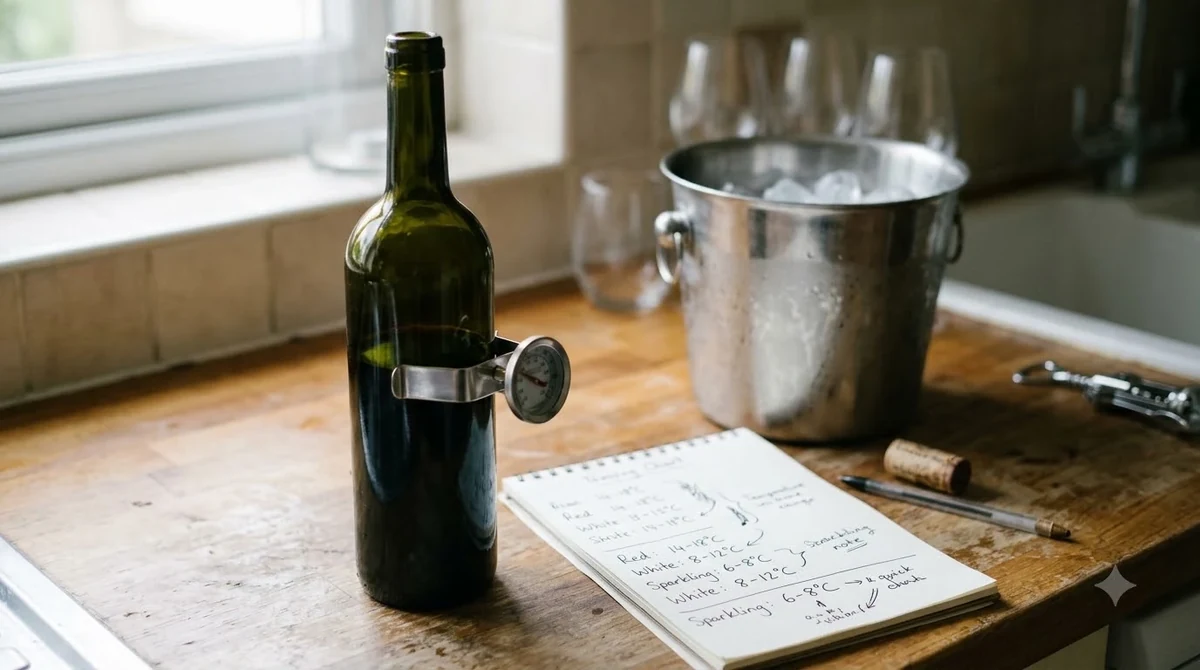
Region is particularly important. A Sonoma County Cabernet Sauvignon and a Napa Valley Cabernet Sauvignon may use the same principal grape, but their vineyard sources, production decisions, and market positioning can differ. Similarly, an Italian Barolo is not interchangeable with an inexpensive everyday red blend simply because both are red wines.
Grape variety provides another practical starting point. Cabernet Sauvignon generally has firmer tannins and darker fruit characteristics, while Merlot tends to offer softer tannins. Pinot Noir usually has lower to medium tannin and relatively high acidity. For white wine, Sauvignon Blanc typically offers refreshing acidity, whereas Chardonnay can range from crisp and lightly textured to richer and more rounded depending on its production style.
For price comparisons, use the following broad shopping bands. The ranges are approximate US retail reference points drawn from the historical and reported selections below, not guaranteed prices at every warehouse.
| Wine category | Typical US retail range | What influences the price | Good reason to choose it |
|---|---|---|---|
| Everyday California Cabernet Sauvignon | About $6–$10 per 750 ml | Regional sourcing and everyday positioning | Casual dinners and grilled food |
| Everyday Malbec | About $6–$10 per 750 ml | Mendoza sourcing and entry-level positioning | Barbecue and hearty meals |
| Sauvignon Blanc and Pinot Grigio | About $6–$12 per 750 ml | Origin, vintage, and wine style | Seafood, salads, and light meals |
| Regional Italian reds | About $9–$20 per 750 ml | Appellation, classification, and vintage | Italian food and structured red wines |
| Premium California Cabernet Sauvignon | About $15–$25 per 750 ml | Recognized wine region and selection | Special dinners and richer dishes |
| Champagne | About $20–$25 per 750 ml | Champagne origin and traditional production | Celebrations and formal occasions |
The lower and upper ends of these bands reflect different bottles and reported retail selections, not a universal Costco price list. The San Francisco Chronicle’s November 2025 examination of six selected Kirkland wines reported a range of approximately $6.99 to $21.99, while CostcoWineBlog’s historical price tracking shows differences between individual wines and vintages. Those observations help establish realistic shopping expectations, but warehouse prices and availability can change.
Bottle size matters just as much. A 750 ml bottle provides approximately five standard 5 oz pours. A 1.5 L magnum contains approximately ten such servings, while a 3 L format holds the equivalent of four standard 750 ml bottles. Compare the cost per liter or standard bottle equivalent rather than assuming the larger package automatically offers better value.
Vintage is another consideration. Two releases of the same Kirkland wine may differ in fruit character, acidity, tannin, and price. Historical prices can help establish a reference point, but they should not be treated as a promise that the next vintage will have the same shelf price or quality.
Step-by-Step: How to Compare Kirkland Wine Prices
A simple comparison process helps shoppers avoid paying more for a bottle that does not suit their needs. Start with the wine style, narrow the choice by region, and then consider the price per serving and the occasion.
-
Decide what style you need.
Choose red, white, rosé, or sparkling wine before comparing individual labels. A Sauvignon Blanc for a warm afternoon and a Napa Cabernet Sauvignon for a steak dinner serve different purposes.
-
Identify the grape variety or appellation.
Look for familiar choices such as Cabernet Sauvignon, Malbec, Chardonnay, and Pinot Noir. If you prefer European wines, compare names such as Barolo, Chianti Classico, Rioja, and Bordeaux.
-
Compare regional positioning.
For example, compare Sonoma County Cabernet with Napa Valley Cabernet rather than treating all Kirkland Cabernet bottles as equivalent. For Italian wines, distinguish an everyday Chianti from a more specifically classified regional selection.
-
Check the vintage and bottle size.
A 750 ml bottle and a 1.5 L bottle require different calculations. Also consider whether the vintage is intended for immediate drinking or whether the wine may benefit from additional bottle aging.
-
Calculate the price per standard serving.
A 750 ml bottle gives approximately five 5 oz pours. Divide the bottle’s price by five to estimate the cost of each standard serving. For a 3 L box, calculate the equivalent of twenty standard pours.
-
Consider the occasion and food.
Choose a wine with enough acidity for acidic dishes, softer tannins for lighter meals, and sufficient sweetness for desserts. A structured Cabernet may suit grilled beef, while Sauvignon Blanc is generally more suitable for fresh seafood.
-
Compare the final shelf price with other sources.
Use historical wine-price records and reputable wine reviews as reference points. Remember that online delivery prices, local warehouse pricing, and taxes may differ.
Tip: Compare wines within the same grape variety and regional category before comparing their prices. A premium Napa Cabernet and an everyday Sonoma Cabernet are different purchasing propositions, even if both carry the Kirkland Signature name.
CostcoWineBlog maintains historical information about individual Kirkland releases, including reported prices and vintages. Its Kirkland wine price and vintage guide is a useful reference for understanding how particular bottles have been positioned over multiple releases.
Types and Styles Explained
Kirkland Signature covers several major wine styles, from inexpensive California reds to recognizable European appellations. Understanding the differences between these categories helps explain why the brand does not have one standard bottle price.
California Cabernet Sauvignon
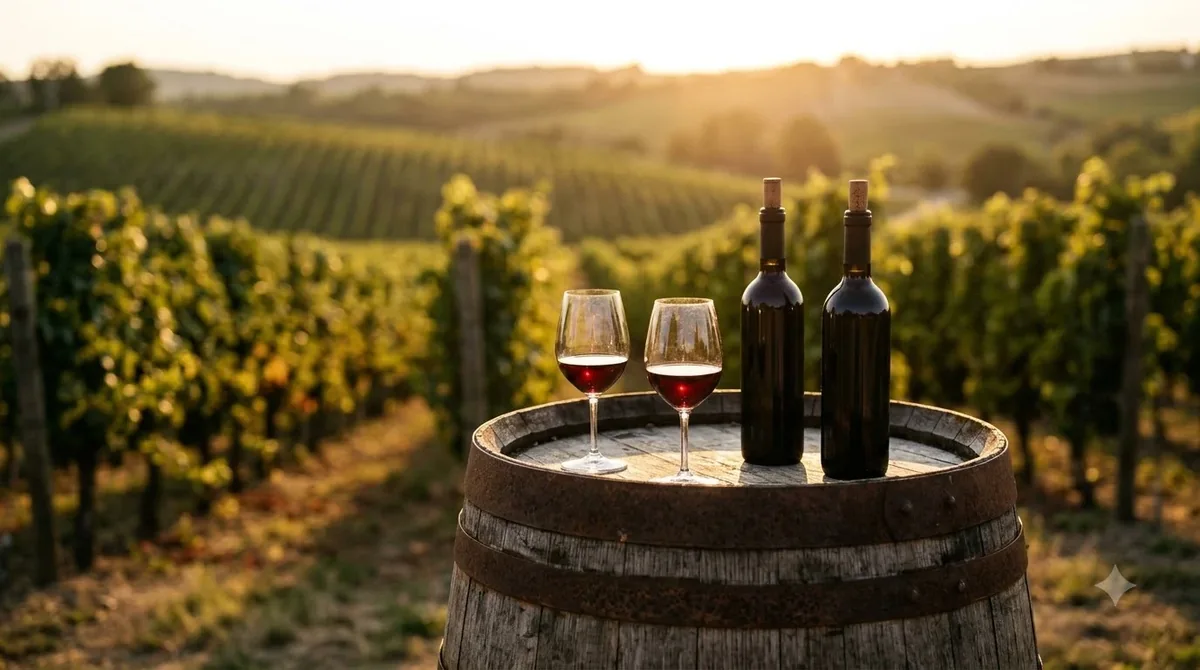
Cabernet Sauvignon is one of the most recognizable choices in the Kirkland range. The brand has offered regional expressions from Sonoma County and Napa Valley, along with selections from other California areas. Sonoma County bottles generally occupy a more accessible price position, while Napa selections can command more because of their regional identity and positioning.
Cabernet Sauvignon typically has relatively high tannin, noticeable dark-fruit characteristics, and enough structure to complement richer food. Serve it with grilled steak, roast beef, or aged hard cheeses. A serving temperature around 60–65 F helps full-bodied reds show their fruit and structure without becoming overly warm.
Malbec and Other Everyday Reds
Kirkland Mendoza Malbec is an option for shoppers who enjoy fuller-fruited Argentine red wine. Mendoza is particularly associated with Malbec, and the grape often produces wines with dark plum, blackberry, and savory notes. Its approachable fruit profile makes it a useful choice for burgers, grilled vegetables, and barbecue.
The brand has also offered Pinot Noir and red wines from established European regions. Pinot Noir usually has lower to medium tannin and higher acidity than Cabernet Sauvignon, making it suitable for roasted poultry, mushrooms, and salmon. Chianti Classico, by contrast, is based on Sangiovese and is known for its food-friendly acidity.
Italian Regional Wines
Italian selections are an important part of the range. Chianti Classico, Barolo, and Brunello di Montalcino represent different regional traditions and should not be compared solely by their shared country of origin.
Barolo is made from Nebbiolo, a grape known for substantial tannin and acidity. It is generally a more structured wine than an easygoing everyday red. Chianti Classico, based on Sangiovese, offers a different combination of acidity, cherry fruit, and savory character. These differences make food pairing important: Barolo can complement rich meat dishes, while Chianti Classico works particularly well with tomato-based pasta and roasted meats.
White Wines
The Kirkland selection has included Chardonnay, Sauvignon Blanc, and Pinot Grigio. These wines serve different preferences. Chardonnay generally has medium acidity and can offer a fuller texture, especially when oak or malolactic fermentation contributes additional richness. Sauvignon Blanc is usually more refreshing, with higher acidity and citrus or herbal characteristics.
New Zealand Sauvignon Blanc is particularly appealing to shoppers who enjoy crisp, aromatic whites. Pinot Grigio is another approachable option for light meals, salads, and seafood. Serve light white wines at approximately 45–50 F, while fuller Chardonnay is better served around 50–55 F.
Sparkling Wines and Champagne
Kirkland Signature also has sparkling selections, including Italian Prosecco and French Champagne. Although both are sparkling wines, they are not interchangeable in terms of production or origin.
Prosecco is generally made from Glera grapes using the tank method, which helps preserve fresh fruit and floral aromas. Champagne comes from the Champagne region of France and undergoes its second fermentation in the bottle. These production differences influence texture, complexity, and pricing.
Shoppers interested in Italian sparkling wine can read our separate guide to Kirkland Signature Prosecco. For a more traditional French celebration bottle, our Kirkland Champagne guide explains what to expect from that selection.
Common Mistakes When Comparing Prices
The biggest shopping mistake is assuming that every Kirkland Signature bottle represents the same level of quality or production. The label is shared, but the regions, grape varieties, and wine producers can differ considerably.
Another mistake is comparing prices without considering appellation. A Napa Cabernet Sauvignon and an everyday California Cabernet Sauvignon may use the same grape, but they occupy different market positions. Similarly, Barolo and ordinary Italian red wine have different production traditions and expectations.
There are several other points worth considering:
- Assuming every bottle is made by the same winery: Kirkland Signature works with different producers. The San Francisco Chronicle’s examination identified Manuel Janisson on a Champagne bottle and Caiarossa as the producer of a Toscana selection. Producer information can differ from one wine to another.
- Ignoring the vintage: A wine’s characteristics can change between releases. A favorable review of one vintage does not guarantee that another will taste identical.
- Comparing different bottle sizes incorrectly: A 1.5 L bottle contains twice as much wine as a 750 ml bottle. Compare equivalent volumes before deciding which is less expensive.
- Expecting every warehouse to carry the same wines: Regional distribution, state alcohol regulations, and inventory can create significant differences between locations.
- Choosing only by the lowest shelf price: An inexpensive bottle may be perfectly suitable for casual drinking, but it may not offer the structure or complexity needed for a special meal.
- Assuming a prestigious appellation guarantees personal preference: Someone who enjoys fruity, uncomplicated red wine may prefer Malbec over a tannic Barolo, regardless of their respective regional reputations.
It is also a mistake to treat historical online prices as guaranteed current warehouse prices. A price recorded in one state or at one warehouse may not apply elsewhere. Taxes, local alcohol regulations, inventory, and delivery arrangements can all affect the final amount paid.
For broader comparisons, the Wine Brands section provides additional context about how wine producers and retail labels differ. Understanding the relationship between a wine’s origin and its branding makes price comparisons more meaningful.
Care and Storage Tips for Better Value
Buying a reasonably priced bottle is only part of getting good value. Correct storage, serving temperature, and preservation after opening can help maintain the wine’s intended character and reduce unnecessary waste.
For bottles intended for later drinking, store them in a cool, dark location with a relatively stable temperature. Around 55 F is a useful storage target. Traditional cork-finished bottles are generally best stored on their sides so the cork remains in contact with the wine. Avoid places with strong temperature fluctuations, direct sunlight, or repeated vibration.
Serving temperature has a noticeable effect on aroma and flavor. Full-bodied reds such as Cabernet Sauvignon are generally better around 60–65 F rather than at a warm room temperature. Lighter reds, including Pinot Noir, are often more enjoyable at 55–60 F. White wines should be chilled according to their body and style rather than served extremely cold by default.
The following temperature ranges provide a useful reference:
- Sparkling wines: 40–50 F.
- Light whites and rosé: 45–50 F.
- Full-bodied whites: 50–55 F.
- Light reds: 55–60 F.
- Full-bodied reds: 60–65 F.
- Sweet whites: 43–50 F.
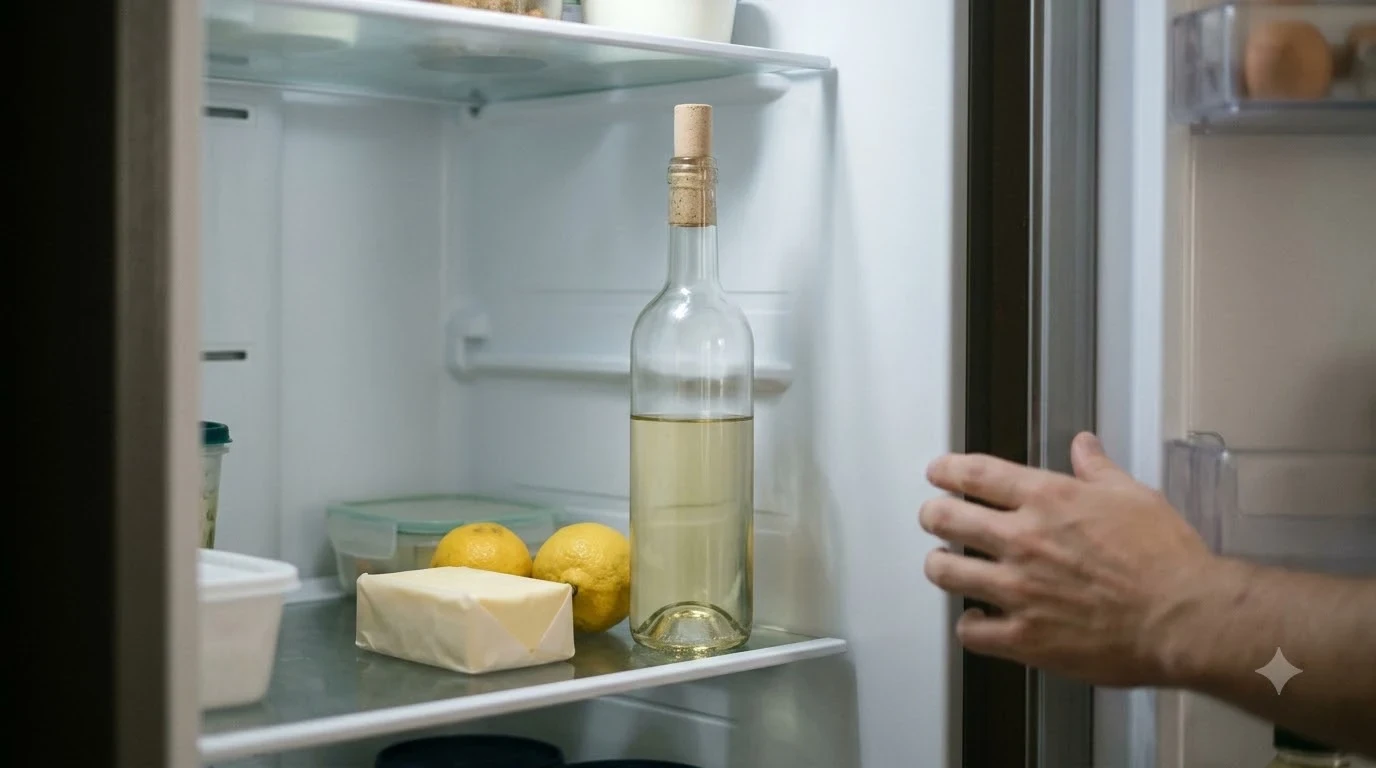
Opened bottles also require appropriate preservation. Refrigerate opened still wines and aim to finish them within approximately three to five days. Sparkling wines generally retain their best character for approximately one to three days with a suitable sparkling-wine stopper. Fortified wines can last several weeks after opening, depending on style and storage conditions.
For a large-format purchase, consider how quickly the wine will be consumed. A 3 L box provides the equivalent of four standard bottles, but its packaging is designed to help limit oxygen exposure after dispensing. This can make bag-in-box wine convenient for regular household use. Properly stored, opened bag-in-box wine can generally remain usable for approximately four to six weeks.
Decanting can also help certain Kirkland reds. Young, full-bodied Cabernet Sauvignon and other structured reds may benefit from approximately 30–60 minutes of aeration. Lighter Pinot Noir usually needs less time. Decanting is not necessary for every wine, so use the wine’s structure and age as a guide.
Frequently Asked Questions
Why is Kirkland Signature wine sold under a private label?
Costco uses the Kirkland Signature name for products sourced through different producer relationships. The retailer can offer wines from several regions under one consistent retail brand rather than relying on one winery’s consumer label. This arrangement explains why the original producer may be identified on some bottles but not presented as the primary brand.
Can Kirkland Signature wine be purchased without a Costco membership?
Alcohol purchasing rules vary by state, and some states restrict warehouse-club membership requirements for alcohol sales. Consequently, access for nonmembers depends on local law and the particular warehouse. It is sensible to check the applicable state regulations and store policies before making a trip.
Does Kirkland Signature wine have a consistent alcohol percentage?
No. Alcohol by volume varies according to grape variety, climate, ripeness, and winemaking style. A full-bodied California Cabernet Sauvignon may have a noticeably different alcohol percentage from a light Pinot Grigio or sparkling Prosecco. The ABV is useful when comparing wines with similar styles and intended uses.
Are Kirkland Signature wines suitable for collecting?
Some structured regional wines, particularly selected Barolo, Bordeaux, and Napa Cabernet releases, may be more suitable for cellaring than everyday whites or sparkling wines. However, the aging potential depends on the individual wine, vintage, tannin, acidity, and production quality. A private-label name alone does not establish that a bottle will improve with extended storage.
How can shoppers identify the original producer of a Kirkland wine?
Start by examining the back label for the bottler, importer, producer, or winery information. US wine labels may include legally required bottling or import details that help identify the business responsible for the wine’s presentation. The named bottler is not necessarily the vineyard owner or the individual who made the wine, so these distinctions matter when researching its origins.
Kirkland Signature offers a wide range of wines for different budgets, meals, and occasions, with its everyday bottles occupying a different position from premium regional selections. The most useful way to shop is to compare grape variety, origin, vintage, and bottle size rather than choosing by label or price alone. With those factors in mind, it becomes easier to find a bottle that suits both the occasion and your expectations.
More in Wine Brands
 Trimbach Riesling Review: Pick the Right Dry Alsace StyleUpdated Nov 21, 2026
 Veuve Clicquot Wine Price: Compare Bottles and Choose the Right ChampagneUpdated Nov 21, 2026
 Unshackled Wine Price: What to Expect for Every BottleUpdated Nov 21, 2026
 Trimbach Riesling Price: What to Pay for a Quality Alsace WhiteUpdated Nov 21, 2026
 Tisdale Wine Review: How to Choose the Right BottleUpdated Nov 21, 2026
 Trapiche Malbec Price: What a Bottle Typically CostsUpdated Nov 21, 2026