
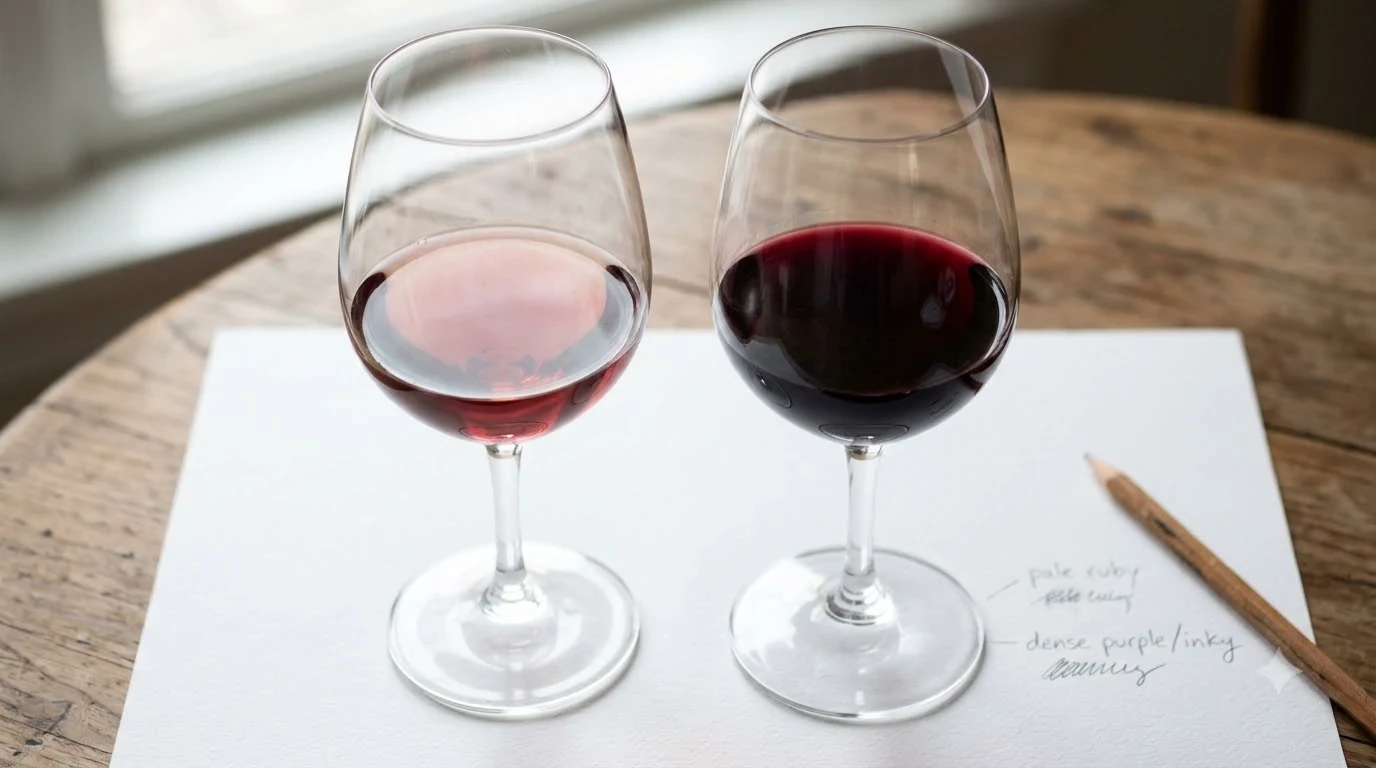

We may earn a commission when you buy through links on this page, at no extra cost to you. Learn more.
Is grahams port good? Yes, Graham’s is a respected Port producer known for rich, fruit-forward wines, balanced sweetness, and particularly impressive Vintage Port and aged Tawny expressions. Its range includes approachable Ruby Port, distinctive Reserve Ruby, Late Bottled Vintage, and Tawny wines aged for 10 to 80 years. The best choice depends on whether you prefer concentrated dark fruit, nutty complexity, or a more structured Port for long-term cellaring.
Graham’s is a longstanding name in Portuguese Port, but its reputation does not mean every bottle suits every drinker. Some expressions are designed for immediate enjoyment, while others offer more complexity through extended ageing in wood or bottle. Understanding these differences makes it easier to choose a bottle that matches your taste, occasion, and experience with fortified wine. This guide examines the producer’s strengths, its main styles, serving recommendations, and the factors that matter when buying.
Who This Port Is For
Graham’s Port is a particularly good choice for people who enjoy generous fruit flavors, noticeable sweetness, and a full-bodied finish. Its range also includes more mature styles for drinkers who prefer dried fruit, nuts, honey, and the complexity that develops during extended ageing.
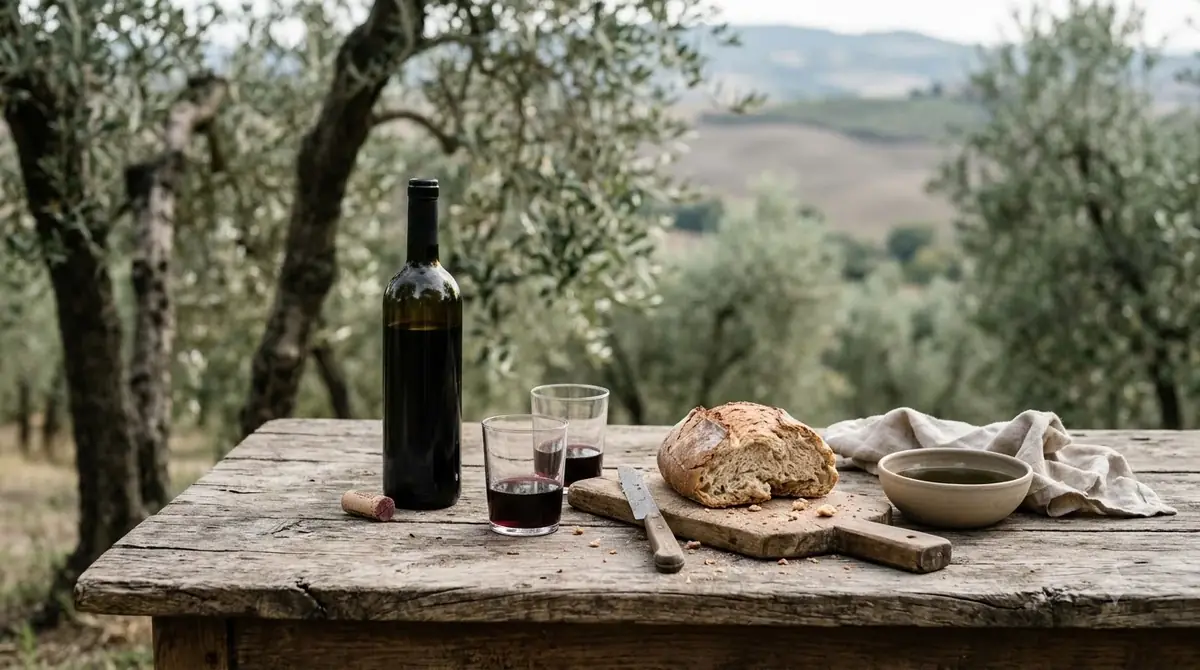
The producer traces its history to 1820, when William and John Graham established the business in Portugal’s Douro Valley. Its reputation is built around traditional Port production, vineyard selection, blending, and careful ageing. The company has maintained a recognizable house style, particularly in its richer Vintage Ports, which often combine ripe dark fruit with substantial structure.
One of Graham’s most recognizable bottles is Six Grapes Reserve Ruby. It offers a useful introduction to the producer because it combines concentrated fruit with enough structure to make it more interesting than a simple sweet fortified wine. Its profile includes ripe plums, cherries, and a persistent finish. The producer describes it as its signature Reserve Port, a position supported by the history of the Six Grapes designation.
Graham’s is especially suitable for several types of Port drinkers:
- New Port drinkers: Six Grapes provides an accessible introduction to rich, fruity Ruby Port without requiring years of bottle ageing.
- Dessert wine enthusiasts: The 10 Year Old Tawny offers nutty, honeyed, and fig-like flavors that complement pastries and other desserts.
- Experienced wine collectors: Vintage Port provides greater concentration, structure, and potential for extended bottle development.
- Gift buyers: The aged Tawny range offers clearly differentiated ageing categories, making it easier to select a bottle for a particular occasion.
- Cheese and chocolate enthusiasts: The concentrated sweetness and dark fruit of Ruby Port work particularly well with rich desserts and mature cheeses.
However, Graham’s may not be the ideal choice for someone who prefers completely dry wines, light-bodied reds, or low-alcohol drinks. Port is fortified, and many of its familiar expressions contain approximately 20% alcohol by volume. Its sweetness and intensity are defining characteristics rather than incidental features.
It is also important to distinguish between enjoying Graham’s and collecting it. A bottle of Six Grapes is intended to be enjoyed relatively young, while a well-chosen Vintage Port can reward patient cellaring. Paying attention to the category is more useful than assuming every bottle carrying the Graham’s name has the same purpose.
For a broader introduction to the producer’s range, the Grahams Port overview provides another useful starting point. The main consideration is whether the desired experience involves immediate fruit-forward enjoyment or the more developed character of an aged Port.
Key Factors to Compare Before Buying
The most important buying factors are Port style, ageing method, sweetness, flavor intensity, and intended drinking occasion. Comparing these characteristics helps explain why two Graham’s bottles can taste quite different despite sharing the same producer.
Port is a fortified wine from Portugal’s Douro region. Fermentation is stopped through the addition of grape spirit, preserving natural grape sweetness while increasing alcohol content. The result is generally richer and sweeter than an ordinary table wine, although individual styles differ considerably.
| Buying factor | What to look for | What it means |
|---|---|---|
| Reserve Ruby | Six Grapes | Rich dark fruit and immediate drinking appeal |
| Aged Tawny | 10, 20, 30, 40, 50, or 80 years | Increasingly developed wood-aged character |
| Late Bottled Vintage | LBV designation | Vintage-quality fruit with extended wood ageing |
| Vintage Port | Specific harvest year | Concentrated fruit, structure, and ageing potential |
| Alcohol | Often around 20% ABV | Stronger than ordinary table wine |
| Serving temperature | Approximately 54–61°F for Six Grapes | Allows fruit and structure to show clearly |
Fruit concentration and sweetness
Graham’s has a recognizable preference for generous fruit expression in many of its Ruby and Vintage bottlings. Expect flavors such as blackberry, plum, cherry, blackcurrant, and sometimes chocolate or licorice. These characteristics make the wines particularly appealing to drinkers who prefer concentrated, sweet red wines.
Sweetness should not be confused with a lack of structure. Vintage Port can combine substantial residual sweetness with firm tannins and enough acidity to keep the finish from becoming entirely heavy. This balance is one of the characteristics that professional critics have repeatedly identified in Graham’s more ambitious wines.
Ageing and complexity
Ageing method is another important consideration. Ruby Ports generally preserve youthful fruit through limited exposure to oxygen, while Tawny Ports spend extended periods in wooden casks. Gradual oxidation changes the flavor profile, producing characteristics associated with nuts, caramel, dried fruit, and spices.
For example, Graham’s 10 Year Old Tawny spends an average of 10 years in seasoned oak. The producer describes aromas of nuts, honey, and figs, followed by mature fruit and a mellow finish. This is a substantially different drinking experience from the fresh plum and cherry character of Six Grapes.
Vintage Port follows another approach. It develops primarily in bottle after its initial ageing period, allowing its fruit, tannins, and aromatic complexity to evolve. This makes the vintage and storage history particularly important purchasing considerations.
Producer reputation and professional assessments
Professional assessments provide another useful way to evaluate quality. For example, Graham’s 1985 Vintage Port received 97 points from Decanter, with the review highlighting ripe plum and cherry flavors, firm tannins, and a powerful finish. The same bottle received favorable assessments from Wine Advocate and Wine Spectator.
The 2017 Vintage Port also attracted strong professional attention. Its published assessments included 98 points from Decanter and 97 points from both James Suckling and Wine Enthusiast. These reviews support Graham’s reputation in the premium Vintage Port category, although individual vintages should always be considered separately.
For a comparison with another established Portuguese producer, explore Fonseca Port. Differences in house style, vintage character, and preferred sweetness can be more informative than producer reputation alone.
Step-by-Step: How to Choose a Graham’s Port
Choosing the right Graham’s bottle becomes easier when the decision follows a few practical steps. Start with your preferred flavor profile, then consider ageing, occasion, food pairing, and whether you plan to drink the bottle immediately or keep it for later.
-
Decide whether you prefer Ruby or Tawny.
Choose Ruby if you enjoy fresh blackberry, cherry, plum, and concentrated dark fruit. Choose Tawny if you prefer dried figs, nuts, honey, caramel, and a softer, more developed flavor profile. This is the most important initial decision because the two categories have noticeably different characteristics.
-
Choose an appropriate level of complexity.
Six Grapes is a sensible starting point for someone unfamiliar with Graham’s. Its signature Reserve Ruby style offers rich fruit and structure without requiring the patience or storage considerations associated with Vintage Port. A 10 Year Old Tawny is another approachable option for someone who prefers wood-aged flavors.
-
Consider the occasion.
For a casual after-dinner drink, a Reserve Ruby or entry-level Tawny makes practical sense. For a more formal dinner or a special celebration, an aged Tawny or Vintage Port may provide a more distinctive experience. Consider how many people will be drinking and whether the bottle will accompany food.
-
Match the wine with the food.
Rich chocolate desserts and mature cheeses work particularly well with Six Grapes. Apple pie with cinnamon is a natural match for the nutty and honeyed character of the 10 Year Old Tawny. If the dessert is very sweet, select a Port that can match its sweetness rather than one that tastes less sweet beside it.
-
Decide whether the bottle needs ageing.
Reserve Ruby is generally ready to drink after purchase. Aged Tawny is also ready to enjoy because its maturation has already taken place in wood. Vintage Port is different: certain bottles benefit from extended bottle ageing, and older bottles may require careful decanting to separate sediment.
-
Check provenance when buying mature Vintage Port.
Storage conditions matter significantly for wines intended for long-term ageing. Ask about the bottle’s storage history, fill level, closure condition, and previous ownership where possible. A mature vintage with uncertain storage may be less appealing than a younger bottle kept under suitable conditions.
-
Serve the bottle at an appropriate temperature.
Six Grapes is recommended slightly chilled at 12–16°C, or approximately 54–61°F. Aged Tawny is also generally best served slightly chilled. Avoid serving Port excessively warm, since high serving temperatures can make its alcohol and sweetness seem more pronounced.
Tip: If you are buying your first bottle of Graham’s, start with Six Grapes if you enjoy dark fruit and mature cheese, or the 10 Year Old Tawny if you prefer nuts, honey, figs, and pastries. These two styles provide a straightforward introduction to the producer’s contrasting flavor profiles.
These steps also help prevent a common purchasing mistake: selecting a bottle based solely on its age designation. A 20 Year Old Tawny and a Vintage Port are not directly interchangeable. They represent different production and ageing approaches, so their suitability depends on flavor preference rather than age alone.
Types and Styles of Graham’s Port Explained
Graham’s offers several Port categories, ranging from straightforward Ruby and Tawny wines to collectible Vintage expressions. Understanding the main styles is essential because each one offers a different combination of fruit, sweetness, texture, and ageing potential.

Six Grapes Reserve Ruby
Six Grapes is arguably the most recognizable starting point in the Graham’s portfolio. The designation has a historical connection to the producer’s practice of marking barrels according to wine quality, with six grape symbols identifying wines considered to have Vintage Port potential.
The modern Six Grapes bottling is a Reserve Ruby Port. Its tasting profile includes ripe plum and cherry aromas, dark fruit, a structured palate, and a lingering finish. The wine is bottled ready to drink and does not require additional bottle ageing to be enjoyable. Graham’s provides its full Six Grapes tasting notes and serving recommendations, including its suggested serving temperature.
The producer’s description identifies a blend primarily involving Touriga Franca, Touriga Nacional, Tinta Roriz, and Tinta Barroca, alongside other traditional Douro varieties. This combination contributes aromatic fruit, body, tannin, and complexity.
Six Grapes is a particularly suitable option for chocolate desserts, mature cheeses, and after-dinner drinking. It is also a useful choice for someone who wants a recognizable Graham’s expression without immediately moving into older or more specialized categories.
Fine Ruby and Reserve Ruby
Fine Ruby is a more straightforward expression intended for uncomplicated enjoyment. It focuses on youthful fruit and sweetness rather than the additional structure and complexity associated with a Reserve Ruby.
Reserve Ruby occupies a more substantial position in the range. Graham’s describes this category as youthful, bright, and complex, with wood ageing used to develop the wine while retaining its fruit character. Six Grapes is the best-known example of this approach.
Aged Tawny Port
Graham’s produces Tawny Ports with stated age categories of 10, 20, 30, 40, 50, and 80 years. These expressions are matured in wood, creating a more oxidative profile than Ruby Port.
The 10 Year Old Tawny is a particularly accessible introduction. Its aromas include nuts, honey, and figs, while the palate emphasizes mature fruit and a mellow, persistent finish. The producer suggests pairing it with sweet pastries such as apple pie with cinnamon.
Moving to older age categories generally means more developed flavors and greater blending complexity. The stated age on an aged Tawny represents an average ageing indication rather than a claim that every component in the blend is exactly that age.
Late Bottled Vintage
Late Bottled Vintage, commonly abbreviated as LBV, provides a middle ground between Reserve Ruby and traditional Vintage Port. It uses vintage-quality grapes but spends several years ageing in wood before release.
This approach produces a wine with more developed character than a simple young Ruby while generally offering greater immediate accessibility than a bottle intended for extended Vintage Port cellaring. It can be a practical option for drinkers who want a particular harvest’s character without committing to a long-term storage plan.
Vintage Port
Vintage Port represents one of Graham’s most important categories. These wines are produced from selected grapes in declared vintages and are intended to develop further in bottle.
Graham’s Vintage Port is often associated with ripe black fruit, concentrated plum, chocolate, and substantial tannin. Reviews of the 2017 vintage, for example, emphasize blackberry, blueberry, plum, and a rich, velvety structure.
Older Vintage Ports may develop additional complexity, but they require suitable storage and careful handling. Sediment can accumulate during bottle ageing, making decanting an important part of serving many mature examples.
White Port
Graham’s also produces White Port, including Fine White and Extra Dry White expressions. These styles broaden the range beyond the familiar sweet red and Tawny categories.
White Port can be particularly interesting for drinkers who want a different fortified-wine experience. Its flavor profile and sweetness depend on the particular bottling, making it important to distinguish between the producer’s individual White Port expressions rather than assuming they all taste alike.
Common Mistakes When Buying Graham’s Port
Most disappointing purchases happen because buyers confuse Port categories, misunderstand ageing labels, or choose a wine that does not match their preferred sweetness. Avoiding a few predictable mistakes makes the selection process considerably more reliable.
Assuming all Graham’s bottles taste alike
The first mistake is treating the brand as a single flavor profile. Six Grapes and a 10 Year Old Tawny are both Graham’s wines, but their production methods produce very different results.
Six Grapes emphasizes ripe fruit, dark berries, and a structured Ruby profile. The Tawny focuses more on wood-aged complexity, with nutty aromas, honey, figs, and mature fruit. Someone who enjoys one style may not automatically prefer the other.
Confusing the age of Tawny with Vintage Port age
A 20 Year Old Tawny and a 20-year-old Vintage Port are not the same kind of wine. Tawny age indications refer to the average age of the blend, while a Vintage Port identifies the harvest year and develops through bottle ageing.
This distinction affects flavor, texture, serving, and storage. Aged Tawny is generally ready to enjoy when purchased, whereas Vintage Port can require additional cellaring and careful decanting.
Expecting Port to taste like ordinary red wine
Port is fortified, and its sweetness and alcohol concentration are significantly different from those of typical Cabernet Sauvignon, Merlot, or Pinot Noir. Graham’s richer Ruby and Vintage expressions can taste concentrated and substantial even when served in small portions.
A standard Port pour is approximately 3 ounces for many tasting occasions, although individual serving preferences differ. For comparison, the conventional wine serving reference is 5 ounces. The smaller Port pour makes sense because its sweetness and alcohol intensity are more concentrated.
Pairing sweet Port with desserts that are even sweeter
A dessert can make a Port taste less sweet if its sugar concentration is substantially higher. The general pairing principle is to choose a wine at least as sweet as the dessert.
Six Grapes works particularly well with dark chocolate because its concentrated fruit complements the dessert’s richness. A 10 Year Old Tawny can be a better choice for pastries featuring apples, cinnamon, nuts, or dried fruit.
Serving the wine too warm
Port should not automatically be served at room temperature. Excessive warmth can emphasize alcohol and make a sweet fortified wine seem heavy. Graham’s specifically recommends serving Six Grapes slightly chilled between 12 and 16°C.
Another mistake is using a large quantity in the glass. A smaller pour provides enough space to appreciate the aroma without making the wine difficult to enjoy alongside food.
Expecting every bottle to improve with additional storage
Some wines are designed for immediate enjoyment. Six Grapes is bottled ready to drink, and additional years of home storage are not necessary to make it more appealing.
Vintage Port has a different purpose and may reward suitable cellaring. The important distinction is the wine category, not simply the producer’s reputation or the amount of time printed on the label.
Care, Serving, and Storage Tips
Proper serving and storage help preserve Graham’s flavor and make the wine more enjoyable after opening. Temperature, bottle position, exposure to oxygen, and the particular Port category all influence how the wine should be handled.
Serving temperature
Graham’s Six Grapes is best served slightly chilled, between 12 and 16°C, equivalent to approximately 54–61°F. This temperature range helps maintain the wine’s fruit character while keeping its alcohol and sweetness from becoming overly prominent.
Aged Tawny should also be served slightly chilled. The exact preference can vary with the wine and the surrounding temperature, but avoiding excessive warmth is a useful starting point.
Choosing the right glass
A dedicated Port glass is a traditional choice because it accommodates smaller pours and concentrates the wine’s aromas. A reasonably sized white wine glass is also suitable for Six Grapes, according to the producer’s wine description information.
There is no need to use an oversized red wine glass for every Port. A glass that allows a gentle swirl and gives the aromas room to develop is generally sufficient.
Decanting Vintage Port
Young, concentrated Vintage Ports can benefit from approximately 30–60 minutes of decanting. Exposure to air helps the wine open up, while careful decanting also separates accumulated sediment from the liquid.
Mature bottles need a more cautious approach. Older Vintage Port may be fragile, and excessive aeration can cause its aromas to fade. Decanting should therefore be guided by the bottle’s age and condition rather than applying the same treatment to every Vintage Port.
Storing unopened bottles
Traditional wine-storage guidance recommends keeping bottles near 55°F in a cool, dark environment with a reasonably consistent temperature. Bottles with natural cork closures are generally stored on their sides to keep the cork from drying out.
Vintage Port intended for long-term cellaring benefits most from stable storage conditions. Avoid locations with direct sunlight, strong temperature fluctuations, or frequent vibration. A dedicated wine refrigerator or suitable cellar can provide more consistent conditions than a kitchen cupboard.
Ready-to-drink Ruby and Tawny bottles do not require the same extended ageing arrangements as collectible Vintage Port. Their storage priorities are primarily protection from heat and light until opening.
Preserving an opened bottle
Graham’s gives Six Grapes and its 10 Year Old Tawny an opening window of up to eight weeks under its recommended handling guidance. These are producer-specific recommendations and should not be assumed to apply identically to every Port style or storage situation.
For general wine-storage guidance, sparkling wines are usually best consumed within 1–3 days after opening, still wines within 3–5 days, and fortified wines may last considerably longer. Refrigeration and appropriate closure help slow oxidation.
Vintage Port is a different case. Once opened, its concentrated fruit and structure do not guarantee that it will remain at its best for several weeks. A mature bottle is generally better enjoyed promptly, with a suitable stopper used to limit unnecessary air exposure.
For most drinkers, the simplest approach is to select a bottle suited to the occasion, serve it at a moderate temperature, and avoid keeping opened wine longer than necessary simply because the producer recommends a relatively generous consumption window.
Frequently Asked Questions
Is Graham’s Port considered a premium Port brand?
Yes. Graham’s has a long-established reputation in the Port category, particularly for Vintage Port. Its wines have received favorable assessments from publications and critics including Decanter, Wine Advocate, Wine Spectator, and Wine Enthusiast. Its range includes both accessible everyday expressions and collectible bottles intended for extended ageing.
Is Graham’s Port suitable for people who dislike very sweet wines?
Most traditional Graham’s Ports are sweet fortified wines, so they may not suit someone who strongly dislikes residual sugar. However, Graham’s Extra Dry White Port offers an alternative within the brand’s portfolio. It provides a different style from the familiar rich Ruby and Tawny expressions.
What grapes are traditionally used in Graham’s Port?
Important Douro varieties include Touriga Nacional, Touriga Franca, Tinta Roriz, and Tinta Barroca. Other traditional varieties, including Tinta Amarela, Tinta Cão, and Sousão, can also appear in blends. The precise combination varies according to the particular wine and production selection.
Does Graham’s Port need to be decanted through a filter?
Not every bottle needs filtering. Mature Vintage Port can develop natural sediment during bottle ageing, and a wine decanting funnel with a fine filter can help separate it. Reserve Ruby and most Tawny bottles generally do not require sediment removal before serving.
Is Graham’s Port suitable as a gift for someone who enjoys wine?
Yes. Aged Tawny is a particularly practical gift because its age indication communicates a distinctive style and maturation profile. Vintage Port can make a more specialized present for a collector, especially when the selected harvest year has personal significance. A recipient’s preference for Ruby or Tawny is still the most useful consideration.
Graham’s is a strong choice for anyone looking for Portuguese Port with concentrated fruit, recognizable house character, and a wide selection of ageing styles. Six Grapes is an excellent starting point for Ruby Port enthusiasts, while the 10 Year Old Tawny provides a more mature and nutty alternative. For collectors and experienced drinkers, Graham’s Vintage Port offers some of the producer’s most compelling expressions, particularly when the vintage and storage history are carefully considered.
More in Wine Brands
 Underwood Wine Price: Compare Bottles, Cans, and Pack SizesUpdated Nov 21, 2026
 Zenato Wine Price: Compare Styles and Choose the Right BottleUpdated Nov 21, 2026
 Zuccardi Wine Price: Compare Bottles and Find the Right RangeUpdated Nov 21, 2026
 Yellow Tail Moscato Review: Taste, Sweetness and Serving TipsUpdated Nov 21, 2026
 Wolf Blass Yellow Label Review: Choose Your Best StyleUpdated Nov 21, 2026
 Wolffer Estate Rose Review: Choose the Right Bottle for Your TableUpdated Nov 21, 2026