

We may earn a commission when you buy through links on this page, at no extra cost to you. Learn more.
Is gerard bertrand wine good? Yes, Gérard Bertrand makes good-quality wines, particularly for drinkers interested in expressive southern French styles, approachable rosés, and characterful Mediterranean reds. The producer offers considerably more variety than a single recognizable label, with wines ranging from everyday bottles to serious estate selections. The best choice depends on the grape, appellation, and particular cuvée rather than the producer’s name alone.
Gérard Bertrand is one of the prominent names associated with Languedoc wine in southern France. Its portfolio includes familiar options such as Côte des Roses alongside more ambitious wines from estates including Château l’Hospitalet, Domaine de Cigalus, and Clos d’Ora. That range makes the brand worth considering, but it also means shoppers should understand what separates an everyday bottle from a more complex selection. This guide examines the quality, styles, strengths, limitations, and practical buying considerations to help identify a bottle that matches your preferences.
Who Should Consider Gérard Bertrand Wine?
Gérard Bertrand is a good option for wine drinkers who enjoy fruit-forward French wines, Mediterranean grape varieties, and a choice of styles across different occasions. Its range is particularly useful for shoppers who want to explore southern France without committing to one grape or one appellation.
The brand is especially appealing to people who enjoy Grenache, Syrah, Mourvèdre, and Carignan. These varieties are important components of southern French winemaking and often produce wines with ripe red and dark fruit, savory herbs, spice, and a substantial palate. Depending on the blend and winemaking approach, the result can be an accessible dinner wine or a more structured bottle suited to a special meal.
Rosé drinkers also have a reason to consider the producer. Côte des Roses is one of its recognizable labels, and its distinctive bottle makes it noticeable on retail shelves. The wine itself is more important than its presentation, however. Wine Enthusiast awarded the 2025 Côte des Roses Rosé 91 points, describing watermelon-rind aromas, floral character, and lightly tropical flavors. That assessment provides useful independent evidence that the label offers more than attractive packaging. Read the Wine Enthusiast review of Côte des Roses Rosé for additional tasting details.
There are several other audiences for whom the range makes sense:
- Casual wine drinkers: People looking for approachable rosé, fruity reds, and versatile whites for ordinary meals.
- French wine enthusiasts: Drinkers interested in appellations such as La Clape, Corbières-Boutenac, Limoux, and Picpoul de Pinet.
- Organic wine shoppers: People who want to investigate certified organic bottles and selected Demeter-certified biodynamic wines.
- Adventurous drinkers: People who enjoy trying different Mediterranean grapes, blends, and less familiar regional styles.
However, someone who wants every bottle to taste light, delicate, and uncomplicated may find some of the more ambitious reds too powerful. Similarly, drinkers who prefer consistently crisp, high-acid whites should choose their bottle carefully rather than assuming every wine in the collection has the same refreshing profile.
Key Factors to Compare Before Buying
The most useful way to judge Gérard Bertrand is to compare the grape variety, appellation, wine style, and certification of the particular bottle. Those four factors tell you much more about the likely drinking experience than the producer’s name by itself.
| Factor | What to Look For | What It Means for the Buyer |
|---|---|---|
| Wine color | Red, white, rosé, orange, sparkling | Determines the basic drinking style and food possibilities. |
| Red grapes | Syrah, Grenache, Carignan, Mourvèdre | Helps predict body, fruit character, spice, and tannin. |
| White grapes | Chardonnay, Viognier, Rolle, Piquepoul | Helps distinguish richer whites from fresher, more aromatic styles. |
| Appellation | La Clape, Limoux, Pic Saint-Loup, Corbières | Identifies the wine’s regional origin and production category. |
| Certification | AB organic or Demeter biodynamic | Shows whether the particular wine carries the relevant certification. |
| Ageing | Stainless steel, concrete, French oak | Provides clues about freshness, texture, and oak influence. |
| Alcohol | Percentage stated on the bottle | Helps set expectations about weight and perceived warmth. |
Appellation is especially important because Languedoc is not one uniform vineyard environment. The region includes coastal sites, inland vineyards, elevated locations, and areas with different soils and climatic influences. A wine from La Clape can have a different personality from one produced in Limoux or the higher-altitude areas around the Pyrenees.
Grape variety provides another practical starting point. Syrah commonly brings dark fruit, pepper, and firmer tannins, while Grenache tends toward ripe red fruit and a fuller impression. Carignan can contribute freshness and structure, and Mourvèdre often brings savory, earthy, and spicy elements. These characteristics change with climate, ripeness, blending, and cellar treatment, so they are useful expectations rather than guarantees.
Certification deserves separate attention. The producer offers organic wines and selected Demeter-certified biodynamic wines, but these descriptions should not be applied indiscriminately to its entire portfolio. A shopper who specifically wants certified organic wine should identify the relevant bottle and its certification rather than relying on the producer’s general environmental reputation.
For a broader understanding of the different producers and styles found on retail shelves, the Wine Brands section provides a useful starting point for comparing wine labels.
How to Choose a Gérard Bertrand Bottle Step by Step
Choosing the right bottle becomes much easier when you begin with the occasion and preferred flavor profile. A few straightforward decisions can narrow a large collection into a manageable shortlist.
-
Decide whether you want red, white, or rosé.
Start with the food and occasion. Rosé works well for casual gatherings and lighter meals, whites suit seafood and poultry, and reds are natural companions for grilled meat, roasted vegetables, and richer dishes.
-
Choose a grape variety or blend.
For a fruity, generous red, investigate Grenache-led wines. For peppery flavors and darker fruit, look for Syrah. Chardonnay is a sensible starting point for a fuller white, while Piquepoul is worth exploring if you prefer lively acidity and citrus character.
-
Identify the appellation.
Look at the regional designation rather than choosing solely by the brand. La Clape, Corbières-Boutenac, and Pic Saint-Loup are useful starting points for red wine exploration, while Picpoul de Pinet and Limoux offer interesting white wine options.
-
Decide how much complexity you want.
A straightforward regional wine is generally more suitable for informal drinking. A named estate wine or a selection from a specific vineyard site may offer more depth, oak influence, and structural complexity. Château l’Hospitalet and Clos d’Ora illustrate the more ambitious side of the collection.
-
Check the production details.
Look for information about oak ageing, stainless-steel fermentation, organic certification, and biodynamic certification. For example, Château l’Hospitalet Grand Vin Red is aged for 12 to 16 months in new French oak barrels, which gives a different expectation from a fresh stainless-steel white.
-
Match the bottle to the meal.
Consider the weight of the food, seasoning, sauce, and cooking method. A rich Syrah-based red is a natural candidate for grilled beef, whereas a fresh white can work better with lemon-seasoned seafood or grilled fish.
-
Serve at the right temperature.
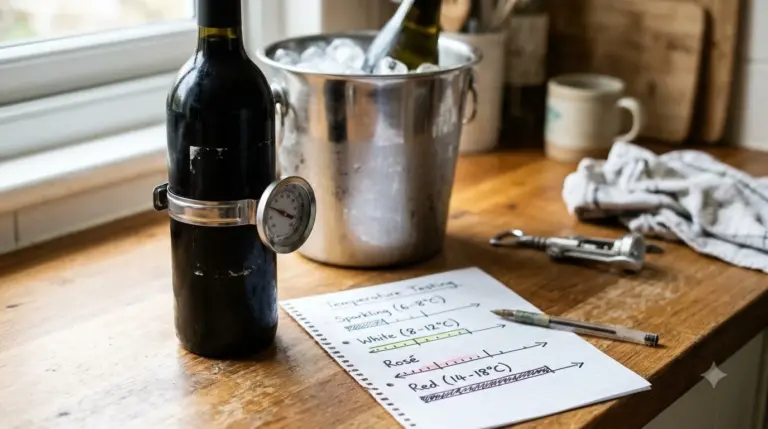
Serve rosé and light whites around 45 to 50 degrees Fahrenheit, fuller whites around 50 to 55 degrees, and lighter reds around 55 to 60 degrees. More substantial reds generally show better around 60 to 65 degrees.
This approach is more reliable than selecting a bottle based on its label design or assuming a higher-level estate name automatically guarantees a better match for your preferences. A well-chosen regional rosé can be more enjoyable at a summer lunch than an expensive, oak-aged red that is too powerful for the occasion.
Tip: If this is your first Gérard Bertrand purchase, start with a style you already enjoy. A familiar grape or wine color makes it easier to judge whether you like the producer’s approach before exploring more distinctive estate selections.
Gérard Bertrand Wine Types and Styles Explained
The portfolio covers several important wine categories, with southern French grapes and regional appellations providing much of its identity. Understanding the differences between these categories is the quickest way to find a suitable bottle.
Rosé: Côte des Roses
Côte des Roses is one of the most recognizable wines in the collection. It is a Languedoc rosé designed around fresh fruit, floral aromas, and an approachable style. The distinctive bottle attracts attention, but the wine’s appeal comes from its refreshing character.
Independent recognition supports its reputation. Wine Enthusiast gave the 2025 vintage 91 points, describing watermelon-rind aromas and a delicate, refreshing palate with lightly tropical flavors. The review also identifies the wine as 13% alcohol by volume, in a standard 750 ml bottle.
This is a sensible option for people who enjoy dry, refreshing rosé rather than intensely sweet wine. It can accompany salads, grilled chicken, Mediterranean vegetables, shrimp, and casual outdoor meals. Serve it chilled, ideally around 45 to 50 degrees Fahrenheit.
Red: Syrah, Grenache, and Mediterranean Blends
Red wines represent an important part of the producer’s identity. Its collection includes Syrah, Grenache Noir, Carignan, and Mourvèdre, either as individual varietal wines or as components of regional blends.
Some of the most interesting options come from established southern French appellations. Château l’Hospitalet Grand Vin Red represents La Clape, while La Forge comes from Corbières-Boutenac and includes fruit from century-old Carignan vines alongside old Syrah vines. Clos d’Ora represents the more ambitious La Livinière category.
These are not interchangeable styles. A Grenache-led red may feel generous and fruit-forward, while a Syrah-based selection can have more peppery character and firmer tannins. Blends containing Mourvèdre may offer additional savory depth and structure. For people who enjoy exploring French red wines, the range provides a useful introduction to several Mediterranean grape varieties.
White: Freshness and Richness
The white wine collection includes Chardonnay, Grenache Blanc, Roussanne, Rolle, Clairette, Viognier, and Piquepoul. This variety allows the producer to make wines with quite different textures and aromatic profiles.
For freshness, Picpoul de Pinet is an especially interesting regional style. Piquepoul is associated with lively acidity and citrus character, making it a natural companion for seafood. Chardonnay from Limoux offers a different direction, potentially bringing more body and a richer texture. Aigle Royal is one of the producer’s named Chardonnay selections from this appellation.
Château l’Hospitalet Grand Vin White is another distinctive option, combining Grenache Blanc, Bourboulenc, and Rolle. The blend illustrates how southern French white wines can offer more than a simple Chardonnay alternative.
Organic, Biodynamic, and Other Styles
Gérard Bertrand has a substantial environmental focus, with biodynamic farming beginning at Domaine de Cigalus in 2002. Its portfolio includes wines carrying organic certification and selected wines with Demeter biodynamic certification.
However, organic and biodynamic are not synonyms. Organic certification relates to defined agricultural and production requirements, while biodynamic certification follows additional farming principles. Neither term automatically tells you whether a particular wine is light, full-bodied, fruity, or complex.
There are also other categories worth exploring, including orange wines, sparkling wines, and fortified selections. These broaden the collection beyond the familiar red-white-rosé combination and make it relevant to shoppers who enjoy discovering less conventional styles.
Common Mistakes When Buying Gérard Bertrand Wine
The most common buying mistakes involve treating the whole collection as one consistent style or judging the wine by its packaging and environmental messaging alone. Paying attention to the individual bottle helps avoid mismatched expectations.
Assuming Every Bottle Is Biodynamic
The producer has made a substantial commitment to biodynamic agriculture, but certification varies between wines. Some bottles carry organic certification, others have both organic and Demeter certification, and the precise status depends on the selection. Someone purchasing specifically for a certification should confirm it on the individual wine information rather than relying on the brand’s general description.
Confusing Dry Rosé With Sweet Rosé
Pink color does not mean a wine is sweet. Côte des Roses is generally positioned as a refreshing, dry-style Languedoc rosé. Its watermelon, floral, and tropical notes are aromatic impressions, not proof of significant residual sugar.
People who prefer sweeter wines should pay attention to the wine’s actual sweetness description. A fruity aroma can create the impression of sweetness even when the wine is technically dry.
Expecting Every Red to Be Light and Easy Drinking
Southern French red blends can be substantial, especially when Syrah and Mourvèdre play important roles. A wine with firm tannins, concentrated dark fruit, and oak influence will feel very different from an uncomplicated red intended for casual consumption.
This matters when planning food pairings. A structured red can work beautifully with grilled lamb or beef, but it may overpower delicate white fish or lightly seasoned vegetable dishes. The best pairing takes account of the wine’s body, tannin, acidity, and the intensity of the food.
Choosing on Packaging Alone
Côte des Roses has a recognizable presentation, but bottle shape does not determine wine quality. Its independent reviews provide more meaningful information about its drinking character than its appearance.
The same principle applies to premium-looking estate labels. An expensive presentation or prestigious-sounding appellation does not guarantee that the style will suit every drinker. A fresh, uncomplicated white may be a better purchase than a complex oak-aged selection if the intended occasion is a simple seafood lunch.
Overlooking Regional Differences
Languedoc covers a broad range of vineyard environments. Coastal Mediterranean sites and elevated inland vineyards can produce very different expressions of the grapes. La Clape, Limoux, and Corbières-Boutenac should not be treated as interchangeable origins.
Understanding these distinctions also makes it easier to compare Gérard Bertrand with other producers. A shopper exploring gerard bertrand wine should consider the appellation and grape alongside the brand name, just as someone comparing approachable American labels such as Barefoot wine should consider the intended style and occasion.
Serving and Storage Tips for Better Wine
Serving temperature, glassware, and storage can make a noticeable difference to the drinking experience. Even a good bottle can seem unbalanced if it is served too warm, too cold, or after poor storage.
For rosé such as Côte des Roses, aim for approximately 45 to 50 degrees Fahrenheit. This temperature helps preserve the wine’s refreshing acidity and keeps its floral and fruit aromas lively. Light white wines also benefit from this range, while fuller Chardonnay-based selections generally show more character around 50 to 55 degrees.
Red wines need a little more attention. Lighter reds are generally best around 55 to 60 degrees Fahrenheit, while fuller southern French blends usually show better around 60 to 65 degrees. Serving a powerful red too warm can make its alcohol feel more prominent and reduce the impression of freshness.
For a substantial young red, decanting for approximately 30 to 60 minutes can help the wine open up. This is particularly useful when serving a structured Syrah or a blend with significant tannin. Lighter wines and most rosés generally do not need extended decanting.
Food Pairing Suggestions
Food pairing is another way to get more enjoyment from the collection. Matching the intensity of the wine to the meal is more important than following rigid rules based only on color.
- Côte des Roses rosé: Pair with grilled shrimp, chicken salad, Mediterranean vegetables, or mild cheeses.
- Picpoul de Pinet: Serve with oysters, mussels, grilled white fish, or lemon-seasoned seafood.
- Chardonnay: Match with roast chicken, creamy pasta, grilled vegetables, or richer fish dishes.
- Grenache-based reds: Pair with roast pork, grilled lamb, tomato-based dishes, and herb-seasoned vegetables.
- Syrah-based reds: Choose grilled beef, lamb chops, mushrooms, or dishes featuring black pepper and rosemary.
- Mourvèdre blends: Consider slow-cooked meats, hearty stews, and strongly flavored Mediterranean dishes.
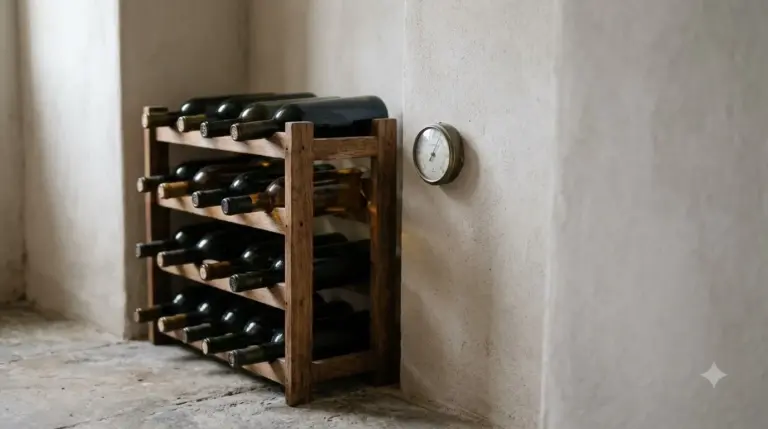
Storage matters if you intend to keep bottles for later. Store unopened wine away from direct sunlight and major temperature fluctuations, ideally near 55 degrees Fahrenheit. Bottles sealed with traditional corks are generally stored on their sides to keep the cork from drying out.
After opening, refrigerate the wine even if it is red. Most still wines retain their best character for approximately three to five days, although the actual period depends on the wine, closure, and exposure to oxygen. A sparkling wine generally keeps its freshness for around one to three days with an appropriate sparkling-wine stopper.
For a straightforward alternative if you enjoy Italian sparkling wine, La Marca Prosecco offers a different style based on Glera grapes and the tank method. It is a useful comparison for shoppers deciding between southern French still wines and Italian sparkling wine for celebrations.
Frequently Asked Questions
Is Gérard Bertrand a family-owned wine business?
The producer’s official history describes four generations of winemaking heritage associated with the Bertrand family. Gérard began harvesting grapes with his father, Georges, in 1975. The current business also highlights the involvement of other family members, including Emma and Mathias Bertrand.
Does Gérard Bertrand make vegan wine?
Yes, some wines in the collection are identified as vegan. Naturae Merlot is one example listed by the producer. Vegan status should still be checked for each individual selection because it is not automatically shared by every wine from the same producer.
What does Côte des Roses mean?
Côte des Roses is the name of a Gérard Bertrand wine range associated with Languedoc. The collection is recognizable for its rose-inspired bottle presentation. It includes more than one wine style, so the rosé, Pinot Noir, and Sauvignon Blanc selections should not be assumed to have identical flavor profiles.
Can Gérard Bertrand wine be aged for several years?
Some estate wines have meaningful ageing potential, but this depends on the specific cuvée and vintage. The producer describes Clos d’Ora as having an ageing potential of approximately 15 to 30 years. That is very different from the intended drinking window of a fresh, uncomplicated rosé.
Where does Gérard Bertrand wine come from?
The producer is strongly associated with Languedoc-Roussillon in southern France, although its portfolio includes several appellations and vineyard locations. Its wines represent areas including La Clape, Limoux, Corbières-Boutenac, and Pic Saint-Loup. The exact origin depends on the individual bottle’s appellation or geographical designation.
Gérard Bertrand is a worthwhile producer to explore if you enjoy southern French wines, particularly Mediterranean reds, refreshing rosés, and varied white wine styles. Its broad portfolio means there is no single answer for every shopper, but choosing by grape, appellation, and production style makes finding a satisfying bottle considerably easier. For a first purchase, Côte des Roses is a recognizable starting point, while the estate selections offer more opportunities to explore the depth of Languedoc wine.
More in Wine Brands
 Mer Soleil Wine Price: Compare Bottles and Find the Right ChardonnayUpdated Nov 21, 2026
 Masi Costasera Wine Price: What to Expect Before You BuyUpdated Nov 21, 2026
 McGuigan Wine Price: Compare Bottles and Find the Right ValueUpdated Nov 21, 2026
 Matua Wine Review: Find the Right New Zealand Wine for Your TasteUpdated Nov 21, 2026
 Meerlust Wine Price: Compare Bottles and Find Your FitUpdated Nov 21, 2026
 Macari Wine Price: Compare Bottles by Style and TierUpdated Nov 21, 2026