

We may earn a commission when you buy through links on this page, at no extra cost to you. Learn more.
This inglenook wine review finds that Inglenook is worth considering for drinkers seeking structured, expressive Napa Valley wines, particularly Cabernet Sauvignon-based reds and distinctive Rhône-style whites. Its flagship Rubicon delivers concentrated dark-fruit character, oak influence, and refined tannins, while Blancaneaux and Sauvignon Blanc provide fresher alternatives. The right bottle depends on your preferred grape varieties, budget considerations, food pairings, and whether you want an approachable wine for dinner or a more substantial bottle for a special occasion.
Inglenook occupies an important place in Napa Valley wine history, but its appeal extends beyond its heritage. The winery produces several distinct styles, from powerful Bordeaux-inspired reds to aromatic white blends. Understanding the differences between these wines makes choosing a bottle considerably easier. This guide examines the estate, its signature wines, the characteristics to expect, and the practical details that help buyers make an informed decision.
Who This Is For: Wine Drinkers Considering Inglenook
Inglenook is particularly appealing to people who appreciate Napa Valley Cabernet Sauvignon, traditional Bordeaux-inspired blends, and wines that emphasize structure rather than uncomplicated fruit sweetness. Its range also includes aromatic white wines, making the winery relevant to drinkers who prefer something other than a substantial California red.
The winery’s history helps explain its position in the premium Napa Valley category. Gustave Niebaum founded Inglenook in Rutherford in 1879. Francis Ford Coppola and Eleanor Coppola later purchased part of the historic property in 1975, beginning a long restoration project. According to Wine Enthusiast, the original estate once covered approximately 1,100 acres, and its reputation grew through international recognition during the late nineteenth and early twentieth centuries.
Inglenook is now associated with the Coppola family, with Philippe Bascaules directing winemaking. The estate’s approach combines its historical identity with contemporary vineyard management and winemaking. That background matters because the wines are not simply generic Napa Valley bottlings carrying an established name. Their identity is tied to Rutherford fruit, estate vineyards, and a deliberate emphasis on blending and site expression.
Buyers who are likely to appreciate Inglenook
Cabernet Sauvignon enthusiasts are the most obvious audience. Rubicon, the winery’s flagship red, is built primarily around Cabernet Sauvignon and supported by other Bordeaux varieties. Its dark-fruit profile, substantial tannins, and French oak aging make it particularly suitable for drinkers who enjoy structured wines with depth.
People who prefer white wines have worthwhile alternatives. Blancaneaux combines Viognier, Marsanne, and Roussanne, while the Sauvignon Blanc bottling uses Sauvignon Blanc with Semillon. These wines provide contrasting experiences: Blancaneaux tends toward floral aromas, stone fruit, and a fuller texture, whereas Sauvignon Blanc offers citrus, herbal freshness, and lively acidity.
Inglenook may be less suitable for someone primarily seeking inexpensive, uncomplicated everyday wine. Its historic positioning and estate-focused production make it more appropriate for deliberate purchases, dinner occasions, wine collections, or people exploring established Napa Valley producers.
Readers comparing producers across different market segments can also explore our Wine Brands directory for broader context on winery identity, grape selection, and regional styles. For a closer look at this estate’s collection, our dedicated Inglenook wine selection guide provides another useful starting point.
Key Factors to Compare Before Buying Inglenook
The most useful comparison starts with grape composition, wine style, alcohol level, and oak treatment. Inglenook’s 2022 Rubicon, 2024 Blancaneaux, and 2024 Sauvignon Blanc demonstrate how different three bottles from the same estate can be.
| Wine | Grape composition | Alcohol | Key characteristics |
|---|---|---|---|
| 2022 Rubicon | 85% Cabernet Sauvignon, 6.5% Merlot, 6% Cabernet Franc, 2.5% Petit Verdot | 14.3% | Black cherry, baking spice, structured tannins |
| 2023 Rubicon | 78% Cabernet Sauvignon, 11% Merlot, 6.5% Cabernet Franc, 4.5% Petit Verdot | 14.2% | Concentrated fruit, oak, structured finish |
| 2024 Blancaneaux | 48% Viognier, 26% Marsanne, 26% Roussanne | 14.0% | Floral aromas, yellow peach, grapefruit, rounded texture |
| 2024 Sauvignon Blanc | 86% Sauvignon Blanc, 14% Semillon | 13.0% | Lemon, grapefruit, citrus freshness, herbal character |
The figures in this comparison come from Inglenook’s published vintage information. They illustrate why choosing by winery name alone is not enough. The two Rubicon vintages share a Cabernet Sauvignon foundation but use different proportions of supporting grapes. Blancaneaux and Sauvignon Blanc are entirely different propositions for the palate.
Grape composition and structure
Cabernet Sauvignon is responsible for much of Rubicon’s firm structure. The grape generally produces substantial tannins, dark-fruit flavors, and the capacity to develop complexity with bottle age. Merlot contributes a softer texture, while Cabernet Franc can provide aromatic complexity and additional freshness. Petit Verdot adds further color and structural depth.
The white wines require a different comparison. Sauvignon Blanc is naturally associated with higher acidity and citrus or herbal characteristics. Semillon can contribute additional texture. In Blancaneaux, Viognier provides expressive floral and stone-fruit aromas, while Marsanne and Roussanne help build a fuller palate.
Oak treatment and alcohol
Oak aging is an important part of Rubicon’s identity. The 2022 vintage spent 18 months in oak, with 75% of the barrels being new French oak. The 2023 vintage spent 20 months in French oak, using a combination of French and neutral French oak. These details help explain the wine’s potential notes of vanilla, spice, toast, and integrated wood character.
Alcohol is another useful point of comparison. The listed examples range from 13% for the 2024 Sauvignon Blanc to 14.3% for the 2022 Rubicon. This difference does not determine quality, but it helps communicate the general weight and style of each wine. The higher-alcohol red is likely to feel fuller than the fresher white.
Tip: If you are buying your first Inglenook bottle, choose according to the grape style you already enjoy. Cabernet Sauvignon fans should start with Rubicon, aromatic white wine drinkers should consider Blancaneaux, and people who prefer citrus-driven whites should look at Sauvignon Blanc.
Step-by-Step: How to Choose the Right Inglenook Wine
A straightforward buying process can prevent an expensive mismatch between expectations and the wine in the bottle. Start with the occasion, identify your preferred style, and then compare the vintage and production details.
-
Decide whether you want red or white wine.
Start with Rubicon if you enjoy Cabernet Sauvignon and Bordeaux-style reds. Choose Blancaneaux for a fuller aromatic white or Sauvignon Blanc for brighter citrus and herbal flavors. This first decision eliminates much of the confusion surrounding the range.
-
Identify your preferred grape variety.
Cabernet Sauvignon is a good starting point for people who enjoy blackcurrant, dark cherry, and substantial tannins. Drinkers who prefer Merlot’s softer character may enjoy blends containing a larger proportion of that grape. White wine drinkers should distinguish between the aromatic Rhône blend and the higher-acidity Sauvignon Blanc.
-
Compare the vintage composition.
Do not assume every Rubicon is made with identical percentages. The 2022 example contains 85% Cabernet Sauvignon, while the 2023 example contains 78%. The remaining varieties also differ, which can affect the wine’s balance and expression.
-
Consider alcohol and oak treatment.
A 14.3% Cabernet-based red will generally feel more substantial than a 13% Sauvignon Blanc. The amount of new oak is equally useful information if you prefer wines with restrained wood character rather than pronounced vanilla and toast.
-
Think about the meal.
Pair Rubicon with grilled beef, lamb, or mushroom dishes. Blancaneaux is a natural option for roast chicken, creamy poultry preparations, and richer seafood dishes. Sauvignon Blanc works particularly well with shellfish, goat cheese, salads, and herb-focused meals.
-
Check the bottle’s storage and condition.
For older vintages, ask about provenance and storage history. A wine that has spent years in a warm storage environment may not perform as expected, even if the original vintage was excellent.
-
Choose an appropriate serving plan.
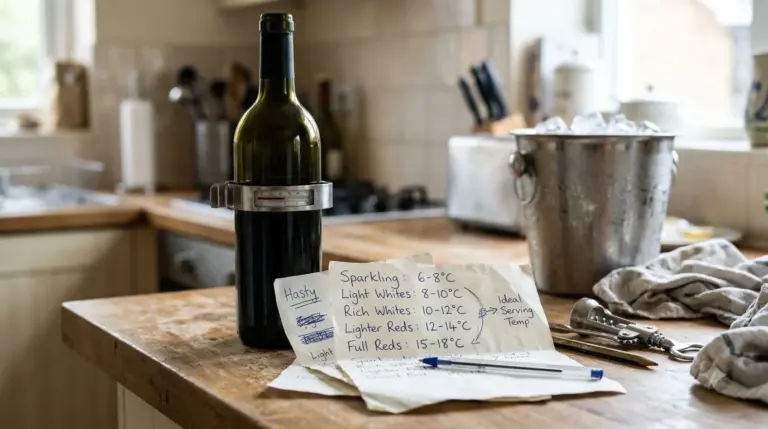
Allow a young, structured Rubicon approximately 30 to 60 minutes of decanting time. Serve lighter whites around 45 to 50 degrees Fahrenheit and fuller-bodied reds around 60 to 65 degrees Fahrenheit.
This process is especially useful when comparing two vintages of the same wine. It shifts the decision away from reputation alone and toward the characteristics that actually influence enjoyment.
Inglenook Wine Types and Styles Explained
Inglenook’s collection covers several grape varieties and blending traditions. Understanding its principal styles makes it easier to select a bottle that suits your taste rather than assuming the entire range tastes like Rubicon.
Rubicon: The flagship Bordeaux-style red
Rubicon is the central wine in Inglenook’s premium red collection. Introduced with its first vintage in 1978, it reflects Francis Ford Coppola’s ambition to produce a Bordeaux-inspired estate wine using the best available estate-grown fruit.
The blend generally centers on Cabernet Sauvignon, with varying contributions from Merlot, Cabernet Franc, and Petit Verdot. This approach creates a wine with dark-fruit intensity, a firm tannic framework, and complexity from oak aging and blending.
Published tasting notes for the 2022 vintage emphasize black cherry and baking spice, alongside a long finish and softening tannins. The 2023 blend contains a slightly smaller Cabernet Sauvignon proportion and more Merlot and Cabernet Franc than the 2022 composition. This illustrates why vintage-specific information is more useful than treating Rubicon as a completely uniform product.
Decanter’s assessment of the 2013 Rubicon provides another perspective on the wine’s character. Andrew Jefford describes a dry, vivid, elegant expression featuring currant, pomegranate, earthy aromas, and refined tannins. Read the Decanter discussion of Napa wine and Rubicon for additional context on the estate’s place in the region.
Blancaneaux: The Rhône-inspired white blend
Blancaneaux offers a very different experience from Rubicon. Introduced in 1999, it combines three white Rhône varieties: Viognier, Marsanne, and Roussanne.
The winery explains the roles of these grapes in straightforward terms. Viognier contributes expressive floral and tropical-fruit aromas, while Marsanne and Roussanne provide body and minerality. Together, they produce a white wine with more weight and aromatic complexity than many simple, citrus-driven whites.
The 2024 composition is 48% Viognier, 26% Marsanne, and 26% Roussanne. Its tasting profile includes lavender, orange blossom, yellow peach, grapefruit, and subtle vanilla. Eight months of aging sur lies, using stainless steel and French oak, contribute to its layered texture.
Blancaneaux is worth considering for people who enjoy aromatic whites but find conventional Sauvignon Blanc too sharp or light. Its fuller body makes it particularly suitable for poultry, richer seafood, and dishes featuring cream-based sauces.
Sauvignon Blanc: The fresher white option
Inglenook Sauvignon Blanc provides a more recognizable alternative for drinkers who prefer crisp white wines. Its 2024 blend consists of 86% Sauvignon Blanc and 14% Semillon, with an alcohol level of 13%.
The winery’s published tasting notes identify lemon curd, grapefruit, pomelo, and citrus zest. There is also a rounded mid-palate, which helps distinguish this bottling from extremely lean, aggressively acidic examples of Sauvignon Blanc.
Its eight-month aging program uses stainless steel, new French oak, and neutral French oak. This combination allows freshness to remain prominent while adding some texture and complexity.
Other Cabernet and Rhône varieties
Inglenook’s broader range also includes Cabernet Sauvignon, Cabernet Franc, and RC Reserve Syrah. These offerings allow buyers to explore individual varietal expressions beyond the flagship blend.
Cabernet Sauvignon is appropriate for drinkers who want a direct expression of the grape associated with Napa Valley. Cabernet Franc offers another route, with a different aromatic profile and potentially more noticeable herbal and red-fruit characteristics. Syrah provides an alternative built around darker fruit, spice, and a fuller structure.
The key distinction is that each grape brings a different balance of acidity, tannin, aroma, and body. Exploring these styles is a useful way to understand the estate’s broader approach to winemaking.
Common Mistakes When Buying Inglenook Wine
The biggest buying mistakes involve assuming all bottles from the estate have the same style, treating the flagship wine as representative of every offering, and overlooking vintage differences. A little attention to grape composition and serving conditions makes a substantial difference.
Assuming every Inglenook bottle is Cabernet Sauvignon
Rubicon receives considerable attention, but the winery’s collection is much broader. Blancaneaux is a three-grape Rhône-style white, and Sauvignon Blanc is based on a different combination of varieties. Someone who purchases Blancaneaux expecting a Cabernet-style experience will be disappointed, even if the wine itself is excellent.
Always identify the wine’s principal grape or blend before purchasing. This is particularly important when buying from a retailer whose product listing emphasizes the winery name more prominently than the actual wine designation.
Assuming every Rubicon vintage tastes identical
Rubicon is a blend, and the proportions change. The difference between 85% Cabernet Sauvignon in the 2022 vintage and 78% in the 2023 vintage is a concrete example of this variation.
Growing conditions also influence fruit concentration, acidity, tannin development, and harvest timing. Decanter’s description of the 2013 vintage emphasizes freshness, refinement, and restrained dark fruit, while Inglenook’s description of the 2022 vintage highlights black cherry and baking spice. These profiles demonstrate why vintage matters.
Serving red wine too warm
Full-bodied Napa Valley reds are often served warmer than they should be. Excessive warmth can make alcohol seem more prominent and reduce the sense of freshness.
For Rubicon, approximately 60 to 65 degrees Fahrenheit is a practical serving range. If the room is warm, a short period in a cooler environment can help bring the wine closer to its ideal temperature.
Pairing tannic reds with delicate foods
Rubicon’s Cabernet Sauvignon foundation creates substantial tannins. These characteristics work particularly well with protein-rich dishes such as grilled steak and roasted lamb, but can overwhelm delicate preparations.
Oily fish can also clash with tannic reds. For seafood, Blancaneaux or Sauvignon Blanc is generally a more flexible option, particularly when the preparation includes citrus, fresh herbs, or a delicate sauce.
Ignoring storage history
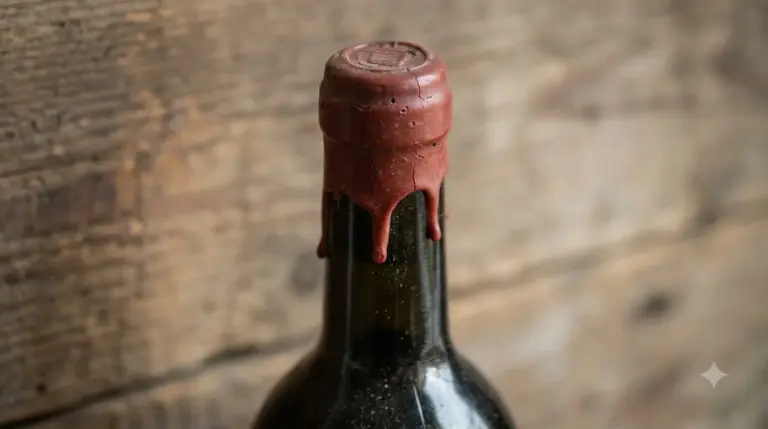
Older wine requires particular attention to provenance. A bottle that has been stored upright in a warm environment for extended periods may have lost freshness or developed premature aging characteristics.
For collectible Rubicon vintages, storage conditions are part of the purchase decision. Bottle condition, fill level, cork condition, and the seller’s ability to explain storage history all deserve consideration.
Care, Serving, and Storage Tips for Inglenook Bottles
Proper serving and storage help preserve the characteristics that make Inglenook wines appealing. The most important details are temperature, oxygen exposure, bottle position, and the amount of time a wine receives before serving.
Serving temperatures
Rubicon should generally be served at approximately 60 to 65 degrees Fahrenheit. This range allows its fruit, tannins, oak, and aromatic complexity to remain balanced. Serving it significantly warmer can make the alcohol feel more prominent, while excessive chilling can make the tannins seem harder.
Blancaneaux benefits from a serving temperature around 50 to 55 degrees Fahrenheit. Its fuller body and aromatic character are better expressed at this temperature than when served extremely cold. Inglenook Sauvignon Blanc is more suitable around 45 to 50 degrees Fahrenheit, where citrus freshness and acidity remain prominent.
Decanting and aeration
Young Rubicon can benefit from decanting, especially when it has pronounced tannins and concentrated fruit. Start with approximately 30 minutes of aeration and extend toward 60 minutes if the wine remains tightly structured.
Decanting also separates wine from sediment that can accumulate in older bottles. For mature vintages, careful handling is preferable to prolonged exposure to oxygen. An older wine can lose its aromatic character relatively quickly after opening, so monitor it as it develops.
Long-term storage
Store Inglenook bottles in a cool, dark location with minimal temperature fluctuation. A temperature near 55 degrees Fahrenheit is a useful target for long-term storage. Bottles sealed with natural cork should generally be stored horizontally so the cork remains in contact with the wine.
Avoid locations close to heating equipment, direct sunlight, or appliances that generate vibration. Consistency matters more than repeatedly moving bottles between different environments.
Keeping opened bottles fresh
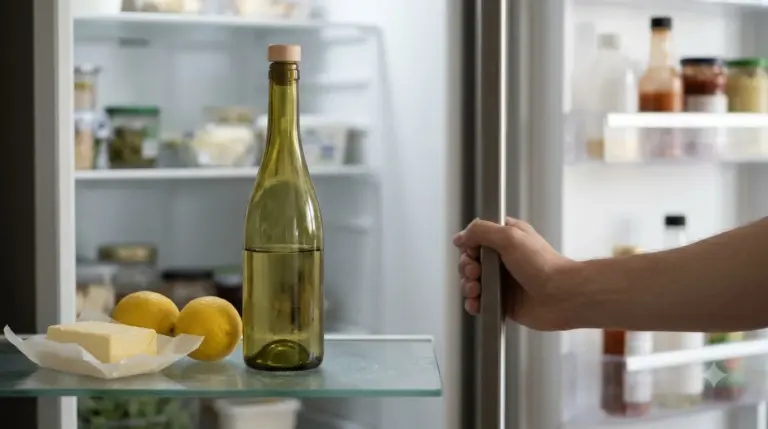
After opening, reseal still wines and keep them refrigerated. A practical guideline is approximately three to five days for most still wines, although the actual period depends on the wine’s age, acidity, oxygen exposure, and storage conditions.
For Rubicon, a reliable stopper and refrigeration can help preserve the remaining wine. Allow the wine to warm toward its recommended serving temperature before drinking again. Blancaneaux and Sauvignon Blanc should also be resealed and refrigerated promptly.
For anyone building a small collection, it is useful to record the vintage, purchase date, and storage location. This information makes it easier to track bottles and decide when to open them.
Frequently Asked Questions
Is Inglenook wine associated with Francis Ford Coppola?
Yes. Francis Ford Coppola and Eleanor Coppola purchased part of the historic Inglenook property in 1975 and pursued a long restoration of the estate. The Coppola family subsequently reunited the property and reacquired the Inglenook name and trademark in 2011. The winery’s current identity remains closely connected to the family’s stewardship.
Why is Inglenook Rubicon named after a historical river?
The name references Julius Caesar’s crossing of the Rubicon River in 49 B.C. The expression crossing the Rubicon later became associated with making an irreversible decision. The winery adopted the name to reflect the significance and ambition of its flagship wine.
Does Inglenook have an organic farming history?
Inglenook reports that it has practiced organic farming since the 1980s and that its vineyards received organic certification in 1994. This is part of the estate’s long-term vineyard management approach. Organic vineyard practices and finished-wine certification are separate matters, so they should not automatically be treated as interchangeable.
Can Inglenook Rubicon be kept in a wine collection?
Rubicon has a history of being positioned as a wine with aging potential, and Inglenook’s published vintage information discusses development over extended periods. However, the ideal drinking window varies by vintage, bottle condition, and storage history. Collectors should prioritize consistent cellar conditions and evaluate individual vintages rather than assuming every bottle will mature identically.
Where is the Inglenook winery located?
The estate is located in Rutherford, Napa Valley, California, along the historic Highway 29 wine corridor. The property includes the historic Chateau and estate vineyards. Its Rutherford location is central to the winery’s identity and its focus on expressing the character of the Napa Valley region.
Inglenook is a compelling choice for wine drinkers who appreciate Napa Valley heritage, carefully composed blends, and distinct vineyard expressions. Rubicon is the natural starting point for Cabernet Sauvignon enthusiasts, while Blancaneaux and Sauvignon Blanc make the collection more accessible to white wine drinkers. Choosing by grape composition, vintage, and serving style will help you find the bottle that best matches your preferences.
More in Wine Brands
 Lussory Wine Review: Choose the Right Alcohol-Free StyleUpdated Nov 21, 2026
 Marchesi Di Barolo Wine Price: Compare Bottles and Find Your FitUpdated Nov 21, 2026
 Louis Martini Wine Review: Choose the Right Napa Valley BottleUpdated Nov 21, 2026
 Mark West Chardonnay Price: What to Expect Before BuyingUpdated Nov 21, 2026
 Louis M Martini Wine Review: Find the Right Napa Valley BottleUpdated Nov 21, 2026
 Lussory Wine Price: Compare Bottles, Styles and Buying OptionsUpdated Nov 21, 2026