

We may earn a commission when you buy through links on this page, at no extra cost to you. Learn more.
This iron horse wine review finds Iron Horse Vineyards particularly appealing for buyers seeking traditional-method California sparkling wine, along with expressive Sonoma Pinot Noir and Chardonnay. The winery’s Green Valley location, extended sparkling-wine aging, and restrained approach to oak help distinguish its range. Wedding Cuvée and Classic Vintage Brut are natural starting points for sparkling-wine drinkers, while Pinot Noir and Chardonnay offer alternatives for people who prefer still wine.
Iron Horse Vineyards occupies a distinctive position in Sonoma County wine, with a portfolio that covers celebrations, dinner-table bottles, and wines intended for longer cellaring. Its sparkling wines receive much of the attention, but the winery’s still wines deserve consideration too. Choosing the right bottle depends on whether you prefer crisp bubbles, red-fruit character, or a Chardonnay with integrated oak and freshness. This guide examines the principal styles, explains the differences between popular bottles, and provides practical advice for buying, serving, and storing Iron Horse wines.
Who This Is For: Understanding Iron Horse Vineyards
Iron Horse is especially interesting for buyers who appreciate traditional-method sparkling wine and cool-climate Sonoma County varieties. Its portfolio includes several sparkling cuvées, Pinot Noir, and Chardonnay, making it possible to explore different expressions of the same vineyard setting.
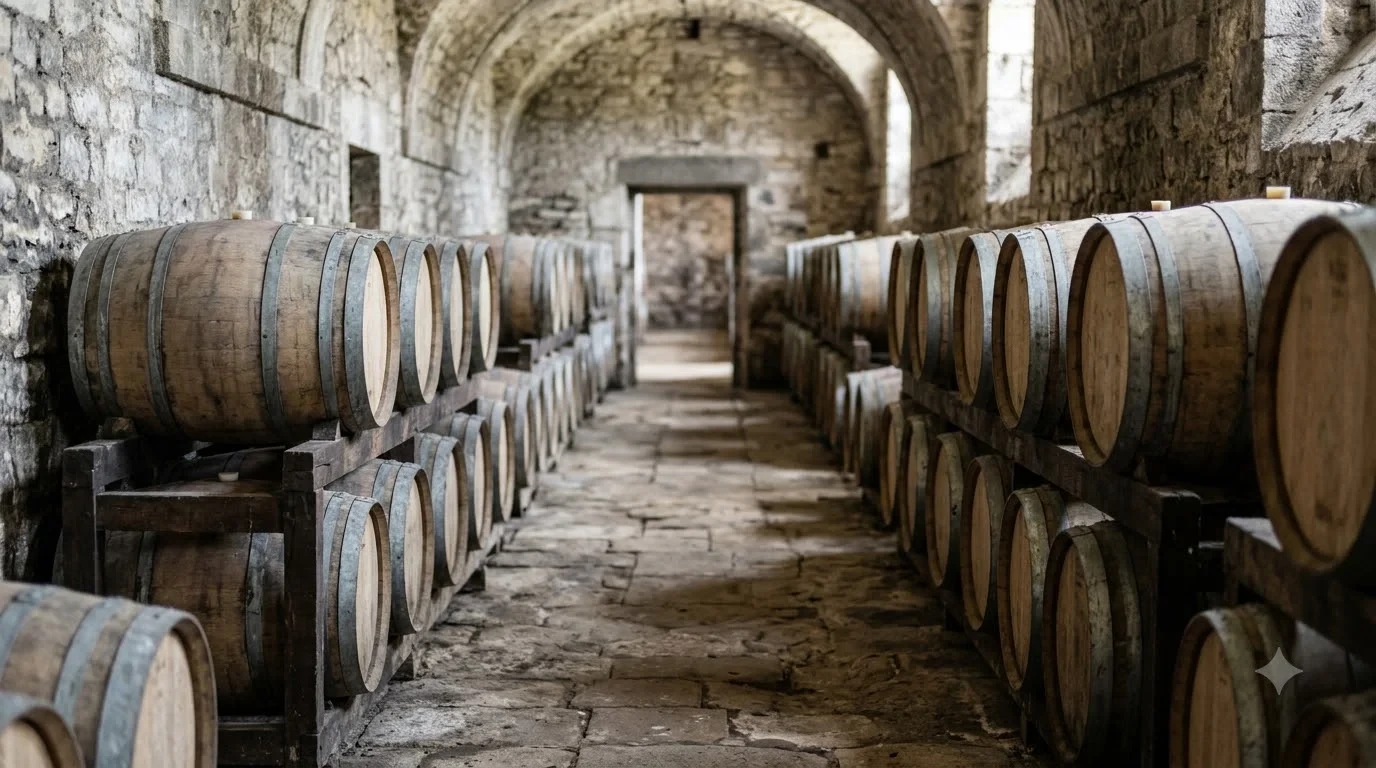
The winery is located on Ross Station Road in Sebastopol, within the Green Valley area of the Russian River Valley. This Sonoma County location is an important part of its identity. Green Valley is associated with a relatively cool growing environment, making it suitable for Chardonnay and Pinot Noir, two grapes that can retain appealing acidity when grown in favorable conditions.
Iron Horse places considerable emphasis on sparkling wine. The winery says its bottles have been served at the White House for seven consecutive presidential administrations. That history helps explain why its sparkling range is central to the brand rather than simply an occasional addition to a still-wine portfolio.
Its production approach also sets expectations. Iron Horse follows traditional sparkling-wine practices, including riddling and disgorgement. The second fermentation takes place in the bottle, creating the bubbles and allowing the wine to develop additional texture and complexity during contact with the lees.
The winery’s aging program is particularly interesting. Wedding Cuvée receives at least three years of aging, while Late Disgorged releases are held for seven to eight years. Joy! receives an even longer aging period of 12 to 15 years. Extended lees contact can contribute notes associated with bread dough, pastry, toasted nuts, and creaminess.
Iron Horse also emphasizes restraint in its still wines. Chardonnay grapes are whole-fruit-pressed, and the winery uses lees stirring to develop texture. Its Pinot Noir receives a cold soak lasting seven to ten days before fermentation in French oak barrels. These choices favor texture and layered fruit rather than simply maximizing extraction or oak flavor.
For readers interested in the producer’s own explanation of these methods, the Iron Horse winemaking overview describes its sparkling-wine aging program, Chardonnay pressing, and Pinot Noir production techniques.
Buyers looking at the wider American wine market can also explore our guide to Wine Brands for comparisons between different producers, regions, and winemaking approaches.
Iron Horse is a particularly good candidate for someone who wants California sparkling wine made using traditional techniques. However, buyers who primarily enjoy inexpensive, fruit-forward everyday wines may find its emphasis on vintage character, extended aging, and estate expression less relevant to their preferences.
Key Factors to Compare Before Buying Iron Horse Wine
The most useful buying factors are wine category, grape composition, sweetness, aging, and intended occasion. Comparing these characteristics helps narrow the selection before choosing a particular vintage or release.
| Buying factor | What to consider | Best starting point |
|---|---|---|
| Wine category | Sparkling, red, or white | Wedding Cuvée, Pinot Noir, or Chardonnay |
| Grape variety | Pinot Noir, Chardonnay, or a blend | Blanc de Blancs for Chardonnay character |
| Sparkling sweetness | Brut, extremely dry, or comparatively round | Brut X or Russian River Cuvée |
| Aging | At least 3 years for Wedding Cuvée; 7–8 years for LD releases | Wedding Cuvée or Brut LD |
| Serving temperature | 40–50°F for sparkling wine | All sparkling cuvées |
| Food pairing | Seafood, poultry, mushrooms, cheese | Classic Vintage Brut or Chardonnay |
| Occasion | Celebration, dinner, or casual drinking | Wedding Cuvée or still wines |
| Cellaring | Release style, vintage, and storage conditions | Selected sparkling and Pinot Noir releases |
Wine category should be the first decision. Someone shopping for an aperitif or celebratory toast will probably be happiest with sparkling wine. A buyer planning a dinner centered on roasted poultry or mushrooms may prefer Pinot Noir, while Chardonnay is a sensible option for seafood, creamy dishes, and lighter poultry preparations.
Grape composition is particularly important when comparing the sparkling selection. Blanc de Blancs is made entirely from Chardonnay, while Blanc de Noirs refers to sparkling wine made from dark-skinned grapes such as Pinot Noir. The resulting styles can differ in body, fruit character, and texture, even when both are produced using the same traditional method.
Sweetness also deserves attention. Brut is a dry sparkling-wine category, although individual bottles can differ in perceived richness and residual sugar. Russian River Cuvée is described by Iron Horse as the sweetest-tasting wine in its sparkling lineup, but it remains in the Brut category. It should not be confused with a dessert wine.
For still wines, the principal distinction is between Chardonnay and Pinot Noir. Chardonnay generally provides a fuller white-wine experience, with citrus, orchard fruit, and possible oak-derived richness. Pinot Noir usually offers red cherry, strawberry, earthy notes, and a lighter tannin structure than Cabernet Sauvignon.
Vintage matters as well. Sparkling wines made from different harvests can vary in fruit concentration, acidity, and overall balance. A wine that suits a particular buyer in one vintage may present a different emphasis in another. Technical details and release notes are useful when comparing bottles with similar names.
Finally, consider how the bottle will be used. A wine selected for a wedding toast does not necessarily need the same characteristics as one intended to accompany a full dinner. Wedding Cuvée has an obvious celebratory association, while Classic Vintage Brut offers a natural choice for buyers seeking a more traditional flagship sparkling wine.
Step-by-Step: How to Choose an Iron Horse Bottle
A simple buying process starts with the occasion, narrows the choice by wine style, and finishes with serving and food considerations. These five steps help prevent choosing a bottle simply because its name or label sounds appealing.
-
Decide whether you want sparkling or still wine. Begin by choosing between bubbles, red wine, and white wine. For a celebration, start with Wedding Cuvée or Classic Vintage Brut. For a red-wine dinner, consider Pinot Noir. For a white wine with food, compare the Chardonnay releases.
-
Choose the preferred grape character. Chardonnay-based sparkling wines tend to emphasize citrus, orchard fruit, and freshness. Pinot Noir-based sparkling wines can offer more red-fruit character and a broader impression of texture. For still wines, consider whether you prefer Chardonnay’s white-fruit profile or Pinot Noir’s cherry and earthy notes.
-
Compare the sweetness and structure. Start with Brut if you want a conventional dry sparkling style. Choose Brut X if a particularly dry expression appeals to you. Consider Russian River Cuvée if you prefer a rounder and comparatively richer sparkling wine without moving into an explicitly sweet category.
-
Consider the occasion and menu. Wedding Cuvée works naturally for celebrations, while Classic Vintage Brut can accompany a broader range of dishes. Pinot Noir is a useful choice for mushroom dishes, roast chicken, and salmon preparations with moderate seasoning. Chardonnay suits shellfish, roast poultry, and dishes with cream or butter.
-
Check the vintage and serving requirements. Compare the release information for the particular bottle rather than assuming every vintage is identical. Plan to chill sparkling wine to 40–50°F, light whites to 45–50°F, and fuller whites to 50–55°F before serving.
This process is useful because Iron Horse’s portfolio contains bottles with similar celebratory associations but different structures. A Blanc de Blancs and a Pinot Noir-based sparkling cuvée may both work as aperitifs, yet their flavor profiles can lead to different food-pairing decisions.
Tip: For a first purchase, begin with Classic Vintage Brut if you want a traditional dry sparkling wine, or Wedding Cuvée if you prefer a Pinot Noir-led celebration style. These two bottles provide useful reference points for understanding the winery’s sparkling range.
Types and Styles Explained: Sparkling Wine, Pinot Noir, and Chardonnay
Iron Horse offers three principal wine categories, with sparkling wine providing the widest range of distinct cuvées. Understanding the differences between these categories is more useful than treating every bottle from the winery as having the same house style.
Classic Vintage Brut
Classic Vintage Brut is the winery’s flagship sparkling wine. It is a strong starting point for buyers who want a traditional dry sparkling wine with enough versatility to serve before dinner or alongside a meal.
The traditional method is central to its character. Secondary fermentation in the bottle produces the bubbles, while time on the lees contributes additional texture. Depending on the vintage, a traditional-method sparkling wine can display citrus, green apple, pear, toast, pastry, and nut-like characteristics.
Classic Vintage Brut makes sense for buyers who want a recognizable, versatile sparkling style rather than a particularly sweet or fruit-forward wine. It can be served with oysters, fried seafood, salty appetizers, and mild cheeses.
Wedding Cuvée
Wedding Cuvée is one of Iron Horse’s most recognizable releases. The winery describes it as its best-selling sparkling wine and its signature Blanc de Noirs expression.
Blanc de Noirs means white sparkling wine made from dark-skinned grapes. Pinot Noir is especially important to this style because the grape can contribute red-fruit character, structure, and a broader impression of body without producing a red-colored wine when pressed carefully.
The winery ages Wedding Cuvée for a minimum of three years. That period gives the wine additional development compared with a quickly produced sparkling bottle. It is a natural choice for weddings, anniversaries, holiday meals, and other occasions where a traditional sparkling wine is appropriate.
Blanc de Blancs
Blanc de Blancs is a useful choice for people who prefer Chardonnay-based sparkling wine. Iron Horse describes its release as an expression of estate Chardonnay, emphasizing brightness and finesse.
Compared with Pinot Noir-led sparkling styles, Chardonnay-based wine often presents a more citrus-oriented profile. Lemon, green apple, pear, and mineral impressions are common reference points, although individual vintage characteristics vary.
This style can be especially appealing with oysters, scallops, shrimp, and simply prepared white fish. Its acidity helps refresh the palate between bites, particularly when the dish includes butter, olive oil, or a creamy sauce.
Brut X and Russian River Cuvée
Brut X and Russian River Cuvée illustrate how two sparkling wines from the same producer can appeal to different preferences. Brut X is described by Iron Horse as extremely dry, expressive, and exuberant. It suits buyers who enjoy crisp acidity and a particularly dry finish.
Russian River Cuvée takes a different approach. The winery describes it as the richest and sweetest-tasting wine in its sparkling lineup, while remaining within the Brut category. The 2021 technical information identifies a blend of 73% Chardonnay and 27% Pinot Noir, with 13.5% alcohol by volume and 8.3 grams per liter of residual sugar.
That technical information helps explain why Russian River Cuvée can feel comparatively rounded. Its residual sugar contributes to perceived softness without turning the wine into a sweet dessert style. It is a useful option for people who find very austere sparkling wines less appealing.
Late Disgorged and Joy!
Late Disgorged releases are intended for buyers who appreciate the influence of extended lees aging. Iron Horse holds these wines for seven to eight years, allowing additional development before release.
Joy! takes this approach further, with the winery describing an aging period of 12 to 15 years. Extended aging can contribute more developed pastry, nut, and creamy characteristics, creating a different experience from a younger, fruit-driven sparkling wine.
Pinot Noir
Iron Horse Pinot Noir is worth considering for people who prefer still red wine. The winery cold-soaks its Pinot Noir for seven to ten days before fermentation in French oak barrels. This approach is intended to build flavor and texture while retaining the grape’s characteristic lightness.
Wine Enthusiast’s review of the 2023 Green Valley Estate Pinot Noir identifies black cherry, licorice, violets, Bing cherry, cola spice, floral potpourri, and orange peel. The publication awarded the wine 93 points. These tasting notes suggest a layered red wine rather than a simple, straightforward fruit profile.
Pinot Noir generally has low-to-medium tannin and relatively high acidity. That combination makes it versatile with poultry, mushrooms, pork, and salmon. It can also work with duck when the preparation includes fruit-based or earthy elements.
The Wine Enthusiast review of the 2023 Green Valley Estate Pinot Noir provides an independent example of how the winery’s still wines can express detailed fruit and floral characteristics.
Chardonnay
Iron Horse Chardonnay is another important part of the still-wine range. Whole-fruit pressing helps produce delicate juice, while lees stirring contributes additional richness and texture.
The winery’s approach suggests a balance between fruit freshness and a more developed mouthfeel. Buyers who enjoy Chardonnay should consider the particular release’s oak influence and texture rather than assuming all California Chardonnay tastes heavily oaked.
Chardonnay generally has medium acidity. It can accompany roast chicken, grilled scallops, lobster, and creamy pasta dishes. For lighter preparations, serving it at 45–50°F can preserve freshness; fuller versions are better served closer to 50–55°F.
Readers comparing producers can also examine our coverage of iron horse wine for additional information about the winery and its range.
Common Mistakes When Buying Iron Horse Wine
The biggest buying mistakes involve confusing sweetness with richness, overlooking grape composition, and assuming every sparkling wine from the winery serves the same purpose. Understanding these distinctions makes selection considerably easier.
Confusing Brut with sweet wine is a common error. Russian River Cuvée may taste rounder and richer than Brut X, but it remains a Brut-category wine. The word sweetest in the winery’s description is comparative: it refers to the other wines in the Iron Horse sparkling lineup, not to dessert-wine sweetness.
Another mistake is assuming Blanc de Noirs is red wine. The term describes the grapes used to make a white sparkling wine. Pinot Noir has dark skins, but careful pressing can separate the juice from the skins before substantial color extraction takes place. Wedding Cuvée is therefore a sparkling-wine option rather than a conventional Pinot Noir red wine.
Some buyers also overlook the differences between vintage releases. A 2021 sparkling wine and a 2022 release may have different blends, residual sugar levels, acidity, and aging characteristics. Technical details are particularly useful when comparing Russian River Cuvée or limited-production cuvées.
Another mistake is choosing by occasion alone. Wedding Cuvée is associated with celebrations, but that does not mean it should be reserved exclusively for weddings. Its Pinot Noir-based style can be served with a meal, especially when the menu includes roast poultry, seafood, or moderately seasoned appetizers.
On the other hand, choosing a sparkling wine solely because it is the winery’s flagship can be limiting. Classic Vintage Brut is a sensible starting point, but someone who strongly prefers Chardonnay may find Blanc de Blancs more appealing. Someone who prefers a rounder finish may prefer Russian River Cuvée.
Food pairing is another area where assumptions can lead to disappointing results. A highly tannic red wine is not always the best choice for delicate seafood. Pinot Noir has lower tannin than Cabernet Sauvignon, but its fruit and structure can still overwhelm some very lightly prepared fish dishes. A fresh Chardonnay or sparkling wine is often a more suitable match.
Buyers should also avoid serving every wine at the same temperature. Sparkling wine served too warm can seem less refreshing, while a very cold full-bodied Chardonnay can lose some of its aromatic character. Temperature has a noticeable influence on the overall drinking experience.
Finally, don’t assume that every Iron Horse bottle is intended for immediate consumption or that every vintage benefits from prolonged cellaring. Extended lees aging before release is different from storing a bottle indefinitely after purchase. The vintage, wine category, closure, and storage environment all influence how a wine develops.
For a different California brand comparison, our Dark Horse wine coverage provides another perspective on the difference between widely available everyday wines and estate-focused Sonoma producers.
Care and Storage Tips for Iron Horse Wines
Proper storage and serving temperatures help preserve the characteristics that make Iron Horse wines appealing. Sparkling wines need careful chilling and closure after opening, while still wines benefit from stable storage conditions and appropriate serving temperatures.
Serving temperatures
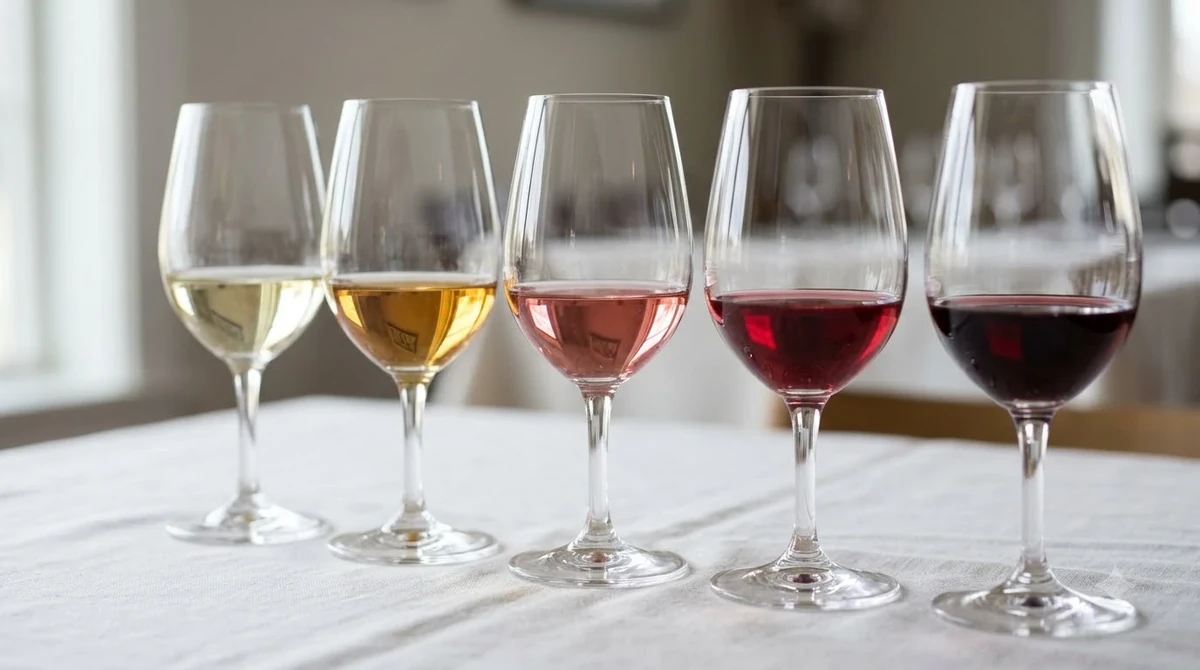
Sparkling Iron Horse wines are best served at 40–50°F. This range helps maintain freshness and gives the bubbles a lively presentation. A bottle that is too warm can seem less crisp, while excessive chilling can suppress delicate aromas.
For still wines, use the following temperature ranges:
- Light whites: 45–50°F.
- Fuller whites: 50–55°F.
- Light reds: 55–60°F.
- Fuller reds: 60–65°F.
- Sweet whites: 43–50°F.
Iron Horse Chardonnay is generally best approached within the white-wine ranges, depending on its body and oak influence. Pinot Noir is more expressive when served slightly cooler than typical room temperature, particularly in warm indoor environments.
Glassware and pouring
A standard wine serving is approximately 5 ounces. A 750 ml bottle therefore provides about five standard glasses. For a sparkling-wine reception, smaller pours can make it easier to serve more guests while maintaining the wine’s freshness.
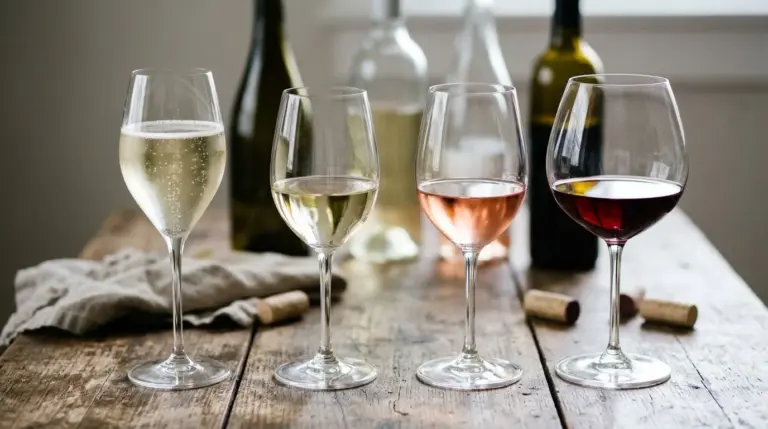
A traditional flute preserves the visual presentation of bubbles, while a white-wine glass provides more room for aromatic development. For a detailed sparkling wine, a tulip-shaped glass can offer a useful compromise between bubble retention and aroma.
Pinot Noir benefits from a bowl-shaped red-wine glass that allows its cherry, floral, and earthy characteristics to develop. Chardonnay can be served in a medium-sized white-wine glass that concentrates its aromas without making the wine seem overly broad.
Storage before opening
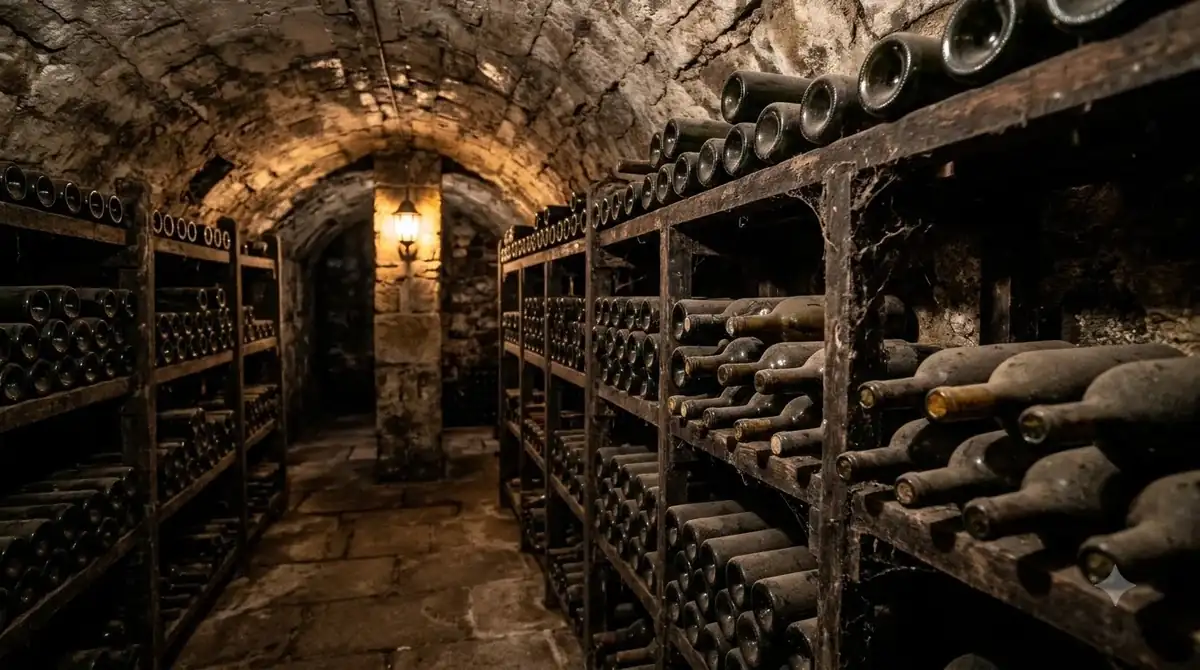
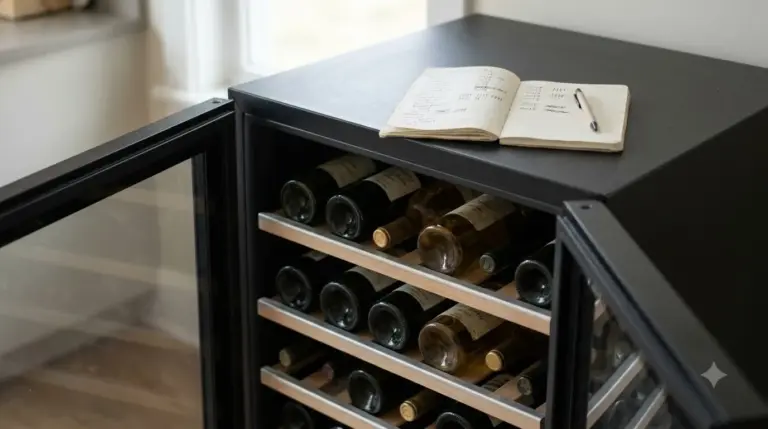
Store unopened bottles in a cool, dark place with relatively stable temperatures. A temperature near 55°F is a useful target for longer-term storage. Avoid placing bottles near ovens, radiators, direct sunlight, or locations where temperatures fluctuate significantly.
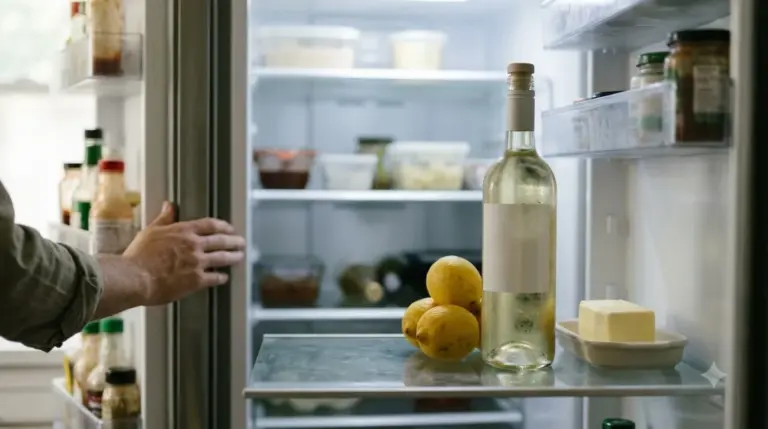
For bottles with traditional cork closures, horizontal storage helps keep the cork in contact with the wine. This is especially useful when keeping bottles for extended periods. A dedicated wine refrigerator is preferable to a kitchen refrigerator for longer-term storage because it offers a more suitable environment.
Iron Horse’s extended sparkling-wine aging program should not be confused with a guarantee that every bottle will improve indefinitely after purchase. Follow the producer’s guidance for individual releases, and consider the wine’s vintage and intended drinking period before deciding to cellar it.
After opening
Opened sparkling wine generally keeps for one to three days in the refrigerator when closed with a suitable sparkling-wine stopper. Still white and red wines typically keep for three to five days under refrigeration, depending on their condition and storage.
Replace the cork or stopper promptly, and return the bottle to the refrigerator rather than leaving it open on a dining table overnight. Sparkling wine loses carbonation over time, so it is best enjoyed soon after opening.
Pinot Noir and Chardonnay can be brought back toward their preferred serving temperatures before the next pour. Allow a refrigerated Pinot Noir a little time to warm, while Chardonnay can be served relatively cool without being excessively cold.
These basic practices are particularly helpful for buyers who purchase multiple bottles for a celebration. Proper storage makes it easier to enjoy each bottle at its intended temperature and avoid unnecessary deterioration.
Frequently Asked Questions
Is Iron Horse an estate-grown wine producer?
Iron Horse describes its sparkling wines as being made at its Sonoma County estate and identifies its Chardonnay as an expression of estate fruit. Its official website also provides information about individual vineyard blocks and its winemaking team. The estate identity is an important part of how the winery presents its Green Valley wines.
Does Iron Horse make non-vintage sparkling wine?
Iron Horse’s principal sparkling collection includes vintage-designated releases, and the winery emphasizes vintage quality in its production philosophy. Individual limited releases and cuvées have their own technical information and production details. Buyers should distinguish a vintage-designated bottle from a generic non-vintage sparkling wine when comparing releases.
What does disgorgement mean in Iron Horse sparkling wine production?
Disgorgement is the production step that removes the yeast sediment collected in the bottle during traditional-method sparkling-wine production. The sediment is gathered near the bottle opening before it is expelled. This process helps produce the clear finished sparkling wine associated with traditional bottle fermentation.
Can Iron Horse sparkling wine be served with cheese?
Yes. Traditional-method sparkling wines can pair particularly well with Brie, triple-cream cheese, aged Gouda, and mild hard cheeses. The bubbles and acidity help refresh the palate between bites, while richer cheese textures complement the wine’s lees-derived character.
What is the difference between Green Valley and the broader Russian River Valley designation?
Green Valley is a smaller winegrowing area within the broader Russian River Valley region of Sonoma County. The two names describe different geographic scales rather than separate countries or unrelated wine regions. Iron Horse identifies Green Valley as its home, making the more specific geographic designation relevant when comparing its wines with other Russian River Valley producers.
Iron Horse is a compelling choice for wine drinkers who value traditional-method sparkling wine, distinctive Sonoma Pinot Noir, and Chardonnay with an emphasis on texture and freshness. Classic Vintage Brut and Wedding Cuvée are sensible first purchases, while Blanc de Blancs, Brut X, and Russian River Cuvée offer more specific sparkling styles. Start with the wine category and flavor profile that suit your menu, then compare the vintage and release details to find the bottle that best fits the occasion.
More in Wine Brands
 Pacific Rim Riesling Price: How to Spot a Fair Bottle RangeUpdated Nov 21, 2026
 Pierre Zero Wine Review: Find Your Best Alcohol-Free StyleUpdated Nov 21, 2026
 Ponzi Wine Review: How to Choose the Right Oregon BottleUpdated Nov 21, 2026
 Pio Cesare Wine Price: Compare Bottles and Find the Right WineUpdated Nov 21, 2026
 Pierre Zero Wine Price: Compare Bottles and Find Your FitUpdated Nov 21, 2026
 Penfolds Wine Review: Find the Right Bottle for Your TasteUpdated Nov 21, 2026