

We may earn a commission when you buy through links on this page, at no extra cost to you. Learn more.
The goats do roam wine price typically falls around $10 to $15 for an everyday 750 ml bottle, with selected specialty bottlings costing more. Goats Do Roam is a South African wine range associated with Fairview, offering red, white, and rosé options. The standard red is a dry, medium-bodied blend, while the white and rosé provide alternatives for shoppers who prefer lighter styles. Your best choice depends on the wine type, the particular bottling, and the retailer carrying it.
Goats Do Roam is an approachable name for shoppers exploring South African wine without committing to a more expensive bottle. Its range includes fruit-driven everyday wines as well as more distinctive blends, giving buyers several styles to compare. Understanding the differences between the bottles makes it easier to decide whether the standard red, white, rosé, or a specialty expression deserves a place in your shopping cart.
Who This Is For: Understanding the Goats Do Roam Wine Price
Goats Do Roam is worth considering for shoppers seeking accessible South African wines in familiar categories. Its range includes a Rhône-style red, a white blend, and rosé, so buyers can choose according to their usual drinking preferences rather than purchasing an unfamiliar grape variety simply because it is inexpensive.
Everyday red wine drinkers are a natural audience for the standard Goats Do Roam Red. Marketview Liquor describes its listed bottling as a dry, medium-bodied wine with dark berry aromas, leathery spice, and a warm finish. Its listed blend includes Syrah, Mourvèdre, Grenache, Tempranillo, and Cinsaut. That combination gives shoppers an interesting alternative to straightforward single-variety Cabernet Sauvignon or Merlot.
White wine drinkers can consider Goats Do Roam White or Goat Door Chardonnay. GotoLiquorStore categorizes the former as a white blend and the latter as Chardonnay, making the distinction useful for shoppers who prefer blended wines or a familiar grape variety. The brand’s rosé is another option for people who want a chilled bottle for casual meals, outdoor gatherings, or warm-weather entertaining.
Budget-conscious shoppers should distinguish between the standard range and specialty labels. The everyday wines generally occupy the low-teens retail category, while individual specialty expressions can cost more. That difference matters because a higher shelf price does not automatically mean a particular wine will suit someone’s palate better.
Goats Do Roam is also a useful starting point for people exploring South African wine brands. Readers interested in other producers can browse our broader Wine Brands resource to compare different countries, grape varieties, and wine styles.
Key Factors to Compare Before Buying
The most useful comparison involves wine style, bottle size, grape composition, and the retailer’s current price. These factors explain why two bottles carrying the same Goats Do Roam name can serve different occasions and occupy different positions on a wine list.
For a standard bottle, the following table summarizes the principal choices and their general buying considerations. Retail categories and wine descriptions reflect the available listings from GotoLiquorStore and Marketview Liquor.
| Wine | Style | Typical US retail range | Buying consideration |
|---|---|---|---|
| Goats Do Roam Red | Dry Rhône-style red blend | About $10–$15 | Versatile everyday red |
| Goats Do Roam White | White blend | About $10–$15 | Alternative to a red wine |
| Goats Do Roam Rosé | Rosé | About $10–$15 | Chilled casual drinking |
| Goat-Roti | Rhône-style red blend | About $18–$23 | Specialty red option |
| Goat Door Chardonnay | Chardonnay | About $10–$15 | For Chardonnay drinkers |
| In Villages Red | Rhône-style red blend | About $18–$23 | Alternative to the standard red |
These are indicative US shopping ranges based on the listings at GotoLiquorStore’s Goats Do Roam catalog, which displays standard red, white, and rosé bottles in the low-teens category and specialty expressions at higher amounts. Prices vary by state and retailer, and availability, shipping restrictions, local taxes, and vintage differences can change the amount a shopper actually pays.
Bottle size is another practical consideration. The principal listings use a 750 ml format, which is the standard wine bottle size in the United States. A 750 ml bottle provides approximately five conventional 5 oz servings. For a dinner with four adults, one bottle provides a modest serving per person, while two bottles allow more flexibility.
Grape composition deserves attention as well. Marketview identifies five varieties in its red listing, whereas GotoLiquorStore separates the brand’s Rhône blends, white blend, Chardonnay, and rosé into distinct categories. This information helps shoppers understand why the wines should not all be expected to taste alike.
Finally, consider the retailer’s description of the wine rather than relying exclusively on the label design. A dry medium-bodied red is a different proposition from a white blend or rosé, even if the bottles share the same playful branding.
Step-by-Step: How to Choose a Goats Do Roam Bottle
A straightforward buying process starts with the occasion and preferred wine color, then moves to the specific expression and retail comparison. Following these steps helps prevent paying more for a style that does not match the meal or the drinker’s preferences.
- Decide which wine color you want. Choose red for a fuller, more structured option, white for a chilled alternative, or rosé for a versatile middle ground. If the wine is accompanying grilled meat, the red is a logical starting point. For seafood or lighter lunches, compare the white and rosé.
- Identify the particular expression. Standard Goats Do Roam Red, White, and Rosé are the familiar starting points. Goat-Roti, In Villages Red, and Goat Door Chardonnay are separate choices in the broader retail range.
- Compare grape varieties and style descriptions. The standard red listing from Marketview includes Syrah, Mourvèdre, Grenache, Tempranillo, and Cinsaut. If you generally prefer a Rhône-style blend, this is a useful place to begin.
- Set a reasonable spending limit. Decide whether you want an everyday bottle or a specialty expression. Standard bottlings are generally found in the low-teens category, whereas selected specialty wines may sit above that range.
- Compare at least two retailers. Look at the same wine and bottle size rather than comparing a standard red with a specialty blend. Marketview Liquor and GotoLiquorStore provide examples of the product descriptions and range available through US retail channels.
- Check the vintage and bottle condition. Wine is an agricultural product, and different vintages can vary in character. For an everyday purchase, favor a properly stored bottle with intact packaging and a reliable retailer.
- Match the wine with your meal. Choose red for lamb, grilled meat, and mushrooms, or consider a white or rosé when serving lighter dishes. Serving temperature also influences how fresh and balanced the wine tastes.
Tip: Compare identical expressions and bottle sizes before deciding that one retailer offers better value. A standard Goats Do Roam Red and a specialty Rhône blend are not equivalent purchases, even though both carry the same brand name.
For shoppers unfamiliar with the producer, starting with the standard red, white, or rosé is usually more practical than beginning with a specialty bottling. This gives you a clearer idea of the brand’s everyday range before considering its more distinctive expressions.
Types or Styles Explained: Red, White, Rosé, and Specialty Bottles
The Goats Do Roam range covers several wine styles, with the standard red blend providing a particularly useful introduction to the brand. The different categories offer distinct levels of body, acidity, and food-pairing flexibility.
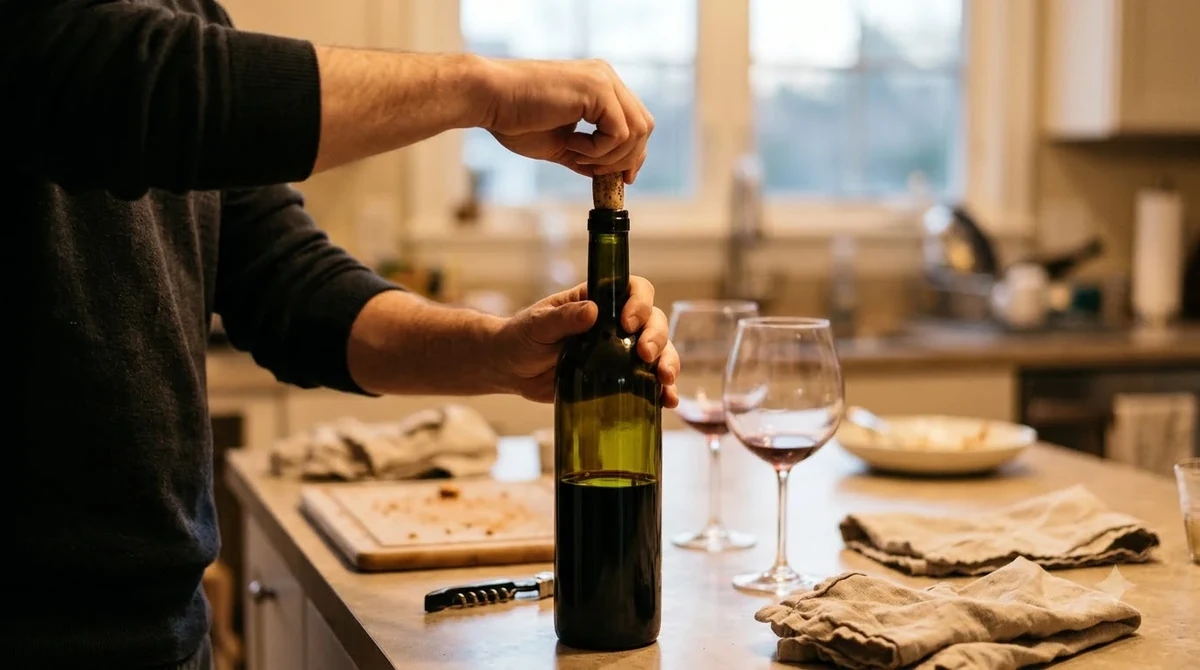
Goats Do Roam Red
The standard red is a dry, medium-bodied wine according to Marketview Liquor’s product description. Its listed grape varieties are Syrah, Mourvèdre, Grenache, Tempranillo, and Cinsaut. The retailer describes dark berry aromas, leathery spice, and a warm, dry finish. These characteristics make it a reasonable choice for people who like savory red blends rather than sweet, fruit-candy-style wines.
Syrah contributes structure and dark-fruit character, while Grenache can provide ripe fruit and a softer impression. Mourvèdre is associated with savory depth, and Tempranillo adds another dimension to the blend. Cinsaut can contribute freshness and a lighter impression. The precise balance depends on the wine’s composition and vintage.
Marketview reports 13.5% ABV for its listed red. That alcohol level is worth considering when choosing a bottle for a long dinner or a meal with strong flavors. It also supports serving the wine slightly below typical room temperature rather than allowing it to become warm.
Goats Do Roam White
Goats Do Roam White is categorized as a white blend by GotoLiquorStore, while Wine.com classifies its historical listings as Rhône white blends. This makes it distinct from a single-variety Chardonnay. Shoppers who enjoy exploring blended wines may find this expression more interesting than selecting a familiar international grape every time.
White wine generally works well with grilled chicken, seafood, salads, and dishes with fresh herbs. Acidity is an important consideration for food matching: a wine should have enough freshness to stand alongside acidic ingredients such as lemon, tomatoes, or vinaigrette.
Goats Do Roam Rosé
The rosé is a practical option for casual meals and warm-weather entertaining. It offers a different experience from the red blend without requiring shoppers to move into sparkling wine or a sweeter style. Wine.com lists rosé vintages among the brand’s historical retail offerings and identifies screw-cap closures on some listings.
Serve rosé chilled, around 45–50°F, to emphasize its refreshing character. It can accompany grilled vegetables, light pasta dishes, seafood, salads, and appetizers. For dishes with strong acidity, such as a tomato salad with vinaigrette, choose a rosé with sufficient freshness to maintain balance.
Goat-Roti and In Villages Red
Goat-Roti and In Villages Red appear as separate Rhône-style red blends in GotoLiquorStore’s range. They are useful to know about when the standard red is not the only option under consideration. Their separate listings and higher retail positioning make it important to compare the actual bottling rather than assuming that every red expression has the same composition.
Shoppers who want to explore a broader range of South African producers can also compare Quinta do Noval wine, which offers a different Portuguese wine identity. For a more familiar American supermarket comparison, our Barefoot wine coverage provides another point of reference for accessible everyday bottles.
Common Mistakes When Comparing Goats Do Roam Wines
The biggest buying mistakes usually involve confusing different expressions, treating an old listing as a current offer, or assuming that a higher retail category automatically guarantees a better match. Paying attention to style and availability produces a more useful comparison than looking at the label alone.
Comparing different expressions as if they were identical
Goats Do Roam Red, Goat-Roti, and In Villages Red are all listed as red wines, but they are separate products. A comparison should account for their different descriptions and positions in the range. Similarly, the standard white blend and Goat Door Chardonnay should not be treated as interchangeable simply because both are white wines.
Assuming every bottle is inexpensive
The brand is associated with accessible South African wine, but specialty bottlings may sit above the everyday range. GotoLiquorStore separates its standard red, white, and rosé listings from Goat-Roti and In Villages Red. That distinction explains why a shopper might encounter quite different shelf prices for bottles with related branding.
Relying on historical vintage prices
Online wine catalogs frequently retain older vintages after those bottles have sold out. Wine.com displays a selection of historical Goats Do Roam wines, including older red, white, and rosé listings. A previous listed price is not necessarily a reliable indication of what a current bottle should cost.
Assuming red wine must be served at room temperature
Warm rooms can make red wine seem more alcoholic and less balanced. A medium-bodied red such as Goats Do Roam Red is generally better served around 60–65°F than at a typical warm indoor temperature. A short period in the refrigerator can help bring a bottle into a more suitable range.
Choosing a wine without considering the food
Marketview lists red meats, lamb, and mushrooms as pairings for its red blend. These foods provide enough flavor and savory character to complement the wine. Delicate seafood, especially oily fish, is usually a better match for a white wine or rosé than a tannic red.
Another common mistake is pairing dry wine with very sweet desserts. Sweet food can make a dry wine taste sharper and less fruity. A dessert wine with at least as much sweetness as the dessert is generally a more suitable choice.
Care and Storage Tips for Better Drinking
Proper storage helps preserve the freshness and character of Goats Do Roam wines. Temperature, light, humidity, and exposure to air all influence how a bottle develops after purchase.
Store unopened bottles correctly
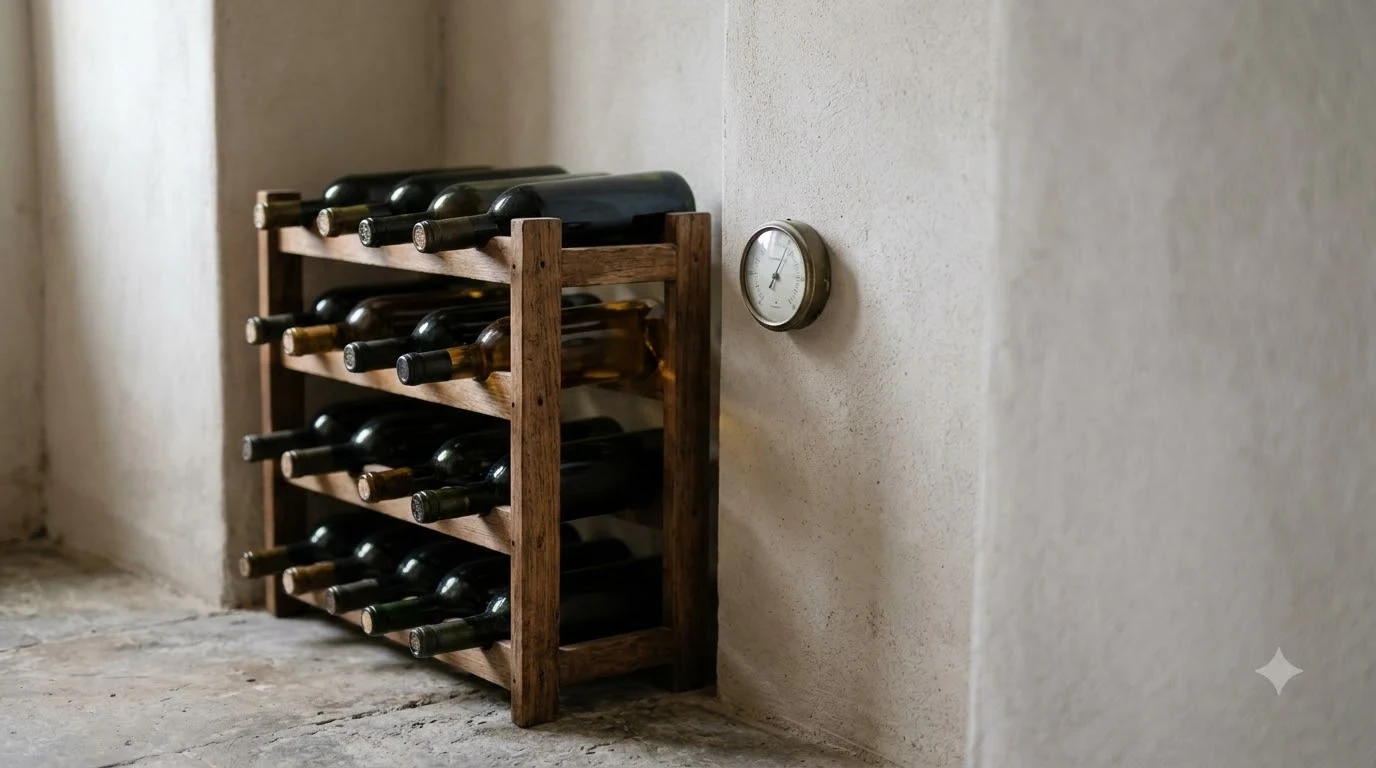
For bottles with traditional cork closures, horizontal storage keeps the cork in contact with the wine. A stable environment near 55°F is a useful target for longer storage. Avoid placing bottles near radiators, ovens, sunny windows, or other sources of temperature fluctuations.
Screw-cap bottles can be stored upright because their closure does not rely on wine contact to maintain a seal. Wine.com identifies screw caps on several Goats Do Roam listings. Regardless of closure, a cool, dark cupboard or dedicated wine refrigerator is preferable to a warm kitchen counter.
Use appropriate serving temperatures
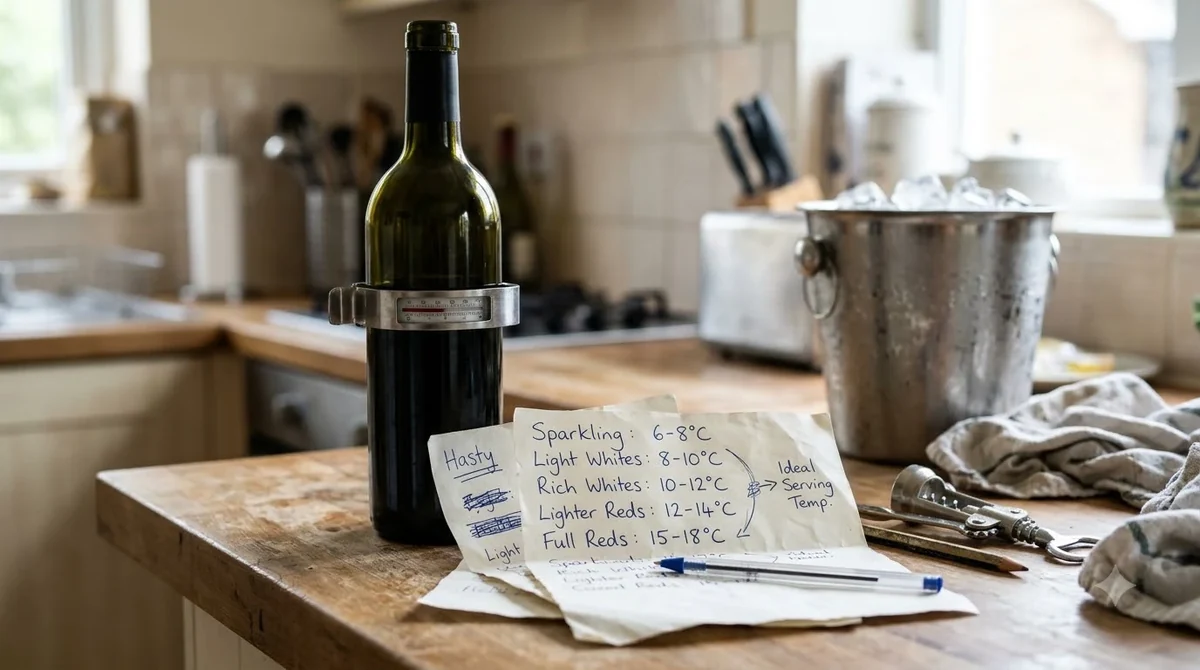
Temperature can make a noticeable difference to the experience of each wine style. The following ranges provide a practical starting point:
- Goats Do Roam Red: approximately 60–65°F.
- Goats Do Roam White: approximately 45–50°F for a lighter white blend.
- Goats Do Roam Rosé: approximately 45–50°F.
- Goat Door Chardonnay: approximately 50–55°F if the wine has a fuller white-wine profile.
A wine that is too cold may seem muted, while one served too warm can appear heavy. Allow a chilled white or rosé to sit briefly before pouring if its aromas seem subdued. For red, a short chill can make the wine more refreshing, especially during warmer months.
Handle opened bottles carefully
Once opened, still wines generally retain their best character for around three to five days when resealed and refrigerated. This includes red wine: refrigeration slows oxidation, even though the bottle should be brought closer to serving temperature before the next pour.
Use a proper stopper to reduce the amount of air inside the bottle. Store it upright in the refrigerator and avoid leaving it open on the dining table overnight. If the wine develops noticeably dull fruit, vinegar-like aromas, or an unpleasant stale character, it may have passed its best drinking condition.
Plan servings realistically
A 750 ml bottle provides approximately five 5 oz servings. That makes it easy to estimate how many bottles are required for a meal. For a dinner of six adults, two bottles provide approximately ten standard servings, leaving a little flexibility depending on how much each guest drinks.
For an ordinary dinner, there is no need to decant every bottle of Goats Do Roam Red. Pouring directly into suitable glasses is generally sufficient for a medium-bodied everyday blend. If a particular young red seems especially tight, allowing it to breathe briefly in the glass can help its aromas become more apparent.
Frequently Asked Questions
Is Goats Do Roam named after actual goats?
The name uses a playful reference to goats and roaming rather than identifying a grape variety or official wine classification. The label’s animal-themed identity is part of its recognizable presentation. It should not be confused with a separate wine-growing designation.
Does Goats Do Roam wine have a screw cap?
Wine.com identifies screw-cap closures on several Goats Do Roam listings, including rosé and historical white and red bottlings. Closure details can differ by specific product and vintage. A screw cap is not an indication that the wine is inferior or intended to be consumed immediately.
Is Goats Do Roam Red suitable for vegetarian food?
It can work with grilled mushrooms, roasted eggplant, lentil dishes, and vegetables prepared with herbs and savory spices. The wine’s medium body and dark-fruit character can complement earthy ingredients. Avoid excessively sweet sauces, which may make a dry red seem less balanced.
Can Goats Do Roam wines be used for cooking?
Dry Goats Do Roam Red can be used in beef stews, mushroom sauces, and braised dishes that benefit from red wine. A dry white blend can be useful in light pan sauces and seafood preparations. Use wine that is still pleasant to drink rather than a bottle that has deteriorated after opening.
How many calories are in a glass of Goats Do Roam?
The exact calorie content depends on the specific wine, alcohol level, and residual sugar. The 13.5% ABV reported for Marketview’s listed red provides one useful detail, but it is not enough to calculate an exact nutritional value. Consult the producer’s nutritional information when a precise figure is required.
Goats Do Roam is a useful option for shoppers looking for approachable South African red, white, and rosé wines, with specialty blends providing additional choices. Start with the standard expression that suits your palate, compare equivalent bottles across retailers, and consider the meal and serving temperature before purchasing. The right bottle is the one that matches your preferred style and intended occasion, not necessarily the most expensive expression in the range.
More in Wine Brands
 Gaja Barbaresco Price: Compare Vintages Before You BuyUpdated Nov 21, 2026
 Goats Do Roam Wine Review: Find Your Ideal South African BottleUpdated Nov 21, 2026
 Giesen Wine Review: Find the Right Bottle for Every OccasionUpdated Nov 21, 2026
 Gnarly Head Wine Price: What to Expect Across the RangeUpdated Nov 21, 2026
 Gerard Bertrand Wine Price: Compare Bottles and Find Your Best FitUpdated Nov 21, 2026
 Gazela Vinho Verde Price: What to Pay for a Refreshing Portuguese WhiteUpdated Nov 21, 2026