


We may earn a commission when you buy through links on this page, at no extra cost to you. Learn more.
The typical fre wine price in the United States is about $8 to $11 for a 750 ml bottle, depending on the variety and retailer. FRE Cabernet Sauvignon, Chardonnay, Merlot, and Red Blend generally sit toward the lower end of that range, while Sparkling Brut and certain specialty selections can cost slightly more. Four-packs of 187 ml bottles offer another purchasing option for shoppers who prefer smaller servings or want to try FRE before buying a full bottle.
FRE is an established name in alcohol-removed wine, offering familiar grape varieties and sparkling options without the alcohol level of conventional wine. Its pricing makes it accessible for everyday meals, casual gatherings, and occasions when guests want a wine-style beverage without traditional alcoholic wine. Understanding bottle sizes, individual varietals, retailer differences, and storage requirements makes it easier to decide which FRE purchase offers the most practical value.
Who Should Compare FRE Wine Prices?
FRE is worth considering for shoppers who want the familiar presentation of California wine but prefer a product with very little remaining alcohol. Comparing prices is particularly useful for people choosing between several varietals, purchasing bottles for a gathering, or deciding whether a full-size bottle or smaller package makes more sense.
FRE uses traditionally fermented wine as its starting point. The manufacturer then removes the alcohol through specialized processing designed to retain aromatic and flavor characteristics. Its official FAQ describes the resulting wines as typically containing less than 0.5% alcohol by volume. This distinction matters because alcohol-removed wine is different from a grape juice beverage that never underwent fermentation.
The brand offers several familiar choices, including Cabernet Sauvignon, Merlot, Red Blend, Chardonnay, Sauvignon Blanc, Pinot Grigio, Moscato, Rosé, White Zinfandel, and Sparkling Brut. That selection gives shoppers a practical way to compare styles without moving between unrelated brands. Someone who usually buys Cabernet can choose an alcohol-removed red, while a Chardonnay drinker can stay with a familiar white-wine category.
Price comparisons are especially useful for households that regularly keep alcohol-removed wine available. Buying a bottle for an occasional dinner is different from purchasing several bottles for a holiday gathering or maintaining a selection of red, white, and sparkling options. A small difference between individual bottles can become more noticeable across a larger shopping basket.
FRE may also interest hosts who want to offer an additional wine-style choice at celebrations. A bottle of Sparkling Brut can serve a different purpose from a still Cabernet Sauvignon, while Rosé provides another option for lighter meals and afternoon gatherings. Comparing the cost of these varieties helps hosts plan a selection that fits their event rather than choosing every bottle solely by price.
However, shoppers should not assume that alcohol-removed wine will cost less than conventional wine. FRE explains that specialized dealcoholization, flavor preservation, and production considerations can increase the cost of non-alcoholic wine compared with mass-market conventional wine. Its relatively accessible retail positioning should therefore be judged against other alcohol-removed products, not only against inexpensive traditional wines.
Readers who want to understand the broader range can explore FRE wine before deciding which bottle to purchase. The main consideration is whether the chosen style and package size suit the occasion, since the cheapest bottle is not necessarily the most useful purchase.
Key Factors That Affect FRE Wine Price
The most useful comparisons involve four details: bottle size, wine style, retailer, and package format. These factors explain why two FRE products can have different shelf prices even though they belong to the same brand.
According to Total Wine’s FRE brand listings, standard 750 ml bottles are generally listed between about $8.49 and $10.49, with Sparkling Brut listed around $10.99. The retailer also lists a four-pack of 187 ml Cabernet Sauvignon bottles. Shoppers can compare FRE wines and available bottle formats at Total Wine to see the assortment and retailer-specific listings. These are retailer-specific examples rather than guaranteed nationwide prices, and prices vary by state and retailer.
Target provides another useful comparison. Its listings show several 750 ml FRE products around $8.99, including Red Blend, Chardonnay, Rosé, and Sparkling Brut, while its listed four-packs of 187 ml mini bottles are around $10.99. Prices vary by state and retailer, and local inventory can affect which products are available.
| FRE product or format | Package size | Typical observed US retail price |
|---|---|---|
| Chardonnay | 750 ml | About $8.49–$8.99 |
| Cabernet Sauvignon | 750 ml | About $8.49–$8.99 |
| Merlot | 750 ml | About $8.49 |
| Red Blend | 750 ml | About $8.49–$8.99 |
| Rosé | 750 ml | About $8.49–$8.99 |
| Sauvignon Blanc | 750 ml | About $8.49 |
| Pinot Grigio | 750 ml | About $10.49 |
| Sparkling Brut | 750 ml | About $10.99 |
| Cabernet Sauvignon mini bottles | 4 × 187 ml | About $9.99–$10.99 |
The figures above reflect observed listings from Total Wine and Target rather than a fixed manufacturer price list. Total Wine’s standard-bottle listings and Target’s assortment do not include every variety in identical formats. Prices vary by state and retailer, and local availability, taxes, delivery charges, and store-specific pricing can change the final amount.
Bottle size and serving value
A standard 750 ml bottle contains considerably more wine than a single 187 ml mini bottle. Four mini bottles equal 748 ml in total, which is almost the same volume as one standard 750 ml bottle. This makes a four-pack a convenient comparison against a full-size bottle, although the packaging and retail price may differ.
The mini format can be useful when serving individual guests or trying a particular varietal before committing to a full bottle. Smaller bottles also make it easier to open only the quantity needed for a meal. However, shoppers should calculate the total package volume instead of assuming that a four-pack automatically represents a lower-cost purchase.
Varietal and production considerations
Different FRE styles have different retail listings. Sparkling Brut, for example, may carry a higher shelf price than several still wines. That does not mean every retailer charges a premium for every sparkling bottle, but it is a reason to compare the exact product rather than relying on a single brand-wide average.
Retailer assortment also matters. One store may carry Chardonnay and Red Blend but not Pinot Grigio, while another may have a broader range. A comparison should include the exact varietal, volume, and package configuration so that the numbers remain meaningful.
Step-by-Step: How to Find a Good FRE Wine Purchase
A sensible shopping process begins with the type of wine needed and ends with a comparison of the complete package. Following these steps prevents shoppers from confusing a lower shelf price with better overall value.
-
Choose the wine style first.
Decide whether the occasion calls for a red, white, rosé, or sparkling wine. FRE Cabernet Sauvignon and Merlot are red choices, Chardonnay and Sauvignon Blanc are white options, and Sparkling Brut suits celebrations where bubbles are preferred.
-
Decide between a full-size bottle and mini bottles.
A 750 ml bottle is a practical choice for sharing at a meal, while four 187 ml bottles offer smaller individual packages. Since four 187 ml bottles total 748 ml, compare the complete package rather than looking only at the number of bottles.
-
Compare at least two retailers.
Look at the FRE selection at Total Wine and Target, then compare the same varietal and bottle size. The listed products and prices can differ, so an accurate comparison should use matching formats rather than comparing a 750 ml bottle with a four-pack.
-
Calculate the cost per 100 ml.
Divide the package price by its total volume and multiply by 100. For example, an illustrative $9 bottle containing 750 ml costs $1.20 per 100 ml. This simple calculation makes different package sizes easier to compare.
-
Check local availability.
Retail listings may show products that are unavailable for delivery or pickup in a particular area. FRE directs shoppers to its store locator for regional availability, while retailer websites can show whether a specific store has the desired variety.
-
Consider how quickly the bottle will be consumed.
If a household only needs a small quantity, mini bottles may be more practical than opening a full-size bottle. FRE recommends enjoying opened wine within 1–2 days for the best flavor, which makes package size an important part of the purchasing decision.
-
Choose based on the occasion, not just the lowest price.
Cabernet Sauvignon may suit a dinner featuring grilled food, while Chardonnay may work better with poultry or creamy pasta. Sparkling Brut has a different role at a celebration. The right purchase should match the intended meal and serving situation.
Tip: Compare the cost per 100 ml before choosing between a standard bottle and a mini-bottle package. Four 187 ml bottles contain 748 ml in total, so the comparison with a 750 ml bottle is particularly straightforward.
Another useful shopping habit is to keep the product name consistent during price comparisons. A retailer may list FRE Cabernet Sauvignon, FRE Cabernet, or an alcohol-removed Cabernet under slightly different descriptions. Confirm the varietal and package volume before deciding that one listing is cheaper than another.
For shoppers who already know which variety they enjoy, comparing several stores is usually more productive than browsing every product in the range. Someone who regularly chooses Chardonnay does not need to evaluate the price of every red and sparkling option. Starting with a preferred style makes the purchasing decision simpler.
FRE Wine Types and Styles Explained
FRE’s selection includes recognizable wine categories, allowing shoppers to choose according to grape variety and serving occasion. The major distinction is between still reds, still whites, rosé, and sparkling wine, with each category offering a different drinking experience.
Red wine options
FRE Cabernet Sauvignon is a useful starting point for people who normally choose structured red wines. Traditional Cabernet Sauvignon is associated with relatively high tannin, darker fruit character, and a fuller structure. Alcohol removal changes the overall drinking experience, so shoppers should approach the FRE version as an alcohol-removed interpretation rather than expecting every feature of a conventional Cabernet to remain identical.
FRE Merlot provides another red option. Conventional Merlot generally has softer tannins than Cabernet Sauvignon, making it a familiar choice for people who prefer a less firmly structured red. FRE Red Blend offers an alternative for shoppers who would rather choose a blended red style than a single named grape variety.
These options can be considered alongside meals featuring roasted vegetables, tomato-based pasta, grilled mushrooms, and moderately seasoned dishes. Salt and fat can soften the perception of tannin in traditional red wines, although the final pairing should account for the lighter structure that can accompany alcohol removal.
Readers particularly interested in the red selection can explore FRE red wine for a more focused look at the available choices. The most useful comparison is between Cabernet Sauvignon, Merlot, and Red Blend, especially when selecting a bottle for a meal.
White wine options
FRE Chardonnay is a familiar choice for people who enjoy a versatile white wine. Traditional Chardonnay generally has medium acidity and can work with roast chicken, creamy pasta, and mild cheeses. Its position in the FRE range also makes it a practical starting point for shoppers who want an approachable white without selecting a more distinctive aromatic variety.
FRE Sauvignon Blanc is another option, particularly for shoppers who prefer a brighter white-wine profile. Conventional Sauvignon Blanc is generally high in acidity and commonly pairs well with fresh herbs, vegetables, and lighter seafood dishes. FRE also lists Pinot Grigio and Moscato, giving shoppers alternatives within the white category.
Moscato is worth considering for people who prefer a sweeter style. It can be useful with fruit desserts and mildly sweet foods, while a drier Sauvignon Blanc may be more suitable for savory dishes. As with any wine pairing, the beverage should generally be at least as sweet as the dessert it accompanies.
Rosé and sparkling options
FRE Rosé provides a middle ground for people who want something different from both a conventional red and a white wine. It is a flexible choice for light lunches, salads, grilled vegetables, and casual gatherings. White Zinfandel is another option in the broader selection for shoppers who prefer a fruit-forward blush style.
FRE Sparkling Brut is designed for occasions that call for bubbles. It can be served as an aperitif, alongside appetizers, or at a celebration where guests want a sparkling alternative. The Brut designation refers to a relatively dry sparkling style, although the exact sweetness experience can differ between conventional and alcohol-removed products.
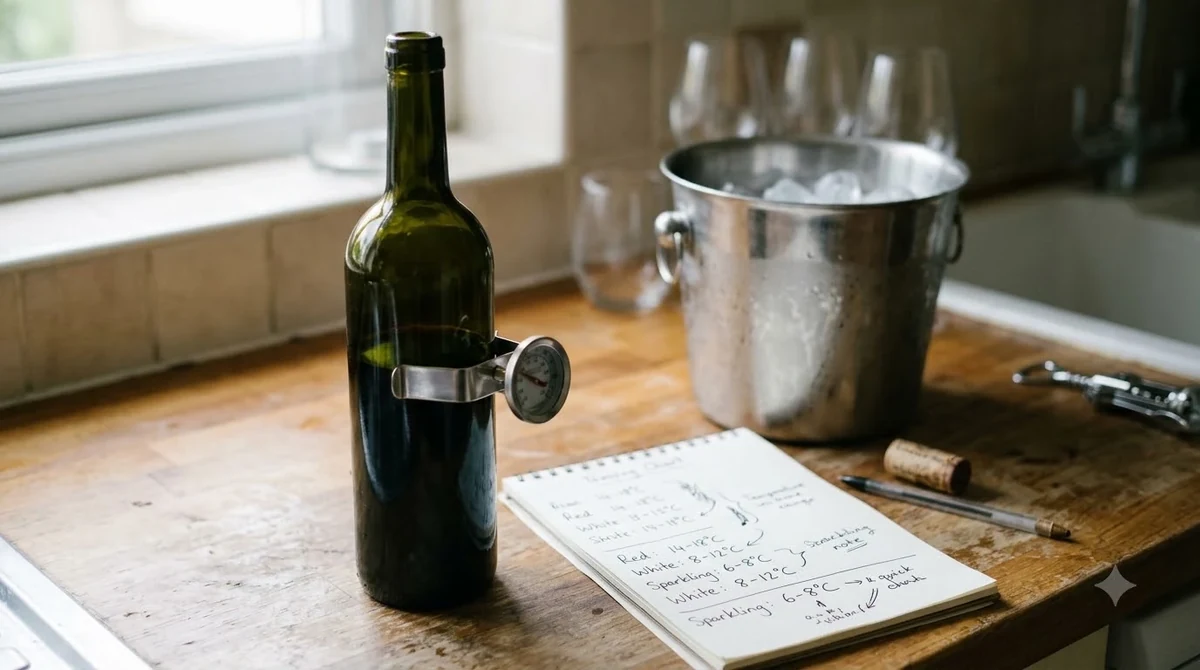
Sparkling wine should generally be served around 40–50 degrees Fahrenheit. This temperature helps maintain a refreshing presentation and makes the bubbles more enjoyable. Rosé is usually best served around 45–50 degrees Fahrenheit, while fuller white wines such as Chardonnay can be served around 50–55 degrees Fahrenheit.
Common Mistakes When Comparing FRE Prices
Many misleading price comparisons happen because shoppers focus on a single number instead of the complete product. Bottle size, availability, varietal, and the difference between alcohol-removed wine and conventional wine all affect whether a purchase represents good value.
Comparing different package sizes
A common mistake is comparing the shelf price of a 750 ml bottle directly with the price of a four-pack without considering the total volume. The four 187 ml mini bottles contain 748 ml, which is almost equivalent to a standard bottle. The more useful calculation is the price per 100 ml or per complete package.
Packaging can also influence convenience. Four individual bottles may be easier to distribute among guests or use for separate occasions. A single large bottle, however, may be simpler for a shared dinner. The best choice depends on how the wine will be served and stored.
Assuming every FRE varietal costs the same
FRE’s products do not all have identical retailer listings. Total Wine lists several still wines around the same general price level, while Sparkling Brut and Pinot Grigio appear at different listed prices. A shopper who sees one inexpensive FRE bottle should not assume that every other product in the collection costs the same.
There can also be differences between stores carrying the same variety. One retailer may have a product in stock at a particular price, while another may have a different assortment or package size. Comparing the same product across multiple retailers gives a more dependable picture than comparing unrelated bottles.
Expecting alcohol-removed wine to taste identical to conventional wine
FRE begins with traditionally fermented wine and removes alcohol afterward. Its production process aims to preserve flavor and aroma, but alcohol contributes to the body, weight, and overall balance of conventional wine. A wine with very little remaining alcohol may therefore have a different texture and finish from its original alcoholic counterpart.
This is particularly relevant when comparing reds. Conventional Cabernet Sauvignon can have substantial tannin and structure, while its alcohol-removed counterpart may feel lighter. Similarly, Chardonnay can have a different sense of fullness after dealcoholization. Understanding this difference helps shoppers make realistic decisions about value.
Ignoring the alcohol content distinction
The words alcohol-free, non-alcoholic, and alcohol-removed can describe different production approaches. FRE identifies its wines as alcohol-removed products that start as fermented wine before undergoing specialized processing. Its FAQ states that these products typically contain less than 0.5% ABV, rather than necessarily containing exactly zero alcohol.
People who require a product with absolutely no alcohol should distinguish between a product containing less than 0.5% ABV and one specifically labeled 0.0% ABV. The difference is important because the terms are not interchangeable. FRE’s alcohol-removed classification provides a useful explanation of its production method, but shoppers should select products according to their individual requirements.
Choosing by price without considering food
Another mistake is selecting a wine solely because it is inexpensive, without considering the meal. A Sauvignon Blanc may be more suitable for a bright salad dressing, while a Cabernet-style red may be a better match for a savory mushroom dish. A sparkling bottle can work particularly well with appetizers and celebratory meals.
Sweetness also matters. Moscato is generally more appropriate for sweeter foods than a very dry sparkling wine. For dessert pairings, the wine should be at least as sweet as the food to avoid making the beverage seem excessively tart or thin.
Care, Storage, and Serving Tips for FRE Wine
Proper storage and serving help protect the flavor of an alcohol-removed wine after purchase. FRE recommends cool, dark storage, upright positioning where possible, and consuming opened bottles within 1–2 days.
Store bottles correctly
Keep unopened FRE bottles away from direct sunlight, excessive heat, and major temperature changes. A cool, dark storage area is a sensible choice for maintaining product quality. Unlike many conventional wines intended for extended bottle aging, alcohol-removed wines are generally better approached as products to enjoy fresh rather than collect for long-term maturation.
FRE specifically recommends upright storage when possible. This is a useful distinction from conventional wine-storage advice that often favors laying cork-sealed bottles on their sides. The manufacturer’s recommendation is the more relevant reference for its alcohol-removed range.
Refrigerate opened bottles
After opening a bottle, reseal it and place it in the refrigerator. FRE recommends consuming the remaining wine within 1–2 days for the best flavor. This is more conservative than the general storage guidance often used for conventional still wines, so it makes sense to follow the manufacturer’s instructions for this particular range.
Mini bottles can be useful when a full-size bottle would leave too much wine unfinished. Their smaller volume makes portion planning easier, especially for someone who wants a single serving or a smaller amount with dinner. This practical advantage can matter as much as the initial shelf price.
Serve at an appropriate temperature
FRE’s white, rosé, and sparkling products should be served chilled, while its red wines can be served slightly chilled. For general wine-serving guidance, sparkling wines work well around 40–50 degrees Fahrenheit, light whites and rosé around 45–50 degrees, and fuller whites around 50–55 degrees.
For reds, a light chill is often preferable to serving them warm. A general serving range for lighter reds is 55–60 degrees Fahrenheit, while fuller traditional reds are commonly served around 60–65 degrees. These are broad wine-service guidelines rather than manufacturer-specific temperature guarantees for every FRE product.
Match the bottle to the meal
Chardonnay can accompany roasted poultry, mild cheeses, and creamy pasta. Sauvignon Blanc is a natural candidate for fresh vegetables, salads, and lighter seafood dishes. FRE Rosé offers flexibility with appetizers and casual meals, while Cabernet Sauvignon and Merlot provide red-wine alternatives for more substantial savory dishes.
FRE’s official FAQ specifically mentions cheeses and light pastas as pairing possibilities. This is a useful starting point for planning a meal around the range. For more detailed comparisons, readers can also explore FRE alcohol removed wine to understand the distinction between conventional wine and the brand’s production approach.
Frequently Asked Questions
Is FRE wine made from real wine grapes?
Yes. FRE says it selects grapes from California vineyards and initially makes wine using traditional winemaking methods. The alcohol is removed after fermentation, and the brand describes recombining recovered aroma and flavor essences with the dealcoholized wine.
Does FRE use spinning-cone technology for every wine?
FRE identifies spinning-cone technology and vacuum distillation as part of its alcohol-removal approach. The spinning-cone system uses rotating surfaces and gas to help separate delicate aromatic compounds before alcohol removal. The brand describes this as a method for retaining more of the original wine’s aromatic character.
Does FRE offer a wine club?
Yes. FRE’s official website promotes a wine club that allows members to customize shipments of their preferred wines. The brand describes four shipments per year and mentions access to members-only pricing through the program.
Can FRE wine be used in cooking?
Alcohol-removed wine can be considered for recipes that call for wine, including sauces and some pasta preparations. However, its flavor concentration, acidity, and sweetness may differ from conventional wine, so recipe adjustments may be necessary. FRE specifically mentions light pastas as a food-pairing option, although that recommendation is not a cooking instruction.
Is FRE available outside the United States?
FRE’s official FAQ says the brand is available in select international locations as well as through US retail partners. International availability, shipping arrangements, and product selection depend on the destination market. Shoppers outside the United States should consult the brand’s official availability information before planning a purchase.
For most US shoppers, FRE is an accessible alcohol-removed wine option, with standard 750 ml bottles generally appearing in the approximately $8 to $11 retail range. Comparing the exact varietal, package volume, and retailer is the simplest way to make an informed purchase. Whether choosing Cabernet Sauvignon for dinner, Chardonnay for a lighter meal, or Sparkling Brut for a celebration, selecting the right style is just as important as finding a suitable price.
More in Wine Brands
 Underwood Wine Price: Compare Bottles, Cans, and Pack SizesUpdated Nov 21, 2026
 Zenato Wine Price: Compare Styles and Choose the Right BottleUpdated Nov 21, 2026
 Zuccardi Wine Price: Compare Bottles and Find the Right RangeUpdated Nov 21, 2026
 Yellow Tail Moscato Review: Taste, Sweetness and Serving TipsUpdated Nov 21, 2026
 Wolf Blass Yellow Label Review: Choose Your Best StyleUpdated Nov 21, 2026
 Wolffer Estate Rose Review: Choose the Right Bottle for Your TableUpdated Nov 21, 2026