

We may earn a commission when you buy through links on this page, at no extra cost to you. Learn more.
An erath wine review points most shoppers toward Oregon Pinot Noir: a bright, food-friendly red with red-fruit character, fresh acidity, and a lighter frame than many fuller-bodied reds. Erath’s range also includes rosé, Pinot Gris, Chardonnay, sparkling wines, and site-specific bottlings, so the right choice depends on whether you want a classic red, a chilled patio wine, or a more focused vineyard expression. This guide explains what the label and vintage can tell you, how the styles differ, and what to serve with each.
Erath has been part of Oregon’s wine story since 1968, as its published history explains, and Pinot Noir remains the brand’s clearest calling card. The useful question is not simply whether Erath is good, but which Erath bottle fits your taste, meal, and expectations for Oregon wine.
Who This Is For
Erath is a sensible starting point for drinkers who like Pinot Noir’s red-cherry and raspberry flavors, moderate body, and lively acidity. It is especially relevant if you are exploring the Willamette Valley, want a red that can sit beside roast chicken or salmon, or prefer a less tannic option than Cabernet Sauvignon.
The brand can also serve people who do not want a red wine. Its portfolio includes a Pinot Noir rosé, Oregon Pinot Gris, Chardonnay, and sparkling bottlings, giving you several ways to stay within the same producer while changing color, weight, or occasion. The 2025 Oregon Pinot Noir Rosé, for example, is made from 100% Pinot Noir and is listed at 13% alcohol by volume; the style is dry, tangy, and suited to seafood or salads.
Erath is less suited to shoppers seeking dense, highly extracted reds or forceful oak. Pinot Noir has less tannin than Cabernet Sauvignon, and Willamette Valley examples typically emphasize freshness and savory detail over sheer weight.
For wine learners, Erath offers a simple progression: compare a broad Oregon Pinot Noir with a named-vineyard bottling, then try Pinot Gris or rosé. For producer background, see this site’s Erath wine overview.
Key Factors to Compare
Compare the grape, vineyard designation, vintage, and alcohol level before choosing an Erath bottle. These details help distinguish a straightforward Oregon release from a rosé or a site-focused wine, even when the producer name is the same.
| What to compare | Concrete Erath example | What it tells you |
|---|---|---|
| Grape and style | 2023 Oregon Pinot Noir: 100% Pinot Noir | A red-fruit-led Pinot Noir rather than a multi-grape red blend. |
| Alcohol level | 2023 Oregon Pinot Noir: 13.5% ABV | A useful point of reference when comparing the wine with other reds on the shelf. |
| Rosé composition | 2025 Oregon Pinot Noir Rosé: 100% Pinot Noir, 13% ABV | A dry pink wine built from Pinot Noir rather than a separate rosé grape. |
| Vineyard focus | Carabella, Fairsing, Luminous Hills, and Tuenge Pinot Noir releases | A named vineyard signals a more site-specific expression than a broad Oregon bottling. |
| Other grape choices | 2025 Oregon Pinot Gris and 2024 Resplendent Chardonnay are listed releases | Useful alternatives when you want a white wine instead of Pinot Noir. |
| Sparkling selection | La Lumière Magique sparkling Pinot Blanc and sparkling Chardonnay appear in the range | A route to bubbles within the producer’s broader portfolio. |
Vintage notes are more useful than a general brand label. Erath describes its 2023 Oregon Pinot Noir with black cherry, cola, strawberry compote, baking spice, and a soft finish; it is 100% Pinot Noir at 13.5% ABV. Wine Enthusiast’s review of that vintage finds raspberry, lavender, cedar, wet slate, red cherry, black tea, and smoked meat, while noting leathery tannins and modest acidity. That is one vintage-specific snapshot, not a promise that every bottle tastes alike.
For a first purchase, choose the broad Oregon Pinot Noir; select a named-vineyard wine for a more focused comparison, or rosé and Pinot Gris for chilled service. Releases change by vintage, so availability will vary.
Step-by-Step
Choose Erath by starting with the occasion, then narrow the options by color, grape, and level of detail on the label. A quick five-step check can prevent the common mistake of selecting a bottle only because the producer name is familiar.
- Decide whether you want red, white, rosé, or sparkling. For a classic Oregon red, begin with Pinot Noir. For a chilled seafood or salad pairing, look at the Pinot Noir rosé or Pinot Gris. For a celebratory pour, check the sparkling wines.
- Choose the level of regional detail. A broad Oregon or Willamette Valley label offers a regional blend of fruit sources; a named vineyard such as Carabella or Luminous Hills puts more emphasis on a particular site.
- Read the vintage-specific tasting description. Look for the fruit and savory notes you enjoy. Cherry, cranberry, raspberry, tea, earth, and baking spice are common Pinot Noir signposts, while the producer’s 2023 Erath description adds cola and toasted oak.
- Check the alcohol number and bottle format. Erath’s cited 2023 Oregon Pinot Noir is 13.5% ABV in a 750 ml bottle, while its 2025 rosé is 13% ABV. Alcohol alone does not define body or quality, but it helps with a direct comparison.
- Match the bottle to food and serving temperature. Plan on 55–60°F for a light red such as Pinot Noir, and 45–50°F for rosé or a light white. A bottle served too warm can seem heavier and more alcoholic; one served too cold can hide its aroma.
Start with the broad Oregon Pinot Noir, then compare it with a named-vineyard bottling from the same or a nearby vintage; tasting them side by side makes site differences easier to notice.
Alcohol level and vineyard name do not guarantee flavor intensity or personal preference. Vintage, food, and winemaking choices matter too.
Types or Styles Explained
Erath’s core identity is Oregon Pinot Noir, but the full selection runs beyond a single red-wine profile. The key differences are the broad regional bottling, special or vineyard-designated wines, and the white, pink, and sparkling categories.

Oregon Pinot Noir
The standard Oregon Pinot Noir is the logical place to begin. Erath describes its 2023 release with black cherry, cola, a hint of toasted oak, strawberry compote, and baking spice, with bright acidity and a soft finish. Those are producer tasting notes for a particular vintage, not a fixed recipe for all years, but they sketch the ripe-fruit and gentle-spice direction that many shoppers expect from the label.
Pinot Noir usually has low-to-medium tannin, high acidity, and a light-to-medium body. Oregon examples often lean toward cranberry, red cherry, earth, and fresh acidity rather than a thick, jammy texture. Wine Folly’s guide to Oregon Pinot Noir explains how vintage conditions, vineyard location, and oak use can change the balance of fruit, spice, body, and tannin from one bottle to another.
Reserve and Single-Vineyard Pinot Noir
Erath lists reserve releases as well as single-vineyard wines. Its single-vineyard collection has included named Pinot Noir bottlings from Carabella, Fairsing, Luminous Hills, Tuenge, and other Oregon sites. The practical difference is the emphasis: the broad Oregon wine aims to express a regional house style, while a named-vineyard release is intended to show the character of a particular place.
These bottles suit drinkers who already enjoy Pinot Noir and want a focused comparison. A site name alone does not predict flavor: slope, exposure, soil, season, harvest, fermentation, and oak all matter. Compare the release notes instead of assuming a single-vineyard wine must be darker or richer.
Pinot Noir Rosé
Erath’s 2025 Oregon Pinot Noir Rosé is a dry style made entirely from Pinot Noir. The producer lists pink grapefruit, hibiscus, strawberry blossom, citrus zest, guava, and nectarine, with lively acidity and a soft dry finish. It is listed at 13% ABV, so it has enough presence for a meal rather than functioning only as a light aperitif.
Grilled shrimp, prawns, goat cheese salad, and heirloom tomato tart are the producer’s suggested pairings. The wine’s acidity makes it a natural partner for tangy ingredients, while its red-grape base gives it more flavor and structure than a very neutral patio rosé. Serve it at 45–50°F, not ice-cold, so the fruit and floral notes remain easy to detect.
Pinot Gris, Chardonnay, and Sparkling Wine
The Erath collection also lists Oregon Pinot Gris, Chardonnay, and sparkling wines, including sparkling Pinot Blanc and sparkling Chardonnay. Pinot Gris is often a fresh, pear-and-citrus white with enough acidity for seafood, salads, and lighter poultry. Chardonnay can offer a broader texture, while sparkling bottlings are useful for aperitif service or salty snacks.
These are different styles, not substitutes for red Pinot Noir. Confirm the grape and sparkling style before buying: “Blanc de Blancs” and “white Pinot Noir” do not mean the same thing. For another sparkling-wine reference, see this site’s La Marca Prosecco guide.
Common Mistakes
The most common Erath buying mistakes come from treating Pinot Noir as one uniform style, overlooking vintage, or serving the wine too warm. A little attention to the label and the meal can make the difference between a good match and a disappointing bottle.
Expecting a Cabernet-like red: Pinot Noir does not have Cabernet Sauvignon’s high tannin or dense structure. Its appeal is often aromatic detail, lively acidity, and softer tannins. If the dinner is a heavily charred steak and you want a firm, powerful red, a Cabernet or Syrah may make more sense than a lighter Oregon Pinot Noir. Assuming every Erath Pinot tastes the same: A regional bottling and a single-vineyard wine have different aims, and weather can shift ripeness and structure. Wine Enthusiast’s note on the 2023 Oregon Pinot Noir mentions raspberry and red cherry as well as leathery tannins and modest acidity. Treat that as a vintage-specific description, not a permanent brand profile.
Choosing by the front label alone: Reserve, single vineyard, rosé, and sparkling point to different styles. Compare grape, region, and vintage rather than assuming these terms mean the same thing at every winery. For another everyday-brand profile, see the site’s Barefoot wine overview. Serving Pinot Noir at room temperature: A warm glass can make alcohol feel more obvious and blur the wine’s freshness. Chilling a red for 15–20 minutes before serving can bring it closer to the 55–60°F range recommended for Pinot Noir. Conversely, do not serve the rosé or Pinot Gris so cold that their aromas disappear. Pairing with the wrong flavors: Pinot Noir is versatile, but very hot chile can amplify alcohol and tannin, while oily fish can clash with tannic reds. Start with salmon, duck, chicken, pork, mushrooms, lentils, or earthy vegetables.
Care or Storage Tips
Good handling protects the aroma and balance that make Pinot Noir appealing. Store Erath bottles away from direct light and heat, serve red Pinot Noir slightly cool, and refrigerate leftover wine promptly.
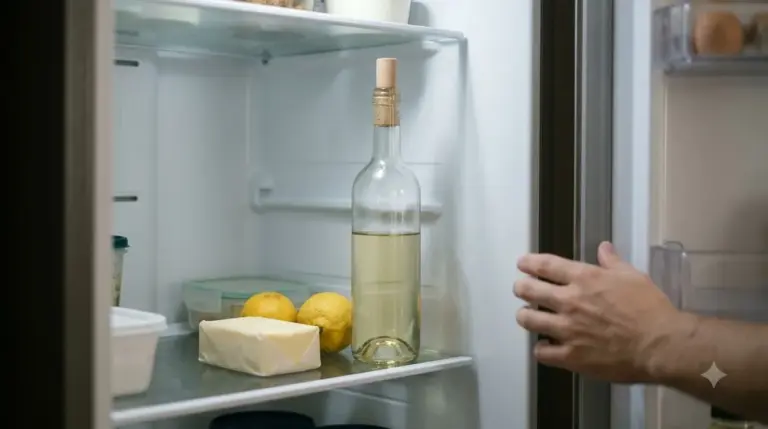
For storage, keep bottles on their side near 55°F, away from sunlight, vibration, and temperature swings. A sunny shelf or counter beside an oven is not a cellar. Most everyday releases are best enjoyed for fresh fruit; consider longer aging only when the specific wine’s structure and producer guidance support it. Serve Pinot Noir at 55–60°F, rosé and light whites at 45–50°F, and fuller whites at 50–55°F. A short refrigerator chill can correct a warm red. Taste young Pinot Noir before decanting; 20–30 minutes in the glass may be enough, while a young full-bodied red can benefit from 30–60 minutes of air. Use a clean glass with room for aromas and pour about 5 ounces; a 750 ml bottle gives roughly five glasses. Refrigerate opened still wine under a proper closure and aim to finish it within 3–5 days.
Tip: Put a bottle of Erath Pinot Noir in the refrigerator for about 15–20 minutes before serving, then pour a small sample. If the aromas are muted, let the glass warm for a few minutes; if the alcohol feels prominent, give the bottle a little more chill.
Keep rosé and Pinot Gris refrigerated after opening and use them while their fresh fruit is still vivid. Sparkling wine loses its lively mousse faster than still wine, so use a proper sparkling-wine stopper and plan to finish it within 1–3 days. Do not rely on a regular flat wine stopper to keep bubbles intact.
Frequently Asked Questions
These questions cover practical details that can affect a purchase or meal, from regional labeling to serving choices. Two useful reference points are the Willamette Valley’s focus on Pinot Noir and the 750 ml bottle format used for many standard retail wines.
Is Erath the same thing as a Willamette Valley wine?
No. Erath is a producer brand, while the Willamette Valley is a large Oregon wine region with multiple sub-AVAs. A bottle labeled Oregon can draw from a broader sourcing area than one carrying a narrower Willamette Valley or sub-AVA designation, so the place name on the front label matters.
Does Erath make wines other than Pinot Noir?
Yes. Erath’s portfolio includes Pinot Gris, Chardonnay, rosé, and sparkling bottlings in addition to Pinot Noir. Its range has also included Syrah and co-fermented red releases, so the brand is broader than a single-grape specialist even though Pinot Noir is its best-known style.
Is Pinot Gris the same grape as Pinot Grigio?
Pinot Gris and Pinot Grigio are two names for the same grape variety. The words are often used to signal different stylistic traditions, but the actual wine’s sweetness, weight, and flavor depend on the producer, region, ripeness, and winemaking.
Can Erath Pinot Noir be served with fish?
Yes, especially with salmon, tuna, or richer preparations rather than very delicate white fish. Pinot Noir’s acidity and moderate tannin can work with grilled salmon, while lemon, herbs, mushrooms, or a savory sauce help connect the food to the wine.
What does a single-vineyard label mean?
It indicates that the wine is associated with grapes from one named vineyard rather than a broad multi-site blend. It does not automatically mean the wine is organic, unfiltered, or produced in a smaller quantity; those are separate claims that need their own evidence.
Erath is worth considering if you want an Oregon producer with Pinot Noir at its center and credible alternatives in rosé, Pinot Gris, Chardonnay, and sparkling wine. Start with the broad Oregon Pinot Noir for the house style, then move to a named-vineyard bottle or a different grape when you know which direction you prefer.
More in Wine Brands
 Merry Edwards Wine Price: Compare Bottles and Find the Right WineUpdated Nov 21, 2026
 Ménage à Trois Moscato Price and What You Get for Your MoneyUpdated Nov 21, 2026
 Lodi Wine Price: Compare Bottles by Budget and StyleUpdated Nov 21, 2026
 Mateus Rose Review: Taste, Sweetness, and Buying TipsUpdated Nov 21, 2026
 Meiomi Cabernet Review: Flavor, Food Pairings, and Buying TipsUpdated Nov 21, 2026
 McGuigan Wine Review: Find the Right Australian Bottle for Your TasteUpdated Nov 21, 2026