

We may earn a commission when you buy through links on this page, at no extra cost to you. Learn more.
This chalk hill wine review finds Chalk Hill Estate particularly appealing for Chardonnay drinkers seeking expressive Sonoma wines with ripe fruit, layered texture, and balanced acidity. The Healdsburg winery also produces Sauvignon Blanc, Pinot Noir, Syrah, Cabernet Sauvignon, and Bordeaux-style red blends. Its varied vineyard sites and long-standing Chardonnay focus make it a worthwhile name to investigate, although choosing the right bottle depends on how much richness, oak, acidity, and tannin you enjoy.
Chalk Hill is both a Sonoma County winery and the name of an established American Viticultural Area (AVA). That distinction matters: a bottle from Chalk Hill Estate reflects one producer’s approach, while a wine labeled Chalk Hill AVA can come from another winery working with grapes grown in the appellation. Understanding the difference helps shoppers compare bottles more intelligently and avoid assuming every wine carrying the name has the same character.
Who Should Consider Chalk Hill Wines
Chalk Hill is especially interesting for people who enjoy California Chardonnay with substantial fruit, developed texture, and enough acidity to keep the wine balanced. Its broader portfolio also gives shoppers options for lighter white wine occasions, structured red wine dinners, and bottles intended for more formal meals.
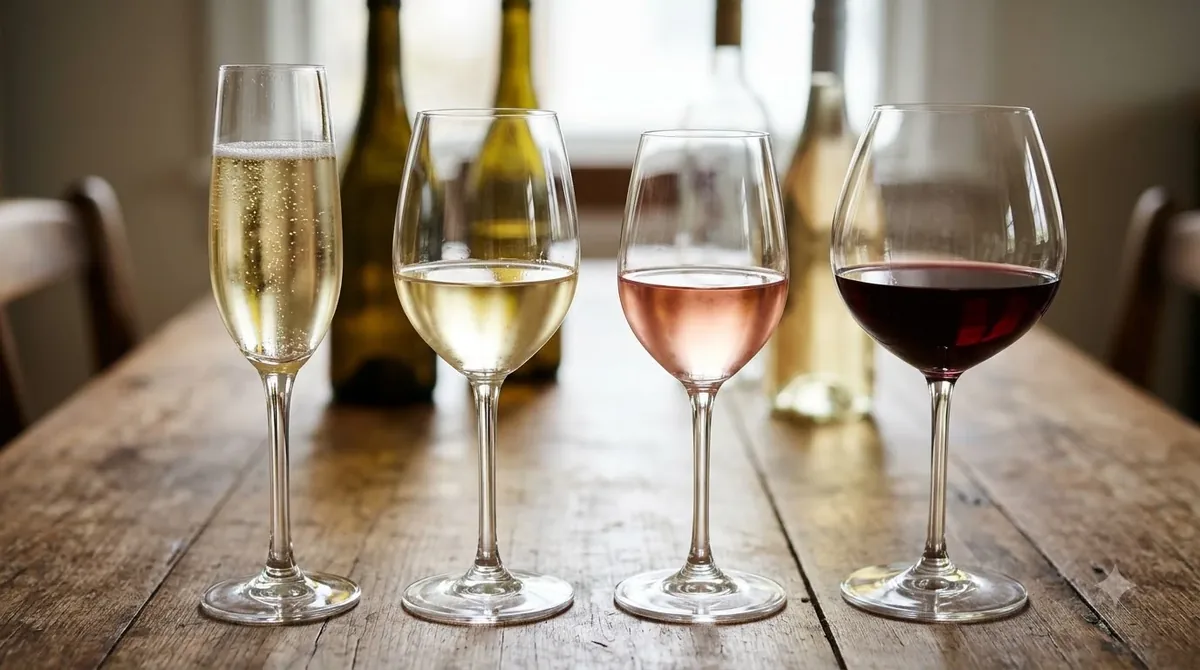
The winery’s identity is closely connected to Chardonnay. According to its estate history, Chalk Hill began with an 11-acre Founder’s Block Chardonnay planting among its earliest vineyard developments. The variety now accounts for approximately one-third of the estate’s vines, supported by an extensive clonal selection program. That commitment gives Chardonnay drinkers a particularly strong reason to investigate the producer rather than treating it as another general Sonoma wine label.
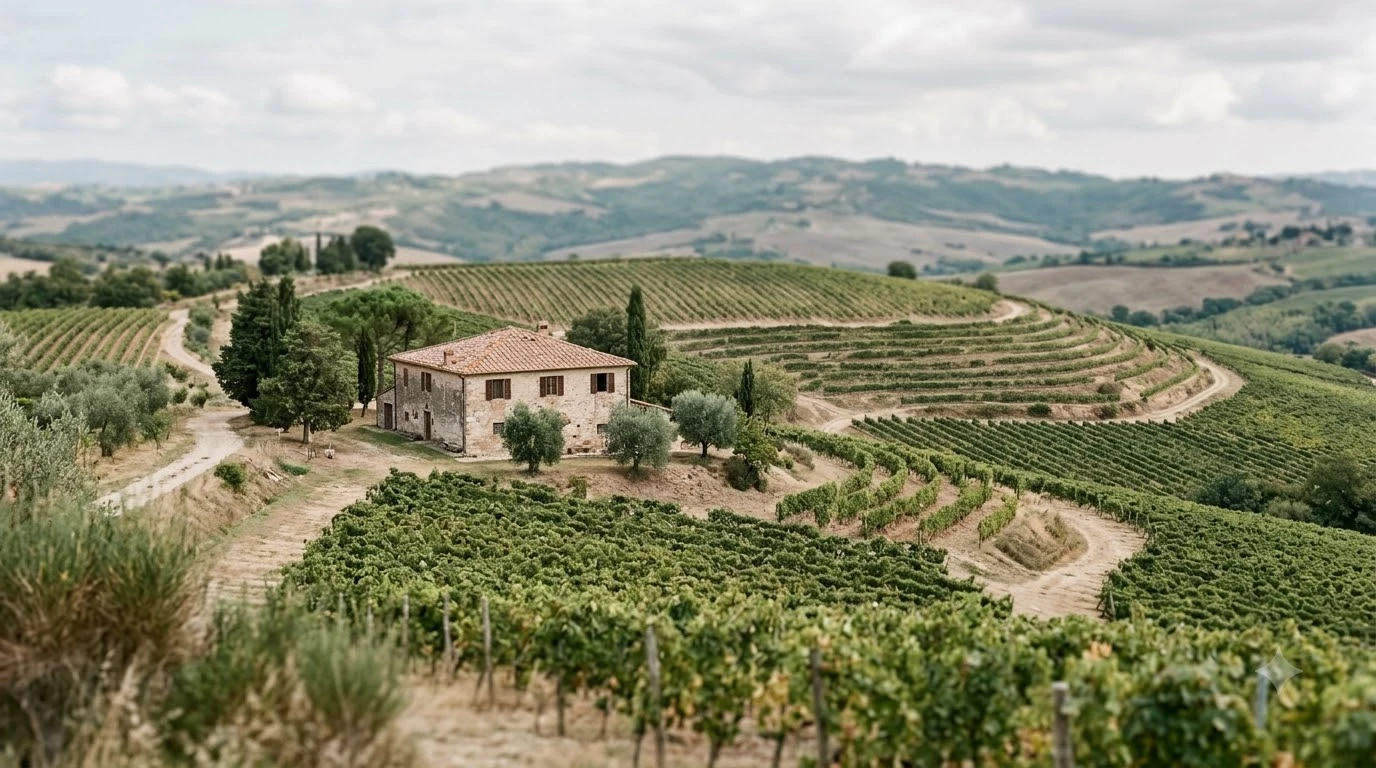
Chalk Hill also suits shoppers who appreciate wines with a clear connection to vineyard conditions. The property covers approximately 1,300 acres, with vineyards occupying only part of the landscape. Differences in elevation, exposure, soil composition, and temperature create opportunities to grow varieties with different requirements. Cooler sites can support Chardonnay, while warmer, south-facing slopes are suitable for Bordeaux varieties.
For someone who prefers Sauvignon Blanc, Chalk Hill offers an alternative to its richer Chardonnay bottlings. The winery’s portfolio also includes Pinot Noir and Syrah, along with Cabernet Sauvignon and Bordeaux-style blends. This breadth makes the producer useful when selecting wines for different meals or building a small collection around one Sonoma estate.
However, shoppers seeking exclusively lean, very light-bodied whites may find some Chalk Hill Chardonnay styles too broad or creamy. Likewise, drinkers who prefer delicate, low-tannin reds may find a Cabernet Sauvignon or Syrah more structured than they want. The best starting point is to identify the grape variety and style before deciding whether the producer matches personal preferences.
For a broader introduction to California and international producers, the Wine Brands section provides additional context for comparing winery identities and regional styles.
Key Factors to Compare Before Buying
The most useful buying considerations are grape variety, vineyard origin, acidity, body, oak influence, and tannin. These characteristics determine whether a Chalk Hill bottle is better suited to seafood, poultry, grilled meat, or a relaxed glass without food.
Start by separating the estate’s signature Chardonnay from its other white wines. Chardonnay generally has medium acidity and can develop a richer mouthfeel through oak aging and lees contact. Sauvignon Blanc usually has higher acidity and a fresher profile, making it a more natural choice for people who enjoy citrus, herbs, and lively finishes.
For reds, consider tannin and weight. Pinot Noir generally has low-to-medium tannin and relatively high acidity, while Syrah has medium-plus to high tannin and a more substantial structure. Cabernet Sauvignon is typically high in tannin, making it a better match for richer dishes than delicate seafood.
| Wine style | Typical structure | Common flavor direction | Good food match |
|---|---|---|---|
| Chardonnay | Medium acidity; medium to full body | Apple, pear, peach, citrus, vanilla | Roast chicken, salmon, creamy pasta |
| Sauvignon Blanc | High acidity; light to medium body | Grapefruit, lemon, melon, herbs | Oysters, salads, goat cheese |
| Pinot Noir | Low-medium tannin; high acidity | Cherry, raspberry, earth, spice | Roast poultry, mushrooms, salmon |
| Syrah | Medium-plus to high tannin; fuller body | Blackberry, violet, leather, spice | Lamb, grilled beef, roasted vegetables |
| Cabernet Sauvignon | High tannin; full body | Cassis, blackberry, plum, cedar | Steak, short ribs, hard cheeses |
| Bordeaux-style red blend | Medium to high tannin; medium to full body | Dark fruit, herbs, oak, savory notes | Roast beef, braised lamb, aged cheese |
Vineyard origin is another important distinction. The Chalk Hill AVA sits in northeastern Sonoma County and is associated with pale, quartzite-rich volcanic soils. According to Sonoma County Tourism, the appellation was established in 1983 and contains more than 1,400 vineyard acres. Its climate is warmer than the main Russian River Valley area, with less fog and moderating breezes. The Sonoma County guide to the Chalk Hill wine region provides additional geographic and vineyard context.
Those regional characteristics help explain why Chardonnay and Bordeaux varieties are important to the area. They also explain why the word chalk should not be interpreted as proof that the vineyard soil consists of conventional limestone. The appellation’s pale material is volcanic in origin.
Oak is worth comparing separately from body. A full-bodied Chardonnay does not automatically have to taste heavily oaked. Some wines emphasize fruit and acidity, while others develop toasted, creamy, or vanilla-like characteristics through barrel aging and lees contact. Wine Enthusiast describes Chalk Hill’s Chardonnay range as extending from fresh, high-toned expressions to richer, rounder styles.
Finally, distinguish estate wines from regional bottlings. Chalk Hill Estate is the winery’s own property and producer identity. The Chalk Hill AVA is a geographic designation that can appear on wines made by other producers. For more background on the differences between regional reds, see the Chalk Hill red wine overview.
Step-by-Step: How to Choose a Chalk Hill Bottle
A straightforward selection process makes the portfolio easier to understand. Begin with the occasion, decide how much body you want, and then compare the grape variety and winemaking approach.
-
Decide whether you want white or red wine.
For a seafood dinner, aperitif, or lighter meal, begin with Chardonnay or Sauvignon Blanc. For grilled meat, mushrooms, or a substantial Sunday dinner, investigate Pinot Noir, Syrah, Cabernet Sauvignon, or a Bordeaux-style blend.
-
Choose your preferred level of freshness.
If bright acidity is important, Sauvignon Blanc is a logical starting point. For a more rounded experience, compare the Chardonnay selections. A Chardonnay with oak and lees influence will generally feel broader than a crisp, unoaked example.
-
Compare named Chardonnay bottlings.
Wine Enthusiast’s winery profile describes several distinct examples. The 2022 Carol Ann’s Oak Hill Chardonnay is associated with apple, pear, peach, citrus, and balanced acidity. The 2022 Felta Chardonnay emphasizes baked pear, toasted oak, peach, lemon zest, and vanilla cream. The 2022 Little Patch Chardonnay is described as medium-bodied, creamy, and layered with apple pie, baked bread, and pineapple.
-
Consider the red wine’s tannin level.
Pinot Noir is the more approachable direction for people who enjoy red fruit and a lighter structure. Syrah and Cabernet Sauvignon are more appropriate for shoppers who prefer firmer tannins and deeper flavors. A Bordeaux-style blend can be useful when a layered red is the goal.
-
Match the wine to the meal.
Choose Chardonnay for roast chicken, salmon, mushrooms, or creamy pasta. Sauvignon Blanc works with oysters and herb-forward dishes. Pinot Noir is versatile with poultry and mushrooms, while Cabernet Sauvignon and Syrah are better suited to beef and lamb.
-
Consider when you plan to drink it.
A fresh white wine for a weeknight meal serves a different purpose from a structured red intended for a special dinner. If buying several bottles, select a combination of immediate-drinking styles and wines with enough structure to benefit from additional cellaring.
-
Check the specific bottling information.
Compare the vintage, grape composition, alcohol level, vineyard designation, and winemaking description. These details can explain why two wines from the same winery have noticeably different profiles.
Tip: If you are unfamiliar with Chalk Hill, start with one Chardonnay and one Sauvignon Blanc rather than purchasing several similar bottles. Comparing the wines side by side makes differences in acidity, body, oak, and fruit much easier to recognize.
When buying online, also confirm that the retailer ships to your state and that someone aged 21 or older can receive the delivery. Chalk Hill’s own shipping information lists state restrictions, so direct shipping availability should be verified before placing an order.
Chalk Hill Wine Types and Styles Explained
Chalk Hill’s portfolio is broader than its reputation for Chardonnay might suggest. Understanding the differences among its white and red wines helps shoppers select bottles according to flavor preference rather than relying on the winery name alone.
Chardonnay: The Signature Style
Chardonnay is the most important starting point for understanding Chalk Hill Estate. The winery’s history includes a long-running commitment to clonal research, beginning with its collaboration with UC Davis in 1996. The project evaluated 17 clones separately over five vintages before six selections were chosen for estate replanting.
The estate now grows 23 Chardonnay clones, including its proprietary Clone 97. This research reflects a deliberate effort to match individual grape material to vineyard conditions rather than treating every Chardonnay block as interchangeable.
Winemaking also contributes to the range of styles. Wine Enthusiast reports that the estate Chardonnay program continues to use native fermentation and sur lie aging with weekly stirring. Sur lie aging means the wine remains in contact with its spent yeast cells, which can contribute texture and additional complexity.
The resulting wines should not all be expected to taste identical. The Carol Ann’s Oak Hill example offers a fruit-forward and balanced direction, while Felta has more pronounced toasted oak and vanilla characteristics. Little Patch provides a medium-bodied, creamy expression. These distinctions are useful when choosing a bottle for a particular meal.
Sauvignon Blanc: The Fresher White Alternative
Sauvignon Blanc is a sensible choice for people who like white wine with higher acidity and a more refreshing finish. Typical flavors include lemon, grapefruit, melon, stone fruit, and fresh herbs. The grape can also show tropical fruit when grown in warmer conditions.
Chalk Hill’s estate setting offers several microclimates, allowing the winery to work with different vineyard exposures and growing conditions. Its Sauvignon Blanc portfolio is therefore worth considering as more than simply a lighter substitute for Chardonnay.
For a seafood lunch, fresh salads, or goat cheese, Sauvignon Blanc’s acidity can provide a more direct contrast than a creamy Chardonnay. Its citrus character also works well with dishes containing fresh herbs and lemon-based sauces.
Pinot Noir: The Lighter Red Direction
Pinot Noir provides a red wine option for shoppers who prefer a more delicate structure. Its naturally lower-to-medium tannin level and higher acidity make it versatile with food. Typical flavor associations include cherry, raspberry, earth, mushrooms, and baking spices.
Chalk Hill’s wider Sonoma County sourcing also makes it important to distinguish estate-designated wines from Sonoma Coast bottlings. The Sonoma Coast designation represents a broader geographic sourcing area rather than automatically indicating that the grapes come from the Chalk Hill Estate itself.
Pinot Noir is a practical choice for roast chicken, grilled salmon, mushroom dishes, and moderately rich pork preparations. Serve it slightly cool, around 55 to 60 degrees Fahrenheit, to retain freshness and prevent the alcohol from overwhelming its aromas.
Syrah: Dark Fruit and Savory Character
Syrah offers a more substantial red wine experience. Wine Enthusiast describes Chalk Hill’s 2022 Estate Syrah with aromas of violet, leather, blackberry, and French oak spice, alongside dark fruit and velvety tannins.
That combination makes Syrah a natural candidate for grilled lamb, beef, roasted mushrooms, and dishes with black pepper or rosemary. Its more pronounced tannin and dark fruit profile also make it more suitable for richer meals than a delicate seafood preparation.
For a young, full-bodied Syrah, allow approximately 30 to 60 minutes of decanting if the wine seems tight when first opened. This can help its aromas become more expressive before serving.
Cabernet Sauvignon and Bordeaux-Style Reds
Cabernet Sauvignon and Bordeaux-style blends are the options to investigate when a more structured red is desired. Cabernet typically brings high tannin, darker fruit, and a firmer finish. Blends can combine Cabernet with other Bordeaux varieties to create additional layers of fruit, herbal character, and texture.
Chalk Hill’s AVA is suitable for Bordeaux varieties because its warmer slopes can support their ripening requirements. Wine Enthusiast’s winery profile also lists a 2022 Estate Red Bordeaux-Style wine with a 94-point Editors’ Choice designation.
These reds are best considered alongside the meal rather than as universal crowd-pleasers. Their structure is well suited to steak, braised short ribs, lamb, and aged hard cheeses. Salt and fat can soften tannin, making rich meat dishes particularly effective partners.
For a closer look at the estate’s white selections, the Chalk Hill white wine guide offers a useful companion when comparing the Chardonnay and Sauvignon Blanc styles.
Common Buying and Pairing Mistakes
The most common mistake is assuming that every wine with Chalk Hill on its label will taste the same. The AVA, the individual winery, the grape variety, and the vineyard source all influence the final wine.
Another mistake is buying Chardonnay based only on the grape name. A fresh, mineral-driven Chardonnay and a creamy, oak-influenced Chardonnay can produce very different experiences. Chalk Hill’s named bottlings illustrate this distinction particularly well. The Felta example emphasizes toasted oak and vanilla cream, while Carol Ann’s Oak Hill is described as fruit-forward and balanced.
Shoppers can also misunderstand the appellation’s name. Chalk Hill’s pale soils are associated with volcanic ash and quartzite-rich material, not necessarily limestone. The name describes the appearance of the landscape rather than guaranteeing a particular mineral flavor in the wine.
Food pairing mistakes can be equally important. Pairing a powerful Cabernet Sauvignon with delicate white fish may overwhelm the food. Oily fish can clash with highly tannic reds, while a fresh Sauvignon Blanc or a lighter Pinot Noir is generally a more flexible option.
Spicy food requires additional care. Alcohol and tannin can amplify chili heat, so a powerful Syrah or Cabernet Sauvignon may make a hot dish seem more aggressive. A lower-alcohol white with refreshing acidity is often easier to pair with spicy food.
Another frequent error is choosing a wine sweeter than the food pairing requires. A wine should generally be at least as sweet as a dessert served alongside it. A dry Chardonnay or Cabernet Sauvignon can taste particularly sharp or bitter beside a very sweet dessert.
Finally, avoid confusing critic recognition with personal preference. A strong publication rating can indicate quality, but it cannot tell you whether you prefer high acidity, creamy texture, pronounced oak, or firm tannins. Use reviews to identify promising bottles, then select according to the style you actually enjoy.
There is also a regional comparison worth considering. Shoppers exploring other American wine producers may encounter Tabor Hill wine, which provides a different regional perspective. Comparing wines from different growing areas can help clarify how climate and winemaking influence the glass.
Serving and Storage Tips for Chalk Hill Wines
Serving temperature has a noticeable effect on how wine smells and tastes. Chardonnay and Sauvignon Blanc should generally be served cooler than full-bodied reds, while Pinot Noir benefits from a slight chill rather than being poured warm.
Use these temperature ranges as a practical starting point:
- Chardonnay: Approximately 50 to 55 degrees Fahrenheit for fuller-bodied styles.
- Sauvignon Blanc: Approximately 45 to 50 degrees Fahrenheit.
- Pinot Noir: Approximately 55 to 60 degrees Fahrenheit.
- Syrah and Cabernet Sauvignon: Approximately 60 to 65 degrees Fahrenheit.
- Bordeaux-style red blends: Approximately 60 to 65 degrees Fahrenheit, depending on body and tannin.
Serving a white wine too cold can suppress its aromas and make its texture seem less expressive. A red served too warm may emphasize alcohol and make the wine feel heavier than intended. If a bottle has been refrigerated for several hours, allow it to warm slightly before serving when appropriate.
For a normal dinner, use a 5-ounce pour as a practical serving size. A standard 750 ml bottle provides approximately five glasses at that measure. This makes it relatively easy to estimate how many bottles are needed for a gathering without pouring excessively large servings.
Glassware should suit the wine’s structure. A moderately broad white wine glass works well for Chardonnay because it provides room for aromas to develop. Sauvignon Blanc can be served in a smaller white wine glass to retain its fresh character. Pinot Noir benefits from a wider bowl, while Cabernet Sauvignon and Syrah can use larger red wine glasses.
Storage is particularly important if a bottle is being saved for another occasion. Keep unopened bottles on their sides when they have natural cork closures, in a dark place near 55 degrees Fahrenheit. Avoid frequent temperature fluctuations, direct sunlight, and locations near heating appliances.
Once opened, refrigerate both red and white wines. Most still wines remain in reasonable drinking condition for approximately three to five days, although freshness depends on the wine, storage conditions, and exposure to oxygen. Use a suitable closure to limit air contact.
A young, full-bodied Cabernet Sauvignon or Syrah can benefit from decanting for 30 to 60 minutes. Lighter Pinot Noir may need less time, while a delicate Sauvignon Blanc generally does not require decanting. The purpose is to improve the wine’s presentation, not to apply the same treatment to every bottle.
When serving several Chalk Hill wines at one meal, arrange the tasting from lighter to fuller styles. A typical progression would begin with Sauvignon Blanc, move to Chardonnay, continue to Pinot Noir, and finish with Syrah or Cabernet Sauvignon. This sequence helps prevent a powerful red from overwhelming the more delicate wines.
Frequently Asked Questions
Is Chalk Hill an independent winery or part of a larger wine company?
Chalk Hill Estate became part of Foley Family Wines when Bill and Carol Foley acquired the property in 2010. Courtney Foley represents the next generation of family involvement, while Darrell Holbrook is identified as the estate winemaker. The winery continues to maintain its own estate identity and Chardonnay-focused program.
Does Chalk Hill offer wine club memberships?
Yes. The winery operates membership programs with benefits that can vary by club. Its published membership information describes potential benefits such as access to limited-production wines, preferred pricing, special events, and complimentary or reduced-price tasting experiences. Members should review the specific club terms before joining.
Can Chalk Hill wine be shipped directly to every US state?
No. Chalk Hill’s published shipping information identifies restrictions for Arkansas, Delaware, Indiana, Mississippi, New Jersey, Oklahoma, Rhode Island, and Utah, as well as US territories. The winery also requires an adult aged 21 or older to sign for alcohol deliveries. State rules and shipping eligibility should be confirmed before ordering.
How long should a Chalk Hill winery visit take?
The winery’s visitor FAQ gives a typical tasting duration of approximately 1.5 to 2 hours. Its published visitor information also states that guests must be at least 21 years old and recommends reservations, even though reservations are not mandatory. Visitors should confirm the current experience details before traveling to Healdsburg.
What makes Chalk Hill Clone 97 different from an ordinary Chardonnay clone?
Clone 97 is the proprietary Chardonnay selection associated with Chalk Hill’s estate clonal research. The winery’s collaboration with UC Davis evaluated 17 clones separately over five vintages before selecting six for wider planting. Clone selection allows vineyard managers to consider differences in ripening, fruit characteristics, and suitability for individual vineyard blocks.
Chalk Hill is a compelling Sonoma producer to explore, particularly for Chardonnay drinkers who appreciate the relationship between vineyard selection, oak influence, and texture. Its Sauvignon Blanc, Pinot Noir, Syrah, and Bordeaux-style reds make the portfolio useful beyond its signature white wine. Start with a Chardonnay that matches your preferred level of richness, then explore the other varieties to discover which expression of Chalk Hill best suits your table.
More in Wine Brands
 Franzia White Zinfandel Review: Taste, Sweetness and Serving TipsUpdated Nov 21, 2026
 Franzia White Zinfandel Price: Compare Box Sizes and ValueUpdated Nov 21, 2026
 Erath Wine Review: How to Choose the Right Oregon BottleUpdated Nov 21, 2026
 Franzia Sunset Blush Price: Compare Box Sizes and Get Better ValueUpdated Nov 21, 2026
 Franzia Sangria Review: Taste, Sweetness, Serving Tips and ValueUpdated Nov 21, 2026
 Franzia Chillable Red Price: 5L Box Costs and Buying TipsUpdated Nov 21, 2026