

We may earn a commission when you buy through links on this page, at no extra cost to you. Learn more.
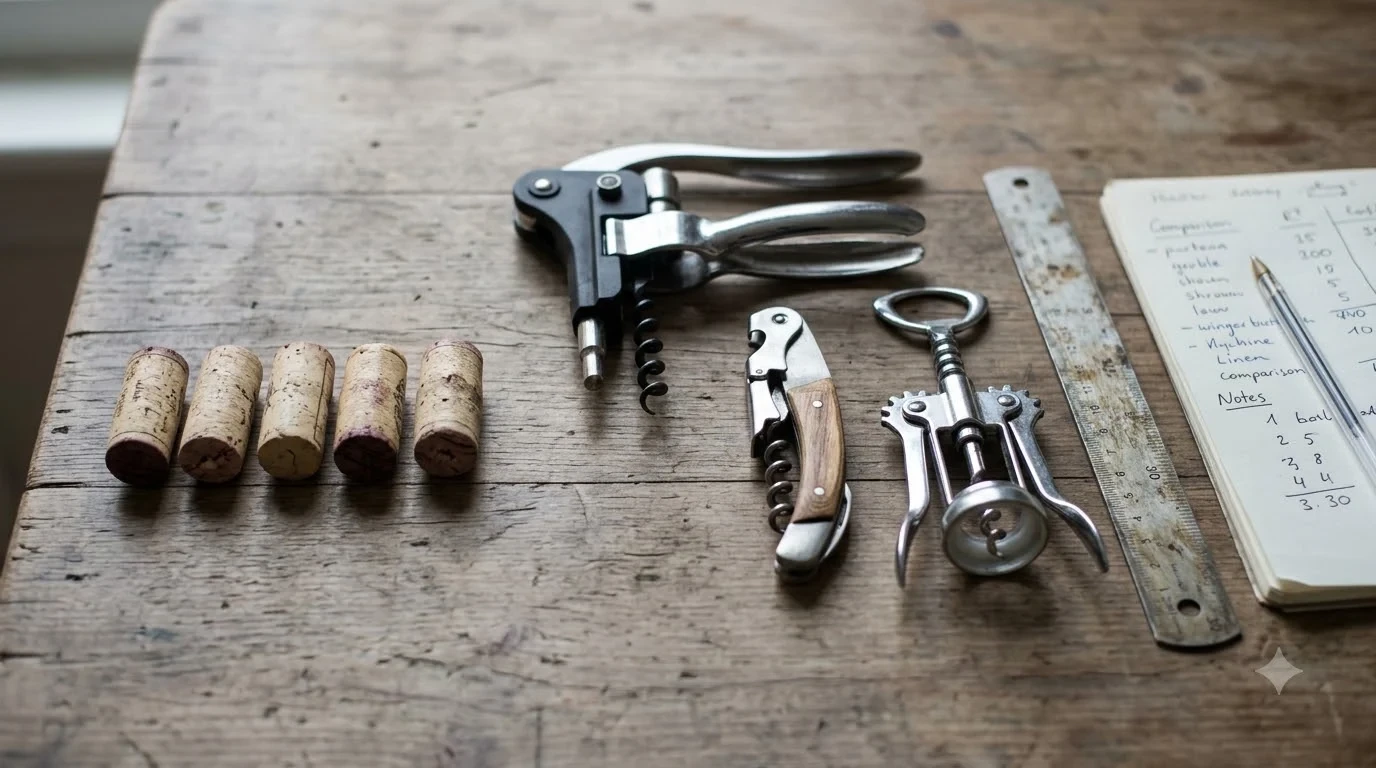
The best lever corkscrew for most home drinkers is a sturdy rabbit-style or double-lever model with a long, well-finished worm, because it pulls a standard cork in a few smooth motions and needs little hand strength. The right choice depends on how often you open bottles, what kind of cork you usually meet, and whether you want a tool that packs away easily or one that feels solid on the counter. This roundup groups the main lever styles by use so you can match one to your habits.
A lever corkscrew sits between a basic waiter’s knife and a fully mechanical puller. It uses a pair of handles to grip the neck of the bottle and a lever to drive the screw into the cork, then lifts the cork out with one pull. People who open wine often, or who have wrist or grip problems, usually find this style easier than twisting a plain worm by hand. The sections below explain how the styles differ, what to look for in each one, and how to pick the group that fits your kitchen or table.
Quick Comparison of Lever Corkscrew Styles
All lever corkscrews share the same basic mechanism, but the layout of the handles, the size of the frame, and the shape of the worm change how each one feels in use. The table compares the main styles on the points that matter most day to day.
| Style | How it works | Strength | Main trade-off |
|---|---|---|---|
| Rabbit-style lever | Wide frame rests on the bottle lip; lever drives the worm | Fast, familiar motion | Bulky frame |
| Double-lever | Two levers pivot to lift the cork in steps | Smooth pull with less effort | More moving parts to keep clean |
| Compact lever | Smaller frame with a short handle set | Easy to carry and store | Less leverage on stubborn corks |
| Heavy-duty long worm | Long worm designed for deep, firm corks | Handles tight or aged corks well | Heavier and less pocket-friendly |
| Premium stainless lever | Solid metal build with refined finishing | Durable and good to hold | Higher cost and heavier weight |
Best for Everyday Home Use
A rabbit-style lever is the most common choice for a kitchen drawer or a wine rack. Its wide frame rests on the bottle lip, pressing the lever down drives the screw in, and lifting it draws the cork out. The motion is familiar to most people and works on the standard cork found in most bottles on store shelves.
The strength of this group is reliability. The design is simple, so there are few parts to fail, and the worm is usually the only piece that wears over years of use. The overview of corkscrew designs on Wikipedia’s corkscrew article describes the lever type as much faster than other styles, although it is also bulkier and typically more expensive.
Why it stands out: a predictable motion and a long working life. Keep in mind: the frame is wide, so it does not slide easily into a bag or a narrow drawer. Best for: households that open a bottle most evenings and want one tool that never feels fussy.
Best for Fast Opening at Gatherings
When several bottles need to be opened in one evening, speed becomes the main concern. Lever designs suit this job because the cork comes out in a single lift once the screw is seated, so the rhythm stays steady from the first bottle to the last.
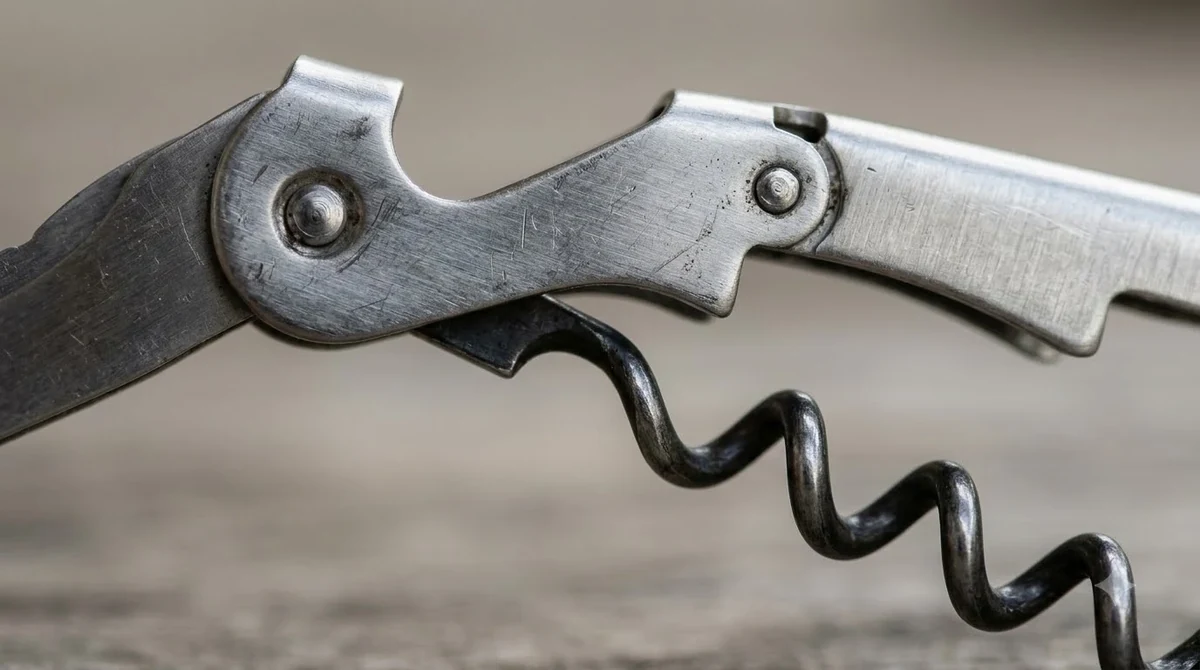
Look for a lever with a wide handle grip and a worm that starts easily on the cork without slipping. A fast tool is only useful if it stays stable while you pull, so a heavier base often feels more controlled at a busy table than a lightweight model that wobbles.
Why it stands out: quick cycle time for multiple bottles. Keep in mind: a large frame takes up space on a crowded counter, and the lever must be kept clean so the worm does not drag. Best for: hosts who open several bottles at a time and want the process to move quickly.
Best for Travel and Small Spaces
Some people need a lever that goes in a carry-on, a picnic basket, or a small apartment drawer. A compact lever keeps the basic leverage but trims the frame and the handle set so the whole tool fits in a pocket or a small case.
The trade-off is leverage. A smaller frame gives less mechanical advantage, so a very firm cork can need a little more effort or a steadier grip. For most everyday corks this is not a problem. It becomes a real issue only when the cork is old or tightly seated, which is where a larger tool has the edge.
Why it stands out: easy to carry and store without taking much room. Keep in mind: less leverage on tight corks and a smaller handle grip. Best for: travelers, campers, and anyone with limited storage.
Best for Tougher or Older Corks
Older bottles and some imported wines use firmer or drier corks that resist a standard worm. A heavy-duty lever with a longer worm gives the screw more bite and more length to grip the cork before the lever starts to lift it. That extra length matters because a worm that is too short can break the cork, leaving fragments in the neck.
Long worms are also easier to position without pushing the cork into the wine. Take the time to center the screw before you start, then turn it slowly so the threads cut cleanly. A heavier build usually helps the tool stay upright while the cork is drawn out.
Why it stands out: a longer worm holds firm corks and reduces the chance of breakage. Keep in mind: it is heavier and less convenient to pack. Best for: collectors and anyone who regularly opens older or aged bottles.
Best for a Gift or Display Piece
A premium lever is often chosen as a gift for someone who already has a wine collection. These models focus on solid metal construction, smooth joints, and a finish that looks good on a bar cart. The tool is meant to be used regularly, but its appearance is part of the appeal.
Check the joints and pivots before you buy. A well-made lever should move without rattling, and the worm should sit straight in the frame. A heavier metal build also tends to last longer than a thin stamped model, which matters when a gift is expected to be used for years.
Why it stands out: durable metal build and a polished look. Keep in mind: it costs more than a basic lever and adds weight. Best for: gift buyers and people who like their wine tools to look as good as they work.
How to Choose a Lever Corkscrew
Start with the cork you see most often. If most of your bottles have a firm, synthetic or natural cork that slides out with little resistance, a standard rabbit-style lever will serve well. If you often face tight or aged corks, a heavier model with a longer worm is worth the extra weight.
- Worm length and quality: a longer, sharper worm grips more of the cork and is less likely to break it.
- Frame size: wide frames give stability but need storage space; compact frames pack easily but offer less leverage.
- Handle grip: choose a handle that stays comfortable in your hand for the full pull, especially if you open several bottles in a row.
- Build and joints: smooth pivots and a solid frame make the tool easier to control and easier to keep clean.
For a wider view of how openers compare, the guide on how to open a wine bottle walks through the basic steps and common mistakes that apply to every style, including lever designs.
Frequently Asked Questions
Is a lever corkscrew easier to use than a waiter’s knife?
For many people it is. A lever corkscrew uses its frame and handles to do much of the lifting, so the hand does less work. A waiter’s knife can be more compact, but it asks for a steadier hand and more practice to pull a cork cleanly.
Will a lever corkscrew damage the cork?
It can, if the worm is short, dull, or not centered when you start. A longer worm that is placed straight in the cork usually gives a clean removal. Turn the screw slowly and stop if you feel the cork tearing.
What is the difference between a lever corkscrew and a double-lever model?
Both use levers to pull the cork, but a double-lever design uses two levers that work in steps to lift it. This often feels smoother and needs less effort, while a single rabbit-style lever has fewer parts to keep clean.
Do I need a lever corkscrew if I only open a bottle now and then?
A basic model is usually enough for occasional use. A lever becomes more useful if you open wine often, host small gatherings, or find that a plain worm tires your wrist. Choose the simplest style that matches how often you open bottles.
A good lever corkscrew makes every bottle easier to open, and the right style depends on your habits more than on any single feature. Pick the group that matches how often you open wine and what your corks are like, then look at the worm and the build. If you want to compare other styles, the page on waiter’s corkscrews covers the compact alternative that many people keep in a pocket.
More in Openers & Corkscrews
 Best Two Step Corkscrew Options for Home, Travel, and Old CorksUpdated Nov 18, 2026
 Best Foil Cutter for Clean Cuts at Home, on the Road and in Your KitUpdated Nov 18, 2026
 Best Cordless Wine Opener Styles for Easy Uncorking AnywhereUpdated Nov 18, 2026
 Best Champagne Opener for Sabrage, Everyday Use and GiftsUpdated Nov 18, 2026Best Air Pressure Wine Opener Styles for Easy, Cork-Safe OpeningUpdated Nov 18, 2026
 Best Wine Opener Set for Home Use, Hosting, and Hands-Free OpeningUpdated Nov 18, 2026