

We may earn a commission when you buy through links on this page, at no extra cost to you. Learn more.
This campo viejo wine review finds that Campo Viejo is a worthwhile choice for approachable Spanish Rioja, particularly if you enjoy fruit-forward Tempranillo, balanced oak and food-friendly red wines. Its standard Tempranillo suits casual dinners, while Reserva and Gran Reserva offer more developed fruit and oak complexity. The brand also produces white, rosé and sparkling wines, making it a versatile option for different occasions and preferences.
Campo Viejo is a familiar name in Spanish wine, especially among drinkers exploring Rioja for the first time. Its range covers several styles, from accessible everyday reds to more mature blends, alongside fresh whites and sparkling Cava. The important buying decision is not simply whether Campo Viejo is good, but which bottle matches your preferred level of fruit, acidity, oak influence and structure. Understanding the differences between its wines makes choosing a bottle considerably easier. Readers interested in the producer’s regional identity can also explore this overview of Campo Viejo Rioja.
Who Should Choose Campo Viejo Wine?
Campo Viejo is particularly suitable for wine drinkers who enjoy Spanish reds with recognizable fruit flavors, moderate tannins and a noticeable but generally balanced oak influence. Its Tempranillo-centered range provides an approachable introduction to Rioja without requiring extensive knowledge of Spanish wine classifications.
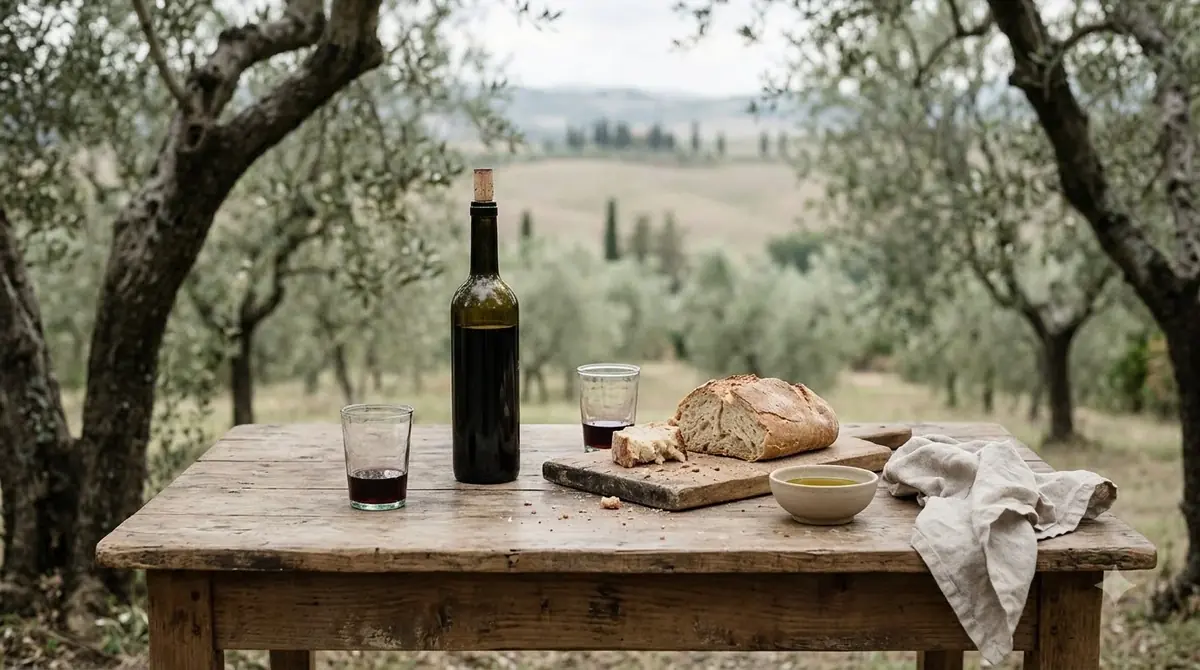
Newcomers to Rioja can start with the standard Tempranillo. Wine Enthusiast’s review of Campo Viejo 2022 Tempranillo describes black cherries, berries, spice and herbal notes, with moderate, supple tannins. The combination produces a red wine that can accompany food without demanding an elaborate meal or lengthy decanting. It is an appealing direction for someone accustomed to Merlot or softer Cabernet-based blends.
More experienced drinkers may prefer Reserva or Gran Reserva. These wines offer additional development from oak and bottle aging, creating more layers of spice, dried-fruit character and savory complexity. The producer’s Gran Reserva profile includes blackberry, blueberry, plum, toasted wood, tobacco and coffee, providing a noticeably different experience from a younger, fruit-led Tempranillo.
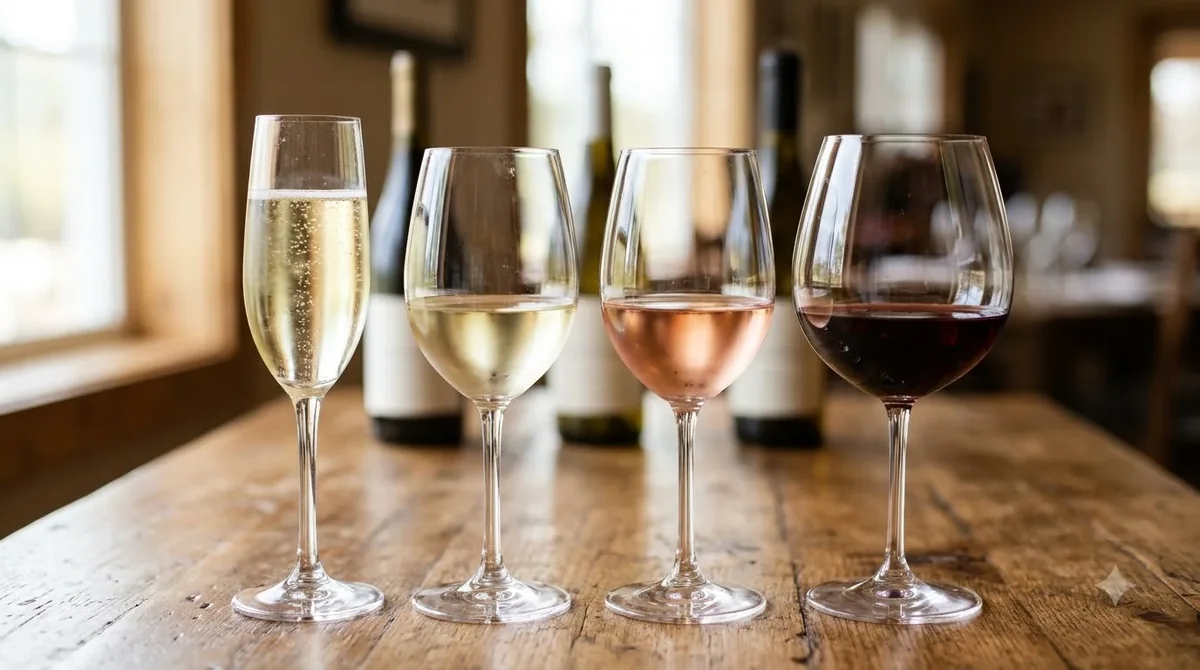
Campo Viejo is also worth considering if a household enjoys different wine styles. The producer’s portfolio includes Blanco, Rosé, Cava Brut and Cava Brut Rosé, in addition to its Rioja reds. This makes the brand useful for occasions ranging from a casual pasta dinner to a celebration requiring sparkling wine.
However, buyers looking specifically for delicate, low-oak reds may find some aged Rioja expressions too developed or spicy. Similarly, drinkers who prefer very light-bodied reds may find the Reserva and Gran Reserva styles more substantial than expected. The best starting point depends on whether fresh fruit or mature complexity matters more.
Key Factors to Compare Before Buying
The most useful comparison involves grape varieties, aging, body, tannin and flavor intensity. Campo Viejo’s standard Tempranillo, Reserva and Gran Reserva are all Rioja-oriented choices, but their maturation and blending give them distinct drinking profiles.
| Wine or style | Main grapes | Typical character | Best occasion |
|---|---|---|---|
| Tempranillo | Tempranillo | Red fruit, spice, approachable tannins | Weeknight dinners |
| Reserva | Tempranillo, Graciano, Mazuelo | Cherry, blackberry, vanilla, oak spice | Roasts and richer meals |
| Gran Reserva | Tempranillo, Graciano, Mazuelo | Dark fruit, tobacco, toasted wood | Slow-cooked dishes and mature cheese |
| Garnacha | Garnacha | Fruit-forward Spanish red character | Casual meals and tapas |
| Blanco | White grape varieties | Fresh fruit and brighter acidity | Seafood and lighter dishes |
| Cava Brut | Traditional Cava varieties | Dry, sparkling and refreshing | Celebrations and appetizers |
These descriptions are intended as a practical buying comparison rather than a claim that every vintage tastes identical. The exact blend, alcohol level and production details can differ between individual wines and releases.
Grape composition is a useful first consideration. Tempranillo provides much of the red-fruit character associated with Rioja. Graciano can contribute freshness and aromatic intensity, while Mazuelo adds structure and additional complexity to traditional blends. The balance depends on the winemaker’s decisions.
Aging is the next major factor. A younger Tempranillo generally emphasizes fresh fruit, whereas Reserva and Gran Reserva offer greater influence from oak and bottle maturation. Campo Viejo’s Reserva technical information describes 18 months in French and American oak barrels followed by 18 months in bottle. Its Gran Reserva product description identifies a five-year crafting period.
Body and tannin matter at the dinner table. Campo Viejo Tempranillo is described by SAQ as medium-bodied, with present acidity and balanced wood character. The standard wine’s moderate tannins make it more adaptable to everyday food than a heavily structured red. Reserva and Gran Reserva are better considered when the meal has enough flavor and texture to match their more developed profiles.
Finally, consider the occasion. A bottle intended for a casual pizza night does not need the same maturity or complexity as one served alongside slow-roasted lamb. Choosing the wine according to the meal is often more useful than automatically selecting the most expensive or oldest category. For a broader look at the producer’s range, the Campo Viejo wine overview can help clarify the available styles.
Step-by-Step: How to Choose the Right Bottle
A simple selection process helps narrow the Campo Viejo range without becoming distracted by unfamiliar Spanish wine terminology. Start with your preferred flavor profile, then consider the meal, maturation and serving conditions.
-
Decide whether you want red, white, rosé or sparkling wine.
For a traditional Rioja experience, begin with Tempranillo. Choose Blanco for seafood and lighter meals, Rosé for versatile warm-weather drinking, or Cava Brut for an occasion that calls for bubbles.
-
Choose your preferred level of complexity.
Standard Tempranillo is the logical starting point for fresh red-fruit flavors. Reserva is a better direction if you enjoy vanilla, clove and toasted oak. Gran Reserva suits drinkers looking for additional development, including tobacco, dark fruit and savory notes.
-
Match the wine to your food.
Consider grilled chicken, pasta or burgers with younger Tempranillo. Move toward Reserva for lamb chops, roast beef and richer dishes. Gran Reserva makes more sense with braised beef, game and mature cheese.
-
Consider the grape blend.
A predominantly Tempranillo wine provides a useful introduction to Rioja’s signature grape. Blends incorporating Graciano and Mazuelo offer a different balance of fruit, freshness and structure. Garnacha provides another route for drinkers interested in a different Spanish red profile.
-
Check the alcohol content and serving plan.
The reviewed 2022 Tempranillo is listed at 13% ABV, while Campo Viejo Gran Reserva is listed at 14% ABV. These figures illustrate why it is useful to compare individual bottles rather than assume every wine from one producer has the same strength.
-
Consider how quickly you intend to drink the bottle.
For an uncomplicated dinner, a younger Tempranillo is usually the straightforward choice. If you are planning a more formal meal, a mature Reserva or Gran Reserva can provide additional aromatic complexity.
Tip: If you are new to Rioja, start with Campo Viejo Tempranillo before moving to Reserva. Comparing these two styles side by side makes the influence of oak aging, additional blending and bottle development easier to understand.
It also helps to think about the people sharing the wine. A fruit-forward red is often a more flexible choice for a mixed group than a mature, oak-influenced bottle. If guests enjoy stronger savory flavors and aged cheese, however, Reserva or Gran Reserva may provide a more interesting pairing.
Campo Viejo Wine Types and Styles Explained
The range extends beyond standard Rioja red wine, although Tempranillo remains its most recognizable direction. Understanding the principal categories helps buyers select a style based on flavor, structure and food compatibility rather than relying on the label alone.
Tempranillo: The Everyday Rioja Choice
Tempranillo is the natural starting point for anyone exploring Campo Viejo. It generally emphasizes cherry, plum and berry flavors, with oak-related notes such as vanilla and spice contributing additional character.
Wine Enthusiast’s review of the 2022 bottling identifies black cherry and berry flavors alongside spice and a lightly herbal finish. The review also describes moderate, supple tannins, making this a practical style for pairing with everyday meals. Its Campo Viejo 2022 Tempranillo review provides additional tasting detail for buyers comparing Rioja reds.
Try it with tomato-based pasta, grilled chicken, burgers, roasted vegetables or Spanish-style meatballs. Tomato acidity is particularly important when choosing a wine pairing, so a fresh, fruit-forward red with sufficient acidity is generally preferable to a flat or overly heavy wine.
Reserva: More Oak and Developed Fruit
Campo Viejo Reserva is the more mature choice for drinkers who appreciate a combination of ripe fruit and oak-derived flavors. Its blend includes Tempranillo, Graciano and Mazuelo, with the producer’s technical information describing separate maturation in French and American oak barriques.
The Reserva profile includes cherries, black plums, ripe blackberries, clove, pepper, vanilla and coconut. The documented aging process includes 18 months in barrels and another 18 months in bottle, providing a useful explanation for its more developed flavor profile.
This is a strong direction for roast lamb, grilled steak, game and mature cheese. It also works with mushroom risotto and aubergine parmigiana, where savory ingredients can complement the wine’s developed character.
Gran Reserva: Mature and Complex
Gran Reserva occupies the more mature end of the core red range. Campo Viejo describes its version as crafted over five years, with a blend of Tempranillo, Graciano and Mazuelo.
The tasting profile combines blackberries, blueberries and plums with toasted wood, smoke, spice, tobacco and mineral notes. The palate is described as smooth, with soft, velvety tannins and a balanced acidity profile. Additional notes of coffee and chocolate contribute to its savory finish. The official Campo Viejo Gran Reserva description also identifies its 14% ABV and recommended food matches.
This is the bottle to consider for a more substantial meal. Braised beef, grilled red meat, roast lamb, game and blue cheese are appropriate partners. It can also accompany a slow-cooked vegetable dish with concentrated flavors.
Garnacha: An Alternative Spanish Red
Garnacha provides an alternative to the familiar Tempranillo profile. The grape is commonly associated with generous red-fruit flavors, making it an interesting choice for drinkers who want a different expression of Spanish red wine.
Its food versatility makes it worth considering for roasted vegetables, grilled chicken, tomato-rich dishes and casual tapas. However, buyers should distinguish individual Campo Viejo Garnacha releases from the winery’s blended Reserva and Gran Reserva wines rather than assuming they share identical structure or oak influence.
Blanco, Rosé and Cava: Beyond Rioja Red
Campo Viejo Blanco offers a white-wine alternative for drinkers who prefer brighter fruit and freshness. White Rioja can provide a useful match for grilled fish, prawns, chicken, salads and creamy pasta, depending on the individual bottling.
The Rosé range offers another flexible option, especially for lighter meals and appetizers. It can accompany grilled vegetables, poultry, seafood salads and mild cheeses without the structure of a mature red.
Cava Brut and Cava Brut Rosé provide sparkling alternatives. Cava is made using a second fermentation in the bottle, producing its characteristic bubbles. Brut is a dry style, making it suitable for appetizers, seafood, smoked salmon and celebratory occasions.
Common Mistakes When Buying Campo Viejo
The biggest buying mistakes involve confusing aging categories, expecting every bottle to taste alike and choosing a wine without considering the food. A few straightforward distinctions can prevent disappointment.
Assuming Reserva and Gran Reserva Are Just Marketing Terms
These categories communicate meaningful differences in maturation and intended style. Campo Viejo Reserva’s documented process includes 18 months in oak and 18 months in bottle. Its Gran Reserva product description refers to a five-year crafting period.
That additional development influences the wine’s aromatic profile and overall complexity. Someone who enjoys fresh cherries and straightforward berry flavors may actually prefer standard Tempranillo over a more mature bottling.
Expecting All Rioja Reds to Taste the Same
Rioja is a region with different subregions, vineyard conditions and winemaking approaches. The Campo Viejo range itself demonstrates this diversity through different grape blends and aging choices.
Tempranillo is an excellent starting point, but Graciano, Mazuelo and Garnacha contribute different characteristics. The same producer can therefore offer wines with noticeably different structures and aromatic profiles.
Serving Red Wine Too Warm
Many people assume red wine should be served at ordinary room temperature. In a warm home, however, that can make the alcohol feel more prominent and reduce the freshness of the fruit.
Light and medium-bodied reds generally benefit from a serving temperature around 55 to 60 degrees Fahrenheit. Fuller-bodied reds are better around 60 to 65 degrees Fahrenheit. A brief period in the refrigerator can help bring an overly warm bottle into the appropriate range.
Pairing Mature Rioja With Delicate Food
A mature red with developed oak and noticeable tannin can overwhelm delicate seafood or mild vegetables. Oily fish can also clash with tannic reds, so a fresh white or sparkling Cava is usually a more suitable option for salmon, prawns and lighter fish dishes.
For Reserva and Gran Reserva, look for food with enough flavor and texture to match the wine. Roast beef, lamb, game and aged cheese are more natural choices than subtle, lightly seasoned dishes.
Choosing a Wine Only by Its Aging Category
Older or more extensively aged does not automatically mean better for every drinker. A younger Tempranillo may be more enjoyable for someone who values fresh fruit, while a mature Reserva may appeal to someone who prefers savory oak and complexity.
The most appropriate bottle is the one that fits the intended occasion. Think about the food, preferred body, flavor intensity and how the wine will be served before deciding which category to buy.
Serving and Storage Tips for Campo Viejo
Proper serving temperature and storage help preserve the character of Rioja wines. Tempranillo, Reserva and Gran Reserva benefit from slightly different serving approaches depending on their body and maturity.
Choose the Right Serving Temperature
For Campo Viejo’s standard Tempranillo, a temperature around 55 to 60 degrees Fahrenheit is a useful starting point. This helps retain the freshness of cherry and berry flavors while keeping alcohol from dominating the palate.
Reserva and Gran Reserva can generally be served around 60 to 65 degrees Fahrenheit. Campo Viejo’s Reserva technical information gives a serving recommendation of approximately 16 to 18 degrees Celsius, equivalent to about 61 to 64 degrees Fahrenheit.
White wines and rosé are generally better served cooler, around 45 to 50 degrees Fahrenheit for lighter styles. Full-bodied whites benefit from approximately 50 to 55 degrees Fahrenheit, while sparkling Cava is best served around 40 to 50 degrees Fahrenheit.
Decanting and Glassware
A younger, fruit-forward Tempranillo generally does not need extended decanting. Opening the bottle shortly before dinner and allowing the wine to breathe in the glass is often sufficient.
A young, fuller-bodied red can benefit from approximately 30 to 60 minutes of decanting. This provides additional contact with oxygen and can help the aromas become more expressive. Mature wines require a little more care because excessive aeration may reduce their freshness.
A standard red-wine glass with a reasonably wide bowl is suitable for Tempranillo, Reserva and Gran Reserva. The larger bowl allows the wine to release its aromas while providing enough space to swirl without spilling.
Storage After Opening
Store unopened bottles in a cool, dark location with relatively stable temperatures. A cellar temperature near 55 degrees Fahrenheit is a useful target, and bottles with natural cork closures should generally be stored on their sides to keep the cork from drying out.
Once opened, reseal still wines and refrigerate them. Most opened still reds and whites retain their best qualities for approximately three to five days, although the precise period depends on age, exposure to oxygen and storage conditions.
For sparkling Cava, use a proper sparkling-wine stopper and refrigerate the bottle. Its bubbles generally last around one to three days after opening. Refrigeration slows deterioration, but it cannot completely prevent oxidation or loss of carbonation.
Pouring smaller servings can also help preserve the remaining wine. A standard serving is approximately 5 ounces, and a 750 ml bottle provides about five standard glasses. This is a useful reference when planning a dinner for two or a larger gathering.
Frequently Asked Questions
Is Campo Viejo wine suitable for beginners?
Yes. Its standard Tempranillo is a particularly approachable introduction to Rioja. Tempranillo is also widely planted in Spain, and learning its cherry, plum and savory spice characteristics provides a useful foundation for exploring other Spanish reds.
Does Campo Viejo wine contain sulfites?
Conventional wines generally contain sulfites, which can occur naturally during fermentation and may also be added during winemaking. The exact sulfite information for an individual Campo Viejo bottling should be obtained from its product information or labeling rather than assumed to be identical across the range.
Can Campo Viejo wine be used for cooking?
Yes. A dry Campo Viejo Tempranillo can work in beef stews, tomato-based sauces and braised meat recipes. Reserva is another option for dishes with deeper savory flavors, although a younger red is generally sufficient for ordinary cooking applications.
Is Campo Viejo Rioja the same as Rioja Crianza?
No. Rioja is the Spanish wine appellation, while Crianza is an aging classification within the region. A wine can be Rioja without necessarily being labeled Crianza, Reserva or Gran Reserva. These terms communicate different minimum maturation requirements under Rioja’s classification system.
Does Campo Viejo produce organic wine?
Yes. The producer’s portfolio includes Campo Viejo Ecológico, an organic wine offering. Its availability and exact certification details can vary by market, so buyers interested in organic production should look for the relevant certification on the individual bottle or official product information.
Campo Viejo is a sensible starting point for exploring Rioja, with a range that covers approachable Tempranillo, oak-influenced Reserva, mature Gran Reserva and alternatives such as Blanco, Rosé and Cava. For most first-time buyers, standard Tempranillo offers the clearest introduction, while Reserva is a worthwhile next step for those who enjoy greater depth and complexity. Choose according to your preferred flavor profile and meal, and the right Campo Viejo bottle can make an enjoyable addition to an everyday dinner or a more special occasion. Readers exploring other producers can find additional options in our Wine Brands collection and compare the different expressions of Campo Viejo red wine.
More in Wine Brands
 Erath Wine Review: How to Choose the Right Oregon BottleUpdated Nov 21, 2026
 Franzia Sunset Blush Price: Compare Box Sizes and Get Better ValueUpdated Nov 21, 2026
 Franzia Sangria Review: Taste, Sweetness, Serving Tips and ValueUpdated Nov 21, 2026
 Franzia Chillable Red Price: 5L Box Costs and Buying TipsUpdated Nov 21, 2026
 Franzia Chardonnay Price: Compare Box Sizes and Find Better ValueUpdated Nov 21, 2026
 Fess Parker Wine Review: Find the Right Santa Barbara BottleUpdated Nov 21, 2026