

We may earn a commission when you buy through links on this page, at no extra cost to you. Learn more.
Campo Viejo Rioja is a Tempranillo-based red from Rioja, the Spanish region known for aged red wine. The brand’s range includes Reserva and Gran Reserva bottlings, and its style is fruit-forward with the savory, spiced notes that Rioja is known for. Serve it at cellar temperature and pair it with grilled meats, tomato-based dishes, or aged cheese.
Campo Viejo is one of the more widely available Rioja brands, so many American shoppers meet the name before they learn much about the region behind it. This guide explains what Rioja is, what the brand offers, how to read the wine labels, and how to serve and pair these bottles at home.
Where Rioja Is and Why It Matters
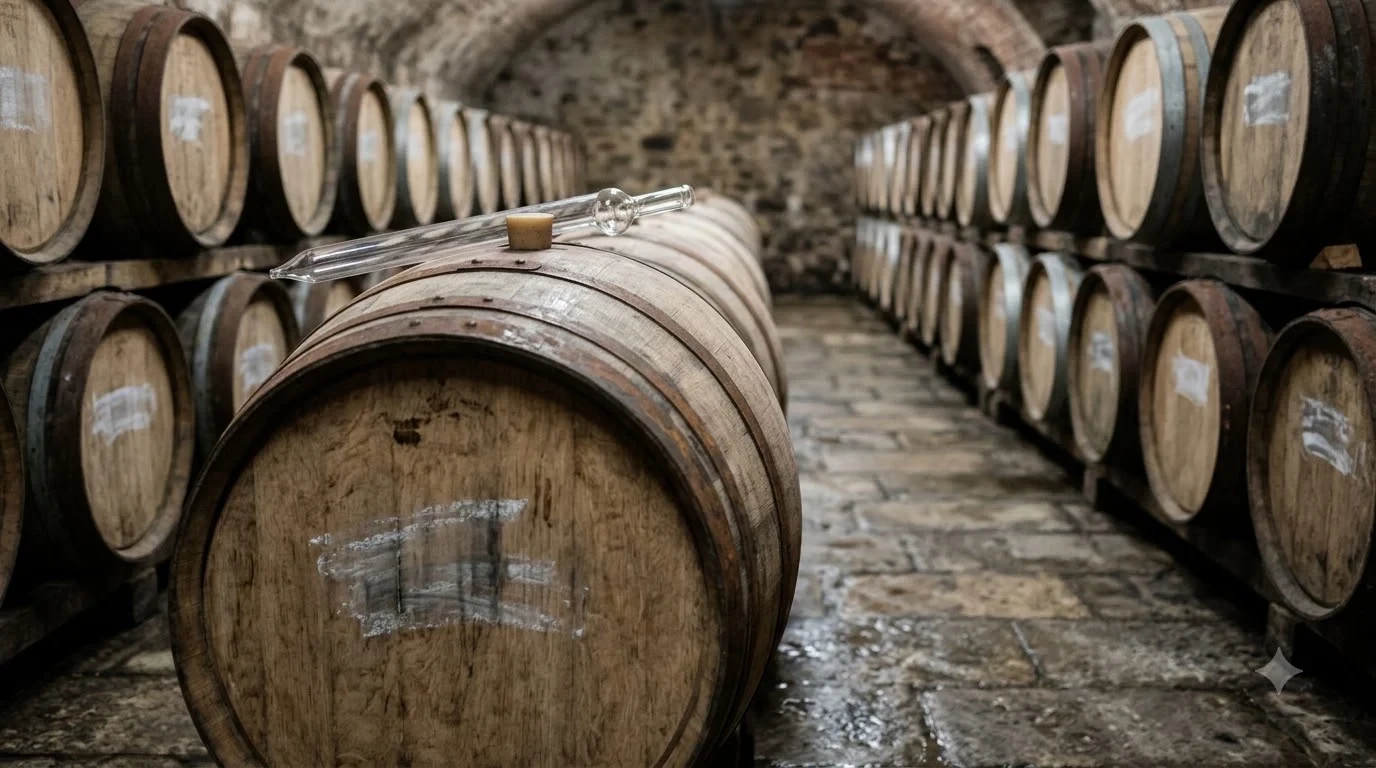
Rioja is a wine region in northern Spain, and the name is protected for wines made within its boundaries under the regional body’s rules. The region is divided into three production areas, Rioja Alta, Rioja Alavesa, and Rioja Oriental, which together stretch about 100 kilometers. The official regional site reports more than 66,000 hectares of vineyards and nearly 600 wineries, a scale that gives the region a wide range of soils, altitudes, and styles.
That size matters for shoppers because one label can come from a very different landscape than another. A wine from Rioja Alta may taste different from one made in Rioja Oriental, even when both carry the same regional name. When you choose a Campo Viejo bottle, you are choosing a house style that blends wine from the region into a consistent profile.
Campo Viejo’s Range and Style
Campo Viejo describes its winemaking in terms of rich, contemporary expressions of Tempranillo, which it calls the signature grape of the region. Tempranillo is the backbone of most Rioja reds, and it gives the wines their typical structure: moderate tannins, red and dark fruit, and a savory, spiced edge that comes from both the grape and the barrel.
The brand’s product list includes Gran Reserva, Reserva, and a Reserva Limited Edition. The names point to the aging categories that Rioja uses, though the brand’s own page does not list detailed aging times or tasting notes for each bottling. For those specifics, read the back label or the producer’s product page for the current vintage.
Reading Rioja Labels
Rioja labels use aging terms to signal how long a wine has spent in oak and in bottle before release. Younger wines are often labeled as simply Rioja or Joven, while terms such as Crianza, Reserva, and Gran Reserva indicate longer aging. In general, a higher aging category means more savory, developed character, and a lower one means more fresh fruit.
The terms are a useful guide but not a promise of quality. A well-made young Rioja can taste better than an older bottle from a weaker vintage, so it is worth reading the back label, the vintage, and any tasting notes the producer provides. Shoppers who want a fresh, fruit-led bottle for a weeknight can look for a younger wine, while those planning a special dinner may prefer a longer-aged bottle.
Storage is simpler than many shoppers expect. Keep unopened bottles in a cool, dark place away from heat and sunlight, and lay the bottles on their side if they have corks. A younger Rioja is meant to be drunk within a few years of its release, while the longer-aged categories can keep for longer when stored well. Once opened, a Rioja will hold its character for a few days if you recork it and keep it cool.
How Rioja Tastes
Expect red and dark fruit such as cherry, plum, and blackberry, along with spice and a savory note that some people describe as leather or tobacco. Oak aging adds vanilla and toast in the richer styles. The wines usually have medium body and enough acidity to pair with food, which is why Rioja works at many kinds of tables.
Compared with a big, dense Cabernet from California, a typical Rioja feels more elegant and less heavy on the palate. That makes it a flexible choice when you want a red with character but not so much weight that it overwhelms a simple meal.
How to Serve Campo Viejo Rioja
Serve the wine at cellar temperature, which is cooler than typical room temperature. A short time in the refrigerator before serving is usually enough, especially on a warm evening. Use a standard red wine glass with a generous bowl so the aromas can open up as the wine warms in the glass.
Rioja often benefits from a short decant, especially the richer aged bottles. Pour the wine into a carafe about 30 minutes before serving so it can breathe. Younger, fruit-forward bottles can be opened and poured straight away. If you finish the bottle over two or three days, recork it and keep it cool, since the wine will slowly lose its freshness once it is open.
Food Pairings for Campo Viejo
Rioja’s savory character and acidity suit a wide range of dishes. Grilled lamb, pork chops, and roast chicken are classic matches, as are tomato-based dishes such as baked pasta or a rich stew. Chorizo, roasted peppers, and other Spanish-style tapas bring out the wine’s spice, while aged cheeses like Manchego pair with the longer-aged bottlings.
For a lighter meal, try the younger style with grilled vegetables or a mushroom risotto. The wine’s acidity keeps the pairing fresh, and its fruit adds a touch of sweetness that suits roasted vegetables.
Campo Viejo Compared With Other Red Styles
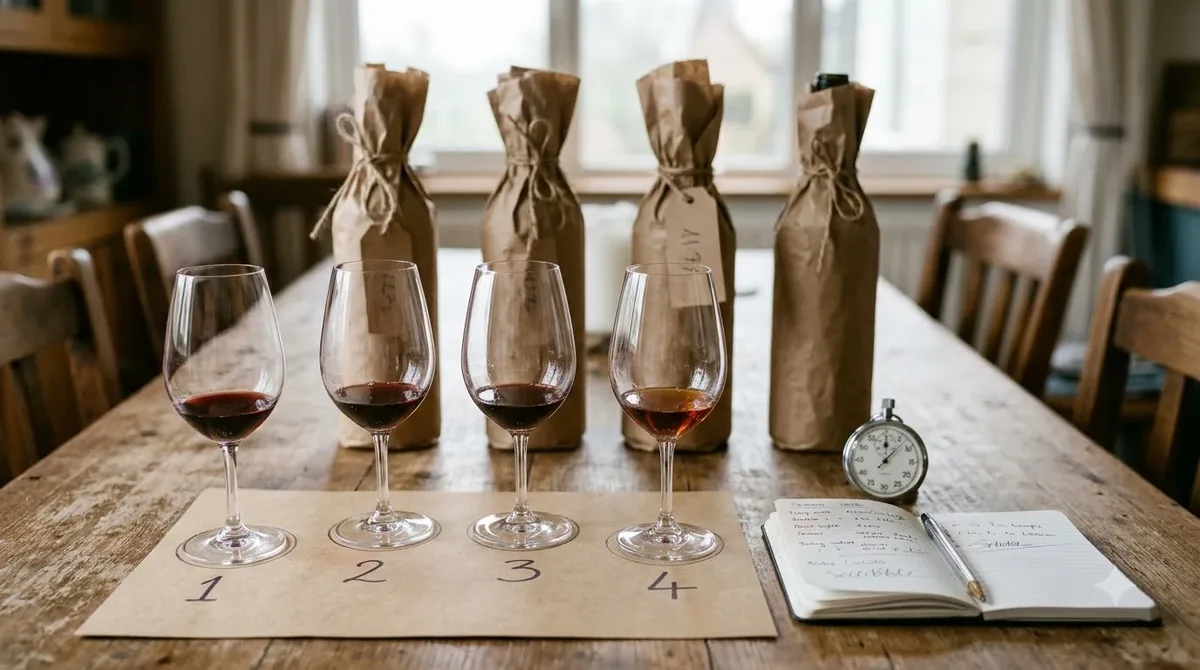
Choosing a red can feel crowded, so it helps to compare Rioja with other common styles. The table below shows how a Tempranillo-based Rioja differs from two popular alternatives on the points most shoppers care about.
| Feature | Campo Viejo Rioja | California Cabernet | Italian Chianti |
|---|---|---|---|
| Main grape | Tempranillo | Cabernet Sauvignon | Sangiovese |
| Typical flavor | Red and dark fruit, savory spice | Dark fruit, cedar, firm structure | Red cherry, herbs, bright acidity |
| Body | Medium | Full | Medium |
| Best with | Lamb, tomato dishes, tapas | Steak, hearty roasts | Pasta, pizza, tomato sauce |
Tip: If you are cooking a dish that already includes tomatoes, peppers, or chorizo, a Rioja is often a better match than a heavier red. Its acidity and spice suit the same flavors on the plate.
If you enjoy Rioja’s structure but want to explore American producers as well, a Napa Cabernet from another estate shows a very different style of red. For a broader look at how wine brands approach their styles, the wine brands guide is a helpful next step.
Frequently Asked Questions
What is Rioja made from?
Most red Rioja is made from Tempranillo, often blended with smaller amounts of other red varieties. Campo Viejo describes its wines as rich, contemporary expressions of Tempranillo, the region’s signature grape.
What does Reserva mean on a Rioja label?
Reserva is an aging category that signals longer time in oak and bottle than a younger Rioja. It usually means more savory, developed flavors, though the exact rules depend on the regional requirements for each category.
Should Campo Viejo Rioja be decanted?
Richer aged bottles often benefit from about 30 minutes in a decanter. Younger, fruit-forward wines can be poured right away, so decanting is a matter of style rather than a requirement.
What food goes best with Rioja?
Grilled lamb, roast chicken, tomato-based dishes, chorizo, and Spanish tapas are classic matches. Aged cheeses such as Manchego suit the longer-aged styles well.
Campo Viejo Rioja is an approachable way into Spanish red wine. Serve it at cellar temperature, choose the aging style that fits your meal, and pair it with savory food that echoes the wine’s spice. For the regional background, the official Rioja wine site and the Campo Viejo wines page are the two most useful references.
More in Wine Brands
 Underwood Wine Price: Compare Bottles, Cans, and Pack SizesUpdated Nov 21, 2026
 Zenato Wine Price: Compare Styles and Choose the Right BottleUpdated Nov 21, 2026
 Zuccardi Wine Price: Compare Bottles and Find the Right RangeUpdated Nov 21, 2026
 Yellow Tail Moscato Review: Taste, Sweetness and Serving TipsUpdated Nov 21, 2026
 Wolf Blass Yellow Label Review: Choose Your Best StyleUpdated Nov 21, 2026
 Wolffer Estate Rose Review: Choose the Right Bottle for Your TableUpdated Nov 21, 2026