


We may earn a commission when you buy through links on this page, at no extra cost to you. Learn more.
A cade winery review should start with one important distinction: CADE Estate Winery specializes in structured Howell Mountain Cabernet Sauvignon, complemented by fresher Napa Valley and Oakville Sauvignon Blanc. Its high-elevation vineyards, organically farmed original estate, and LEED Gold-certified winery make it an interesting choice for buyers seeking mountain-grown Napa wines. The most useful buying decision is whether to choose the Estate Cabernet, the more selective Reserve bottling, or one of CADE’s white wines.
CADE occupies a distinctive position in Napa Valley because its identity is closely connected to Howell Mountain rather than simply to the broader Napa Valley appellation. Its wines reflect different growing environments, from mountain vineyards with concentrated Cabernet Sauvignon to valley-floor sites producing refreshing Sauvignon Blanc. Understanding those differences helps buyers select a bottle that suits their preferred style, meal, and occasion. This guide examines CADE’s vineyards, wine styles, production philosophy, and practical buying considerations.
Who This Is For
CADE is particularly interesting to Cabernet Sauvignon drinkers who appreciate concentrated fruit, substantial tannins, and the distinctive character of mountain-grown Napa Valley grapes. It also deserves consideration from buyers interested in sustainable vineyard management and wineries that connect architecture and environmental responsibility with wine production.
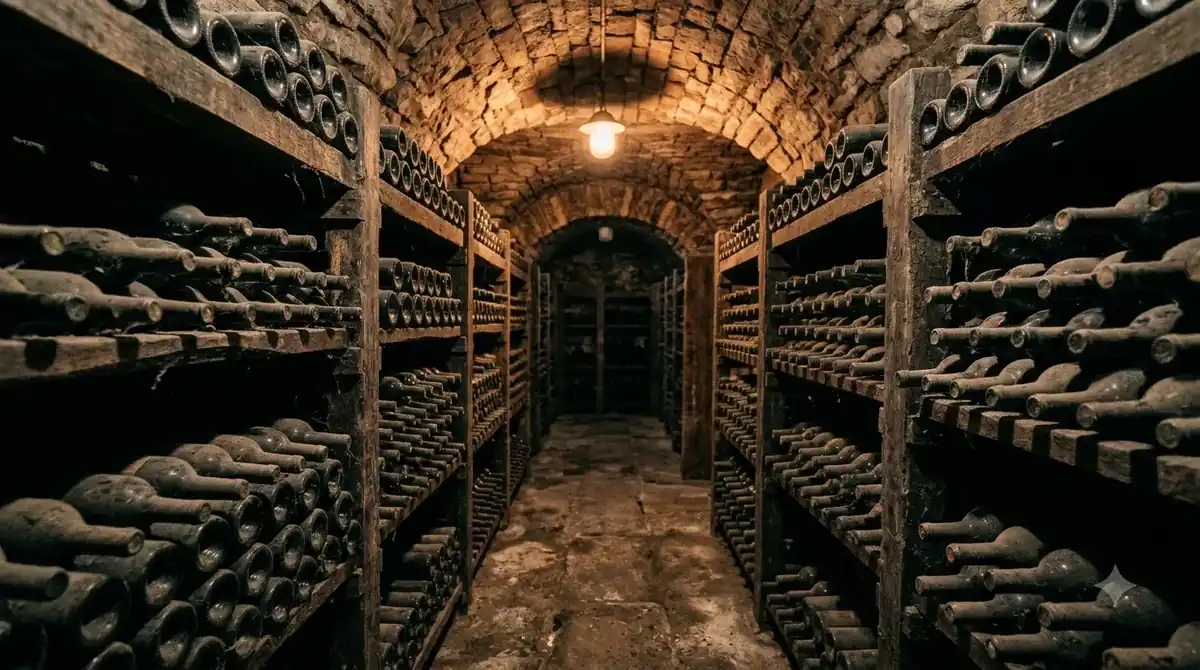
The winery was established in 2005 by John Conover, Gordon Getty, and Gavin Newsom. Their original concept was to complement their Oakville winemaking operation with an estate on Howell Mountain, where the higher elevation provides a different growing environment from the valley floor. The property covers 54 acres, and its position approximately 1,850 feet above sea level gives the winery a particularly recognizable identity.
Cabernet Sauvignon is the natural starting point for understanding the range. CADE’s Howell Mountain wines are intended for people who enjoy more structure than they typically find in lighter-bodied reds. The grape’s naturally high tannin level makes it particularly suitable for drinkers who enjoy firm texture, dark-fruit flavors, and wines that can develop additional complexity with bottle age.
However, CADE is not exclusively a red-wine destination. Its portfolio also includes Sauvignon Blanc from Napa Valley and Oakville. These wines offer an alternative for people who prefer bright acidity, citrus-oriented flavors, and a lighter style of wine. Buyers looking for an introduction to the producer can therefore consider both sides of its portfolio instead of assuming every bottle is a powerful Cabernet.
CADE may be a good fit for several types of wine buyers:
- Mountain Cabernet enthusiasts: Drinkers who appreciate concentrated fruit, firm tannins, and the distinctive character of Howell Mountain.
- Napa collectors: Buyers interested in estate-grown Cabernet Sauvignon and Reserve bottlings that can develop over time.
- Sustainable-wine shoppers: People who value certified organic farming at the original estate and environmentally conscious winery construction.
- White-wine drinkers: Buyers interested in Sauvignon Blanc with a different profile from the estate’s Cabernet Sauvignon.
- Napa Valley visitors: Travelers interested in a winery experience with mountain views, architecture, and educational information about sustainable production.
CADE may be less suitable for someone seeking inexpensive everyday wine, very soft red wine, or a sweet and fruity drinking experience. Cabernet Sauvignon is naturally more tannic than Merlot or Pinot Noir, and mountain-grown examples can have considerable structure. Those characteristics are appealing to the right drinker but should be part of the buying decision.
For readers comparing different American wine producers, the broader Wine Brands collection offers additional context about regional styles and winery identities.
Key Factors to Compare
The most important differences between CADE wines are grape variety, vineyard location, blend composition, and intended style. Comparing these factors before purchasing is more useful than choosing a bottle based on the winery name alone.
CADE’s original estate and its 13th Vineyard both sit on Howell Mountain, but they have different vineyard layouts and grape distributions. The winery also produces wines from Napa Valley and Oakville, giving buyers a choice between mountain-grown Cabernet Sauvignon and fresher white-wine expressions.
| Factor | CADE example | What buyers should understand |
|---|---|---|
| Original estate size | 54 acres total | The original property includes vineyards and winery facilities. |
| Original planted vineyard | 20 acres | Focused on Cabernet Sauvignon and blending varieties. |
| Original Cabernet planting | 18 acres | Cabernet Sauvignon is the dominant variety. |
| Original Malbec planting | 1 acre | Provides a blending component. |
| Original Petit Verdot planting | 1 acre | Provides additional blending possibilities. |
| 13th Vineyard size | 82 planted acres | Expands CADE’s Howell Mountain vineyard resources. |
| 13th Vineyard Cabernet planting | 73 acres | Establishes Cabernet Sauvignon as the dominant variety. |
| 13th Vineyard Sauvignon Blanc | 4 acres | Provides white-wine growing capacity. |
| Winery cave | 15,000 square feet | A distinctive feature of the estate’s architecture. |
| Winery certification | LEED Gold, achieved in 2010 | Reflects the estate’s environmental building practices. |
These figures come from CADE’s published vineyard and estate information. They demonstrate that the winery has a substantial mountain-vineyard foundation, while its broader wine portfolio includes grapes and locations beyond the original estate.
Elevation is another important consideration. CADE’s original vineyard sits between 1,500 and 1,800 feet, while the winery describes the estate itself as approximately 1,850 feet above sea level. Its 13th Vineyard ranges from 1,637 to 1,748 feet. These mountain locations contribute to the identity of its Howell Mountain wines.
For a specific example of blend composition, K&L Wine Merchants reproduces the technical information for the 2021 Estate Cabernet Sauvignon. That vintage contained 88% Cabernet Sauvignon, 6% Malbec, 5% Petit Verdot, and 1% Merlot. The exact composition is vintage-specific rather than a fixed recipe for every CADE Cabernet.
Buyers should also consider how much tannin they enjoy. Cabernet Sauvignon generally has high tannin, while Malbec can contribute dark fruit and Petit Verdot can add structural and aromatic complexity. The resulting blend is not necessarily a soft wine simply because it contains several grape varieties.
Tip: Compare the vineyard designation before comparing two CADE bottles. Howell Mountain Cabernet Sauvignon and Napa Valley Sauvignon Blanc represent substantially different growing environments, grape varieties, and drinking occasions.
Step-by-Step: How to Choose a CADE Wine
Choosing a CADE bottle becomes easier when the decision follows a few practical steps. Start with the grape variety, then consider vineyard origin, wine structure, food pairing, and the occasion for opening the bottle.
-
Decide between red and white wine.
Choose Cabernet Sauvignon if you prefer dark fruit, firm tannins, and a fuller-bodied wine. Choose Sauvignon Blanc if you want brighter acidity, lighter body, and a more refreshing style. This first decision eliminates the biggest difference between CADE’s principal wine categories.
-
Choose the vineyard expression.
For the winery’s mountain identity, focus on Howell Mountain Cabernet Sauvignon. For a white wine, consider its Napa Valley or Oakville Sauvignon Blanc offerings. These appellations and vineyard origins provide more useful information than simply recognizing the CADE label.
-
Compare Estate and Reserve Cabernet.
CADE identifies both Estate Cabernet Sauvignon and Reserve Cabernet Sauvignon as Howell Mountain wines. The Reserve designation is a useful category to investigate for buyers seeking a more selective mountain Cabernet. Compare the particular vintage’s composition and producer information rather than assuming the two bottlings follow identical production specifications.
-
Consider the vintage.
Vintage conditions influence ripeness, acidity, fruit character, and tannin development. A warm growing season can produce a different expression from a cooler season. When comparing two bottles, look for vintage-specific tasting descriptions and technical information rather than treating the wines as interchangeable.
-
Think about your preferred texture.
Cabernet Sauvignon’s high tannin can create a drying sensation along the gums and cheeks. Drinkers who prefer a softer red should consider whether they enjoy this structure. Those who regularly drink structured Napa Cabernet may find the mountain style particularly appealing.
-
Match the wine to a meal.
For Howell Mountain Cabernet, consider grilled beef, lamb, venison, or aged hard cheese. Sauvignon Blanc is more appropriate for dishes featuring seafood, salads, goat cheese, and fresh herbs. The food should complement the wine’s acidity and texture.
-
Consider when you intend to drink it.
A young, full-bodied Cabernet can benefit from 30 to 60 minutes of decanting. A Sauvignon Blanc is generally more enjoyable served chilled and is intended for a different drinking experience. Buyers planning to cellar Cabernet should also consider suitable storage conditions.
-
Check the specific bottle information.
Review the vintage, appellation, blend, and alcohol information for the bottle under consideration. These details help distinguish a particular Estate Cabernet from a Reserve bottling or a different wine in CADE’s portfolio.
For buyers who want to compare another American winery with a different regional identity, the St. Julian Winery profile offers a useful point of comparison. The goal is to compare actual grape varieties, regional character, and intended drinking style rather than assume every American producer makes similar wine.
Types and Styles Explained
CADE’s portfolio is best understood through its mountain Cabernet Sauvignon, its Reserve Cabernet Sauvignon, and its Sauvignon Blanc selections. Each category serves a different purpose, so identifying the style is essential before choosing a bottle.
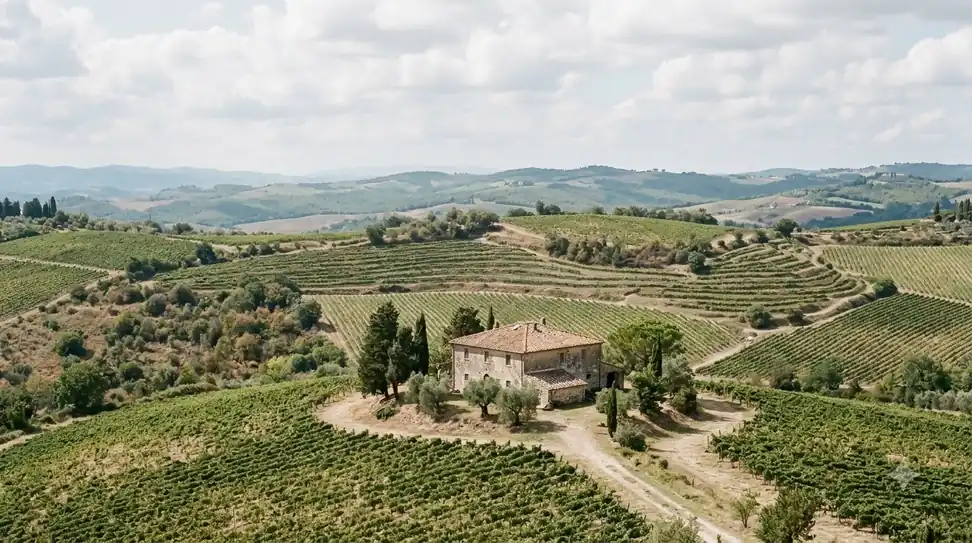
CADE Estate Cabernet Sauvignon
The Estate Cabernet Sauvignon is a logical starting point for understanding CADE’s Howell Mountain identity. Its original estate vineyard includes Cabernet Sauvignon, Malbec, and Petit Verdot, and the winery also draws on its 13th Vineyard for some bottlings.
The 2021 Estate Cabernet provides a useful illustration of the style. Its published blend contained 88% Cabernet Sauvignon, 6% Malbec, 5% Petit Verdot, and 1% Merlot. Professional assessments reproduced by K&L Wine Merchants describe concentrated dark fruit, violets, herbal characteristics, and a substantial structure. The K&L Wine Merchants professional review and tasting notes provide additional vintage-specific detail for readers comparing this release.
For buyers, this means the Estate bottling is worth considering when the goal is a serious mountain Cabernet rather than a particularly light or delicate red. Its grape composition also illustrates why the winery’s blending varieties matter: they contribute additional dimensions to a wine whose principal character comes from Cabernet Sauvignon.
CADE Reserve Cabernet Sauvignon
The Reserve Cabernet Sauvignon is another important category in the portfolio. CADE lists its Reserve bottling among its Howell Mountain estate wines, making it relevant to buyers who want to explore the winery’s mountain Cabernet selection beyond the Estate label.
The Reserve name should not be interpreted as a universal guarantee that every vintage has the same blend, oak treatment, or aging potential. Those factors depend on the particular release. Compare the producer’s vintage-specific information and look for clear details about vineyard sourcing and composition.
Reserve Cabernet is a sensible category to investigate for a special dinner, a gift for a Cabernet enthusiast, or a collection that includes Napa Valley mountain wines. However, buyers who are new to CADE may prefer to understand the Estate bottling first before deciding whether the Reserve expression better suits their preferences.
CADE Sauvignon Blanc
Sauvignon Blanc gives CADE’s portfolio a different direction. The winery’s published collection includes Napa Valley Sauvignon Blanc and Oakville Estate Sauvignon Blanc. These wines contrast with the fuller structure of the Howell Mountain Cabernet program.
Sauvignon Blanc generally offers high acidity, making it useful with foods that have fresh herbs, citrus, and bright flavors. Typical pairings include grilled shrimp, oysters, goat cheese, asparagus, and lemon-seasoned fish. Its acidity can also help balance richer seafood preparations.
The distinction between Napa Valley and Oakville matters because the appellation describes the origin of the wine rather than simply a marketing category. Buyers interested in comparing CADE’s white wines should look at both the vineyard designation and the individual release information.
Napa Valley Cabernet Sauvignon
CADE’s portfolio also lists a Napa Valley Cabernet Sauvignon. This provides another route into the winery’s red-wine selection for people who want to explore a broader regional expression alongside its Howell Mountain bottlings.
Do not assume that Napa Valley Cabernet and Howell Mountain Cabernet have identical characteristics. Howell Mountain is a specific mountain appellation, while Napa Valley covers a much broader geographical area. Differences in vineyard elevation, exposure, soil, and growing conditions can affect the character of the finished wine.
The same principle applies when comparing other California producers. For example, St. James Winery represents a different regional and stylistic context, making grape variety and wine style more useful comparison points than simply comparing winery names.
Common Mistakes When Buying CADE Wines
The most common buying mistakes involve confusing appellations, assuming every Cabernet has the same structure, and overlooking the differences between the Estate and Reserve labels. Understanding these distinctions helps prevent disappointment and makes comparisons more meaningful.
Assuming All Napa Cabernet Tastes the Same
Napa Valley is not one uniform growing environment. Howell Mountain has a different elevation and climate profile from the valley floor. CADE describes its mountain environment as having cooler daytime conditions and warmer evenings than the valley floor, contributing to extended grape hang time.
That growing environment is central to the winery’s identity. Someone expecting a soft, immediately approachable red may find a structured mountain Cabernet more demanding than anticipated. Conversely, someone who enjoys concentrated fruit and firm tannins may find those qualities desirable.
Confusing Estate and Reserve Bottlings
Estate and Reserve are separate categories in CADE’s portfolio. Buyers should not assume they contain identical grapes or that one is simply an older version of the other. The specific vintage and its production details are important.
Comparing two wines from different years without considering vintage conditions can also create misleading conclusions. A younger wine may show more primary fruit and firm tannins, while an older bottle may display more developed aromas and a softer impression of structure.
Ignoring Tannin and Alcohol
Cabernet Sauvignon is naturally high in tannin, and fuller-bodied Napa examples can also have substantial alcohol. These characteristics influence how the wine feels alongside food and how quickly it can become tiring to drink.
Chili heat can be amplified by alcohol and tannin, so heavily spiced dishes are not always ideal companions. For a better match, consider grilled beef, roasted lamb, or mature cheese. Fat and salt can soften the perception of tannin, making richer dishes useful partners for structured Cabernet.
Expecting Organic Farming to Mean a Particular Flavor
CADE’s organic farming and environmental certifications are important parts of its production philosophy, but certification does not guarantee a specific flavor profile. The wine’s character also depends on grape variety, vineyard location, vintage, fermentation, blending, and maturation.
The original estate has CCOF organic certification, while CADE describes a natural cultivation program at its 13th Vineyard intended to achieve organic certification after the required transition period. Buyers should distinguish between the established certification of the original estate and the vineyard’s stated transition program.
Choosing a Bottle Only for Its Reputation
Professional reviews and producer recognition can provide useful context, but they cannot replace personal preferences. A highly regarded Cabernet may still be too tannic or full-bodied for someone who prefers lighter reds.
Look for descriptions of fruit, acidity, tannin, and body rather than relying exclusively on a numerical score. A wine that suits a particular meal and drinking occasion is often a more satisfying purchase than one selected only because of its reputation.
Care, Serving, and Storage Tips
Serving and storage have a meaningful influence on the experience of CADE Cabernet Sauvignon and Sauvignon Blanc. Temperature, aeration, glassware, and bottle storage should be adjusted to the style rather than handled identically for every wine.
Serving Howell Mountain Cabernet
Full-bodied red wines are generally best served around 60 to 65 degrees Fahrenheit. This range allows Cabernet Sauvignon to show its fruit and structure without excessive warmth emphasizing alcohol. Serving the wine too warm can make its texture feel heavier and its alcoholic character more prominent.
A young, full-bodied Cabernet can benefit from 30 to 60 minutes of decanting. This gives the wine additional contact with air and can make its aromas easier to appreciate. Decanting is especially useful when a wine initially appears closed or particularly firm.
Use a reasonably large red-wine glass to allow space for swirling. The purpose is not complicated: a larger bowl gives the wine room to release aromas and makes it easier to assess the developing fruit, herbal, and savory notes.
Serving CADE Sauvignon Blanc
Light-bodied white wines such as Sauvignon Blanc generally benefit from serving temperatures around 45 to 50 degrees Fahrenheit. Excessive warmth can make the wine seem less refreshing, while serving it extremely cold can suppress its aromatic character.
Allow a bottle to warm slightly in the glass if its aromas initially seem restrained. A medium-sized white-wine glass is suitable because it offers enough room to appreciate the wine’s citrus, herbal, and fruit characteristics without emphasizing warmth.
Storing Unopened Bottles
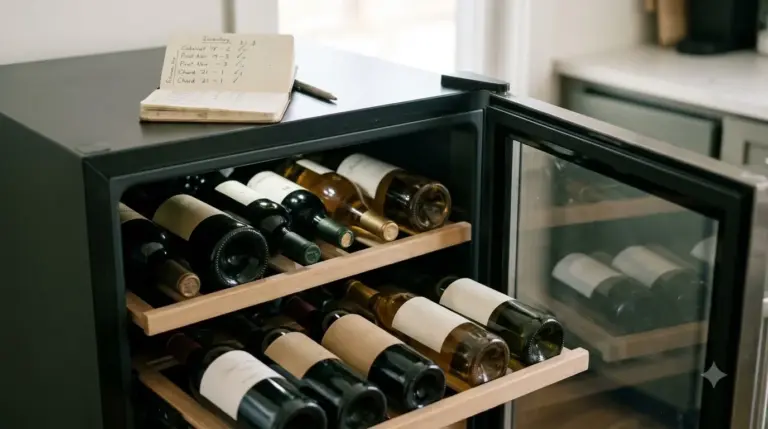
For longer-term storage, keep Cabernet Sauvignon bottles in a cool, dark environment with relatively stable temperatures. Around 55 degrees Fahrenheit is a useful target for wine storage. Bottles with natural cork closures should generally be stored on their sides to help keep the cork from drying out.
Avoid locations that experience frequent temperature fluctuations, direct sunlight, or vibration. Kitchen shelves near an oven and sunny windowsills are poor choices for wines intended for extended storage.
Handling Opened Bottles
Refrigerate opened still wines, including both red and white varieties. A practical general guideline is approximately three to five days for still wine, although the actual drinking window depends on the wine, closure, and storage conditions.
For Cabernet, use a suitable stopper and return the bottle to the refrigerator after pouring. Allow the remaining wine to approach its preferred serving temperature before the next glass. Sauvignon Blanc should also be recorked and refrigerated promptly to preserve its freshness.
Wine should be handled with the same attention whether it is an expensive mountain Cabernet or a more approachable white wine. Proper storage will not improve a damaged bottle, but it can help preserve the characteristics that make a sound bottle enjoyable.
Frequently Asked Questions
Who owns CADE Estate Winery?
CADE was established by John Conover, Gordon Getty, and Gavin Newsom in 2005. Its history and winery operations are associated with the PlumpJack business. The winery was conceived as a Howell Mountain counterpart to the founders’ Oakville operation.
What does the name CADE mean?
The name is inspired by Shakespeare’s historical use of the word cades for wine casks shipped from Bordeaux to England during Elizabethan times. The name also connects CADE with its sister winery, PlumpJack Estate. It reflects the founders’ interest in wine history rather than the name of a grape variety or vineyard appellation.
Does CADE make sparkling wine?
CADE’s published principal portfolio centers on Cabernet Sauvignon and Sauvignon Blanc rather than sparkling wine. Its listed wines include Howell Mountain Cabernet, Napa Valley Cabernet, and Sauvignon Blanc from Napa Valley and Oakville. Buyers specifically seeking traditional-method sparkling wine should explore a producer specializing in that category.
Is CADE’s original winery building environmentally certified?
Yes. CADE achieved LEED Gold certification in 2010 for its entire estate winery. Its environmental construction measures include solar photovoltaic cells, recycled structural steel, gray-water irrigation, and insulation made from recycled denim. The winery also describes participation in Napa Green environmental initiatives.
Can visitors bring children or pets to CADE Estate?
CADE’s published visitor policy does not accommodate anyone under 21, including infants and children, or pets. Certified service animals are permitted. Visitors should arrange their appointment before traveling to the property and review the current hospitality requirements directly with the winery.
CADE Estate Winery is a compelling producer to investigate if Howell Mountain Cabernet Sauvignon, vineyard-focused winemaking, and environmental stewardship are priorities. Its Estate and Reserve Cabernet bottlings offer the strongest introduction to its mountain identity, while its Sauvignon Blanc provides a contrasting expression of Napa Valley and Oakville. Compare the specific vintage, grape composition, and intended drinking style before choosing a bottle, and consider a visit to the Angwin estate to experience the mountain setting behind the wines. For further background, the official CADE Estate Winery history and sustainability information explains the estate’s origins and environmental approach.
More in Wine Brands
 Franzia Sunset Blush Price: Compare Box Sizes and Get Better ValueUpdated Nov 21, 2026
 Franzia Sangria Review: Taste, Sweetness, Serving Tips and ValueUpdated Nov 21, 2026
 Franzia Chillable Red Price: 5L Box Costs and Buying TipsUpdated Nov 21, 2026
 Franzia Chardonnay Price: Compare Box Sizes and Find Better ValueUpdated Nov 21, 2026
 Fess Parker Wine Review: Find the Right Santa Barbara BottleUpdated Nov 21, 2026
 Château Mouton Rothschild Wine Price: What to Expect Before BuyingUpdated Nov 21, 2026