

We may earn a commission when you buy through links on this page, at no extra cost to you. Learn more.
This argyle wine review finds that Argyle is a strong choice for Oregon sparkling wine, Pinot Noir, and Chardonnay, particularly for drinkers who appreciate freshness, acidity, and vineyard-driven character. The Dundee winery has specialized in traditional-method sparkling wine since 1987, while its still-wine portfolio offers several expressions of Willamette Valley fruit. Its range extends from approachable regional bottlings to more distinctive single-vineyard and extended-aging releases, making the producer worth considering at several levels of wine experience.
Argyle occupies an interesting position in American wine because sparkling wine is central to its identity rather than an occasional addition to a still-wine portfolio. Its Oregon origins also give the wines a different personality from many familiar California alternatives. The key to choosing a bottle is understanding the difference between the winery’s sparkling tiers, vineyard-designated wines, and Pinot Noir and Chardonnay selections. This guide examines those differences, explains what to expect in the glass, and offers practical advice for choosing, serving, and pairing Argyle wines.
Who Should Buy Argyle Wine
Argyle is particularly appealing to wine drinkers who enjoy crisp sparkling wine, cool-climate Pinot Noir, and Chardonnay with freshness rather than excessive richness. Its Willamette Valley location and traditional-method sparkling program make it a useful producer to explore if Champagne, Oregon Pinot Noir, or food-friendly American wines are already part of your regular rotation.
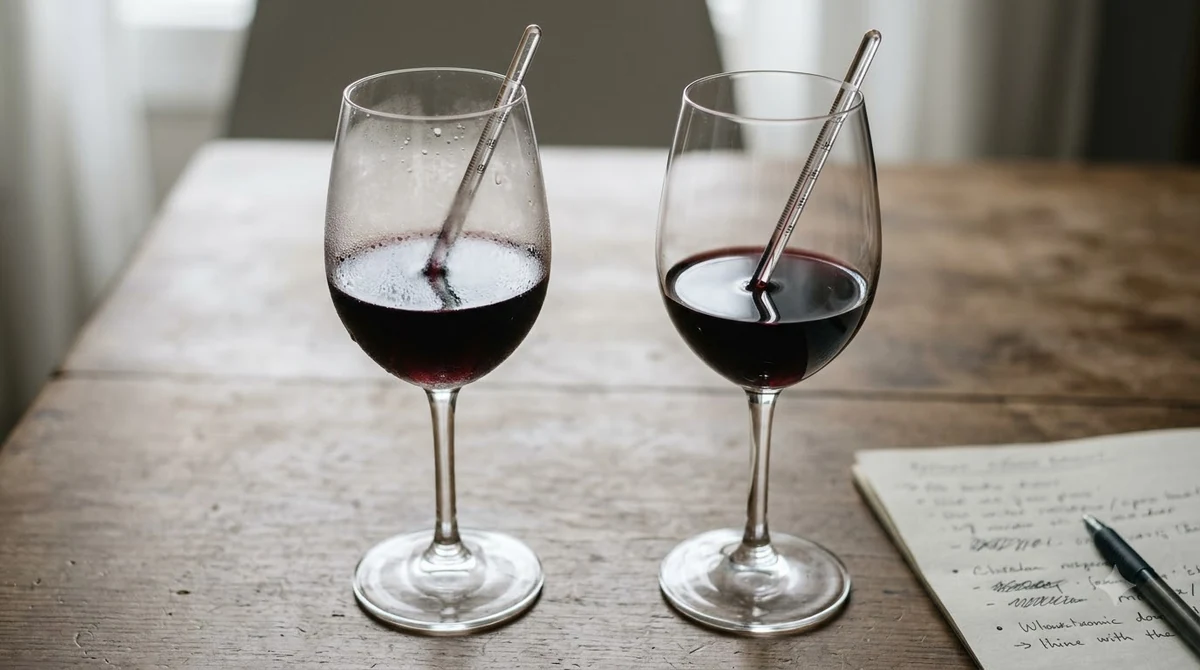
The winery began in 1987 under founder Rollin Soles, who recognized the potential of Oregon’s Willamette Valley for sparkling wine. His original concept focused on growing exceptional Chardonnay and Pinot Noir before turning those grapes into sparkling bottles. That grower-first philosophy remains an important part of Argyle’s identity. The winery now produces both sparkling and still wines, with an emphasis on vineyard character, careful blending, and vintage expression.
First-time buyers have several reasons to consider Argyle. Someone who normally buys Champagne may appreciate the traditional bottle-fermentation approach, while a drinker who prefers red wine can explore the winery’s Pinot Noir. Chardonnay drinkers have another option between lighter, high-acid styles and more structured vineyard-specific bottlings.
Argyle is also a reasonable choice for people who want an American sparkling wine for a dinner party, holiday meal, wedding celebration, or anniversary. Its range includes fresh regional sparkling wines and more developed releases with extended yeast aging. This variety makes it easier to match a bottle to the occasion rather than treating every sparkling wine as interchangeable.
However, Argyle is not necessarily the right starting point for someone who wants inexpensive, simple, sweet wine. Its identity is based on freshness, structure, and more traditional winemaking approaches. Drinkers who prefer soft, low-acid, fruit-forward wines may find some of its sparkling and still selections sharper than expected.
It also helps to recognize that Argyle is a producer rather than a single consistent flavor profile. A regional Brut, a single-vineyard Blanc de Blancs, and a mature Pinot Noir will offer different experiences. Buyers should select according to grape variety, production style, and intended occasion instead of relying on the winery name alone.
Key Factors to Compare Before Buying
The most useful comparisons involve wine category, grape composition, vineyard origin, production method, and aging. These five factors explain much of the difference between Argyle’s introductory bottles and its more specialized selections.
Start with the wine category. Sparkling wine is the natural first stop for anyone exploring Argyle, but its Pinot Noir and Chardonnay deserve attention too. The winery also produces Riesling and other site-specific expressions. Each category has a different purpose: sparkling wine emphasizes acidity and texture, Pinot Noir emphasizes red-fruit character and structure, and Chardonnay offers a range of citrus, orchard-fruit, and oak-influenced possibilities.
Production method is especially important when comparing sparkling wines. Traditional-method sparkling wine undergoes its second fermentation in the bottle. This process can create finer mousse and develop aromas associated with bread, biscuit, pastry, and yeast. Argyle identifies bottle fermentation with proprietary yeasts as part of its sparkling program, and its stated minimum yeast-aging period is three years.
Vineyard origin provides another useful distinction. Knudsen Vineyard is in the Dundee Hills, while Spirit Hill and Lone Star are in the Eola-Amity Hills. Argyle describes Spirit Hill sparkling wines as leaner and more energetic, while Knudsen bottlings tend toward a rounder texture. These differences can matter more to an experienced buyer than the broad distinction between Brut and Rosé.
| Comparison factor | What to look for | Why it matters |
|---|---|---|
| Wine category | Sparkling, Pinot Noir, Chardonnay, Riesling | Determines the basic flavor and serving style |
| Production method | Bottle fermentation for sparkling wines | Develops fine bubbles and yeast-derived complexity |
| Yeast aging | At least 3 years for the stated sparkling program | Influences texture and developed aromas |
| Vineyard origin | Knudsen, Spirit Hill, Lone Star | Highlights differences in site character |
| Wine tier | Willamette Valley, Estate Reserve, single vineyard | Helps identify the intended style and complexity |
| Serving temperature | 40–50°F for sparkling; 55–60°F for light reds | Preserves freshness and balances aromas |
| Bottle size | 750 ml standard bottle | Provides approximately five standard 5-ounce pours |
Another consideration is the vintage. A vintage-dated sparkling wine reflects a particular harvest rather than a completely uniform house blend assembled from several years. Differences in growing-season conditions can influence fruit concentration, acidity, and overall balance. For this reason, two Argyle Brut bottles with different vintage dates may not taste identical even if they share a broad style.
Finally, consider how much complexity you want. A regional Willamette Valley sparkling wine is a sensible introduction, while an extended-tirage release is more appropriate for someone interested in developed yeast character and additional bottle aging. A single-vineyard bottle makes sense when vineyard expression is the main attraction.
Step-by-Step: How to Choose an Argyle Bottle
A simple buying process can narrow the selection considerably. Start with the occasion, identify your preferred wine category, and then compare the production tier and vineyard information before choosing a bottle.
- Decide between sparkling and still wine. Choose sparkling for aperitifs, celebrations, seafood, and versatile food pairing. Select Pinot Noir for poultry, mushrooms, salmon, or roasted vegetables. Choose Chardonnay for seafood, poultry, and richer vegetable dishes.
- Choose your preferred level of complexity. The Willamette Valley sparkling tier is designed for fresh, approachable drinking. Estate Reserve emphasizes greater barrel fermentation and more selective blending. Extended Tirage is the choice for drinkers seeking additional yeast-aged complexity.
- Consider the vineyard. Compare Knudsen and Spirit Hill if you are interested in site-specific sparkling wine. Knudsen generally offers a rounder impression, while Spirit Hill is described by Argyle as leaner and more energetic.
- Choose a grape variety for still wine. Pinot Noir is a good starting point for red-wine drinkers who enjoy acidity and moderate tannin. Chardonnay is appropriate for white-wine drinkers, while Riesling provides another option for those who appreciate freshness and aromatic character.
- Consider whether the wine is intended for immediate enjoyment. Fresh regional sparkling wines are designed for relatively early drinking. More developed releases and structured single-vineyard selections may offer additional interest with bottle age.
- Plan the food pairing. Match sparkling Brut with shellfish, fried appetizers, or salty snacks. Pair Pinot Noir with poultry or mushrooms, and serve Chardonnay alongside roast chicken or richer seafood dishes.
- Choose the appropriate bottle for the gathering. A 750 ml bottle provides approximately five standard 5-ounce servings. For a dinner with six guests, two standard bottles provide a more comfortable amount if everyone wants a full glass.
This process is particularly useful for buyers who are new to the winery. It prevents a common mistake: assuming that the most expensive or most elaborate bottle is automatically the best selection for every occasion. A fresh regional Brut can be more suitable for a casual celebration than an extended-aging release, while a special dinner may justify a vineyard-specific bottle.
For more background on the producer’s range, the Argyle wine overview can help connect individual bottles with the broader winery portfolio. Comparing the wine category first will make that exploration more productive.
Tip: If this is your first Argyle purchase, begin with a Willamette Valley sparkling Brut. It introduces the winery’s traditional-method approach without requiring you to understand the differences between individual vineyard bottlings or extended-tirage releases.
Argyle Wine Types and Styles Explained
Argyle’s portfolio is easier to understand when divided into sparkling tiers and still-wine categories. The sparkling range is the producer’s signature, but Pinot Noir and Chardonnay provide equally useful ways to explore the Willamette Valley’s cool-climate character.
Willamette Valley Sparkling
The regional sparkling tier is the most straightforward introduction. Argyle describes these wines as fresh, approachable, and mineral-driven, with an emphasis on drinking young. Expect a style that emphasizes acidity, fruit, and lively bubbles rather than the extensive development associated with long-aged sparkling wine.
Brut is a useful starting point for buyers who want a dry sparkling wine. It works as an aperitif and can accompany shellfish, oysters, fried seafood, potato appetizers, and mild cheeses. Its acidity can cut through salt and fat, which explains why sparkling wine is so useful at the dinner table.
Estate Reserve Sparkling
Estate Reserve is intended to provide greater refinement and aging potential. Argyle identifies more barrel fermentation, selected vineyard blocks, and precise blending as characteristics of this tier. Those choices can create additional structure and texture while retaining the freshness associated with Oregon sparkling wine.
This category is worth considering for buyers who already enjoy the regional Brut and want something with more depth. A structured Estate Reserve bottle can accompany a full meal rather than functioning only as a welcome drink.
Single-Vineyard Sparkling
Single-vineyard wines provide a more specific expression of the land. Argyle’s Knudsen Vineyard bottlings offer a rounder, softer texture, while Spirit Hill wines are described as leaner and more energetic because of the site’s cooling influences.
Knudsen is particularly interesting because the vineyard has a long history in the Dundee Hills. Its plantings date to 1972, and Argyle identifies it as a foundation vineyard for its sparkling program. Spirit Hill, by comparison, offers a useful example of the Eola-Amity Hills’ influence on freshness and site character.
Extended Tirage Sparkling
Extended Tirage is the most specialized part of the sparkling range. Argyle describes its Extended Tirage Brut as spending more than a decade on the yeast before disgorgement on demand. Extended contact with yeast can produce aromas and flavors associated with toasted bread, nuts, pastry, and other developed characteristics.
This is a bottle for someone who already enjoys traditional-method sparkling wine and wants to explore the effects of extended aging. It is less essential as a first purchase, but it provides an interesting comparison with younger regional Brut bottlings.
Pinot Noir
Pinot Noir is one of Argyle’s central still-wine categories. Willamette Valley Pinot Noir generally appeals to people who prefer red wines with fresh acidity, moderate body, and more restrained tannin than Cabernet Sauvignon. Common flavor associations include cherry, raspberry, cranberry, earthy notes, and spice, although the precise profile changes with vineyard and vintage.
Argyle also produces more distinctive expressions such as NutHouse and Spirithouse. NutHouse takes its name from the hazelnut plant associated with the original winery location in Dundee. Spirithouse is produced only in vintages that Argyle considers suitable for its highest-level Pinot Noir expression.
Chardonnay and Riesling
Argyle Chardonnay provides an alternative to the sparkling portfolio. Depending on the vineyard and winemaking choices, Chardonnay can combine citrus, apple, pear, mineral notes, and oak-derived texture. Buyers who prefer freshness should look for a regional or less oak-influenced style, while those who enjoy richer white wine may prefer a more structured selection.
Riesling is another important part of the winery’s identity. Its naturally high acidity makes it especially useful with spicy dishes, salty foods, and aromatic Asian-inspired cooking. The sweetness level varies by bottling, so the specific style matters more than the grape name alone.
For readers exploring a broader selection of producers, the Wine Brands guide offers a starting point for comparing regional wine producers and their different approaches to winemaking.
Independent tasting coverage also helps illustrate the differences between individual bottles. For example, Wine Enthusiast’s review of Argyle’s 2019 Knudsen Vineyard Brut describes a 100% Pinot Noir sparkling wine with sourdough, tangerine, Mirabelle plum, and lime characteristics. It is a useful example of how a vineyard-specific sparkling release can differ from a conventional regional Brut.
Common Mistakes When Buying Argyle Wine
The most common purchasing mistakes involve confusing the different sparkling tiers, overlooking the significance of vineyard origin, and choosing a wine without considering sweetness, acidity, or the intended meal. Understanding a few basic distinctions can prevent disappointment.
Assuming Every Argyle Sparkling Wine Tastes the Same
Argyle’s sparkling range includes regional, Estate Reserve, single-vineyard, and Extended Tirage selections. These categories differ in vineyard selection, production choices, and aging. A fresh regional Brut is not intended to taste like a sparkling wine that has spent more than ten years on its yeast.
Buyers should also recognize the distinction between Brut and sweeter sparkling categories. Brut is generally dry, while Extra Dry is actually sweeter than Brut. Demi-Sec is noticeably sweeter, making it more suitable for certain desserts and sweeter food pairings.
Confusing American Sparkling Wine With Champagne
Argyle uses the traditional bottle-fermentation approach, but it is an Oregon producer rather than a Champagne house. Champagne is a geographically protected wine designation associated with a specific French region. The production method can be similar without the wines being identical in origin, regulations, or regional character.
This distinction is important for buyers who want traditional-method bubbles but are also interested in American wine. Argyle offers a distinctly Oregon interpretation using grapes suited to the Willamette Valley’s cool climate.
Choosing by Grape Name Alone
Pinot Noir is not a single uniform style. A lighter regional bottling can be very different from a more concentrated, structured single-vineyard wine. The same principle applies to Chardonnay, where oak treatment and vineyard origin can have a considerable influence on the finished wine.
Instead of assuming that every Pinot Noir will be light or every Chardonnay will be buttery, consider the specific bottling and intended style. This is particularly useful when buying a bottle for someone whose preferences are already established.
Serving Sparkling Wine Too Warm
Sparkling wine loses some of its refreshing character when served too warm. A temperature of 40–50°F helps preserve freshness and maintain the impression of lively bubbles. A bottle that has been sitting in a warm kitchen for an hour may seem less crisp than intended.
Still red wines can also suffer from incorrect serving temperatures. Pinot Noir is generally better around 55–60°F than at a warm room temperature of 70°F or higher. Slightly cooler service can make the fruit and acidity more apparent while keeping alcohol from dominating the experience.
Pairing Tannin With Delicate Seafood
Pinot Noir usually has less tannin than Cabernet Sauvignon, but it is still a red wine with some structure. Delicate white fish and oily fish can be difficult partners for tannic reds. Sparkling wine or Chardonnay is often a more flexible choice for seafood dishes.
Salt and fat can soften the perception of tannin, which is why a red wine may work better with a rich mushroom dish or fatty meat than with a delicate seafood preparation. Similarly, chili heat can feel more intense alongside wines with higher alcohol and tannin. For spicy dishes, aromatic Riesling is often a more comfortable pairing.
Serving, Food Pairing, and Storage Tips
Proper serving conditions help preserve the balance of Argyle’s wines. Sparkling wine benefits from colder service, while Pinot Noir and Chardonnay generally show more detail when served at temperatures appropriate to their structure.
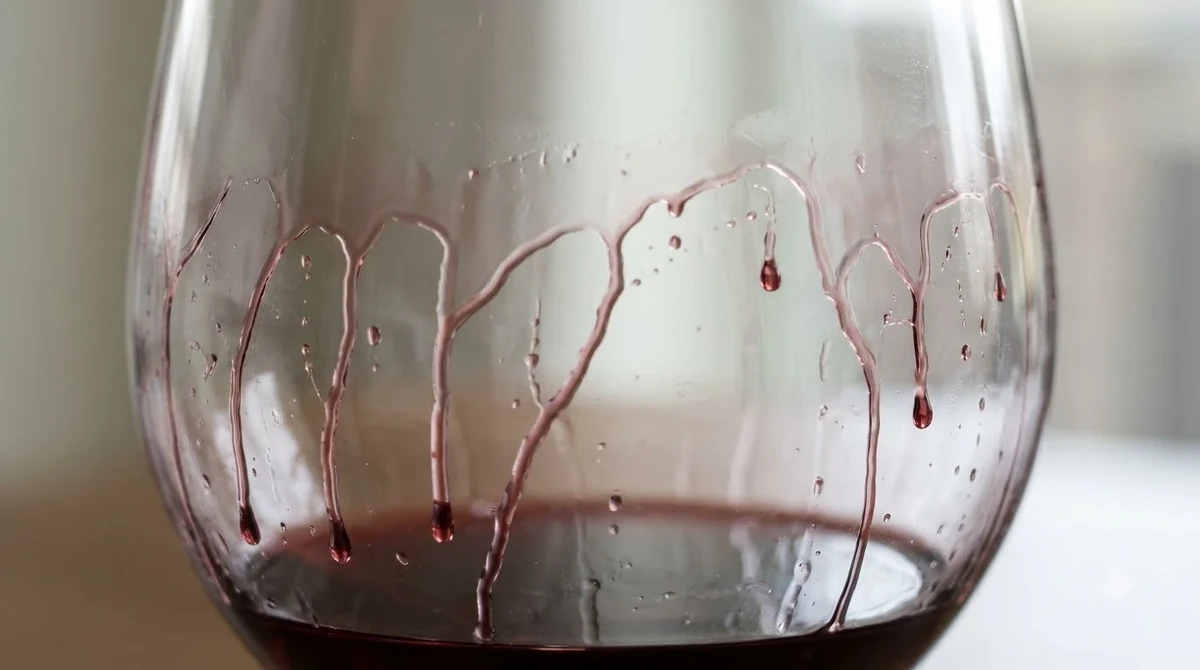
For sparkling Argyle wines, aim for 40–50°F. This temperature range preserves freshness while allowing the wine’s fruit and developed aromas to remain accessible. Use a wine glass with enough room for the aromas to develop rather than relying exclusively on a narrow flute. A tulip-shaped sparkling glass is a practical compromise between bubble retention and aroma concentration.
For still whites, use the following general temperature guidelines:
- Light whites: 45–50°F.
- Fuller Chardonnay: 50–55°F.
- Sweet whites: 43–50°F.
Argyle Pinot Noir is best served around 55–60°F. If a bottle has been stored at typical room temperature, a short period in the refrigerator can bring it closer to the preferred range. Avoid serving it excessively warm, since alcohol can become more noticeable and the wine may seem less balanced.
Food Pairings for Argyle Sparkling Wine
Brut sparkling wine is particularly versatile because its acidity and bubbles work well with salty, rich, and fried foods. Oysters, shrimp, crab cakes, fried chicken, potato chips, and soft cheeses are useful choices. The wine’s acidity helps refresh the palate between bites.
Rosé sparkling wine can accompany salmon, tuna, roasted poultry, and dishes with berry-based sauces. A fuller, more developed sparkling wine with brioche and nutty characteristics can also work with roast chicken, mushroom dishes, and richer appetizers.
Food Pairings for Pinot Noir and Chardonnay
Pinot Noir pairs naturally with roast chicken, duck, pork, mushrooms, and grilled salmon. Its relatively moderate tannin and fresh acidity make it more adaptable than heavily tannic red wine. Mushroom risotto is particularly suitable because its savory character complements the earthy side of Pinot Noir.
Chardonnay is useful with roast chicken, lobster, scallops, creamy pasta, and grilled vegetables. A fresher, less oak-influenced Chardonnay works with lighter seafood preparations, while a richer style can support butter-based sauces and roasted poultry.
Riesling can be a strong partner for dishes with ginger, chili, and aromatic spices. Its high acidity and possible residual sweetness help balance the heat. The basic pairing principle is to avoid serving a wine that tastes less sweet than a sweet dessert, since the wine may seem thin or sour alongside the food.
Storage and Open-Bottle Care
Store unopened bottles in a cool, dark location with relatively stable temperatures. Around 55°F is a useful target for longer-term storage. Traditional cork-finished bottles are generally best stored horizontally so the cork remains in contact with the wine. Avoid locations near radiators, ovens, windows, or other sources of temperature fluctuations.
After opening, sparkling wine should be refrigerated and sealed with a suitable sparkling-wine stopper. It generally retains useful quality for about one to three days, depending on the wine and closure. Still wines typically keep for approximately three to five days in the refrigerator when properly recorked.
Serve a standard 750 ml bottle in approximately five 5-ounce portions. This makes it easy to estimate quantities for a dinner party without pouring excessively large glasses. For a tasting with several Argyle styles, smaller pours allow guests to compare the regional Brut, a Rosé, and a single-vineyard selection without becoming overwhelmed.
For another perspective on the winery’s sparkling range, K&L Wine Merchants’ Argyle sparkling wine overview discusses the producer’s vineyard sourcing, bottle fermentation, yeast aging, and differences between its regional and extended-tirage releases.
Frequently Asked Questions
Is Argyle wine made in Oregon?
Yes. Argyle Winery is based in Dundee, Oregon, in the Willamette Valley. Its vineyards include properties in the Dundee Hills and Eola-Amity Hills, two important Oregon wine-growing areas. The winery’s regional identity is central to both its sparkling and still wines.
Does Argyle produce sparkling wine without alcohol?
Argyle’s traditional sparkling wine portfolio consists of alcoholic wines rather than a dedicated alcohol-free range. Traditional bottle fermentation produces an alcoholic finished wine, and the specific alcohol percentage depends on the bottling. Buyers looking for alcohol-free sparkling alternatives should explore producers that specifically identify their wines as dealcoholized.
What does disgorgement mean in Argyle sparkling wine production?
Disgorgement is the step in traditional-method sparkling production that removes the yeast sediment accumulated during bottle aging. The process helps produce a clear finished wine while preserving the bubbles created during the second fermentation. Argyle states that its Extended Tirage Brut is disgorged on demand.
Can Argyle sparkling wine be aged after purchase?
Some Argyle sparkling wines are designed with additional aging potential, particularly the Estate Reserve and Extended Tirage categories. The best approach depends on the specific vintage and release. Proper temperature stability and protection from light are important if keeping a bottle for several additional years.
Where can visitors taste Argyle wines in person?
Argyle operates a Tasting House at 691 OR-99W in Dundee, Oregon. The winery offers guided sparkling-only and mixed tasting flights, and its published reservation information describes experiences lasting approximately one hour. The tasting room also welcomes walk-ins subject to availability.
Argyle is a compelling Oregon producer for anyone interested in traditional-method sparkling wine, fresh Pinot Noir, and vineyard-specific Chardonnay. Its Willamette Valley Brut is a logical introduction, while Estate Reserve, single-vineyard, and Extended Tirage releases provide more specialized experiences. Choose according to the occasion and preferred style, and Argyle offers a rewarding way to explore the diversity of Oregon wine.
More in Wine Brands
 Underwood Wine Price: Compare Bottles, Cans, and Pack SizesUpdated Nov 21, 2026
 Zenato Wine Price: Compare Styles and Choose the Right BottleUpdated Nov 21, 2026
 Zuccardi Wine Price: Compare Bottles and Find the Right RangeUpdated Nov 21, 2026
 Yellow Tail Moscato Review: Taste, Sweetness and Serving TipsUpdated Nov 21, 2026
 Wolf Blass Yellow Label Review: Choose Your Best StyleUpdated Nov 21, 2026
 Wolffer Estate Rose Review: Choose the Right Bottle for Your TableUpdated Nov 21, 2026