

We may earn a commission when you buy through links on this page, at no extra cost to you. Learn more.
This almaden wine review finds that Almaden is a practical choice for affordable everyday wine, particularly for drinkers who value familiar varieties, approachable fruit flavors, and convenient boxed packaging. Its selection includes Chardonnay, Cabernet Sauvignon, Merlot, Moscato, White Zinfandel, and several other traditional styles. The brand’s main strengths are accessibility, straightforward drinking styles, and Bag-In-Box packaging that can preserve opened wine for up to six weeks, according to the producer.
Almaden has a much longer history than its everyday supermarket-wine positioning might suggest. Founded in California in 1852, the winery has moved through several generations of ownership and winemaking, eventually becoming part of The Wine Group. Today, its appeal centers on familiar wines designed for casual meals, relaxed gatherings, and households that prefer having wine available without opening a new bottle every time. Understanding the differences between its varieties, sweetness levels, and packaging options makes choosing an Almaden wine considerably easier. Readers comparing other wine brands can also use these factors to understand where Almaden fits into the everyday wine category.
Who This Is For: Everyday Wine Drinkers and Boxed Wine Buyers
Almaden is most suitable for shoppers who want recognizable wine styles, convenient serving options, and straightforward fruit-forward profiles rather than collectible bottles or complex cellar-worthy wines. Its selection covers several common preferences, from dry Cabernet Sauvignon to sweeter Moscato and White Zinfandel.
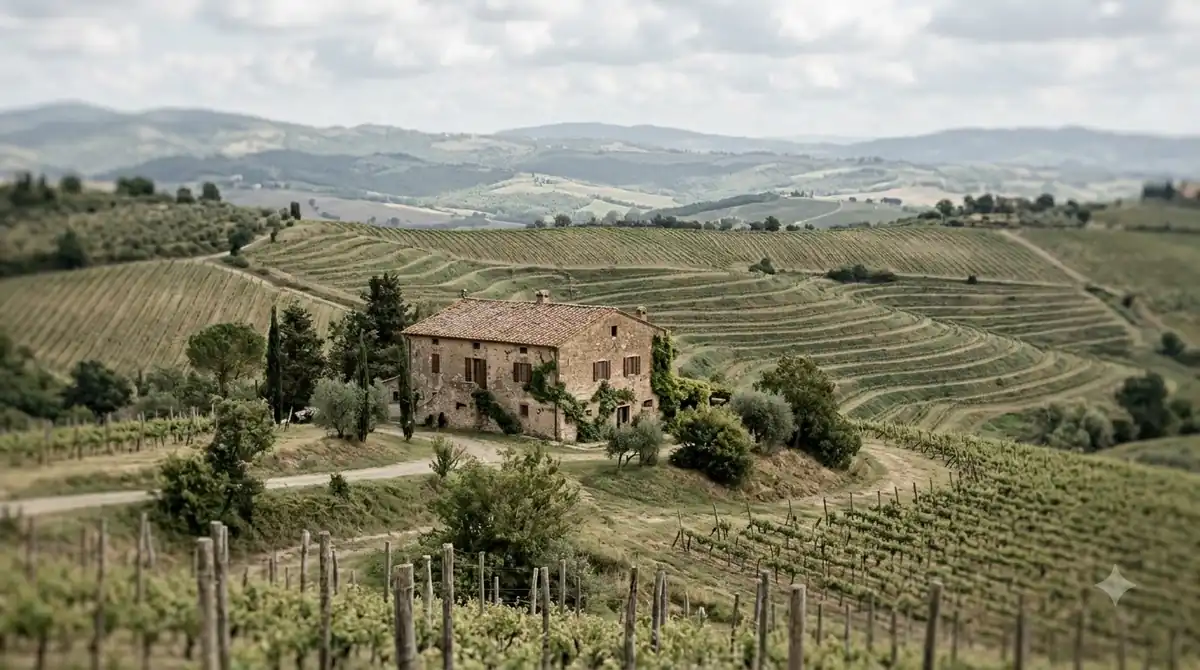
The brand’s history dates to 1852, when Etienne Theé planted vines brought from France in California. The winery takes its name from a local mine near Los Gatos. That heritage gives Almaden a place in California wine history, although its current positioning is considerably different from that of small-production estate wineries. The modern range emphasizes approachable wines and practical packaging rather than limited vineyard releases or elaborate aging programs.
One of Almaden’s strongest selling points is its Bag-In-Box format. The packaging makes sense for households that pour wine occasionally throughout the week, people who entertain several guests, and home cooks who want wine available for sauces and other recipes. A 3-liter container holds the equivalent of four standard 750 ml bottles, while the 5-liter format contains approximately 6.5 bottles.
However, shoppers looking for detailed vineyard information, vintage-specific tasting notes, or highly distinctive regional expressions may prefer exploring smaller wineries. Almaden’s official descriptions concentrate on recognizable fruit flavors and general body characteristics rather than extensive information about individual vineyards or production techniques.
It is also important to distinguish historical reputation from present-day expectations. Almaden’s founding date does not mean every current wine has the character of an old-world California estate bottling. Its practical value comes primarily from consistency of style, accessibility, and packaging convenience.
Key Factors to Compare Before Buying Almaden Wine
The most useful comparisons involve sweetness, grape variety, body, packaging size, and storage requirements. Almaden offers enough variety to accommodate different preferences, but choosing the right bottle or box depends on understanding what each wine is intended to deliver.
The following comparison summarizes the principal varieties listed on Almaden’s official wine selection page. Flavor descriptions are the producer’s own descriptions, so they should be treated as style indicators rather than independent tasting scores.
| Wine | Style | Body or Character | Described Flavor Profile |
|---|---|---|---|
| Chardonnay | White | Medium-bodied | Apple, pear, crisp finish |
| Pinot Grigio Colombard | White | Crisp and refreshing | Tropical fruit, lemon zest, peach, pear |
| Cabernet Sauvignon | Red | Medium-bodied | Cherry and plum |
| Merlot | Red | Medium-bodied, soft | Blackberry and raspberry |
| Moscato | White | Fresh and fruity | Guava and Bartlett pear |
| White Zinfandel | Blush | Light and refreshing | Strawberry |
| Rhine | White | Crisp | Apple, pineapple, floral notes |
| Chablis | White | Light-to-medium-bodied | Citrus and pear |
| Burgundy | Red | Full-bodied | Fruity character |
Sweetness deserves particular attention because white wines are not automatically sweet, and red wines are not automatically dry in their perceived fruit character. Almaden describes its Chardonnay as dry, while its Rhine is semi-sweet. Moscato is the more obviously fruit-oriented choice, but the producer’s description emphasizes refreshing acidity alongside its guava and pear flavors.
Packaging is another important comparison. The brand’s 3-liter and 5-liter Bag-In-Box formats are designed for different consumption needs. A 3-liter package is equivalent to four standard 750 ml bottles, making it a reasonable starting point for a household that drinks wine regularly. The larger 5-liter format makes more sense when several people share wine or when the wine is also used for cooking.
For a broader introduction to the brand’s selection, the Almaden wine overview provides another useful starting point before choosing a particular variety.
Step-by-Step: How to Choose the Right Almaden Wine
Choosing an Almaden wine is easier when the decision starts with the occasion and preferred flavor rather than the grape name alone. Five practical steps can narrow the selection to a suitable red, white, or blush wine and the right package size.
-
Decide whether you want red, white, or blush wine.
Start with the basic category. Choose Cabernet Sauvignon, Merlot, or Burgundy for red wine. Consider Chardonnay, Pinot Grigio Colombard, Rhine, or Chablis for white wine. White Zinfandel provides a blush alternative, while Moscato is suited to drinkers who prefer a fruit-forward white.
-
Choose your preferred sweetness level.
For a dry white, Almaden’s Chardonnay is a sensible starting point. For a crisp, semi-sweet profile, consider Rhine. Moscato and White Zinfandel are useful options for people who enjoy more noticeable fruit character. If sweetness is particularly important, compare the descriptions and nutritional information instead of assuming that all wines in one color category taste alike.
-
Match the body and tannin to your preferences.
Cabernet Sauvignon generally has more pronounced tannin than Merlot, while Merlot is usually softer and rounder. Almaden describes both its Cabernet Sauvignon and Merlot as medium-bodied, making them familiar options for casual red-wine drinkers. Burgundy is the fuller-bodied red in the listed range.
-
Consider the amount of wine you need.
A standard 750 ml bottle contains approximately five 5-ounce glasses. Almaden’s 3-liter box holds around 20 such glasses, while its 5-liter box holds approximately 33. These amounts make a difference when buying for a couple, a household, or a larger gathering.
-
Choose packaging that matches your drinking habits.
For occasional drinking, consider whether a smaller available package would be more practical than a large box. For regular use, Bag-In-Box packaging offers an advantage because the dispensing system limits exposure to oxygen compared with repeatedly opening and closing a conventional bottle.
Food pairing can help settle the decision when two varieties seem equally appealing. Cabernet Sauvignon generally works with grilled beef, burgers, and other substantial dishes. Merlot is a flexible option for roast chicken, meatloaf, and tomato-based pasta. Chardonnay can accompany roast chicken or creamy dishes, while Pinot Grigio Colombard is a natural candidate for seafood and lighter meals.
Tip: If you are buying Almaden for a household with different wine preferences, start with a dry white, a medium-bodied red, and a fruitier option such as White Zinfandel. This gives guests several recognizable styles without assuming everyone prefers the same sweetness level.
Types and Styles Explained: What Each Almaden Wine Offers
Almaden’s selection includes traditional red and white varieties alongside sweeter and blush styles. The best choice depends on whether you prefer crisp acidity, softer red fruit, darker fruit flavors, or noticeable sweetness.
Red Wines: Cabernet Sauvignon, Merlot, and Burgundy
Almaden Cabernet Sauvignon is described as a dry, medium-bodied red with cherry aromas and plum flavors. Cabernet Sauvignon is naturally associated with relatively high tannin, so this style is generally more suitable for people who enjoy a structured red wine. Grilled steak, hamburgers, and aged hard cheeses are useful pairing choices because protein, fat, and salt can soften the perception of tannin.
Merlot offers a softer alternative. Almaden describes its Merlot as medium-bodied, with blackberry aromas and raspberry flavors. Merlot typically has medium tannin and a rounder impression than Cabernet Sauvignon. It is an accessible choice for meatloaf, roasted vegetables, mushroom dishes, and everyday pasta meals.
Burgundy is listed separately in Almaden’s range and described as a full-bodied red with fruity character. The name should not be confused with a guarantee that the wine is an authentic Burgundy from France. In this context, it is a product name within the brand’s American wine selection, not proof of French regional origin.
White Wines: Chardonnay, Pinot Grigio Colombard, Rhine, and Chablis
Almaden Chardonnay is a dry, medium-bodied white with apple and pear flavors. Chardonnay generally has medium acidity, which gives it flexibility with roast chicken, pork, creamy pasta, and mild cheeses. It is a sensible option for people who want a recognizable white wine without the sharper acidity commonly associated with Sauvignon Blanc.
Pinot Grigio Colombard has a different profile. The producer describes tropical fruit and lemon zest aromas, followed by peach, pear, and mineral notes. Its crisp character makes it useful with seafood, salads, grilled vegetables, and lighter appetizers. It is a good starting point for shoppers who prefer refreshing white wine.
Rhine is the more clearly semi-sweet option in the official descriptions. Its floral aromas and apple and pineapple flavors make it suitable for drinkers who prefer a softer, fruitier white. Chablis, meanwhile, is described as light-to-medium-bodied with citrus and pear character. The name should be understood as Almaden’s product designation rather than an indication that the wine necessarily comes from the Chablis appellation in France.
Fruit-Forward Choices: Moscato and White Zinfandel
Moscato is a particularly useful choice for people who like expressive fruit flavors. Almaden describes guava and Bartlett pear, with refreshing acidity balancing the fruit. Moscato is commonly served well chilled and can accompany fruit desserts, mild cheeses, and lightly spiced dishes.
White Zinfandel is a blush wine with strawberry aromas and flavors. Its lighter, refreshing character makes it suitable for casual gatherings, outdoor meals, and appetizers. It can also work with mildly spicy food, although very hot chili dishes may still make the alcohol in wine seem more pronounced.
Neither Moscato nor White Zinfandel should automatically be treated as identical in sweetness. Their individual balance depends on the finished wine, and the exact sweetness impression can vary between products. The official flavor descriptions offer a useful starting point, but they do not provide a complete numerical sweetness scale for every variety.
Almaden’s range is therefore best approached by style rather than by assuming one variety represents the entire brand. A shopper who enjoys dry reds may prefer Cabernet Sauvignon, while someone seeking a fruit-forward white may find Moscato more suitable.
Common Mistakes When Buying Almaden Wine
The most common buying mistakes involve confusing product names with regional origins, assuming all boxed wine is sweet, and choosing a large package without considering consumption habits. Understanding these differences helps prevent disappointment and makes the selection process more straightforward.
Assuming that every Almaden wine is sweet: This is one of the most persistent misconceptions about approachable supermarket wines. Almaden lists dry Chardonnay and Cabernet Sauvignon alongside semi-sweet Rhine and fruit-forward Moscato. The range is broader than a single sweetness category, so buyers should choose according to the individual wine description.
Confusing familiar wine names with protected European regions: Chablis and Burgundy have specific meanings in French wine geography. Almaden’s use of these names in its product lineup should not be interpreted as proof of French origin. Shoppers who specifically want wines from Burgundy or Chablis should look for the applicable geographical designation and producer information.
Expecting the history to guarantee premium wine characteristics: Almaden’s 1852 founding date is an important part of its heritage, but it does not mean every current product is made like a small-production estate wine. Its current emphasis is on accessible styles and practical packaging. Buyers seeking vineyard-specific character, long aging potential, or complex vintage differences may need to look elsewhere.
Buying a large box without considering freshness: The six-week freshness claim is an important packaging advantage, but it is not a reason to buy more wine than a household can reasonably use. The manufacturer describes its Bag-In-Box wines as remaining fresh for up to six weeks after opening, provided they are stored appropriately. The actual experience depends on correct refrigeration and handling.
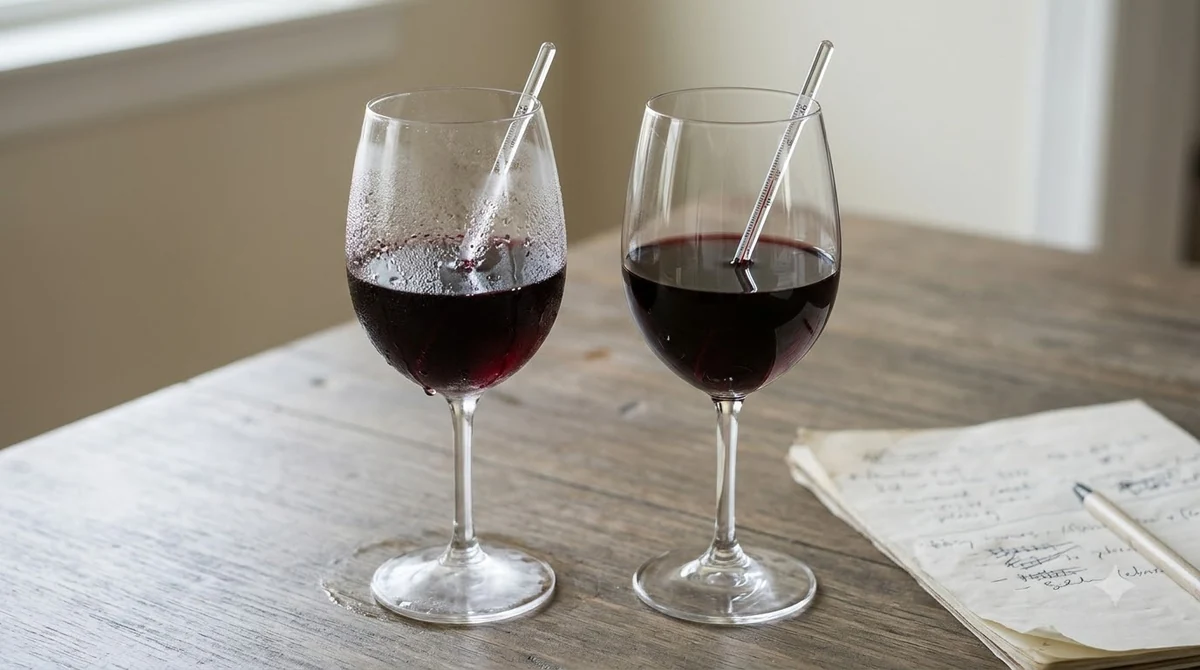
Serving every variety at the same temperature: A full-bodied red served too warm can seem heavy, while an extremely cold white may lose its aromatic character. Almaden’s own guidance recommends approximately 65°F for red wines and 52°F for crisp whites. These differences can make a noticeable contribution to the drinking experience.
Expecting every package to contain the same quantity: A 3-liter box and a 5-liter box are not interchangeable. The former is equivalent to four standard 750 ml bottles, while the latter is equivalent to approximately 6.5. Choosing the right size is important when planning storage space and household consumption.
Care and Storage Tips for Almaden Bag-In-Box Wine
Proper storage helps preserve Almaden wine after opening, and its Bag-In-Box packaging is designed to reduce oxygen exposure. Refrigeration, a stable storage environment, and sensible serving temperatures are the most important practical considerations.
Almaden recommends keeping unopened wine away from direct light, heat, and vibration. A cool, dark cupboard or cellar is preferable to a warm kitchen or a shelf exposed to sunlight. The company also emphasizes maintaining a relatively constant temperature rather than exposing the wine to frequent temperature changes.
After opening, refrigerate both red and white Bag-In-Box wines. This differs from the traditional habit of leaving red wine on a kitchen counter. Almaden specifically recommends removing its refrigerated red wine approximately one hour before serving so that it can warm toward a more suitable drinking temperature.
The producer states that its opened Bag-In-Box wines can remain fresh for up to six weeks. This is a significant convenience compared with the typical three-to-five-day refrigerated storage window for opened conventional still wines. The claim relates to the brand’s packaging system, not a universal guarantee for every boxed wine on the market.
| Storage or Serving Detail | Almaden Guidance | Practical Application |
|---|---|---|
| 3-liter Bag-In-Box | Four 750 ml bottles | Approximately 20 five-ounce glasses |
| 5-liter Bag-In-Box | About 6.5 bottles | Approximately 33 five-ounce glasses |
| Opened boxed wine | Up to six weeks | Refrigerate after opening |
| Red wine serving | About 65°F | Allow refrigerated red wine to warm before pouring |
| Light red or White Zinfandel | About 57°F | Serve slightly chilled |
| Crisp white wine | About 52°F | Serve chilled without overcooling |
These serving recommendations come from Almaden’s official FAQ. For a broader wine-serving reference, light-bodied whites and rosés are commonly served around 45°F to 50°F, while fuller-bodied whites are generally better around 50°F to 55°F. Light reds are often most enjoyable around 55°F to 60°F. The precise preference depends on the wine’s body and style.
Almaden’s packaging history also helps explain its emphasis on freshness. In 2008, the company replaced large 3-liter and 4-liter glass containers with vacuum-sealed Bag-In-Box packaging. The company reports a 55% reduction in carbon footprint compared with the previous glass packaging. Its FAQ also explains that the freshness assurance date is printed on each box to help shoppers identify the recommended freshness period for unopened wine.
Packaging innovation has been part of the brand’s history beyond the larger boxes. Packaging World’s coverage of Almaden’s single-serve wine packaging documents the introduction of a 500 ml Tetra Prisma package for Red Sangria, illustrating the company’s interest in alternative formats.
For serving, use an ordinary wine glass rather than drinking directly from the box. A standard 5-ounce pour makes it easier to compare servings and estimate how much wine remains. If the wine is being used in cooking, choose a variety whose flavor complements the recipe instead of assuming that any red or white wine will produce the same result.
Shoppers comparing alcohol levels across varieties can also consult the Almaden wine alcohol content guide before selecting a style for a particular occasion.
Frequently Asked Questions
Is Almaden an American wine brand?
Yes. Almaden originated in California, where Etienne Theé established its vineyards in 1852. Its historical association is with the Los Gatos area, although its modern operations and ownership are different from those of the original winery.
Who owns Almaden wine?
Almaden is part of The Wine Group, according to its official company history. The Wine Group is the corporate organization behind the brand today, rather than the original family associated with its nineteenth-century founding.
Does Almaden wine contain sulfites?
Wine can contain naturally occurring sulfites, and sulfites may also be present as a result of winemaking practices. The precise amount can differ between varieties and production batches. For a particular Almaden product, consult its current packaging and the manufacturer’s product information.
Can Almaden boxed wine be used for sangria?
Yes. A fruit-forward red wine can provide a practical base for homemade sangria. Almaden’s medium-bodied Cabernet Sauvignon or Merlot can be considered for a red version, while a white wine can provide a different starting style. Add fruit and other recipe ingredients according to the sweetness and acidity of the finished drink.
Does Almaden sell wine directly through its website?
No. Almaden’s official FAQ states that it does not sell wine directly to consumers through its website or by direct mail. The company directs shoppers to local wine retailers and recommends requesting a special order when a particular variety is unavailable.
Overall, Almaden is best considered a practical everyday wine brand with a long California history, familiar varietal choices, and particularly convenient boxed packaging. Cabernet Sauvignon, Merlot, Chardonnay, Moscato, and White Zinfandel provide useful starting points for different preferences. Choose the variety that matches your preferred sweetness and body, then select a package size that suits how frequently you drink wine.
More in Wine Brands
 Underwood Wine Price: Compare Bottles, Cans, and Pack SizesUpdated Nov 21, 2026
 Zenato Wine Price: Compare Styles and Choose the Right BottleUpdated Nov 21, 2026
 Zuccardi Wine Price: Compare Bottles and Find the Right RangeUpdated Nov 21, 2026
 Yellow Tail Moscato Review: Taste, Sweetness and Serving TipsUpdated Nov 21, 2026
 Wolf Blass Yellow Label Review: Choose Your Best StyleUpdated Nov 21, 2026
 Wolffer Estate Rose Review: Choose the Right Bottle for Your TableUpdated Nov 21, 2026