

We may earn a commission when you buy through links on this page, at no extra cost to you. Learn more.
The best wine for fathers day is a bottle that matches Dad’s favorite wine style, whether that means a bold Cabernet Sauvignon for steak, a smooth Pinot Noir for dinner, or a crisp Chardonnay for a relaxed afternoon. The right choice depends on his usual preferences, the Father’s Day menu, and whether the bottle is intended for immediate enjoyment or as a memorable gift. You do not need an expensive or complicated wine to make the occasion special; a thoughtfully selected bottle is often the better present.
Father’s Day is a good opportunity to choose something a little more personal than an everyday bottle. Some dads appreciate the structure of a full-bodied red, others prefer refreshing white wines, and some would rather celebrate with sparkling wine or a glass of something sweet after dinner. The trick is to start with what he actually enjoys drinking, then consider the meal and the setting. This guide explains which wine styles make particularly good gifts, how to compare them, and how to serve the bottle properly so it becomes part of the celebration.
Who This Is For: Finding a Bottle That Suits Dad
The right Father’s Day wine should reflect the recipient rather than a generic idea of what a father is supposed to drink. Start with his preferred grape, color, and level of sweetness, then consider whether he will open the bottle with family or save it for another occasion.
For the traditional red wine drinker: Cabernet Sauvignon, Merlot, and Malbec are useful starting points. Cabernet Sauvignon has pronounced tannin and a fuller structure, making it a natural option for someone who enjoys powerful reds with steak. Merlot is generally softer, with medium tannin and a more approachable texture. Malbec offers dark-fruit character and works especially well with grilled beef and barbecue.
For someone who prefers lighter wines: Pinot Noir offers red-fruit flavors, comparatively restrained tannin, and refreshing acidity. It is a good option for a father who enjoys red wine but does not want a heavy glass. Chardonnay is another strong choice, particularly for someone who likes a white wine with more body and texture. Sauvignon Blanc is better suited to drinkers who prefer citrus, herbal notes, and a crisp finish.
For the celebratory drinker: Champagne, Cava, and Prosecco make sense when Father’s Day involves a family brunch, an outdoor lunch, or a toast before dinner. Sparkling wine is also useful when several people have different food preferences. Its acidity and bubbles offer a refreshing contrast to salty snacks, fried foods, and richer appetizers.
For someone who enjoys dessert: A sweet red wine, Moscato, or another dessert-style wine can make an appealing after-dinner gift. This is especially relevant if Dad regularly chooses sweeter drinks instead of dry table wine. For additional ideas, compare the styles in this guide to sweet red wine and consider whether a dessert pairing would suit his preferences.
There is also a difference between buying wine for a father who knows his favorite regions and buying for someone who simply enjoys an occasional glass. An experienced wine drinker may appreciate a distinctive grape or regional expression, while a casual drinker may prefer a familiar variety that is easy to serve with dinner.
Finally, consider the occasion itself. A bottle intended for a family steak dinner should be selected differently from one meant for a quiet evening on the patio. The most successful gift is the one that fits naturally into how Dad plans to spend his day.
Key Factors to Compare Before Buying
Four factors make the selection easier: wine color, body, acidity, and tannin. Sweetness and food compatibility also matter, particularly when the bottle will be opened during a Father’s Day meal.
| Wine style | Body and structure | Typical food match | Serving temperature |
|---|---|---|---|
| Cabernet Sauvignon | Full body, high tannin | Steak, lamb, burgers | 60–65°F |
| Merlot | Medium tannin, softer texture | Roast beef, pork, grilled vegetables | 60–65°F |
| Pinot Noir | Light to medium body, lower tannin, high acidity | Chicken, salmon, mushrooms | 55–60°F |
| Malbec | Medium to full body, noticeable tannin | Barbecue, steak, sausages | 60–65°F |
| Chardonnay | Medium body, medium acidity | Roast chicken, seafood, creamy dishes | 50–55°F |
| Sauvignon Blanc | Light body, high acidity | Seafood, salads, grilled chicken | 45–50°F |
| Riesling | High acidity, dry to sweet styles | Spicy food, pork, Asian dishes | 45–50°F |
| Prosecco | Sparkling, refreshing acidity | Appetizers, brunch, salty snacks | 40–50°F |
These comparisons are useful because wine labels do not always communicate how a wine will feel in the glass. Body describes the impression of weight and texture, while acidity creates freshness and makes the mouth water. Tannin creates a drying sensation, especially in red wines. Sweetness ranges from bone-dry to noticeably sweet, and it should be considered separately from fruit flavors. A wine can smell like ripe berries and still be completely dry.
For a father who enjoys bold reds, tannin is an important consideration. Cabernet Sauvignon typically has more tannin than Merlot, while Pinot Noir usually has less. Syrah and Shiraz can also deliver substantial structure, making them appropriate for someone who enjoys powerful wines alongside grilled or roasted food.
Acidity matters just as much with white wines. Sauvignon Blanc and Riesling generally have high acidity, while Chardonnay typically has medium acidity. A crisp white can feel refreshing with seafood or rich appetizers, whereas a fuller Chardonnay may be more satisfying with roasted poultry, butter-based sauces, or creamy dishes.
Sweetness deserves particular attention when choosing a gift. Someone who usually drinks dry wine may not enjoy a sweet red, even if the bottle looks impressive. Conversely, a person who likes sweeter wines may find a highly tannic Cabernet too dry and demanding.
The packaging and bottle format can also affect the experience. A standard 750 ml bottle provides approximately five 5-ounce servings, which is enough for a small family dinner or a few glasses over the weekend. If several relatives are attending, consider whether one bottle will be sufficient for the gathering or whether additional bottles in different styles would be more useful.
Tip: If you are uncertain about Dad’s preferred style, choose the grape he already orders at restaurants. A familiar Pinot Noir or Chardonnay is generally a safer gift than an unfamiliar bottle selected only because it has an impressive-looking label.
Step-by-Step: How to Choose His Father’s Day Wine
A reliable buying process begins with Dad’s preferences and ends with the occasion. Following a few simple steps helps avoid choosing a bottle that looks impressive but does not suit the person receiving it.
-
Identify his preferred wine color.
Start by finding out whether he usually drinks red, white, rosé, or sparkling wine. If he orders Cabernet Sauvignon or Merlot at dinner, begin with a red. If he regularly chooses Chardonnay or Sauvignon Blanc, stay with white unless you have a good reason to experiment.
-
Determine how much structure he enjoys.
Think about whether he likes light and refreshing wines or full-bodied bottles with more intensity. Pinot Noir is a useful choice for a lighter red preference, while Cabernet Sauvignon is more appropriate for someone who enjoys pronounced tannins and concentrated flavors.
-
Consider the Father’s Day menu.
For grilled steak, roasted lamb, and rich burgers, consider Cabernet Sauvignon, Malbec, or Syrah. For grilled fish, chicken, and seafood, Sauvignon Blanc or Chardonnay may be more suitable. If the menu includes several different dishes, a versatile Pinot Noir or sparkling wine can be easier to accommodate.
-
Choose the sweetness level.
Most traditional dinner wines are dry, but not every wine drinker prefers that style. If Dad enjoys sweeter beverages, consider Moscato, an off-dry Riesling, or a sweet red. For a dessert course, select a wine that is at least as sweet as the dessert itself.
-
Consider the occasion and presentation.
A family meal may call for a bottle that everyone can enjoy, while a personal gift can be more distinctive. A wine from a region he loves, a grape he has mentioned, or a meaningful family year can make the selection feel more considered.
-
Think about when he will open it.
If the bottle will be served immediately, prioritize drinkability and food compatibility. If Dad enjoys collecting wine, a bottle with suitable aging potential may be more interesting, but only if he has the right storage conditions and enjoys waiting to open special bottles.
-
Plan the serving experience.
Consider whether the bottle needs chilling, decanting, or time to breathe. A young, full-bodied red can benefit from 30 to 60 minutes of decanting. A sparkling wine should be properly chilled before the celebration begins.
This process also helps when shopping for someone whose preferences are not entirely clear. Instead of guessing based on a label or a recommendation from a friend, use the recipient’s normal drinking habits as the starting point. If the bottle is meant to accompany a meal, the menu should influence the final decision just as much as the grape variety.
For more general selection advice, the wine buying guide provides a useful starting point for understanding the differences between wine styles and making a more informed purchase.
Types and Styles Explained: Reds, Whites, and Sparkling Wine
Different wine styles suit different personalities and Father’s Day activities. The most useful categories are structured reds for substantial meals, softer reds for flexible dining, crisp whites for lighter food, and sparkling wines for celebrations.
Cabernet Sauvignon for Steak Lovers
Cabernet Sauvignon is a classic choice for a father who enjoys full-bodied red wine. Its relatively high tannin, dark-fruit character, and firm structure complement rich dishes such as grilled ribeye, roast beef, and lamb. The fat and protein in these foods soften the perception of tannin, allowing the wine to feel more balanced.
For Father’s Day barbecue, Cabernet Sauvignon works particularly well with beef that has been grilled or roasted rather than heavily coated in a sweet sauce. The combination of savory meat and structured wine creates a satisfying match. A bottle from Napa Valley, Sonoma County, or another established Cabernet-producing region can also make a distinctive gift for someone who enjoys American reds.
Serve full-bodied Cabernet Sauvignon at approximately 60–65°F rather than at an excessively warm room temperature. A young, powerful bottle may benefit from 30 to 60 minutes of decanting to encourage its aromas to develop.
Merlot for a Softer Red Wine
Merlot is an excellent alternative for someone who enjoys red wine but prefers less aggressive tannin. It generally offers a softer texture than Cabernet Sauvignon, with fruit flavors that can include plum, cherry, and blackberry. Its medium tannin makes it flexible with roast beef, pork, grilled chicken, and many family-style dishes.
Merlot is particularly useful when several different foods will be served. A family gathering might include grilled sausages, roasted vegetables, burgers, and cheese, making an excessively powerful wine less convenient. A balanced Merlot can complement several of these dishes without dominating the table.
It is also a sensible choice for someone who drinks red wine occasionally rather than collecting bottles. The style is familiar, relatively easy to pair, and available in a wide range of regional expressions.
Pinot Noir for a More Delicate Red
Pinot Noir suits dads who enjoy complexity without a heavy mouthfeel. It generally has low-to-medium tannin and relatively high acidity, with red-fruit flavors such as cherry and raspberry. Depending on its origin and winemaking, it may also show earthy, savory, or mushroom-like characteristics.
It is particularly useful with grilled salmon, roast chicken, pork tenderloin, and mushroom dishes. These foods often work better with Pinot Noir than with a highly tannic Cabernet Sauvignon. It is also a practical option for a family dinner where both red and white wine drinkers are present.
Oregon’s Willamette Valley and California’s Sonoma Coast are recognizable regions for shoppers exploring American Pinot Noir. Serve the wine at approximately 55–60°F to retain freshness and highlight its aromas.
Malbec and Syrah for Barbecue Enthusiasts
Malbec is a natural consideration for fathers who enjoy grilled meats and bold flavors. It commonly offers dark-fruit character, noticeable tannin, and a medium-to-full body. It can complement beef burgers, smoked meats, grilled sausages, and hearty barbecue dishes.
Syrah, also known as Shiraz in some wine-producing countries, is another option for someone who prefers a more substantial red. Its structure can range from medium-plus to high tannin, with savory characteristics that may include black pepper, dark berries, and earthy notes. It is especially useful with grilled lamb, beef, and richly seasoned dishes.
Both styles are good choices for a Father’s Day gathering centered on outdoor cooking. However, very spicy barbecue sauces deserve some thought. High alcohol and pronounced tannin can amplify the sensation of chili heat, so a softer wine or an off-dry white may be more comfortable with particularly hot dishes.
Chardonnay for a White Wine Drinker
Chardonnay is one of the most versatile white wine gifts because it can offer different textures and flavor profiles. Some versions are crisp and restrained, while others have richer textures and noticeable oak influences. A fuller-bodied Chardonnay can work with roast chicken, lobster, grilled salmon, and dishes prepared with butter or cream.
If Dad likes a rounder, richer white wine, a Chardonnay from Sonoma County or Burgundy may be worth considering. For someone who prefers a fresher style, look for a less-oaked expression with more pronounced citrus and apple characteristics.
Serve fuller-bodied Chardonnay at approximately 50–55°F. This temperature allows its texture and aromatic detail to come through without making the wine feel excessively warm.
Sauvignon Blanc and Riesling for Refreshing Options
Sauvignon Blanc is a good match for fathers who enjoy crisp, aromatic white wines. Its high acidity and citrus or herbal characteristics can complement grilled seafood, shrimp, chicken, salads, and lighter appetizers. It is also a useful option for an afternoon gathering in warm weather.
Riesling offers a wider range of sweetness levels. Dry Riesling can be refreshing and food-friendly, while off-dry versions are particularly useful with dishes containing chili heat or sweet and savory sauces. Its high acidity helps balance sweetness and keeps the wine from feeling heavy.
If Dad regularly prefers crisp white wine, these varieties are good alternatives to a fuller Chardonnay. You can explore additional options in our dry white wine guide, especially if you are trying to find a bottle that emphasizes freshness rather than richness.
Prosecco, Champagne, and Cava for Celebrations
Sparkling wine can make a memorable Father’s Day gift even when the recipient does not regularly drink still wine. Prosecco is made primarily from Glera grapes and uses the tank method, which preserves its fresh fruit character and lively bubbles. It generally has an alcohol level around 11–12% ABV.
Champagne and Cava use bottle fermentation for their secondary fermentation, which can produce more developed aromas and a different texture. Champagne is a familiar choice for a formal celebration, while Cava provides another traditional sparkling style for a family toast.
Brut is a useful starting point for someone who prefers a dry sparkling wine. Extra Dry, despite its name, is sweeter than Brut, while Demi-Sec and Doux offer progressively sweeter styles. This distinction is helpful when choosing a sparkling gift for someone who does not enjoy very dry wines.
Common Mistakes When Choosing Father’s Day Wine
The most common mistakes involve prioritizing prestige over preference, ignoring the food, and misunderstanding sweetness or serving temperature. Avoiding these problems makes a wine gift more likely to be enjoyed rather than simply admired.
Choosing the Most Expensive Bottle
A prestigious wine is not automatically a good gift. Someone who prefers soft Merlot may not appreciate a heavily structured Cabernet Sauvignon, even if the latter comes from a famous region. Similarly, a father who usually drinks white wine may be less interested in an expensive red than in a thoughtfully selected Chardonnay.
Choose quality within a style he enjoys. A well-made wine that fits his preferences is more meaningful than an unfamiliar bottle selected to make an impression.
Assuming Every Red Wine Works With Steak
Steak is a classic match for red wine, but the cut, preparation, and sauce affect the best choice. A rich ribeye can handle a tannic Cabernet Sauvignon, while a leaner cut or a lighter preparation may be better with Pinot Noir or Merlot.
Seasonings also matter. A pepper-heavy steak may work particularly well with Syrah, while a sweet barbecue glaze may make a very dry, tannic wine seem less balanced. Consider the whole plate rather than the protein alone.
Ignoring Sweetness in Food Pairings
Sweet food can make a dry wine seem more acidic, bitter, or thin. This is particularly noticeable with dessert. If Dad enjoys cheesecake, fruit tart, or another sweet course, select a wine with equal or greater sweetness than the dessert.
Acidity deserves similar attention. Acidic foods need a wine with equal or higher acidity so the wine does not taste flat beside the dish. Sauvignon Blanc and Riesling are useful options with citrus-based sauces, vinaigrettes, and other acidic preparations.
For a more detailed explanation of how sweetness, acidity, tannin, and food texture influence pairing decisions, see Wine Folly’s guide to food and wine pairing. Its pairing principles are especially useful when the Father’s Day menu includes several different courses.
Pairing Tannic Wine With Spicy Food
Chili heat can make alcohol and tannin feel more pronounced. A powerful Cabernet Sauvignon may therefore be an uncomfortable match for heavily spiced barbecue, hot wings, or chili-based dishes.
A softer red, a refreshing sparkling wine, or an off-dry Riesling may be more suitable. The goal is to keep the wine from competing with the heat of the food.
Forgetting About Seafood and Tannin
Highly tannic reds are generally poor matches for oily fish. A full-bodied Cabernet Sauvignon with grilled salmon may create a metallic or unpleasant combination, depending on the preparation. Pinot Noir is a more flexible red option for salmon, while Chardonnay and Sauvignon Blanc are useful white alternatives.
For a seafood-focused Father’s Day lunch, prioritize acidity and freshness rather than automatically choosing a powerful red. The sauce and cooking method should guide the final decision.
Buying a Sweet Wine for Someone Who Prefers Dry Wine
Fruit-forward does not mean sweet. Cabernet Sauvignon, Merlot, Pinot Noir, and many Chardonnays can smell fruity while remaining dry on the palate. A genuinely sweet wine is a different style and should only be selected if Dad enjoys noticeable sweetness.
When preferences are uncertain, a familiar dry wine is usually a safer choice than an extremely sweet dessert wine or a highly tannic red. A bottle that matches his usual drinking habits is more likely to be opened and enjoyed.
Care and Storage Tips for a Better Father’s Day Wine Experience
Correct storage and serving conditions can make a meaningful difference to how a wine smells and tastes. Even a thoughtfully selected bottle can seem less enjoyable if it is served too warm, too cold, or after being stored in a hot location.
Store the Bottle Properly Before the Celebration
Wine should be stored in a cool location with relatively stable temperatures and limited exposure to light. A temperature near 55°F is a useful general storage target. Avoid leaving the bottle in direct sunlight, near a hot kitchen appliance, or inside a vehicle during warm weather.
Traditional cork-sealed bottles are best stored on their sides when they will be kept for an extended period. This helps maintain contact between the wine and the cork. Screw-cap bottles do not require horizontal storage for the same reason, although a stable, cool environment remains important.
If you are giving the wine several days before Father’s Day, keep it in suitable storage until the celebration. A decorative gift bag or wooden presentation box is useful for wrapping, but neither should be treated as long-term wine storage.
Serve Each Style at the Right Temperature
Serving temperature affects the balance of aromas, acidity, alcohol, and tannin. Sparkling wine is generally best around 40–50°F, while light whites and rosé work well around 45–50°F. Fuller-bodied whites benefit from slightly warmer temperatures of 50–55°F.
For reds, a common mistake is serving them too warm. Light-bodied reds such as Pinot Noir are generally best around 55–60°F, while full-bodied reds such as Cabernet Sauvignon and Syrah suit approximately 60–65°F. These ranges help retain freshness without suppressing the wine’s aromas.
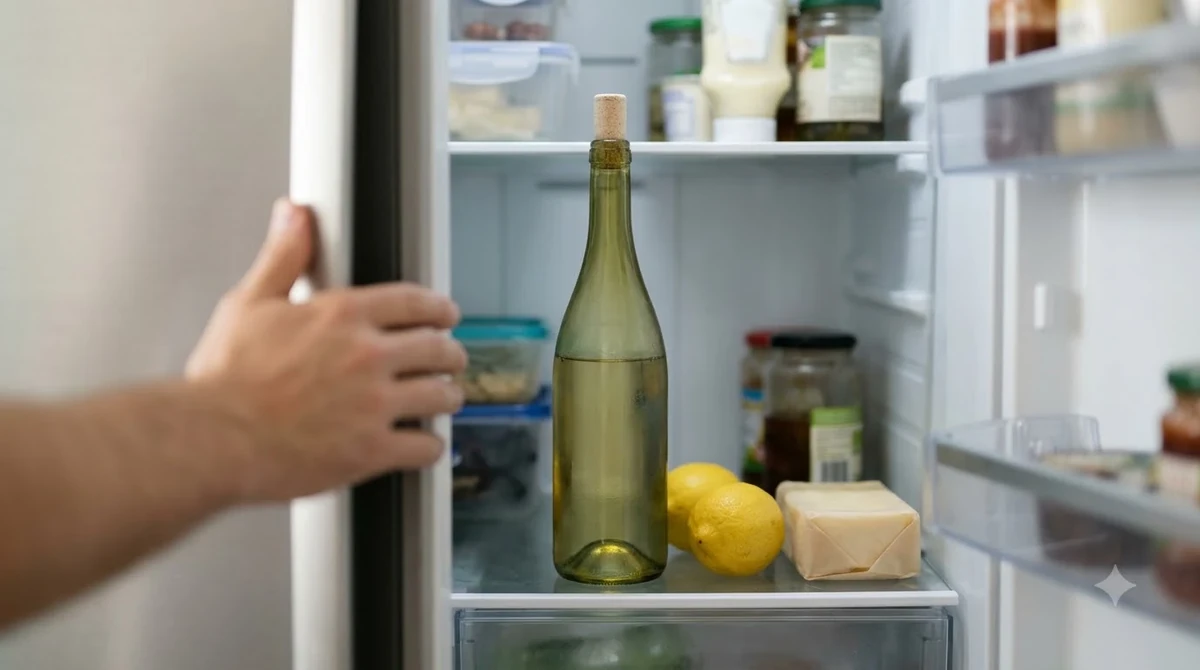
Chilling a bottle in advance is easier than trying to cool it after guests have arrived. A refrigerator is useful for white and sparkling wines, while a brief period of refrigeration can also bring a warm red down to a more suitable serving temperature.
Prepare the Bottle for Dinner
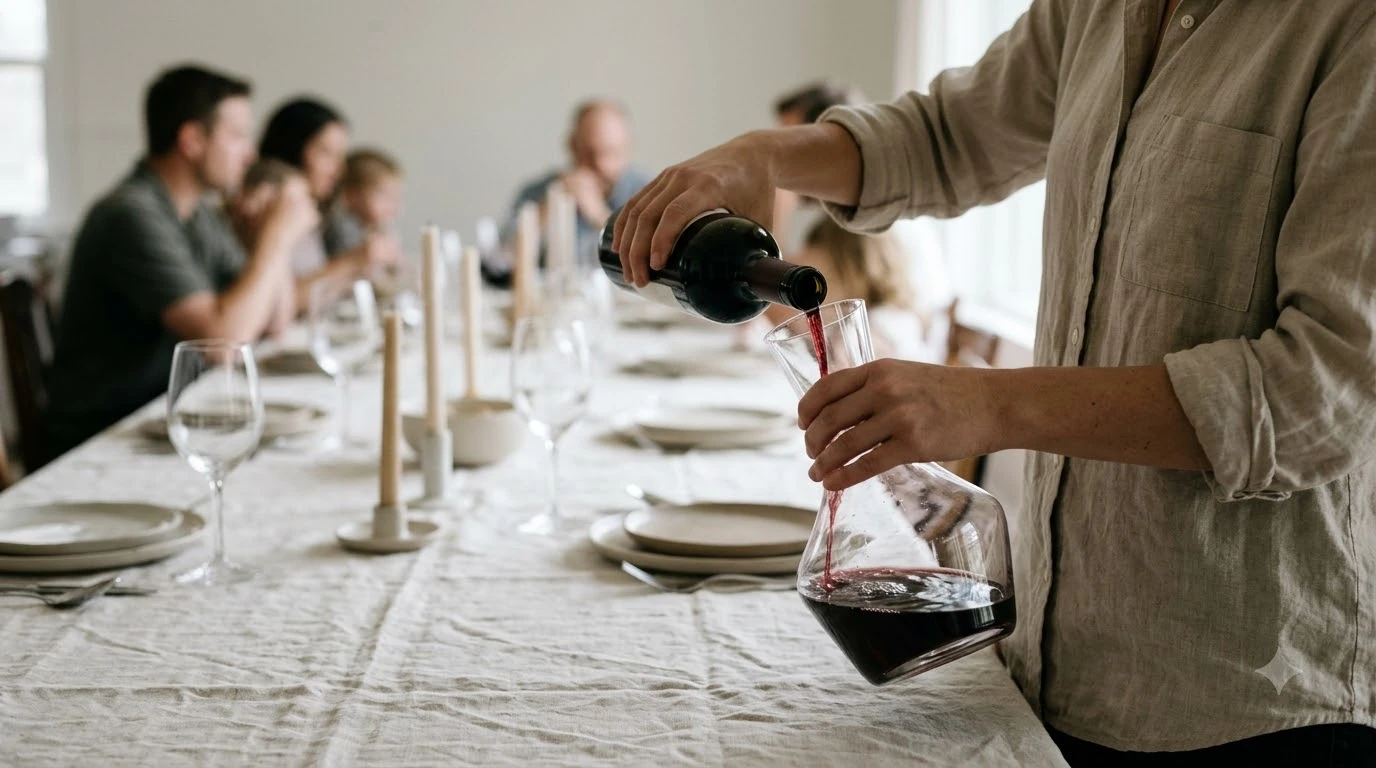
Young, full-bodied red wines can benefit from 30 to 60 minutes in a decanter. This allows the wine to interact with air and can help open up its aromas. However, not every red needs decanting. A lighter Pinot Noir or an older, delicate bottle may need more careful handling.
For sparkling wine, chill the bottle thoroughly before opening. Wine Enthusiast recommends temperatures around 41–45°F for many sparkling styles and notes that chilling helps preserve effervescence and fresh citrus character. Its wine serving temperature reference also provides useful guidance for serving reds and whites at appropriate temperatures. A regular white wine glass can be useful for appreciating the aromas of a more complex sparkling bottle.
Use the Right Glassware and Pour Size
A large-bowled red wine glass provides room for swirling and helps concentrate aromas. White wine generally benefits from a smaller bowl that keeps the wine cooler for longer. Sparkling wine can be served in a flute for a traditional presentation or a white wine glass when aromatic detail is the priority.
A standard 5-ounce pour is a practical serving size. Since a 750 ml bottle contains approximately five such servings, a single bottle can work well for a small family gathering or a personal dinner with Dad.
Do not fill glasses to the rim. Leaving space allows the aromas to collect above the wine and makes swirling easier. It also helps guests appreciate the wine’s changing aromas as it gradually warms in the glass.
Preserve Any Wine Left After Dinner
If the bottle is not finished during the celebration, replace the closure and refrigerate the remaining wine. As a general guide, opened still wines usually retain reasonable quality for approximately three to five days, depending on their style, age, and exposure to air. Opened sparkling wines generally last around one to three days when properly sealed with a sparkling wine stopper and refrigerated.
For a bottle intended to be enjoyed over several evenings, a proper stopper is a practical addition to the gift. It is particularly useful for preserving sparkling wine and reducing unnecessary exposure to air.
Frequently Asked Questions
What is the best wine to give Dad for Father’s Day?
Cabernet Sauvignon is a strong choice for someone who enjoys full-bodied reds, while Pinot Noir suits drinkers who prefer a lighter red. Chardonnay and Sauvignon Blanc are useful alternatives for white wine enthusiasts. The best selection is the grape and style he already enjoys rather than a bottle chosen solely for its reputation.
Is Cabernet Sauvignon or Merlot better for Father’s Day?
Cabernet Sauvignon is generally better for someone who enjoys firmer tannins and a more powerful red wine. Merlot is usually softer and has medium tannin, making it a useful alternative for someone who prefers a smoother texture. The two varieties can also differ considerably according to region and winemaking choices.
What wine should I buy for a dad who does not drink red wine?
Chardonnay, Sauvignon Blanc, and Riesling are good starting points for a white wine drinker. A dry sparkling wine is another option if he enjoys celebrations and lighter styles. For someone who prefers sweeter drinks, an off-dry Riesling or Moscato may be more appropriate than a bone-dry white.
Can I give Dad a bottle from his birth year?
Yes, a wine from his birth year can make a particularly personal gift, provided the wine is suitable for aging and has been stored correctly. Vintage Port and certain collectible red wines can remain enjoyable for many years under appropriate cellar conditions. Before buying an older bottle, investigate its provenance and storage history because age alone does not guarantee quality.
What is a good wine gift if several family members have different preferences?
A sparkling wine is a versatile option for a shared toast because it can accompany appetizers and many savory dishes. Another thoughtful approach is to offer two contrasting styles, such as Pinot Noir and Chardonnay, so guests have a choice. This is particularly useful for a family gathering with both red and white wine drinkers.
The best Father’s Day wine is ultimately the one that reflects Dad’s personality and gives him something he will genuinely enjoy. Whether you choose a structured Cabernet Sauvignon, an elegant Pinot Noir, a refreshing Chardonnay, or celebratory sparkling wine, matching the bottle to his preferences makes the gift more meaningful. Pair it with his favorite meal, serve it at the right temperature, and give him a reason to enjoy a memorable Father’s Day.
More in Wine Buying Guides
 Riesling Gift: Choose a Bottle They’ll LoveUpdated Nov 21, 2026
 Sweet Red Wine Gift: Choose a Bottle They’ll LoveUpdated Nov 21, 2026
 Malbec Gift: How to Choose a Memorable Bottle for Any OccasionUpdated Nov 21, 2026
 Sherry Gift Ideas That Match Every Wine LoverUpdated Nov 21, 2026
 Moscato Gift: How to Choose a Sweet Wine They’ll LoveUpdated Nov 21, 2026
 Merlot Gift: How to Choose a Bottle They’ll AppreciateUpdated Nov 21, 2026