

We may earn a commission when you buy through links on this page, at no extra cost to you. Learn more.
The best sparkling wine at total wine is the bottle whose sweetness, production method, and weight fit your occasion—not automatically the most famous label. For a versatile first choice, start with a Brut Cava or Brut Crémant if you want fine bubbles and food-friendly acidity, or choose Prosecco when fresh pear and apple fruit matter more than toasty complexity. Move to Champagne for a special bottle-fermented style, and choose an Extra Dry or sweeter sparkling wine when you prefer a softer finish.
Total Wine & More groups its sparkling selection into Champagne, Cava, Prosecco, sparkling rosé, and all sparkling wine. Shop by style first: sweetness, production method, and the occasion matter more than label recognition alone.
Who This Is For
This guide is for shoppers choosing a bottle from Total Wine’s sparkling section. The right starting point depends on whether it is for a toast, aperitif, meal, or dessert.
For a flexible all-purpose purchase, begin with a dry Brut sparkling wine. Its balance of acidity and modest sweetness suits salty snacks, seafood, and roast chicken. If guests prefer a softer finish, Prosecco labeled Extra Dry can taste rounder while remaining refreshing. The term is counterintuitive: Extra Dry is generally sweeter than Brut.
Choose by occasion before country. A fruit-forward Prosecco or sparkling rosé fits casual brunch, while Brut Cava, Crémant, or Champagne can handle oysters, fried appetizers, and richer dinners. For an anniversary toast, Champagne’s traditional-method production and lees aging can bring extra texture and toast-like notes.
Total Wine’s online category shows several sparkling-wine families, but displayed bottles and local stock can differ by store and pickup location. Use the filters to narrow the style, then confirm availability through the store you plan to visit; the online list is a starting point, not a promise that every location carries every label.
Key Factors to Compare
Compare sweetness, production method, grape character, and intended use before comparing labels. Those four details explain most of the difference between a crisp, straightforward glass of Prosecco and a more layered bottle-fermented wine.
| What to compare | What the label or style tells you | Best starting point |
|---|---|---|
| Sweetness | Brut Nature: under 3 g/L; Extra Brut: under 6 g/L; Brut: under 12 g/L; Extra Dry: 12–17 g/L | Brut for a versatile dry style; Extra Dry for a softer impression |
| Production method | Traditional method: second fermentation in bottle; tank method: second fermentation in a pressurized tank | Cava, Crémant, or Champagne for lees-derived texture; Prosecco for fresh fruit |
| Grape and flavor | Glera is central to Prosecco; Chardonnay and Pinot Noir are common in classic Champagne blends | Prosecco for pear and apple; traditional-method blends for citrus, toast, and broader texture |
| Color and occasion | White sparkling, rosé, and red sparkling wines offer different flavor profiles | Brut white for an aperitif; rosé for berries and brunch; sweeter styles for dessert |
| Serving temperature | Most sparkling wine shows well around 41–45°F; vintage Champagne can be served around 45–50°F | Chill before opening, then let the glass warm slightly |
Sweetness labels can be misleading. Wine Enthusiast places Brut below 12 grams of residual sugar per liter, Extra Dry at 12 to 17 grams, Brut Nature below 3 grams, and Extra Brut below 6 grams. From driest to sweetest, the order is Brut Nature, Extra Brut, Brut, Extra Dry, Sec, Demi-Sec, and Doux. “Extra Dry” is not the driest option. For more detail on the dosage scale, read Wine Enthusiast’s guide to sparkling-wine sweetness terms.
Production method is another clue. Traditional-method wines undergo their second fermentation in the bottle and may rest on lees, adding biscuit, brioche, and creamy texture. Cava, Crémant, and Champagne use this method. Prosecco is closely associated with the tank method, where the second fermentation takes place in a pressurized tank to preserve youthful fruit and floral character. See Wine Folly’s overview of sparkling-wine production methods for the process details.
Finally, choose the flavor intensity. A light, fruity wine suits a quick toast; a lees-aged wine can offer more savory detail with dinner. Neither is automatically superior: the better bottle is the one that suits the guests and food.
Step-by-Step
A simple shopping sequence prevents the sparkling aisle from becoming a wall of unfamiliar regions and label terms. Work from the occasion to sweetness, then method, then the individual bottle.
- Name the occasion. A toast, brunch, seafood starter, full meal, and dessert each call for a different profile.
- Choose sweetness. Start with Brut for a dry, food-friendly style; choose Extra Dry for a fruitier impression or Demi-Sec for dessert.
- Pick a production style. Choose Prosecco for bright fruit, Cava or Crémant for traditional-method character, and Champagne for a special occasion.
- Decide between white and rosé. White is versatile; rosé brings red-berry character to brunch, charcuterie, and berry desserts.
- Read the grape and region. Glera signals Prosecco; Champagne, Cava, and Crémant indicate traditional-method styles, though blends vary.
- Plan the format. A 750 ml bottle provides about five 5 oz pours, so estimate bottles from the guest count.
- Confirm local stock and chill. Check pickup availability, then refrigerate the bottle. Most sparkling wine is ready around 41–45°F; vintage Champagne can be warmer.
Use this sequence online or in person. Total Wine separates Champagne, Cava, Prosecco, and sparkling rosé, so these decisions narrow the field before you compare labels. The site’s wine-buying guide applies the same label-reading approach to still and sparkling wine.
For a group with mixed preferences, avoid making an extreme style the only option. Brut is a reliable middle ground; a second bottle of Extra Dry or Demi-Sec can suit guests who prefer more sweetness.
Types or Styles Explained
Total Wine’s sparkling categories cover several distinct styles, each with a different balance of fruit, acidity, sweetness, and texture. Start with the style that matches your preferred flavor, then narrow the selection by producer and region.

Prosecco: fresh, fruity, and easygoing
Prosecco is made primarily from Glera and is most commonly produced by the tank method. Expect a youthful profile built around pear, green apple, citrus, and floral notes, with a softer feel than many traditional-method wines. It is a natural choice for brunch, a casual gathering, or a pre-dinner glass when bright fruit matters more than toast and yeast character. Look for Brut if you prefer a drier finish or Extra Dry if you like a little more roundness.
Prosecco is a different style from Champagne, not simply a less expensive version. It is generally best enjoyed young, served well chilled, and paired with antipasti, light salads, mild cheeses, or fruit-forward appetizers.
Cava: traditional-method value and crisp acidity
Cava is Spain’s well-known traditional-method sparkling wine. Its second fermentation takes place in bottle, and lees aging can create a firmer mousse and subtle bread-like notes alongside citrus and orchard fruit. Brut Cava makes a smart pick for shoppers who want the structure of bottle-fermented sparkling wine without choosing Champagne as the default. It suits salty tapas, olives, fried seafood, potato dishes, and other foods that benefit from acidity.
Cava comes in several sweetness levels: Brut Nature and Extra Brut are especially dry, while Brut is a flexible starting point. Aging designations and producer details help distinguish a crisp bottle from a more mature, textured example.
Crémant: French bottle-fermented alternatives
Crémant is a useful category to explore when you want traditional-method sparkling wine from France outside Champagne. The wines come from several French appellations and are made using the traditional method, but their grape blends and regional character vary. A Crémant de Bourgogne may offer a Chardonnay- and Pinot Noir-led profile, while other regions can bring different grape combinations and fruit expressions. The style often works well as a dinner aperitif or with seafood, roast poultry, and creamy appetizers.
Crémant’s flavor varies by region, so read the appellation and sweetness term together. Brut suits savory food, while rosé Crémant can bring strawberry or red-currant notes. For the Champagne region specifically, browse the dedicated Champagne selection at Total Wine.
Champagne: layered texture for a milestone
Only sparkling wine from the Champagne region of France can use the Champagne name. Its traditional-method production, high acidity, and time on lees can create a combination of citrus, apple, toast, brioche, and nutty complexity. Champagne makes sense for a major celebration, but it can also work throughout a meal, especially with shellfish, fried foods, roast chicken, and salty cheeses. Choose Brut for a classic dry expression, and consider vintage Champagne when you want a richer, more developed profile.
Champagne varies by blend and producer. Blanc de Blancs is made from white grapes, usually Chardonnay; Blanc de Noirs is a white sparkling wine made from dark-skinned grapes such as Pinot Noir or Pinot Meunier. Rosé Champagne can suit salmon, duck, and berry-based dishes.
Sparkling rosé and sweeter styles
Sparkling rosé can be made in several regions and by more than one production method. Its pink color does not automatically mean sweetness: a Brut rosé may be dry, crisp, and suitable for savory food. Expect red-fruit flavors such as strawberry, raspberry, and cherry more often than in a very lean white sparkler. It is a natural match for brunch, charcuterie, roast salmon, and fruit-based desserts.
For a sweeter glass, move from Brut to Extra Dry, Sec, Demi-Sec, or Doux. Extra Dry has more residual sugar than Brut; Demi-Sec is noticeably sweet, and Doux is the sweetest category. Choose a sparkling wine at least as sweet as the dessert so it does not taste sharp beside the food. Moscato-based sparkling wines offer another fragrant, softer option.
Common Mistakes
The most common buying errors come from reading the label too quickly or treating all sparkling wines as one category. A few distinctions make the selection much easier and help avoid a bottle that feels mismatched once it is poured.
Assuming Extra Dry means drier than Brut is the classic mistake. Extra Dry is sweeter than Brut; Sec and Demi-Sec are sweeter still. That softness can help with spicy food or dessert, while Brut Nature or Extra Brut is often a better fit for oysters, salty chips, and briny appetizers.
Buying Champagne when you really want Prosecco can lead to disappointment. Champagne’s bottle fermentation and lees contact can create a layered, savory style; Prosecco emphasizes pear, apple, and floral fruit. Choose Prosecco for a light aperitif and Champagne, Cava, or Crémant when you want more toast-like depth.
Choosing by color alone can mislead: rosé describes color, not guaranteed sweetness, and white sparkling wine is not always lighter or less flavorful. Read the sweetness term before using region and method to anticipate texture; high-acid sparkling wine pairs well with salty or fatty foods, while sweeter wines can suit spicy food and dessert. Let a very cold pour warm briefly to reveal more aroma, and do not let elaborate packaging outweigh a good fit with the meal. For a still-wine alternative alongside the same menu, see the red wine selection at Total Wine.
Care or Storage Tips
Good handling preserves bubbles and keeps the wine’s aroma from being hidden by excess cold. Chill the bottle in advance, open it carefully, and keep leftovers cold with a sparkling-wine stopper.
Serve most sparkling wine around 41–45°F; vintage Champagne can be closer to 45–50°F to show more toast and biscuit character. Wine Enthusiast recommends up to two hours in the refrigerator before service. Avoid the freezer as a shortcut: a forgotten bottle can freeze and expand.
Keep the cork pointed away from people and breakable objects. Hold it while loosening the wire cage, then rotate the bottle slowly for a controlled release. Pour a little at first to manage the foam, then top off glasses after the bubbles settle. A 750 ml bottle gives about five 5 oz glasses.
After opening, reseal the bottle with a stopper made for pressure and refrigerate it. Sparkling wine is generally best within one to three days, depending on the wine and closure; ordinary flat-wine stoppers are not designed for its pressure. Store unopened bottles away from heat, direct sunlight, and temperature swings.
Frequently Asked Questions
These answers clarify a few common label terms and serving details.
Is Brut or Extra Dry sweeter?
Extra Dry is sweeter than Brut, despite how the names sound. The Brut category covers a broad permitted range, so two wines with that same term can still differ in how dry they taste. The producer’s dosage choice helps explain why one Brut can seem crisper than another.
Does every bottle of Cava taste the same?
No. Cava can differ by grape blend, producer, sweetness level, and time spent aging on lees. Standard Cava requires at least 9 months of aging, while Gran Reserva Cava can reach 30 months, creating a wider range of texture and flavor development.
What does Blanc de Blancs mean on a sparkling-wine label?
Blanc de Blancs means “white from whites” and usually indicates a sparkling wine made entirely from white grapes, most commonly Chardonnay in Champagne. The term does not mean the wine is vintage-dated or made from one harvest; it identifies the grape color used for the wine.
Can sparkling wine be made without a second fermentation?
Yes. In the ancestral method, the wine is bottled before its first fermentation finishes, so fermentation continues in the bottle and produces the bubbles. Some pét-nat wines made this way may be cloudy or retain sediment because they are not always disgorged.
What is the difference between a flute and a wine glass for sparkling wine?
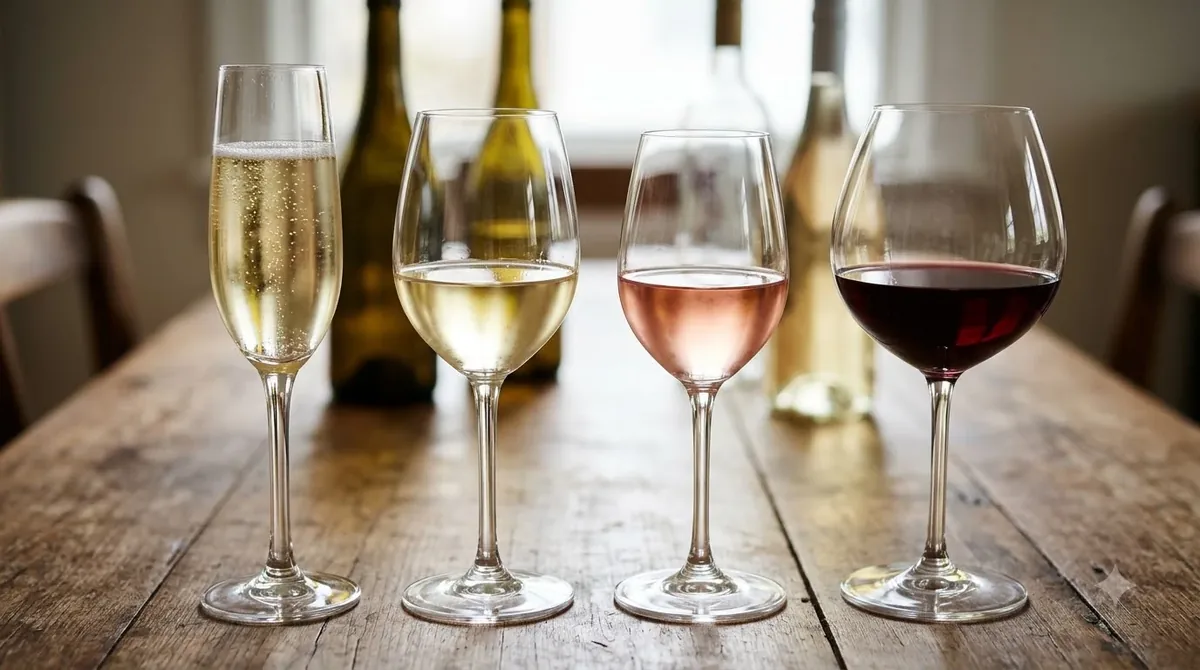
A flute highlights the stream of bubbles and can help preserve the visual effect of effervescence. A stemmed white-wine glass provides a wider bowl that gives aromas more room to open, which can be useful for a complex Champagne or vintage sparkling wine. Either can work; choose the glass that suits how you want to experience the bottle.
The most reliable starting point is a Brut sparkling wine, followed by a choice between Prosecco’s fresh fruit and the added texture of traditional-method Cava, Crémant, or Champagne. Match sweetness to the food, chill the bottle properly, and use Total Wine’s category filters to narrow the shelf to a style you already know you enjoy.
More in Wine Buying Guides
 Riesling Gift: Choose a Bottle They’ll LoveUpdated Nov 21, 2026
 Sweet Red Wine Gift: Choose a Bottle They’ll LoveUpdated Nov 21, 2026
 Malbec Gift: How to Choose a Memorable Bottle for Any OccasionUpdated Nov 21, 2026
 Sherry Gift Ideas That Match Every Wine LoverUpdated Nov 21, 2026
 Moscato Gift: How to Choose a Sweet Wine They’ll LoveUpdated Nov 21, 2026
 Merlot Gift: How to Choose a Bottle They’ll AppreciateUpdated Nov 21, 2026