

We may earn a commission when you buy through links on this page, at no extra cost to you. Learn more.
The best valpolicella wineries for memorable wine tastings include Allegrini, Masi Agricola, Bertani, Zenato, Tommasi, Ca’ La Bionda and Brigaldara. These producers offer different perspectives on the wines of Verona, from traditional Amarone and elegant Valpolicella Classico to richer Ripasso and sweet Recioto. The right winery depends on whether the priority is an informative cellar visit, a comparison of wine styles, a historic estate or a more intimate family-run tasting.
Valpolicella is one of northeastern Italy’s most rewarding wine destinations, located in Veneto, just northwest of Verona. Its vineyards produce some of Italy’s most recognizable red wines, particularly Amarone della Valpolicella, but the region offers considerably more than its famous dried-grape wine. A thoughtful winery visit can reveal the differences between the historic Classico vineyards, the eastern valleys and Valpantena, while introducing visitors to the local grapes and traditional winemaking techniques. This guide explains which producers deserve attention, what to look for when comparing wineries and how to organize a satisfying tasting itinerary.
Who Should Visit Valpolicella Wineries
Valpolicella wineries are particularly appealing to visitors who enjoy Italian red wines, want to understand Amarone production or prefer discovering smaller producers alongside internationally recognized estates. The region also suits travelers interested in combining wine experiences with Verona’s architecture, local food and countryside scenery.
First-time visitors should consider starting in the historic Valpolicella Classico area. Its five municipalities are Negrar, Marano, Fumane, Sant’Ambrogio and San Pietro in Cariano. These communities are closely associated with the traditional wines that made the region famous. Their wineries offer opportunities to compare fresh Valpolicella DOC with more concentrated Ripasso and Amarone.
Allegrini and Masi Agricola are useful starting points for people who want recognizable producers and a structured introduction to regional winemaking. Their reputations make them appealing reference points when learning about the area’s different styles. Bertani offers another perspective, particularly for visitors interested in traditional Amarone and extended bottle aging.
Wine enthusiasts who prefer smaller producers may find Ca’ La Bionda in Marano and Brigaldara particularly interesting. Their different vineyard locations and winemaking approaches provide opportunities to explore how geography and production decisions influence the finished wine.
Visitors do not need extensive wine knowledge to enjoy these estates. A basic understanding of Corvina, Rondinella, appassimento and Ripasso is enough to make a tasting more informative. Most importantly, the best experience comes from choosing wineries that explain their wines clearly rather than simply offering a large number of samples.
The region also works for visitors planning a wider Italian wine trip. Travelers comparing destinations might find useful inspiration in our guides to the best Temecula wineries and best Paso Robles wineries, although Valpolicella offers a distinctly Italian combination of native grapes, historic appellations and dried-grape winemaking.
Key Factors to Compare When Choosing a Winery
The best winery is not necessarily the largest or most internationally famous. Compare location, wine selection, tasting format and the opportunity to learn about the production of Valpolicella’s four principal wine categories before making a reservation.
| Factor | What to look for | Why it matters |
|---|---|---|
| Location | Classico, Valpantena or eastern Valpolicella | Helps explain geographical differences |
| Wine selection | At least 3 distinct regional styles | Provides a useful comparison |
| Tasting duration | About 60 to 90 minutes | Allows time for explanation and questions |
| Grape varieties | Corvina, Corvinone and Rondinella | Introduces the regional grape identity |
| Production explanation | Appassimento and Ripasso methods | Clarifies the difference between wine styles |
| Group size | Small or private tasting groups | Encourages more direct interaction |
| Reservation | Confirmed date and tasting format | Prevents unexpected access problems |
Geography deserves particular attention. Valpolicella Classico is the historic western area, while Valpantena occupies a separate valley and eastern Valpolicella extends toward the Verona side of the production zone. These areas share an appellation family, but their landscapes, vineyard elevations and individual producers can create noticeably different expressions.
The wine list is another important consideration. A winery offering Valpolicella DOC, Ripasso and Amarone provides a more useful educational experience than one focusing exclusively on its flagship wine. Adding Recioto makes the comparison even more interesting because it demonstrates how the same grape-growing tradition can produce a sweet red wine rather than a dry one.
Look at the structure of the tasting rather than simply counting the wines. A 90-minute visit with four carefully selected wines and a detailed cellar explanation may provide more insight than a hurried session involving seven unrelated bottles. Ask whether the experience includes a vineyard walk, production-area visit, barrel cellar or grape-drying room.
Reservations should also influence the decision. Smaller family producers may have limited visitor facilities, while larger estates can offer more established tasting arrangements. Confirm the language, group size, start time and wines included before traveling.
Step-by-Step: How to Plan a Valpolicella Winery Visit
A successful winery itinerary begins with selecting a geographical area and deciding which wine styles matter most. Two or three thoughtfully chosen appointments are generally more practical than trying to visit every famous producer in a single day.
- Choose the wine experience. Decide whether Amarone, Ripasso, traditional Valpolicella or a broad comparison is the main priority. Visitors interested in learning the complete regional range should seek tastings that include at least three different categories.
- Choose a geographical starting point. Negrar, Fumane, Marano and San Pietro in Cariano are useful Classico destinations. Visitors interested in broader comparisons can add an appointment in Valpantena or eastern Valpolicella.
- Select two or three producers. Choose a larger established estate for context and a smaller producer for a different perspective. Allegrini, Masi, Bertani, Ca’ La Bionda and Brigaldara offer different approaches worth comparing.
- Contact each winery. Send a message with the preferred date, party size, language and requested tasting. Ask whether the experience includes Amarone and Ripasso, and whether the cellar or vineyard is included.
- Allow enough travel time. Schedule approximately 90 minutes for a substantial tasting and leave additional time between appointments. Narrow countryside roads, parking and conversations with producers can extend the day.
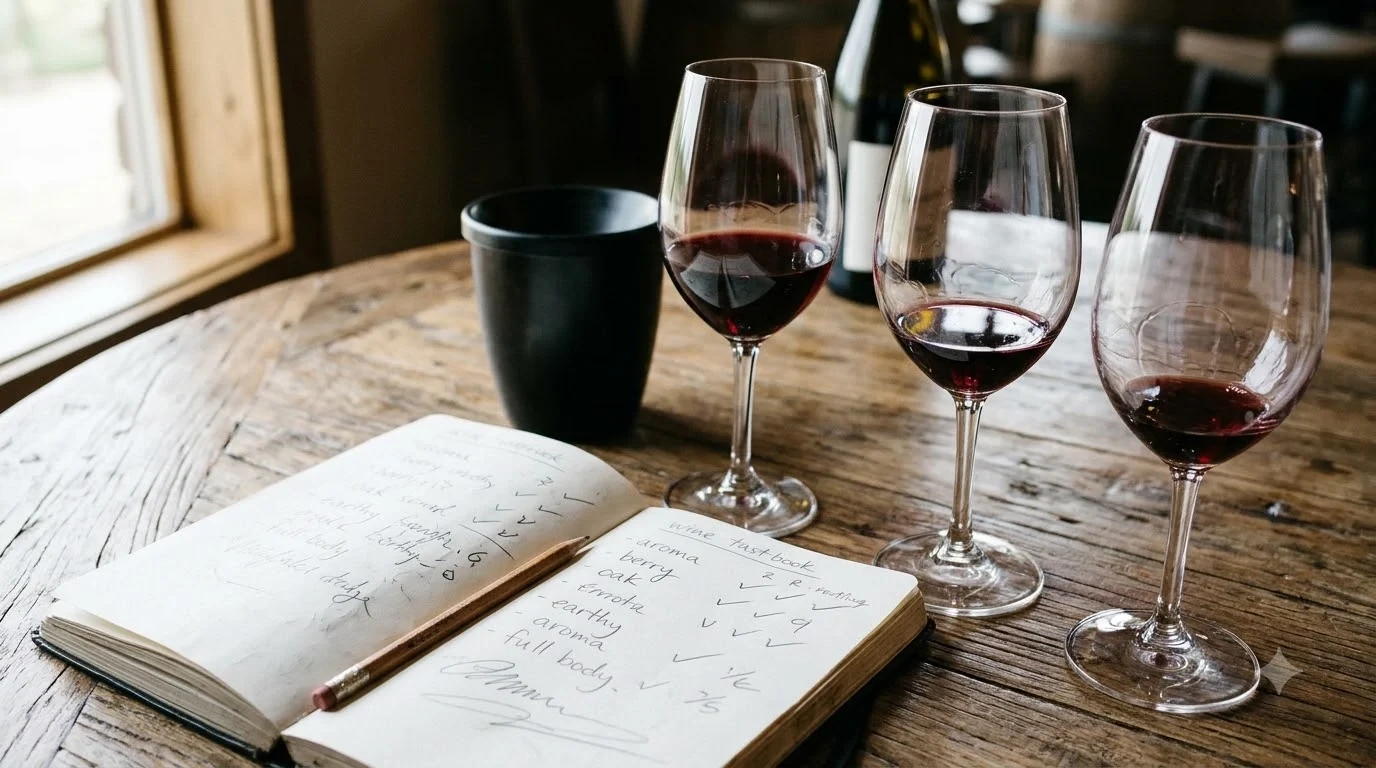
- Prepare a comparison sheet. Record the producer, wine designation, vintage, grape varieties and impressions of acidity, tannin, fruit and finish. Comparing the same wine category from two wineries can be particularly informative.
- Plan transportation. Arrange a designated driver, private driver or organized wine tour if several tastings are planned. Wine appointments are more enjoyable when nobody has to worry about driving afterward.
One useful itinerary is to begin in Negrar, continue toward Marano and finish around Fumane. This route introduces visitors to different parts of the Classico landscape without requiring a complicated journey across the entire appellation. Another option is to focus on Sant’Ambrogio and San Pietro in Cariano, where visitors can explore several established producers in the western part of the region.
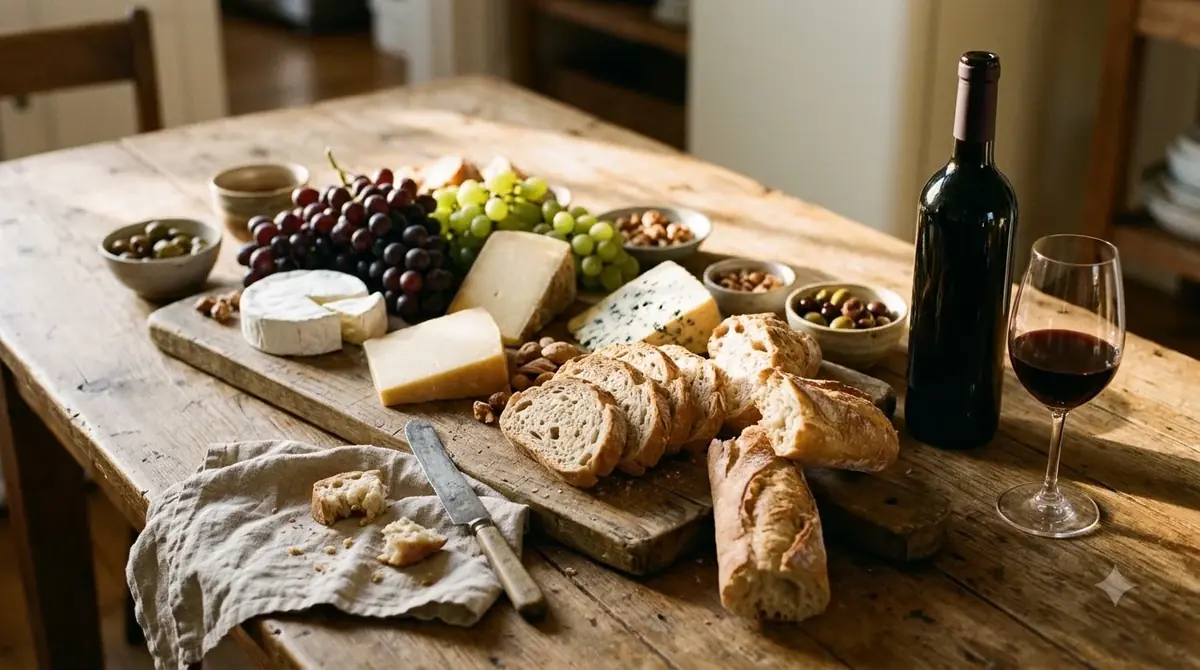
It is also sensible to schedule a substantial lunch between appointments. Local restaurants frequently serve dishes that demonstrate why Valpolicella’s wines are so closely associated with regional cuisine. Traditional meat preparations, aged cheeses and rich pasta dishes provide useful opportunities to understand the food-friendly character of the local reds.
Tip: Request a comparison of Valpolicella Classico, Ripasso and Amarone during the same visit. Tasting these three styles in sequence makes the effects of grape drying, fermentation and concentration much easier to understand. Ask whether Recioto is available as an additional sample.
Types of Valpolicella Wineries and Their Wine Styles
Valpolicella’s wineries differ in their historical approach, vineyard locations and preferred wines. Understanding the four principal categories helps visitors select producers that match their interests and makes it easier to interpret tasting menus.
Valpolicella DOC: Fresh and Approachable Reds
Valpolicella DOC is the natural starting point for understanding the region. These wines generally emphasize fresh red-fruit character, moderate body and the local grape varieties rather than the concentration associated with Amarone. They are useful for identifying the character of Corvina and Rondinella without the additional influence of dried grapes.
Look for producers that include a straightforward Valpolicella in their tasting sequence. It provides a reference point for understanding what happens when grapes are subsequently used for Ripasso or appassimento wines. Valpolicella Classico is particularly interesting because it identifies wines originating in the historic five-municipality area.
Valpolicella Superiore: More Structure and Development
Valpolicella Superiore offers another level of comparison. According to the production requirements described by Empson & Co., the designation requires at least one year of aging and a minimum natural alcohol content of 11%. Individual producers can make more substantial versions that emphasize structure and development.
For visitors, this category is useful because it demonstrates that Valpolicella is not defined only by Amarone. A Superiore can provide depth and complexity while retaining a recognizable connection to the region’s fresh red-fruit profile.
Valpolicella Ripasso: Richer Fruit and Greater Weight
Ripasso is produced using a second fermentation involving the remaining grape skins and pomace from Amarone or Recioto production. This process adds concentration and complexity to the underlying Valpolicella wine. The resulting style often features darker fruit, spice and a fuller impression than a standard DOC bottling.
Visitors who enjoy medium-bodied to full-bodied reds should include Ripasso in their itinerary. It can be particularly informative to compare a producer’s Ripasso directly with its standard Valpolicella and Amarone. The relationship between the three wines reveals how winemaking techniques influence the final character.
Amarone della Valpolicella: The Signature Wine
Amarone is the region’s internationally recognized dry red wine. Selected grapes undergo appassimento, a controlled drying process that reduces their water content before fermentation. The resulting wine is concentrated, generally full-bodied and often characterized by dark cherries, dried fruit, spice and substantial alcohol.
Amarone carries DOCG status, and the production rules distinguish its traditional Classico designation and other recognized categories. Gambero Rosso highlights producers such as Allegrini, Bertani, Giuseppe Quintarelli, Speri and Zenato among notable Amarone names. A visit to one of these estates can provide valuable context about different interpretations of the wine.
Recioto della Valpolicella: The Sweet Traditional Style
Recioto uses the same broad grape-growing tradition and drying technique but produces a sweet red wine. Fermentation is stopped while natural grape sugar remains, creating a different balance between sweetness, acidity, fruit and structure.
It deserves attention even from visitors who primarily drink dry wines. Recioto illustrates the versatility of the region’s native grapes and offers an interesting final comparison after tasting Valpolicella, Ripasso and Amarone.
For additional technical background, Empson & Co.’s Valpolicella regional overview explains the principal wine designations, grape varieties and production distinctions.
Common Mistakes When Choosing Valpolicella Wineries
Visitors can miss much of what makes the region interesting by treating every winery as an Amarone destination. A more effective approach considers geography, production methods and the differences between large established estates and smaller producers.
The first common mistake is assuming that Classico automatically means a better wine. Classico identifies the historic geographical production area, not a universal quality ranking. An excellent wine from eastern Valpolicella or Valpantena can be just as compelling as one from Negrar or Fumane.
Another mistake is choosing wineries exclusively by international reputation. Well-known estates offer useful introductions, but smaller producers can provide a more personal explanation of vineyard management, fermentation and aging. Ca’ La Bionda, for example, offers an opportunity to explore the Marano valley, while Brigaldara operates across both the Classico and eastern zones.
Visitors should also avoid assuming that Amarone and Ripasso are interchangeable. Both can offer ripe fruit and considerable structure, but their production methods are different. Ripasso involves refermentation with grape pomace, whereas Amarone is made from grapes dried before fermentation. Tasting both wines side by side helps explain why their styles differ.
A further mistake is booking too many appointments. Four winery visits in a single day can leave little time to understand the wines, enjoy lunch or explore the countryside. Two substantial visits or three shorter appointments are generally a more sensible target, especially for people who want to speak with producers.
Finally, do not assume that a winery accepts walk-in visitors. Some estates operate primarily as production facilities and require advance arrangements for cellar access. Smaller producers may have particularly limited visitor schedules, so confirmation is important even during the main travel season.
For another perspective on regional winery experiences in the United States, the Fredericksburg wineries guide provides a useful comparison of a different wine destination and its visitor-oriented tasting culture.
Care and Storage Tips for Wines Purchased in Valpolicella
Wine purchased during a Valpolicella visit deserves appropriate handling, particularly if the bottles include Amarone or other wines intended for extended aging. Stable temperatures, limited exposure to light and suitable storage positions help preserve the wine after returning home.
For long-term storage, keep cork-finished bottles on their sides so the cork remains in contact with the wine. A temperature close to 55 degrees Fahrenheit is a useful storage target. Avoid locations with frequent temperature changes, direct sunlight or excessive vibration. A consistently cool wine cabinet is generally more suitable than a kitchen shelf.
Serving temperature makes a noticeable difference. Light Valpolicella reds are generally best served around 55 to 60 degrees Fahrenheit, while fuller reds such as Amarone benefit from approximately 60 to 65 degrees. Serving a powerful red too warm can make its alcohol seem more prominent and reduce the impression of freshness.
Decanting can also help. Young, full-bodied Amarone may benefit from approximately 30 to 60 minutes in a decanter before serving. This allows the wine to open up and can help soften the initial impression of concentration. Older bottles require more careful handling because excessive aeration can diminish delicate aromas.
Food pairing is another part of enjoying these wines properly. Amarone works well with braised beef, game, slow-cooked meat and aged cheeses. Ripasso is a versatile match for roasted meats, mushroom dishes and tomato-based preparations. Lighter Valpolicella is particularly suitable for cured meats, pizza and everyday pasta dishes.
Recioto deserves a different approach. Its sweetness makes it a natural partner for desserts that are no sweeter than the wine itself, particularly chocolate-based desserts and fruit pastries. A wine that is less sweet than the dessert can seem thin or overly acidic by comparison.
Once opened, still wines generally retain their best qualities for approximately three to five days when refrigerated and properly resealed. Bring a bottle back toward its appropriate serving temperature before pouring. For a standard 750 ml bottle, a typical 5-ounce serving provides approximately five glasses, making it easy to plan a tasting with friends without opening more bottles than necessary.
Frequently Asked Questions
Which Valpolicella winery is best for first-time visitors?
Allegrini is a useful starting point for visitors interested in a structured introduction to the region’s wines. Its Fumane estate offers an opportunity to explore modern Valpolicella winemaking. Visitors should arrange their appointment directly and confirm which wines are included in the experience.
Is Valpolicella Classico different from ordinary Valpolicella?
Yes. Classico refers to the historic western production area covering five municipalities, rather than a separate grape variety or winemaking technique. The designation helps identify geographical origin, while DOC and DOCG classifications identify the relevant wine appellation and production requirements.
What is the best time of year to visit Valpolicella wineries?
Spring and autumn are attractive periods for vineyard visits, with autumn particularly interesting during the grape harvest. The appassimento process continues after harvesting, so visitors interested in Amarone production may also want to ask whether drying rooms are accessible during their appointment.
Can visitors taste Recioto at Valpolicella wineries?
Yes, some producers include Recioto in their tasting programs, although availability varies by estate and appointment. Boscaini Carlo’s listed tasting includes seven wines, among them Recioto della Valpolicella DOCG Classico. Confirm the selection before booking because individual tasting programs can change.
How many grape varieties are permitted in Valpolicella wines?
The regulations permit several red grape varieties, with Corvina, Corvinone and Rondinella forming the central part of the blend. Other authorized varieties can also be used within prescribed limits. Individual producers may choose different permitted combinations, which contributes to the stylistic diversity found across the appellation.
The best Valpolicella winery experience comes from comparing different producers rather than focusing exclusively on famous Amarone labels. Start with a well-established estate, add a smaller family producer and include Valpolicella, Ripasso and Amarone in the tasting sequence. With advance reservations and a manageable itinerary, the vineyards around Verona offer an excellent introduction to one of Italy’s most distinctive red-wine regions.
More in Wine Buying Guides
 Riesling Gift: Choose a Bottle They’ll LoveUpdated Nov 21, 2026
 Sweet Red Wine Gift: Choose a Bottle They’ll LoveUpdated Nov 21, 2026
 Malbec Gift: How to Choose a Memorable Bottle for Any OccasionUpdated Nov 21, 2026
 Sherry Gift Ideas That Match Every Wine LoverUpdated Nov 21, 2026
 Moscato Gift: How to Choose a Sweet Wine They’ll LoveUpdated Nov 21, 2026
 Merlot Gift: How to Choose a Bottle They’ll AppreciateUpdated Nov 21, 2026