

We may earn a commission when you buy through links on this page, at no extra cost to you. Learn more.
The best tempranillo under 20 is usually a Spanish red from Rioja, Ribera del Duero, Toro, or La Mancha that balances ripe cherry and plum fruit with fresh acidity and moderate tannins. Rioja Crianza is an especially dependable starting point for shoppers who enjoy smooth, savory reds with some oak influence. For a fruitier or more concentrated style, explore young Tempranillo from La Mancha or Toro. The right choice depends on how much oak, structure, and richness you want in your glass.
Tempranillo offers plenty of character without requiring a premium wine budget. Spain’s most recognizable red grape produces everything from lively, uncomplicated dinner wines to structured bottles with cedar, tobacco, leather, and dried-fruit complexity. Understanding the differences between growing regions, aging categories, and winemaking styles makes it easier to find a bottle that suits your preferences. This guide explains what to look for, how to compare options, and how to serve an affordable Spanish red at its best.
Who Should Buy Affordable Tempranillo
Tempranillo is a strong choice for people who enjoy dry red wine with recognizable fruit flavors, moderate-to-firm tannins, and enough acidity to accompany food. Bottles from Rioja, Ribera del Duero, and other Spanish regions offer noticeably different expressions of the grape, so shoppers can find a style that suits both casual dinners and more substantial meals.
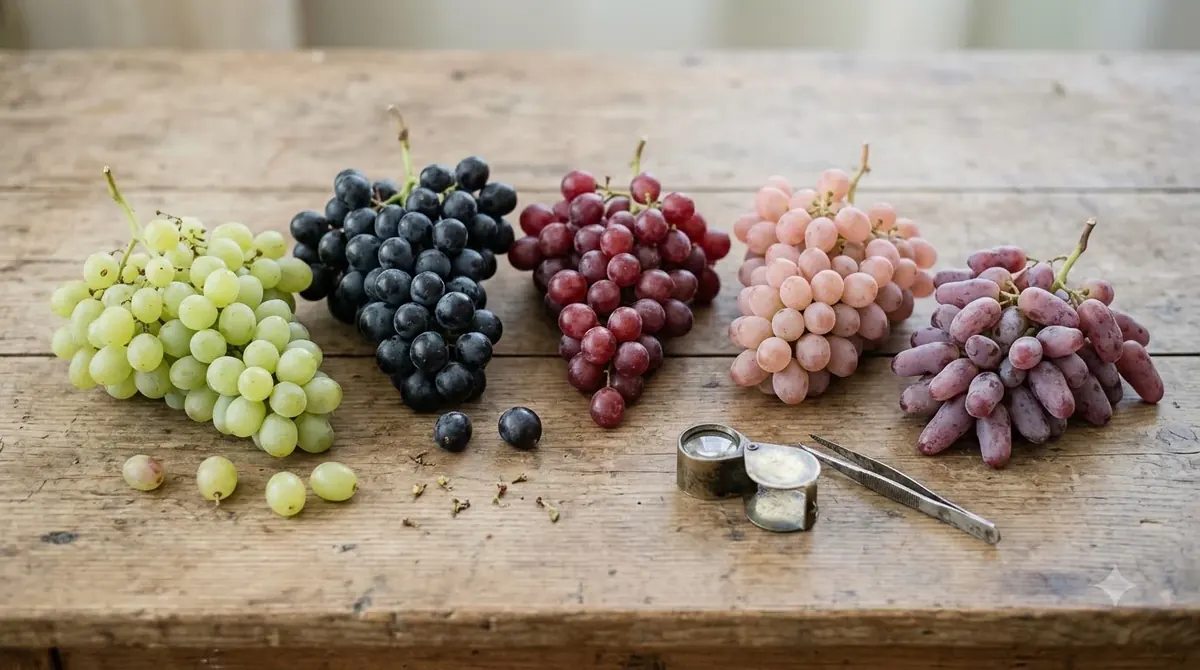
Start with Rioja Crianza if you prefer a balanced red with cherry, plum, vanilla, and gentle savory notes. Crianza wines typically offer more oak influence than young, unoaked Tempranillo but remain approachable enough for everyday drinking. A familiar example is Marqués de Cáceres Crianza, which Wine Affection describes with cherry, plum, clove, licorice, and restrained oak spice. It is a useful style reference for someone moving from familiar American red wines into Spanish bottles.
Shoppers who enjoy darker fruit and firmer structure should investigate Ribera del Duero and Toro. Ribera del Duero wines can emphasize black cherry, blackberry, herbs, and more pronounced tannins. Toro, where Tempranillo is commonly called Tinta de Toro, can deliver concentrated fruit and a fuller impression. These styles suit people who normally reach for Cabernet Sauvignon or Syrah but want to explore something from Spain.
Tempranillo also works for shoppers who want a versatile red for weeknight cooking. Its combination of fruit, acidity, and tannin makes it a natural match for grilled pork, roasted chicken, burgers, mushrooms, and tomato-based pasta. Unlike a very delicate red, a moderately structured Tempranillo can stand alongside savory dishes without disappearing.
There is also a useful distinction between shoppers seeking immediate drinking pleasure and those who enjoy more developed flavors. Young Tempranillo tends to emphasize fresh berries and cherries, while oak-aged examples may introduce cedar, vanilla, leather, tobacco, and baking spice. Neither approach is automatically superior. Choose based on the flavor profile you enjoy rather than assuming more oak or more aging means better value.
Key Factors to Compare Before Buying
The most useful comparisons are region, aging category, fruit character, tannin level, and alcohol content. A bottle’s label can reveal much of this information before you open it, especially if it identifies Rioja Crianza, Ribera del Duero, or Toro as its origin.
Region provides a practical first filter. Rioja is a reliable place to begin if you like balanced fruit and oak. Ribera del Duero is worth exploring if you want a firmer, darker-fruited wine. Toro offers another route toward concentrated fruit and structure, while La Mancha often provides approachable, fruit-forward bottles. These are general tendencies rather than guarantees, because vineyard conditions and winemaking choices influence the final wine.
Next, consider how much oak you want. Oak can contribute vanilla, cedar, clove, toast, and tobacco-like characteristics. Some wines receive a relatively restrained oak treatment, allowing fresh fruit to remain prominent. Others spend longer in barrels and develop a more savory, integrated character. If you usually prefer unoaked reds, a young Tempranillo or a lightly aged Crianza may be more appealing than a mature Reserva.
| Buying factor | What to look for | Typical result |
|---|---|---|
| Region | Rioja | Balanced fruit, spice, and oak |
| Region | Ribera del Duero | Dark fruit and firmer structure |
| Region | Toro | Concentrated fruit and chewy tannins |
| Region | La Mancha | Fresh, approachable red fruit |
| Aging | Joven or young wine | Fresh fruit-forward character |
| Aging | Crianza | Fruit with developed oak influence |
| Aging | Reserva | More developed savory characteristics |
| Serving | 55–60°F or 60–65°F | Depending on body and structure |
Alcohol content is another useful comparison. A wine around 13% ABV may feel lighter and fresher than a bottle at 14.5% ABV, although ripeness, acidity, tannin, and winemaking also affect perceived weight. For a dinner wine that will accompany several courses, a balanced bottle is generally more versatile than one dominated by alcohol and ripe fruit.
Retailer descriptions can help narrow the options. Total Wine’s Tempranillo selection, for example, includes wines from Rioja, Toro, Calatayud, and Ribera del Duero, illustrating how many different expressions appear within the same grape category. Its Tempranillo selection and regional descriptions provide useful examples of the differences shoppers may encounter.
Finally, compare the actual wine rather than relying entirely on a classification or regional name. A well-made young wine can be more enjoyable than a poorly balanced oak-aged bottle. Look for descriptions that mention freshness, balanced acidity, ripe fruit, and integrated tannins. Those characteristics usually indicate a wine that can work across different meals and occasions.
Step-by-Step: How to Choose the Right Bottle
A simple buying process helps prevent confusion between Spanish wine regions and aging terms. Follow these steps to identify a Tempranillo that matches your taste instead of choosing solely by label design or an impressive-sounding classification.
- Decide how much oak you enjoy. If you like fresh cherry and raspberry flavors, begin with young Tempranillo. If vanilla, cedar, and clove appeal to you, consider Rioja Crianza. For developed leather, tobacco, and dried-fruit notes, investigate Reserva bottles.
- Choose your preferred regional style. Start with Rioja for balance, Ribera del Duero for structure, Toro for concentration, or La Mancha for approachable fruit. These four regions provide a useful introduction to Spanish Tempranillo.
- Read the grape composition. Some Spanish reds are blends rather than exclusively Tempranillo. Rioja wines can include Garnacha, Graciano, and Mazuelo alongside the main grape. A blend can offer additional fruit, aroma, or structural complexity without losing its Tempranillo identity.
- Compare alcohol and tasting descriptions. Look for a style that matches your preferred weight. Fresh red berries, moderate alcohol, and softer tannins suggest an approachable dinner wine. Dark fruit, firm tannins, and higher alcohol point toward a richer expression.
- Consider the food you will serve. For grilled pork, roast chicken, or mushroom dishes, a balanced Rioja Crianza is a sensible option. For beef stew, grilled sausages, or rich lamb dishes, a more concentrated Ribera del Duero or Toro wine may be preferable.
- Check the vintage and availability. Different vintages can vary in ripeness and structure. Retail selections change, so compare currently available bottles rather than assuming a particular vintage will remain on shelves.
- Choose the bottle that matches your priorities. A fruit-forward wine is not inferior to an oak-aged Reserva. The most satisfying purchase is the one that fits your meal, taste preferences, and occasion.
For additional guidance on reading labels, comparing wine categories, and making sensible purchasing decisions, the wine buying guide offers a useful starting point. Learning a few basic label terms can make browsing an unfamiliar Spanish wine section much easier.
Tip: If you are buying your first Spanish Tempranillo, choose a Rioja Crianza with cherry and plum fruit, moderate oak, and balanced tannins. It provides a practical introduction to the grape without the stronger concentration or more developed character found in some longer-aged wines.
Types and Styles of Tempranillo Explained
Tempranillo is not a single, uniform wine style. The grape changes considerably depending on where it grows, whether it is blended, and how the producer handles fermentation and aging. Understanding four common regional expressions makes choosing a bottle much easier.
Rioja: Rioja is one of the most recognizable names associated with Tempranillo. Its wines commonly feature red cherry, plum, spice, and savory notes. Depending on the producer and aging category, oak can add vanilla, cedar, tobacco, and leather. Rioja is a practical starting point for people who want a balanced red that works with food as well as casual drinking.
Look for Crianza when you want a combination of fresh fruit and barrel influence. Reserva is a useful alternative if you enjoy more developed aromas and a softer, integrated impression of oak. These categories indicate aging requirements rather than a guaranteed quality ranking, so producer and vintage still matter.
Ribera del Duero: This region is associated with structured Tempranillo that can show black cherry, blackberry, dark plum, and savory herbs. The grape may be labeled Tinto Fino in this region. A good example of the style described in retailer listings is Pico Cuadro Original from Ribera del Duero, which is associated with black cherry, blackberry, grilled herbs, and powerful tannins. Choose this direction if you enjoy reds with more grip and a substantial finish.
Toro: Tempranillo is known locally as Tinta de Toro in this Spanish region. Wines from Toro can feel concentrated and full-bodied, with dark fruit, spice, and noticeable tannins. The Uro Toro La Enfermera listing identifies its wine as 100% Tinta de Toro and describes a youthful, fruit-forward profile with chewy tannins. This style is particularly suitable for people who prefer substantial reds alongside grilled meats and rich dishes.
La Mancha and other Spanish regions: La Mancha can provide fresh, uncomplicated Tempranillo with raspberry, strawberry, and cherry flavors. These wines are useful for informal dinners, pizza nights, and everyday drinking. Calatayud also deserves attention, with San Gregorio El Vergal offering an example of a fruit-focused wine described with floral aromas, red and black berries, and ripe tannins.
Another distinction is the aging category. Spanish labels frequently use Joven, Crianza, Reserva, and Gran Reserva. Joven generally emphasizes youth and fresh fruit, while the remaining terms indicate progressively more demanding aging requirements under their respective regional rules. The exact rules can differ between appellations, so do not assume every Spanish region uses identical requirements.
For shoppers who prefer environmentally focused production, organic certification can be another consideration. Organic production and wine style are separate issues: an organic Tempranillo can be fresh and fruity or structured and oak-aged. Explore organic Tempranillo if certified vineyard and production practices are important purchasing criteria.
Common Mistakes When Shopping for Tempranillo
The biggest shopping mistake is treating all Spanish red wine as interchangeable. Rioja, Ribera del Duero, and Toro can deliver noticeably different combinations of fruit, oak, tannin, and body, even when Tempranillo is the principal grape.
One common misconception is that Reserva must always taste better than Crianza. Reserva generally involves longer aging, which can create more developed flavors and a different texture. However, someone who prefers fresh fruit may enjoy a younger Crianza more. Additional aging is a stylistic choice, not an automatic guarantee of personal preference or quality.
Another mistake is expecting Tempranillo to taste sweet because it has ripe cherry, plum, or blackberry aromas. Most Tempranillo is made as a dry red wine. Ripe fruit aromas can create an impression of sweetness even when the wine contains little residual sugar. If you normally prefer sweet wines, this distinction is important when selecting a bottle.
Some shoppers also assume that a stronger oak flavor means more complexity. Oak can contribute pleasant vanilla, spice, and cedar notes, but excessive influence may obscure the fruit and regional character. If you prefer a lighter, more fruit-driven red, seek descriptions emphasizing fresh berries, balanced acidity, and restrained barrel influence.
Food pairing errors can also make a good wine seem less enjoyable. Tempranillo’s tannins can feel more pronounced alongside lean, lightly seasoned dishes. Salt and fat help soften the perception of tannin, which is why grilled beef, cured meats, and aged cheeses can work particularly well. Very spicy dishes can make alcohol and tannins seem more aggressive, so a lower-tannin alternative may be more comfortable with heavily chili-seasoned food.
Finally, do not buy a bottle based only on its country of origin or an attractive label. Check the region, aging category, blend composition, and producer description. A basic understanding of these four details will generally tell you more about the wine’s likely style than a decorative label or an unfamiliar promotional phrase.
Serving, Opening, and Storage Tips
Serving temperature has a meaningful effect on how Tempranillo tastes. A lightly structured bottle generally works well at 55–60°F, while a fuller-bodied, oak-aged wine is better around 60–65°F. Serving red wine too warm can emphasize alcohol, while excessive chilling can suppress aroma and make tannins feel more noticeable.
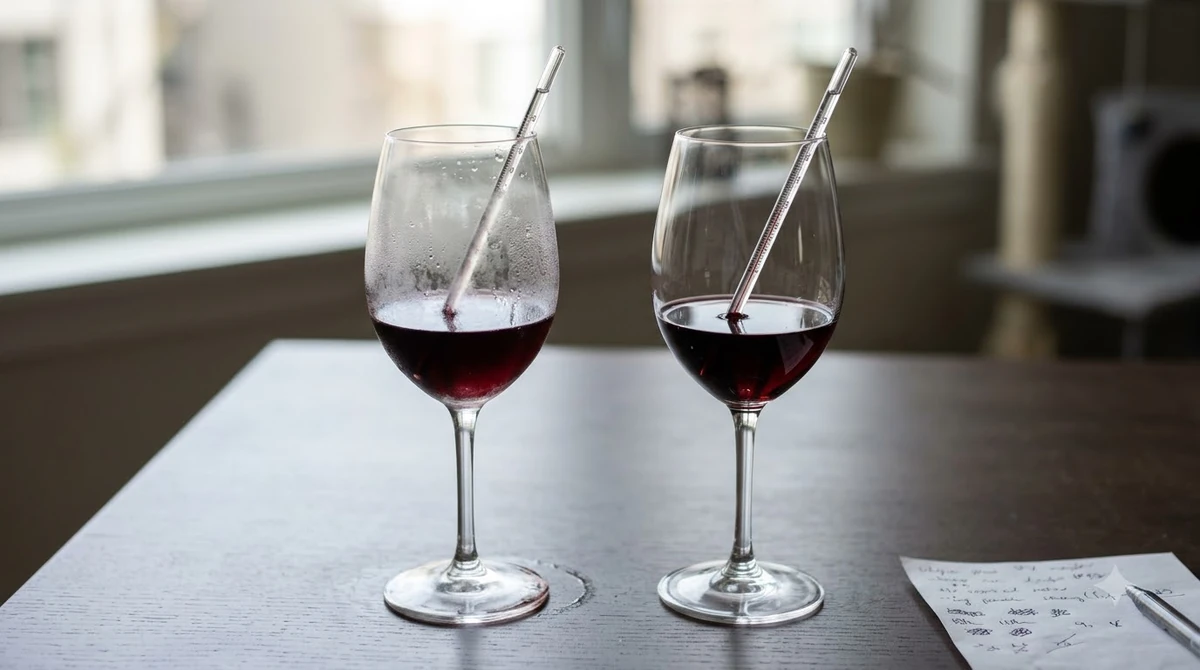
If the bottle has been stored at normal room temperature, a short period in a cool place can help bring it closer to its preferred serving range. A simple wine thermometer is useful, but the goal is not precision for its own sake. You want the fruit, acidity, and savory aromas to remain balanced rather than having alcohol dominate the glass.
For young, full-bodied Tempranillo, decanting for approximately 30–60 minutes can help the wine open up. This is particularly useful when the wine has firm tannins or concentrated dark fruit. A lighter Crianza may need only a few minutes in the glass. Start by pouring a small amount, swirling gently, and checking whether the aroma and texture improve before deciding to decant the entire bottle.
Pouring size also matters. A standard serving is approximately 5 ounces, and a 750 ml bottle provides about five glasses. Avoid filling the glass too high, because leaving room allows you to swirl the wine and release its aromas. A medium-to-large red wine glass is generally suitable for Tempranillo.
Storing unopened bottles
Keep unopened Tempranillo in a cool, dark location with a reasonably stable temperature. Around 55°F is a useful storage target. Bottles with natural corks should generally be stored on their sides so the cork remains in contact with the wine. Avoid placing bottles near radiators, ovens, sunny windows, or other sources of heat and temperature fluctuations.
Most affordable everyday Tempranillo is purchased for relatively near-term enjoyment rather than extended cellaring. A Crianza intended for immediate drinking does not need years in a home cellar. If you have a bottle with a more developed Reserva style, follow the producer’s guidance and maintain stable storage conditions rather than assuming every older vintage will improve indefinitely.
Keeping opened wine fresh
After opening, reseal the bottle with its original cork or a suitable wine stopper and place it in the refrigerator. Refrigeration slows oxidation even for red wine. Before serving the remaining wine, allow it to warm toward its preferred drinking temperature rather than pouring it directly from the refrigerator.
Most opened still Tempranillo should remain enjoyable for approximately three to five days when properly resealed and refrigerated, although the wine’s condition depends on its age, exposure to air, and storage. If the remaining wine develops an unpleasant vinegar-like smell, loses its fruit, or tastes noticeably flat, its best drinking window has probably passed.
For additional versatility, leftover Tempranillo can be used in cooking. Small amounts work in beef stew, tomato-based sauces, and braised pork dishes. Avoid using wine that has developed obvious spoilage aromas, and remember that cooking concentrates some flavors rather than restoring a wine that has deteriorated.
Frequently Asked Questions
Is Tempranillo similar to Cabernet Sauvignon?
Both can produce structured dry red wines, but their flavor profiles differ. Cabernet Sauvignon generally has higher tannin and often shows blackcurrant, dark fruit, and herbal notes, while Tempranillo commonly emphasizes cherry, plum, savory spice, and leather. Tempranillo can be a useful alternative for Cabernet drinkers who want to explore Spanish wine.
Is Tempranillo made in the United States?
Yes. Tempranillo is also grown in American wine regions, including parts of California and Texas. American examples can have a different flavor profile from Spanish wines because of differences in climate, vineyard conditions, and winemaking. The grape is particularly interesting to explore in regions with warm, sunny growing seasons.
What does Tinta Roriz mean on a Portuguese wine label?
Tinta Roriz is the Portuguese name for Tempranillo. It is especially associated with the Douro region, where it can appear in both dry red wines and traditional Port blends. Seeing this name on a Portuguese bottle does not mean the wine uses a different grape variety.
Can Tempranillo be paired with vegetarian meals?
Yes. Mushroom risotto, grilled eggplant, lentil stew, roasted peppers, and vegetable lasagna can all work well with Tempranillo. Earthy ingredients complement its savory character, while tomato-based preparations provide a useful acidity match. For lighter vegetable dishes, choose a fresher, less heavily oaked example.
Does Tempranillo have a strong aroma?
Tempranillo can have a noticeable but generally balanced aroma. Fresh examples often show red cherry, strawberry, and plum, while oak-aged bottles can develop aromas reminiscent of coconut, vanilla, dried herbs, and leather. The intensity varies with grape ripeness, fermentation, barrel treatment, and bottle age.
The best tempranillo under 20 is not necessarily the oldest or most heavily oaked bottle. Start with Rioja Crianza for balance, explore Ribera del Duero for firmer structure, and try Toro or La Mancha if you prefer a different combination of concentration and fruit. With a little attention to region, aging category, and serving temperature, Spanish Tempranillo can be a rewarding addition to an everyday wine collection.
More in Wine Buying Guides
 Riesling Gift: Choose a Bottle They’ll LoveUpdated Nov 21, 2026
 Sweet Red Wine Gift: Choose a Bottle They’ll LoveUpdated Nov 21, 2026
 Malbec Gift: How to Choose a Memorable Bottle for Any OccasionUpdated Nov 21, 2026
 Sherry Gift Ideas That Match Every Wine LoverUpdated Nov 21, 2026
 Moscato Gift: How to Choose a Sweet Wine They’ll LoveUpdated Nov 21, 2026
 Merlot Gift: How to Choose a Bottle They’ll AppreciateUpdated Nov 21, 2026