

We may earn a commission when you buy through links on this page, at no extra cost to you. Learn more.
The best tasmania wineries for discovering exceptional cool-climate wine include Delamere, Clover Hill, Pooley, Stefano Lubiana, Kate Hill and Spring Vale. Tasmania is particularly celebrated for traditional-method sparkling wine, elegant Pinot Noir and Chardonnay. The best winery to visit depends on whether you want a sparkling specialist, a vineyard tasting experience, regional scenery or convenient access from Launceston or Hobart.
Tasmania offers a distinctive alternative to Australia’s warmer wine regions. Its maritime climate, cool growing conditions and varied vineyard sites favor wines with freshness, aromatic detail and lively acidity. Rather than trying to visit every producer across the island, it makes sense to choose a regional base and focus on wineries whose specialties match your preferences. This guide explains where to go, what to taste and how to organize a rewarding winery visit.
Who Should Visit Tasmania’s Wine Country
Tasmania is especially rewarding for wine drinkers who appreciate sparkling wine, Pinot Noir, Chardonnay and aromatic whites. Its wineries also suit travelers interested in smaller producers, scenic cellar doors and food-focused experiences.
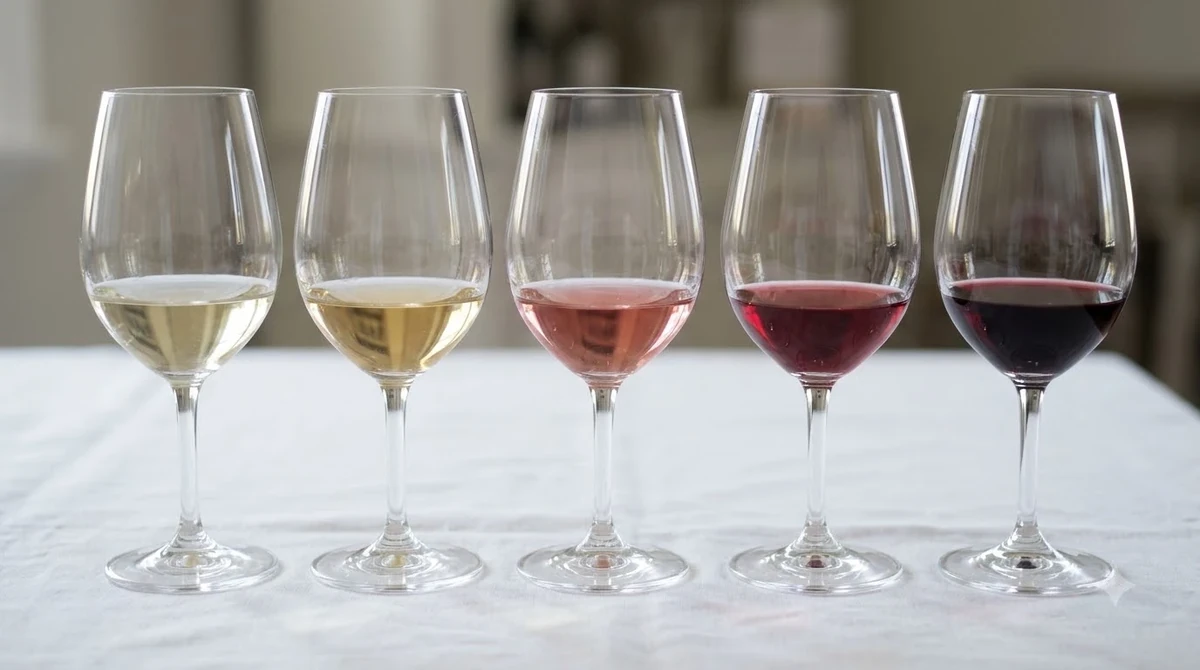
Sparkling wine enthusiasts should put Pipers River near the top of their itinerary. Producers such as Delamere and Clover Hill demonstrate why northern Tasmania has developed a strong reputation for bottle-fermented sparkling wines. Visitors interested in traditional-method wines can compare the structure and texture of different cuvées while learning how extended lees aging contributes to complexity.
Fans of still wines have equally compelling reasons to visit. Pinot Noir is a natural highlight, with cool conditions helping preserve acidity and delicate red-fruit character. Chardonnay can range from citrus-driven and restrained to richer styles with oak influence. Riesling also deserves attention, especially for visitors who enjoy aromatic wines with pronounced freshness.
Travelers should choose their region according to their starting point. Launceston is a practical base for the Tamar Valley and Pipers River, while Hobart provides access to the Coal River Valley, Derwent Valley and Huon Valley. The east coast offers a different experience, combining vineyards with coastal scenery and smaller settlements.
For comparison, Tasmania is a very different destination from California’s warmer wine country. Readers planning other American wine trips can also explore the best Temecula wineries and the best Paso Robles wineries for contrasting regional styles.
Key Factors to Compare When Choosing Tasmania Wineries
The strongest winery choices combine a clear wine specialty, an appealing tasting experience and a convenient location. Start with the grape varieties you want to explore, then consider how much time you have for driving between cellar doors.
Regional differences matter. Pipers River is a particularly useful destination for sparkling wine, while the Coal River Valley is a strong choice for Pinot Noir and Chardonnay. The Huon Valley offers another perspective on cool-climate reds and whites, and the east coast adds a coastal dimension to the experience.
| Winery or area | Main appeal | Best suited to | Planning detail |
|---|---|---|---|
| Delamere | Sparkling, Pinot Noir, Chardonnay | Traditional-method enthusiasts | Pipers River |
| Clover Hill | Premium sparkling experiences | Guided tastings and tours | Wednesday–Sunday, 11 a.m.–4:30 p.m. |
| Pooley | Cool-climate regional wines | Coal River Valley visitors | East of Hobart |
| Stefano Lubiana | Biodynamic vineyard and wines | Pinot Noir and Chardonnay fans | Derwent Valley area |
| Kate Hill | Sparkling, Riesling, Chardonnay, Pinot Noir | Huon Valley visitors | Huonville |
| Spring Vale | Pinot Noir and sparkling wine | East-coast itineraries | Cranbrook, near Swansea |
Cellar-door access is another important comparison. Some wineries offer straightforward tasting flights, while others provide structured experiences, vineyard tours or food pairings. Clover Hill, for example, lists guided sparkling tastings, vineyard tours and masterclasses. These experiences can take longer than a casual tasting, so leave enough room in your schedule.
Finally, consider the wines you can purchase or taste on site. A producer specializing in traditional-method sparkling may offer a more focused experience than a broad portfolio winery. A smaller vineyard may provide closer contact with the people making the wine, but appointments can be essential. Confirm current opening arrangements before setting out, particularly for small cellar doors and weekday visits.
Step-by-Step: Planning a Tasmania Winery Visit
A successful wine trip starts with geography rather than a long list of famous names. Select one main wine trail, identify two or three priority wineries and leave room for a meal or scenic stop.
- Choose your base. Use Launceston for the Tamar Valley and Pipers River, or Hobart for the Coal River, Derwent and Huon valleys. This reduces unnecessary driving across the island.
- Decide on a wine focus. Pick sparkling wine, Pinot Noir, Chardonnay or Riesling as your main tasting theme. For sparkling wine, prioritize Delamere and Clover Hill; for a broader still-wine itinerary, compare producers in southern Tasmania.
- Choose two or three cellar doors. A manageable itinerary gives you time to ask questions and compare wines rather than rushing through tasting flights. The Tamar Valley alone has more than 30 cellar doors, so select carefully.
- Check booking requirements. Clover Hill states that reservations are essential for its cellar-door experiences. Smaller producers may also operate by appointment or have limited opening days.
- Allow time for food. Look for local cheese, seafood and seasonal produce. A proper meal between tastings makes the day more comfortable and gives you an opportunity to experience the region beyond its wines.
- Arrange safe transport. A designated driver, guided tour or private transfer is preferable when visiting multiple wineries. Avoid planning a full day of tastings around the assumption that short distances mean short travel times.
- Buy selectively. Compare wines from the same grape variety across producers. A bottle of Pinot Noir from one valley and another from a different site can provide a useful comparison of regional expression.
For a first northern itinerary, Launceston, the Tamar Valley and Pipers River make a logical combination. Visitors can build a day around sparkling specialists and add a still-wine producer for contrast. The official Tasmanian wine trails overview is useful for understanding the routes and their geography.
Tip: Limit a self-guided day to two or three substantial tastings. A slower itinerary gives you more time to compare wines, enjoy the scenery and appreciate the differences between vineyards.
Types of Tasmania Wineries and Wine Styles Explained
Tasmania’s wineries can be grouped by their regional specialties and production styles. Understanding those differences helps you choose a cellar door that offers more than a general tasting flight.
Traditional-method sparkling specialists
Traditional-method sparkling wine is one of Tasmania’s strongest calling cards. The production method involves a second fermentation in the bottle, creating the bubbles and allowing the wine to develop additional texture through contact with yeast lees. Chardonnay and Pinot Noir are important grapes in this category.
Delamere in Pipers River is a strong choice for visitors who want to explore sparkling wine alongside Pinot Noir and Chardonnay. Its family-owned estate grows, vinifies and bottles its wines at the Pipers River property. Clover Hill is another compelling stop, particularly for visitors who want a more structured experience with guided tastings, tours and masterclasses.
Pinot Noir and Chardonnay producers
Pinot Noir is a major reason to explore Tasmania’s cooler vineyards. It commonly shows red cherry, raspberry, earthy notes and refreshing acidity, although the precise character depends on the site and winemaking choices. Chardonnay can be similarly varied, ranging from lean citrus and mineral expressions to wines with more texture and oak influence.
Pooley, Stefano Lubiana and Spring Vale are useful names to investigate when building a still-wine itinerary. Their regional settings make it possible to compare wines from different southern and eastern parts of Tasmania. Look for differences in fruit intensity, acidity, oak treatment and texture rather than assuming that every Tasmanian Pinot Noir will taste alike.
Riesling and aromatic whites
Riesling is an excellent option for visitors who prefer high-acid white wines. Depending on the producer and style, it may show lime, lemon, green apple and floral aromas. These wines can be particularly enjoyable with seafood, shellfish and dishes that include fresh herbs.
Kate Hill in the Huon Valley offers Riesling alongside Chardonnay, Pinot Noir, Shiraz and sparkling wines. Its range makes it a practical stop for visitors who want to compare several varieties in one tasting. The winery’s Huonville location also suits travelers exploring the southern wine country from Hobart.
Small-batch and alternative styles
Some Tasmanian producers work with a broader range of varieties and less conventional styles. Marion’s Vineyard, for example, grows Pinot Noir and Chardonnay alongside Syrah, Tempranillo, Mavrodaphne and Cabernet Franc. Its range also includes pétillant naturel and sparkling wines.
These wineries are particularly interesting for experienced drinkers who want to move beyond the region’s most familiar grapes. A tasting that includes several varieties can reveal how different vineyard sites and winemaking decisions influence the final wine.
Common Mistakes When Visiting Tasmania Wineries
The most common planning mistake is trying to cover too much ground in one day. Tasmania’s wine regions are spread across the island, and even a route with several nearby cellar doors can take longer than expected.
Another mistake is treating every region as interchangeable. The Tamar Valley and Pipers River have a strong sparkling-wine identity, while the Coal River Valley offers a different southern perspective on Pinot Noir and Chardonnay. The Huon Valley is especially cool, and the east coast has its own distinct coastal conditions. Choosing wineries by location and specialty creates a more useful tasting experience.
Visitors should also avoid assuming every winery has a restaurant or accepts walk-ins. Some cellar doors focus on tasting flights, while others offer food, vineyard tours or appointment-based experiences. Clover Hill explicitly requires reservations for its experiences, so booking ahead is important there. Small operations may have more limited availability than larger tourism-focused destinations.
A further mistake is judging a wine solely by its grape variety. Pinot Noir from two different vineyards can vary considerably in body, fruit character and savory detail. Chardonnay may be fermented or matured in different vessels, while sparkling wines can differ in dosage and lees-aging character. Ask about these production choices instead of relying on the variety name alone.
Finally, do not overlook the practical side of tasting. Driving between wineries, drinking water, eating lunch and organizing transport all affect the day. A carefully selected pair of cellar doors can offer a more satisfying experience than a rushed schedule of five or six visits.
Serving and Storage Tips for Tasmanian Wine
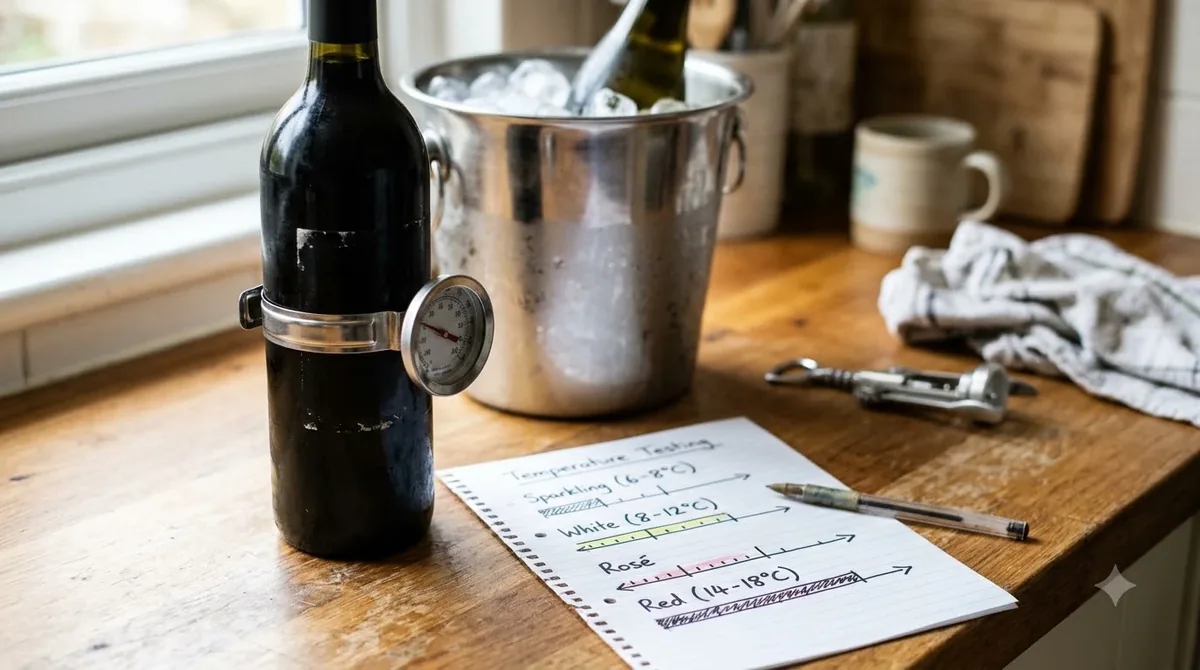
Serving temperature makes a meaningful difference to the balance of cool-climate wine. Sparkling wine is best served around 40–50°F, while light-bodied whites and rosé generally show well at 45–50°F. Full-bodied whites benefit from slightly warmer temperatures of 50–55°F.
For still reds, aim for approximately 55–60°F for lighter styles such as Pinot Noir. Fuller reds are generally better around 60–65°F. Avoid serving red wine too warm, since excess warmth can make alcohol more noticeable and reduce the impression of freshness. A short period in the refrigerator can help bring a bottle into the right range.
Use a standard 5-ounce pour when serving wine. A 750 ml bottle contains approximately five such glasses, making it easy to plan quantities for a dinner or tasting. Sparkling wine benefits from appropriate glassware that preserves its aromas while allowing the bubbles to remain visible.
For storage, keep unopened bottles in a cool, dark place near 55°F, with minimal temperature fluctuation. Store cork-finished bottles on their sides where appropriate. Keep bottles away from direct sunlight, heating appliances and areas subject to vibration.
Once opened, refrigerate still wines and aim to finish them within approximately three to five days. Sparkling wines generally retain their best character for one to three days with a suitable sparkling-wine stopper. The exact lifespan varies with the wine’s age, acidity, storage conditions and exposure to oxygen.
Young, structured red wines may benefit from 30–60 minutes of decanting, although delicate Pinot Noir often needs less aggressive treatment. Taste before deciding whether decanting is necessary. Older bottles can be fragile, so prolonged exposure to air is not automatically beneficial.
Frequently Asked Questions
What grape varieties are most closely associated with Tasmania?
Pinot Noir and Chardonnay are two of the region’s signature grapes, particularly in its sparkling and still-wine categories. Riesling, Pinot Gris and Syrah also appear in Tasmanian portfolios, depending on the vineyard site and producer.
Is Tasmanian sparkling wine made using the Champagne method?
Many premium Tasmanian sparkling wines use the traditional method, which includes a second fermentation in the bottle. This is the same fundamental production method used for Champagne, although the regional designation and wine identity are different.
Can Tasmania wineries accommodate visitors who do not drink alcohol?
Some winery visits can still be enjoyable without participating in wine tastings. Scenic vineyard settings, local food, cellar-door surroundings and guided landscape experiences can provide alternatives. Contact the winery beforehand to ask about non-alcoholic options and group arrangements.
What is the difference between the Tamar Valley and Pipers River?
Pipers River is a wine-growing area within the broader northern Tasmanian wine landscape, while the Tamar Valley describes a much larger route and wine-producing area. Pipers River is particularly recognized for premium sparkling wine, whereas the wider Tamar Valley includes a broader selection of sparkling, Pinot Noir, Chardonnay and other varieties.
How many wineries should visitors plan to visit in one day?
Two or three cellar doors make a sensible target for a relaxed self-guided day. A guided masterclass or vineyard tour can take considerably longer than a standard tasting, and some experiences include additional food or educational components.
The best Tasmania wineries offer a combination of distinctive cool-climate wines, regional character and memorable cellar-door experiences. Start with Delamere or Clover Hill for sparkling wine, explore southern producers for Pinot Noir and Chardonnay, and leave enough time to enjoy the landscape. A focused regional itinerary is the most rewarding way to discover what makes Tasmanian wine distinctive.
More in Wine Buying Guides
 Riesling Gift: Choose a Bottle They’ll LoveUpdated Nov 21, 2026
 Sweet Red Wine Gift: Choose a Bottle They’ll LoveUpdated Nov 21, 2026
 Malbec Gift: How to Choose a Memorable Bottle for Any OccasionUpdated Nov 21, 2026
 Sherry Gift Ideas That Match Every Wine LoverUpdated Nov 21, 2026
 Moscato Gift: How to Choose a Sweet Wine They’ll LoveUpdated Nov 21, 2026
 Merlot Gift: How to Choose a Bottle They’ll AppreciateUpdated Nov 21, 2026