

We may earn a commission when you buy through links on this page, at no extra cost to you. Learn more.
The best malbec at costco to look for first is Kirkland Signature Malbec from Mendoza, a full-bodied red that Costco describes with plum, cherry, oak, and cocoa notes. Its listed 14% ABV and 12 months of oak aging make it a useful starting point if you like ripe fruit and a rounded finish. Costco’s wine selection varies by warehouse and state, so use the label checks below to compare that bottle with any other Malbec on the shelf.
Malbec is a practical choice for steak nights, burgers, grilled vegetables, and casual dinners because it combines dark-fruit character with moderate tannin. The smartest Costco purchase is not automatically the boldest label; it is the bottle whose origin, structure, and oak treatment suit the food and the people sharing it.
Who This Is For
A Costco Malbec makes sense for shoppers who want a dry, dark-fruited red for a weeknight meal or a small gathering, especially when the menu includes grilled meat, burgers, or aged cheese. A standard 750 ml bottle gives about five 5-ounce pours, so one bottle is a straightforward amount for a dinner with a few guests.
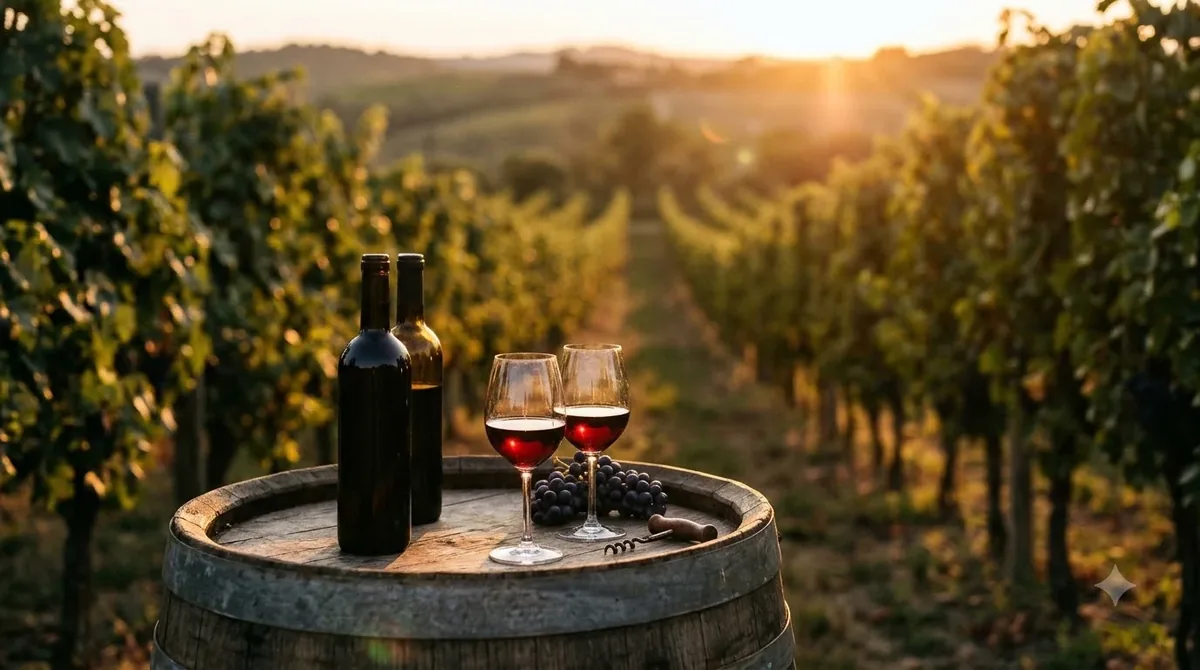
Start with the Kirkland Signature Mendoza Malbec if you prefer a generous, full-bodied style. Costco’s Same-Day listing describes a 750 ml bottle at 14% alcohol by volume, aged for 12 months in oak, with plum, cherry, subtle cocoa, integrated oak, and a smooth finish. Those details point toward a ripe, rounded red rather than a light, delicate style. The listing is a helpful reference for the bottle, but it does not guarantee that the same item is stocked in every warehouse.
Malbec may also suit shoppers who are still learning which red wines they enjoy. Its typical profile is dry, full-bodied, medium in tannin, and medium-low in acidity, with familiar flavors such as blackberry, red plum, vanilla, and cocoa. Wine Folly’s Malbec overview outlines this classic profile. People who prefer high-acid reds, delicate floral aromas, or very light-bodied wines may be happier with Pinot Noir or a crisp white instead. For a broader comparison of Costco reds, use this guide to the best red wine at costco; it helps put Malbec alongside other styles rather than treating every red as interchangeable.
Key Factors to Compare
Compare origin, body, alcohol, oak, and the bottle size before deciding. These details give a more reliable picture of the wine than a label that simply promises bold flavor or a smooth finish.
| What to compare | Useful number or detail | What it tells you |
|---|---|---|
| Kirkland Signature Malbec listed by Costco | 750 ml; 14% ABV | A standard bottle with a relatively full-bodied alcohol level. |
| Oak aging on that Costco listing | 12 months | Expect oak to be part of the wine’s texture and flavor, alongside fruit. |
| Typical Malbec alcohol range | 13.5–15% ABV | A full-bodied style; alcohol can make the wine feel warmer. |
| Malbec service reference | 60–68°F | A broad serving range; for a full red, begin around 60–65°F. |
| Suggested air time | About 30 minutes | A young, structured bottle may open up with a short rest in a decanter. |
| Standard serving size | 5 oz | A 750 ml bottle yields about five standard pours. |
Region is one of the clearest clues. Mendoza is Argentina’s flagship Malbec area, and the Uco Valley and Luján de Cuyo are two of its best-known subregions. “Argentina” or “Mendoza” is useful for an everyday bottle; a named town gives more precise origin information, but does not guarantee quality by itself.
Next, consider fruit and oak. Malbec often shows blackberry, plum, cherry, cocoa, and vanilla. Oak may add toast, spice, or chocolate, while limited oak influence usually keeps fruit more prominent. Costco lists its Kirkland Signature Malbec as aged 12 months in oak; another bottle may use stainless steel, neutral barrels, or a different aging period.
Alcohol and body matter at the table. A 14% ABV wine such as the Costco-listed Kirkland bottling can feel broader and warmer than a lighter red. That weight suits rich or grilled food; a less concentrated style may work better with a lighter meal. Match the wine’s details to the menu rather than relying on label adjectives alone.
Step-by-Step: Choose the Best Bottle
Use a quick shelf-side routine: identify the region, check the style clues, connect the wine to dinner, and confirm the bottle size. A few minutes with the back label can prevent a mismatched purchase.
- Find the grape and origin. Look for “Malbec” and “Mendoza” or a named Mendoza subregion. A country-only origin can still suit an everyday bottle, but tells you less about the vineyard area. Argentina is a familiar starting point because Malbec is its signature red grape.
- Read the body and flavor clues. “Full-bodied,” blackberry, plum, cherry, cocoa, and spice suggest a ripe, generous profile. Fresh red fruit, herbs, or a firmer finish signal a different balance. Tasting notes are a guide, not a promise that every drinker will identify the same flavors.
- Check the aging information. “12 months in oak” tells you more than “reserve” by itself. Oak can add spice, toast, or cocoa, but more oak is not automatically better. A wine with little oak influence may emphasize fresh fruit.
- Match the bottle to the meal. Choose fuller Malbec for grilled beef, lamb, burgers, or hard cheese. Roasted mushrooms, eggplant, lentils, and smoky peppers also have enough savory depth. Avoid a powerful red with delicate fish.
- Plan the pour. A 750 ml bottle serves about five 5-ounce glasses. For four adults, that allows only a modest second pour for one person. Buy to suit the guest count rather than assuming every format is the same.
- Compare the shelf options. Use the Kirkland bottle’s 14% ABV and 12-month oak note as a reference. Compare alternatives on origin, alcohol, aging, and flavor; Costco assortments vary by location.
This routine makes a crowded shelf easier to assess. For more background on label terms and regions, see the site’s wine-buying basics.
Do not let a medal graphic or dramatic front label do all the work; a clear origin and suitable style are more useful clues.
Types or Styles Explained
Malbec is not one uniform taste. The region, altitude, ripeness, and use of oak can shift a bottle from soft and fruit-forward to more structured and savory, even when the grape name stays the same.
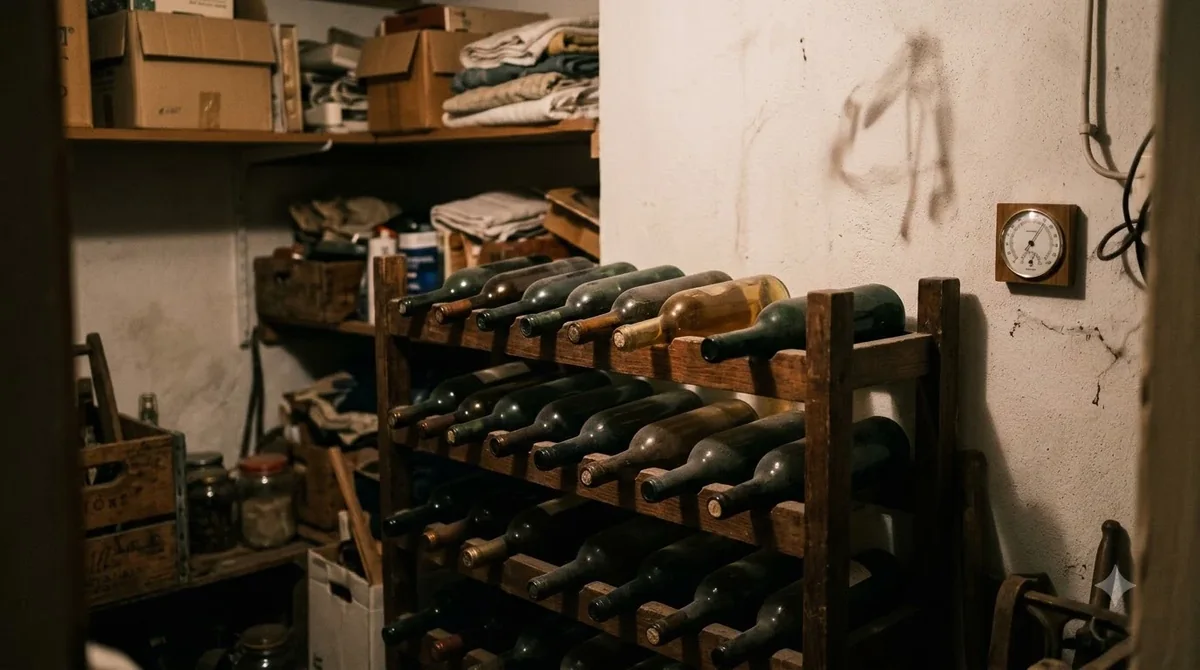
Everyday Mendoza Malbec: Broad Mendoza bottlings are an easy starting point. Expect ripe blackberry, plum, and cherry, medium tannin, and full body. The Kirkland Signature example listed by Costco is described with plum, cherry, subtle cocoa, and 12 months of oak aging.
Uco Valley and Luján de Cuyo: The Uco Valley is one of Mendoza’s higher-elevation areas. Wine Folly describes high-altitude vineyards around 3,000 to 4,500 feet as places where cooler conditions can preserve acidity and support slower ripening; towns such as Tupungato, Tunuyán, or San Carlos can point toward it. Luján de Cuyo is associated with blackberry, boysenberry, plum sauce, and black cherry, sometimes with spice or a dusty, graphite-like finish. Agrelo, Vistalba, Las Compuertas, and Perdriel offer more geographic detail. Use town names as origin clues, not guarantees of a particular flavor.
Cahors and other non-Argentine expressions: The Periodic Table of Wine describes Cahors Malbec as darker, firmer, and more savory, with iron, graphite, and dried herbs rather than the violet and cocoa often associated with Argentine styles. Costco may not carry this alternative, so treat it as a comparison rather than a promise of availability. For seafood or salads, compare a red with the best white wine at costco.
Common Mistakes
The most common shopping errors are treating all Malbec as identical, judging a wine by its front label, and choosing a heavy red for food that needs freshness. A few checks can keep the bottle aligned with the meal and the occasion.
Assuming every Costco carries the same bottle: Costco’s wine selection can vary by warehouse because availability, distribution rules, and local preferences differ. A Washington Post report on supermarket wine selection notes this variation, so check your local shelf rather than relying on a bottle spotted several states away. Assuming a private label reveals the winery: Retailer private labels are made for the retailer and may not name the producer; quality can vary. Treat the Kirkland listing as a reference for the described bottle, not a guarantee that every private-label wine tastes identical from year to year.
Confusing “smooth” with sweet: Malbec is generally dry. Plum and blackberry can taste lush without making the wine sweet, and a wine around 14% ABV can feel warm and broad even when dry. Pair wine with food at least as sweet as the dish; a dry Malbec is not a sound match for very sweet desserts. Assuming more oak means more quality: Barrel aging is a style choice, not a universal quality score. A 12-month oak-aged Malbec may show more spice or cocoa, while a fruit-forward wine with less oak can suit burgers or pizza. Wine Folly notes that some accessible Malbecs spend only 4–6 months in oak. Compare balance rather than chasing the longest aging period.
Serving it too warm or pairing it with the wrong food: Serve a full-bodied red around 60–65°F. Excess warmth emphasizes alcohol. Salt and fat soften tannin, making burgers, grilled steak, and aged cheese useful matches; chili heat can feel more intense alongside alcohol and tannin.
Care and Storage Tips
Good serving and storage habits preserve Malbec’s fruit and keep its alcohol and tannins in balance. Chill it slightly before serving, let a young structured bottle breathe if needed, and store leftovers in the refrigerator rather than leaving an open bottle on the counter.
For full-bodied Malbec, aim for about 60–65°F. Chill a bottle briefly if it has been in a warm kitchen; excess warmth can make alcohol feel obvious and fruit less defined. Wine Folly gives Malbec a broad range of 60–68°F, while a universal glass is sufficient for serving. A young, structured bottle can also benefit from about 30 minutes in a decanter.
After opening, recork the bottle and refrigerate it. Still wines generally keep for about 3–5 days when cold and sealed, although freshness fades. Let a chilled red sit briefly in the glass before serving again; a smaller airtight container reduces the air above the remaining wine. Store unopened bottles away from sunlight, heat vents, and temperature swings. A cool area near 55°F is a useful target; bottles with natural corks are best kept on their sides. An oak-aging note does not mean an everyday Malbec needs years in a cellar. Pair it with grilled beef, lamb, burgers, roasted mushrooms, lentils, or aged cheese. Salt and fat soften tannin, while a sweet glaze can make a dry wine seem sharper. For a celebration with bubbles, see the guide to the best champagne at costco.
Tip: Put the bottle in the refrigerator for about 20 minutes before dinner, then pour it into glasses and let it warm slightly. That is often easier than trying to cool a red wine after it has already been poured.
Frequently Asked Questions
Did Malbec originally come from Argentina?
No. Malbec originated in southwest France and is also known there as Côt. It later became Argentina’s signature red grape, especially in Mendoza.
Which grapes are commonly blended with Malbec?
Malbec can be blended with Cabernet Sauvignon and Merlot, as well as other Bordeaux varieties. Blending can adjust the finished wine’s structure and flavor, so a bottle labeled as a red blend may include Malbec without being a single-variety wine.
How much residual sugar is found in top-rated Malbec?
Wine Folly reports that top-rated examples it reviewed typically contain less than 1 gram of residual sugar per liter. That small amount is consistent with a dry style, although sweetness perception can still be affected by ripe fruit and alcohol.
How long can a quality Malbec age?
Wine Folly lists a broad cellar window of about 5–10 years for Malbec. That is a general reference, not a promise for every bottle; inexpensive, fruit-forward examples are often chosen for earlier drinking rather than long-term cellaring.
When is World Malbec Day?
World Malbec Day is celebrated on April 17. The date is a useful prompt to explore the grape’s Argentine styles or compare a Mendoza wine with a French example.
For most Costco shoppers, Kirkland Signature Mendoza Malbec is a sensible first bottle to consider when it is on the shelf: it has a clearly described full-bodied profile, a 14% ABV listing, and 12 months of oak aging. Compare the origin and style of any alternatives, serve the wine slightly cool, and choose the bottle that fits the food rather than relying on label claims alone.
More in Wine Buying Guides
 Best Riesling at Whole Foods: Find the Right Bottle for Your TasteUpdated Nov 21, 2026
 Best Red Blend Under 20: How to Find a Rich, Balanced BottleUpdated Nov 21, 2026
 Best Riesling At Costco: Find the Right Bottle for Your TasteUpdated Nov 21, 2026
 Best Ribera Del Duero Wineries for Memorable Tastings and VisitsUpdated Nov 21, 2026
 Best Red Blend At Costco for Everyday Meals and Better Buying DecisionsUpdated Nov 21, 2026
 Best Prosecco Under 20 for Fresh, Flavorful Italian BubblesUpdated Nov 21, 2026