

We may earn a commission when you buy through links on this page, at no extra cost to you. Learn more.
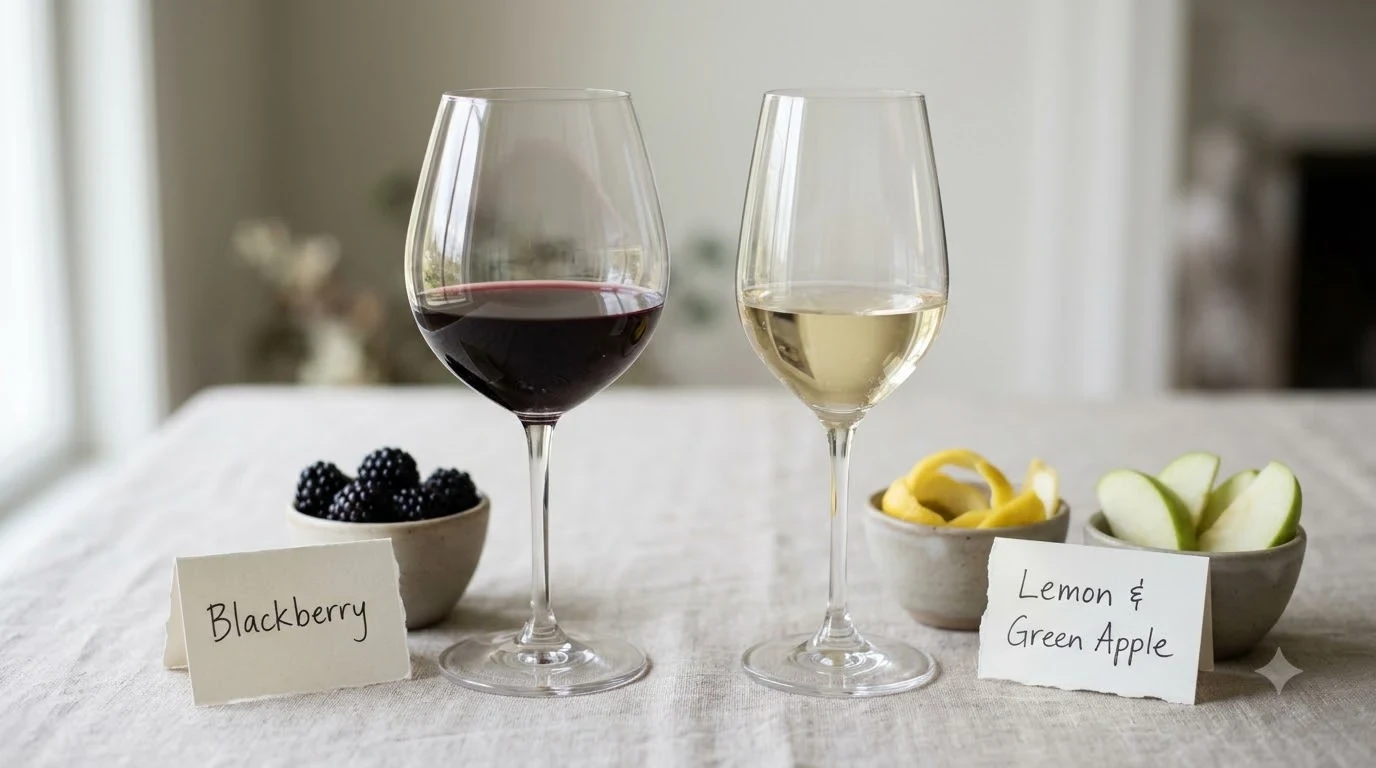
The best merlot at total wine is the bottle that matches your preferred balance of ripe fruit, smooth tannins, body, and acidity, with California, Washington, and Bordeaux offering excellent styles to compare. Start with the region and flavor profile rather than assuming every Merlot tastes the same. California bottles often emphasize ripe plum and cherry, Washington examples can combine dark fruit with refreshing acidity, and Bordeaux offers structured, earthy interpretations that work especially well with food.
Merlot is one of the most versatile red grapes for everyday drinking and special dinners. Its generally softer tannins make it approachable, while its range of growing regions gives shoppers plenty of choices, from fresh and fruity bottles to layered wines with oak, spice, and savory complexity. A useful shopping strategy is to decide how much body and structure you want, consider what you plan to serve, and then compare the available bottles at your local Total Wine store.
Who Should Look for Merlot at Total Wine?
Merlot is particularly appealing to shoppers who enjoy red wine with generous fruit, moderate acidity, and a softer texture than many Cabernet Sauvignon bottlings. It can suit someone buying a first red wine, a regular dinner drinker, or an experienced enthusiast looking for a different expression of Bordeaux or California fruit.
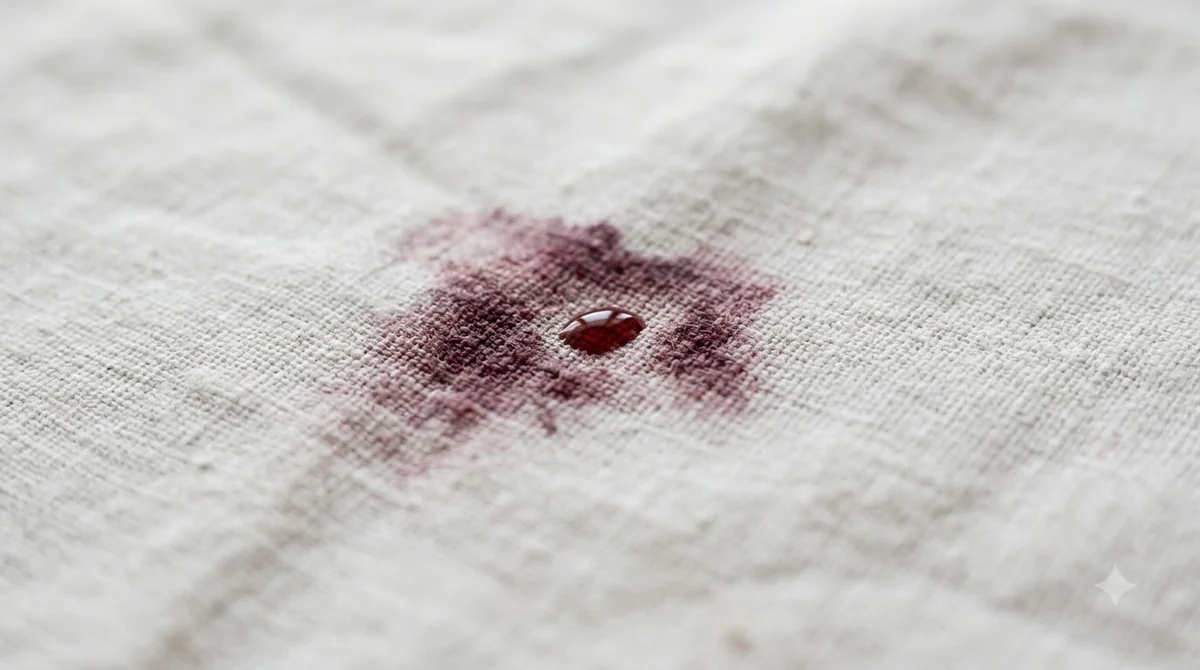
Newer red wine drinkers often appreciate Merlot because its plum and cherry flavors are easy to recognize. Although it is generally dry, its ripe fruit can create an impression of sweetness. That distinction matters: a wine can smell and taste like black cherries or ripe plums without containing enough residual sugar to qualify as a sweet wine. Most traditional Merlot is fermented dry, making it a natural choice for people who want fruit-forward flavors without a sugary finish.
Shoppers who usually prefer Cabernet Sauvignon may also find Merlot attractive. Cabernet typically has higher tannin and a firmer structure, while Merlot tends to feel rounder and softer. The difference is useful at dinner. A grilled steak can work with either grape, but Merlot may be the more comfortable choice when the meal includes roasted vegetables, mushroom sauce, or pork rather than a heavily charred cut of beef.
Merlot is not limited to casual drinking, either. Bordeaux’s Right Bank, particularly Saint-Émilion and Pomerol, has a long-standing reputation for serious Merlot-based wines. These examples can offer concentrated fruit, earthy complexity, and enough structure to accompany rich dishes. A shopper looking for a bottle for a holiday meal or an anniversary dinner can therefore explore Merlot without automatically moving to Cabernet Sauvignon.
There is also a practical reason to consider the grape: versatility. Merlot works with burgers, pizza, roasted poultry, braised beef, and many mushroom dishes. If a household regularly prepares several different meals, choosing a flexible red can be more useful than buying a wine designed for just one particular dish.
Key Factors to Compare When Choosing Merlot
The most useful comparison points are region, body, tannin, acidity, fruit intensity, and oak influence. These characteristics help explain why two bottles labeled Merlot can deliver noticeably different experiences, even when both are dry red wines.
Start with the growing region. California Merlot, especially from Napa Valley, often emphasizes ripe cherries, plums, blueberries, and sometimes sage or violet. Oak aging can contribute vanilla and chocolate notes. Sonoma examples may show brighter acidity and more red-fruit character, particularly when grown in coastal areas. Washington Merlot can combine concentrated black cherry and blueberry flavors with refreshing acidity and velvety tannins.
Bordeaux offers another direction. Merlot is especially important on the Right Bank, where it is often blended with Cabernet Franc. Saint-Émilion and Pomerol are useful regional names to recognize. These wines can combine plum, cherry, licorice, herbs, and earthy notes. Some are approachable relatively young, while more structured examples benefit from additional bottle age.
| Comparison factor | What to look for | Why it matters |
|---|---|---|
| Body | Medium to full | Determines how substantial the wine feels |
| Tannin | Medium | Influences grip and mouthfeel |
| Acidity | Medium | Helps balance fruit and food |
| Fruit profile | Cherry, plum, blackberry | Helps identify regional and ripeness differences |
| Oak influence | Vanilla, cocoa, spice | Adds flavor and perceived richness |
| Serving temperature | 60–65°F | Preserves freshness and aromatic definition |
| Standard bottle | 750 ml | Provides approximately five 5-ounce servings |
| Decanting | About 30 minutes | Can help a structured young red open up |
Body and tannin deserve particular attention. Merlot is generally softer than Cabernet Sauvignon, but that does not mean every example is light or delicate. A warm-climate wine can be full-bodied, concentrated, and relatively high in alcohol. A cooler-climate example may show more herbal character and firmer structure. The label’s grape name alone cannot tell you everything about the finished wine.
Acidity is another important consideration. Merlot usually has medium acidity, which gives it enough freshness for many meals without making it taste sharply tart. Compare that with Sauvignon Blanc, which generally has much higher acidity, or Chardonnay, which usually has a more moderate profile. For a red wine, Merlot’s balance of fruit, acidity, and tannin makes it especially flexible.
Oak is worth considering separately from fruit ripeness. Vanilla, cocoa, coffee, and baking spice can suggest oak influence, although the exact character depends on the winemaking process. If you prefer clean fruit flavors, look for a style emphasizing fresh cherry and plum. If you enjoy richer flavors, consider bottles with more noticeable oak and darker fruit characteristics.
For a broader look at choosing bottles across different red varieties, compare these recommendations for best red wine at total wine. The additional comparison can help clarify whether Merlot is the right grape for your preferred level of structure.
Step-by-Step: How to Choose a Bottle
A simple shopping process makes it easier to compare Merlot without getting distracted by attractive labels or unfamiliar producer names. Use these six steps to narrow the selection and find a bottle that fits your meal and preferences.
- Decide on the occasion. Choose whether the wine is for a casual weeknight dinner, a barbecue, a dinner party, or a special meal. An uncomplicated California Merlot can suit pizza or burgers, while a more structured Bordeaux-style bottle may be better for a slow-cooked beef dinner.
- Choose your preferred fruit profile. If you enjoy red cherry and fresh plum, begin with cooler-climate or coastal examples. If you prefer blackberry, blueberry, and baked fruit flavors, explore warmer areas such as Napa Valley or Paso Robles.
- Consider the wine’s structure. Look for medium-bodied Merlot if you want flexibility with poultry, pasta, and roasted vegetables. Choose a fuller-bodied expression if you plan to serve grilled beef, lamb, or a rich braise.
- Evaluate oak and savory character. Vanilla, chocolate, coffee, tobacco, and cedar can add complexity. If those flavors appeal to you, consider a more developed style. If you prefer straightforward fruit, select a less oak-driven expression.
- Compare the available regions and producers. Look at California, Washington, France, and Chile rather than restricting the search to one familiar place. Comparing two regional styles can reveal whether you prefer ripe fruit or a more savory, structured profile.
- Match the bottle to the food and serving plan. Consider the meal, the number of guests, and whether the wine will be opened immediately. A 750 ml bottle supplies approximately five standard 5-ounce pours, making it a useful planning reference for a small dinner.
It helps to approach the shelf with a shortlist of two or three styles rather than a single producer name. Availability can differ between Total Wine locations, and a store may carry several Merlots from different countries even when a particular bottle is unavailable. Comparing regional descriptions and grape composition gives you a practical alternative without requiring you to start the search again.
Do not assume that a more prominent label or a more elaborate bottle design means a better match. The important question is whether the wine’s flavor and structure suit your preferences. A simple, fruit-driven Merlot can be a more satisfying dinner choice than a highly structured bottle if you want something approachable with pizza or pasta.
Tip: If you are uncertain about your preferred style, compare one California Merlot with one Washington or Bordeaux example. Pay attention to fruit ripeness, acidity, tannin, and finish rather than judging the wines only by their initial aroma.
Types and Regional Styles of Merlot Explained
Merlot’s regional differences are among the most useful clues for shoppers. California, Washington, Bordeaux, and Chile offer distinct combinations of fruit, acidity, body, and earthy character, so knowing the basic differences makes choosing a bottle much easier.
California Merlot: California is a natural starting point for shoppers who enjoy ripe fruit and generous body. Napa Valley Merlot can show dark cherry, plum, blueberry, sage, and violet. Oak aging may add vanilla and chocolate. These wines can feel plush and full, making them appealing with grilled meats, lamb, and hearty pasta dishes.
Sonoma offers another California interpretation. Coastal influences can contribute brighter acidity and more red-fruit character. This can be a useful option for someone who likes California fruit but wants a fresher, less weighty impression. Paso Robles is another region worth recognizing for fruit-forward red wines, including Merlot.
Washington Merlot: Washington State is an important source of Merlot with concentrated fruit and a noticeable balance between richness and freshness. Black cherry, blueberry, fig, and vanilla are common flavor references. Its acidity can help keep a fuller-bodied wine from feeling excessively heavy.
For dinner, Washington Merlot can be a strong match for roast pork, grilled beef, and mushroom-based dishes. It is also a useful choice for shoppers who enjoy dark-fruit flavors but do not want the wine to feel overly soft. Compared with some warmer California examples, its brighter structure can make the finish feel more energetic.
Bordeaux Merlot: Bordeaux is the grape’s historic home and one of the most important regions to understand. On the Right Bank, Saint-Émilion and Pomerol are particularly associated with Merlot-led blends. Cabernet Franc commonly contributes additional structure and aromatic complexity.
Bordeaux Merlot can show plum, cherry, licorice, herbs, and earthy notes. Some wines have a firmer structure than straightforward New World examples, making them attractive to people who prefer savory complexity. They can pair particularly well with duck, roast turkey, lamb, beef short ribs, and mushroom dishes.
Chilean Merlot: Chile is another region worth considering for shoppers who want an approachable, supple red. Depending on the growing area and winemaking approach, Chilean examples can emphasize juicy dark fruit with a medium-bodied texture. Blackberry, blackcurrant, and plum are useful flavor references.
Chilean Merlot can be an interesting alternative to California because it may offer a different balance of ripeness and freshness. It also demonstrates why country of origin should be part of the buying decision rather than treating all Merlot as one uniform style.
For a more detailed explanation of regional characteristics, Decanter’s Merlot grape guide discusses the grape’s texture, growing regions, and differences from Cabernet Sauvignon.
Common Merlot Buying Mistakes to Avoid
The biggest mistake is assuming that Merlot always tastes soft, simple, and sweet. While approachable fruit-forward examples are common, Merlot can also produce structured, age-worthy wines with substantial depth. A better buying decision starts with understanding the region and intended style.
Another common error is confusing ripe fruit with actual sweetness. Merlot is generally fermented dry, but flavors such as ripe plum, blueberry, and black cherry can make it seem sweeter than it is. If you prefer a genuinely sweet wine, a dry Merlot may not meet that preference. Conversely, shoppers who avoid sweet wine should not automatically reject Merlot because it has pronounced fruit aromas.
Some buyers also choose a bottle based entirely on alcohol content. Alcohol can provide a rough clue about weight and ripeness, but it does not independently determine quality. A wine with more alcohol may feel fuller, but balance between fruit, acidity, tannin, and alcohol is more important. A concentrated wine that feels balanced can be more enjoyable than one that simply tastes powerful.
Ignoring the food pairing is another avoidable mistake. Merlot’s moderate tannin makes it versatile, but the details of the meal still matter. Salt and fat can soften the perception of tannin, which is one reason Merlot works with burgers, roast beef, and short ribs. Acidic tomato sauces benefit from a wine with enough acidity to keep the pairing balanced.
Spicy food needs a little more care. Alcohol and tannin can amplify chili heat, so an especially powerful Merlot may make a hot dish seem hotter. A fruit-forward, moderate-bodied bottle is often a more comfortable choice with mildly spiced barbecue chicken or dishes containing roasted peppers. For very hot food, a less tannic, lower-alcohol wine may be preferable.
Another mistake is dismissing Bordeaux blends because the front label does not say Merlot alone. Many traditional Bordeaux wines combine Merlot with Cabernet Franc and sometimes Cabernet Sauvignon or other permitted varieties. The resulting blend can still be Merlot-led and offer the soft fruit character shoppers are looking for.
Finally, avoid assuming that every bottle needs years of aging. Many approachable Merlots are intended to be enjoyed relatively young. More structured examples from established regions can benefit from additional bottle age, but a straightforward everyday wine is usually purchased for its current fruit and texture rather than a long cellar project.
Serving, Opening, and Storage Tips for Merlot
Proper serving conditions help Merlot show its fruit and structure without allowing alcohol to dominate. A temperature of 60–65°F is a useful target for most bottles, and a short refrigerator rest before serving is usually enough to bring a room-temperature red into a more comfortable range.
Room temperature is not a universal wine-serving rule. A home at 72°F or warmer can make red wine feel hot and alcoholic, while an excessively cold bottle can mute its aromas. If the bottle has been stored in a warm room, place it in the refrigerator for approximately 15–20 minutes before pouring. Adjust the time according to the bottle’s starting temperature.
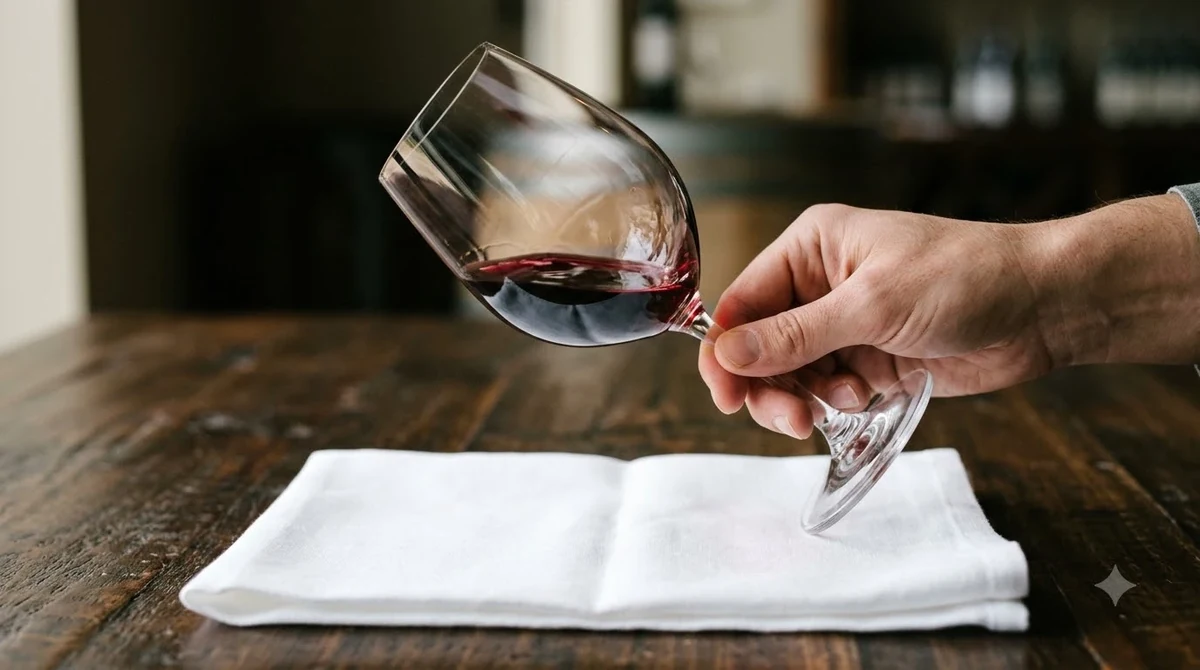
A large-bowled red wine glass is a practical choice. It provides room for swirling and helps release aromas of plum, cherry, cocoa, vanilla, and spice. Fill the glass with approximately 5 ounces rather than filling it to the rim. A standard 750 ml bottle contains about five such servings.
Decanting depends on the wine’s structure. A young, full-bodied Merlot can benefit from approximately 30–60 minutes in a decanter, particularly if it initially seems tight or dominated by alcohol. More approachable everyday examples may be enjoyable immediately after opening. There is no need to decant every Merlot automatically.
For storage, keep unopened bottles in a cool, dark place near 55°F, away from direct sunlight and major temperature changes. Bottles sealed with natural cork are generally best stored on their sides to help keep the cork from drying out. Avoid placing wine next to a heater, oven, or frequently vibrating appliance.
Once opened, reseal the bottle and keep it in the refrigerator. Most still Merlot should remain enjoyable for approximately 3–5 days, although freshness gradually declines as the wine interacts with oxygen. Before serving again, allow the wine to warm slightly toward its preferred drinking temperature.
Merlot is also a useful wine for planning meals ahead. If you are serving it with roast beef or lamb, open the bottle shortly before dinner and assess whether it needs additional air. For a casual pizza night, a straightforward pour without decanting is usually sufficient.
These basic practices can make a meaningful difference without requiring specialized equipment. A suitable glass, a cool storage location, and sensible serving temperature are generally enough to help an everyday Merlot show its best qualities.
Frequently Asked Questions
Is Merlot made from a single grape variety?
Merlot is a grape variety, but wines labeled Merlot are not necessarily made from 100% Merlot grapes. In the United States, varietal labeling generally requires at least 75% of the named grape under federal standards. Bordeaux wines frequently use Merlot alongside Cabernet Franc and Cabernet Sauvignon.
Does Merlot have a distinctive aroma when young?
Young Merlot often has noticeable fresh-fruit aromas, particularly cherry, plum, and blackberry. As the wine develops, its aroma can become more complex, with dried fruit, earthy, and savory characteristics. The changes depend on the growing region, winemaking, and bottle age.
Can Merlot be used for cooking?
Yes. Dry Merlot can work in beef stews, braised short ribs, and pan sauces. Its fruit-forward character can complement onions, mushrooms, and herbs. Avoid using a wine that is noticeably sweet unless the recipe specifically calls for sweetness.
What is the difference between Merlot and Merlot Blanc?
Traditional Merlot is a red grape used to produce red wine, while Merlot Blanc is a distinct white grape variety historically associated with southwestern France. The names are related, but the two should not be treated as interchangeable wine styles.
Is Merlot suitable for a wine cellar?
Some structured Merlots have meaningful aging potential, particularly high-quality Bordeaux examples. Their fruit, acidity, tannin, and winemaking determine how they develop over time. A carefully selected bottle can evolve beyond its youthful fruit character and develop more complex savory aromas.
Finding the right Merlot at Total Wine starts with deciding whether you prefer ripe California fruit, structured Washington reds, or savory Bordeaux character. Compare the region, tannin, acidity, and intended food pairing before choosing, and serve the wine slightly cool to preserve its balance. If you enjoy exploring other red varieties, the best pinot noir at total wine offers another useful comparison, while the best champagne at total wine can help round out a selection for different occasions.
More in Wine Buying Guides
 Riesling Gift: Choose a Bottle They’ll LoveUpdated Nov 21, 2026
 Sweet Red Wine Gift: Choose a Bottle They’ll LoveUpdated Nov 21, 2026
 Malbec Gift: How to Choose a Memorable Bottle for Any OccasionUpdated Nov 21, 2026
 Sherry Gift Ideas That Match Every Wine LoverUpdated Nov 21, 2026
 Moscato Gift: How to Choose a Sweet Wine They’ll LoveUpdated Nov 21, 2026
 Merlot Gift: How to Choose a Bottle They’ll AppreciateUpdated Nov 21, 2026