

We may earn a commission when you buy through links on this page, at no extra cost to you. Learn more.
The best lambrusco under 20 is a dry or off-dry sparkling red from Emilia-Romagna that balances fresh acidity, lively bubbles, ripe fruit, and the right amount of sweetness for your taste. Look for Lambrusco di Sorbara for a lighter, brighter style, Lambrusco Grasparossa for deeper fruit and more structure, or Lambrusco Salamino for an approachable middle ground. Understanding the grape variety, sweetness terminology, and DOC designation makes it easier to find a satisfying Italian wine without paying for unnecessary extras.
Lambrusco deserves more attention than its old reputation as inexpensive, overly sweet red wine suggests. The category includes refreshing sparkling wines with different colors, levels of sweetness, grape varieties, and textures. Many are especially good with pizza, cured meats, pasta, and casual gatherings. The following buying guide explains what to look for, how to compare bottles, and how to choose a style that delivers the experience you actually want.
Who This Is For
This guide is for shoppers who want an enjoyable Italian sparkling red without spending beyond a modest wine budget. It is particularly useful for people who enjoy fruit-forward wines, appreciate refreshing acidity, or want something different from conventional still red wine. The best choice depends more on sweetness preference and grape variety than on the color of the bottle or the familiarity of its producer.

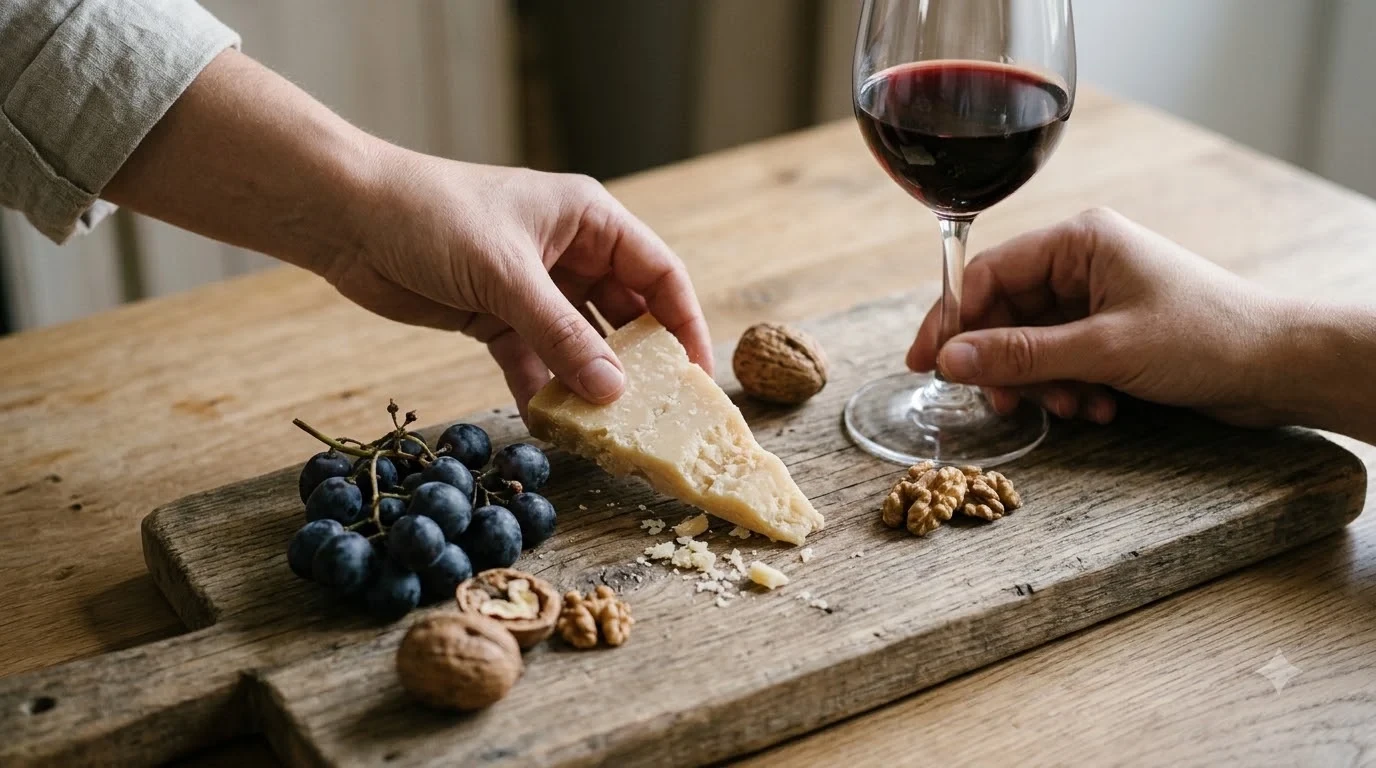
Lambrusco works particularly well for casual dinners and entertaining because its bubbles and acidity complement foods that can make other red wines feel heavy. Someone serving pepperoni pizza, Italian sausage, lasagna, or a platter of prosciutto and Parmesan may find Lambrusco more versatile than a conventional Cabernet Sauvignon. Its lively character also makes it a useful alternative to sparkling white wine when the menu includes richer savory dishes.
There are several types of buyers who should consider this category:
- Dry red wine drinkers: Choose Secco or Brut-style labeling where applicable, especially from Sorbara or Grasparossa producers. These wines offer fruit without necessarily tasting sugary.
- Fruit-forward wine drinkers: Look for Salamino or blends that emphasize cherry, raspberry, and blackberry flavors.
- People who prefer some sweetness: Amabile is a useful starting point because it offers noticeable sweetness while retaining acidity and carbonation.
- Party hosts: Frizzante Lambrusco is a flexible choice for antipasto, pizza, sandwiches, and appetizers.
- Wine explorers: DOC-designated bottles offer a practical way to compare distinct growing areas and grape compositions.
Shoppers who want a powerful, oak-aged red with concentrated tannins may be happier with a different category. Lambrusco generally emphasizes freshness, fruit, acidity, and bubbles rather than the weight and aging character associated with many conventional red wines. Someone comparing it with the best cabernet sauvignon under 20 should remember that these wines serve different purposes at the table.
The most important starting point is deciding whether the wine should taste dry, slightly sweet, or distinctly sweet. Once that preference is established, the grape variety and production designation help narrow the selection considerably.
Key Factors to Compare
The most useful Lambrusco buying criteria are sweetness, grape variety, appellation, carbonation, and alcohol content. These characteristics determine whether a bottle feels light and refreshing, dark and structured, or round and fruit-forward.
| Buying factor | What to look for | What it suggests |
|---|---|---|
| Sweetness | Secco, Semisecco, Amabile, Dolce | Ranges from dry to sweet |
| Grape variety | Sorbara | Lighter body and bright acidity |
| Grape variety | Grasparossa | Darker fruit and more structure |
| Grape variety | Salamino | Juicy fruit and medium structure |
| Appellation | DOC | Defined geographical and production rules |
| Carbonation | Frizzante | Light or moderate sparkle |
| Carbonation | Spumante | More pronounced sparkling character |
| Alcohol | Compare ABV on the bottle | Helps indicate the wine’s strength |
| Serving temperature | 50–55°F | Refreshing, balanced presentation |
Sweetness terminology
Sweetness is one of the most important distinctions in Lambrusco. Italian labels frequently use terms that are unfamiliar to American shoppers, and understanding them prevents the common mistake of buying a wine that tastes much sweeter than expected.
- Secco: Dry. This is the natural starting point for shoppers who prefer conventional dry red wine.
- Semisecco: Off-dry. A small amount of sweetness gives the wine a rounder impression.
- Amabile: Medium-sweet. Fruit and residual sugar are more noticeable, but refreshing acidity can keep the wine balanced.
- Dolce: Sweet. This style is suitable for people who actively enjoy sweet sparkling wine or want a bottle for dessert.
For a useful overview of these Italian terms and the different styles available, consult ONWINE’s Lambrusco style and buying guide.
Do not assume that dark color means high sweetness. A deeply colored Grasparossa can be completely dry, while a lighter red or rosé Lambrusco can have noticeable residual sugar. Sweetness and grape variety are separate decisions, so compare both before choosing.
Appellation and grape composition
A DOC designation can help shoppers identify the geographical origin and production requirements behind a wine. Lambrusco di Sorbara, Lambrusco Grasparossa di Castelvetro, and Lambrusco Salamino di Santa Croce each have distinct grape composition rules and typical characteristics.
For example, the Consorzio Lambrusco specifies a minimum of 60% Sorbara grapes for Lambrusco di Sorbara DOC and a minimum of 85% Grasparossa for Lambrusco Grasparossa di Castelvetro DOC. These distinctions are useful because they provide a clearer indication of the wine’s expected style than the general word Lambrusco alone. The official Lambrusco denomination information provides additional details about the appellations, permitted grapes, and regional characteristics.
Broader designations, including Emilia IGT and Reggiano DOC, can accommodate different blends. They are not automatically inferior. A carefully made blend can offer attractive fruit, balanced acidity, and excellent food compatibility. The producer’s attention to grape selection and fermentation matters alongside the appellation.
For additional background on comparing wine characteristics and reading buying information, visit the wine buying resources.
Step-by-Step: How to Choose a Bottle
A simple five-step process makes it easier to identify a suitable Lambrusco. Start with sweetness, then consider the grape variety, appellation, carbonation, and intended food pairing.
-
Decide how sweet the wine should be.
Choose Secco if you prefer dry red wine, Semisecco if you enjoy a slightly rounded finish, Amabile if you like medium sweetness, or Dolce for a sweeter experience. This first decision eliminates many unsuitable options.
-
Select the grape variety based on body and flavor.
Choose Sorbara for lighter red berry flavors, Grasparossa for darker fruit and stronger structure, or Salamino for a fruit-forward style between those two general profiles. If the label describes a blend, look for the named grapes to understand its likely character.
-
Compare the appellation and producer information.
A DOC designation identifies a regulated origin, while IGT wines may offer more flexibility in blending. Neither designation guarantees that every bottle will suit every preference. Look for clear information about the region, grape composition, and producer.
-
Check the sparkling style and alcohol content.
Frizzante is generally the choice for a gentler sparkle, while Spumante indicates a more fully sparkling wine. Compare the alcohol percentage between bottles if you want to understand their relative strength. For context, Cantina Santa Croce lists 11% ABV for its Lambrusco Dell’Emilia IGP.
-
Match the wine to the meal.
Pair dry Lambrusco with pizza, cured meat, sausage, and tomato-based pasta. Choose a medium-sweet version for spicy appetizers or desserts with berries. A lighter Sorbara can be especially appealing before dinner, while Grasparossa works well alongside richer dishes.
Tip: If you are unsure which style to buy, start with a dry Salamino or a dry Sorbara. Both offer refreshing acidity and fruit without requiring a preference for noticeably sweet wine. Once you understand which texture you enjoy, compare a Grasparossa or Amabile bottle for a different experience.
One useful strategy is to compare two different styles rather than buying two bottles based on similar labels. For example, a Sorbara and a Grasparossa make an informative comparison because the differences in color, body, tannin, and fruit are relatively easy to recognize. If sweetness is your main concern, compare a Secco and an Amabile from the same general style instead.
Keep the intended serving occasion in mind. A light frizzante is suitable for an afternoon aperitivo, while a structured red Lambrusco may be more satisfying with a substantial dinner. Choosing for the meal usually produces a better result than selecting solely by grape name.
Types and Styles Explained
The three most useful Lambrusco grape varieties to recognize are Sorbara, Grasparossa, and Salamino. They share the category’s characteristic freshness and fruit but produce different colors, textures, and levels of structure.
Lambrusco di Sorbara: Best for lighter drinking
Sorbara is the delicate option for people who enjoy bright acidity and lighter-bodied red wine. Its color often ranges from pale ruby to rosé, with aromas of violets, strawberries, and other red berries. The consortium describes it as fresh, clean, delicate, and light-bodied.
This style works especially well as an aperitivo or alongside lighter foods. Try it with prosciutto, mild cheeses, grilled vegetables, fried appetizers, or simple pasta dishes. Its refreshing character can also complement Asian-inspired meals where a heavy red wine might feel out of place.
Because Sorbara emphasizes freshness rather than weight, it is a sensible first purchase for someone who normally drinks Pinot Noir, lighter reds, or sparkling rosé. A dry example is particularly useful when the wine needs to accompany several different appetizers.
Lambrusco Grasparossa: Best for richer food
Grasparossa is the more substantial choice. It typically produces deep ruby wines with purple highlights and flavors associated with blackberries, cherries, violets, and fresh almonds. Its additional body and noticeable tannins make it a natural partner for heavier dishes.
Serve Grasparossa with Italian sausage, meatballs, grilled pork, lasagna, or rich tomato-based pasta. It also works well with cured meats and mature cheeses because their fat and salt help soften the perception of tannin. The result is a satisfying combination of fruit, acidity, bubbles, and savory flavors.
Grasparossa is especially suitable for shoppers who want Lambrusco to function as a red wine at dinner rather than simply as a sparkling aperitif. Its deeper color and structure provide a more substantial experience than the lighter Sorbara style.
Lambrusco Salamino: Best for versatility
Salamino sits between Sorbara and Grasparossa in many stylistic comparisons. The consortium describes its typical profile with raspberry, cherry, blackberry, and delicate floral notes. It also has a moderately tannic character and enough structure to work with a wide range of foods.
This makes Salamino a practical choice for households that serve different dishes throughout the week. It can accompany pizza, pasta, roasted vegetables, charcuterie, and moderately rich meat dishes without demanding a very specific menu.
Its approachable fruit profile also makes it a useful introduction to Lambrusco for people who have mostly encountered sweeter commercial examples. A dry Salamino provides a straightforward way to understand how refreshing and food-friendly the category can be.
Blended, rosé, and sweeter Lambrusco
Not every Lambrusco is made from a single grape variety. Some wines combine different members of the Lambrusco family to achieve a particular balance of color, aroma, acidity, and body. A blend may offer the freshness of Sorbara alongside the deeper color of Grasparossa or the fruitiness of Salamino.
Rosé Lambrusco is another useful option. It usually emphasizes lighter fruit, freshness, and an easy-drinking character. It is particularly suitable for aperitivo, seafood appetizers, and outdoor meals where a heavy red wine would be less appealing.
Sweet Lambrusco should not be dismissed simply because dry styles receive considerable attention. Amabile and Dolce versions can be enjoyable when their sweetness matches the food. A medium-sweet wine may complement spicy pizza or salty appetizers, while a sweeter version can accompany chocolate and strawberry desserts.
Shoppers specifically looking for lower-sugar-tasting styles can explore dry Lambrusco options, while those who prefer more residual sweetness can compare sweet Lambrusco styles.
The production method also influences the final experience. Many Lambrusco wines use the Charmat method, in which secondary fermentation takes place in pressurized tanks. This approach helps retain the fresh fruit character that makes the category so appealing. Some producers also use traditional or ancestral approaches, resulting in different textures and expressions.
Common Mistakes When Buying Lambrusco
The biggest purchasing mistakes involve assuming that all Lambrusco is sweet, ignoring the grape variety, and confusing sparkling intensity with wine quality. Avoiding these assumptions helps shoppers identify bottles that match their preferences rather than relying on outdated stereotypes.
Assuming every Lambrusco is sweet
Lambrusco has a long history of being associated with sweet commercial wines in the American market. That reputation does not describe the entire category. Dry Secco examples can be crisp, refreshing, and well suited to savory dishes.
The opposite assumption is also problematic. Not every Lambrusco is dry simply because it comes from a traditional Italian appellation. Producers make dry, off-dry, medium-sweet, and sweet wines. Understanding the terminology is more reliable than judging by the region or color alone.
Choosing by color instead of grape variety
A dark wine is not automatically better for a particular meal, and a pale red is not necessarily less interesting. Sorbara can provide impressive freshness and aromatic detail, while Grasparossa supplies more structure. The difference is stylistic, not a simple quality ranking.
Instead of treating deeper color as a sign of quality, consider the intended drinking experience. A light Sorbara can be the more satisfying choice for an aperitivo, while a structured Grasparossa may be more suitable for a hearty meat-based dinner.
Ignoring food compatibility
Lambrusco’s acidity and carbonation make it particularly useful with salty and fatty foods. However, not every version works equally well with every dish. A dry, structured Grasparossa can overpower delicate seafood, while a very sweet Dolce may seem out of place with a simple grilled steak.
Spicy dishes require additional thought. Alcohol and tannin can intensify the perception of chili heat. A fruit-forward, slightly sweet Lambrusco may be a more comfortable pairing than a strongly tannic red, particularly with hot pizza or spicy sausage.
Expecting every bottle to have identical bubbles
Frizzante and Spumante are not interchangeable descriptions. Frizzante generally has a gentler sparkle, while Spumante has a more pronounced sparkling character. Both can be enjoyable, but the difference changes how the wine feels on the palate and how it works with food.
Another mistake is assuming that a DOC designation automatically means a more enjoyable bottle. Appellation rules establish production and origin standards, but personal preference still matters. A well-made IGT blend can be more appealing to an individual shopper than a DOC wine with a less suitable sweetness or body.
Care and Storage Tips
Lambrusco generally tastes best when served chilled and consumed while its fruit and bubbles remain fresh. Correct refrigeration, careful opening, and appropriate glassware make a noticeable difference to the drinking experience.
Choose the right serving temperature
A temperature of 50–55°F is a useful starting point for many Lambrusco wines. It keeps the wine refreshing while allowing its fruit and aromas to remain noticeable. Lighter Sorbara and rosé versions can be served toward the cooler end of that range, while fuller Grasparossa can benefit from slightly warmer service.
For a convenient approach, place the bottle in the refrigerator for approximately one hour before serving. If the bottle becomes excessively cold, let it stand briefly before pouring. Very cold temperatures can suppress aromatic detail and make the wine seem less expressive.
Use suitable glassware
A standard wine glass is a good everyday option because it gives the wine enough room to release its aromas. A sparkling wine glass can preserve bubbles and create a more formal presentation. There is no need to purchase specialized glassware solely for Lambrusco.
Pour moderate servings to preserve carbonation and give guests room to appreciate the wine’s aromas. A standard wine serving is approximately 5 ounces, and a 750 ml bottle provides roughly five such glasses.
Store unopened bottles correctly
Keep Lambrusco away from direct sunlight, strong temperature fluctuations, and excessive heat. A cool, dark storage location is preferable to a kitchen counter or a cabinet beside an oven. A temperature near 55°F is a useful general target for longer-term wine storage.
If the bottle has a natural cork and is intended for extended storage, placing it horizontally helps keep the cork from drying out. Most fresh, fruit-focused Lambrusco is intended for relatively early enjoyment rather than prolonged cellaring. Buying it for near-term consumption preserves the lively character that defines the category.
Preserve opened wine
Once opened, reseal the bottle with a suitable sparkling wine stopper and place it in the refrigerator. The bubbles gradually disappear as carbon dioxide escapes, so the wine is usually most enjoyable shortly after opening.
For sparkling wine, approximately one to three days is a practical refrigerated consumption window, although the actual freshness depends on the wine, stopper, and handling. Keep the bottle upright and avoid leaving it on the table for extended periods. If the wine loses most of its carbonation, its original lively character will be reduced.
Careful storage is especially useful when serving several different bottles at a gathering. Chill each bottle before opening, pour smaller servings when necessary, and return unfinished wine to the refrigerator promptly.
Frequently Asked Questions
Is Lambrusco made from one grape variety?
No. Lambrusco refers to a family of related grape varieties rather than a single variety. The family includes numerous cultivars, and individual wines may use one dominant grape or a blend. This diversity explains why bottles from the same broad category can have very different colors, aromas, and textures.
Does Lambrusco have to be red?
No. Lambrusco can also be produced as rosé or white wine. White Lambrusco is generally made by pressing dark-skinned grapes and separating the juice from the skins early in the winemaking process. These styles offer an alternative for drinkers who enjoy the grape family’s freshness but prefer a lighter appearance.
What does Lambrusco taste like compared with sparkling rosé?
Lambrusco generally emphasizes red or dark berry flavors, and some versions have more noticeable tannin than typical sparkling rosé. Sparkling rosé can be made from several different grape varieties and may have a lighter or more delicate structure. Lambrusco is especially distinctive because its sparkling red styles can accompany savory meat dishes particularly well.
Can Lambrusco be made without added carbonation?
Yes. Although sparkling and lightly sparkling versions are the most familiar, still Lambrusco also exists. These wines do not have the characteristic effervescence of frizzante or spumante versions. They offer another way to explore the grape family’s fruit and regional character.
What is the difference between Lambrusco DOC and IGT?
DOC is a controlled designation with defined geographical and production requirements, while IGT provides producers with broader flexibility under its geographical indication rules. Neither designation alone guarantees a particular sweetness level or personal preference. Comparing grape composition, producer information, and the finished wine’s style remains important.
The best Lambrusco is the bottle that matches your preferred sweetness, fruit profile, and meal. Start with dry Sorbara for freshness, Grasparossa for richer dishes, or Salamino for an adaptable everyday style. With a little attention to grape variety, labeling, and serving temperature, Lambrusco offers an enjoyable way to explore Emilia-Romagna’s distinctive sparkling reds without making the buying process complicated.
More in Wine Buying Guides
 Riesling Gift: Choose a Bottle They’ll LoveUpdated Nov 21, 2026
 Sweet Red Wine Gift: Choose a Bottle They’ll LoveUpdated Nov 21, 2026
 Malbec Gift: How to Choose a Memorable Bottle for Any OccasionUpdated Nov 21, 2026
 Sherry Gift Ideas That Match Every Wine LoverUpdated Nov 21, 2026
 Moscato Gift: How to Choose a Sweet Wine They’ll LoveUpdated Nov 21, 2026
 Merlot Gift: How to Choose a Bottle They’ll AppreciateUpdated Nov 21, 2026