

We may earn a commission when you buy through links on this page, at no extra cost to you. Learn more.
The ideal lambrusco serving temperature is 50–55°F (10–13°C) for most bottles, cool enough to keep the wine lively while allowing its red-fruit aromas to show. A lighter Lambrusco di Sorbara usually works near the lower end, while a fuller Lambrusco Grasparossa di Castelvetro can take the upper end. Start with that range, then make a small adjustment for the wine’s body, sweetness, and the food on the table.
Lambrusco is a family of red-grape wines from northern Italy, most closely associated with Emilia-Romagna. Bottles can be gently sparkling or more fully fizzy, pale or deeply colored, and dry through sweet, so serving every label at refrigerator-cold temperature misses some of its character. The guidance below gives you a reliable starting point and a simple way to fine-tune the pour.
The Ideal Temperature for Most Lambrusco
For a dependable first pour, serve Lambrusco at 50–55°F (10–13°C). That range sits between the very cold service often used for delicate sparkling wine and the warmer range used for structured still reds; it keeps the wine refreshing without muting its fruit.
A useful reference comes from the producer Cantina Santa Croce, whose Lambrusco Grasparossa di Castelvetro is recommended at 10–12°C, or about 50–54°F. That producer-specific recommendation sits comfortably inside the broader 50–55°F range. It is also a reminder that Lambrusco should not be treated like a heavy red served at typical room temperature simply because the wine is red.
At the lower end, the wine’s acidity and fine bubbles feel brisk, and red-fruit notes can seem crisp and precise. Near 55°F, the texture can feel rounder and the aroma more expressive, especially in a darker, fuller example. The difference is not dramatic, but a few degrees can change whether a glass feels taut and refreshing or soft and generous.
Temperature recommendations are starting points rather than strict rules. A bottle poured at 52°F may warm a little in the glass, which is useful because the first sip and the last sip do not need to taste identical. When hosting, it is easier to serve slightly cool and allow the wine to warm naturally than to rescue a bottle that has become too warm.
Why Temperature Changes Lambrusco’s Balance
Temperature affects Lambrusco’s bubbles, aroma, acidity, and impression of sweetness. A bottle served too cold can feel narrow and sharp, while one served too warm can seem softer, less refreshing, and more alcoholic.
Cold temperatures make carbon dioxide feel more pointed on the tongue, so the wine’s sparkle can seem more aggressive. They also restrain volatile aromas, which means scents of cherry, raspberry, violet, and herbs may be harder to detect straight from a very cold bottle. Give a chilled glass a minute or two, and those aromas often become easier to recognize as the wine warms.
Warm service shifts the balance in the other direction. Red-fruit aromas become more apparent, but the fizz may feel less lively and sweetness can seem more pronounced. With an off-dry or sweet Lambrusco, that can make the finish feel heavier; with a dry, high-acid bottle, it can make the wine seem broader and less crisp than intended.
Body and tannin matter as well. A pale, high-acid Sorbara has a different frame from a dark Grasparossa with firmer tannins. The second style can benefit from the warmer side of the range, but that does not mean serving it at 60°F or above. A moderate chill still preserves its freshness and keeps the texture in balance.
Adjust the Chill for Each Lambrusco Style
Use 50–55°F (10–13°C) as the overall target, then move within that range according to the grape and weight of the wine. The following ranges are practical serving targets, not separate legal rules for each appellation.
| Lambrusco style | Serving target | Why it fits |
|---|---|---|
| Lambrusco di Sorbara | 50–52°F (10–11°C) | Light color, delicate red fruit, and lively acidity |
| Lambrusco Salamino | 50–54°F (10–12°C) | Medium weight, marked acidity, and a range of dry to sweet styles |
| Lambrusco Grasparossa di Castelvetro | 52–55°F (11–13°C) | Deeper color, fuller body, and firmer tannic structure |
| Rosato Lambrusco | 48–50°F (9–10°C) | Fresh, delicate fruit and an aperitif-like feel |
Lambrusco di Sorbara is often the most delicate of the familiar styles. Wine Enthusiast describes it as lightly colored and fragrant, with vibrant acidity; it is associated with the area around Sorbara, north of Modena, between the Secchia and Panaro rivers. Serve it around 50–52°F so its violet, strawberry, and tart red-berry character stays bright without losing definition. Its brisk profile can make it a natural first glass before a meal.
Lambrusco Grasparossa di Castelvetro is darker and more structured. The grape has thicker skins, and the resulting wine can show more tannin, deeper color, and a fuller feel; Cantina Santa Croce describes its example as full-bodied and recommends 10–12°C. A target of 52–55°F gives that structure room to show while retaining a refreshing edge. For more on the contrast between these grape families, see Wine Enthusiast’s overview of Lambrusco styles and varieties.
Lambrusco Salamino sits between those poles, although individual bottlings vary. It is widely planted and can contribute color and acidity to blends; it also appears in off-dry and sweet wines. For a drier Salamino, stay near 50–52°F. For a sweeter or fuller bottle, try 52–54°F and assess whether the fruit and acidity remain in balance. Rosato versions and lighter blends can be served a touch cooler, especially as an aperitif on a warm day.
Chill the Bottle Without Losing the Bubbles
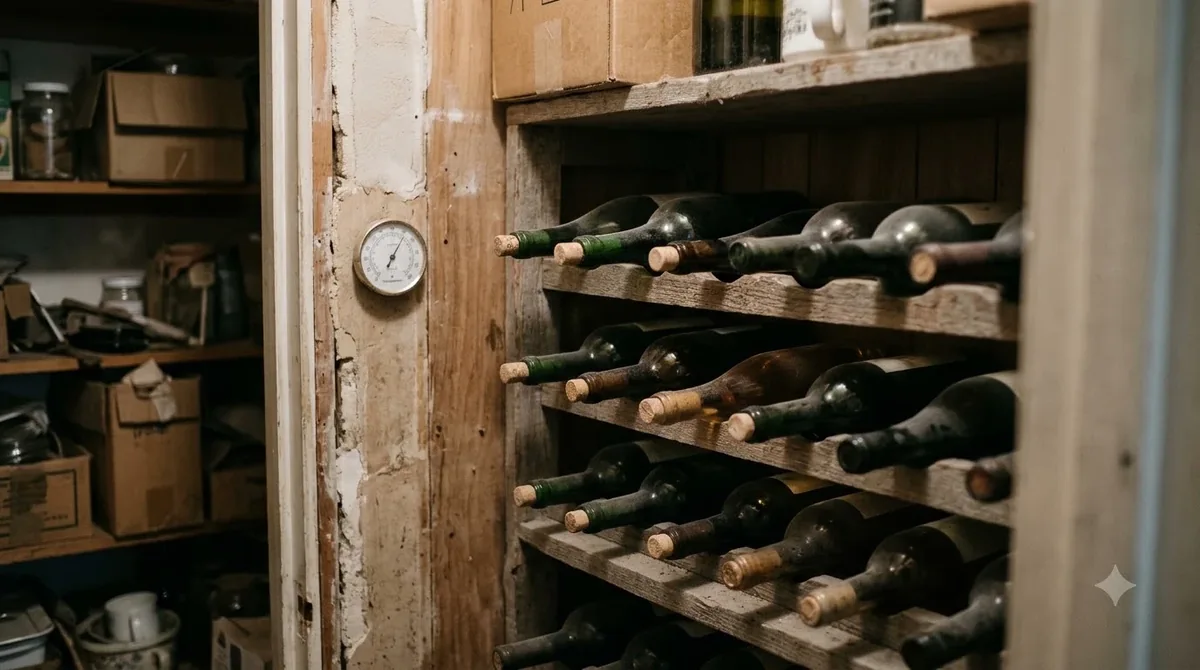
Plan on about 90 minutes in the refrigerator for a bottle that starts at a typical indoor temperature, or roughly 15–20 minutes in an ice-and-water bucket for a faster chill. These are estimates: a warm room, a crowded refrigerator, bottle shape, and starting temperature all affect the time.
For refrigerator chilling, place the bottle upright or on its side where cold air can circulate around it. Set a reminder rather than leaving it for hours without checking. If it becomes colder than you intended, let it stand on the counter for several minutes before opening. A wine thermometer is useful, but a consistent routine is usually enough for casual service.
An ice bucket works more quickly when it contains both ice and water. Water fills the gaps around the glass and cools the bottle more evenly than ice cubes alone. Keep the neck and closure accessible, and rotate the bottle once if one side is exposed to more ice. Avoid putting the bottle in the freezer as a routine method: it is easy to forget, and a partly frozen sparkling wine is difficult to pour cleanly.
Tip: Chill the bottle to about 50°F, pour a small taste, and wait two or three minutes before deciding it needs more chilling. A glass warms faster than a full bottle, so judge the wine after it has had a moment to open.
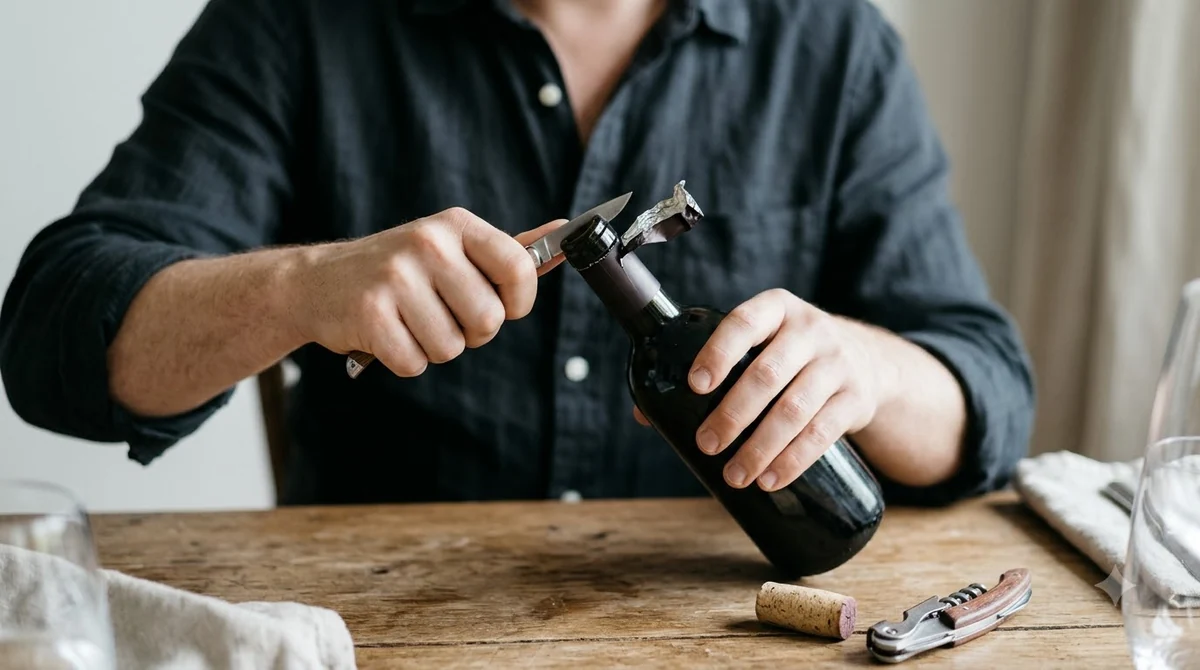
Open the bottle just before serving and handle it gently. Lambrusco is often lightly sparkling, so a hard shake or a quick, forceful pour can create excess foam and send aroma out with the bubbles. Hold the bottle securely, angle the glass slightly, and pour down the inside wall. Return the bottle to the refrigerator between rounds rather than leaving it on a warm counter.
Choose the Right Glass and Pour
A medium-sized wine glass is a good everyday choice for Lambrusco. It gives red-fruit aromas room to gather while keeping the bubbles and temperature manageable; a standard white-wine glass also works well for lighter, more delicate versions.
A narrow flute can preserve a stream of bubbles, but it restricts the aromatic space that helps distinguish cherry, raspberry, violet, and savory notes. A very broad red-wine bowl is not necessary either, particularly for a lightly sparkling bottle. Choose a glass with enough room to swirl gently without spilling, and avoid filling it to the rim.
Pour about 5 ounces per serving. A standard 750-milliliter bottle yields roughly five such glasses, which makes it easy to plan portions for a dinner. Leave some room above the wine so aromas can collect and the bubbles have space to rise. If the wine is particularly lively, pour in two stages: a small first pour to settle the foam, followed by the remaining amount.
Lambrusco does not usually need decanting. Moving it into a decanter can flatten the sparkle that makes the style refreshing. If a traditionally made bottle has visible sediment, pour slowly and stop before the last cloudy portion enters the glass. For an opened bottle, use a sparkling-wine stopper and refrigerate it promptly; the bubbles are best while they remain vivid, generally within one to three days. Temperature continues to change after the pour, too. In a warm dining room, a glass can move above the target range faster than expected, so pour smaller amounts and refill as needed; keep the bottle cold between pours, especially when the meal lasts more than an hour.
Pair Lambrusco With Food at the Right Temperature
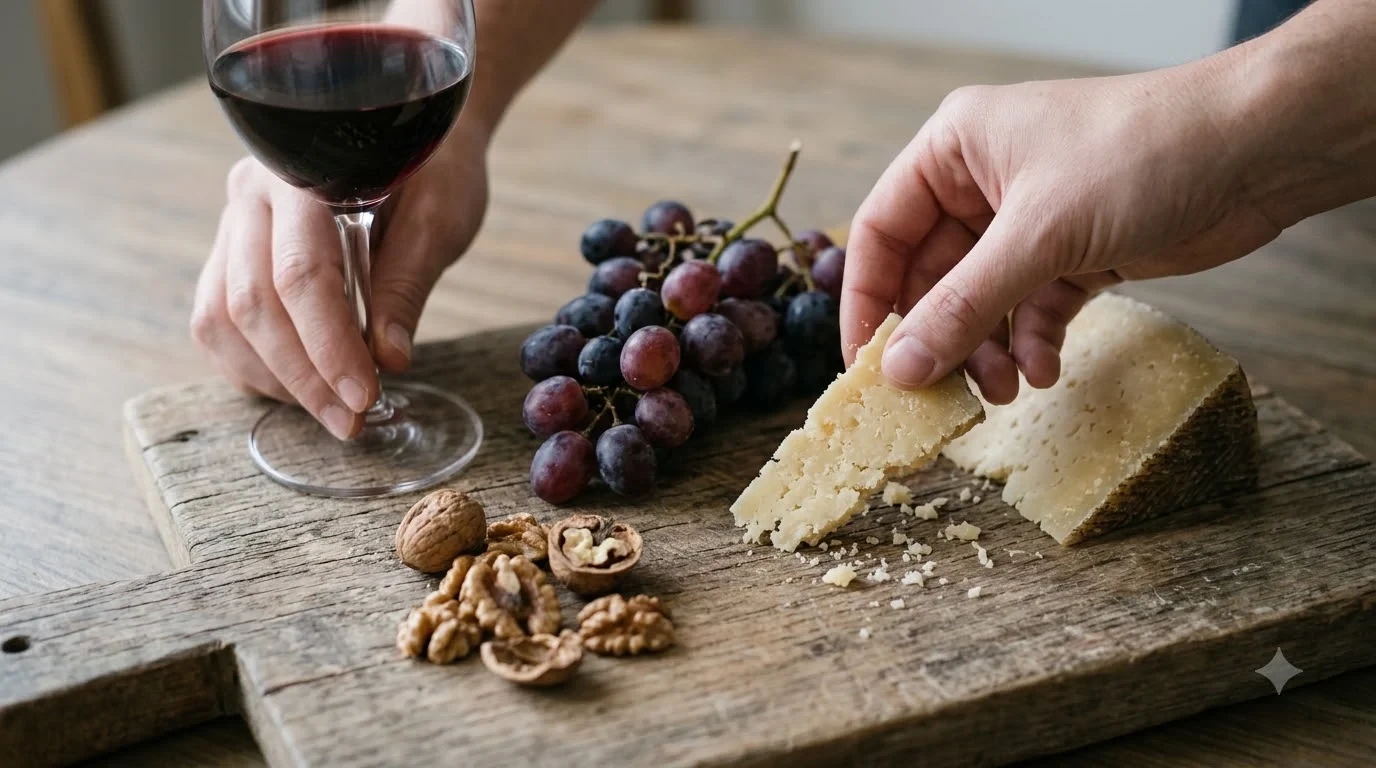
Lambrusco’s acidity and gentle sparkle make it particularly useful with rich, salty food. It is a natural partner for Emilia-Romagna dishes such as Prosciutto di Parma, salami, tortellini, and local cheeses, while sweeter versions can work with fruit-based desserts.
For cured meats and cheese, a dry Sorbara around 50–52°F offers freshness against salt and fat. Salt and fat can soften the impression of tannin, while Lambrusco’s acidity refreshes the palate between bites. The pairing is not limited to Italian food: try a dry bottle with roast pork, grilled sausages, a cheeseburger, or mushroom pizza. A lightly sparkling red can also handle the contrast between crisp crust, melted cheese, and tomato acidity.
Fuller Grasparossa works with dishes that have enough flavor to meet its darker fruit and firmer structure. Think grilled pork, barbecue with a savory rub, meatballs in tomato sauce, or baked pasta with browned cheese. A little sweetness in the sauce can work with a slightly off-dry Lambrusco, while a dry version suits dishes with savory herbs and roasted edges. Plan for the whole menu: a lighter bottle can bridge antipasto and tortellini, while a fuller example can stay on the table for roast meat.
Match sweetness carefully. The wine should be at least as sweet as the dessert, or the dessert can make the wine taste thin and sour. A sweet Lambrusco can accompany berry tart, cherries, or chocolate with red-fruit filling; a dry Lambrusco is usually better beside savory food than a very sweet pastry. For another dessert-wine reference, see our guide to Sauternes serving temperature. Acidity matters just as much: a dish with lemon, vinegar, or tomato needs a wine with equal or higher acidity, or the food may make the wine seem flat. Lambrusco often has enough freshness for tomato-based dishes, but a rich cream sauce may call for a fuller style rather than the lightest Sorbara. For very spicy food, remember that alcohol and tannin can intensify chili heat; choose a lower-tannin, lower-alcohol, slightly sweet style rather than a firm, dry Grasparossa. Oily fish is also a less natural partner for a tannic red, so choose a different wine or a very light Lambrusco if seafood is the focus. A broader look at categories in our Wine by Type guide can help place sparkling reds alongside still reds, white wines, and dessert wines.
Frequently Asked Questions
Most bottles are best served around 50–55°F (10–13°C), but Lambrusco is a varied category. Pronunciation, alcohol level, sweetness terms, production method, and place of origin can all help explain differences from one bottle to another.
How do you pronounce Lambrusco?
Lambrusco is commonly pronounced “lam-BROO-skoh,” with the stress on the second syllable. The final vowel sounds like the “oh” in “go,” rather than a clipped “uh.”
Does Lambrusco always have the same alcohol level?
No. The six bottles featured in Decanter’s Lambrusco selection ranged from 8.5% to 12% alcohol by volume. That spread shows why the alcohol figure can help distinguish a lighter, softer bottle from a stronger example.
Are all Lambrusco wines dry?
No. Italian sweetness terms can help: secco means dry, amabile means medium-sweet, and dolce means sweet. These terms describe sweetness rather than the amount of fizz, so a dry wine can still be sparkling.
Is Lambrusco always made by the tank method?
No. The Charmat tank method is common, but some producers use the traditional method or the ancestral method, with fermentation continuing in the bottle. Bottle-fermented examples may retain fine yeast sediment, which can make the wine look cloudy if it is disturbed.
Does Lambrusco come only from Emilia-Romagna?
Emilia-Romagna is the best-known home of Lambrusco, but wines bearing the name are also produced in Lombardy and Puglia. The region and appellation can therefore provide useful context before you choose a bottle.
For most bottles, begin at 50–55°F and adjust within that range to suit the grape, body, and sweetness. A gentle chill, a medium-sized glass, and food with enough acidity or richness to meet the wine will show why Lambrusco belongs at the table, not just in the aperitif hour.
More in Wine Types & Grapes
 What Does Mourvèdre Taste Like? Flavor Profile, Regions, and PairingsUpdated Nov 20, 2026
 What Does Marsanne Taste Like? Flavors, Styles, and Food PairingsUpdated Nov 20, 2026
 What Does Malvasia Taste Like? Styles, Flavors, and Food PairingsUpdated Nov 20, 2026
 What Does Grenache Blanc Taste Like? Flavor Profile, Styles, and PairingsUpdated Nov 20, 2026
 What Does Garnacha Taste Like? Key Flavors, Styles, and Pairing TipsUpdated Nov 20, 2026
 What Does Fruit Wine Taste Like? A Complete Flavor and Style BreakdownUpdated Nov 20, 2026