

We may earn a commission when you buy through links on this page, at no extra cost to you. Learn more.
The best lake erie wineries for a regional wine tasting trip include Yori Wine Cellars, Mazza Vineyards, Arrowhead Wine Cellars, Presque Isle Wine Cellars, and Johnson Estate Winery. These producers offer opportunities to explore dry Riesling, Cabernet Franc, Chardonnay, French-American hybrid grapes, and traditional sweet wines. The Lake Erie wine region stretches across three states, but the Lake Erie Wine Country trail provides a particularly convenient route through western New York and northwestern Pennsylvania.
Lake Erie is a fascinating destination for wine enthusiasts who want something different from the better-known Finger Lakes wine trails. Its vineyards benefit from the moderating influence of the Great Lake, and its winemaking traditions include native American grapes, French-American hybrids, and European varieties. This guide explains which wineries deserve attention, what to look for in their wines, and how to organize a visit without trying to squeeze too many tasting rooms into one afternoon.
Who Should Visit Lake Erie Wine Country
Lake Erie wine country suits visitors who enjoy discovering regional grape varieties, comparing different sweetness levels, and exploring smaller winery communities. Its approximately 53-mile Lake Erie Wine Country trail connects Silver Creek, New York, with Harborcreek, Pennsylvania, making it practical for a weekend trip or a carefully planned day of tastings.
First-time visitors should understand the distinction between the Lake Erie American Viticultural Area (AVA) and the Lake Erie Wine Country tourism trail. The AVA extends through portions of New York, Pennsylvania, and Ohio, while the tourism trail concentrates on member wineries along the southern shoreline in western New York and northwestern Pennsylvania. Wine Enthusiast identifies the AVA as the largest east of the Rocky Mountains, with a history of commercial grape growing that reaches back to the early nineteenth century.
The region is particularly appealing to people interested in Riesling, Chardonnay, Cabernet Franc, and Baco Noir. These grapes provide an opportunity to explore cool-climate wines alongside regional specialties such as Concord and Niagara. Visitors who already enjoy Finger Lakes wines may find Lake Erie an interesting complementary destination, although the two regions have different grape-growing traditions and winery experiences. For another New York tasting itinerary, see this guide to the best Seneca Lake wineries.
Lake Erie is also a good choice for visitors who prefer a relaxed driving route rather than a densely concentrated collection of tasting rooms. The shoreline communities offer opportunities to combine wine tasting with restaurants, lake views, local attractions, and overnight stays. Couples, small groups, and wine enthusiasts interested in regional agriculture can all find worthwhile experiences here.
However, visitors expecting every tasting room to specialize in internationally familiar European grape varieties should adjust their expectations. Concord, Niagara, and other native grapes remain important to the area’s agricultural identity. Their wines can be sweet, aromatic, and quite different from conventional European-style table wines. That diversity is one of the main reasons the region deserves attention.
It is also useful to recognize that the wider AVA and the tourism trail are not interchangeable. A winery located within the AVA may be outside the member-winery itinerary. Visitors interested in exploring the entire three-state region should research Ohio wineries separately rather than assuming they are all part of the same organized trail.
Key Factors to Compare Before Choosing a Winery
The best winery for one visitor may not be the right choice for another. Compare grape varieties, sweetness, tasting-room experiences, geography, and food options before choosing stops along the approximately 53-mile trail.
| Comparison factor | What to look for | Why it matters |
|---|---|---|
| Wine selection | Riesling, Chardonnay, Cabernet Franc, Baco Noir | Provides access to regional cool-climate styles |
| Sweetness | Dry, off-dry, semi-sweet, sweet | Helps match wine to individual preferences |
| Grape varieties | Vinifera, French-American hybrids, native grapes | Shows the region’s agricultural diversity |
| Location | Silver Creek, Westfield, North East, Harborcreek | Reduces unnecessary driving between stops |
| Tasting format | Flight, individual pours, scheduled tasting | Determines how much time to allocate |
| Food availability | Restaurant, snacks, picnic facilities | Helps plan meals during a winery visit |
| Group arrangements | Advance reservations and group policies | Prevents problems for larger parties |
Grape variety is a particularly useful starting point. A visitor who prefers crisp, refreshing whites should prioritize wineries offering Riesling, Chardonnay, or Vidal Blanc. Someone who enjoys fuller red wines should investigate Cabernet Franc, Baco Noir, and Chambourcin. These varieties provide more meaningful comparisons than simply choosing tasting rooms based on their location or appearance.
Sweetness deserves equal consideration. Concord and Niagara wines can showcase distinctive grape aromas, while traditional European varieties and certain French-American hybrids are available in dry styles. A winery offering several sweetness levels makes it easier to compare the effect of fermentation and winemaking choices on the finished wine.
Visitor facilities also influence the experience. Some wineries offer food, outdoor seating, special events, or additional beverages. The official Lake Erie Wine Country winery directory provides filters for wine styles, food options, picnic areas, winery restaurants, pet-friendly facilities, and large-group acceptance. These details can help narrow the itinerary before departure.
Finally, consider how much time each tasting requires. A tasting flight, a conversation with winery staff, a walk around the grounds, and a bottle purchase can turn a short stop into a substantial visit. Planning three or four well-spaced wineries is generally more enjoyable than attempting to visit every available tasting room in one day.
Another consideration is the winery’s location relative to the rest of the itinerary. A tasting room in North East may make sense alongside another Pennsylvania stop, while a Westfield winery fits more naturally into a New York route. Grouping nearby wineries reduces unnecessary driving and leaves more time for tasting.
Step-by-Step Guide to Planning a Lake Erie Winery Trip
A successful Lake Erie wine trip starts with a manageable route, a clear preference for wine styles, and realistic time allowances. The approximately 53-mile trail between Silver Creek and Harborcreek is suitable for a self-guided itinerary, but individual winery schedules should determine the final order.
-
Choose your starting area.
Decide whether to begin around Silver Creek and Westfield in New York or Harborcreek and North East in Pennsylvania. Your accommodation and other travel plans should influence the choice. Avoid unnecessary backtracking by organizing stops geographically.
-
Select three or four wineries.
Choose producers with different strengths rather than visiting several tasting rooms that offer almost identical wine selections. For example, include one winery known for dry Riesling, another with regional red varieties, and one with a broader selection of native grape wines.
-
Review the wine lists.
Look for specific varieties such as Riesling, Chardonnay, Cabernet Franc, Baco Noir, and Concord. Decide whether you prefer dry wines, semi-sweet selections, or a combination. This makes each tasting more purposeful.
-
Confirm opening hours.
Lake Erie Wine Country recommends checking individual winery websites because schedules can change seasonally. Do this before leaving your hotel, especially during quieter winter weekdays and around holidays.
-
Arrange reservations when necessary.
Groups of eight or more should contact wineries at least one to two days in advance. Smaller parties should also ask about reservations if they plan to visit during a festival, holiday weekend, or special event.
-
Allow time for food and breaks.
Plan a proper meal rather than relying on repeated tasting-room visits for refreshments. Check whether a winery offers snacks or a restaurant, and identify a suitable lunch stop along the route.
-
Compare your tasting notes.
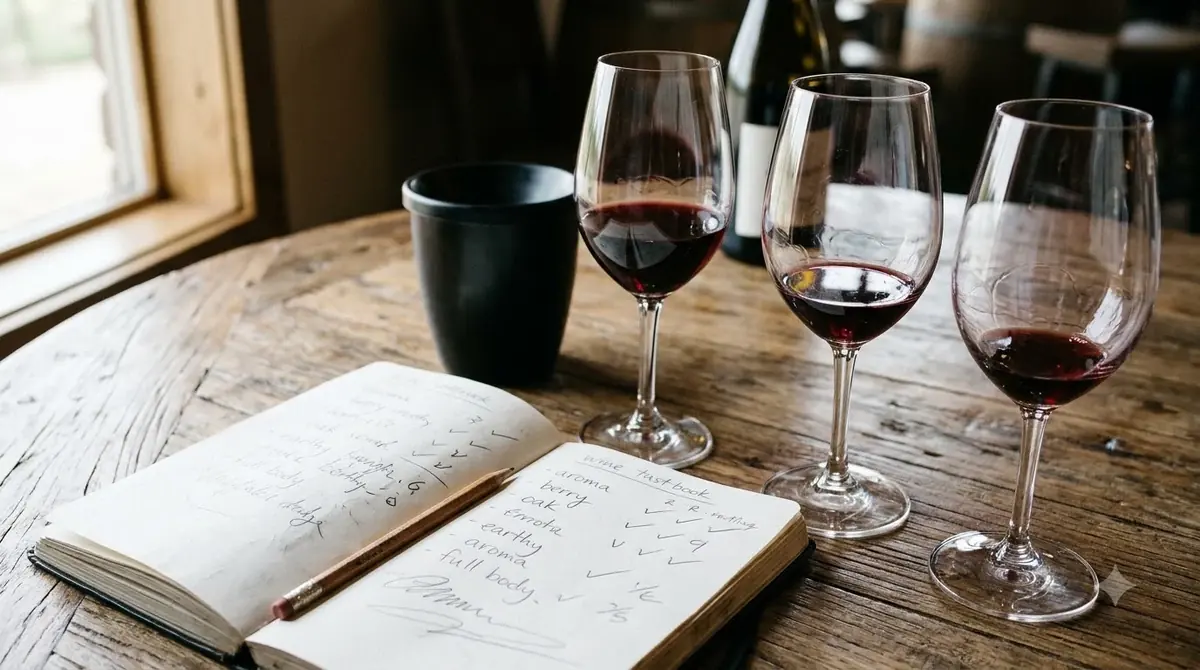
Record grape variety, sweetness, acidity, body, and aroma. A short note about whether a wine is crisp, floral, fruity, or earthy will be more useful later than simply remembering its color or label.
-
Plan transportation responsibly.
Arrange a designated driver or professional transportation before beginning the trip. Lake Erie Wine Country does not provide winery-to-winery transportation, so visitors should not assume that a shuttle will be available.
Tip: Build your itinerary around three or four wineries and leave room for a meal. The official Lake Erie Wine Country FAQ recommends allowing sufficient time between stops, arranging reservations for larger groups, and organizing transportation independently.
For a first visit, a route through North East, Pennsylvania, and the surrounding Erie County wine communities is a sensible option. Visitors interested in the New York side can organize a separate itinerary around Westfield, Portland, and neighboring Chautauqua County communities.
Do not treat the trail as a race. Comparing two Rieslings at different producers can teach more about local winemaking than rushing through six unrelated tasting flights. If you want to explore other New York wine destinations after Lake Erie, the best Niagara-on-the-Lake wineries offer another useful regional comparison, with a different geographic and regulatory setting.
Weekdays can be particularly appealing for visitors who prefer quieter tasting rooms and more opportunities to talk with winery staff. The regional association recommends considering weekday visits for a more personalized experience. Weekend visitors should allow additional flexibility for busy tasting rooms, events, and group reservations.
Lake Erie Wine Types and Grape Varieties Explained
Lake Erie produces a broad range of wine styles, from aromatic sweet Concord wines to dry Riesling, Chardonnay, Cabernet Franc, and French-American hybrid varieties. Understanding the grapes helps visitors select tasting flights that reflect the region rather than focusing on one familiar wine category.
Riesling: A Leading White Wine Choice
Riesling is one of the most interesting varieties to seek out in Lake Erie wine country. Its natural acidity helps preserve freshness in cooler growing conditions, and it can produce wines ranging from bone-dry to noticeably sweet. Look for dry Riesling at producers such as Yori Wine Cellars, Arrowhead Wine Cellars, Mazza, and Presque Isle Wine Cellars, all identified as regional examples by the Pennsylvania Winery Association.
Dry Riesling typically offers citrus, green apple, floral, and mineral impressions. Off-dry versions may show more apparent fruit sweetness while retaining refreshing acidity. Serve dry Riesling around 45 to 50 degrees Fahrenheit when treating it as a light white wine. It pairs particularly well with seafood, salads, poultry, and dishes with moderate spice.
Riesling is also useful for comparing different winemaking approaches. Two bottles made from the same grape can taste noticeably different depending on residual sugar, fermentation decisions, vineyard conditions, and harvest timing. A tasting flight that includes dry and off-dry examples provides a practical introduction to the region’s range.
Chardonnay: A Familiar International Variety
Chardonnay has an established place in the region. According to the Pennsylvania Winery Association’s regional overview, the first Vitis vinifera wine produced in the Lake Erie AVA was a Chardonnay made by Woodbury Fruit Farm in New York in 1972.
Lake Erie Chardonnay is worth comparing in both unoaked and oak-influenced styles when available. Unoaked versions can emphasize citrus, apple, and freshness, while oak treatment and malolactic fermentation may introduce creamier textures and vanilla or buttery impressions. Serve fuller-bodied examples at approximately 50 to 55 degrees Fahrenheit.
For food, Chardonnay is a flexible choice. Unoaked examples can accompany grilled fish, shellfish, and fresh salads, while fuller versions work well with roasted chicken, creamy pasta, and dishes containing butter or mild cheese. Its medium acidity makes it less sharply refreshing than Riesling but suitable for richer meals.
Cabernet Franc and Regional Red Wines
Cabernet Franc is a valuable choice for visitors who want to move beyond regional white wines. It generally has medium tannin and can show red berries, herbs, pepper, and earthy characteristics. Its acidity also makes it a useful food wine, particularly alongside grilled poultry, pork, roasted vegetables, and moderately seasoned meat dishes.
Baco Noir and Chambourcin are additional red varieties to explore. Baco Noir is a French-American hybrid that can produce dark-fruited wines with noticeable structure. Chambourcin offers another distinctive regional red option, with the exact body and flavor depending on vineyard conditions and winemaking methods.
These wines make Lake Erie especially interesting for people who enjoy exploring varieties that are less common in mainstream supermarket wine selections. Rather than assuming every red will resemble Cabernet Sauvignon, compare the fruit profile, tannin, acidity, and weight of each wine individually.
Concord, Niagara, and Catawba
Concord is an essential part of Lake Erie’s grape-growing identity. Its recognizable grape aroma is often associated with grape juice and jelly, but it is also fermented into wine. Depending on the producer and style, Concord wine can be sweet, fruity, and aromatic rather than resembling a conventional dry European red.
Niagara is another important native American grape. It typically produces highly aromatic white wines, often in semi-sweet or sweet styles. Catawba is associated with blush and rosé-style wines, while Elvira is used for white wine production.
These varieties should not be dismissed simply because they differ from familiar international grapes. They provide a genuine connection to the region’s agricultural history and offer a different tasting experience. Visitors who enjoy aromatic fruit-forward wines may find them particularly appealing.
French-American Hybrid Wines
French-American hybrids are particularly relevant to Lake Erie’s cooler growing conditions. White varieties include Vidal Blanc, Seyval Blanc, Cayuga White, Vignoles, and Traminette. Red options include Baco Noir, Chambourcin, and Léon Millot.
Vidal Blanc is a useful variety for people who enjoy crisp whites, while Traminette can produce aromatic wines with floral and spice characteristics. These grapes also demonstrate how regional producers work with varieties suited to local weather rather than simply reproducing the wine styles of warmer European regions.
Hybrid wines can be particularly interesting in comparative tastings. Try a Vidal Blanc alongside a Riesling or a Chambourcin alongside Cabernet Franc. The comparison highlights differences in grape characteristics, acidity, structure, and the influence of winemaking choices.
For readers comparing regional wine destinations, the best Cayuga Lake wineries provide another opportunity to explore New York’s cool-climate Riesling and other grape varieties.
Common Mistakes When Visiting Lake Erie Wineries
The biggest mistakes are assuming that every winery produces dry European-style wines, visiting too many tasting rooms, and overlooking the distinction between the wider Lake Erie AVA and the smaller tourism trail. A little preparation makes the trip more rewarding.
Assuming All Lake Erie Wines Are Sweet
Concord and Niagara are important to the region, and many consumers associate Lake Erie with sweet, fruity wines. However, that reputation does not represent the entire wine selection. Dry Riesling, Chardonnay, Cabernet Franc, and several hybrid varieties are also part of the area’s wine production.
Ask specifically for dry examples when ordering a flight. This is more effective than asking for the winery’s most popular white or red, since popularity does not necessarily indicate sweetness level. If you enjoy sweeter wines, ask about the producer’s semi-sweet and dessert selections instead.
Expecting Every Winery to Have the Same Selection
Each producer has its own approach to grape growing and winemaking. One tasting room may emphasize native grapes and sweet wines, while another may concentrate on Riesling, Chardonnay, or Cabernet Franc. Checking the wine list before arriving helps avoid disappointment.
Use the winery directory to compare the listed wine categories and amenities. The distinction between a producer that specializes in dry reds and one that offers sweet whites can make a significant difference to the overall experience. It is also useful to identify wineries with food options if the itinerary includes several stops.
Confusing the AVA With the Wine Trail
The Lake Erie AVA includes territory in three states, but the Lake Erie Wine Country trail is a specific tourism route along the southern shoreline between New York and Pennsylvania. A winery elsewhere within the AVA may not be a member of the tourism association or appear on the same trail itinerary.
This distinction is particularly important for visitors searching online. Confirm the winery’s actual address rather than assuming that every business using the Lake Erie name is part of the same route. Ohio has its own Lake Erie wine trail and winery communities, which deserve separate planning.
Scheduling Too Many Tastings
Five or six tasting rooms may appear manageable on a map, but travel, parking, conversations, and meals take time. Three or four carefully selected wineries are usually a more practical starting point for a relaxed day.
Allow approximately an hour between stops as a planning guideline, including the time required for tasting and shopping. Some visits will take longer, especially if the winery offers food, special experiences, or outdoor areas. A flexible schedule is more enjoyable than a tightly packed itinerary.
Ignoring Seasonal Schedules
Lake Erie Wine Country promotes year-round visits, but individual tasting-room hours may vary by season. A winery that welcomes visitors on a summer Saturday may have different availability during winter weekdays. Confirming schedules before departure is essential.
Harvest periods and special event weekends can also affect visitor arrangements. A winery may have a different tasting format or limited capacity during a busy event. Checking its official website or contacting staff directly helps prevent unexpected changes.
Forgetting Group Reservations
Large parties can create logistical difficulties for small tasting rooms. The regional association specifically asks groups of eight or more to arrange reservations at least one to two days ahead. Contacting wineries earlier is sensible for holiday weekends and special events.
Do not assume that a large group can simply arrive together and receive immediate service. Ask whether the winery can accommodate the party, whether everyone can taste together, and whether special arrangements apply to food or seating.
Wine Buying, Care, and Storage Tips
Buying Lake Erie wine is easier when visitors understand sweetness, acidity, serving temperatures, and storage requirements. These details help preserve the character of regional Riesling, hybrid whites, native grape wines, and structured reds after returning home.
Choose Wines According to Their Style
For a dry white wine, start with Riesling or Chardonnay. Riesling generally has higher acidity, making it particularly refreshing with seafood and dishes featuring lemon or other acidic ingredients. Chardonnay typically has medium acidity and can work well with roasted chicken, creamy sauces, and richer fish dishes.
For red wine, consider Cabernet Franc, Baco Noir, or Chambourcin. Cabernet Franc generally offers medium tannin and good food flexibility. Baco Noir can be a more substantial choice, depending on its production style. If you prefer lighter reds, look for examples with moderate extraction and softer structure.
Sweet Concord and Niagara wines are better choices for drinkers who enjoy pronounced fruit character. For dessert pairings, select a wine that is at least as sweet as the dessert itself. Otherwise, the wine may taste noticeably sour or thin alongside the food.
Match Wine With Food
Riesling works well with shellfish, white fish, Asian-inspired dishes, and foods with a little heat. Its acidity helps refresh the palate between bites. Cabernet Franc pairs effectively with grilled vegetables, roasted poultry, and moderately rich meat dishes.
Salt and fat soften the perception of tannin, which can make structured reds more comfortable alongside richer foods. Conversely, heavily tannic red wines are generally poor partners for delicate oily fish. For sweeter Lake Erie wines, try fruit desserts, mild cheeses, or dishes that complement the wine’s aromatic character.
Acidity is particularly important when pairing wine with food. A dish containing tomatoes, vinegar, citrus, or other sharp ingredients generally needs a wine with comparable or higher acidity. Riesling is often a more successful choice than a softer, lower-acid white for these meals.
Serve Each Wine at the Appropriate Temperature
Serving temperature affects how much acidity, fruit, alcohol, and tannin a wine seems to display. Light whites and rosés are generally best around 45 to 50 degrees Fahrenheit, while fuller whites benefit from approximately 50 to 55 degrees Fahrenheit.
Light-bodied reds can be served slightly cool, around 55 to 60 degrees Fahrenheit. Fuller reds generally work better around 60 to 65 degrees Fahrenheit. Avoid serving every bottle straight from a warm room or refrigerator without considering its style.
For a bottle of dry Riesling, a brief period in the refrigerator before serving is generally sufficient. If a Chardonnay is too cold, its aromas and texture may seem muted. Allow fuller-bodied whites a little time outside the refrigerator before pouring.
Store Purchased Bottles Properly
Store bottles intended for aging on their sides when they have traditional cork closures. A relatively stable temperature near 55 degrees Fahrenheit is a useful storage target. Keep bottles away from direct sunlight, excessive vibration, and large temperature fluctuations.
Once opened, refrigerate still wines and generally aim to finish them within three to five days. Sparkling wines usually retain their best qualities for approximately one to three days with a suitable sparkling-wine stopper. These are general quality guidelines, not guarantees, because wine condition and closure type also matter.
For visitors buying several bottles during a summer trip, avoid leaving wine in a hot parked car. Temperature exposure can damage the wine’s aromas and overall balance. Transport bottles in a shaded, temperature-controlled part of the vehicle and move them into suitable storage as soon as practical.
Keep Notes on Your Favorite Producers
When visiting several wineries, record the producer, grape variety, sweetness, and vintage of each wine you enjoy. A simple note about acidity, body, fruit character, and finish makes it easier to remember which bottles are worth purchasing again.
Also record whether a wine was purchased at the tasting room or is available through the producer’s website. Some wineries offer wine clubs or direct shipping where permitted, while others rely primarily on tasting-room sales and local retail distribution. Ask about shipping restrictions before assuming that bottles can be delivered to another state.
Frequently Asked Questions
Is Lake Erie wine country part of the Finger Lakes?
No. Lake Erie and the Finger Lakes are separate wine regions with distinct American Viticultural Area boundaries. Lake Erie follows the southern shoreline of the Great Lake across three states, while the Finger Lakes region is centered on inland lakes in New York. Both regions produce cool-climate wines, but their geography and agricultural histories differ.
What is the largest grape variety grown in the Lake Erie region?
Concord is the dominant grape variety in the Lake Erie grape-growing region. Its importance extends beyond wine production into the juice and food industries. The grape’s distinctive aroma is one of the most recognizable characteristics of the region’s agricultural identity.
Can visitors buy wine directly from Lake Erie wineries?
Many participating wineries operate tasting rooms where visitors can explore and purchase their wines. Availability depends on the individual producer, its retail arrangements, and the wines currently offered. Visitors interested in shipping bottles home should ask each winery about applicable state restrictions and delivery arrangements.
Does Lake Erie wine country have a harvest festival?
Lake Erie Wine Country organizes Harvest Celebration Weekends as part of its regional event program. Participating wineries can offer themed experiences and seasonal activities. Event schedules, participating locations, and ticket arrangements should be confirmed through the association before traveling.
How long has the Lake Erie AVA been officially recognized?
The Lake Erie AVA was officially established in October 1983. Its designation recognizes a large grape-growing area that crosses state boundaries. The region’s viticultural history, however, began much earlier, with grape cultivation dating to the nineteenth century.
Lake Erie wine country offers much more than its reputation for sweet native grape wines suggests. Its dry Riesling, Chardonnay, Cabernet Franc, and French-American hybrids make it a worthwhile destination for anyone interested in exploring regional American wine. Start with three or four carefully selected wineries, compare different grape varieties and sweetness levels, and leave enough time to enjoy the shoreline communities along the way.
More in Wine Buying Guides
 Riesling Gift: Choose a Bottle They’ll LoveUpdated Nov 21, 2026
 Sweet Red Wine Gift: Choose a Bottle They’ll LoveUpdated Nov 21, 2026
 Malbec Gift: How to Choose a Memorable Bottle for Any OccasionUpdated Nov 21, 2026
 Sherry Gift Ideas That Match Every Wine LoverUpdated Nov 21, 2026
 Moscato Gift: How to Choose a Sweet Wine They’ll LoveUpdated Nov 21, 2026
 Merlot Gift: How to Choose a Bottle They’ll AppreciateUpdated Nov 21, 2026