

We may earn a commission when you buy through links on this page, at no extra cost to you. Learn more.
The best franciacorta wineries to visit include Ca’ del Bosco, Montina, and Lantieri, three producers offering distinctive approaches to traditional-method sparkling wine, vineyard character, and cellar experiences. Each winery provides a different perspective on this prestigious Lombardy wine region, from art-filled underground cellars to vineyard-focused tastings and historic production facilities. The right choice depends on whether you prioritize wine styles, production details, hospitality, or a combination of all three.
Franciacorta is one of Italy’s most compelling destinations for sparkling wine enthusiasts. Located in Lombardy, near Lake Iseo and south of the Alps, the region produces bottle-fermented sparkling wines with a distinctive combination of freshness, structure, and lees-derived complexity. Its producers range from internationally recognized estates to smaller wineries emphasizing individual vineyard sites and traditional hospitality. A thoughtful visit can reveal why Franciacorta deserves consideration alongside the world’s leading traditional-method sparkling wine regions. This guide explains which wineries to consider, what to compare, and how to organize a rewarding tasting itinerary.
Who Should Visit Franciacorta’s Leading Wineries
Franciacorta appeals to travelers who enjoy traditional-method sparkling wine and want to understand how different producers interpret the same regional appellation. First-time visitors can learn the basics at established estates, while experienced wine enthusiasts can compare Chardonnay, Pinot Nero, vintage bottlings, and extended lees-aged wines.
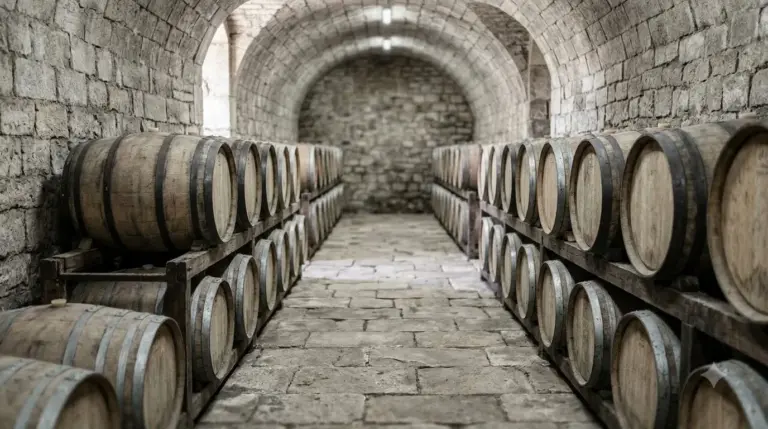
Ca’ del Bosco is a particularly appealing starting point for visitors interested in the relationship between wine, architecture, art, and production technology. Its official cellar visit and tasting experience includes old barrel rooms, underground tunnels, sculptures, and a tasting of selected wines. The estate describes the visit as a combination of artisanal attention and modern production techniques. This makes it a strong choice for travelers who want more than a conventional tasting-room appointment.
Montina offers a useful perspective for visitors interested in vineyards and the relationship between soil and wine. The producer describes its 72 hectares of owned and leased vineyards across seven municipalities and identifies six different vineyard vocation units. Its stated Franciacorta blend uses 80% Chardonnay and 20% Pinot Nero. These details make Montina particularly interesting for guests who enjoy discussing grape selection, vineyard locations, and production decisions.
Lantieri is another strong candidate, especially for visitors seeking a traditional winery visit with a tasting and an opportunity to experience local food. Located in Capriolo, the estate offers tours through cellars combining historic architecture and modern production technology. Its hospitality program also includes an agriturismo among the vineyards, where traditional dishes accompany the wines.
These estates serve different interests rather than forming a universal ranking. A visitor interested in art and cellar architecture may prefer Ca’ del Bosco, whereas someone seeking a closer look at vineyard diversity may find Montina more informative. Lantieri makes sense for travelers who want wine, regional history, and food in one experience.
Franciacorta also suits travelers who have already explored other wine destinations. For example, visitors familiar with the best Temecula wineries can compare two regions with very different climates, grape-growing traditions, and sparkling wine identities. Those planning a broader Italian or European wine itinerary can use Franciacorta as a dedicated destination rather than treating it as a quick stop between Milan and Lake Iseo.
Key Factors to Compare When Choosing a Winery
The best winery for a visit is not necessarily the producer with the most famous label. Compare the wine selection, cellar experience, tasting format, reservation arrangements, and access to the vineyard landscape before choosing where to spend your time.
| Winery | Distinctive strength | Experience to consider | Best suited to |
|---|---|---|---|
| Ca’ del Bosco | Art, architecture, and production technology | Cellar tour and wine tasting | Wine and culture enthusiasts |
| Montina | Vineyard diversity and terroir | Exploring its Franciacorta production philosophy | Wine-focused visitors |
| Lantieri | Historic cellars and hospitality | Reserved tour and tasting | Visitors interested in wine and food |
| Villa Franciacorta | Historic cellar and vintage wines | Guided tour and Millesimato tasting | Vintage sparkling wine enthusiasts |
| Mirabella | Production facilities and guided education | Reserved cellar tour and tasting | Visitors interested in winemaking |
Ca’ del Bosco is particularly distinctive for its combination of cellar architecture, sculpture, and wine education. Its official visit information describes tours through the old barrel rooms and caveaux, culminating in the winery’s Cupola. The tasting component helps connect the visual experience with the wines themselves. Visitors should consider this estate when they want a comprehensive introduction to a major Franciacorta producer.
Montina deserves consideration for a different reason. Its vineyard holdings extend across seven of the region’s 19 municipalities, and the winery identifies six distinct soil and vineyard vocation units. Its Chardonnay and Pinot Nero focus also gives visitors a straightforward opportunity to explore the two principal grape varieties used in Franciacorta. The estate’s approach is particularly relevant to travelers interested in how vineyard location influences the character of base wines.
Lantieri stands out for its appointment-based hospitality. The winery describes visits that combine historic cellar spaces, modern technology, production explanations, and tastings of representative wines. Its location in Capriolo also makes it a practical candidate for a route through the southern and eastern parts of the appellation. Visitors can review its official winery tour and tasting information before arranging an appointment.
Villa Franciacorta is worth investigating for visitors who want to explore vintage expressions. Its English-language visit description includes a guided explanation of the winery’s history and production philosophy, followed by a tasting of two Millesimato Franciacorta wines and one still red Sebino IGT. This is a particularly useful format for anyone interested in comparing vintage sparkling wines.
Mirabella offers another educational approach. Its visitor experience includes historical and production areas, underground bottle-aging spaces, riddling equipment, bottling, disgorgement, and a final tasting. Its tours require advance reservations and are available for small groups, making it a useful option for visitors who prefer a structured introduction to the production process.
For additional wine-trip planning inspiration outside Italy, the best Paso Robles wineries provide another example of how regional geography and producer philosophy can shape a wine itinerary. The same principle applies in Franciacorta: the strongest itinerary is built around the experience each estate offers, not simply the number of tasting rooms visited.
Step-by-Step: How to Plan a Franciacorta Winery Visit
A successful Franciacorta itinerary begins with a small number of carefully selected appointments. Two or three wineries in one day usually provide a better opportunity to understand the wines than attempting to fit five or six visits into a tight schedule.
-
Choose the main purpose of your trip.
Decide whether your priority is sparkling wine education, cellar architecture, vineyard exploration, or food and wine. Ca’ del Bosco is a natural candidate for art and production-focused experiences, while Montina offers useful vineyard and terroir context. Lantieri is attractive for visitors who want to combine a guided cellar experience with regional dining.
-
Select a convenient base.
Franciacorta lies in Lombardy, near Lake Iseo, within the province of Brescia. Erbusco, Capriolo, Iseo, and nearby towns can help organize visits around different parts of the region. Consider accommodation and transportation before confirming tasting appointments, particularly if the itinerary includes several wineries.
-
Choose the wineries and request reservations.
Contact each estate directly to confirm the available visit format, language, duration, tasting wines, and group requirements. Lantieri explicitly offers visits by reservation. Its published schedule lists Tuesday through Saturday morning appointments from 10:30 a.m. and afternoon appointments from 5:30 p.m., as well as Sunday morning appointments from 10:30 a.m.
-
Plan a manageable tasting schedule.
Allow enough time for the guided visit, tasting, questions, and transportation to the next estate. A morning visit at one winery followed by lunch and an afternoon appointment provides a comfortable structure. Avoid scheduling two tastings so close together that a delayed tour makes the rest of the day difficult.
-
Compare the same wine styles where possible.
Try a Brut from one producer and a Brut from another before moving to Satèn or Rosé. Comparing similar styles helps reveal differences in fruit expression, acidity, texture, and lees character. If possible, include a vintage bottling to understand how additional aging changes the wine.
-
Ask about grape composition and aging.
Find out whether a particular wine emphasizes Chardonnay or Pinot Nero, how much Pinot Bianco is included, and how long the bottle spends on the lees. The difference between 18 months for a standard non-vintage Franciacorta and 60 months for a Riserva can be especially informative.
-
Leave room for regional food.
Food is an important part of the Franciacorta experience. Lantieri, for example, describes an agriturismo among the vineyards serving traditional dishes made with fresh local ingredients. A leisurely meal gives visitors another way to understand how the region’s sparkling wines work with its cuisine.
Transportation deserves special attention. Winery appointments may be spread across different municipalities, and a tasting itinerary can involve several pours at each stop. Arrange a designated driver, private transfer, or another suitable transportation option instead of relying on the assumption that short distances make driving after tastings manageable.
Tip: Book your preferred winery visits before arranging the rest of the day. Ask each estate how long its tour and tasting normally take, then leave a comfortable buffer for travel and lunch. Confirm the appointment directly because tasting schedules and availability can change.
Franciacorta Wine Types and Styles Explained
Understanding Franciacorta’s principal wine styles makes winery visits much more rewarding. The traditional-method appellation includes standard Franciacorta, Satèn, Rosé, Millesimato, and Riserva, with different grape requirements, sweetness options, and minimum aging periods.
Standard Franciacorta
Standard Franciacorta is the most flexible starting point. It can be made using Chardonnay and/or Pinot Nero, with Pinot Bianco permitted up to 50% and Erbamat up to 10%. Non-vintage wines require at least 18 months of lees aging.
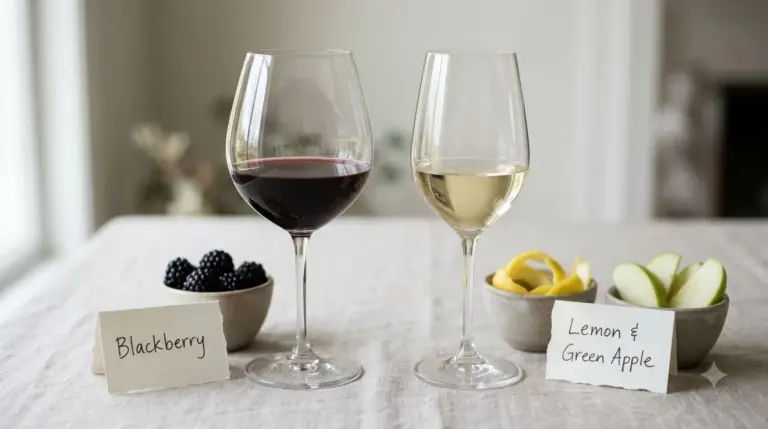
Brut is a useful benchmark because its dry profile works across a broad range of foods and occasions. Expect combinations of citrus, apple, pear, toasted bread, and nuts, although the exact character varies by producer, grape composition, and aging. Comparing standard Brut bottlings from Ca’ del Bosco, Montina, and Lantieri can reveal how different winemaking decisions influence the final wine.
Satèn
Satèn is one of Franciacorta’s most distinctive styles. It is made exclusively from white grapes, primarily Chardonnay, with Pinot Bianco permitted up to 50%. Its maximum bottle pressure is 5 atmospheres, lower than the pressure of standard Franciacorta.
This lower pressure contributes to a softer, creamier mousse rather than the more assertive bubbles associated with many traditional-method sparkling wines. Satèn requires at least 24 months of lees aging and is produced in the Brut dosage category. It is a particularly interesting choice for visitors who appreciate texture and a rounded palate.
Franciacorta Rosé
Rosé Franciacorta must contain at least 35% Pinot Nero. The grape provides color, structure, and red-fruit character, with the permitted white varieties contributing to the blend. The wine requires at least 24 months of lees aging.
Look for strawberry, raspberry, floral notes, and a lively finish. Rosé can be particularly useful at a tasting because it demonstrates how Pinot Nero changes the expression of Franciacorta. It also works well with charcuterie, roasted poultry, and dishes featuring salmon or other flavorful fish.
Millesimato and Riserva
Millesimato is a vintage-dated Franciacorta in which at least 85% of the grapes must come from the stated harvest year. The category requires at least 30 months of lees aging, allowing the wine to develop additional complexity and a stronger connection to the character of a particular growing season.
Riserva represents a more extended aging category, requiring at least 60 months on the lees. These wines can show greater development in their aromas and textures, including toasted bread, pastry, dried fruit, and nutty notes. Villa Franciacorta is particularly relevant for visitors interested in vintage bottlings because its winery experience includes two Millesimato wines in the tasting.
The following table summarizes the main regulatory differences.
| Wine category | Main grape requirement | Minimum lees aging | Distinctive characteristic |
|---|---|---|---|
| Standard Franciacorta | Chardonnay and/or Pinot Nero | 18 months | Versatile traditional-method sparkling wine |
| Satèn | White grapes only | 24 months | Lower pressure and softer mousse |
| Rosé | At least 35% Pinot Nero | 24 months | Red-fruit character and fuller structure |
| Millesimato | At least 85% from one vintage | 30 months | Vintage-specific expression |
| Riserva | Single vintage | 60 months | Extended aging and developed complexity |
Dosage also matters. The usual progression from driest to sweetest is Pas Dosé, Extra Brut, Brut, Extra Dry, Sec, and Demi-Sec. Do not assume that Extra Dry is drier than Brut: the terminology works differently from what its everyday English meaning might suggest.
When comparing wineries, try to taste the same category and dosage from multiple producers before exploring more unusual bottlings. This creates a useful reference point for identifying differences in acidity, fruit character, autolytic aromas, and overall structure.
Common Mistakes When Selecting Franciacorta Wineries
The most common mistake is choosing wineries solely by reputation rather than by the experience they offer. Another is assuming that all Franciacorta tastes alike simply because producers follow the same appellation rules.
First, avoid treating Franciacorta as another name for Prosecco. Both are Italian sparkling wines, but Franciacorta uses bottle fermentation and extended lees aging, while Prosecco is generally associated with the tank method. The resulting differences in texture, bubbles, and flavor development are significant. Visitors who understand this distinction will get more out of a winery tour.
Second, do not assume that the most expensive-looking cellar necessarily produces the style you prefer. A dramatic cellar tour can be memorable, but the wine itself should remain the central consideration. A visitor who enjoys lean, citrus-driven sparkling wines may prefer a different producer or bottling from someone who favors richer, more developed vintage wines.
Third, do not confuse the individual producer’s approach with the entire appellation’s rules. Montina’s stated 80% Chardonnay and 20% Pinot Nero composition is its own production choice, not a universal Franciacorta formula. Other producers may use different blends and proportions within the permitted regulations.
Fourth, avoid overlooking the importance of dosage. A Pas Dosé wine can taste particularly crisp and direct, whereas a Brut or Extra Dry bottling can offer a different balance between acidity and sweetness. If a wine tastes unusually sharp or rounded compared with another bottle, dosage is one of the first characteristics to investigate.
Fifth, do not schedule winery appointments without confirming their availability. Lantieri, for example, publishes specific appointment times and requires reservations. Other producers may offer different tour formats, group sizes, or seasonal schedules. Contacting the estate beforehand is more reliable than arriving without an appointment.
Finally, do not turn a wine visit into a rushed checklist. Visiting three estates with enough time to ask questions and compare wines is often more rewarding than visiting six without understanding what makes each producer different.
Visitors familiar with California wine country may already appreciate the value of a well-planned regional route. The best Fredericksburg wineries can provide inspiration for combining winery experiences with local hospitality, but Franciacorta’s traditional-method production and compact Lombardy geography call for a different approach.
Care, Serving, and Storage Tips for Franciacorta
Proper serving and storage help preserve Franciacorta’s freshness and delicate bubbles. The most important details are temperature, bottle handling, glass selection, and how quickly an opened bottle is consumed.
Serve Franciacorta sparkling wines at approximately 40 to 50 degrees Fahrenheit. This temperature range helps preserve freshness while allowing the wine’s aromas to develop in the glass. A bottle served too warm can seem overly alcoholic or broad, while excessive chilling can make subtle citrus, floral, and toasted notes harder to recognize.
For a tasting, use a clean sparkling wine glass or a white wine glass with enough room to let the aromas develop. Traditional narrow flutes emphasize the visual effect of rising bubbles, but a slightly wider glass can be more useful for assessing the wine’s bouquet and texture. Avoid filling the glass too high; a pour of approximately 5 ounces is a useful standard serving.
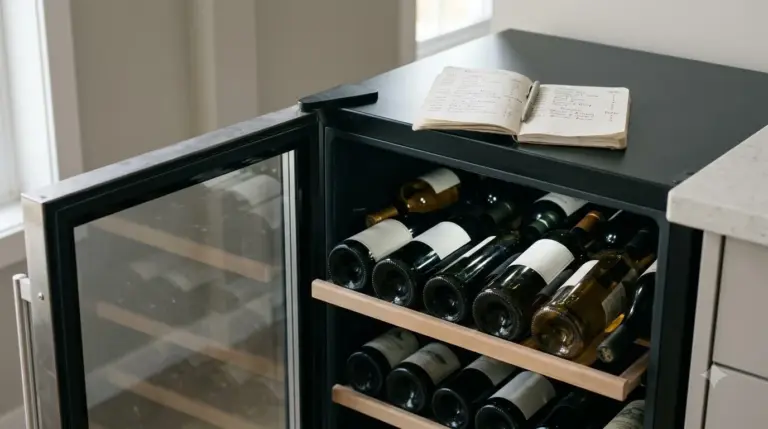
Keep unopened bottles in a cool, dark location with a relatively stable temperature. A storage temperature near 55 degrees Fahrenheit is a practical target. Protect bottles from direct sunlight, temperature fluctuations, and repeated movement. For longer-term storage, keep cork-finished bottles on their sides so the cork remains in contact with the wine.
After opening, use a proper sparkling wine stopper designed to retain pressure. Store the bottle in the refrigerator and aim to consume it within one to three days. The wine may remain drinkable beyond that period, but the bubbles and freshness can decline noticeably as carbon dioxide escapes.
Vintage and Riserva bottlings deserve particularly careful handling. Their longer lees aging can produce more complex aromas, but that does not mean every bottle should be stored indefinitely. Follow the producer’s recommendations and consider the vintage, bottling style, and intended drinking window.
When serving Franciacorta with food, match the wine’s acidity and sweetness to the dish. Brut and Extra Brut styles work especially well with oysters, shellfish, fried appetizers, and salty cheeses. Satèn can complement creamy dishes and delicate poultry, while Rosé can accompany charcuterie, mushroom dishes, and salmon.
For dessert, choose a wine at least as sweet as the food. A dry Brut can seem particularly sharp next to a very sweet pastry, while a sweeter sparkling wine can create a more balanced pairing. These details make a difference when planning a tasting menu or bringing home several bottles from a winery visit.
Frequently Asked Questions
Is Franciacorta made in the same way as Champagne?
Both wines use the traditional method, with secondary fermentation taking place inside the bottle. However, Franciacorta comes from Lombardy in northern Italy, while Champagne comes from northeastern France. The permitted grape varieties, appellation rules, growing conditions, and regional wine traditions are different.
Can visitors buy Franciacorta directly from the wineries?
Yes, some producers offer direct cellar sales and online pre-order arrangements. Lantieri specifically describes purchasing wines at its winery and submitting a pre-order through its website. Ask about shipping arrangements, international delivery restrictions, and packaging before purchasing bottles for travel.
What is the difference between Franciacorta DOCG and Curtefranca DOC?
Franciacorta DOCG identifies the traditional-method sparkling wine appellation, while Curtefranca DOC covers still wines from the same broader wine-growing area. Curtefranca includes white and red styles, making it a useful additional category to explore during a regional winery visit. Some producers make both sparkling Franciacorta and still wines.
Is Franciacorta suitable for a day trip from Milan?
Yes, its location in Lombardy makes it a possible day trip from Milan, although the actual journey depends on the chosen winery and transportation arrangements. Visitors should allow time for transfers, reservations, and a proper tasting rather than trying to fit too many appointments into one afternoon. Staying near Lake Iseo or within the wine region can make a slower itinerary more enjoyable.
Which Franciacorta grape variety is most important for white sparkling wine?
Chardonnay is the dominant grape in the region and is central to many Franciacorta blends. Pinot Nero contributes structure and is especially important for Rosé and some vintage bottlings. Pinot Bianco and the indigenous Erbamat also have permitted roles in the appellation’s sparkling wines.
The best Franciacorta wineries offer more than excellent sparkling wine: they provide an opportunity to understand the vineyards, production methods, and regional traditions behind one of Italy’s most distinctive wine appellations. Start with Ca’ del Bosco, Montina, and Lantieri, then consider adding Villa Franciacorta or Mirabella if their tasting formats match your interests. Book appointments in advance, compare similar wine styles, and leave enough time to enjoy the food and scenery that make Franciacorta such a rewarding wine destination.
More in Wine Buying Guides
 Best Nelson Wineries for Memorable New Zealand Wine TastingsUpdated Nov 21, 2026
 Best Malbec at Total Wine: How to Pick the Right BottleUpdated Nov 21, 2026
 Best Malbec At Whole Foods for Smooth, Flavorful Red WineUpdated Nov 21, 2026
 Best Merlot At Total Wine: Find a Smooth, Flavorful RedUpdated Nov 21, 2026
 Best Hermann Wineries for Historic Cellars and Missouri WineUpdated Nov 21, 2026
 Best Lambrusco Under 20 for Every Taste and Food PairingUpdated Nov 21, 2026