

We may earn a commission when you buy through links on this page, at no extra cost to you. Learn more.
The best coombsville wineries for a focused Napa tasting day are Palmaz Vineyards, Caldwell Vineyard, and Farella Vineyard, with each offering a different way to understand this small southeastern appellation. Palmaz is a strong fit for visitors who want a guided underground-winery tour, Caldwell pairs estate wines with a cave setting and food, and Farella is the more intimate, winemaker-led choice. Coombsville is close to downtown Napa, but many of its estate visits are appointment-based, so planning matters more here than simply driving from one tasting room to the next.
Coombsville rewards visitors who want to connect the wine in the glass with a specific landscape. Its cool influence from San Pablo Bay, volcanic and alluvial soils, and mix of Cabernet Sauvignon, Chardonnay, Merlot, Syrah, and Pinot Noir create a broader picture than a Cabernet-only itinerary. Use this guide to choose an experience that suits your interests, make realistic reservations, and bring your purchases home in good condition.
Who This Is For in Napa’s Southeastern Corner
Coombsville suits travelers who prefer small estates, appointment-led hospitality, and a quieter setting near Napa. The regional vintners’ association places it about a five-minute drive from downtown Napa in an 11,000-acre area, only 13% of which is planted to vineyards. That scale helps explain why visits feel more spread out than a town-center tasting crawl.

It is especially appealing to visitors interested in how place shapes wine. Coombsville became Napa Valley’s 16th American Viticultural Area in 2011. Its bowl-shaped basin, foothills, and varied elevations meet fog and cooling breezes from nearby San Pablo Bay, moderating hot spells and extending the growing season. The climate supports structured Cabernet Sauvignon as well as Chardonnay, Syrah, and Pinot Noir.
Choose this area if you enjoy asking how a grower farms a block or how a winemaker handles a cooler site. Visits are generally arranged with individual wineries rather than through a continuous public tasting route. Travelers seeking several large, walk-in tasting rooms in one compact district may prefer elsewhere in Napa Valley. Coombsville works best as one planned estate visit, or two carefully selected stops.
Key Factors to Compare Before You Book
Compare how each property connects its wines, setting, and tasting format rather than relying on a simple ranking. Coombsville spans about 100 to 1,000 feet in elevation, receives up to 25 inches of annual rainfall, and can run as much as 10°F cooler in average daily highs during hot months than many other Napa appellations.
| Factor | Coombsville detail | Why it matters to visitors |
|---|---|---|
| AVA status | Recognized on December 14, 2011, as Napa Valley’s 16th AVA | Useful when comparing wines labeled Coombsville with broader Napa Valley bottlings |
| Elevation | About 100–1,000 feet | Different slopes and exposures can produce distinct ripening conditions |
| Climate | Up to 10°F cooler daily average highs in hot months, influenced by San Pablo Bay | Supports a longer, slower growing season and freshness in finished wines |
| Soils | Weathered volcanic rock and alluvial deposits from the Vaca Mountains | Offers a useful lens for comparing individual vineyard sites |
| Vineyard coverage | About 11,000 acres overall; roughly 13% planted to vineyards | Expect a rural, dispersed area rather than a continuous tasting-room strip |
| Principal grapes | Cabernet Sauvignon, Chardonnay, Merlot, Syrah, and Pinot Noir | Lets a group compare both structured reds and fresher white or lighter red styles |
Compare the tasting itself, too. A seated flight may suit a first visit; a cave tour, barrel sample, or vineyard walk is better for visitors curious about production. Palmaz offers a private guided tour of its multi-level underground winery, followed by a seated tasting with food prepared by its in-house chef. The portfolio experience takes about two hours.
Caldwell’s estate tasting features five wines with artisan cheese and charcuterie in a cave tasting room over 90 minutes. Farella emphasizes winemaker attention, with barrel tasting and vineyard walkarounds when time permits; its published production is about 1,000 cases. Compare each winery’s current format, duration, group limit, included food, and cancellation terms before confirming.
Step-by-Step: Plan a Coombsville Tasting Day
Start with the experience you most want, then build the day around confirmed appointments. Palmaz takes about two hours and Caldwell’s estate tasting runs 90 minutes, so two visits can fill much of an afternoon once travel and a meal are included.
- Choose your main interest. Decide whether the priority is Cabernet Sauvignon, a range of varieties, vineyard geology, a cave visit, or a conversation with a winemaker. That choice will quickly narrow the list.
- Shortlist two estates at most. Compare Palmaz for its guided underground tour, Caldwell for a five-wine cave tasting with food, and Farella for a personal visit that may include barrel samples and a vineyard walk. If one appointment is especially important, make it the anchor rather than squeezing in an extra stop.
- Request appointments directly. Caldwell publishes reservation windows at 10 a.m., noon, 2 p.m., and 4 p.m., seven days a week, with a 90-minute experience. Palmaz asks first-time visitors to request a reservation, and its portfolio tasting is planned for two hours. Farella is listed as appointment-only; contact the winery to inquire about a visit.
- Confirm the details in writing. Ask for the exact meeting location, arrival instructions, tasting duration, party-size limits, what is poured, and whether food is included. Some Coombsville properties sit along rural roads, and a confirmed address and arrival plan are more reliable than assuming a familiar Napa landmark is nearby.
- Arrange a sober driver or transportation. Set the transportation plan before the first tasting. Coombsville Concierge, the local vintners’ association’s visitor service, says it can help coordinate appointments and transportation as part of a personalized itinerary.
- Leave room between visits. Add time for the drive, a meal, and a slower pace at the estate. If a tour is scheduled for two hours, do not place another fixed appointment immediately afterward.
- Decide how you will carry purchases. Bring a protective wine carrier for a few bottles or ask the winery about shipping options. Keep bottles out of a hot parked car and arrange a cool place for them once you return to your lodging.
Tip: Reserve the winery you most want to visit first, then build the day around its confirmed time. In Coombsville, the best itinerary is usually two considered appointments rather than a rushed checklist of addresses.
The local association offers a free concierge service that can tailor itineraries to wine preferences and coordinate appointments and transportation, useful for boutique estates that do not operate as walk-in tasting rooms. For broader California trip planning, compare the best Temecula wineries and best Paso Robles wineries.
Types of Winery Experiences and Wines to Look For
Coombsville is best understood through several grapes and tasting formats, not as one uniform Cabernet destination. The AVA’s regional profile also lists Chardonnay, Merlot, Syrah, and Pinot Noir among its principal varieties.
Cabernet Sauvignon and Bordeaux varieties
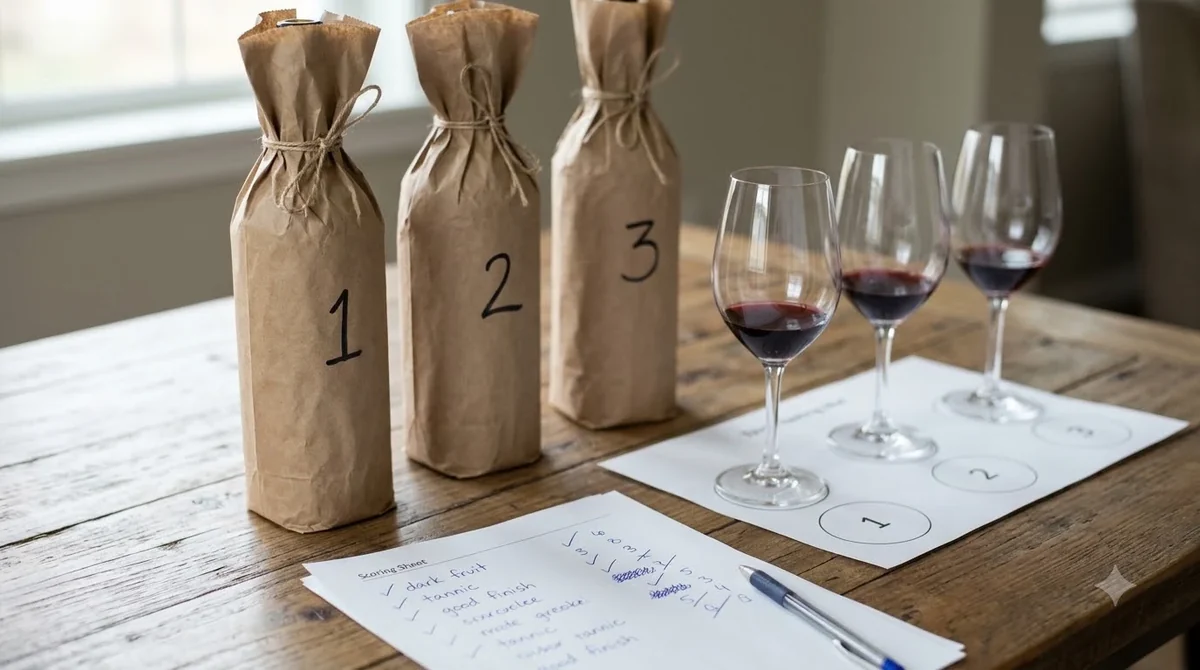
Start with Cabernet Sauvignon to understand the appellation’s structured red-wine identity. Compare it with Merlot or another Bordeaux variety when offered, and ask whether the wine comes from an estate block, a particular elevation, or a blend of vineyard sources. Two bottles from one AVA can differ substantially by site and winemaking.
Chardonnay, Syrah, and Pinot Noir
Include a white or lighter-bodied red for a wider picture. The cooler bay influence and varied sites make Chardonnay, Syrah, and Pinot Noir relevant alongside Cabernet. Chardonnay can show differences in acidity and texture, while Pinot Noir contrasts with Cabernet’s firmer tannin; Syrah adds a darker, savory perspective depending on producer.
Match the property to the visit you want
Palmaz Vineyards is the clearest choice for visitors who value a guided production tour. The estate describes a private route through its multi-level underground winery, followed by a seated tasting in a private salon; the portfolio option includes wines such as Louise Riesling, Amalia Chardonnay, Brasas Cabernet Sauvignon, Cabernet Sauvignon, a library release, and Florencia Muscat, although the selection may vary. Its Cabernet-focused collector tasting is a separate option, also planned for two hours.
Caldwell Vineyard is a good match for guests who want a substantial estate setting and a food-paired flight. The winery describes a 123-acre property at roughly 600 feet above the valley floor, plus a 20,000-square-foot cave; its estate experience includes five wines with artisan cheese and charcuterie and lasts 90 minutes. A separate Champagne-only tasting is not the same as the estate-wine experience, so choose the booking that matches your purpose.
Farella Vineyard suits people drawn to smaller-scale, personal winery visits. Napa Valley Vintners lists production at about 1,000 cases and describes winemaker-hosted visits, barrel tastings, and estate walkarounds when time permits. Its published grape varieties include Cabernet Sauvignon, Malbec, Merlot, red blend, Sauvignon Blanc, and Syrah. The visit is by appointment, and the winery asks visitors to inquire rather than arrive unannounced. Read Farella Vineyard’s visit and winery profile for the current contact details and experience description.
One useful distinction: Faust’s wines come from a Coombsville estate, but Faust Haus, its public tasting setting, is in St. Helena rather than within Coombsville. It can suit travelers who want to taste limited-production Coombsville estate wines in a restored Victorian setting, but it is not a substitute for visiting a winery physically located in the appellation. The winery lists Thursday-through-Monday hours and tasting formats lasting about 60 to 90 minutes, with advance reservations required.
Wine travelers comparing regions can also explore our guide to Fredericksburg wineries, or review our wine-buying basics before deciding which bottles are worth bringing home.
Common Mistakes That Can Disrupt a Visit
The biggest planning error is treating Coombsville like a walk-in tasting-room district. Local producers describe visits as appointment-based, and published winery listings for Farella and Caldwell also say reservations are required or visits are not open to the public without arrangements.
Do not assume every winery has the same format. Palmaz’s portfolio visit is a two-hour guided tour and seated tasting; Caldwell’s estate tasting is 90 minutes and includes five wines with food; Farella’s visit may include barrel tasting and an estate walk, depending on time. Those are meaningfully different experiences, not interchangeable stops. Check whether the visit is private or shared, whether the group must select one tasting, and whether the itinerary has a fixed duration.
Another common mistake is choosing a tasting solely because the address says Napa. The Faust Haus example shows why checking the actual tasting location matters: the wines are from a Coombsville estate, but the visitor experience takes place in St. Helena. That distinction may be fine for a traveler staying up-valley, but it changes the route if the goal is to spend the day among Coombsville vineyards.
Avoid trying to sample every local grape in one sitting. Two Cabernets side by side, or one Cabernet alongside Chardonnay and Pinot Noir, can be more informative than an oversized flight. Tell the host what you enjoy and compare vintage, vineyard source, acidity, tannin, and finish. Leave room for questions rather than letting the appointment count set the pace.
Care and Storage Tips for Bottles Bought in Coombsville
Plan bottle care before tasting, especially if you have multiple stops or a long drive. Wine is sensitive to heat and temperature swings, so use a padded carrier and move purchases indoors rather than leaving them in a parked vehicle.
For longer storage, keep bottles in a dark, stable place near 55°F, with cork-finished bottles on their sides. Avoid a sunny counter, warm garage, or spot beside an oven. Record the producer, grape, and vintage so you can match each bottle to a future meal.
Serving temperature matters: use 60–65°F for full-bodied reds, 55–60°F for lighter reds, 50–55°F for full-bodied whites, and 45–50°F for lighter whites and rosé. A young full-bodied Cabernet can benefit from 30–60 minutes of air. A 750 ml bottle yields about five 5-ounce pours, useful for estimating dinner quantities.
After opening, refrigerate still wines and aim to finish them within three to five days; sparkling wines generally keep for one to three days when resealed and chilled. These are useful quality windows, not guarantees, because closures and storage conditions affect how well a bottle holds.
Frequently Asked Questions
These answers add historical context to a visit, from Napa’s 1846 founding and Coombsville’s late-1960s vineyard revival to the local vintners’ association’s 2009 beginnings.
Where does the name Coombsville come from?
The area’s name is associated with Nathan Coombs, who acquired land in 1846 and founded the city of Napa. The local vintners’ association connects the region’s story with this early Napa history and the surrounding Coombs-era ranchland.
When did modern vineyard planting resume in Coombsville?
The regional history says new vineyards were planted again in the late 1960s after Prohibition had interrupted earlier winemaking activity. This modern planting phase helped establish the foundation for the AVA’s present mix of Cabernet, Chardonnay, and other varieties.
Which historic Coombsville vineyard is associated with Chardonnay?
Haynes Vineyard is identified by the local association as a notable early Chardonnay planting, established in 1967. That history helps explain why Chardonnay has a place in the region alongside its better-known Cabernet Sauvignon.
Who first planted Cabernet Sauvignon and Merlot in the area?
The Coombsville regional history credits Frank Farella with planting the area’s first Cabernet Sauvignon and Merlot in the late 1970s. The decision ran against advice that the cooler area should focus only on Pinot Noir and Chardonnay.
When was the Coombsville Vintners and Growers Association founded?
The association says it began in 2009, growing out of an informal gathering where local vintners brought wines to share. The original group included representatives connected with Farella, Blackcat, Porter Family, Ancien, Sciandri, and Sodaro.
For a rewarding day, build your schedule around one confirmed estate visit, then add a second appointment only if the timing and tasting styles make sense. Coombsville’s strongest appeal is the chance to explore distinctive Napa wines in a quieter landscape, with enough time to learn what makes each vineyard different.
More in Wine Buying Guides
 Riesling Gift: Choose a Bottle They’ll LoveUpdated Nov 21, 2026
 Sweet Red Wine Gift: Choose a Bottle They’ll LoveUpdated Nov 21, 2026
 Malbec Gift: How to Choose a Memorable Bottle for Any OccasionUpdated Nov 21, 2026
 Sherry Gift Ideas That Match Every Wine LoverUpdated Nov 21, 2026
 Moscato Gift: How to Choose a Sweet Wine They’ll LoveUpdated Nov 21, 2026
 Merlot Gift: How to Choose a Bottle They’ll AppreciateUpdated Nov 21, 2026