

We may earn a commission when you buy through links on this page, at no extra cost to you. Learn more.
The best chardonnay under 50 is a well-balanced bottle from a reputable producer, with fresh fruit, appropriate acidity, and oak influence that matches your taste. Excellent options come from California’s coastal vineyards, Oregon’s Willamette Valley, and Burgundy’s Mâconnais and Chablis regions. The smartest purchase depends less on the price ceiling and more on whether you prefer crisp citrus-driven Chardonnay, creamy buttery styles, or something between the two.
Chardonnay is one of the most versatile white wine grapes, which makes shopping within a defined budget both interesting and occasionally confusing. Two bottles made from the same grape can taste dramatically different because of growing conditions, harvest decisions, fermentation, and barrel aging. A little knowledge of these differences makes it easier to recognize quality, choose a bottle for dinner, and discover producers worth buying again. This guide explains what to compare, where to look, and how to get the most enjoyment from your next Chardonnay purchase.
Who Should Look for Chardonnay in This Price Category?
Chardonnay shoppers who want recognizable regional character, thoughtful winemaking, and more complexity than a basic everyday white wine should explore this category. It provides room to discover distinctive vineyard expressions without requiring a collector’s budget.
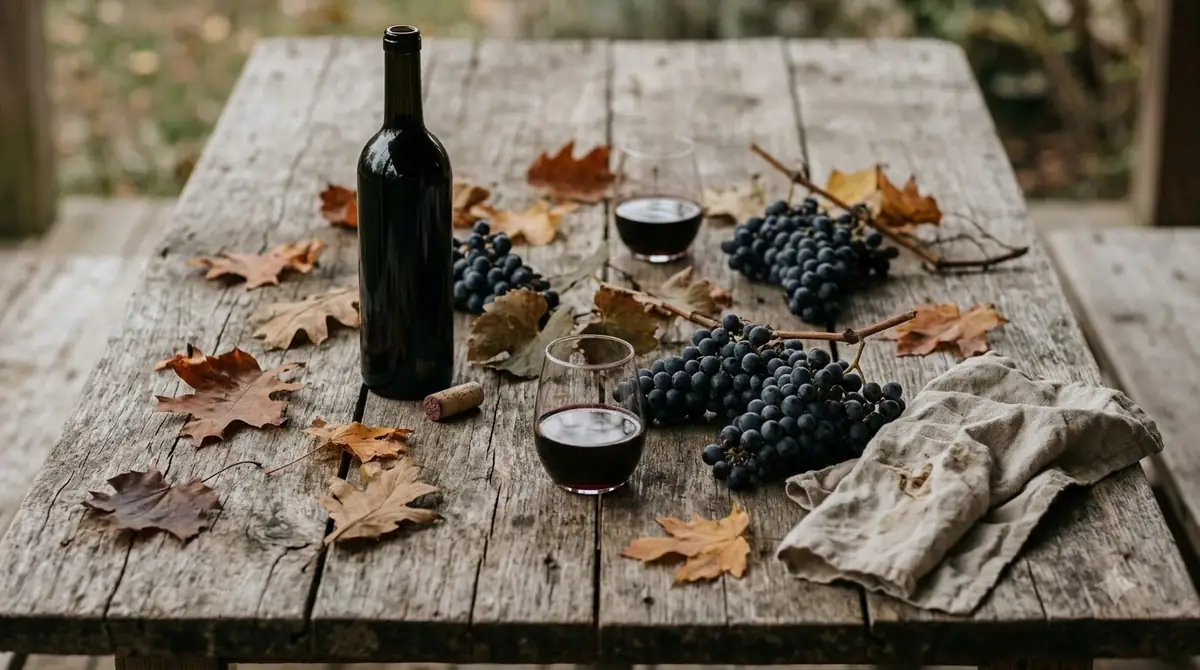
For someone who enjoys creamy white wines, California Chardonnay offers plenty of possibilities. Coastal regions such as Sonoma Coast, Russian River Valley, and Sta. Rita Hills produce wines that can combine ripe apple, pear, citrus, and stone fruit with vanilla, toasted oak, and a rounded texture. Some producers use partial barrel fermentation or aging to create richness without overwhelming the fruit.
Drinkers who prefer refreshing white wine have equally interesting options. Chablis and Mâconnais in Burgundy, France, offer Chardonnay with citrus, green apple, and mineral characteristics. Oregon’s Willamette Valley is another useful starting point for people who appreciate freshness and acidity. These styles are particularly appealing alongside seafood, roasted chicken, and lighter meals.
This category also suits people who want to develop their understanding of wine. Comparing two Chardonnays from different climates can reveal how much location influences the grape. A California coastal bottling may emphasize ripe peach and lemon, while a Chablis may show sharper citrus, restrained fruit, and stony characteristics.
There is also a practical reason to explore this price bracket: recognizable producers frequently offer multiple levels of Chardonnay. Their broader ranges can include approachable regional bottlings alongside more concentrated vineyard selections. Understanding those distinctions makes it easier to find a bottle suited to an ordinary dinner or a special gathering.
However, spending closer to the upper end does not automatically guarantee a better wine. Some inexpensive stainless-steel Chardonnays are excellent examples of freshness and fruit purity, while certain more expensive bottles may emphasize barrel influence that not every drinker enjoys. The objective is to find balance and a recognizable style rather than equating price with quality.
Key Factors to Compare Before Buying Chardonnay
The most useful comparisons involve region, oak treatment, acidity, fruit ripeness, and the producer’s consistency. Looking at these five characteristics provides a clearer picture of what is inside the bottle than relying on attractive packaging or general descriptions.
| Factor | What to Look For | Typical Character | Best For |
|---|---|---|---|
| Oak influence | Stainless steel, neutral oak, new oak | Citrus to vanilla and toast | Matching personal preference |
| Climate | Cool coastal or warmer inland region | Green apple to tropical fruit | Choosing fruit intensity |
| Acidity | Fresh, lively finish | Medium to medium-high | Food pairing and freshness |
| Body | Light, medium, or full | Lean to creamy | Matching meal richness |
| Alcohol | Check stated ABV | Often around 12-14.5% | Comparing weight and warmth |
| Origin | Specific appellation or vineyard | More identifiable regional character | Exploring terroir |
Oak Treatment and Winemaking
Oak is one of the most important decisions to understand. Chardonnay fermented or aged in stainless steel generally retains a cleaner expression of apple, lemon, pear, and other primary fruit. Barrel-aged versions can develop vanilla, toast, baking spice, and additional texture.
However, oak is not simply an on-or-off decision. A producer might ferment part of a wine in barrels and the remainder in stainless steel. Another might use older French oak barrels that provide subtle texture without introducing pronounced vanilla or toast. These approaches create a middle ground between completely unoaked wine and a strongly buttery style.
Malolactic fermentation is another important consideration. This secondary fermentation converts malic acid into lactic acid, softening the wine’s sharper acidity and potentially creating a creamy impression. It is not identical to oak aging, even though the two techniques frequently appear together in richer Chardonnay.
Region and Fruit Character
Climate influences grape ripeness, acidity, and flavor concentration. Cooler vineyards tend to produce Chardonnay with lemon, green apple, quince, and more pronounced freshness. Warmer growing conditions generally encourage flavors of ripe pear, peach, pineapple, and apricot.
Specific American appellations can provide helpful clues. Wine Enthusiast recommends looking beyond broad California or Central Coast designations toward areas such as Sta. Rita Hills, SLO Coast, and Santa Lucia Highlands. More precise geographic identification can indicate a stronger connection between the wine and its growing location.
Producer Reputation and Consistency
A familiar producer is a sensible starting point, particularly for shoppers who have not developed strong preferences. Wine Enthusiast identifies J. Lohr, Cambria, La Crema, and Bezel among producers worth considering in the accessible Chardonnay category.
It also recommends exploring secondary labels from established wineries. Bishop’s Peak, associated with Talley, and Fossil Point, associated with Center of Effort, illustrate how a producer’s broader experience can extend into more approachable wines.
For additional background on styles and producers, the best chardonnay brands guide can help narrow the search before choosing a particular bottle.
Step-by-Step: How to Choose a Better Chardonnay
A simple shopping process prevents common buying mistakes and helps match a wine to its intended occasion. Start with the flavor profile you enjoy, then narrow the selection by origin, production style, and food pairing.
-
Decide whether you prefer crisp or creamy Chardonnay.
Choose a stainless-steel or lightly oaked style if you enjoy lemon, green apple, and refreshing acidity. Look for barrel-aged Chardonnay if vanilla, toast, ripe peach, and a rounder texture sound more appealing.
-
Choose a climate and region.
Start with Chablis, coastal Oregon, or cooler California vineyards for brighter fruit and freshness. Consider warmer California regions if you prefer pineapple, ripe pear, and fuller fruit expression.
-
Look for a specific appellation.
Sta. Rita Hills, Sonoma Coast, Russian River Valley, and Willamette Valley provide more geographic context than a generic California designation. For French wine, names such as Chablis, Saint-Véran, and Pouilly-Fuissé identify regional origins.
-
Check the producer and winemaking description.
Look for information about stainless-steel fermentation, barrel aging, malolactic fermentation, and lees contact. These details help predict the wine’s flavor and texture more reliably than marketing terms alone.
-
Consider the intended meal.
A crisp Chardonnay is particularly suitable for oysters, shrimp, and delicate white fish. A richer bottle can complement roast chicken, pork, lobster with butter, and creamy pasta.
-
Compare bottles from different producers.
Rather than buying several wines with nearly identical descriptions, select contrasting styles. A Chablis and a California coastal Chardonnay make an especially useful comparison because their climate and winemaking influences can be quite different.
-
Serve the wine at an appropriate temperature.
Light, unoaked Chardonnay benefits from a cooler serving temperature, while fuller-bodied barrel-aged examples show more character when slightly warmer. Avoid serving either style directly from a very cold refrigerator without allowing it to warm briefly in the glass.
This process also works for online wine shopping. Search by region, producer, and production method instead of relying exclusively on popularity or label design. If a retailer provides tasting descriptions, prioritize specific details such as lemon zest, pear, toasted almond, and vanilla over vague promotional language.
Tip: If you are uncertain which style you prefer, buy one crisp Chardonnay and one moderately oaked Chardonnay for a side-by-side comparison. Pay attention to acidity, fruit ripeness, texture, and the length of the finish rather than simply deciding which wine tastes stronger.
Chardonnay Types and Styles Worth Exploring
Chardonnay is not a single flavor profile. The grape can produce lean, mineral-driven wines, fruit-forward regional bottlings, creamy barrel-aged examples, and more complex expressions influenced by extended aging.
Unoaked and Stainless-Steel Chardonnay
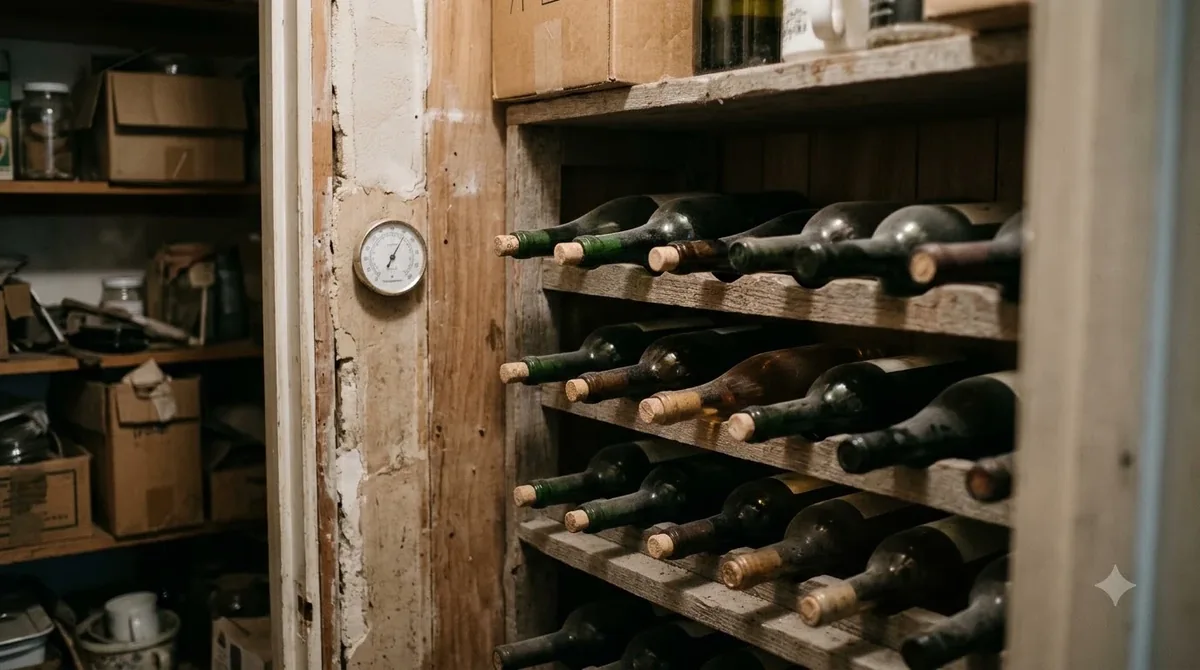
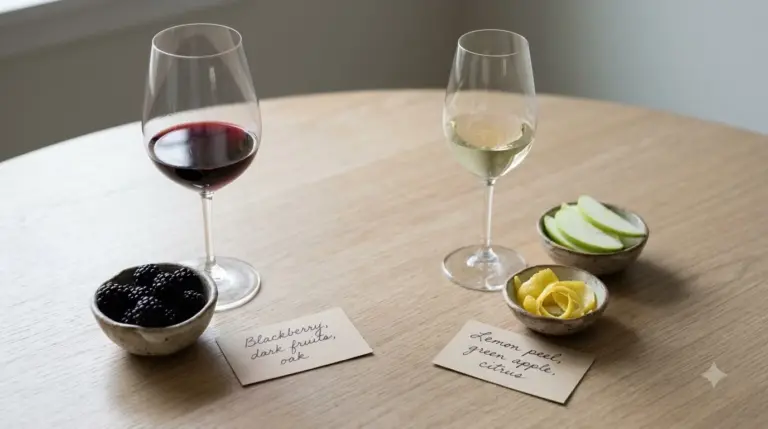
Unoaked Chardonnay is the natural starting point for anyone who dislikes heavy vanilla and buttery flavors. Without pronounced oak influence, the grape’s fruit and acidity are more noticeable. Common descriptors include lemon, green apple, pear, white peach, and mineral notes.
Chablis is a particularly recognizable example of this style. Located in northern Burgundy, it is known for Chardonnay with crisp acidity and stony characteristics. Mâcon-Villages and other Mâconnais appellations can also offer approachable Chardonnay with fresh orchard-fruit character.
California and Oregon produce unoaked alternatives as well. Wine.com’s unoaked Chardonnay guide discusses examples from Willamette Valley, California’s coastal vineyards, and other cool-climate areas. For an additional explanation, its unoaked Chardonnay guide describes how fermentation and oak decisions influence the finished wine.
Lightly Oaked Chardonnay
Lightly oaked Chardonnay is an excellent compromise for drinkers who want texture and complexity without an overpowering buttery character. These wines may combine citrus, apple, and pear with subtle vanilla, almond, toasted bread, or baking spice.
Producers can achieve this balance through older barrels, partial barrel fermentation, or a combination of stainless steel and wood. Some also use lees aging to develop additional texture. The result can be more layered than a completely unoaked wine while retaining enough freshness for seafood and poultry.
California’s coastal regions offer many examples of this balanced approach. Carneros, Sonoma Coast, and Sta. Rita Hills are useful areas to explore because their wines can retain freshness alongside ripe fruit character.
Rich and Buttery Chardonnay
Rich Chardonnay appeals to people who prefer a fuller white wine with creamy texture and pronounced oak characteristics. Common aromas and flavors include baked apple, ripe pear, vanilla, butter, caramel, and toasted nuts.
Both barrel aging and malolactic fermentation can contribute to this impression. The precise balance varies between producers, so not every oak-aged Chardonnay tastes heavily buttery. Some wines emphasize subtle toast and spice while retaining noticeable acidity.
These bottles are particularly suitable for richer food. Roast chicken with pan sauce, lobster with melted butter, creamy mushroom pasta, and roasted pork provide enough flavor and texture to complement the wine.
Cool-Climate and Old World Chardonnay
Cool-climate Chardonnay emphasizes freshness, citrus, and orchard fruit. Burgundy’s Chablis and Mâconnais, Oregon’s Willamette Valley, and New Zealand’s cooler growing areas are useful places to begin exploring this category.
French Burgundy offers an especially interesting range. Chablis typically emphasizes mineral character and freshness, while some Mâconnais bottlings develop broader fruit and more generous texture. Pouilly-Fuissé can provide additional richness and complexity while retaining the grape’s recognizable freshness.
New Zealand Chardonnay is another useful comparison. It can combine citrus, orchard fruit, and bright acidity with restrained oak or subtle smoky characteristics, depending on the producer.
Warm-Climate Chardonnay
Warmer growing conditions generally produce riper fruit profiles. Expect more peach, pineapple, melon, and apricot, sometimes accompanied by a fuller body and softer impression of acidity.
California’s warmer inland vineyards and some Australian regions illustrate this approach. These wines can be excellent choices for people who prefer generous fruit flavors and a rounded texture.
For shoppers who are still learning the differences between sweetness and oak influence, the dry Chardonnay and sweet Chardonnay guides offer additional context. A buttery Chardonnay can still be completely dry, so creamy texture should not be mistaken for residual sugar.
Common Mistakes When Shopping for Chardonnay
Most disappointing purchases result from choosing the wrong style rather than choosing the wrong grape. Understanding several frequent misconceptions makes it easier to find a bottle that suits your preferences.
Assuming Every Buttery Chardonnay Is Sweet
One of the most common mistakes is confusing a creamy texture with sweetness. Chardonnay can have vanilla, butter, ripe peach, and caramel-like aromas while remaining dry.
Malolactic fermentation changes acidity and texture, while residual sugar is a separate characteristic of the finished wine. Oak aging also contributes aromas that can create an impression of sweetness without necessarily leaving sugar in the wine.
Assuming All California Chardonnay Tastes the Same
California is a large wine-producing state with substantial differences in climate and vineyard conditions. A Chardonnay from a cooler coastal vineyard may have lemon, apple, and refreshing acidity, while one from a warmer location may emphasize pineapple, peach, and fuller fruit.
Even within Sonoma County, Russian River Valley and Sonoma Coast can produce noticeably different expressions. Reading the geographic designation is more useful than assuming every bottle from the same state shares an identical style.
Choosing Oak Intensity Instead of Balance
Pronounced oak is not automatically a sign of quality. Excessive vanilla, toast, or caramel characteristics can obscure fruit and make a wine feel heavy, especially when acidity is insufficient to provide balance.
Likewise, a completely unoaked wine is not necessarily superior. Some Chardonnay benefits from carefully managed barrel aging, which can contribute texture and complexity without dominating the wine.
Ignoring Acidity and Food Pairing
Acidity is an important part of Chardonnay’s versatility. A wine with good freshness can complement seafood, chicken, and dishes with butter or cream because it helps balance their richness.
A very full-bodied Chardonnay can feel excessive beside delicate seafood preparations, while a particularly lean wine may seem underpowered next to a rich cream sauce. Match the wine’s body and intensity with the food rather than choosing solely by grape variety.
Buying Exclusively by Familiar Labels
Recognizable producers provide a useful starting point, but limiting purchases to familiar national brands means missing interesting regional wines. Smaller producers and secondary labels from established wineries can provide distinctive alternatives.
Wine Enthusiast specifically identifies regional precision and established producer experience as useful shopping considerations. Its Chardonnay recommendations and buying advice include examples from Sta. Rita Hills, Anderson Valley, and Pouilly-Fuissé that demonstrate the diversity available to shoppers.
Serving, Opening, and Storage Tips for Chardonnay
Correct serving temperature and storage make a noticeable difference to Chardonnay’s aroma, texture, and freshness. A few simple habits help preserve the character of both crisp stainless-steel wines and fuller barrel-aged bottles.
Serve at the Right Temperature
Chardonnay generally benefits from being served cooler than room temperature but not excessively cold. A very cold wine can conceal fruit aromas and make its texture seem less expressive.
For a practical starting point, use approximately 48 degrees Fahrenheit for leaner unoaked Chardonnay and 50 to 55 degrees Fahrenheit for fuller-bodied white wines. Allow a bottle to warm slightly in the glass if its aromas initially seem restrained.
These differences are particularly noticeable when comparing Chablis with a rich California barrel-aged Chardonnay. The former often shows its refreshing citrus character at a cooler temperature, while the latter benefits from enough warmth to reveal its texture and oak-derived aromas.
Choose Appropriate Glassware
A standard white wine glass is suitable for most Chardonnay. A moderately wide bowl provides room for aromas to develop while keeping the wine cool enough to remain refreshing.
Very narrow glasses can make fuller Chardonnay seem less expressive, while an excessively large bowl can allow a chilled white wine to warm quickly. A versatile medium-sized glass is a practical choice for both unoaked and moderately oaked examples.
Use Sensible Pour Sizes
A standard wine pour is approximately 5 ounces. A 750 ml bottle contains about 25.4 fluid ounces, which works out to approximately five standard pours.
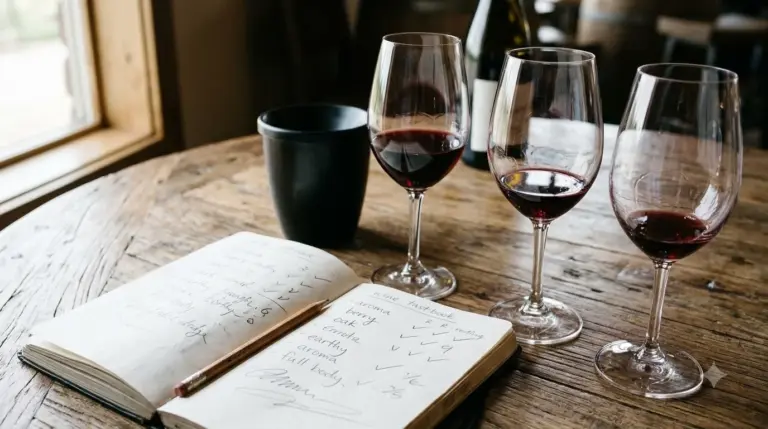
For a tasting comparison, smaller pours make it easier to evaluate multiple wines without filling the glass excessively. This is particularly useful when comparing a Chablis with a California Chardonnay or examining the differences between stainless-steel and barrel-aged styles.
Store Unopened Bottles Properly
Keep unopened Chardonnay in a cool, dark environment away from direct sunlight and significant temperature fluctuations. A storage temperature near 55 degrees Fahrenheit is a useful target for longer-term bottle storage.
Traditional cork-finished bottles should generally be stored horizontally so the cork remains in contact with the wine. Avoid keeping wine beside an oven, heating appliance, or other source of repeated temperature changes.
Preserve Opened Chardonnay
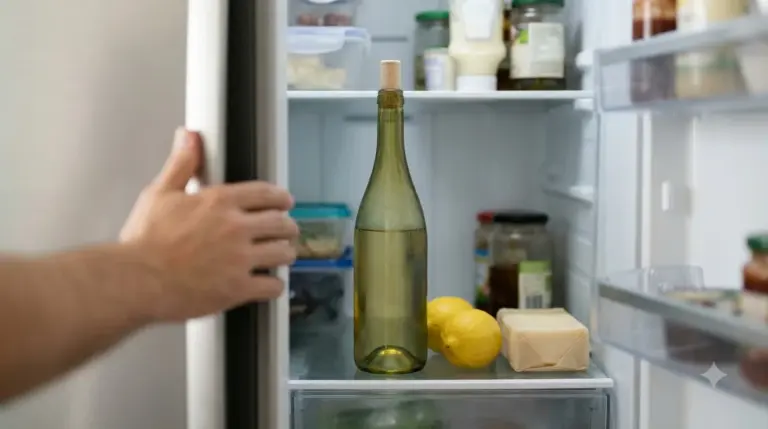
Once opened, reseal the bottle securely and refrigerate it. Most still wines, including Chardonnay, retain their best qualities for approximately three to five days under proper refrigeration, although freshness depends on the wine and how much air remains in the bottle.
A vacuum stopper can help reduce oxygen exposure, while a smaller airtight container can be useful if only a small quantity remains. Before serving again, allow the wine to warm slightly so its aromas are not hidden by excessive cold.
For everyday enjoyment, there is no need to reserve every interesting bottle for a special occasion. A well-made Chardonnay can be just as appropriate alongside a weeknight chicken dinner as it is at a larger gathering.
Frequently Asked Questions
Is Chardonnay under 50 good enough for a special occasion?
Yes. A carefully selected Chardonnay from a recognized vineyard or established producer can offer considerable complexity and a distinctive sense of place. For a special dinner, consider a well-made Sta. Rita Hills, Sonoma Coast, or Pouilly-Fuissé bottling rather than choosing solely by label recognition.
Does Chardonnay improve with age?
Some Chardonnay can develop additional complexity through bottle aging, particularly wines with concentrated fruit, balanced acidity, and thoughtful winemaking. However, many approachable regional bottlings are designed for enjoyment while young and fresh. Aging potential depends on the individual wine rather than the grape variety alone.
Is Burgundy Chardonnay always made from Chardonnay grapes?
White Burgundy is predominantly made from Chardonnay, although regional wine regulations and appellation requirements determine permitted varieties. Chardonnay is the principal grape associated with Chablis, Mâconnais, Meursault, and Pouilly-Fuissé. Reading the appellation helps identify the wine’s origin and production rules.
What does lees aging contribute to Chardonnay?
Lees are the spent yeast cells remaining after fermentation. Keeping wine in contact with these deposits can contribute additional texture and savory complexity, sometimes producing bread-dough, pastry, or subtle nut-like characteristics. Stirring the lees, known as bâtonnage, is another winemaking technique used to influence texture.
Can Chardonnay be used to make sparkling wine?
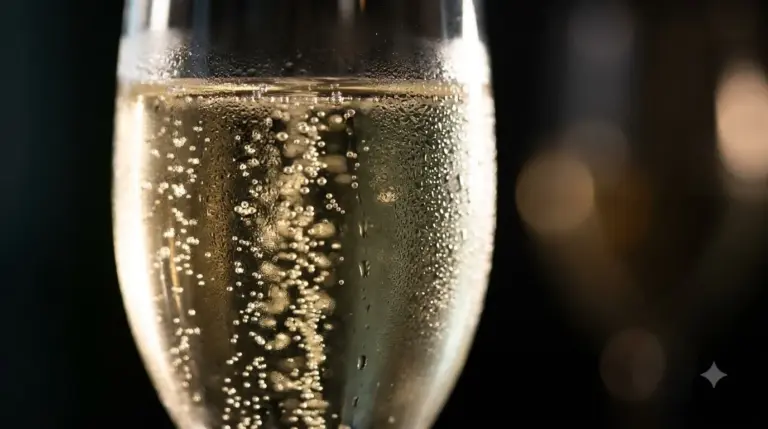
Yes. Chardonnay is an important grape in traditional-method sparkling wines, including Blanc de Blancs Champagne. In Champagne, secondary fermentation takes place in the bottle, creating the wine’s bubbles. Chardonnay contributes freshness, acidity, and delicate citrus characteristics to these sparkling expressions.
The best Chardonnay is the bottle that combines freshness, fruit, texture, and regional character in a style you genuinely enjoy. Start with a trusted producer, explore a specific region, and compare oaked and unoaked examples before settling on favorites. With a little attention to winemaking and serving conditions, this category offers plenty of rewarding discoveries without requiring a collector’s budget.
More in Wine Buying Guides
 Best Coonawarra Wineries for Memorable Cellar Door VisitsUpdated Nov 21, 2026
 Best Cava Under 20 for Crisp, Affordable Spanish BubblesUpdated Nov 21, 2026
 Best Chenin Blanc Under 20 for Fresh, Flavorful White WineUpdated Nov 21, 2026
 Best Boxed Sweet Red Wine for Easy Everyday EnjoymentUpdated Nov 21, 2026
 Best Boxed Riesling for Fresh, Easy Everyday PouringUpdated Nov 21, 2026
 Best Columbia Valley Wineries for Memorable Wine TastingsUpdated Nov 21, 2026