

We may earn a commission when you buy through links on this page, at no extra cost to you. Learn more.
Zalto crystal wine glasses are premium, Austrian-made, mouth-blown lead-free crystal glasses designed for wine enthusiasts who value exceptional lightness, precise craftsmanship, and expressive wine aromas. The Denk’Art collection includes specialized shapes for Bordeaux, Burgundy, white wine, Champagne, and versatile everyday use. Their remarkably thin construction and distinctive angular profiles make them appealing luxury stemware, although their fragile feel and demanding handling requirements will not suit every household.
Zalto has developed a strong reputation among sommeliers, wine collectors, and serious home enthusiasts. Its Denk’Art collection focuses on the relationship between bowl geometry, wine aromas, and the drinking experience rather than decorative embellishments. Each glass is mouth-blown in Austria, and the collection uses lead-free crystal instead of traditional lead crystal. The result is exceptionally lightweight stemware with a distinctive appearance. This review examines the construction, individual glass shapes, owner feedback, care requirements, and alternatives to help determine whether Zalto deserves a place in your glassware cabinet.
Specs and Key Features of Zalto Denk’Art Glassware
Zalto Denk’Art combines Austrian mouth-blown craftsmanship, lead-free crystal, and carefully differentiated bowl shapes. Its most recognizable design feature is the use of three angular references: 24, 48, and 72 degrees, which influence the curves of the collection.
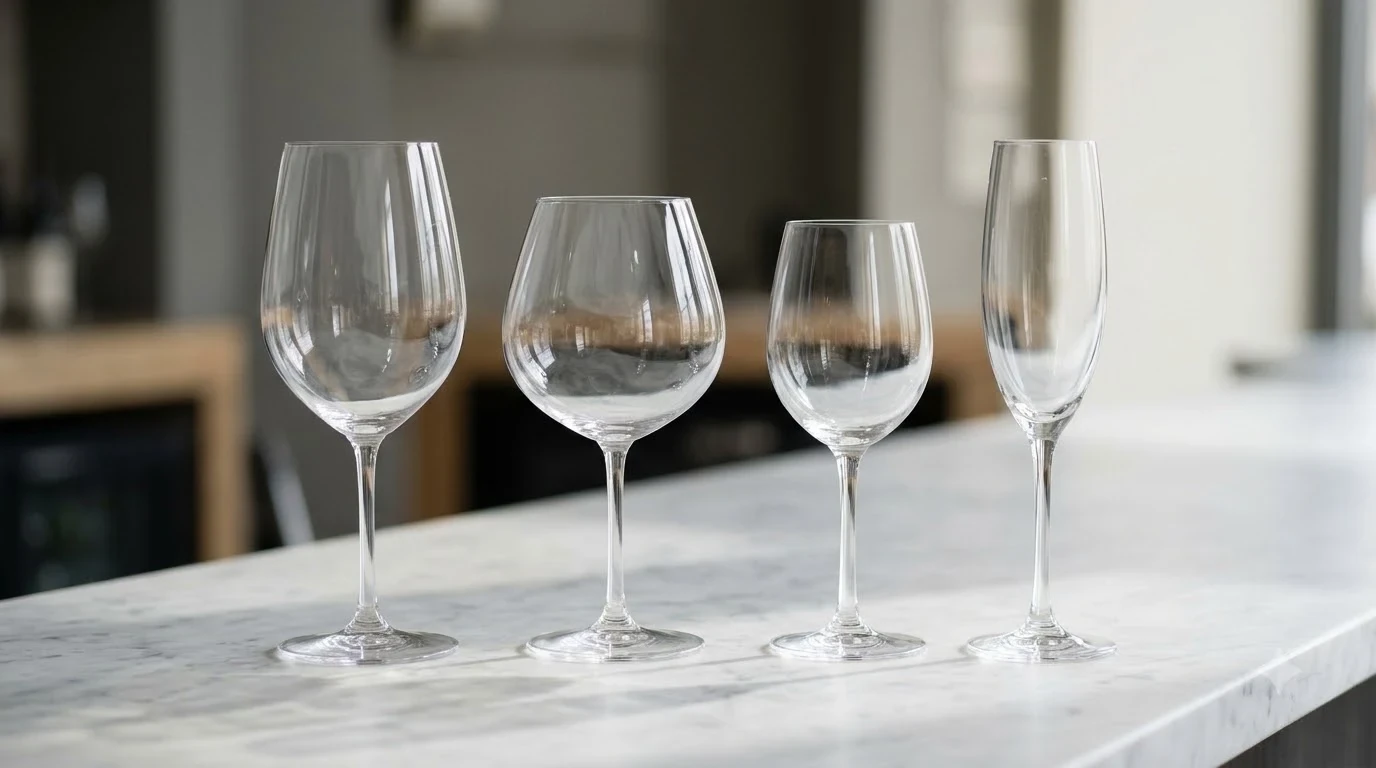
The design philosophy distinguishes Zalto from conventional stemware. Rather than relying on thick, heavy bowls or elaborate decorative details, Denk’Art glasses emphasize transparency, balance, and a remarkably thin profile. The crystal allows wine color to remain clearly visible, while the lightweight construction gives the glasses an almost unusually delicate sensation in the hand.
According to the authorized US retailer Aldo Sohm, each Denk’Art piece is mouth-blown by Austrian artisans. The collection is also made from lead-free crystal. These characteristics matter because buyers receive the clarity associated with fine crystal without choosing traditional lead-containing glassware.
The Universal glass is a particularly recognizable example. At 9.4 inches tall, it holds 18 ounces, providing room for swirling and releasing aromas without filling the bowl excessively. The White Wine glass is slightly smaller, with a 13.5-ounce capacity and a height of 9 inches. These dimensions give buyers a useful starting point when comparing the collection. Wine Enthusiast provides individual product specifications for the Zalto Denk’Art White Wine glass.
| Glass or feature | Verified specifications | Intended use |
|---|---|---|
| Universal | 9.4 inches tall; 18 oz | Full-bodied and expressive wines |
| White Wine | 9 inches tall; 13.5 oz | White wines and medium-bodied reds |
| Champagne | 9.5 inches tall; 7.4 oz | Champagne and sparkling wine |
| Bordeaux | 765 ml capacity; 240 mm tall | Structured, tannic wines |
| Burgundy | 960 ml capacity; 230 mm tall | Expressive Pinot Noir and other aromatic wines |
| Crystal composition | Lead-free crystal | Clear presentation without lead oxide |
| Manufacturing | Mouth-blown in Austria | Traditional artisan glassmaking |
| Design references | 24°, 48°, and 72° | Distinctive bowl geometry |
The Bordeaux and Burgundy measurements above are taken from Zalto’s product safety documentation, while the Universal, White Wine, and Champagne specifications come from Wine Enthusiast’s individual product descriptions. These are different shapes with different purposes, not interchangeable versions of the same glass.
Another important characteristic is the thin rim. A fine rim creates a less noticeable physical barrier between the wine and the drinker’s mouth. Combined with the open bowl designs, it contributes to the refined drinking experience that attracts enthusiasts to the collection.
For buyers researching crystal wine glasses, Zalto belongs in the premium category. Its defining strengths are craftsmanship, visual clarity, and specialized shapes rather than affordability or resistance to accidental damage.
One practical consideration is the height of the glasses. A 9.4-inch Universal glass may not fit comfortably in every kitchen cabinet or dishwasher rack. Measure your available storage space before purchasing a complete set, especially if you intend to buy several different Denk’Art shapes.
What Owners Like About Zalto Crystal Wine Glasses
Owners frequently appreciate the glasses’ extraordinary lightness, elegant appearance, and refined drinking experience. Their thin stems and carefully shaped bowls create a different impression from conventional restaurant or everyday wine glasses.
One of the strongest recurring positives in Wine Enthusiast’s customer-review summaries is the lightweight construction. People who enjoy premium stemware often appreciate how little material separates their hand from the wine itself. The thin rim also contributes to the impression of refinement without adding decorative elements that distract from the drink.
The Universal glass receives particular attention because it accommodates several wine styles. Wine Enthusiast identifies Chardonnay, Chianti, Riesling, and powerful Wachau Smaragd wines among its recommended selections. This versatility makes it attractive to buyers who would rather own one premium glass shape than maintain a large collection of specialized stemware.
The mouth-blown manufacturing process is another major attraction. Each piece is formed by skilled artisans rather than produced as an ordinary mass-market molded glass. Buyers interested in traditional glassmaking may appreciate the craftsmanship involved, particularly when purchasing stemware for a special occasion or as a gift.
Exceptional lightness and visual appeal
Zalto glasses have a distinctive presence on a dining table. Their slender stems, transparent bowls, and angular profiles create an understated presentation that works well with formal dinnerware as well as minimalist table settings.
The absence of decorative patterns is intentional. A clear glass lets the natural color of a Pinot Noir, Cabernet Sauvignon, or Riesling remain the visual focus. This is especially appealing to collectors who want glassware that complements expensive bottles without competing with their labels or presentation.
Their relatively generous bowl capacities also provide practical room for swirling. The 18-ounce Universal glass, for example, offers considerably more capacity than the amount typically poured for a tasting. A standard 5-ounce wine serving leaves enough room to move the wine around the bowl and examine its aromas.
Versatility across wine styles
The Universal shape is a major reason to consider the collection. Rather than requiring a different vessel for every grape, it accommodates a useful range of expressive white and red wines.
For households that regularly serve Chardonnay, Riesling, Chianti, and other aromatic wines, the Universal can reduce the number of glasses needed. Buyers who frequently serve Cabernet Sauvignon or Pinot Noir may prefer the more specialized Bordeaux or Burgundy shapes, but a Universal glass remains a sensible starting point.
The Champagne glass also offers a distinct alternative to conventional narrow flutes. A broader wine-glass-style opening provides more opportunity to appreciate the aromas of sparkling wine, particularly complex Champagne and vintage cuvées.
For enthusiasts who value presentation as much as wine selection, the combination of mouth-blown construction and thoughtful proportions is a compelling reason to consider Zalto.
Common Complaints and Practical Limitations
The main disadvantages of Zalto Denk’Art glasses are their fragile feel, premium positioning, and handling requirements. Their lightweight construction is a defining attraction, but it also means owners must pay attention to storage, cleaning, and everyday use.

Wine Enthusiast customer feedback highlights both the elegant construction and concerns about fragility. Some owners describe the glasses as beautiful and lightweight, while others emphasize that they require careful handling. These comments reflect an important distinction: dishwasher-safe does not mean resistant to impacts, twisting, or careless placement.
Thin stems require careful handling
The exceptionally slender stem is visually appealing, but it can make the glass feel less reassuring to someone accustomed to heavier stemware. A full Universal glass can also feel top-heavy to some users, particularly when they hold it by the stem.
Wirecutter’s comparison of premium wine glasses identifies the Zalto Universal’s thin construction and light weight as potential drawbacks. Its reviewers also describe the heavier Gabriel-Glas StandArt as more comfortable for many users because of its thicker stem and greater weight.
This is an important buying consideration for households with children, frequent dinner parties, crowded dining tables, or limited storage space. A glass that requires deliberate handling may not be the most practical choice for a busy everyday setting.
Storage and washing require attention
Although the glasses are marketed as dishwasher-safe, their thin construction still requires appropriate placement. They should not touch neighboring glasses, metal utensils, ceramic dishes, or other hard objects during a wash cycle.
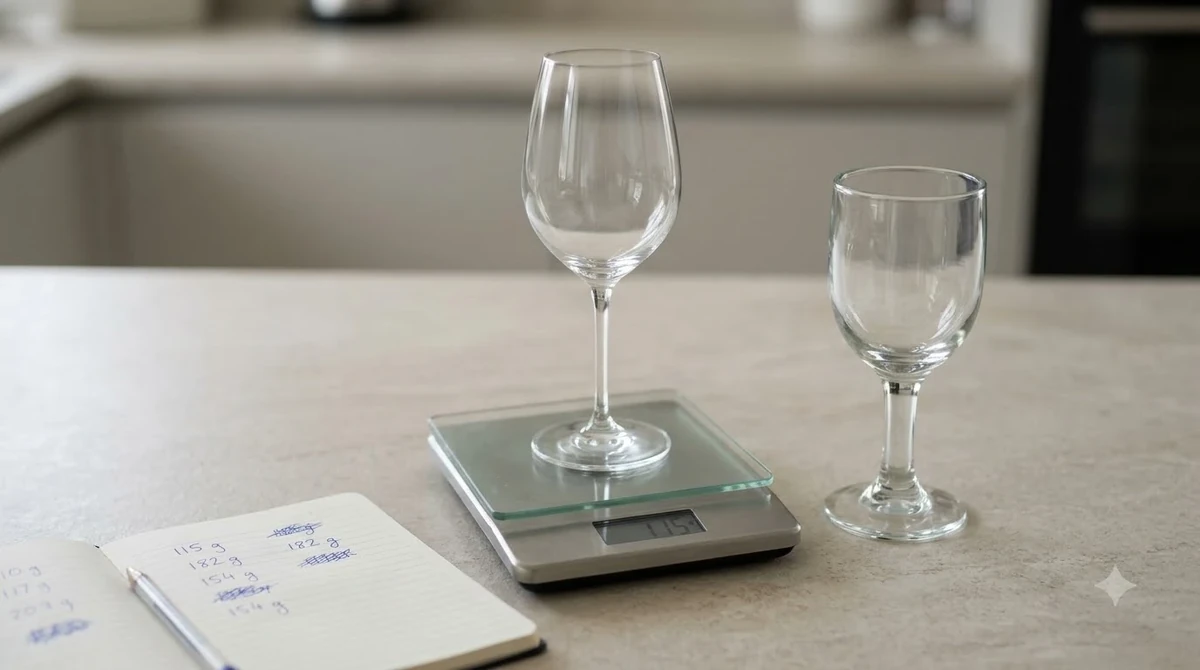
Hand-washing is not automatically safer. Wine Enthusiast’s published Zalto care guidance explains that washing by hand can introduce twisting pressure between the bowl, stem, and base. That type of stress can cause breakage even without a direct impact.
Polishing also deserves attention. Holding the base while twisting the bowl with a towel creates unnecessary torque. This is one of the handling mistakes that can damage otherwise perfectly usable stemware.
Not ideal for every household
Another concern is the amount of cabinet space required. A collection containing Bordeaux, Burgundy, Universal, and Champagne glasses needs considerably more storage planning than a small assortment of compact everyday tumblers.
The glasses also have a specialized appearance that may not suit everyone. Some buyers prefer thicker crystal, more substantial stems, or dishwasher-friendly everyday designs that can be handled without much thought.
For those households, a sturdy universal glass can provide a more comfortable balance between appearance and practicality. Zalto is best considered a premium choice for people who actively value its specific design characteristics.
Who Should Buy Zalto and Who Should Skip It
Zalto is best suited to dedicated wine enthusiasts, collectors, and hosts who appreciate fine stemware and are willing to handle it carefully. Buyers seeking inexpensive, durable glasses for large gatherings will generally find more practical alternatives.
The Universal is a sensible first purchase for someone who enjoys a varied wine collection. Its 18-ounce capacity and broad suitability make it more adaptable than buying several specialized glasses immediately.
For Cabernet Sauvignon drinkers, the Bordeaux shape deserves attention. Its intended role is to accommodate structured wines with substantial tannin, including Bordeaux blends, Rioja, Brunello, and Shiraz. The larger bowl provides space for swirling and aromatic development.
Pinot Noir enthusiasts may prefer the Burgundy glass. Its 960 ml capacity and wider bowl are designed for expressive wines, including Pinot Noir and Nebbiolo. This shape is especially relevant to collectors who regularly serve aromatic reds rather than powerful, heavily structured wines.
Buy Zalto if:
- You regularly drink premium wines and appreciate subtle differences in aroma and presentation.
- You prefer mouth-blown Austrian crystal rather than conventional mass-produced stemware.
- You value lead-free crystal and a transparent, minimalist appearance.
- You enjoy having specialized glasses for Bordeaux, Burgundy, white wine, and Champagne.
- You have suitable storage space and are comfortable handling lightweight glassware.
- You want a distinctive gift for someone who collects wine accessories.
Skip Zalto if:
- You need inexpensive glasses for large parties or frequent entertaining.
- You prefer heavy stems and substantial bowls that feel reassuring in the hand.
- Your household regularly experiences accidental breakage.
- You want glassware that can be stored tightly together without special precautions.
- You prefer a simple, durable universal glass for casual drinking.
A practical alternative is to purchase one Universal glass before committing to a larger set. This allows you to assess the weight, balance, rim thickness, and storage requirements in your own home.
Buyers who are still comparing materials can also explore lead free crystal wine glasses to understand how Zalto fits into the broader category of non-leaded premium stemware.
How Zalto Compares to Alternative Wine Glasses
Zalto occupies a specialized position among luxury wine glasses, with its mouth-blown construction and unusually lightweight feel setting it apart from more substantial alternatives. The best comparison depends on whether you prioritize craftsmanship, comfort, versatility, or everyday durability.
Zalto versus Gabriel-Glas
The Gabriel-Glas StandArt is a useful comparison for buyers considering a premium universal glass. Wirecutter describes the StandArt as a more comfortable option for many people because its thicker stem and heavier construction provide a more substantial grip.
Zalto, by contrast, emphasizes lightness and a refined, delicate profile. Both are intended to work across multiple wine styles, but they appeal to different preferences. Buyers who appreciate a nearly weightless glass may gravitate toward Zalto, while those who prefer a sturdier-feeling vessel may favor Gabriel-Glas. Wirecutter’s wine glass comparison discusses the differences between these premium options.
The difference is not simply a question of quality. It is a matter of how much weight, stem thickness, and physical reassurance the drinker wants from a wine glass.
Zalto versus Riedel
Riedel is another relevant name for buyers comparing specialized wine glasses. Its Cuvee Prestige Champagne glass is described by Wirecutter as a non-leaded crystal option with a tulip profile that combines the appearance of a flute with a more open bowl.
Zalto’s Denk’Art collection also offers a dedicated Champagne glass, alongside its Universal, White Wine, Bordeaux, and Burgundy shapes. Both brands provide options for people who want glassware designed around particular wine styles.
The difference for a prospective buyer is the emphasis on construction and feel. Zalto is especially recognizable for its mouth-blown, exceptionally thin stemware, while shoppers comparing Riedel can evaluate the particular shape and weight of the individual glass they intend to purchase.
Zalto versus conventional everyday stemware
Conventional all-purpose wine glasses generally offer a more forgiving combination of weight, thickness, and storage convenience. They may not provide the same refined physical experience as a Zalto glass, but they can be easier to use during large dinners or casual gatherings.
For everyday wine drinkers, versatility often matters more than owning five different specialized shapes. A well-proportioned universal glass can serve Sauvignon Blanc, Chardonnay, Pinot Noir, and lighter reds without requiring a dedicated piece for each grape.
For additional options across different budgets and glass styles, consult our broader guide to wine glasses. It can help clarify whether a luxury specialist glass or a more practical universal design better suits your collection.
Choosing the right Zalto shape
The shape matters as much as the manufacturing process. A Bordeaux glass is intended for structured reds, while Burgundy accommodates aromatic wines that benefit from a broad bowl. The White Wine glass is suited to elegant, fruit-forward whites, and the Champagne glass provides a dedicated shape for sparkling wines.
The Universal is the most sensible entry point for buyers who do not want to maintain several separate sets. Its 18-ounce capacity and broad range of recommended wines make it a practical introduction to the collection.
For collectors who regularly serve different wine styles, adding specialized shapes gradually is a better approach than purchasing a large assortment immediately. Start with the glass that matches the wines you drink most often, then expand if the additional shapes provide a genuine benefit.
Frequently Asked Questions
Are Zalto crystal wine glasses made in Austria?
Yes. Zalto Denk’Art glasses are mouth-blown by skilled Austrian artisans. The manufacturer identifies ZALTO Glas GmbH in Gmünd, Austria, as the registered company behind its glassware. This traditional production method is an important part of the collection’s identity.
Do Zalto glasses contain lead or other decorative coatings?
Zalto states that its Denk’Art collection uses lead-free crystal. The glasses are designed around transparent glass rather than colored decorative finishes. This makes them particularly suitable for buyers who prefer to examine the natural appearance of different wine varieties.
Can Zalto glasses be used for beverages other than wine?
The manufacturer’s safety documentation identifies drinking glasses as suitable for certain hot and cold beverages within its stated temperature guidance, but it specifically excludes hot drinks. The recommended temperature range is 8°C to 25°C. Avoid using the glasses for hot coffee, tea, or other hot beverages.
Do Zalto glasses have individual packaging options?
Yes. Zalto’s product documentation identifies individual gift-box packaging as well as two-piece and six-piece packaging for certain Denk’Art shapes. This provides flexibility for buyers who want to replace one glass, purchase a gift, or assemble a matching collection gradually.
What should you do if a Zalto glass develops a small chip?
Stop using it immediately. Zalto’s product safety instructions explicitly state that drinking glasses with cracks, chips, or splinters should no longer be used. Even a small damaged area can create a sharp edge or make the glass more susceptible to further breakage.
Zalto crystal wine glasses are an appealing choice for wine enthusiasts who value Austrian craftsmanship, lead-free crystal, exceptional lightness, and carefully differentiated bowl shapes. The Denk’Art Universal is the strongest starting point for most buyers, while Bordeaux, Burgundy, White Wine, and Champagne offer more specialized options. If you appreciate refined stemware and can provide careful handling and storage, Zalto is a compelling addition to a serious wine collection.
More in Wine Glasses
 Spiegelau Crystal Wine Glasses That Bring Clarity to Every PourUpdated Nov 21, 2026
 Villeroy And Boch White Wine Glasses for a More Cohesive TableUpdated Nov 21, 2026
 Zalto Wine Glasses On Sale: Find the Right Denk’Art GlassUpdated Nov 21, 2026
 Zwiesel Glas Champagne Glasses: Features, Quality and Buying AdviceUpdated Nov 21, 2026
 Zwiesel Glas Decanter Review: A Durable, Elegant Choice for Wine ServiceUpdated Nov 21, 2026
 Zalto Cabernet Glass Review: Features, Fit, and CareUpdated Nov 21, 2026